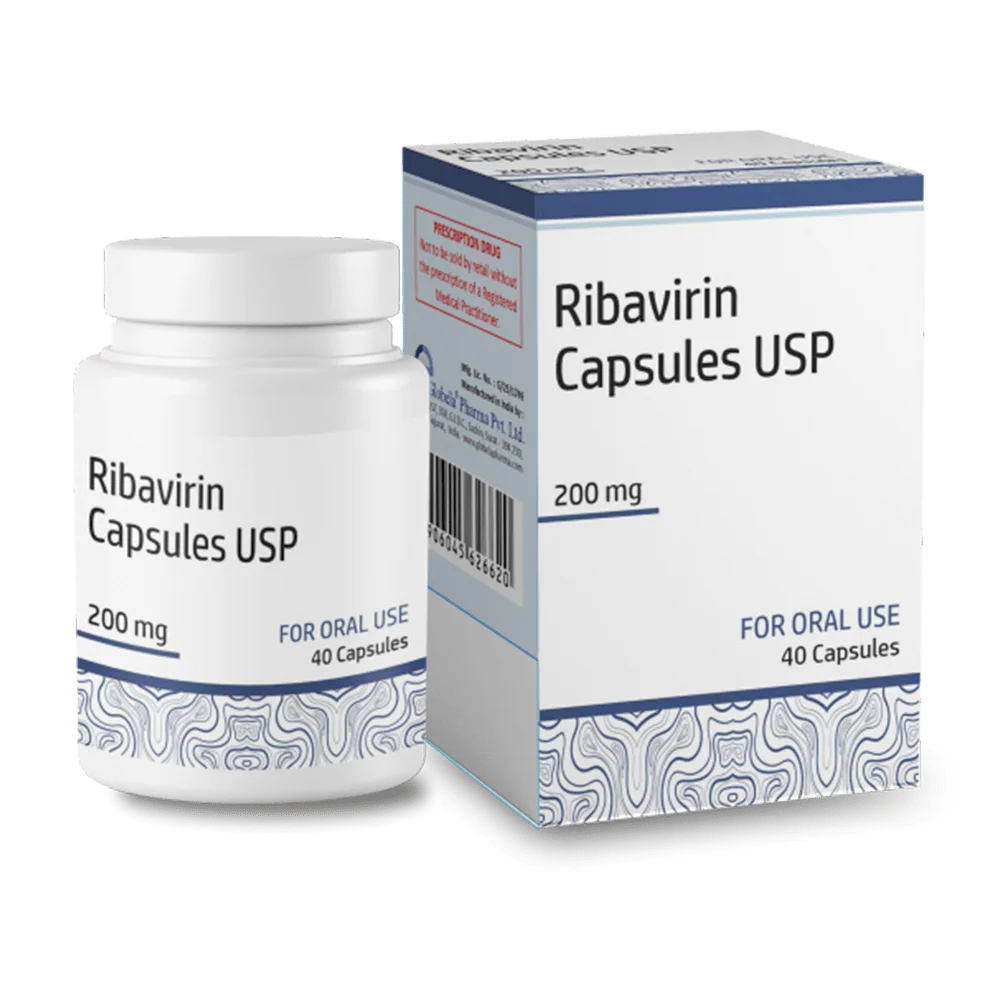
Can Ribavirin Be Used To Treat Nipah Virus Infection?
Nipah virus infection is widely regarded as one of the most dangerous emerging infectious diseases of the 21st century. With a fatality rate that can exceed 70% in some outbreaks, the virus poses a severe threat to global public health, particularly in South and Southeast Asia.
The absence of a proven antiviral cure has driven intense interest in existing drugs, including ribavirin, as potential treatment options.Ribavirin is a broad-spectrum antiviral medication that has been used for decades against a range of viral infections.
Because Nipah virus is an RNA virus, ribavirin was initially considered a promising candidate during early outbreaks. This led to experimental use in limited clinical settings, raising questions that persist today about its effectiveness.
This long-form article provides a comprehensive, evidence-based analysis of whether ribavirin can be used to treat Nipah virus infection. It examines the biology of the virus, the pharmacology of ribavirin, clinical trial data, expert guidelines, emerging therapies, and future directions in Nipah virus treatment.
Can Ribavirin Be Used To Treat Nipah Virus Infection?
Understanding Nipah Virus: An Overview
Nipah virus (NiV) is a zoonotic paramyxovirus belonging to the Henipavirus genus. It was first identified in 1998 during an outbreak among pig farmers in Malaysia, where infected pigs transmitted the virus to humans. Since then, recurring outbreaks have occurred primarily in Bangladesh and India, with occasional cases reported elsewhere.
Fruit bats of the Pteropus genus are the natural reservoir of Nipah virus. Transmission to humans can occur through:
-
Direct contact with infected animals
-
Consumption of contaminated food, such as raw date palm sap
-
Human-to-human transmission, especially in healthcare settings
Unlike many viral infections, Nipah virus often spreads silently at first, with nonspecific symptoms that resemble influenza or respiratory illness.
Clinical Manifestations of Nipah Virus Infection
Nipah virus infection presents a broad clinical spectrum, making diagnosis challenging in early stages.
Early Symptoms
Patients may initially experience:
-
Fever
-
Headache
-
Muscle pain
-
Sore throat
-
Vomiting
These symptoms are often mistaken for common viral illnesses, delaying diagnosis.
Severe Disease Progression
In many cases, the infection rapidly progresses to:
-
Acute encephalitis
-
Altered consciousness
-
Seizures
-
Coma
Respiratory distress is also common, increasing the risk of virus transmission.
Mortality and Long-Term Effects
Reported case fatality rates range from 40% to 75%, depending on:
-
Outbreak location
-
Speed of diagnosis
-
Access to intensive care
Survivors may experience long-term neurological complications, including personality changes and cognitive impairment.
Why Nipah Virus Is a Global Health Priority
The World Health Organization (WHO) has classified Nipah virus as a priority pathogen due to several alarming factors:
-
High mortality rate
-
Human-to-human transmission potential
-
Lack of approved treatments or vaccines
-
Pandemic potential
Because outbreaks are sporadic and unpredictable, Nipah virus represents a constant threat, especially in regions with limited healthcare infrastructure.
What Is Ribavirin? Pharmacological Background
Ribavirin is a synthetic nucleoside analog antiviral drug that interferes with viral RNA synthesis. It has been approved for use against several viral infections, typically in combination with other therapies.
Approved Uses of Ribavirin
Ribavirin has been used to treat:
-
Chronic hepatitis C (historically)
-
Respiratory syncytial virus (RSV)
-
Certain viral hemorrhagic fevers
Its broad-spectrum nature made it a logical candidate for experimental use against emerging RNA viruses like Nipah.
Why Ribavirin Was Considered for Nipah Virus
The rationale for using ribavirin against Nipah virus was based on:
-
Its activity against other RNA viruses
-
Limited treatment alternatives
-
Urgent clinical need during outbreaks
During the first Nipah outbreak in Malaysia, healthcare providers administered ribavirin under emergency conditions, hoping to reduce mortality.
Early Clinical Use of Ribavirin in Nipah Outbreaks
The Malaysia Outbreak (1998–1999)
During the initial Nipah virus outbreak, ribavirin was administered to a subset of patients. Observational data suggested a reduction in mortality, sparking optimism.
However, these findings had major limitations:
-
No randomized controlled trials
-
Small patient numbers
-
Inconsistent dosing protocols
-
No placebo comparison
As a result, conclusions drawn from these observations were not scientifically robust.
Scientific Evidence: What Do Studies Show?
Despite decades since the first outbreak, no large-scale randomized clinical trials have confirmed ribavirin’s effectiveness against Nipah virus.
Key Limitations in Existing Research
-
Ethical challenges during outbreaks
-
Rapid disease progression
-
Limited number of cases
-
Logistical constraints in affected regions
Animal studies have also produced mixed results, further complicating interpretation.
Official Medical Guidance on Ribavirin and Nipah Virus
World Health Organization (WHO)
The WHO does not recommend ribavirin as a standard treatment for Nipah virus infection. It emphasizes supportive care and infection control.
Centers for Disease Control and Prevention (CDC)
The CDC similarly states that no antiviral drug has been proven effective against Nipah virus.
National Health Authorities
Countries affected by Nipah outbreaks follow protocols that prioritize:
-
Early detection
-
Isolation
-
Supportive hospital care
Ribavirin may be used only under experimental or compassionate-use protocols.
Why Ribavirin Is Not a Definitive Treatment
Several factors limit ribavirin’s effectiveness against Nipah virus:
1. Timing of Treatment
Antivirals are most effective when given early. Nipah virus is often diagnosed after neurological damage has begun.
2. Limited Brain Penetration
Ribavirin may not reach sufficient concentrations in the brain to counter encephalitis.
3. Side Effects
Ribavirin can cause:
-
Hemolytic anemia
-
Liver toxicity
-
Gastrointestinal symptoms
These risks complicate its use in critically ill patients.
Current Standard of Care for Nipah Virus Infection
At present, supportive care remains the cornerstone of treatment.
Key Components of Supportive Care
-
Intensive care unit (ICU) monitoring
-
Mechanical ventilation if needed
-
Seizure management
-
Fluid and electrolyte balance
Early supportive care has been shown to significantly improve survival rates.
Infection Control and Prevention Measures
Because Nipah virus can spread between humans, strict infection control is essential.
Hospital Measures
-
Isolation of suspected cases
-
Use of personal protective equipment (PPE)
-
Restricted visitor access
Community Measures
-
Avoiding raw date palm sap
-
Limiting contact with sick individuals
-
Public awareness campaigns
Prevention remains one of the most effective strategies for reducing mortality.
Emerging Treatments and Research Advances
Monoclonal Antibodies
The monoclonal antibody m102.4 has shown strong protective effects in animal studies and limited human use.
Experimental Antivirals
New antiviral agents targeting Nipah virus replication are under development.
Vaccine Development
Several vaccine candidates are in preclinical and early clinical stages, offering hope for future prevention.
Ethical Challenges in Nipah Virus Research
Conducting clinical trials during outbreaks presents ethical dilemmas:
-
High mortality rates
-
Informed consent challenges
-
Limited infrastructure
These challenges slow the pace of definitive treatment discovery.
Global Preparedness and Surveillance
Strengthening global preparedness is essential to prevent future outbreaks.
Key strategies include:
-
Improved surveillance systems
-
Rapid diagnostic testing
-
Cross-border collaboration
Early detection saves lives and reduces transmission.
Public Health Implications of Ribavirin Use
Using unproven treatments can:
-
Create false hope
-
Divert resources
-
Increase risk of adverse effects
Evidence-based medicine is crucial, especially during public health emergencies.
Can Ribavirin Be Used To Treat Nipah Virus Infection (FAQs)
1. Can ribavirin cure Nipah virus infection?
No, ribavirin has not been proven to cure Nipah virus infection.
2. Why was ribavirin used in early outbreaks?
It was used experimentally due to lack of alternatives and urgency.
3. Is ribavirin recommended by WHO?
No, WHO does not recommend it as standard treatment.
4. What is the best treatment for Nipah virus?
Early diagnosis and supportive intensive care.
5. Are there vaccines for Nipah virus?
No approved vaccines yet, but research is ongoing.
6. How deadly is Nipah virus?
Fatality rates range from 40% to 75%.
7. What offers the most hope for the future?
Monoclonal antibodies, vaccines, and improved surveillance.
Conclusion
In conclusion, ribavirin is not a proven or approved treatment for Nipah virus infection. While early experimental use suggested potential benefit, scientific evidence remains insufficient to support routine use.
The best current approach to managing Nipah virus is early diagnosis combined with high-quality supportive care in specialized medical settings. Emerging therapies such as monoclonal antibodies may become the runner-up or even first-line options as research progresses. The most important call to action is continued investment in research, surveillance, and healthcare preparedness to reduce deaths from this deadly virus.