Wondering What Is Warehouse Receipt System In Kenya ?Well,The Warehouse Receipt System in Kenya is a regulated financial arrangement that allows farmers to store their crops in certified warehouses and obtain tradable receipts representing the value of stored produce, which can be used as collateral for loans or sold on commodity exchanges.
In Kenya, the agricultural sector plays a pivotal role in the country’s economy, providing employment to a significant portion of the population and contributing to export earnings.
However, challenges like post-harvest losses, lack of access to credit, and price volatility have hindered the growth and stability of this sector.
To address these issues, the Warehouse Receipt System (WRS) has emerged as a critical tool in enhancing the efficiency and profitability of agricultural trade.
This article explores the concept, benefits, challenges, and the impact of the Warehouse Receipt System in Kenya.
What Is Warehouse Receipt System In Kenya ?
Understanding the Warehouse Receipt System
Definition of Warehouse Receipts
A Warehouse Receipt is a document issued by a certified warehouse operator to a depositor, acknowledging the receipt and ownership of specified agricultural commodities stored in the warehouse. It acts as evidence of the ownership of the commodities and facilitates easy trading and financing.
Function of Warehouse Receipt System
The Warehouse Receipt System aims to create a transparent and efficient platform for farmers, traders, and financial institutions to trade in agricultural commodities. It functions as a collateral management system, enabling farmers to store their produce in warehouses and use the warehouse receipts as collateral to access credit and financing.
How the Warehouse Receipt System Works
Creation of Warehouse Receipts
When farmers harvest their crops, they can deposit them in certified warehouses. Warehouse operators issue receipts for the deposited commodities, indicating their quantity, quality, and storage period. These receipts are tradable instruments and can be transferred from one party to another without physically moving the commodities.
Trade Process using Warehouse Receipts
The warehouse receipts can be used for various purposes, including obtaining loans from financial institutions, selling the commodities to traders or processors, or even trading them on commodity exchanges. The system ensures transparency in transactions, fair pricing, and reduced risk of post-harvest losses.
Benefits of the Warehouse Receipt System in Kenya
Mitigating Post-Harvest Losses
One of the significant advantages of the Warehouse Receipt System is its potential to reduce post-harvest losses. By storing agricultural commodities in certified warehouses with proper facilities, spoilage, pilferage, and damage due to adverse weather conditions can be minimized.
Access to Credit and Financing
Farmers often struggle to access credit due to the lack of collateral. With warehouse receipts, they can obtain loans from banks and financial institutions, using the stored commodities as security. This access to credit empowers farmers to invest in better agricultural practices and improve productivity.
Price Stabilization
The Warehouse Receipt System promotes fair pricing and market stability. By allowing farmers to store their produce until market conditions are favorable, they can avoid distress selling during periods of low prices, thus ensuring better returns for their efforts.
Supporting Commodity Exchange
The use of warehouse receipts facilitates commodity trading on exchanges. This enhances market liquidity and enables farmers and traders to find better prices and potential buyers for their products.
Ensuring Market Transparency
Transparency in the Warehouse Receipt System prevents market manipulation and unethical practices. Farmers can make informed decisions based on real-time information about commodity prices and demand, enabling them to maximize their profits.
Challenges and Limitations
Warehouse Infrastructure
The success of the Warehouse Receipt System relies heavily on the availability of well-maintained and properly managed warehouses. A lack of adequate infrastructure can hinder the widespread adoption of the system.
Legal Framework
The Warehouse Receipt System requires a robust legal framework to protect the rights of stakeholders and ensure the enforcement of contracts. Ambiguities or loopholes in the legal system may lead to disputes and discourage participation.
Information Asymmetry
Limited awareness and understanding of the Warehouse Receipt System among farmers and traders can create information asymmetry, hindering the efficient functioning of the system.
Warehouse Receipt System and Agricultural Sector in Kenya
Impact on Smallholder Farmers
The Warehouse Receipt System has a significant impact on smallholder farmers by empowering them with access to formal markets, credit, and fair pricing. This, in turn, leads to improved income and livelihoods.
Linkage with Agricultural Value Chains
The Warehouse Receipt System plays a crucial role in integrating smallholder farmers into agricultural value chains. It enables them to connect with processors, exporters, and other market players, fostering a more inclusive and sustainable agricultural ecosystem.
Successful Case Studies
Kenya National Trading Corporation (KNTC)
KNTC is one of the prominent players in implementing the Warehouse Receipt System in Kenya. Through its extensive network of warehouses, KNTC has facilitated transparent and efficient commodity trading, benefiting thousands of farmers.
Agriculture and Food Authority (AFA)
AFA has been actively promoting the adoption of the Warehouse Receipt System to improve the functioning of the agricultural sector. Their efforts have led to increased market efficiency and reduced post-harvest losses.
Future Prospects and Innovations
Technology Integration
The future of the Warehouse Receipt System lies in leveraging technology. Integration with digital platforms, mobile apps, and blockchain can enhance transparency and traceability of commodities.
Inclusive Growth Initiatives
To ensure the widespread adoption of the Warehouse Receipt System, the government and private sector should work together to create awareness, provide training, and establish more warehouses in remote areas.
What Is Warehouse Receipt System In Kenya ?FAQs
- Is the Warehouse Receipt System only for large-scale farmers? The Warehouse Receipt System is beneficial for both large-scale and smallholder farmers. It provides a level playing field for all farmers to access formal markets and financing.
- How does the Warehouse Receipt System ensure fair pricing? The system promotes transparency in commodity pricing, preventing market manipulation and ensuring that farmers receive fair prices for their produce.
- Can farmers access credit without selling their commodities? Yes, farmers can use warehouse receipts as collateral to obtain credit from financial institutions without selling their commodities immediately.
- Is the Warehouse Receipt System widely adopted in Kenya? While the system has gained traction, there is still room for expansion and greater adoption, especially in remote areas.
- What role does the government play in promoting the Warehouse Receipt System? The government plays a vital role in creating an enabling environment, providing policy support, and building infrastructure for the successful implementation of the Warehouse Receipt System.
Conclusion
The Warehouse Receipt System is a game-changer for the agricultural sector in Kenya. By addressing challenges related to post-harvest losses, access to credit, and market stability, it empowers farmers and enhances the overall efficiency of agricultural trade. Embracing technology and fostering inclusive growth will further strengthen the impact of this system, driving Kenya towards a more prosperous future.
How Much Is A Beer At Diani Beach?
Trying for find out How Much Is A Beer At Diani Beach? Well, the cost of a beer at Diani Beach, Kenya, ranges from approximately 200 to 400 Kenyan Shillings, which is equivalent to about $2 to $4 US Dollars.
Diani Beach, located on the stunning coast of Kenya, is a true paradise for beach lovers. With its crystal-clear waters, swaying palm trees, and white sandy shores, it’s no wonder that Diani Beach has become a popular destination for travelers seeking an idyllic escape. Alongside its natural beauty, Diani Beach offers a vibrant beach culture, and one thing that often crosses travelers’ minds is the cost of living, particularly the price of beer. In this article, we will explore the various aspects of Diani Beach, the local beer scene, and how much you can expect to pay for a refreshing drink in this tropical haven.
The Beauty of Diani Beach
Before we dive into the topic of beer prices, let’s take a moment to appreciate the beauty of Diani Beach itself. With its warm, turquoise waters and gentle waves, Diani Beach is a perfect spot for sunbathing, swimming, or simply strolling along the shore. The mesmerizing sunsets and the lush greenery surrounding the beach add to its charm, making it a haven for photographers and nature enthusiasts alike.
The Beach Culture
Diani Beach is not only about sun and sand; it’s also a place where you can truly unwind and embrace the laid-back beach culture. As you laze on the beach, you’ll experience a sense of tranquility that is hard to find elsewhere. The beach’s ambiance encourages relaxation, and many visitors find themselves lost in the serenity of the ocean waves and the rustling palm trees.
If you’re seeking more adventure, Diani Beach offers an array of water sports and activities. From snorkeling and scuba diving to kite surfing and jet skiing, there’s something for everyone. The coral reefs just off the coast are a treasure trove of marine life, making it a paradise for underwater exploration.
Exploring Local Cuisine
No trip to Diani Beach is complete without savoring the local delicacies. The beach is dotted with numerous restaurants and cafes that serve a delightful array of dishes. From fresh seafood platters to traditional Kenyan cuisine, your taste buds are in for a treat.
The Cost of Living at Diani Beach
For those planning an extended stay at Diani Beach, understanding the cost of living is essential. Accommodation prices can vary depending on the type of lodging you choose, from budget-friendly guesthouses to luxurious beach resorts.
Food and dining expenses are relatively reasonable, especially if you indulge in local eateries. Diani Beach also offers several grocery stores and markets where you can buy fresh produce and cook your meals if you prefer a self-catering option.
Transportation costs can add up, especially if you plan to explore beyond the beach. Renting a car or using taxis can be expensive, but it offers the flexibility to visit nearby attractions and immerse yourself in the local culture.
A Thirst for Beer
After a day of sun and adventure, there’s nothing quite like cooling off with a refreshing beer. Diani Beach offers a selection of local and international beer brands that you can enjoy at beachside bars and restaurants.
Among the local beer options, you’ll find popular Kenyan brands like Tusker and WhiteCap Lager. These light and crisp beers are perfect for the tropical climate and pair well with the beach vibes.
As for prices, a typical beer at Diani Beach can range from $2 to $5, depending on the location and type of establishment. If you’re looking for a budget-friendly option, seek out local bars away from the main tourist spots, where prices tend to be more affordable.
Enjoying the Nightlife
As the sun sets over the Indian Ocean, Diani Beach comes to life with its vibrant nightlife. From beach parties to live music performances, there’s no shortage of entertainment options. Many beach bars host special events and themed parties that allow you to dance the night away with fellow travelers and locals alike.
How Much Is A Beer At Diani Beach? FAQs
- What is the best time to visit Diani Beach? Diani Beach enjoys a warm tropical climate year-round, but the best time to visit is during the dry season from December to March and July to October.
- Are there non-alcoholic beverage options available at the beach bars? Yes, most beach bars offer a variety of non-alcoholic beverages like fresh fruit juices, smoothies, and soft drinks.
- Can I buy beer in bulk at a discounted rate? Some places may offer discounts on bulk beer purchases, so it’s worth inquiring at local supermarkets or liquor stores.
- How safe is Diani Beach for tourists? Diani Beach is generally safe for tourists, but it’s always wise to take standard precautions and avoid walking alone on the beach late at night.
- Are credit cards accepted at the beach bars? While some establishments may accept credit cards, it’s advisable to carry cash, especially at smaller beach bars where card payment options may be limited.
Conclusion
Diani Beach is not only a breathtaking destination but also a place where you can immerse yourself in a unique beach culture. From its tranquil shores to the thrill of water sports, the beach caters to various interests. When it comes to beer, you’ll find a range of options to satisfy your thirst. So, if you’re planning your next beach vacation, consider Diani Beach as a top contender for a memorable and refreshing experience.
What Are The Best Months To Visit Diani?
Wondering What Are The Best Months To Visit Diani?Well,The best months to visit Diani, Kenya, are January to March and July to October, offering ideal weather conditions and opportunities for various activities.
Diani, located on the picturesque coastline of Kenya, has become a sought-after tropical paradise for travelers worldwide.
With its stunning white-sand beaches, crystal-clear waters, and abundant marine life, it offers a dreamy escape from the hustle and bustle of everyday life.
However, choosing the right time to visit Diani is crucial to ensure you have the best experience possible.
In this article, we will explore the various months of the year and the unique offerings they bring, helping you decide when to plan your unforgettable trip.
What Are The Best Months To Visit Diani?
The Weather in Diani
Before we delve into the specific months, it’s essential to understand the weather patterns in Diani. The coastal town experiences a tropical climate with two primary seasons: the rainy season and the dry season. The rainy season typically occurs from April to June, while the dry season covers the rest of the year.
High Season: December to March
If you’re someone who loves vibrant festivities and a bustling atmosphere, then the high season from December to March is the ideal time to visit Diani. During this period, the weather is at its most pleasant, with plenty of sunshine and warm temperatures. It’s the perfect time for beach lovers and water sports enthusiasts to indulge in activities such as snorkeling, scuba diving, and kite surfing.
Additionally, December and January offer a magical ambiance with Christmas and New Year celebrations. Tourists and locals come together to enjoy various events and parties, making it an unforgettable experience.
Low Season: April to June
The low season from April to June is characterized by fewer crowds and lower accommodation prices. If you prefer a quieter and more laid-back experience, this might be the perfect time for you. While there might be occasional showers during this period, they are usually short-lived, allowing you to explore the stunning beaches without the usual crowds.
One of the advantages of visiting during the low season is the availability of great deals on accommodations and attractions. You can enjoy luxury resorts and activities at a fraction of the price compared to the high season.
Shoulder Season: July to November
The shoulder season from July to November offers a delightful blend of the high and low seasons. The weather is generally pleasant, with mild temperatures and fewer rain showers. It’s an excellent time for wildlife enthusiasts as this period coincides with the great wildebeest migration in the nearby Maasai Mara National Reserve.
The shoulder season is also perfect for those seeking a more intimate experience with nature, as the tourist numbers are lower compared to the high season. The warm waters of the Indian Ocean during these months are perfect for swimming and snorkeling.
Special Events and Festivals
Throughout the year, Diani hosts various special events and festivals that add to the excitement of visiting the region. Some notable events include the Diani Beach Festival, Diani Beach Art Festival, and the Diani Beach Festival of Colours. These events showcase the local culture, art, and music, providing visitors with an opportunity to immerse themselves in the vibrant Kenyan spirit.
Wildlife Encounters
Diani’s proximity to wildlife-rich areas makes it an excellent destination for wildlife enthusiasts. The nearby Shimba Hills National Reserve offers opportunities to spot elephants, giraffes, and various bird species. For an unforgettable experience, visit during the dry season when wildlife congregates around watering holes, making it easier to observe them.
Water Sports and Activities
The warm and clear waters of Diani make it a haven for water sports enthusiasts. Whether you’re a seasoned surfer or a beginner wanting to try something new, Diani offers an array of activities such as surfing, kiteboarding, and jet skiing. The best time for these activities is during the windy months from December to March.
Exploring the Culture
To truly understand and appreciate the local culture of Diani, consider visiting during events like the Lamu Cultural Festival in November. This celebration showcases the Swahili culture and traditions, including music, dance, and local cuisine.
Tips for a Budget-Friendly Trip
Traveling on a budget can be a rewarding experience. To save money on your Diani trip, consider visiting during the low season, where you can find affordable accommodation and attraction deals. Additionally, look out for discounts on water sports and other activities.
Safety and Health Considerations
Diani is generally a safe destination for tourists. However, it’s essential to be cautious and take standard safety measures like avoiding walking alone at night and keeping an eye on your belongings. Also, check for any health advisories or vaccinations recommended for the specific months you plan to visit.
Ecotourism Opportunities
Diani takes pride in its commitment to ecotourism, aiming to preserve the natural beauty of the region. Several eco-friendly initiatives and projects take place throughout the year, allowing visitors to contribute positively to the environment.
Accommodations and Availability
During the high season, accommodations in Diani can get fully booked quickly. Therefore, it’s advisable to make your reservations well in advance if you plan to visit during this period. On the other hand, the low season offers more options and better availability, making it easier to find the perfect accommodation that suits your preferences and budget.
Local Cuisine and Dining
Diani boasts a diverse culinary scene, offering an array of delicious seafood and Swahili dishes. Certain seasonal delicacies are available during specific months, adding a unique flavor to your dining experiences. Don’t miss the chance to indulge in the local cuisine during your visit.
FAQs
- Q: Is Diani safe for solo travelers? A: Diani is generally safe for solo travelers, but it’s always wise to take standard safety precautions and avoid walking alone at night.
- Q: What is the best time to spot wildlife in Diani? A: The dry season, from December to March, is the best time for wildlife spotting as animals congregate around watering holes.
- Q: Are there any ecotourism initiatives in Diani? A: Yes, Diani has various eco-friendly initiatives and projects throughout the year to preserve its natural beauty.
- Q: What is the shoulder season in Diani? A: The shoulder season in Diani is from July to November, offering a delightful blend of the high and low seasons.
- Q: Which months are considered the low season in Diani? A: The low season in Diani lasts from April to June, characterized by fewer crowds and lower accommodation prices.
Conclusion
Choosing the best time to visit Diani depends on your preferences and interests. If you love vibrant celebrations and water activities, December to March might be the ideal time. For a more budget-friendly and tranquil experience, consider visiting during the low season from April to June. The shoulder season from July to November offers a perfect blend of both worlds.
Experience the enchanting beauty of Diani at its best by planning your trip wisely. Whether you’re exploring the wildlife, immersing yourself in the local culture, or simply enjoying the pristine beaches, Diani promises an unforgettable journey.
What Airport Would You Need To Fly Into To Visit Kenya?
Wondering What Airport Would You Need To Fly Into To Visit Kenya? Well, To visit Kenya, you would need to fly into Jomo Kenyatta International Airport (NBO) in Nairobi, which is the main international airport in the country.
Kenya, located in East Africa, is a captivating country known for its stunning landscapes, diverse wildlife, and rich cultural heritage.
Travelers from around the world are drawn to this enchanting destination, eager to experience its natural wonders and vibrant culture.
For those planning to visit Kenya, choosing the right airport is a crucial decision that can significantly impact the overall travel experience.
In this article, we will explore the various airports in Kenya and help you decide which one is best suited for your travel needs.
What Airport Would You Need To Fly Into To Visit Kenya?
Airports in Kenya
When planning a trip to Kenya, you will likely arrive at one of the three main airports in the country:
Jomo Kenyatta International Airport (NBO)
As the largest and busiest airport in Kenya, Jomo Kenyatta International Airport (NBO) serves as the primary gateway for international travelers. It is located in Nairobi, making it a convenient entry point for those intending to explore the capital city or embark on safari adventures in the nearby national parks.
Moi International Airport (MBA)
Situated in Mombasa, Moi International Airport (MBA) is another popular entry point for tourists visiting Kenya’s coastal regions. If your travel itinerary revolves around the coastal attractions and beach resorts, flying into Mombasa might be the best choice.
Wilson Airport (WIL)
Wilson Airport (WIL), also located in Nairobi, is primarily used for domestic flights and chartered aircraft. Travelers planning to visit multiple national parks within Kenya can take advantage of domestic flights departing from Wilson Airport.
Deciding the Right Airport
Choosing the right airport depends on various factors:
Destination City
If your primary destination is Nairobi or the central region, Jomo Kenyatta International Airport (NBO) is the most suitable choice. For coastal adventures, consider Moi International Airport (MBA) in Mombasa.
Travel Budget
International flights to Jomo Kenyatta International Airport (NBO) are generally more affordable due to higher flight frequency and competition. However, domestic flights from Wilson Airport (WIL) can be cost-effective for exploring different regions within Kenya.
Flight Availability
Consider the availability of flights from your location to the chosen airport. Sometimes, direct flights might be limited, and connecting flights could impact your overall travel time.
Travel Tips for Visiting Kenya
Before you embark on your Kenyan journey, keep in mind these essential travel tips:
Visa Requirements
Check the visa requirements for your nationality before traveling to Kenya. Obtain the necessary visa to avoid any last-minute complications.
Vaccinations and Health Precautions
Ensure you are up-to-date with essential vaccinations and take necessary health precautions. Consult a travel health specialist for advice on malaria prophylaxis and other health concerns.
Cultural Sensitivity
Respect the local customs and traditions of the diverse ethnic groups in Kenya. Learn some basic Swahili phrases to enhance communication with the locals.
Kenya: A Fascinating Travel Destination
Before we delve into the airport options, let’s take a moment to appreciate the allure of Kenya as a travel destination.
The country boasts an array of attractions, from pristine beaches along the Indian Ocean to vast savannas teeming with wildlife.
Kenya’s world-renowned national parks and reserves offer unparalleled opportunities for safari adventures, where visitors can witness the iconic “Big Five” – lions, elephants, buffaloes, leopards, and rhinos.
Popular Tourist Attractions in Kenya
Nairobi National Park
Nairobi National Park, located just outside the capital city, Nairobi, is a unique wildlife reserve. Here, you can spot various animals against the backdrop of a modern city skyline, creating a surreal experience.
Maasai Mara National Reserve
The Maasai Mara National Reserve is an iconic safari destination, famous for its annual wildebeest migration. Witnessing this spectacular event is a once-in-a-lifetime opportunity.
Amboseli National Park
Amboseli National Park offers breathtaking views of Mount Kilimanjaro, Africa’s highest peak. It is renowned for its large herds of elephants and excellent birdwatching opportunities.
Mount Kenya National Park
Adventure enthusiasts will find paradise in Mount Kenya National Park, home to diverse flora and fauna. Climbing the second-highest peak in Africa is an exhilarating experience.
FAQs
- Is English widely spoken in Kenya? Yes, English is one of the official languages in Kenya and is widely spoken, especially in urban areas and tourist destinations.
- What is the best time to visit Kenya for a safari? The best time for a safari in Kenya is during the dry season, from June to October, when wildlife congregates around water sources.
- Can I see the Great Migration in Kenya? Yes, the Great Migration, where millions of wildebeests and zebras move between Kenya and Tanzania, can be witnessed in the Maasai Mara National Reserve.
- Are there any safety concerns for tourists in Kenya? Like any travel destination, tourists should exercise caution and be aware of their surroundings, especially in crowded areas.
- What are some must-try Kenyan dishes? Kenyan cuisine is diverse and delicious. Some popular dishes include nyama choma (grilled meat), ugali (maize porridge), and sukuma wiki (collard greens).
Conclusion
Kenya offers a mesmerizing blend of wildlife encounters, stunning landscapes, and vibrant cultures, making it a dream destination for travelers worldwide. To visit this extraordinary country, carefully consider your travel plans and choose the airport that best aligns with your itinerary and budget. Embark on a journey that will leave you with unforgettable memories and a deep appreciation for the wonders of Kenya.
What To Know About Is Growing Hemp Legal In Kenya?
Wondering if or Is Growing Hemp Legal In Kenya? Well, Let us Find out below on our article below consider sharing it with your friends, either on facebook, tiktok, or even on sponyoo.
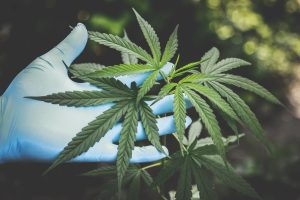
Hemp, a versatile plant with numerous applications, has been gaining attention worldwide for its economic, environmental, and medicinal benefits.
As various countries explore the potential of hemp cultivation, there is a growing interest in understanding its legal status in different regions.
This article delves into the topic of growing hemp in Kenya, shedding light on its legal status, benefits, challenges, and the way forward for the country’s hemp industry.
What To Know About Is Growing Hemp Legal In Kenya?
Understanding Hemp
Hemp, scientifically known as Cannabis sativa L., is a strain of the Cannabis plant. Unlike marijuana, hemp contains minimal amounts of tetrahydrocannabinol (THC), the psychoactive compound responsible for the “high” associated with marijuana use. Instead, hemp is valued for its industrial uses, including fibers for textiles, construction materials, and biofuel production.
Hemp Cultivation Around the World
Hemp has a rich history of cultivation, dating back thousands of years. In recent times, countries such as Canada, the United States, China, and several European nations have embraced hemp farming due to its commercial potential. The global hemp market has witnessed significant growth, and this has sparked interest in other countries, including Kenya.
The Legal Status of Hemp in Kenya
Historical Perspective
Historically, hemp has been grown in Kenya, primarily for its fibrous properties. However, with the advent of marijuana prohibition, hemp cultivation faced strict regulations due to the confusion between hemp and marijuana. As a result, the cultivation of hemp faced severe restrictions in the country.
The Current Regulatory Framework
Currently, Kenya does not have specific legislation addressing the cultivation of hemp for industrial purposes. However, in recent years, there has been a growing advocacy for the legalization of hemp cultivation, especially for its economic and environmental benefits.
Benefits of Hemp Cultivation in Kenya
Economic Impact
The legalization of hemp cultivation in Kenya could have significant economic benefits. Hemp can be used to produce a wide range of products, including textiles, paper, building materials, and even food products like hemp seeds and oil. The cultivation of hemp could create new job opportunities and stimulate economic growth in rural areas.
Environmental Benefits
Hemp is known for its environmental advantages. It requires minimal pesticides and herbicides, making it a more sustainable alternative to many traditional crops. Additionally, hemp’s deep root system helps prevent soil erosion, improving soil quality over time.
Medicinal and Therapeutic Uses
Apart from its industrial uses, hemp has therapeutic properties. Hemp-derived products, such as CBD oil, have gained popularity for their potential medicinal benefits, including pain relief and anxiety management.
Challenges and Misconceptions
Differentiating Hemp from Marijuana
One of the significant challenges in legalizing hemp cultivation is differentiating it from marijuana. Educating the public and policymakers about the differences between the two is crucial to overcome this obstacle.
Addressing Concerns
There are concerns that legalizing hemp might lead to an increase in marijuana production. Regulators need to implement robust systems to monitor and control hemp cultivation to avoid such issues.
The Global Hemp Industry
Emerging Trends
The global hemp industry is experiencing rapid growth, driven by increased demand for sustainable products and growing awareness of hemp’s benefits.
Export Potential
By legalizing hemp cultivation, Kenya could tap into the global market for hemp-derived products. Countries like China, Canada, and the United States have been successful exporters of hemp-based goods.
Steps Towards Legalization and Regulation
Advocacy and Awareness
Advocacy groups and stakeholders need to raise awareness about the benefits of hemp cultivation and dispel myths surrounding the plant.
Pilot Programs
Implementing pilot programs can demonstrate the viability and potential of hemp cultivation in specific regions of Kenya.
Government Support
Government support through favorable policies and regulations is crucial for the growth of the hemp industry in Kenya.
Case Studies
Countries with Successful Hemp Industries
Studying countries with successful hemp industries, such as Canada and the United States, can provide valuable insights for Kenya’s policymakers and stakeholders.
Lessons for Kenya
Learning from the experiences of other countries can help Kenya develop a sustainable and thriving hemp industry.
The Future of Hemp in Kenya
Market Prospects
With the global demand for hemp-based products on the rise, the future market prospects for Kenya’s hemp industry appear promising.
Potential Growth Areas
Identifying potential growth areas and niches within the hemp industry can help Kenya establish a competitive edge.
Conclusion
The legalization of hemp cultivation in Kenya holds immense potential for economic growth, environmental sustainability, and advancements in the medicinal sector. By creating a robust regulatory framework and differentiating hemp from marijuana, Kenya can harness the numerous benefits offered by this versatile plant. Embracing hemp cultivation could pave the way for a thriving hemp industry, benefiting both the country and the global market.
FAQs
- Is hemp the same as marijuana?
- No, hemp and marijuana are different strains of the Cannabis plant, with hemp containing minimal THC and marijuana having higher THC levels.
- What are the economic benefits of hemp cultivation?
- Hemp cultivation can create new job opportunities and stimulate economic growth through various industries, such as textiles, construction, and food production.
- Does hemp have medicinal properties?
- Yes, hemp-derived products, such as CBD oil, are known for their potential medicinal benefits, including pain relief and anxiety management.
- Can legalizing hemp lead to an increase in marijuana production?
- By implementing robust regulations and monitoring systems, it is possible to prevent the misuse of hemp cultivation for marijuana production.
- How can Kenya tap into the global hemp market?
- By legalizing hemp cultivation, Kenya can export hemp-derived products and tap into the growing global demand for sustainable goods.
Is It Legal To Smoke Marijuana In Kenya?
Wondering if or Is It Legal To Smoke Marijuana In Kenya?Well, marijuana is illegal in Kenya, with strict laws and penalties against its possession, use, smoke and distribution.
Marijuana, also known as cannabis, has been a controversial topic in many countries due to its potential medicinal benefits and recreational use.In Kenya, the status of marijuana legality is a subject of interest and debate among citizens, policymakers, and stakeholders.
In this article, we will explore the current laws surrounding marijuana in Kenya, the historical context of its criminalization, the emerging medical marijuana landscape, public attitudes, the economic impact, global comparisons, and the prospects of potential legalization.
Also Read: Best Nutrients For Auto-flowering
Complete Guide On :Is It Legal To Smoke Marijuana In Kenya?
Understanding Marijuana Laws in Kenya
Overview of Current Laws
Currently, marijuana is illegal in Kenya, and its possession, use, sale, or cultivation can lead to criminal charges. The laws regarding marijuana are governed by the Narcotic Drugs and Psychotropic Substances Control Act of 1994. This legislation classifies cannabis as a Schedule I narcotic drug, alongside other controlled substances. Violators of this law face severe penalties, including imprisonment and fines.
Historical Perspective on Marijuana in Kenya
The criminalization of marijuana in Kenya can be traced back to the colonial era when British authorities imposed restrictions on the plant’s use. Before that time, cannabis had been used for various traditional and medicinal purposes by certain communities in Kenya. However, as Western influence grew, so did the stigmatization of marijuana.
Recent Changes in Legislation
In recent years, there have been discussions and debates regarding potential changes in marijuana laws. Some proponents argue for decriminalization or even legalization, citing potential economic benefits and medical applications. However, these proposals are met with opposition from conservative groups and concerns about potential misuse.
The Criminalization of Marijuana
Penalties for Possession and Use
Individuals caught in possession of marijuana can face harsh penalties. Depending on the quantity, the offense may be categorized as simple possession or possession with intent to distribute, which carries more severe punishments. Repeated offenses can result in longer prison sentences and heavier fines.
Law Enforcement and Policing
Enforcing marijuana laws poses challenges for law enforcement. The illicit drug trade remains prevalent, and enforcing stringent regulations is often met with resistance from those involved in the trade. Additionally, corruption within law enforcement agencies can hinder effective control measures.
Challenges with Enforcement
The criminalization of marijuana also presents challenges in distinguishing between small-time users and large-scale traffickers. This lack of distinction can result in non-violent offenders facing the same consequences as serious criminals.
The Medical Marijuana Landscape
Legal Status of Medical Marijuana
While recreational use remains illegal, Kenya has taken steps towards exploring the potential of medical marijuana. Some countries have already legalized medical cannabis, leading to increased research and investment in the industry.
Emerging Medical Cannabis Industry
The legalization of medical marijuana can foster a new industry, providing opportunities for job creation and economic growth. Moreover, it could lead to better access to alternative treatments for patients with certain medical conditions.
Current Medical Marijuana Research in Kenya
Kenya is also witnessing a growing interest in medical marijuana research. Studies are being conducted to explore the potential benefits and risks associated with cannabis-derived treatments.
Public Perception and Attitudes
Traditional and Cultural Context
Marijuana has been a part of various cultural and traditional practices in certain Kenyan communities. Understanding these cultural aspects is crucial in addressing public attitudes towards marijuana.
Shifting Attitudes Towards Marijuana
Over the years, attitudes towards marijuana have evolved, especially among the younger generation. Some individuals and advocacy groups are pushing for a reevaluation of marijuana laws, arguing for its potential benefits and a more progressive approach.
The Economic Impact
Illicit Marijuana Trade
The illegal marijuana trade remains a significant issue in Kenya, with criminal organizations profiting from its distribution. Legalizing marijuana could disrupt this illicit market.
Potential for a Legalized Market
Legalizing marijuana could open doors to a regulated market, with controlled cultivation and distribution. This could create new business opportunities and tax revenue streams for the government.
Taxation and Revenue Generation
Taxing legalized marijuana sales could provide the government with additional revenue, which could be used to fund public projects and social programs.
Global Comparisons
Marijuana Legalization in Other Countries
Several countries have already legalized marijuana for medical or recreational purposes. Studying their experiences can provide valuable insights for Kenya.
Lessons from International Experiences
Examining both the successes and challenges faced by other countries can help Kenya make informed decisions on potential marijuana law reforms.
Pros and Cons of Legalization
Advantages of Legalization
Legalization could lead to better regulation, reduced criminal activity, and improved public health through safe and standardized products.
Disadvantages and Concerns
Concerns include potential misuse, increased youth access, and potential negative impacts on mental health.
The Path to Legalization
Advocacy and Policy Change Efforts
Advocacy groups play a significant role in pushing for changes to marijuana laws. They engage in public education, lobbying, and awareness campaigns.
Stakeholders and Political Climate
The support of key stakeholders, including medical professionals, law enforcement, and politicians, is crucial in shaping the future of marijuana laws.
FAQs
- Is marijuana use common in Kenya?
- Marijuana use is present in certain communities in Kenya, and its prevalence varies across regions.
- What medical conditions could benefit from marijuana use?
- Medical cannabis has shown promise in treating conditions like chronic pain, epilepsy, and certain neurological disorders.
- Medical cannabis has shown promise in treating conditions like chronic pain, epilepsy, and certain neurological disorders.
- Does marijuana legalization lead to increased crime rates?
- Research on this topic is inconclusive, with some studies suggesting no direct link between legalization and increased crime.
- Can marijuana be addictive?
- Like any substance, marijuana has the potential for abuse and dependency, particularly with long-term, heavy use.
How can I stay updated on marijuana laws in Kenya?- Monitoring government announcements and reputable news sources is a good way to stay informed about any potential changes to marijuana laws.
Conclusion
The legality of smoking marijuana in Kenya is currently prohibited under existing laws. However, debates and discussions on potential reforms continue to be a topic of interest. Advocates argue that legalizing marijuana could lead to economic opportunities, medical advancements, and reduced criminal activity.
Conversely, opponents express concerns about potential negative social and health impacts. As the landscape of marijuana laws continues to evolve globally, Kenya will need to carefully consider the perspectives of various stakeholders and assess the potential risks and benefits of any potential reforms.