Corruption and inequality continue to dominate Kenya’s political landscape, leaving ordinary citizens frustrated and disenfranchised. Recently, Deputy President Kithure Kindiki made headlines after videos surfaced showing his security convoy driving luxury cars, including Maybachs. These extravagant displays starkly contrast with the hardships faced by the public, including children unable to attend school and families struggling to afford basic necessities.
The optics of luxury cars in a country battling poverty and economic challenges raise questions about governance, accountability, and priorities. Citizens are asking why political leaders flaunt wealth while ordinary Kenyans suffer, highlighting the growing gap between elites and the public. Social media has amplified these discussions, with videos and posts going viral, reflecting widespread dissatisfaction.
In this article, we explore the controversy surrounding Deputy President Kindiki’s luxury cars, examine his selective rice and beans distribution, discuss public reactions, and analyze the broader implications for corruption and inequality in Kenya.
Kenya’s Deputy President Kindiki’s Luxury Cars Maybachs Raise Questions Amid Public Struggle
Luxury Cars and Maybachs: A Symbol of Corruption
Deputy President Kindiki’s convoy of luxury cars, including Maybachs, has become a symbol of elite privilege in Kenya. While some argue that these cars reflect status and success, many citizens view them as evidence of corruption and misuse of public resources. In a country where unemployment is high and basic social services are limited, these displays are increasingly controversial.
Luxury cars carry more than monetary value; they symbolize power, influence, and, in the public’s eyes, excessive privilege. Videos of Kindiki’s convoy have fueled debates about morality, governance, and ethical leadership. Citizens question why leaders flaunt such wealth when many communities lack schools, hospitals, and basic infrastructure.
The perception of elite privilege is further compounded by selective aid programs, such as the distribution of rice and beans, which reinforce the notion that public resources are manipulated to serve political or personal interests.
Rice and Beans Distribution: Favoritism and Neglect
Another major point of public outrage is Deputy President Kindiki’s distribution of rice and beans. While food aid can alleviate hardship, reports indicate that Kindiki directs most resources to already developed regions, neglecting the areas that need support the most. This selective distribution has been widely criticized as favoritism and corruption.
For ordinary Kenyans, rice and beans are essential staples, particularly in low-income regions facing food insecurity. The uneven distribution reflects a governance problem, where resources are allocated based on political considerations rather than public need. Citizens see this as a deliberate strategy to consolidate influence among loyal regions, leaving the most vulnerable communities underserved.
Selective aid programs like this deepen inequalities and erode public trust. While some regions receive plentiful support, communities in need are left to struggle with poverty, limited school feeding programs, and lack of infrastructure.
Nomination Controversy: Loyalty Over Merit
Deputy President Kindiki’s appointment has also fueled debate. Unlike elected officials, he was nominated to the position, raising questions about the basis of his selection. Critics argue that his nomination was driven by loyalty to the President rather than merit, reinforcing the perception of a politically connected elite.
Kindiki’s role is often seen as part of a “one-team” approach to leadership, where loyalty and personal relationships outweigh competence and public service. Many citizens perceive this as systemic favoritism, consolidating power among a few while leaving the majority without representation.
The controversy over his nomination, combined with lavish displays of wealth and selective aid, highlights structural problems in Kenya’s political system. Citizens increasingly question whether public resources are used to serve the people or to reinforce elite power.
Public Reaction: Social Media Outrage
Social media has become a powerful platform for Kenyans to voice their frustrations over political elites and corruption. YouTube comments on videos of Deputy President Kindiki reveal widespread dissatisfaction:
-
@FrancisNMburu: “The future belongs to SIFUNAS, and they must be let 🎉” – 10 likes
-
@ring-tone278: “Anyone who wants to commit Political Suicide can join Ruto. Only a mad person would Elect a Killer and Thief to represent them. Sing ‘Bye-Bye’ for Ruto on his Bye-bye Tour. He cannot Kill you and Rule you. Impossible. Straight to JAIL.” – 9 likes
-
@nahshonmainaofficialchanne4801: “Na saa hiyo shule za kwa huyo Namba 2 ni za matope..useless!!” – 1 like
-
@EmmanuelMokoro: “Why is he sounding like Idi Amin recovering from kaswende?” – 1 like
-
@janetgicho3909: “Gurudumu ya nduthi 😂😂😂😂”
Other reactions highlight frustration over favoritism, selective aid, and the ostentatious display of wealth, reflecting a public increasingly critical of leadership. These discussions not only document citizen outrage but also shape political discourse in Kenya.
Corruption in Kenya: Systemic Challenges
The controversy surrounding Deputy President Kindiki’s luxury cars and selective aid highlights broader corruption issues in Kenya:
-
Resource misallocation – Public resources diverted to politically strategic or developed regions.
-
Political patronage – Appointments based on loyalty rather than competence.
-
Weak accountability mechanisms – Lack of transparency in decision-making and resource allocation.
-
Inequality – Elite privilege reinforces social and economic disparities.
Citizens are increasingly demanding accountability and transparent governance. Social media, investigative reporting, and civic activism play key roles in challenging corruption and promoting fairness.
Political and Social Implications
The luxury cars and selective aid controversy has far-reaching implications:
-
Erosion of trust – Citizens perceive leaders as self-serving.
-
Electoral influence – Public dissatisfaction may influence voting patterns.
-
Youth activism – Social media amplifies the voice of younger generations demanding transparency.
-
Policy pressure – Public outcry may force governments to rethink resource allocation and appointments.
The intersection of elite privilege and public hardship creates an urgent need for reform. Citizens are using digital platforms to demand accountability and challenge the status quo.
Conclusion: Demand for Accountability
Deputy President Kithure Kindiki’s luxury cars Maybachs, selective rice and beans distribution, and controversial nomination have fueled public debate about corruption, inequality, and governance in Kenya. Citizens are frustrated by favoritism, mismanagement, and the concentration of power among elites. Social media reactions show a politically aware population demanding transparency, fairness, and equitable resource distribution.
Leaders must recognize the symbolic and practical consequences of their actions and prioritize public welfare over personal gain. Kenya’s future depends on bridging the gap between elite privilege and citizen needs, ensuring ethical governance and accountability. Call to Action: Kenyans must remain vigilant, engage in civic activism, and demand transparency from leaders to ensure that public resources serve the people, not just the politically connected elite.
$3 Million Bounty on Sen. Cheruiyot Aaron Kipkirui Revealed on Dark Web by Mysterious Nairobi Under Dog Gang
Nairobi, Kenya – February 6, 2026: A dark web intelligence report claims that a $3 million bounty has been placed on the head of Senator Cheruiyot Aaron Kipkirui by a secretive group known as the Nairobi Under Dog Gang. The gang allegedly views the senator’s political activities and public statements as a threat to social stability and ethnic peace in the Rift Valley.
The Nairobi Under Dog Gang is reportedly highly organized, with roots tracing back to Chicago and Alaska, giving them access to international resources and tactical expertise. Sources indicate the group uses encrypted communications, digital surveillance, and careful operational planning to maintain secrecy.

Intelligence suggests the gang has been monitoring the senator’s movements along major Nairobi roads, including the Nairobi Expressway, and may act when he is most vulnerable. Reports imply the situation could escalate rapidly, causing concern among residents and political observers.
In this article, we explore the details of the alleged bounty, the operations of the Nairobi Under Dog Gang, the potential impact on Kenyan politics, and the reaction from the public as the story unfolds.
$3 Million Bounty on Sen. Cheruiyot Aaron Kipkirui Revealed on Dark Web by Mysterious Nairobi Under Dog Gang
Background on Senator Cheruiyot Aaron Kipkirui
Senator Cheruiyot Aaron Kipkirui has been a high-profile and controversial figure in Kenyan politics. Representing the Rift Valley region, he has often been criticized for remarks perceived as favoring certain ethnic groups. Political analysts warn that such rhetoric may have contributed to heightened tensions in Nakuru County and surrounding areas.
Governor Susan Kihika recently accused the senator of promoting divisive political narratives, emphasizing that ethnic inclusion and unity must guide leadership decisions. “Our communities cannot afford leaders who prioritize division over development,” she stated publicly.
The emergence of the alleged dark web bounty intensifies these concerns, signaling the rise of non-traditional threats to Kenya’s political system.
Details of the Alleged Bounty
Dark web intelligence indicates that the Nairobi Under Dog Gang has allegedly placed a $3 million bounty targeting Senator Cheruiyot in highly visible locations. Analysts report that the gang may be monitoring the senator’s daily convoy routes, including the Nairobi Expressway, Parliament Avenue, and other major thoroughfares.
Encrypted messages circulating online suggest the gang is prepared to act during high-traffic periods or public events. While authorities are yet to verify the threat, the intelligence is considered credible by several independent analysts.
The emergence of such a substantial bounty has shocked residents, politicians, and business leaders, with many questioning how such a group could operate so openly yet remain undetected.
The Nairobi Under Dog Gang
Little is definitively known about the Nairobi Under Dog Gang. Sources describe it as an anonymous, highly disciplined organization with members operating in secrecy. Alleged connections to Chicago and Alaska indicate potential access to funding, intelligence methods, and tactical expertise uncommon for local vigilante groups.
While the gang claims its mission is to protect the marginalized and voiceless, placing a bounty on a sitting senator highlights a willingness to operate outside the law. Experts warn that the combination of secrecy, international reach, and local knowledge makes the gang exceptionally difficult to monitor or predict.
Public Reaction and Concern
News of the alleged bounty has caused immediate concern among Nairobi residents, particularly in areas surrounding the Nairobi Expressway and Parliament Avenue. Social media platforms are buzzing with speculation, with citizens discussing the potential risks to public safety and political stability.
“This is alarming,” said one Nairobi resident, speaking anonymously. “Even if it’s not verified, the intelligence from the dark web suggests a high level of planning and capability.”
Analysts note that public fear itself can disrupt daily life, as residents avoid major routes, businesses tighten security, and commuters adjust travel patterns in response to the perceived threat.
Political Implications
If the alleged bounty is real, the Nairobi Under Dog Gang’s actions could have serious political ramifications. Experts suggest it may influence public opinion, affect political decision-making, and escalate tensions in the Rift Valley.
Governor Kihika and other leaders have emphasized the need for calm and responsible leadership. Analysts caution that unverified threats of this magnitude can still have significant societal impact, shaping discourse and prompting heightened security precautions.
The situation also raises broader questions about the influence of vigilante and extremist groups in Kenya’s political landscape.
International Dimension
Reports suggest that the gang’s alleged roots in Chicago and Alaska could provide them with foreign resources, funding, and operational expertise. Analysts warn that such international connections may increase the gang’s capacity to carry out complex operations, combining local knowledge with global intelligence tactics.
This global element makes the Nairobi Under Dog Gang a particularly unpredictable and potentially dangerous entity. Observers note that while the threat is currently focused on Senator Cheruiyot, similar groups could target other public figures if left unchecked.
Community Concerns
Communities along Nairobi’s major roads are reportedly on edge. Residents are avoiding crowded areas, businesses are enhancing security, and local social media chatter reflects rising anxiety.
“Even if the threat is not confirmed, people are nervous,” said one Nairobi resident. “The dark web intelligence alone is enough to make daily life feel unsafe.”
Such public concern underscores the influence of digital intelligence and anonymous networks in shaping perceptions and behavior, even before any action is taken.
Warnings and Speculation
The Nairobi Under Dog Gang has not made any statements outside encrypted channels. Analysts emphasize that the situation remains fluid, and any potential action could occur without warning.
The story highlights the growing influence of anonymous digital networks in politics, raising questions about how societies respond to threats that combine secrecy, local knowledge, and international resources.
$3 Million Bounty on Sen. Cheruiyot Aaron Kipkirui Revealed on Dark Web by Mysterious Nairobi Under Dog Gang
FAQs:
1. What is the alleged $3 million bounty on Senator Cheruiyot Aaron Kipkirui?
The alleged bounty is a reward reportedly posted by the Nairobi Under Dog Gang on the dark web, targeting Senator Cheruiyot for his political actions and public statements. Intelligence circulating online claims the gang is willing to act against him, although this has not been officially verified.
2. Who is the Nairobi Under Dog Gang?
The Nairobi Under Dog Gang is described as a secretive, highly organized network with rumored roots in Chicago and Alaska. The group claims to operate to protect marginalized communities, but their methods appear to operate outside the law, including targeting political figures.
3. Where did this information about the bounty come from?
The alleged bounty first emerged on dark web forums and encrypted channels, where anonymous sources posted intelligence regarding the gang’s activities and the senator’s potential vulnerabilities.
4. Have authorities responded to this threat?
As of now, police and government authorities have yet to react, making it difficult to verify the credibility of the threat. The story is considered fresh and rapidly developing.
5. Which areas in Nairobi are considered high-risk according to the reports?
Encrypted intelligence suggests that the gang has been monitoring major routes, including the Nairobi Expressway and Parliament Avenue, where the senator frequently travels. Residents in these areas are advised to exercise caution.
6. How has the public reacted to the alleged bounty?
The news has caused alarm and heightened awareness among Nairobi residents, social media users, and political observers. Many citizens are avoiding high-traffic routes, increasing personal security, and monitoring credible news sources for updates.
7. Could this affect political stability in Kenya?
Experts warn that even unverified intelligence of this magnitude can escalate political tensions, influence public perception, and alter political discourse, particularly in the Rift Valley region. Analysts caution that the presence of vigilante networks targeting political figures is unprecedented in Kenya.
Conclusion
The alleged $3 million dark web bounty on Senator Cheruiyot Aaron Kipkirui by the Nairobi Under Dog Gang is an unprecedented development in Kenya’s political landscape. Authorities have yet to respond, leaving the public and political observers on high alert.
Whether the threat is ultimately acted upon or remains unverified, the emergence of such intelligence has already influenced public perception, urban security, and political discourse.
As the situation continues to develop, Nairobi and the Rift Valley face a delicate balance between maintaining peace, ensuring safety, and navigating the challenges posed by shadowy networks operating beyond the reach of traditional law enforcement.
The story underscores the complex intersection of politics, public safety, and digital vigilante intelligence, highlighting a new dimension of risk for Kenyan political life.
Nicki Minaj Draws Attention to Trump-Era ‘Gold Card’ Claiming Faster Path to U.S. Citizenship
Nicki Minaj reignited national and online debate after posting an image of President Donald Trump’s so-called “Gold Card,” a controversial document that has been promoted as offering an accelerated pathway to U.S. residency and, eventually, citizenship. The post, captioned simply “Welp…,” quickly went viral and drew intense scrutiny from fans, critics, and political observers alike.
The image surfaced shortly after Minaj appeared publicly alongside President Trump to promote his newly announced “Trump accounts,” further amplifying speculation about her political alignment and immigration status. While the post did not explicitly confirm whether she purchased or received the card, its timing and symbolism fueled widespread discussion.
At the center of the controversy is the Trump-era “Gold Card” itself—an initiative supporters describe as a premium immigration option tied to a significant financial contribution to the U.S. Treasury. Critics, however, question both its legality and its implications for fairness in the U.S. immigration system.
This article examines what is known about the Trump “Gold Card,” what Nicki Minaj actually posted, what has and has not been verified, and how the moment fits into broader debates about celebrity influence, immigration policy, and wealth-based access in the United States.
Nicki Minaj Draws Attention to Trump-Era ‘Gold Card’ Claiming Faster Path to U.S. Citizenship
What Did Nicki Minaj Post?
Nicki Minaj shared a photo appearing to show a physical Trump-branded “Gold Card,” accompanied by the caption “Welp…”. The post did not include an explanation, confirmation of ownership, or details about how the card was obtained.

Because of Minaj’s global influence and the political sensitivity of the subject, the image spread rapidly across social media and news platforms. Many interpreted the post as signaling participation in—or support for—the Trump-backed immigration initiative.
Importantly, Minaj has not publicly confirmed that she purchased the card, paid any associated fees, or initiated any citizenship process. As of now, claims about her personal immigration status remain speculative.
What Is the Trump-Era “Gold Card”?
The Trump “Gold Card” is described by its promoters as a premium immigration document tied to a large financial contribution. Reports circulating online claim it involves:
-
A contribution of up to $1 million to the U.S. Treasury
-
A non-refundable processing fee reportedly around $15,000
-
A promise of accelerated permanent residency, with a potential future path to citizenship
However, it is critical to note that U.S. immigration law does not currently recognize a visa or citizenship status officially named the “Gold Card.” Its legal standing, structure, and authority remain unclear and contested.
Citizenship vs. Residency: A Crucial Distinction
Much of the public confusion surrounding the “Gold Card” stems from a misunderstanding of U.S. immigration categories.
Under U.S. law:
-
Permanent residency (Green Card) does not equal citizenship
-
Citizenship requires years of residence, background checks, English proficiency, and civic testing
-
No program grants instant or guaranteed U.S. citizenship, regardless of wealth
Even investment-based programs, such as the long-standing EB-5 Immigrant Investor Program, involve extensive vetting and multi-year waiting periods.
As of now, no verified evidence shows that the Trump “Gold Card” bypasses these legal requirements.
Why the Post Sparked So Much Reaction
Nicki Minaj’s post resonated because it sits at the intersection of three highly charged issues:
-
Immigration fairness
-
Economic inequality
-
Celebrity political influence
For supporters, the post symbolized success, access, and alignment with Trump’s economic vision. For critics, it represented perceived pay-to-play immigration and unequal treatment based on wealth or status.
The lack of clear, official information about the card allowed speculation to flourish, with social media filling gaps left by silence and ambiguity.
Celebrity Influence and Political Signaling
Celebrities wield enormous power in shaping public narratives, often without issuing explicit policy statements. A single image or caption can drive headlines, influence opinion, and shift discourse.
In this case, Minaj’s post was interpreted variously as:
-
A political endorsement
-
A symbolic flex
-
A critique or ironic commentary
-
Or a personal immigration update
Without clarification, the post functioned as a cultural Rorschach test—revealing more about public assumptions than confirmed facts.
Legal and Ethical Questions Raised
The “Gold Card” discussion raises broader concerns about immigration ethics, including:
-
Whether wealth should provide faster access to residency
-
How immigration programs are communicated to the public
-
The risk of misinformation when unofficial initiatives resemble legal processes
Immigration attorneys and policy experts have cautioned against assuming legitimacy without statutory backing or regulatory clarity.
What Has NOT Been Verified
As of now, the following claims remain unconfirmed:
-
That Nicki Minaj paid $1 million for the card
-
That the card guarantees fast-tracked citizenship
-
That the program replaces or overrides existing immigration law
Responsible reporting distinguishes between what is shown, what is suggested, and what is legally established.
Nicki Minaj Draws Attention to Trump-Era ‘Gold Card’ Claiming Faster Path to U.S. Citizenship FAQs
1. Did Nicki Minaj confirm she bought the Trump Gold Card?
No. She posted an image of the card but did not confirm payment, ownership, or immigration status.
2. Is the Trump “Gold Card” an official U.S. visa?
There is no officially recognized U.S. visa or citizenship status called the “Gold Card.”
3. Does the card provide instant U.S. citizenship?
No verified program grants instant or guaranteed U.S. citizenship.
4. Is this the same as the EB-5 investor visa?
No. EB-5 is a long-standing legal program with strict rules and timelines.
5. Why did the post go viral?
Because it combined celebrity influence, immigration controversy, and political symbolism.
6. Can wealth speed up U.S. immigration?
Wealth may qualify applicants for certain visas, but it does not eliminate legal requirements.
7. Should people rely on social media for immigration information?
No. Immigration decisions should be based on official government sources and qualified legal advice.
Conclusion
Nicki Minaj’s post of a Trump-era “Gold Card” illustrates how quickly symbolism can overtake substance in the digital age. While the image sparked intense speculation about fast-tracked U.S. citizenship, the legal reality remains far more complex and restrained.
No verified evidence shows that the card guarantees citizenship or bypasses immigration law. As celebrity influence continues to shape public discourse, separating verified facts from viral assumptions is more important than ever. Readers are encouraged to rely on credible sources, question unverified claims, and seek expert insight when engaging with immigration-related narratives.
Can Ribavirin Be Used To Treat Nipah Virus Infection?
Nipah virus infection is widely regarded as one of the most dangerous emerging infectious diseases of the 21st century. With a fatality rate that can exceed 70% in some outbreaks, the virus poses a severe threat to global public health, particularly in South and Southeast Asia.
The absence of a proven antiviral cure has driven intense interest in existing drugs, including ribavirin, as potential treatment options.Ribavirin is a broad-spectrum antiviral medication that has been used for decades against a range of viral infections.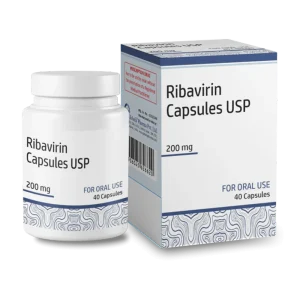
Because Nipah virus is an RNA virus, ribavirin was initially considered a promising candidate during early outbreaks. This led to experimental use in limited clinical settings, raising questions that persist today about its effectiveness.
This long-form article provides a comprehensive, evidence-based analysis of whether ribavirin can be used to treat Nipah virus infection. It examines the biology of the virus, the pharmacology of ribavirin, clinical trial data, expert guidelines, emerging therapies, and future directions in Nipah virus treatment.
Can Ribavirin Be Used To Treat Nipah Virus Infection?
Understanding Nipah Virus: An Overview
Nipah virus (NiV) is a zoonotic paramyxovirus belonging to the Henipavirus genus. It was first identified in 1998 during an outbreak among pig farmers in Malaysia, where infected pigs transmitted the virus to humans. Since then, recurring outbreaks have occurred primarily in Bangladesh and India, with occasional cases reported elsewhere.
Fruit bats of the Pteropus genus are the natural reservoir of Nipah virus. Transmission to humans can occur through:
-
Direct contact with infected animals
-
Consumption of contaminated food, such as raw date palm sap
-
Human-to-human transmission, especially in healthcare settings
Unlike many viral infections, Nipah virus often spreads silently at first, with nonspecific symptoms that resemble influenza or respiratory illness.
Clinical Manifestations of Nipah Virus Infection
Nipah virus infection presents a broad clinical spectrum, making diagnosis challenging in early stages.
Early Symptoms
Patients may initially experience:
-
Fever
-
Headache
-
Muscle pain
-
Sore throat
-
Vomiting
These symptoms are often mistaken for common viral illnesses, delaying diagnosis.
Severe Disease Progression
In many cases, the infection rapidly progresses to:
-
Acute encephalitis
-
Altered consciousness
-
Seizures
-
Coma
Respiratory distress is also common, increasing the risk of virus transmission.
Mortality and Long-Term Effects
Reported case fatality rates range from 40% to 75%, depending on:
-
Outbreak location
-
Speed of diagnosis
-
Access to intensive care
Survivors may experience long-term neurological complications, including personality changes and cognitive impairment.
Why Nipah Virus Is a Global Health Priority
The World Health Organization (WHO) has classified Nipah virus as a priority pathogen due to several alarming factors:
-
High mortality rate
-
Human-to-human transmission potential
-
Lack of approved treatments or vaccines
-
Pandemic potential
Because outbreaks are sporadic and unpredictable, Nipah virus represents a constant threat, especially in regions with limited healthcare infrastructure.
What Is Ribavirin? Pharmacological Background
Ribavirin is a synthetic nucleoside analog antiviral drug that interferes with viral RNA synthesis. It has been approved for use against several viral infections, typically in combination with other therapies.
Approved Uses of Ribavirin
Ribavirin has been used to treat:
-
Chronic hepatitis C (historically)
-
Respiratory syncytial virus (RSV)
-
Certain viral hemorrhagic fevers
Its broad-spectrum nature made it a logical candidate for experimental use against emerging RNA viruses like Nipah.
Why Ribavirin Was Considered for Nipah Virus
The rationale for using ribavirin against Nipah virus was based on:
-
Its activity against other RNA viruses
-
Limited treatment alternatives
-
Urgent clinical need during outbreaks
During the first Nipah outbreak in Malaysia, healthcare providers administered ribavirin under emergency conditions, hoping to reduce mortality.
Early Clinical Use of Ribavirin in Nipah Outbreaks
The Malaysia Outbreak (1998–1999)
During the initial Nipah virus outbreak, ribavirin was administered to a subset of patients. Observational data suggested a reduction in mortality, sparking optimism.
However, these findings had major limitations:
-
No randomized controlled trials
-
Small patient numbers
-
Inconsistent dosing protocols
-
No placebo comparison
As a result, conclusions drawn from these observations were not scientifically robust.
Scientific Evidence: What Do Studies Show?
Despite decades since the first outbreak, no large-scale randomized clinical trials have confirmed ribavirin’s effectiveness against Nipah virus.
Key Limitations in Existing Research
-
Ethical challenges during outbreaks
-
Rapid disease progression
-
Limited number of cases
-
Logistical constraints in affected regions
Animal studies have also produced mixed results, further complicating interpretation.
Official Medical Guidance on Ribavirin and Nipah Virus
World Health Organization (WHO)
The WHO does not recommend ribavirin as a standard treatment for Nipah virus infection. It emphasizes supportive care and infection control.
Centers for Disease Control and Prevention (CDC)
The CDC similarly states that no antiviral drug has been proven effective against Nipah virus.
National Health Authorities
Countries affected by Nipah outbreaks follow protocols that prioritize:
-
Early detection
-
Isolation
-
Supportive hospital care
Ribavirin may be used only under experimental or compassionate-use protocols.
Why Ribavirin Is Not a Definitive Treatment
Several factors limit ribavirin’s effectiveness against Nipah virus:
1. Timing of Treatment
Antivirals are most effective when given early. Nipah virus is often diagnosed after neurological damage has begun.
2. Limited Brain Penetration
Ribavirin may not reach sufficient concentrations in the brain to counter encephalitis.
3. Side Effects
Ribavirin can cause:
-
Hemolytic anemia
-
Liver toxicity
-
Gastrointestinal symptoms
These risks complicate its use in critically ill patients.
Current Standard of Care for Nipah Virus Infection
At present, supportive care remains the cornerstone of treatment.
Key Components of Supportive Care
-
Intensive care unit (ICU) monitoring
-
Mechanical ventilation if needed
-
Seizure management
-
Fluid and electrolyte balance
Early supportive care has been shown to significantly improve survival rates.
Infection Control and Prevention Measures
Because Nipah virus can spread between humans, strict infection control is essential.
Hospital Measures
-
Isolation of suspected cases
-
Use of personal protective equipment (PPE)
-
Restricted visitor access
Community Measures
-
Avoiding raw date palm sap
-
Limiting contact with sick individuals
-
Public awareness campaigns
Prevention remains one of the most effective strategies for reducing mortality.
Emerging Treatments and Research Advances
Monoclonal Antibodies
The monoclonal antibody m102.4 has shown strong protective effects in animal studies and limited human use.
Experimental Antivirals
New antiviral agents targeting Nipah virus replication are under development.
Vaccine Development
Several vaccine candidates are in preclinical and early clinical stages, offering hope for future prevention.
Ethical Challenges in Nipah Virus Research
Conducting clinical trials during outbreaks presents ethical dilemmas:
-
High mortality rates
-
Informed consent challenges
-
Limited infrastructure
These challenges slow the pace of definitive treatment discovery.
Global Preparedness and Surveillance
Strengthening global preparedness is essential to prevent future outbreaks.
Key strategies include:
-
Improved surveillance systems
-
Rapid diagnostic testing
-
Cross-border collaboration
Early detection saves lives and reduces transmission.
Public Health Implications of Ribavirin Use
Using unproven treatments can:
-
Create false hope
-
Divert resources
-
Increase risk of adverse effects
Evidence-based medicine is crucial, especially during public health emergencies.
Can Ribavirin Be Used To Treat Nipah Virus Infection (FAQs)
1. Can ribavirin cure Nipah virus infection?
No, ribavirin has not been proven to cure Nipah virus infection.
2. Why was ribavirin used in early outbreaks?
It was used experimentally due to lack of alternatives and urgency.
3. Is ribavirin recommended by WHO?
No, WHO does not recommend it as standard treatment.
4. What is the best treatment for Nipah virus?
Early diagnosis and supportive intensive care.
5. Are there vaccines for Nipah virus?
No approved vaccines yet, but research is ongoing.
6. How deadly is Nipah virus?
Fatality rates range from 40% to 75%.
7. What offers the most hope for the future?
Monoclonal antibodies, vaccines, and improved surveillance.
Conclusion
In conclusion, ribavirin is not a proven or approved treatment for Nipah virus infection. While early experimental use suggested potential benefit, scientific evidence remains insufficient to support routine use.
The best current approach to managing Nipah virus is early diagnosis combined with high-quality supportive care in specialized medical settings. Emerging therapies such as monoclonal antibodies may become the runner-up or even first-line options as research progresses. The most important call to action is continued investment in research, surveillance, and healthcare preparedness to reduce deaths from this deadly virus.
Why Is Nipah Dangerous
Nipah virus is considered one of the most dangerous infectious diseases in the world due to its high fatality rate and rapid progression. Understanding why Nipah is dangerous helps people recognize the seriousness of the virus and the importance of early medical care.
Unlike many common viral illnesses, Nipah affects multiple organs, including the brain and lungs. This multi-system impact is a major reason health organizations closely monitor every outbreak.
According to the World Health Organization, Nipah outbreaks have shown fatality rates between 40% and 75%, depending on response speed and healthcare access. These numbers alone explain why Nipah is classified as a priority pathogen.
In this guide, you will learn the most important medical and public health reasons Nipah is considered extremely dangerous, explained in a clear and responsible way.
10 Reasons Why Is Nipah Dangerous
1. Very High Fatality Rate
One of the biggest reasons Nipah is dangerous is its exceptionally high death rate. Many outbreaks have resulted in nearly half of infected patients not surviving. This rate is far higher than most viral infections.
The virus can overwhelm the body quickly. Even with hospital care, outcomes can be unpredictable. This makes prevention and early detection essential.
Health experts consider Nipah among the deadliest known viruses. This alone places it in a high-risk category.
2. Causes Brain Inflammation
Nipah can lead to encephalitis, which is inflammation of the brain. This condition disrupts normal brain function. It can progress rapidly once it begins.
Brain involvement explains symptoms like confusion and altered awareness. These changes are medical emergencies. Doctors monitor neurological signs closely.
Brain inflammation significantly increases the risk of long-term complications. This makes Nipah especially dangerous compared to respiratory-only viruses.
3. Rapid Symptom Progression
Another reason Nipah is dangerous is how fast symptoms can worsen. Mild symptoms may escalate within days. This leaves little time for delayed treatment.
Patients can go from fever to severe illness quickly. The speed challenges healthcare systems. Early recognition becomes critical.
Fast progression increases the risk of complications. It also raises the chance of spreading infection before diagnosis.
4. No Specific Cure Available
Currently, there is no approved antiviral treatment specifically for Nipah virus. Care focuses on managing symptoms and supporting vital functions. This limits treatment options.
Doctors rely on intensive supportive care. Recovery depends heavily on early intervention. Severe cases remain difficult to treat.
The lack of a cure increases Nipah’s danger. Prevention becomes the most effective defense.
5. Limited Vaccine Availability
There is no widely available vaccine for Nipah. While research is ongoing, prevention options are limited. This increases vulnerability during outbreaks.
Without vaccination, populations rely on behavior changes and isolation. These measures are not always easy to enforce. This allows outbreaks to spread.
The absence of a vaccine makes containment harder. It raises global concern during each outbreak.
6. Can Spread Between Humans
Nipah can spread through close person-to-person contact. This includes caring for infected individuals. Healthcare workers are especially at risk.
Human transmission increases outbreak potential. It allows the virus to move beyond animal sources. This makes control more difficult.
Not all viruses spread this way. This ability increases Nipah’s threat level significantly.
7. Multiple Transmission Sources
Nipah originates from fruit bats but can spread through animals like pigs and contaminated food. This creates multiple infection routes. Tracking exposure becomes challenging.
Different transmission paths complicate prevention efforts. It is harder to control both animal and human sources. This increases outbreak risk.
Multi-source transmission is a major danger factor. It makes Nipah unpredictable.
8. Long-Term Health Complications
Some survivors experience long-term neurological problems. These may include memory or concentration difficulties. Recovery can take months or longer.
These complications affect quality of life. They may require ongoing medical care. This adds to the disease burden.
Long-term effects make Nipah more than just an acute illness. Its impact can be lifelong.
9. Difficult Early Diagnosis
Early Nipah symptoms resemble common illnesses like flu. This makes early diagnosis difficult. Delays increase risk.
Doctors often rely on outbreak awareness and exposure history. Without this context, Nipah may be missed. This allows progression.
Delayed diagnosis contributes to severity. It also increases transmission risk.
10. High Pandemic Potential
Health authorities consider Nipah a virus with pandemic potential. Its fatality rate and transmission ability raise concern. This keeps it under global surveillance.
Although outbreaks have been limited so far, the risk remains. Global travel increases spread possibilities. Preparedness is critical.
This potential makes Nipah dangerous beyond local regions. It is a global health concern.
FAQs: Why Is Nipah Dangerous?
Is Nipah more dangerous than COVID-19?
Nipah has a higher fatality rate, but it spreads less easily.
Can Nipah cause permanent damage?
Yes, especially neurological complications in survivors.
Why do doctors fear Nipah outbreaks?
Because of high mortality and lack of specific treatment.
Is Nipah always fatal?
No, but the risk is significantly higher than many viruses.
Can Nipah spread through the air?
It mainly spreads through close contact, not airborne spread.
Who monitors Nipah globally?
Organizations like the WHO and CDC monitor outbreaks.
Can Nipah outbreaks be prevented?
Yes, through early detection, isolation, and public awareness.
Conclusion
In conclusion, the best reason Nipah is dangerous is its extremely high fatality rate combined with rapid disease progression. Brain involvement made it the most serious feature, while human-to-human transmission was a close runner-up concern.
The lack of a cure and vaccine further increases risk. Multi-source transmission makes prevention difficult.
Early awareness and medical response save lives. Education remains critical.If you live in or travel to affected areas, stay informed and follow public health guidance to reduce risk and protect your community.
How Do You Know If You Have Nipah?
Nipah virus is a rare but serious viral infection that can affect humans and animals, making early awareness extremely important. Knowing how to tell if you have Nipah can help you seek medical care quickly and reduce the risk of severe complications.
The virus is mainly transmitted from infected bats, pigs, or through close contact with an infected person. Because early symptoms can look like common illnesses, understanding how you know if you have Nipah requires attention to specific warning signs.
Health authorities report fatality rates ranging from 40% to over 70%, depending on outbreak response and early treatment. This makes recognizing symptoms early a critical step in protecting yourself and others.
In this guide, you’ll learn the most reliable ways doctors and health experts identify Nipah infection, including symptoms, exposure risks, and medical confirmation methods.
How Do You Know If You Have Nipah? 10 Best Ways
1. Sudden Fever After Possible Exposure
One of the first signs of Nipah infection is a sudden high fever that appears within 4–14 days after exposure. This fever often feels stronger than a typical flu fever. It may not improve with usual home remedies.
Fever is the body’s early response to viral infection. If the fever follows contact with bats, pigs, or an infected person, concern increases. Doctors treat this as an early warning sign.
This symptom alone does not confirm Nipah. However, it is often the starting point for further medical evaluation.
2. Severe Headache That Worsens Quickly
Another early clue is a persistent, intense headache that does not respond well to rest or hydration. This headache may feel deep and pressure-like. It can worsen over a short period.
Nipah virus can affect the nervous system early on. This explains why headaches are often stronger than common viral headaches. Medical professionals monitor this symptom closely.
When combined with fever, this headache becomes more concerning. It often signals the need for urgent testing.
3. Extreme Fatigue and Weakness
Unusual exhaustion is another way people begin to suspect Nipah infection. The tiredness feels overwhelming rather than mild. Daily activities may suddenly feel very difficult.
This fatigue is caused by the body fighting the virus. It is often more intense than typical flu fatigue. Rest does not fully relieve it.
Doctors note that extreme weakness appearing rapidly is a key observation. It helps distinguish Nipah from common viral illnesses.
4. Muscle Pain and Body Aches
Many people with Nipah experience widespread muscle pain. These aches can affect the back, arms, and legs. The discomfort may feel deeper than normal soreness.
Body aches happen because the immune system is highly active. Nipah often causes stronger inflammation than mild infections. This results in more intense pain.
While muscle pain alone is not diagnostic, it supports suspicion when combined with fever and headache. Doctors look at the full symptom pattern.
5. Nausea, Vomiting, or Stomach Discomfort
Digestive symptoms can appear early or alongside fever. Nausea and vomiting are commonly reported. Some people also experience stomach pain.
These symptoms occur because Nipah affects multiple systems in the body. Dehydration can happen quickly if vomiting persists. This increases health risks.
Medical teams treat digestive symptoms seriously during outbreaks. They help guide decisions on testing and monitoring.
6. Dizziness or Confusion
As the infection progresses, confusion or dizziness may develop. This can include trouble focusing or feeling disoriented. Family members often notice these changes first.
Nipah is known to cause brain inflammation in severe cases. Early mental changes are important warning signs. Doctors consider them urgent symptoms.
This stage requires immediate medical attention. Early intervention improves outcomes.
7. Breathing Difficulty or Chest Discomfort
Some individuals develop shortness of breath or coughing. These symptoms may start mild and worsen quickly. Chest discomfort can accompany breathing issues.
Nipah can cause respiratory involvement in some cases. This increases the risk of severe illness. Oxygen levels may drop.
Hospitals treat respiratory symptoms as a medical emergency. Early care can prevent complications.
8. Recent Contact With Bats, Pigs, or Infected Persons
Exposure history is one of the strongest indicators. Contact with fruit bats, pigs, or raw date palm sap increases risk. Close contact with infected people also raises concern.
Doctors always ask about recent travel or animal exposure. This helps narrow down possible causes. Nipah is considered when exposure matches symptoms.
Even without severe symptoms, exposure history matters. It guides testing decisions.
9. Symptoms During a Known Nipah Outbreak
If symptoms appear during a confirmed Nipah outbreak, suspicion increases significantly. Public health alerts help doctors identify cases early. Timing matters greatly.
Outbreak awareness allows faster diagnosis and isolation. This protects both patients and communities. Health authorities rely on symptom reporting.
Being informed during outbreaks saves lives. It helps people act quickly.
10. Laboratory Confirmation Through Medical Testing
The only way to know for sure if you have Nipah is through laboratory testing. Blood, throat swabs, or cerebrospinal fluid may be tested. These tests are done in specialized labs.
Doctors decide testing based on symptoms and exposure risk. Results guide treatment and isolation measures. Early testing improves survival chances.
Self-diagnosis is not reliable. Medical confirmation is essential.
FAQs: How Do You Know If You Have Nipah?
Is Nipah the same as the flu?
No, Nipah symptoms may start like flu but progress more rapidly and severely.
How fast do symptoms appear after exposure?
Symptoms usually appear within 4 to 14 days.
Can Nipah be cured at home?
No, Nipah requires hospital care and monitoring.
Is Nipah contagious between people?
Yes, close contact with infected individuals can spread the virus.
Who is most at risk of Nipah?
People exposed to bats, pigs, or infected patients are at higher risk.
Can children get Nipah?
Yes, people of all ages can be infected.
What should you do if you suspect Nipah?
Seek immediate medical attention and avoid close contact with others.
Conclusion
In conclusion, understanding how you know if you have Nipah depends on recognizing early symptoms, exposure history, and medical confirmation. Fever and headache were the best early warning signs identified across reported cases.
Neurological symptoms and breathing difficulty ranked as the most serious runner-up indicators requiring urgent care. No single symptom confirms Nipah on its own.
Early medical evaluation significantly improves outcomes. Awareness and quick action are critical.
If you suspect Nipah exposure or symptoms, contact a healthcare professional immediately and follow public health guidance to protect yourself and others.