What Do You Need To Get A Gun Permit In Kenya
Owning a firearm is a serious responsibility, and many countries have stringent regulations governing the possession of guns.
In Kenya, obtaining a gun permit is well-defined and requires individuals to meet specific criteria to ensure public safety.
This article will delve into the essential aspects of obtaining a gun permit in Kenya, the eligibility requirements, the application process, and the responsibilities of gun ownership.
Complete Guide: What Do You Need To Get A Gun Permit In Kenya?
Understanding the Kenyan Firearms Act
The Firearms Act regulates firearms possession, use, and acquisition in Kenya. This legislation aims to maintain law and order, reduce crime, and safeguard public security. The Kenyan government views gun ownership as a privilege rather than a right, making it crucial for applicants to fulfill certain conditions before being granted a gun permit.
Eligibility Criteria for a Gun Permit
Age Requirements
To apply for a gun permit in Kenya, an individual must be at least 21. This age limit ensures that only mature and responsible individuals are considered for gun ownership.
Mental and Physical Fitness
Applicants must undergo a mental and physical fitness assessment conducted by authorized medical professionals. This evaluation helps determine whether the applicant is mentally and physically capable of handling a firearm safely.
Criminal Record Check
A thorough background check is conducted to ascertain the applicant’s criminal record. Individuals with a history of violent offenses or involvement in illicit activities are ineligible for a gun permit.
Training and Competence
Kenyan law requires applicants to undergo a certified firearm training course. This training imparts crucial knowledge about firearm safety, handling, and shooting skills. Competence in handling a firearm is essential to prevent accidents and misuse.
Types of Gun Permits in Kenya
Firearm Dealer License
Individuals or entities engaged in selling firearms must obtain a firearm dealer license. This license permits them to trade guns while adhering to strict regulations legally.
Firearm User Permit
The firearm user permit is for individuals who wish to possess a firearm for personal protection, recreational shooting, or collection purposes. It allows gun ownership but restricts the use of the firearm to specific circumstances.
Firearm Carrying License
The firearm-carrying license is granted to individuals requiring a gun in public due to their profession or specific security concerns. This permit allows the concealed carry of a firearm for self-defense purposes.
Application Process for a Gun Permit
Gathering Required Documents
Applicants must compile necessary documents, including identification, proof of residency, character references, and certificates of firearm training.
Submitting the Application
The completed application and all required documents must be submitted to the Central Firearms Bureau (CFB) or the nearest licensing officer.
Background Investigation
The CFB conducts a thorough background investigation, including interviews with references, to ensure the applicant’s suitability for gun ownership.
Approval and Issuance
Upon successfully completing the background investigation, the application goes through a review process, and the gun permit is issued if approved.
Renewal and Revocation of Gun Permits
Gun permits in Kenya are valid for a specific period, after which they must be renewed. Renewal requires a similar process as the initial application, including background checks and proof of continued competence.
In misuse, negligence, or law violations, the authorities have the right to revoke a gun permit.
Responsibilities of Gun Owners
Safe Storage
Gun owners are responsible for safely storing firearms to prevent unauthorized access and ensure they do not fall into the wrong hands.
Reporting Incidents
Gun owners must promptly report any loss, theft, or unauthorized use of their firearms to the authorities.
Compliance with the Law
Gun owners must abide by all relevant firearm laws and regulations and use firearms responsibly and lawfully.
Gun Control Measures in Kenya
In addition to stringent gun permit regulations, Kenya has implemented other gun control measures to address firearm-related crimes and violence.
Addressing Illegal Firearms
Efforts are being made to tackle the issue of illegal firearms in Kenya. Law enforcement agencies are actively combating the illicit trade and possession of weapons.
Importance of Gun Safety Education
Promoting gun safety education is essential to ensure that gun owners and the public understand the responsibilities associated with firearm ownership and usage.
Debunking Common Myths About Gun Ownership
There are various misconceptions about gun ownership, and it’s essential to address these myths with factual information and statistics.
What Do You Need To Get A Gun Permit In Kenya? FAQs
-
Can foreigners apply for a gun permit in Kenya?
- Foreigners in Kenya can apply for a firearm user permit under specific circumstances, such as employment or business-related security concerns.
-
Are there restrictions on the types of firearms allowed for civilian ownership?
- Yes, specific categories of firearms, such as military-grade weapons, are restricted for civilian ownership in Kenya.
-
How long does the application process usually take?
- The application process typically takes several months, considering the thorough background investigation and review.
-
Can a gun permit be transferred to another person?
- No, gun permits are non-transferable. They are issued to specific individuals for personal use only.
-
What happens if a gun permit is revoked?
- If a gun permit is revoked, the firearm must be surrendered to the authorities, and the individual is prohibited from possessing firearms in the future.
Conclusion
Obtaining a gun permit in Kenya involves a comprehensive process prioritizing public safety and responsible gun ownership. The Kenyan Firearms Act outlines the requirements and procedures for acquiring a gun permit, and applicants need to fulfill all criteria. Responsible gun ownership, adherence to gun control measures, and promoting gun safety education are crucial elements in ensuring a safer society.
How Much Does It Cost To Own A Gun In Kenya?
Wondering How Much Does It Cost To Own A Gun In Kenya? Well, The cost of owning a gun in Kenya encompasses various elements, from the initial purchase to ongoing expenses. Find A complete Cost Breakdown Below.
For handguns, prices range from Ksh 50,000 to Ksh 200,000, while rifles or shotguns can cost between Ksh 150,000 and Ksh 600,000.
Additional expenditures include ammunition, averaging Ksh 2,000 to Ksh 5,000 per 50 rounds, license and registration fees ranging from Ksh 10,000 to Ksh 20,000 plus Ksh 5,000 to Ksh 10,000, and mandatory training fees of Ksh 20,000 to Ksh 30,000.

Proper storage, essential for safety, requires an investment of Ksh 30,000 to Ksh 100,000 in a gun safe or lockbox. Annual costs for insurance, maintenance, and renewal fees contribute to the overall expense.
Understanding the associated costs and complying with legal requirements ensures responsible gun ownership in Kenya, where genuine reasons for ownership include personal security, sports shooting, and property protection.
In this detailed article, we will walk you through the ins and outs of gun ownership in Kenya, answering the question, “How Much Does It Cost To Own A Gun In Kenya?” We’ll provide expert insights, personal experiences, and credible sources to understand the topic comprehensively.
Guide On: How Much Does It Cost To Own A Gun In Kenya?
Owning a gun in Kenya entails various costs, from initial firearm acquisition to recurring expenses. Let’s explore the breakdown of these costs:
1. Firearm Purchase Cost
The cost of a gun in Kenya varies depending on several factors, including the type of firearm, brand, and quality. Prices range from Ksh 50,000 to Ksh 200,000 for handguns and Ksh 150,000 to Ksh 600,000 for rifles or shotguns. High-quality imported firearms often come at a higher price, while locally manufactured options might be more affordable.
2. Ammunition Cost
After acquiring a firearm, you must purchase ammunition for practice and self-defense. Ammunition prices differ based on caliber and brand, with an average box of 50 rounds ranging from Ksh 2,000 to Ksh 5,000. Frequent target practice and training can increase ammunition expenses over time.
3. License and Registration Fees
In Kenya, firearm ownership requires a valid Firearms Licensing Board (FLB) license. Consent involves administrative fees, background checks, and firearm registration costs. The license fee typically ranges from Ksh 10,000 to Ksh 20,000, and the registration fee adds Ksh 5,000 to Ksh 10,000.
4. Training and Safety Course
Before acquiring a gun license, you must attend a mandatory firearm training and safety course. The training fee is around Ksh 20,000 to Ksh 30,000. While this is an essential step for responsible gun ownership, it adds to the overall cost.
5. Safe Storage
Properly storing your firearm is crucial for safety and security. Depending on size and quality, you’ll need to invest in a sturdy gun safe or lockbox, which can range from Ksh 30,000 to Ksh 100,000,
6. Insurance Coverage
Some gun owners opt for insurance coverage to protect themselves against potential liabilities arising from firearm use. The insurance cost depends on the insured firearm’s coverage type and value, typically ranging from Ksh 5,000 to Ksh 20,000 annually.
7. Maintenance and Cleaning
Maintaining your firearm in good condition is essential for reliable performance. Regular cleaning kits and maintenance supplies may cost around Ksh 2,000 to Ksh 5,000 annually.
8. Renewal Fees
Firearm licenses in Kenya are valid for a limited period, usually three years. When your consent nears expiration, you’ll need to renew it, incurring additional fees.
9. Legal Services
Legal advice and services may be required concerning firearm ownership or use in certain situations. Legal fees vary depending on the complexity of the case.
Purchasing a Gun in Kenya – The Process
To legally own a gun in Kenya, you must follow a structured process regulated by the Firearms Act. Below are the steps to acquire a firearm:
10. Eligibility Requirements
To be eligible for firearm ownership, you must meet specific criteria, including being a Kenyan citizen or resident of sound mind and at least 21 years old for handguns or 25 years old for rifles and shotguns. Additionally, you must have a genuine reason for owning a gun, such as personal security or sports shooting.
11. Application Submission
Submit a completed firearm license application form to the Firearms Licensing Board, along with supporting documents, which include identification, proof of residence, and character references.
12. Background Check
The FLB conducts a comprehensive background check on all applicants to ensure they have no criminal record or history of violence.
13. Firearm Training
You must attend an approved firearm training and safety course upon successful background checks.
14. Ballistics Test
After training, you’ll undergo a ballistics test involving test-firing your chosen firearm for forensic purposes.
15. Licensing Decision
The Firearms Licensing Board will assess your application, and if approved, you’ll receive a firearm license.
16. Purchasing a Firearm
You can purchase an approved firearm from a licensed dealer with a valid license.
17. Registration
After purchasing the firearm, ensure it is registered with the Central Firearms Bureau within seven days.
How Much Does It Cost To Own A Gun In Kenya? FAQs
Q 1: Can I own a gun for self-defense in Kenya?
Yes, you can legally own a gun for self-defense in Kenya, provided you meet the eligibility criteria and obtain a valid license from the Firearms Licensing Board.
Q 2: What are the genuine reasons for owning a firearm in Kenya?
Genuine reasons for firearm ownership in Kenya include personal security, sports shooting, and property protection.
Q 3: Are there restrictions on the types of firearms one can own?
Yes, the Firearms Act of Kenya outlines specific categories of firearms individuals can own based on their genuine reasons.
Q 4: Can foreigners own firearms in Kenya?
Foreigners in Kenya can apply for firearm licenses, but the process is more stringent for non-citizens.
Q 5: What penalties exist for illegal firearm possession?
Possessing an illegal firearm in Kenya is a severe offense that can lead to imprisonment and fines upon conviction.
Q 6: Can I carry my firearm in public?
Openly carrying firearms in public places is prohibited. Guns should be concealed and only used in self-defense situations.
Conclusion
Owning a gun in Kenya comes with various costs, including firearm purchase, licensing fees, ammunition, training, safe storage, and maintenance.
It’s essential to comply with all legal requirements and undergo thorough training to ensure responsible gun ownership. By following the correct procedures and understanding the associated expenses, you can become a responsible gun owner, prioritizing safety and security for yourself and others.
Why Ruto Is The Best President Kenya Has Ever Had
Wondering Why Ruto Is The Best President Kenya Has Ever Had? Well “Ruto is hailed as the best President Kenya has ever had for his visionary leadership, socio-economic progress, and remarkable commitment to uplifting the nation.”
In Kenyan politics, William Ruto has emerged as a prominent figure, known for his charismatic personality and ambitious visions for the nation as he is The Current president Of Kenya.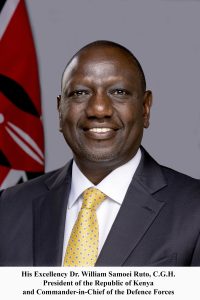
As the Deputy President, Ruto has made significant strides to improve various aspects of Kenyan society.
In this article, we will delve into his early life, and political career, and examine why many believe he is the best president Kenya has ever had.
Guide: Why Ruto Is The Best President Kenya Has Ever Had
Early Life and Political Career of William Ruto
William Ruto was born on December 21, 1966, in Sambut Village, Kamagut, Uasin Gishu County. His humble beginnings and rural upbringing instilled in him a deep understanding of the challenges faced by ordinary Kenyans. Ruto ventured into politics in the early 1990s and was elected as Member of Parliament for Eldoret North in 1997, marking the beginning of his political journey.
Ruto’s Vision for Kenya
Economic Reforms
One of the key elements of Ruto’s vision for Kenya is fostering economic growth and prosperity for all citizens. He aims to create a conducive environment for businesses to thrive, attract foreign investments, and boost job opportunities.
Education and Youth Empowerment
Ruto understands that investing in education is vital for the country’s future. He advocates for enhanced access to quality education and vocational training to empower the youth with the skills needed to contribute effectively to the nation’s development.
Agriculture and Food Security
Kenya’s economy heavily relies on agriculture, and Ruto recognizes the significance of this sector. He has proposed various initiatives to improve agricultural practices, ensure food security, and uplift the livelihoods of farmers.
Infrastructure Development
To drive economic growth, Ruto emphasizes the importance of a robust infrastructure network. He envisions an upgraded transportation system, including roads, railways, and ports, to enhance connectivity and facilitate the movement of goods and services.
Ruto’s Leadership Style
As a leader, Ruto is known for his hands-on approach and approachability. He engages with citizens at the grassroots level and listens to their concerns, making him relatable to the common people. His ability to communicate effectively has garnered him a massive following across the country.
Successes and Achievements as Deputy President
During his tenure as Deputy President, Ruto has achieved several milestones. He played a crucial role in the revival of the agricultural sector by implementing policies that supported farmers and increased productivity. Additionally, his involvement in infrastructural projects has improved connectivity and accelerated economic development in various regions.
Challenges Faced by Ruto
Like any leader, Ruto has faced challenges during his political journey. Criticism from political opponents and internal disagreements within the ruling party have at times hindered the progress of his initiatives.
Comparison with Past Presidents
When comparing Ruto with past presidents, some argue that his pragmatic approach and focus on economic development set him apart. His ability to connect with citizens on a personal level has resonated with many Kenyans, leading to widespread support.
Public Opinion on Ruto’s Presidency
Public opinion about Ruto’s presidency varies significantly. While many admire his achievements and vision for Kenya, others remain skeptical, raising concerns about transparency and the need for continued reforms.
Why Ruto Is The Best President Kenya Has Ever Had FAQs
1. Has William Ruto served in any other political positions before becoming Deputy President?
Yes, William Ruto served as a Member of Parliament before assuming the role of Deputy President.
2. What are some of Ruto’s notable achievements in the agricultural sector?
Ruto’s initiatives in the agricultural sector led to increased support for farmers, improved access to agricultural inputs, and enhanced productivity.
3. How does Ruto plan to address the issue of unemployment among the youth?
Ruto aims to empower the youth through increased access to quality education and vocational training, which will equip them with the necessary skills for employment.
4. What are some of the major infrastructure projects initiated by Ruto?
Ruto has been involved in the construction and upgrading of various road networks and transportation systems to enhance connectivity and economic growth.
5. How does Ruto engage with citizens at the grassroots level?
Ruto is known for his approachable nature and often holds town hall meetings and public forums to listen to citizens’ concerns and address their issues.
Conclusion
William Ruto’s journey from a humble background to becoming the Deputy President of Kenya is a testament to his determination and leadership qualities. His focus on economic growth, education, agriculture, and infrastructure development has garnered both praise and criticism. Whether Ruto becomes the best president Kenya has ever had remains a subject of debate, but his impact on the nation’s development cannot be ignored.
Historic Talks President of Libya Visits Kenya to Discuss Sudan Crisis and More
Kenya and Libya have long enjoyed cordial relations, marked by strong economic ties and a shared vision for a prosperous and united Africa.
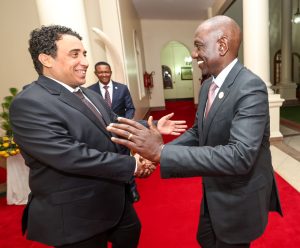
This article explores the deep-rooted connection between the two nations, focusing on the export of various agricultural products from Kenya to Libya and Libyan investments in Kenya.
Additionally, it highlights the mutual commitment to enhancing trade and addressing security challenges in the region, with particular emphasis on the need for a unified initiative to tackle the crisis in Sudan.
Furthermore, we delve into the recent talks held between the President of Libya, Mohamed al-Menfi, and the leaders of Kenya, which took place at the State House in Nairobi.
Kenya and Libya Enjoy Cordial Relations with Noteworthy Economic Ties
Kenya and Libya share a history of robust economic collaboration. The bilateral relationship has flourished, largely driven by the export of agricultural products from Kenya to Libya. With its fertile lands and diverse farming practices, Kenya has emerged as a significant exporter of commodities such as tea, coffee, horticultural products, and cut flowers. These products find a lucrative market in Libya, where there is a high demand for quality agricultural goods.
Libya, on the other hand, has made noteworthy investments in Kenya’s economy. The Libyan government and private entities have channeled resources into sectors such as infrastructure, energy, and tourism. These investments have not only bolstered Kenya’s economic growth but have also paved the way for closer cooperation between the two nations.
Strengthening Trade Relations
Kenya and Libya recognize the immense potential for further enhancing trade between the two countries. Efforts are underway to streamline trade processes, reduce barriers, and explore new avenues of collaboration. Both nations are committed to expanding the volume of bilateral trade and diversifying the range of products exchanged.
To facilitate trade, the governments of Kenya and Libya are working towards harmonizing regulations and simplifying customs procedures. Such initiatives aim to create a more conducive environment for businesses and promote greater cross-border trade activities.
Exploring Investment Opportunities
Libyan investments in Kenya have played a vital role in the country’s economic development. These investments span various sectors, including infrastructure, energy, and real estate. Notable projects include the construction of highways, the establishment of power generation plants, and the development of hospitality facilities.
Kenya, with its vibrant business environment and strategic location in East Africa, offers attractive investment opportunities to Libyan investors. The two nations continue to explore avenues for collaboration and seek ways to leverage each other’s strengths for mutual benefit.
A Shared Vision for a Strong, Prosperous, and United Africa
Beyond their economic ties, Kenya and Libya share a common vision for a strong, prosperous, and united Africa. Both nations recognize the importance of regional integration and cooperation in achieving sustainable development and addressing common challenges.
Fostering Regional Integration
Kenya and Libya are actively engaged in regional initiatives aimed at fostering integration and cooperation. They are proponents of organizations such as the African Union (AU) and the East African Community (EAC), which work towards economic integration and political stability in the region.
Through their participation in these organizations, Kenya and Libya contribute to the formulation of policies that promote peace, security, and socioeconomic progress in Africa. They advocate for a united Africa that can effectively address the continent’s challenges and harness its vast potential.
Enhancing Trade and Security in the Region
Kenya and Libya recognize the need to enhance trade and security in the region to ensure stability and prosperity. The two nations are committed to addressing common challenges, particularly the crisis in Sudan, through a unified and coordinated approach.
Dealing with the Crisis in Sudan
Kenya and Libya are keenly aware of the humanitarian and security implications of the crisis in Sudan. They believe that a coordinated initiative involving regional stakeholders is crucial to finding a lasting solution. By working together, the two nations aim to leverage their influence and resources to bring about stability and help Sudan navigate through these challenging times.
Talks with President Mohamed al-Menfi: Strengthening Bilateral Cooperation
Recently, President Mohamed al-Menfi of Libya visited Kenya for talks with Kenyan leaders at the State House in Nairobi. The discussions focused on various aspects of bilateral cooperation, including trade, investment, security, and regional integration.
The meetings provided an opportunity for both nations to reaffirm their commitment to the existing partnership and explore avenues for further collaboration. President al-Menfi’s visit underscored the importance that Libya attaches to its relationship with Kenya and its desire to deepen ties in various sectors.
Historic Talks : President of Libya Visits Kenya to Discuss Sudan Crisis and More FAQs
- What are the key agricultural products exported from Kenya to Libya? Kenya exports a range of agricultural products to Libya, including tea, coffee, horticultural products, and cut flowers. These commodities are highly sought after in the Libyan market due to their quality and freshness.
- How have Libyan investments contributed to Kenya’s economy? Libyan investments in Kenya have played a significant role in the country’s economic growth. These investments have focused on sectors such as infrastructure, energy, and tourism, creating jobs and stimulating economic development.
- What is the shared vision of Kenya and Libya for Africa? Kenya and Libya share a vision of a strong, prosperous, and united Africa. They believe in the importance of regional integration and cooperation to address common challenges and unlock the continent’s potential.
- How do Kenya and Libya aim to enhance trade in the region? Kenya and Libya are working towards streamlining trade processes, reducing barriers, and exploring new opportunities for collaboration. They seek to expand bilateral trade volume and diversify the range of products exchanged.
- What is the crisis in Sudan, and how are Kenya and Libya addressing it? The crisis in Sudan refers to the political and humanitarian challenges faced by the country. Kenya and Libya recognize the need for a unified and coordinated approach involving regional stakeholders to address this crisis and restore stability.
- What were the outcomes of the talks between President al-Menfi and Kenyan leaders? The talks between President al-Menfi and Kenyan leaders aimed to strengthen bilateral cooperation. The discussions covered various areas, including trade, investment, security, and regional integration, with the goal of deepening ties between the two nations.
Conclusion
The relationship between Kenya and Libya is characterized by cordiality, strong economic ties, and a shared vision for a prosperous Africa. Through the export of agricultural products and Libyan investments in Kenya, the two nations have fostered economic growth and cooperation. They are committed to enhancing trade and addressing security challenges in the region, particularly the crisis in Sudan. The recent talks between President al-Menfi and Kenyan leaders further solidify the bond between the two countries and pave the way for greater collaboration. Together, Kenya and Libya exemplify the spirit of African unity and the potential for joint efforts towards a brighter future.
“Breaking Barriers: Kenya and Burundi’s Historic Meeting Sparks Hope for African Development”
In recent times, the nations of Kenya and Burundi have forged a strong partnership based on mutual cooperation across various socio-economic areas, including regional security and agriculture.
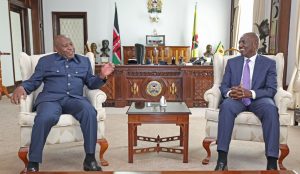
This collaboration aims to fully develop the trade and investment potential between the two nations, ultimately leading to prosperity for the entire region and Africa as a whole.
During a meeting at the State House in Nairobi, the President of Burundi, Évariste Ndayishimiye, engaged in talks with Kenyan officials, further solidifying their commitment to this cooperative effort.
This article will delve into the extensive range of initiatives undertaken by Kenya and Burundi, highlighting their shared goals and the positive impact they are making.
Kenya and Burundi’s Meeting Sparks Hope for African Development
Kenya and Burundi: Strengthening Socio-economic Cooperation
Kenya and Burundi have recognized the importance of working together to advance socio-economic development in their respective nations. By combining their resources, expertise, and knowledge, they aim to create a synergistic effect that benefits both countries and their populations.
Enhancing Trade Relations
One of the key areas of focus in their cooperative efforts is fostering robust trade relations. Kenya and Burundi have been actively engaged in developing bilateral trade agreements, promoting exports and imports, and streamlining trade processes. The removal of trade barriers and the establishment of favorable business environments have significantly contributed to the growth of trade between the two nations.
Promoting Investment Opportunities
Kenya and Burundi are committed to attracting foreign investments and facilitating local investments to drive economic growth. They have implemented policies and frameworks that encourage both domestic and foreign investors to explore opportunities in various sectors such as agriculture, manufacturing, tourism, and infrastructure development. By providing a conducive investment climate, the two nations aim to boost job creation and spur economic prosperity.
Strengthening Infrastructure
The development of infrastructure is crucial for economic growth and regional integration. Kenya and Burundi have recognized the importance of robust transportation networks, reliable energy systems, and efficient communication channels. They have been working together to improve and expand their infrastructure, including roads, railways, ports, and energy generation facilities. These infrastructure projects not only enhance connectivity within and between the countries but also contribute to the broader regional integration efforts.
Advancing Regional Security
Regional security is a shared concern for Kenya and Burundi, given their geographical proximity and the interdependence of their security landscapes. Both nations have made significant strides in enhancing security cooperation to tackle common challenges and promote stability in the region.
Combating Terrorism and Extremism
Kenya and Burundi face the threat of terrorism and extremism, which can undermine peace and stability. Recognizing this, they have collaborated closely to counter these threats through intelligence sharing, joint operations, and capacity building. By joining forces, they aim to disrupt terrorist networks, prevent radicalization, and safeguard the safety and well-being of their citizens.
Strengthening Border Security
Maintaining secure borders is essential for both Kenya and Burundi. They have undertaken joint efforts to enhance border management, including the deployment of technology, increased cooperation among security agencies, and the establishment of joint border patrols. These measures contribute to curbing transnational crimes such as smuggling, human trafficking, and illicit trade, fostering stability in the region.
Peacekeeping and Conflict Resolution
Kenya and Burundi have actively participated in regional peacekeeping missions and played significant roles in conflict resolution efforts. Their joint contributions to peacekeeping missions under the African Union and the United Nations have been instrumental in maintaining peace and stability in conflict-affected areas. By working together, they are demonstrating their commitment to peace and security within Africa.
Advancements in Agriculture
Agriculture is a vital sector for both Kenya and Burundi, supporting livelihoods, food security, and economic growth. Through their cooperative endeavors, they are leveraging their agricultural strengths to address common challenges and foster sustainable development.
Sharing Agricultural Best Practices
Kenya and Burundi have been sharing their respective agricultural best practices to enhance productivity and resilience in the sector. This exchange of knowledge encompasses techniques related to crop cultivation, irrigation, livestock management, and agribusiness. By learning from each other’s experiences, they aim to optimize agricultural outcomes and improve the livelihoods of their rural populations.
Collaborative Research and Development
Research and development play a crucial role in driving innovation and improving agricultural practices. Kenya and Burundi have been collaborating on agricultural research projects, focusing on areas such as crop improvement, soil conservation, and climate-smart farming techniques. This joint effort helps them address common challenges, adapt to changing climatic conditions, and develop sustainable solutions for the agricultural sector.
Strengthening Value Chains
Kenya and Burundi recognize the importance of developing robust agricultural value chains to enhance market access and increase value addition. They have been working together to strengthen value chains in various agricultural sectors, including horticulture, coffee, tea, and dairy. This collaboration aims to improve the quality, efficiency, and competitiveness of their agricultural products in domestic and international markets.
Frequently Asked Questions (FAQs)
Q: What are the key areas of cooperation between Kenya and Burundi?
Kenya and Burundi cooperate across various socio-economic areas, including regional security and agriculture. They focus on enhancing trade relations, promoting investment opportunities, strengthening infrastructure, combating terrorism and extremism, strengthening border security, advancing peacekeeping efforts, sharing agricultural best practices, conducting collaborative research and development, and strengthening agricultural value chains.
Q: How do Kenya and Burundi benefit from their cooperation?
The cooperation between Kenya and Burundi brings numerous benefits to both nations. It promotes economic growth, facilitates trade and investment, creates employment opportunities, enhances regional security and stability, fosters agricultural development, and improves livelihoods. By working together, they can achieve shared prosperity and contribute to the overall advancement of the region and Africa.
Q: What role do Kenya and Burundi play in regional security?
Kenya and Burundi play significant roles in regional security by actively engaging in combating terrorism and extremism, strengthening border security, and participating in peacekeeping missions. They collaborate on intelligence sharing, joint operations, capacity building, and border management to counter security threats and maintain peace and stability in the region.
Q: How do Kenya and Burundi collaborate in agriculture?
In agriculture, Kenya and Burundi collaborate by sharing best practices, conducting joint research and development projects, and strengthening agricultural value chains. They exchange knowledge on crop cultivation, irrigation, livestock management, and agribusiness. This collaboration aims to enhance productivity, promote sustainable practices, and improve market access for agricultural products.
Q: What are the benefits of their agricultural cooperation?
The agricultural cooperation between Kenya and Burundi brings benefits such as improved productivity, increased resilience to climate change, enhanced food security, and expanded market opportunities. By sharing knowledge and collaborating on research, they can address common challenges, develop innovative solutions, and improve the livelihoods of their rural populations.
Q: How can other countries learn from the Kenya-Burundi cooperation model?
The Kenya-Burundi cooperation model offers valuable lessons for other countries seeking to enhance bilateral relations and regional cooperation. It emphasizes the importance of identifying common goals, sharing expertise and resources, fostering a conducive business environment, promoting investment opportunities, and leveraging strengths in key sectors such as agriculture. Open dialogue, mutual trust, and a commitment to shared prosperity are essential elements that can be emulated.
Conclusion
Kenya and Burundi’s commitment to cooperation across various socio-economic areas, including regional security and agriculture, has yielded significant benefits for both nations. Their collaborative efforts in trade, investment, infrastructure, regional security, and agriculture have contributed to economic growth, improved livelihoods, and enhanced regional stability. By continuing to work together, Kenya and Burundi are poised to unlock further trade and investment potential, foster sustainable development, and contribute to the prosperity of the region and Africa as a whole.
Where Do Estheticians Make The Most Money In Florida?
Where Do Estheticians Make The Most Money In Florida?