Moving to France and now after the Best Place To Live In France For English Speakers? Well, The best places to live in France for English speakers include Paris, Lyon, Bordeaux, Nice, and Toulouse due to their vibrant expat communities, cultural attractions, job opportunities, and English-friendly environments.
France is a captivating country that offers a rich cultural heritage, stunning landscapes, and a high quality of life.
If you’re an English speaker considering a move to France, it’s important to find a place that not only suits your lifestyle but also provides ample opportunities for communication and integration.
In this article, we will explore the best places to live in France for English speakers, taking into account factors such as English proficiency, community support, and overall livability.
Reviews: Best Place To Live In France For English Speakers Of 2023
Paris: The Global Metropolis
Paris, the capital of France, is a city that needs no introduction. Known for its iconic landmarks like the Eiffel Tower and Louvre Museum, Paris offers a vibrant mix of history, art, and culture.
English is widely spoken in many areas, especially in tourist-centric locations. However, the cost of living in Paris can be high, and the city can be crowded, which may not suit everyone’s preferences.
Lyon: A Fusion of Culture and Gastronomy
Located in eastern France, Lyon is renowned for its culinary delights and UNESCO World Heritage sites. English speakers will find a welcoming community and a growing international presence.
Lyon strikes a balance between big-city amenities and a relaxed lifestyle, making it an attractive choice for those seeking a rich cultural experience.
Bordeaux: A Blend of Tradition and Modernity
Situated in southwestern France, Bordeaux is famous for its world-class wines and stunning architecture. It boasts a mild climate and a thriving English-speaking community.
The city offers a high quality of life, with a diverse range of cultural activities, excellent healthcare facilities, and a relatively affordable cost of living.
Nice: The Jewel of the French Riviera
If you dream of living by the azure waters of the Mediterranean Sea, Nice might be the perfect place for you. Located on the French Riviera, Nice offers a pleasant climate, beautiful beaches, and a cosmopolitan atmosphere.
English is commonly spoken in tourist areas, and the city provides a blend of French and international culture.
Toulouse: The Pink City with Vibrant Energy
Toulouse, known as the Pink City due to its distinctive pink brick architecture, is a vibrant hub of aerospace and technology industries.
The city has a youthful energy, thanks to its large student population. English speakers will find a warm and welcoming community, as Toulouse embraces its international residents.
Montpellier: A Dynamic Student Hub
Nestled in the south of France, Montpellier is renowned for its prestigious universities and youthful ambiance. English-speaking expats will appreciate the city’s strong focus on education and research.
Montpellier offers a Mediterranean climate, historic charm, and a lively cultural scene.
Strasbourg: European Charm in the East
Strasbourg, located in northeastern France, is a unique blend of French and German influences. As the seat of several European institutions, the city has a cosmopolitan atmosphere and a large international community.
English speakers will find it relatively easy to navigate daily life in Strasbourg.
Nantes: A Creative and Lively City
Situated on the Loire River, Nantes is known for its vibrant arts and music scene. English speakers will find a growing community of expats and a city that embraces cultural diversity.
Nantes offers a high standard of living, affordable housing options, and a well-connected transportation system.
Grenoble: An Alpine Paradise
For nature enthusiasts and outdoor lovers, Grenoble provides a picturesque setting at the foot of the French Alps. The city is known for its research and innovation, attracting a diverse international community.
Although English proficiency may vary, Grenoble offers a friendly and inclusive environment.
Aix-en-Provence: Artistic Haven in the South
Aix-en-Provence, located in the Provence region, is a haven for art, history, and culture. The city boasts charming cobblestone streets, elegant architecture, and a vibrant arts scene.
While English proficiency may not be as prevalent as in larger cities, Aix-en-Provence offers a peaceful and picturesque lifestyle.
Rennes: A City of History and Innovation
In the northwest of France, Rennes combines a rich historical heritage with a thriving technology industry. English speakers will find a growing international community and a city that prioritizes sustainability and innovation.
Rennes offers a balanced lifestyle with a mix of cultural attractions and natural beauty.
Annecy: A Picturesque Lakeside Retreat
Nestled on the shores of Lake Annecy in the French Alps, Annecy is a postcard-perfect destination. English speakers will find a friendly and supportive community in this charming town.
Annecy offers a tranquil setting, outdoor recreational activities, and a strong sense of community.
Lille: A Cosmopolitan Hub in Northern France
Lille, situated near the border with Belgium, is a bustling city known for its vibrant culture and architecture. English speakers will find a lively expat community and a city that hosts numerous cultural events throughout the year.
Lille offers a convenient location for exploring both France and neighboring countries.
FAQs
- Is it necessary to speak French to live in France?
- While speaking French is beneficial for daily life in most parts of France, many larger cities and tourist areas have a significant number of English speakers. Learning French, however, will enhance your experience and integration into the local culture.
- While speaking French is beneficial for daily life in most parts of France, many larger cities and tourist areas have a significant number of English speakers. Learning French, however, will enhance your experience and integration into the local culture.
- Which city in France has the lowest cost of living?
- Cities like Bordeaux, Nantes, and Toulouse offer a relatively affordable cost of living compared to larger cities like Paris and Lyon. It’s important to consider factors such as housing, healthcare, and transportation costs when evaluating the overall affordability.
- Are there job opportunities for English speakers in France?
- Yes, there are job opportunities for English speakers in France, particularly in industries such as tourism, hospitality, IT, and international organizations. Fluency in French may be required for certain positions, so it’s beneficial to have some knowledge of the language.
- Yes, there are job opportunities for English speakers in France, particularly in industries such as tourism, hospitality, IT, and international organizations. Fluency in French may be required for certain positions, so it’s beneficial to have some knowledge of the language.
- How can I meet other English speakers in France?
- Joining expat communities, attending language exchange events, and getting involved in local social clubs and organizations are great ways to meet other English speakers in France. Online platforms and forums can also connect you with like-minded individuals.
- What is the healthcare system like in France?
- France has a well-regarded healthcare system, offering high-quality medical services. Expats living and working in France are typically required to contribute to the French social security system, which grants access to the public healthcare system.
- France has a well-regarded healthcare system, offering high-quality medical services. Expats living and working in France are typically required to contribute to the French social security system, which grants access to the public healthcare system.
Conclusion
France provides numerous attractive options for English speakers looking to make it their new home. Whether you prefer the bustling metropolis of Paris, the culinary delights of Lyon, or the relaxed charm of Nice, there is a place in France that will suit your preferences and provide a welcoming community.
By considering factors such as language support, quality of life, and cultural opportunities, you can find the best place to live in France that aligns with your needs and aspirations.
Can An American Lawyer Practice In France
Wondering if or Can An American Lawyer Practice In France?Yes, an American lawyer can practice law in France through specific procedures and meeting certain requirements.
The legal profession offers an exciting array of opportunities for lawyers around the world.
With globalization, it has become increasingly common for legal professionals to explore the possibility of practicing law in foreign jurisdictions.
One such scenario that often arises is whether an American lawyer can practice in France.
In this article, we will delve into the requirements, limitations, and possibilities for American lawyers to practice their profession in the beautiful country of France.
Complete Guide On:Can An American Lawyer Practice In France
Understanding the Legal System in France
France has a civil law legal system, which is different from the common law system prevalent in the United States.
It is essential for American lawyers interested in practicing in France to familiarize themselves with the French legal framework, including the Code Civil and the Code de Commerce.
Eligibility Criteria for American Lawyers
To practice law in France, American lawyers must meet certain eligibility criteria. These include holding a law degree, possessing the necessary professional experience, and demonstrating good character and reputation.
Equivalence of Law Degrees
The equivalence of law degrees is an important aspect when considering practicing law in France as an American lawyer.
The process involves evaluating the American law degree to determine its compatibility with the French legal education system. This evaluation is typically carried out by the French Ministry of Justice.
Language Proficiency
Fluency in French is crucial for American lawyers intending to practice in France.
Proficiency in the French language is essential not only for effective communication with clients but also for understanding and navigating the intricacies of the legal system.
Registration and Authorization
American lawyers seeking to practice law in France must register with the local Bar Association and obtain authorization to practice.
The process involves submitting the necessary documentation, including proof of eligibility, academic qualifications, and professional experience.
Areas of Practice
American lawyers in France have the opportunity to specialize in various areas of law, such as corporate law, intellectual property, international law, and more. Choosing a specific area of practice can help establish a niche and attract clients with specific legal needs.
Differences in Legal Practice
There are notable differences in legal practice between the United States and France. American lawyers should familiarize themselves with these disparities, including court procedures, legal terminology, and the role of judges and attorneys.
Ethical Considerations
Ethics play a significant role in the legal profession. American lawyers practicing in France must adhere to the ethical standards set by both the American Bar Association and the French Bar Association.
It is crucial to understand and respect the ethical obligations in both jurisdictions.
Networking and Building a Client Base
Building a professional network and client base is essential for success as an American lawyer practicing in France.
Engaging in networking events, joining professional organizations, and establishing connections within the legal community can help expand opportunities and attract clients.
Establishing a Law Firm
For American lawyers looking to establish their own law firm in France, there are specific requirements and regulations to consider.
These include registering the firm, complying with tax obligations, and ensuring compliance with local legal and business regulations.
Taxation and Financial Regulations
Understanding the tax and financial regulations in France is crucial for American lawyers practicing in the country.
Familiarity with the tax system, including income tax and value-added tax, is necessary to ensure compliance and efficient financial management.
Bar Associations and Professional Organizations
Joining local Bar Associations and professional organizations can provide valuable resources, networking opportunities, and support for American lawyers practicing in France.
These associations offer a platform to connect with fellow legal professionals and stay updated on industry developments.
Continuing Legal Education
Continuing legal education is vital for American lawyers practicing in France. Staying abreast of changes in laws, regulations, and legal practices is essential to maintain competence and provide high-quality legal services to clients.
Challenges and Opportunities
Practicing law in a foreign jurisdiction presents both challenges and opportunities.
While adapting to a different legal system and cultural norms can be demanding, it also offers a unique chance to broaden professional horizons, gain international experience, and work on diverse cases.
Can An American Lawyer Practice In France FAQs
1. Can American lawyers practice in France without knowing French? While it may be challenging, it is highly recommended for American lawyers to have a strong command of the French language to effectively practice law in France.
2. Are American law degrees recognized in France? American law degrees are evaluated for equivalence by the French Ministry of Justice to determine their compatibility with the French legal education system.
3. Can American lawyers establish their own law firms in France? Yes, American lawyers can establish their own law firms in France. However, they must comply with local regulations and fulfill the requirements for setting up a legal practice.
4. How can American lawyers network and build connections in France? American lawyers can network and build connections in France by attending legal conferences, joining professional organizations, and engaging in networking events within the legal community.
5. Are American lawyers subject to French ethical standards? American lawyers practicing in France must adhere to the ethical standards set by both the American Bar Association and the French Bar Association to maintain professional integrity.
Conclusion
In conclusion, American lawyers can indeed practice law in France by fulfilling certain requirements and going through the necessary processes.
From understanding the legal system and language proficiency to obtaining authorization and building a client base, American lawyers can carve a successful legal career in France. It is crucial to navigate the legal landscape with diligence, respect ethical obligations, and embrace the opportunities that arise.
What Areas In France Are Affected By Drought?
Looking for What Areas In France Are Affected By Drought? Certainly several regions in France, including Provence-Alpes-Côte d’Azur, Nouvelle-Aquitaine, and Occitanie, are affected by drought.
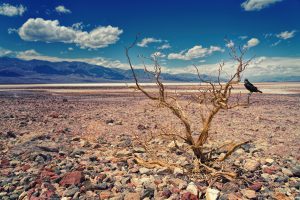 Drought is a significant concern that affects various regions around the world, and France is no exception.
As a country known for its diverse landscapes and agricultural productivity, the impact of drought can be particularly challenging.
In this article, we will explore the areas in France that are prone to drought, the causes behind these conditions, and the potential consequences they have on the environment, agriculture, and communities.
What Areas In France Are Affected By Drought?
1. Introduction
Drought is a prolonged period of abnormally low precipitation, leading to water scarcity and an imbalance between water supply and demand.
In France, several regions experience recurring drought conditions, which can have severe implications for various sectors.
2. Understanding Drought
Droughts are complex phenomena influenced by a combination of climate, geography, and human activities. They can occur gradually or suddenly and may vary in intensity, duration, and spatial extent.
3. Drought-Prone Regions in France
4.1 Mediterranean Coastline
The Mediterranean coastline, including the French Riviera and parts of Provence, is one of the most drought-prone regions in France. The combination of high temperatures, limited rainfall, and the Mistral wind exacerbates the aridity.
4.2 Aquitaine Basin
The Aquitaine Basin, located in southwestern France, is known for its extensive vineyards and agricultural activities. However, this region often experiences water stress due to lower rainfall and high evapotranspiration rates.
4.3 Central Plateau
The Central Plateau, encompassing the Massif Central and parts of the Auvergne-Rhône-Alpes region, is characterized by upland landscapes and deep river valleys. This area is susceptible to drought due to its continental climate and relatively low precipitation.
4.4 Rhône Valley
The Rhône Valley, a major agricultural region in southeastern France, faces recurrent droughts. The valley’s location between the Alps and the Massif Central contributes to rain-shadow effects, resulting in reduced rainfall.
4.5 Alsace-Lorraine Region
The Alsace-Lorraine region, located in northeastern France, experiences a semi-continental climate. It is prone to drought due to lower precipitation levels and the region’s geographical position, shielded from the Atlantic’s moisture-bearing winds.
4.6 Provence-Alpes-Côte d’Azur
Provence-Alpes-Côte d’Azur, in southeastern France, encounters Mediterranean climatic conditions, characterized by hot and dry summers. The region’s water resources are further strained during periods of prolonged drought.
4.7 Corsica
Corsica, a French island in the Mediterranean Sea, is prone to drought due to its rugged terrain and limited freshwater sources. The island’s mountainous interior and its exposure to dry winds contribute to water scarcity.
4. Climate and Geographic Factors
France experiences a temperate climate, but regional variations exist due to its diverse geography. The country’s proximity to the Atlantic Ocean, the Mediterranean Sea, and the mountain ranges shapes its weather patterns and rainfall distribution.
5. Causes of Drought in France
Several factors contribute to the occurrence and persistence of drought in France:
5.1 Climate Change
The changing climate patterns, driven by global warming, influence precipitation levels and weather systems. Increased temperatures and altered rainfall patterns can intensify the frequency and severity of drought events.
5.2 Rainfall Variability
France’s geographical location exposes it to different atmospheric systems, resulting in varying rainfall patterns. Certain regions receive less rainfall due to orographic effects, prevailing winds, and regional climatic conditions.
5.3 Water Management Practices
Inefficient water management practices, including excessive water use and inadequate storage facilities, can exacerbate the impact of drought.
Misallocation and overexploitation of water resources further strain the availability of water during dry periods.
6. Impact of Drought
Droughts in France have far-reaching consequences for the environment, agriculture, water supply, and socioeconomic conditions:
6.1 Environmental Consequences
Droughts can lead to the degradation of ecosystems, soil erosion, reduced biodiversity, and an increased risk of wildfires. Water scarcity also affects aquatic ecosystems, compromising water quality and threatening aquatic life.
6.2 Agricultural Challenges
Agriculture is highly vulnerable to drought, impacting crop yields, livestock, and farmers’ livelihoods. Drought-related losses can disrupt the supply chain, affect food security, and contribute to rising food prices.
6.3 Water Supply and Management
Droughts strain water supplies for domestic, industrial, and agricultural purposes. Water shortages can lead to restrictions, affect hydropower generation, and necessitate the implementation of water conservation measures.
6.4 Socioeconomic Effects
Droughts have broader socioeconomic implications, including reduced economic productivity, increased unemployment, and migration from affected areas. Local communities and industries dependent on water resources may face significant challenges during prolonged droughts.
7. Mitigation and Adaptation Strategies
To address the challenges posed by drought in France, various strategies can be employed:
7.1 Water Conservation Measures
Promoting water-saving practices, such as efficient irrigation techniques, rainwater harvesting, and the use of drought-tolerant crops, can help conserve water resources during periods of scarcity.
7.2 Improving Irrigation Techniques
Investing in modern irrigation systems, such as drip irrigation or precision farming, reduces water wastage and optimizes irrigation practices. These techniques ensure that water is used efficiently, benefiting both farmers and the environment.
7.3 Diversification of Crops
Encouraging crop diversification can enhance resilience to drought. By cultivating a wider range of crops with varying water requirements, farmers can mitigate the impact of water scarcity on their overall agricultural production.
7.4 Policy Initiatives
Governments and policymakers play a crucial role in implementing effective water management policies, supporting research on drought-resistant crops, and providing financial assistance to affected communities and industries.
What Areas In France Are Affected By Drought? FAQs (Frequently Asked Questions)
Q: How long do droughts typically last in France? A:
The duration of droughts in France can vary, ranging from a few months to several years, depending on the region and prevailing weather conditions.
Q: Is climate change the primary cause of drought in France?
A: While climate change plays a significant role in altering rainfall patterns, other factors such as rainfall variability and water management practices also contribute to drought conditions.
Q: How do droughts affect the tourism industry in drought-affected regions?
A: Droughts can impact tourism in affected regions by limiting recreational activities, reducing water availability for hotels and resorts, and affecting the natural beauty of landscapes.
Q: What steps can individuals take to conserve water during a drought?
A: Individuals can conserve water by reducing their usage, fixing leaks, collecting rainwater for gardening, and using water-efficient appliances.
Q: Are there any long-term solutions to mitigate the impact of drought in France?
A: Long-term solutions involve implementing sustainable water management practices, investing in water infrastructure, and promoting climate change mitigation strategies.
Conclusion
In conclusion, understanding the areas in France affected by drought, the causes behind drought conditions, and the consequences they have is crucial for developing effective strategies to mitigate their impact.
By implementing sustainable practices and policies, France can work towards building resilience and ensuring a more sustainable future for its drought-prone regions.
What Is Orange Alert In France?
Not yet familar with What Is Orange Alert In France? Well,The Orange Alert in France signifies a high-level weather warning indicating potentially hazardous conditions, such as heavy rain, storms, or other severe weather phenomena.
In France, the national weather service issues color-coded alerts to warn citizens about potentially hazardous weather conditions.
One such alert level in France is the Orange Alert.
This article explores the meaning, criteria, impact, and precautions associated with an Orange Alert in France, shedding light on the actions taken by authorities and the public during such situations.
Complete Guide On:What Is Orange Alert In France?
Definition of Orange Alert
An Orange Alert is a weather warning level used in France to indicate a significant risk of severe weather conditions. It is the second-highest level in the alert system, preceded by Yellow and followed by the highest level, Red.
The Orange Alert signifies a potential threat to life, property, and transportation due to extreme weather events.
Criteria for Issuing an Orange Alert
The decision to issue an Orange Alert is based on specific criteria set by the national weather service. These criteria may vary depending on the type of weather event. Some common factors considered include:
- Expected intensity and duration of the weather event
- Potential impact on public safety and infrastructure
- Probability of occurrence
- Historical data and patterns
The national weather service closely monitors weather patterns and uses advanced forecasting techniques to determine the likelihood and severity of an event before issuing an Orange Alert.
Impact and Precautions during an Orange Alert
During an Orange Alert, it is crucial for individuals and communities to take necessary precautions to ensure their safety.
The alert serves as a signal to be prepared for potentially dangerous weather conditions. Some common impacts and precautions during an Orange Alert include:
- Heavy rainfall or flooding: Stay away from flood-prone areas, avoid driving through flooded roads, and ensure proper drainage around your property.
- Strong winds: Secure loose objects, take shelter indoors, and avoid standing near trees or buildings that may pose a risk of falling debris.
- Heatwaves: Stay hydrated, avoid prolonged exposure to the sun, and seek air-conditioned or shaded areas.
- Snowstorms or icy conditions: Limit travel, drive cautiously, and keep essential supplies in case of emergencies.
It is important to follow the instructions and recommendations provided by local authorities during an Orange Alert to minimize the impact of severe weather events.
Roles of Different Authorities during an Orange Alert
Various authorities and organizations play significant roles during an Orange Alert to ensure public safety. These may include:
- National Weather Service: Responsible for issuing weather alerts and providing updated information to the public.
- Civil Protection Agency: Coordinates emergency response efforts, disseminates information, and manages resources.
- Local Authorities: Implement safety measures, evacuate areas at risk, and provide support to affected communities.
- Emergency Services: Respond to emergencies, conduct search and rescue operations, and provide medical assistance.
Collaboration among these entities is crucial for effective emergency management during an Orange Alert.
Recent Examples of Orange Alerts in France
In recent years, France has experienced several weather events that triggered Orange Alerts. Some notable examples include:
- Severe storms causing flash floods and property damage in southern regions.
- Heatwaves leading to health risks, especially for vulnerable populations.
- Snowstorms disrupting transportation and causing power outages in mountainous areas.
These incidents highlight the importance of being prepared and taking appropriate measures during an Orange Alert.
What Is Orange Alert In France?Frequently Asked Questions (FAQs)
1.What is the purpose of an Orange Alert?
An Orange Alert is issued in France to warn about significant risks associated with severe weather events and to prompt individuals and communities to take necessary precautions.
2.How are Orange Alerts issued in France?
The national weather service in France closely monitors weather patterns and uses specific criteria to determine the likelihood and severity of an event before issuing an Orange Alert.
3.What precautions should I take during an Orange Alert?
During an Orange Alert, it is important to follow instructions from local authorities, secure loose objects, avoid flood-prone areas, and take measures to ensure personal safety.
4.Are Orange Alerts common in France?
Orange Alerts are relatively common in France, especially during periods of extreme weather conditions such as heavy rainfall, heatwaves, or snowstorms.
5.Who is responsible for managing emergencies during an Orange Alert?
Different authorities, including the national weather service, civil protection agency, local authorities, and emergency services, collaborate to manage emergencies and ensure public safety during an Orange Alert.
Conclusion
An Orange Alert in France signifies a significant risk of severe weather conditions that may pose threats to life, property, and transportation. The national weather service issues this alert level to ensure public safety and enable individuals and communities to take necessary precautions.
By understanding the definition, criteria, impact, and precautions associated with an Orange Alert, citizens can better prepare for and mitigate the effects of extreme weather events.
Remember to always stay informed and prepared during Orange Alerts to protect yourself and your community from the potential risks associated with severe weather conditions.
What Are The Yellow Water Restrictions In France?
Trying to contemplate What Are The Yellow Water Restrictions In France? Well, Yellow water restrictions in France refer to water conservation measures implemented by the government to promote responsible usage and reduce water consumption during periods of drought or scarcity.
Water is an essential resource for human survival and plays a vital role in maintaining a healthy ecosystem.
In certain regions of France, the government has implemented a system of water restrictions, commonly known as the “Yellow Water Restrictions.”
These restrictions are designed to manage water resources efficiently and ensure their sustainable use.
In this article, we will explore the concept of Yellow Water Restrictions in France, their purpose, and how they impact daily life.
Guide On:What Are The Yellow Water Restrictions In France?
1. Introduction
Water scarcity is a growing concern worldwide, and France is no exception. To address this issue, the French government has introduced a system of water restrictions known as the Yellow Water Restrictions.
These restrictions aim to regulate and reduce water consumption in regions facing water scarcity or drought conditions.
2. Understanding Yellow Water Restrictions
The Yellow Water Restrictions are part of a broader framework implemented by the French government to manage water resources effectively.
They are categorized into different levels, ranging from Yellow Level 1 to Yellow Level 4, depending on the severity of the water scarcity situation. Each level corresponds to specific measures and regulations aimed at reducing water usage.
3. The Purpose of Yellow Water Restrictions
The primary purpose of Yellow Water Restrictions is to ensure the equitable distribution of water resources during times of scarcity.
By implementing these restrictions, the government aims to minimize water waste, raise awareness about the importance of water conservation, and encourage responsible water consumption practices among individuals, businesses, and industries.
4. Implementation of Yellow Water Restrictions
Yellow Water Restrictions are typically implemented by local authorities, such as municipalities or water management agencies, in collaboration with the national government.
These authorities closely monitor water levels, weather patterns, and the overall water supply-demand balance to determine when and how to implement the restrictions.
5. Impact on Residential Water Usage
During periods of Yellow Water Restrictions, residential water usage may be subject to specific regulations. These regulations may include limitations on outdoor watering, restrictions on filling swimming pools, and guidelines for efficient water use in households.
Residents are encouraged to adopt water-saving practices such as fixing leaky faucets, using water-efficient appliances, and taking shorter showers.
6. Agricultural Sector and Yellow Water Restrictions
The agricultural sector plays a significant role in water consumption. During Yellow Water Restrictions, farmers may face limitations on irrigation practices and are encouraged to adopt more water-efficient farming techniques.
This may include using precision irrigation systems, optimizing crop choices, and implementing water management strategies to minimize water loss.
7. Industrial Sector and Yellow Water Restrictions
Industries also have a responsibility to reduce water consumption during periods of water scarcity. The government collaborates with industrial sectors to identify water-saving opportunities and promote sustainable practices.
Industrial facilities may be required to implement water recycling systems, improve water efficiency in manufacturing processes, and develop strategies to minimize water waste.
8. Environmental Conservation Measures
Yellow Water Restrictions not only focus on human water usage but also emphasize the importance of preserving the natural environment.
These measures include protecting water bodies, promoting reforestation, and raising awareness about the impact of water scarcity on ecosystems. By integrating environmental conservation into water management, the government aims to maintain a healthy balance between human needs and the preservation of nature.
9. Compliance and Enforcement
To ensure the effectiveness of Yellow Water Restrictions, compliance and enforcement mechanisms are put in place. Local authorities conduct regular inspections and may issue fines or penalties for non-compliance with the regulations.
Public awareness campaigns are also conducted to educate individuals and communities about the importance of adhering to the restrictions.
10. Water Management Initiatives
The implementation of Yellow Water Restrictions is part of a broader strategy for sustainable water management in France.
The government invests in infrastructure development, research, and innovation to improve water supply systems, enhance water storage capacity, and explore alternative water sources. These initiatives aim to create a more resilient water supply network that can withstand future challenges.
11. Future Outlook and Adaptation Strategies
As water scarcity becomes an increasingly pressing issue globally, the French government continues to refine and adapt its water management strategies. This includes exploring new technologies, promoting water-saving practices, and fostering collaboration between stakeholders.
The aim is to build a sustainable and resilient water system that can address the challenges posed by climate change and growing water demand.
What Are The Yellow Water Restrictions In France? FAQs
FAQ 1: How long do Yellow Water Restrictions typically last?
The duration of Yellow Water Restrictions varies depending on the severity of the water scarcity situation. It can range from a few weeks to several months, depending on the region and prevailing conditions.
FAQ 2: Can I still water my garden during Yellow Water Restrictions?
During Yellow Water Restrictions, there may be limitations on outdoor watering. It is advisable to follow the guidelines set by local authorities and adopt water-saving practices in your garden.
FAQ 3: Are there any exemptions to the Yellow Water Restrictions?
Exemptions to Yellow Water Restrictions may be granted in certain cases, such as for essential services like hospitals or firefighting. However, these exemptions are typically limited, and water conservation remains a priority.
FAQ 4: What happens if I do not comply with Yellow Water Restrictions?
Non-compliance with Yellow Water Restrictions can result in fines or penalties, as determined by local authorities. It is important to adhere to the regulations to contribute to water conservation efforts.
FAQ 5: How can I contribute to water conservation during Yellow Water Restrictions?
You can contribute to water conservation by adopting simple practices such as fixing leaky faucets, taking shorter showers, using water-efficient appliances, and being mindful of your water usage. Every small step counts in preserving this valuable resource.
Conclusion
Yellow Water Restrictions in France are a crucial tool in managing water resources sustainably. By regulating water usage during times of scarcity, the government aims to ensure equitable access to water, raise awareness about water conservation, and protect the environment.
It is essential for individuals, businesses, and industries to embrace these restrictions and adopt water-saving practices to secure a more sustainable future.
How Much Is Uber From Orlando To Fort Lauderdale
Contemplating How Much Is Uber From Orlando To Fort Lauderdale? Certainly,The approximate cost of an Uber from Orlando to Fort Lauderdale ranges from $150 to $250 depending on factors such as distance, time of day, and demand.
Uber has become a popular transportation option for many travelers looking for a convenient and reliable way to get from one city to another.
If you’re planning a trip from Orlando to Fort Lauderdale and considering using Uber, you might be wondering how much it will cost you.
In this article, we will explore the factors that determine the Uber fare between Orlando and Fort Lauderdale and provide you with some insights on estimating the cost of your ride.
Guide On:How Much Is Uber From Orlando To Fort Lauderdale
Distance between Orlando and Fort Lauderdale
Before diving into the details of the fare, it’s essential to understand the distance between Orlando and Fort Lauderdale. The approximate distance between these two cities is around 200 miles, depending on the specific route taken.
This distance can influence the overall fare calculation, as Uber considers both time and distance when determining the cost of a ride.
Factors affecting the Uber fare
Several factors contribute to the final fare for an Uber trip from Orlando to Fort Lauderdale. Understanding these factors can help you estimate the cost and plan your budget accordingly. Here are the key elements that influence the Uber fare:
1. Base fare and booking fees
Every Uber ride starts with a base fare, which is a flat fee charged at the beginning of the trip. Additionally, there may be booking fees associated with certain types of rides or in specific locations.
These fees contribute to the overall fare but vary depending on the city and the type of Uber service you choose.
2. Time and distance rates
Uber calculates the fare based on both the time and distance of the trip. The time rate is determined by the duration of the ride, while the distance rate considers the total miles traveled.
Uber applies these rates to calculate the fare, and they may vary depending on the type of Uber service and the time of day.
3. Surge pricing
During periods of high demand, Uber implements surge pricing to ensure a sufficient supply of drivers and meet the increased demand. Surge pricing can significantly affect the fare, as it multiplies the regular rates by a certain factor.
It’s essential to be aware of surge pricing and check for any surge notifications in the app before requesting a ride.
4. Additional fees and tolls
In some cases, there may be additional fees or toll charges during the trip. For example, if your route includes toll roads, the fare will include the cost of those tolls. Additionally, certain types of Uber services may have extra charges, such as airport pick-up or drop-off fees.
Fare estimate examples
To give you a better understanding of the potential fare range for an Uber ride from Orlando to Fort Lauderdale, here are a few estimate examples based on typical rates:
- Standard UberX: The fare for an UberX ride can range between $150 and $200, depending on the time of day and any surge pricing in effect.
- UberXL: If you’re traveling with a larger group, an UberXL can accommodate more passengers and may cost between $200 and $250.
- Uber Black: For a more luxurious experience, an Uber Black ride can cost around $300 or more, considering the premium features and higher-quality vehicles.
Please note that these are estimated fares and can vary based on the factors mentioned earlier. It’s always recommended to use the Uber app for the most accurate fare estimation before confirming your ride.
Tips for saving money on Uber rides
If you’re looking to save some money on your Uber ride from Orlando to Fort Lauderdale, consider the following tips:
- Compare different Uber services: Depending on your budget and preferences, explore the various Uber services available and choose the one that best suits your needs.
- Check for promotions or discounts: Keep an eye out for any promotional offers or discounts that Uber may be running. These can help you save on your fare.
- Avoid peak hours: During peak travel times, such as rush hour or weekends, fares tend to be higher due to increased demand. If possible, plan your trip during off-peak hours to get a better price.
- Split the fare: If you’re traveling with others, consider splitting the fare using Uber’s fare-splitting feature. This can help distribute the cost among the passengers and make the ride more affordable.
- Monitor surge pricing: Before requesting a ride, check the app for any surge pricing notifications. If the surge pricing is high, consider waiting until it subsides or exploring alternative transportation options.
How Much Is Uber From Orlando To Fort Lauderdale FAQs
Q: Is the Uber fare the same for all vehicles?
A: No, the Uber fare can vary depending on the type of vehicle you choose. Different services like UberX, UberXL, and Uber Black have different fare structures.
Q: Can I estimate the fare before requesting an Uber ride?
A: Yes, you can use the Uber app to estimate the fare for your trip. Enter your pick-up and drop-off locations, and the app will provide you with an estimated fare range.
Q: Are tolls included in the Uber fare?
A: Yes, if your route includes toll roads, the fare will include the cost of those tolls. The app will provide a breakdown of the fare, including any toll charges.
Q: How can I pay for my Uber ride?
A: Uber accepts various payment methods, including credit or debit cards, PayPal, and in some locations, cash. You can select your preferred payment method in the app.
Q: Can I request an Uber in advance for my trip from Orlando to Fort Lauderdale?
A: Yes, Uber allows you to schedule a ride in advance. Open the app, choose your preferred pick-up time, and the app will match you with a driver accordingly.
Conclusion
Uber offers a convenient and flexible way to travel from Orlando to Fort Lauderdale. The cost of an Uber ride between these two cities depends on factors such as distance, time, surge pricing, and additional fees.
By considering these factors and following the tips provided, you can estimate the fare and make informed decisions for your trip.