How Long Does It Take To Study Medicine And Surgery In Kenya?Well, The duration to study medicine and surgery in Kenya typically ranges from six to seven (6-7) years, including a one-year internship.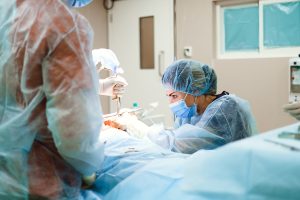
Becoming a medical professional requires years of education, training, and dedication.
In Kenya, aspiring doctors pursue a rigorous path to earn the qualifications necessary to practice medicine and surgery.
This article will guide you through the journey of studying medicine and surgery in Kenya, outlining the educational requirements, duration of programs, and challenges faced by medical students.
How Long Does It Take To Study Medicine And Surgery In Kenya? FAQs
1. How long does studying medicine and surgery in Kenya take?
The Bachelor of Medicine and Bachelor of Surgery (MBChB) program in Kenya typically takes six years to complete.
2. What are the admission requirements for the MBChB program?
Admission requirements for the MBChB program include achieving a minimum KCSE grade, passing the medical entrance exam, and successfully completing the interview process.
3. Can I specialize in a particular area of medicine in Kenya?
Yes, Kenya offers postgraduate specialization programs in various medical disciplines, allowing doctors to focus on specific areas of medicine.
4. What is the duration of a medical residency in Kenya?
The duration of a medical residency in Kenya can vary depending on the chosen specialty, typically lasting from three to six years.
5. What are the challenges faced by medical students in Kenya?
Medical students in Kenya often face challenges such as long study hours, academic pressure, financial constraints, and maintaining a work-life balance. However, with dedication and support, these challenges can be overcome.
How Long Does It Take To Study Medicine And Surgery In Kenya?
Medical Education System in Kenya
Kenya has a well-structured medical education system that prepares students to become competent healthcare professionals.
The system follows international standards and is regulated by the Medical Practitioners and Dentists Board (MPDB). To embark on the path of studying medicine and surgery, individuals need to meet specific requirements and complete various stages of education and training.
Pre-Medical Requirements
Before pursuing a medical degree, students in Kenya must complete their secondary education and obtain a Kenya Certificate of Secondary Education (KCSE) or an equivalent qualification.
They must have excellent grades in subjects such as biology, chemistry, and physics to qualify for medical school admission.
Bachelor of Medicine and Bachelor of Surgery (MBChB) Program
The Bachelor of Medicine and Bachelor of Surgery (MBChB) program is the primary pathway for individuals aiming to become doctors in Kenya.
Admission Process
Admission into the MBChB program is highly competitive, and candidates must meet specific requirements. These typically include achieving the minimum KCSE grade, passing the mandatory medical entrance exam, and going through a rigorous interview process.
Duration of the Program
The MBChB program in Kenya typically takes six years to complete. It is divided into two phases: the preclinical phase and the clinical phase.
During the preclinical phase, students focus on foundational sciences, including anatomy, physiology, biochemistry, and pathology. They also study medical ethics and community health.
This phase usually lasts for two to three years. After successfully completing the preclinical phase, students enter the clinical phase.
This phase involves practical training in hospitals and healthcare facilities, where students gain hands-on experience in diagnosing and treating patients. The clinical phase usually lasts for three to four years.
Clinical Training
Clinical training is a crucial component of medical education in Kenya. It allows students to apply their theoretical knowledge in a practical setting under the supervision of experienced healthcare professionals.
During this period, students rotate through various medical specialties, such as internal medicine, surgery, pediatrics, obstetrics and gynecology, and psychiatry. This comprehensive exposure enables students to develop a well-rounded understanding of different medical disciplines.
Internship and Residency
After completing the MBChB program, graduates are required to undergo a one-year internship. The internship provides them with further practical experience and prepares them for independent practice.
During this period, interns work under the supervision of senior doctors and are involved in patient care, management, and treatment.
Upon completion of the internship, doctors have the option to pursue further specialization through residency programs. Residencies can last from three to six years, depending on the chosen medical specialty.
These programs provide in-depth training and hands-on experience in a specific field of medicine, such as surgery, internal medicine, pediatrics, or radiology.
Specializations and Postgraduate Studies
Kenya offers a range of specialization options for doctors who wish to focus on a specific area of medicine. Postgraduate studies are available in various medical disciplines, including cardiology, dermatology, neurology, oncology, and many more.
These programs provide advanced training and research opportunities to further enhance doctors’ knowledge and expertise in their chosen field.
Challenges Faced by Medical Students
Studying medicine and surgery is a demanding and challenging journey. Medical students in Kenya often face long hours of study, intense academic pressure, and a rigorous curriculum. Additionally, the cost of medical education can be significant, and students may encounter financial constraints.
Balancing academic commitments with personal life and maintaining good mental health can also pose challenges. However, with dedication, perseverance, and support, students can overcome these hurdles and succeed in their medical careers.
Conclusion
Studying medicine and surgery in Kenya is a time-intensive process that requires years of dedication and hard work. From meeting the pre-medical requirements to completing the MBChB program, clinical training, internships, and potential specializations, aspiring doctors undergo a comprehensive educational journe
y.
Despite the challenges, the rewards of becoming a medical professional are immense, as they contribute to improving healthcare and saving lives.
Which University Offers Medicine And Surgery In Kenya?
Which University Offers Medicine And Surgery In Kenya? Well, Choosing the right university to pursue a career in medicine and surgery is crucial for aspiring medical professionals in Kenya.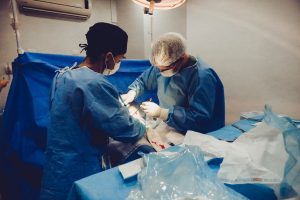
A good medical education program plays a vital role in shaping future doctors and surgeons, providing them with the necessary knowledge and skills to save lives and contribute to the healthcare system.
In this article, we will explore the universities in Kenya that offer medicine and surgery programs, highlighting their unique features and helping prospective students make informed choices.
Reviews: Which University Offers Medicine And Surgery In Kenya?
Medical Education in Kenya: To study medicine and surgery in Kenya, students must meet specific requirements and complete a rigorous academic program. The medical profession demands high academic standards and a commitment to ethical medical practices. Aspiring doctors must demonstrate excellent academic performance in their pre-university education.
Top Universities in Kenya Offering Medicine and Surgery: Several universities in Kenya offer medicine and surgery programs. Here are some of the top institutions renowned for their medical education:
- University of Nairobi: The University of Nairobi’s School of Medicine is one of the leading medical institutions in Kenya.It offers a comprehensive curriculum, state-of-the-art facilities, and experienced faculty members. The university provides research and clinical training opportunities, ensuring students receive a well-rounded education.
- Moi University: Moi University School of Medicine is another esteemed institution for studying medicine and surgery. With a focus on community-oriented healthcare, the university emphasizes the importance of primary healthcare and rural medicine. The program provides hands-on clinical training and research opportunities.
- Kenyatta University: Kenyatta University’s School of Medicine is known for its innovative teaching methods and holistic approach to medical education. The university offers a well-structured curriculum that integrates theoretical knowledge with practical training. Students benefit from modern teaching facilities and collaborative research initiatives.
- Aga Khan University: Aga Khan University’s Medical College is recognized for its excellence in medical education. The college follows an integrated curriculum that prepares students for the challenges of modern healthcare. It emphasizes community health, research, and patient-centred care.
- Maseno University: Maseno University School of Medicine provides a comprehensive medical program that focuses on producing competent and compassionate doctors.The curriculum includes theoretical knowledge, hands-on training, and exposure to different healthcare settings. The university is committed to community service and research.
Comparison of Medical Programs in Different Universities that Offers Medicine And Surgery In Kenya?
When selecting a university to study medicine and surgery, it is important to consider various factors:
Curriculum:
Different universities may have variations in their medical curriculum, including the duration of the program, core subjects, and elective options.
Prospective students should review the curriculum to ensure it aligns with their career goals and interests.
Faculty and Research Opportunities:
The expertise and experience of the faculty members play a crucial role in shaping medical students. Universities with renowned faculty and research opportunities offer valuable learning experiences and mentorship.
Clinical Training:
Clinical training is an essential part of medical education. Universities with affiliations to well-established hospitals and healthcare centers provide students with ample opportunities for hands-on training and exposure to diverse patient cases.
Facilities and Resources:
State-of-the-art facilities, well-equipped laboratories, libraries, and medical resources provide a conducive learning environment. Prospective students should assess the availability and accessibility of these resources at each university.
Admission Process and Criteria:
Aspiring students must meet specific eligibility criteria to gain admission to a medicine and surgery program in Kenya. While the requirements may vary slightly between universities, certain common prerequisites exist.
Generally, candidates must have completed their secondary education with outstanding grades in the sciences, particularly biology, chemistry, and physics.
Additionally, most universities require candidates to pass a rigorous entrance examination and undergo an interview process. Prospective students need to familiarize themselves with the specific admission requirements of each university they are considering.
Scholarships and Financial Aid:
The cost of pursuing a medical degree can be significant, and many students may require financial assistance. Fortunately, several universities in Kenya offer scholarships, grants, and other financial aid to support deserving and talented students.
These financial aid programs aim to make medical education more accessible and to encourage the pursuit of medicine and surgery careers. Prospective students are encouraged to explore the various scholarship options available at their chosen universities and apply for financial aid.
The Importance of Studying Medicine and Surgery:
Medicine and surgery are noble professions that require dedication, compassion, and a strong desire to help others. Doctors and surgeons are instrumental in diagnosing and treating illnesses, performing surgeries, and improving patients’ overall well-being.
Pursuing a medical degree equips individuals with the knowledge of human anatomy, disease management, surgical techniques, and other essential skills necessary to provide quality healthcare.
University Offers Medicine And Surgery In Kenya? FAQs:
- Are there any alternative routes to studying medicine and surgery in Kenya?
- Apart from pursuing a traditional medicine and surgery program, some universities in Kenya offer alternative programs such as medical laboratory sciences, pharmacy, and nursing, which are closely related to the healthcare field.
- What are the minimum academic requirements for admission to a medical program?
- The specific academic requirements may vary among universities, but generally, candidates are expected to have excellent grades in the sciences, including biology, chemistry, and physics. Each university has its own set of minimum requirements that applicants must meet.
- The specific academic requirements may vary among universities, but generally, candidates are expected to have excellent grades in the sciences, including biology, chemistry, and physics. Each university has its own set of minimum requirements that applicants must meet.
- Can international students apply to these universities for medicine and surgery programs?
- Yes, international students can apply to universities in Kenya for medicine and surgery programs. However, they may have additional requirements and procedures, such as obtaining student visas and meeting specific language proficiency criteria.
- How long does a medicine and surgery program in Kenya take to complete?
- A medicine and surgery program in Kenya typically takes five to six years to complete, including classroom and clinical training.
- A medicine and surgery program in Kenya typically takes five to six years to complete, including classroom and clinical training.
- Are there any additional exams or licensing requirements after completing the program?
- After completing the medicine and surgery program, graduates must complete the Medical Practitioners and Dentists Board examinations to obtain a license to practice medicine in Kenya.
Conclusion:
Choosing the right university to pursue medicine and surgery in Kenya is a critical decision that sets the foundation for a successful medical career. Each university mentioned in this article offers unique features, such as comprehensive curricula, experienced faculty, research opportunities, and well-equipped facilities.
Prospective students should carefully consider their personal preferences, career aspirations, and the specific offerings of each institution before making a decision. By selecting the right university, students can embark on a fulfilling journey toward becoming skilled doctors who contribute to the health and well-being of individuals and communities.
Where Can Earn More Money Canada Or Australia
Where Can Earn More Money Canada Or Australia?Both Canada and Australia offer numerous opportunities for higher earnings, but the actual earning potential can vary depending on individual circumstances such as occupation, qualifications, and location.
In today’s globalized world, many individuals are seeking opportunities to earn a better income abroad.
Two popular destinations that often come up in such discussions are Canada and Australia.Both countries offer attractive prospects for career growth and financial stability.
This article aims to explore and compare the earning potential in Canada and Australia, considering various factors such as the job market, cost of living, and economic conditions.
Unmasked: Where Can Earn More Money Canada Or Australia
1. Economic Overview of Canada
Canada boasts a strong and stable economy, consistently ranking high on various global economic indexes. It is known for its rich natural resources, including oil, minerals, and timber, which contribute significantly to its GDP.
The country has a diverse economy, with key sectors such as manufacturing, services, and technology playing a vital role. The Canadian dollar (CAD) is also considered a stable and valued currency in international markets.
2. Job Market in Canada
The Canadian job market is robust, with a wide range of opportunities available across industries. Skilled professionals in sectors like technology, healthcare, engineering, and finance are in high demand.
Canada also has various immigration programs that attract skilled workers from around the world. The country’s commitment to diversity and inclusion fosters a welcoming environment for individuals seeking career advancement.
3. Cost of Living in Canada
While Canada offers promising job prospects, it is essential to consider the cost of living. Major cities like Vancouver and Toronto have a higher cost of living compared to smaller towns. Housing, healthcare, and education expenses are significant factors to consider when assessing the overall cost of living.
However, it is important to note that salaries in Canada often correspond to the higher cost of living, ensuring a reasonable standard of living for residents.
4. Economic Overview of Australia
Australia is another popular destination known for its strong economy and high living standards. The country has a well-diversified economy, with sectors such as mining, agriculture, tourism, and financial services driving its growth.
Australia’s stable political environment, sound financial system, and favorable business conditions make it an attractive place to work and invest.
5. Job Market in Australia
The Australian job market offers a wide range of opportunities, particularly in industries such as healthcare, engineering, information technology, and construction. The country’s economy has been resilient, even during global economic downturns, which has contributed to a steady demand for skilled professionals.
Australia also has a points-based immigration system that encourages the entry of skilled workers who can contribute to the country’s economic growth.
6. Cost of Living in Australia
While Australia provides excellent job prospects, it is important to consider the cost of living, which can vary depending on the city or region. Major cities like Sydney and Melbourne have a higher cost of living compared to smaller towns. Housing, transportation, and healthcare expenses are significant factors to consider when evaluating the overall cost of living.
However, similar to Canada, salaries in Australia generally correspond to the higher cost of living, ensuring a comfortable lifestyle for residents.
8. Factors Influencing Income Potential
The income potential in both Canada and Australia depends on several factors. These include industry and job demand, an individual’s qualifications and experience, location, and economic conditions. Highly skilled professionals in sectors with a shortage of talent tend to command higher salaries.
It is advisable to research specific industries and job markets within Canada and Australia to determine the income potential in a particular field.
Where Can Earn More Money Canada Or Australia FAQs
1. Are salaries higher in Canada or Australia?
Salaries in both Canada and Australia can vary depending on the industry, job demand, and individual qualifications. It is advisable to research specific sectors and job markets to determine the income potential in each country.
2. Which country has a better job market?
Both Canada and Australia have robust job markets with various opportunities across industries. The choice of a better job market depends on factors such as the individual’s skills, qualifications, and the specific industry they are targeting.
3. Is the cost of living higher in Canada or Australia?
The cost of living can vary depending on the city or region within both countries. Major cities tend to have a higher cost of living compared to smaller towns. It is important to consider factors such as housing, healthcare, and education expenses when assessing the overall cost of living.
4. Can I earn a high income in Canada or Australia with a skilled profession?
Both Canada and Australia offer attractive income potential for skilled professionals. Sectors such as technology, healthcare, engineering, and finance have high demand for skilled workers in both countries.
5. How can I choose between Canada and Australia for better income opportunities?
Choosing between Canada and Australia should consider personal preferences, career goals, and lifestyle factors. Thorough research on job markets, income potential, cost of living, and economic conditions in each country is essential before making a decision.
Conclusion
When it comes to earning potential, both Canada and Australia offer favorable opportunities for individuals seeking higher income.
Both countries have strong economies, thriving job markets, and a reasonable standard of living. The decision between Canada and Australia should consider personal preferences, career goals, and lifestyle factors.
It is recommended to thoroughly research and assess the specific job market, cost of living, and economic conditions in the chosen destination before making a decision.
Who Is The MP Of Embakasi East Constituency?
Who Is The MP Of Embakasi East Constituency? The MP of Embakasi East Constituency is Hon. Paul Ongili, commonly known as Babu Owino.
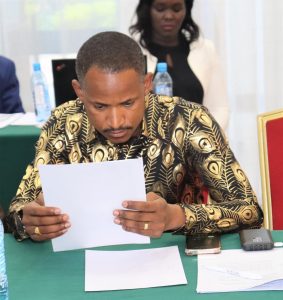
Babu Owino is a prominent political figure in Kenya and has been serving as the MP of Embakasi East since the 2017 general elections.
His dedication to public service and commitment to improving the lives of his constituents have earned him respect and admiration among the people of Embakasi East.
Complete Guide : Who Is The MP Of Embakasi East Constituency?
Early Life and Education
Born on October 10, 1989, in Kisumu County, Babu Owino grew up in a humble background. He attended Kisumu Township Primary School before joining Kisumu High School for his secondary education.
Babu Owino’s exemplary academic performance paved the way for him to pursue higher education at the University of Nairobi, where he studied Actuarial Science.
Political Career
Babu Owino’s interest in politics was ignited during his university days. He actively engaged in student leadership and served as the Chairman of the University of Nairobi Students Association (UNSA) from 2011 to 2013. His charismatic leadership skills and ability to articulate the needs of the students earned him widespread recognition and support.
In 2017, Babu Owino made his entry into national politics by vying for the parliamentary seat of Embakasi East Constituency. Through an intense campaign and a strong grassroots support base, he emerged victorious and was elected as the MP.
Achievements and Impact
Since assuming office, Babu Owino has been at the forefront of driving positive change in Embakasi East Constituency. He has implemented numerous initiatives aimed at addressing the key challenges faced by the residents. Some of his notable achievements include:
- Education: Babu Owino has been a strong advocate for quality education. He has facilitated the construction of new classrooms, improved learning facilities, and provided scholarships for bright but needy students in the constituency.
- Youth Empowerment: Recognizing the potential of the youth, Babu Owino has initiated various empowerment programs, including skills training and mentorship programs. These initiatives have empowered young people to become self-reliant and contribute meaningfully to society.
- Infrastructure Development: Under Babu Owino’s leadership, significant infrastructure projects have been undertaken to improve the living standards of the constituents. This includes road rehabilitation, installation of streetlights, and the construction of social amenities such as health centers and recreational facilities.
- Employment Opportunities: Babu Owino has actively engaged with local businesses and industries to create job opportunities for the residents. Through collaboration with various stakeholders, he has facilitated the establishment of new businesses and attracted investments to the constituency.
FAQs about the MP of Embakasi East Constituency
1. What are the key responsibilities of the MP of Embakasi East Constituency? The MP of Embakasi East Constituency is responsible for representing the interests and concerns of the constituents in the National Assembly.
They participate in legislative processes, oversee the allocation of resources, and engage with the community to address their needs effectively.
2. How can I contact Babu Owino, the MP of Embakasi East Constituency? You can reach out to Hon. Babu Owino through his official website or social media platforms. His office also provides contact details for direct communication and appointments.
3. What is Babu Owino’s vision for Embakasi East Constituency? Babu Owino envisions a prosperous and inclusive Embakasi East Constituency.
He is committed to fostering economic growth, improving education and healthcare, enhancing infrastructure, and creating a conducive environment for businesses to thrive.
4. How does Babu Owino engage with the constituents? Babu Owino actively engages with the constituents through regular public forums, community meetings, and social media interactions. He encourages open dialogue and welcomes feedback to better understand the needs of the people he represents.
5. Has Babu Owino faced any challenges during his tenure as MP? Like any other public figure, Babu Owino has faced challenges and criticisms. However, he remains resilient and dedicated to fulfilling his mandate as the representative of Embakasi East Constituency.
6. How can I get involved in the development initiatives in Embakasi East Constituency? There are several ways to get involved in the development initiatives of the constituency. You can participate in community projects, join local organizations, or contribute your skills and resources to support the ongoing efforts.
Conclusion
Hon. Babu Owino, the MP of Embakasi East Constituency, has demonstrated remarkable leadership and a genuine commitment to the well-being of the constituents.
Through his visionary approach and relentless efforts, he continues to make a positive impact on the lives of the people he represents. As Embakasi East thrives under his leadership, it is clear that Hon. Babu Owino is a dynamic and influential force in Kenyan politics.
What Happened In Kenya In 1990?
Wondering about What Happened In Kenya In 1990? In 1990, Kenya experienced significant political and social transformations.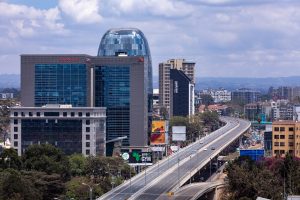
-
The year marked the end of the single-party system that had been in place since independence, with the reintroduction of multiparty politics.
-
This move led to a surge in political activism, demonstrations, and public debates as various parties emerged and competed for power.
-
Additionally, 1990 witnessed economic reforms aimed at liberalizing the Kenyan economy, fostering privatization, and encouraging foreign investment.
-
The year also saw the birth of prominent civil society organizations that advocated for human rights, democracy, and social justice.
-
Overall, 1990 was a pivotal year in Kenya’s history, marking the beginning of a new era characterized by political pluralism and economic transformations.
In this article, we will delve into the key happenings in Kenya during 1990, shedding light on political, social, and cultural developments that influenced the country’s path.
From political transitions to notable achievements, we will explore the events that left an indelible mark on Kenya in 1990.
Complete Guide On What Happened In Kenya In 1990?
The Winds of Change: Political Transitions
President Daniel arap Moi’s Reign Continues
As we dive into the events of 1990, it’s essential to understand the political landscape of Kenya at the time. In power since 1978, President Daniel arap Moi continued his presidency, firmly entrenched in his position as the leader of the Republic of Kenya. His presidency, which lasted until 2002, was marked by both achievements and controversies.
The Emergence of Multi-Party Democracy
In 1990, Kenya witnessed a significant shift in its political system. The country had been under the one-party rule since its independence in 1963, with the Kenya African National Union (KANU) as the dominant party.
However, in response to mounting pressure from civil society and opposition groups, President Moi’s government initiated a process that led to the reintroduction of multi-party democracy.
Social and Cultural Milestones
A Cultural Gem: Nairobi National Museum
Among the noteworthy events of 1990 was the inauguration of the Nairobi National Museum. Located in the capital city, Nairobi, the museum stands as a testament to Kenya’s rich cultural heritage.
With exhibits showcasing archaeological artifacts, ethnographic collections, and art pieces, the museum became a hub for locals and tourists alike, fostering a deeper appreciation for Kenya’s diverse culture.
Sports Triumph: Kenya at the Commonwealth Games
Kenya’s prowess in athletics shone brightly at the 1990 Commonwealth Games held in Auckland, New Zealand. The Kenyan team showcased exceptional talent, securing an impressive medal haul.
Athletes like John Ngugi, Paul Ereng, and Moses Kiptanui etched their names in history, bringing home gold medals and setting new records, further solidifying Kenya’s reputation as a force to be reckoned with in the sporting world.
Economic Developments and Challenges
Economic Liberalization and Structural Adjustments
In 1990, Kenya embarked on an economic liberalization journey, adopting structural adjustments recommended by international financial institutions. The government aimed to revitalize the economy, attract foreign investment, and promote sustainable growth.
These reforms, though met with mixed results, laid the foundation for subsequent economic transformations in Kenya.
Challenges in Agriculture Sector
While Kenya pursued economic reforms, the agricultural sector faced significant challenges. The country’s dependence on rain-fed agriculture exposed farmers to the vagaries of weather patterns. In 1990, severe droughts hit various regions of Kenya, leading to crop failures and exacerbating food insecurity. The government and international organizations implemented measures to alleviate the plight of affected communities.
What Happened In Kenya In 1990? FAQ’s
Q: What were the major political events in Kenya in 1990?
A: In 1990, Kenya witnessed significant political events, including President Daniel arap Moi’s continued reign, as well as the emergence of multi-party democracy, marking a transition from one-party rule.
Q: What cultural milestones were achieved in Kenya in 1990?
A: One of the cultural milestones in Kenya in 1990 was the inauguration of the Nairobi National Museum, which showcased the country’s rich heritage. Additionally, Kenya’s athletic success at the 1990 Commonwealth Games highlighted the nation’s sporting achievements.
Q: What economic developments occurred in Kenya in 1990?
A: Kenya implemented economic liberalization measures and structural adjustments in 1990 to revitalize the economy and attract foreign investment. However, the agricultural sector faced challenges due to droughts and crop failures.
Q: How did President Daniel arap Moi shape Kenya’s trajectory in 1990?
A: President Moi’s continued leadership in 1990 marked a period of both achievements and controversies. His presidency spanned from 1978 to 2002 and witnessed political and economic transformations in Kenya.
Q: How did Kenya address the challenges in the agricultural sector in 1990?
A: In response to severe droughts and crop failures in 1990, the government and international organizations implemented measures to alleviate the suffering of affected communities and address food insecurity.
Q: What impact did Kenya’s success at the 1990 Commonwealth Games have on the nation?
A: Kenya’s exceptional performance at the 1990 Commonwealth Games not only brought home gold medals and set new records but also solidified Kenya’s reputation as a dominant force in athletics.
Conclusion
The year 1990 was a significant chapter in Kenya’s history, marked by political transitions, cultural milestones, and economic challenges.
President Daniel arap Moi’s continued presidency, the emergence of multi-party democracy, the inauguration of the Nairobi National Museum, and Kenya’s success at the Commonwealth Games all contributed to shaping the nation’s trajectory.
Despite the hurdles faced in the agricultural sector, Kenya’s resilience and determination paved the way for subsequent transformations in the years that followed.
What Happened On Saba Saba Day In Kenya
What Happened On Saba Saba Day In Kenya?Well,Saba Saba Day in Kenya commemorates the historic pro-democracy protests that took place on July 7, 1990, marking a significant turning point in the country’s political landscape.
Saba Saba Day, meaning “Seven Seven” in Swahili, is a historic day in Kenya that signifies the struggle for democratic rights and political reforms.
It has its roots in the fight against oppressive colonial rule and continues to inspire change and progress in the nation.
In this article, we will delve into the origins, significance, and celebrations associated with Saba Saba Day.
What Happened On Saba Saba Day In Kenya
The Background of Saba Saba Day
Colonial Era and Independence
Kenya was under British colonial rule until it gained independence on December 12, 1963. Following independence, Kenya experienced both political and social challenges as it sought to establish a stable government and address the needs of its citizens.
Rise of Political Activism
During the 1980s, Kenya was under the authoritarian rule of President Daniel arap Moi. Dissatisfaction with his regime’s oppressive practices, corruption, and economic mismanagement grew among the Kenyan people. This led to an increased demand for political reforms and the restoration of democratic rights.
The Roots of Political Activism
Formation of the July 7th Movement
The July 7th Movement, or Saba Saba Movement, emerged as a coalition of pro-democracy activists, civil society organizations, trade unions, and opposition political parties.
It aimed to challenge the autocratic rule of President Moi and advocate for the restoration of multi-party democracy in Kenya.
The Saba Saba Rally
On July 7, 1990, a significant event took place that would forever mark the history of Kenya. A large-scale rally was organized at the Kamukunji Grounds in Nairobi, where thousands of Kenyans gathered to express their discontent with the government and demand political change.
The rally was met with violent repression from the authorities, resulting in clashes between protesters and the police.
The March of Democracy
Political Reforms
The Saba Saba Movement played a crucial role in pushing for political reforms in Kenya. The pressure exerted by the movement and the collective voice of the people eventually led to the repeal of Section 2A of the Constitution in 1991, which restored multi-party politics in the country.
This marked a significant milestone in Kenya’s democratic journey.
The Birth of a New Era
The events of Saba Saba Day served as a turning point in Kenyan history. It paved the way for the establishment of a more inclusive political system, allowing for greater participation, freedom of expression, and fair elections.
The Significance of Saba Saba Day
Saba Saba Day holds immense significance as a symbol of people power and the fight against oppression. It represents the collective aspirations of Kenyans for a democratic society where fundamental rights and freedoms are respected.
Commemorations and Celebrations
Annual Observances
Every year, on July 7th, Kenyans commemorate Saba Saba Day through various activities and events. These include public rallies, seminars, conferences, and cultural performances that highlight the importance of democracy, human rights, and social justice.
Reflecting on the Struggle
Saba Saba Day serves as an opportunity for Kenyans to reflect on the progress made since the historic rally in 1990. It allows them to remember the sacrifices of those who fought for their rights and to renew their commitment to upholding the principles of democracy.
Impact on Kenyan Society
Strengthening Democracy
The legacy of Saba Saba Day has had a profound impact on Kenyan society. It has contributed to the consolidation of democratic institutions, the promotion of civic engagement, and the protection of human rights.
Social and Economic Reforms
In addition to political reforms, the push for change sparked by Saba Saba Day has also influenced social and economic transformations in Kenya. It has created a platform for discussions on issues such as poverty alleviation, education, healthcare, and economic development.
The Road Ahead
While Kenya has made significant progress since Saba Saba Day, there are still challenges to overcome. The country continues to strive for greater transparency, inclusivity, and accountability in its governance systems. The spirit of Saba Saba Day serves as a reminder to remain vigilant and actively participate in shaping the nation’s future.
FAQs
Q1: Why is Saba Saba Day important in Kenya?
Saba Saba Day is important in Kenya as it signifies the struggle for political and economic reforms, the restoration of democracy, and the fight against oppressive regimes.
Q2: What happened during the Saba Saba rally?
The Saba Saba rally, held on July 7, 1990, saw thousands of Kenyans gather at the Kamukunji Grounds in Nairobi to demand political change. The rally was met with violent repression from the authorities.
Q3: How did Saba Saba Day impact Kenya’s democracy?
Saba Saba Day played a crucial role in the restoration of multi-party democracy in Kenya. It paved the way for greater political participation, freedom of expression, and fair elections.
Q4: What are the annual commemorations and celebrations associated with Saba Saba Day?
Saba Saba Day is commemorated through public rallies, seminars, conferences, and cultural performances that highlight the importance of democracy, human rights, and social justice.
Q5: What is the significance of Saba Saba Day for the future of Kenya?
Saba Saba Day serves as a reminder to remain vigilant and actively participate in shaping Kenya’s future. It encourages citizens to strive for transparency, inclusivity, and accountability in governance.
Conclusion
Saba Saba Day stands as a testament to the power of the people to effect change. It represents a pivotal moment in Kenya’s history, where the collective voice of the citizens triumphed over oppression and set the stage for a more democratic and inclusive society.
As Kenyans commemorate this significant day each year, they reaffirm their commitment to upholding the values of democracy, justice, and equality.