Trying to figure out What Are The Major Airports In Kenya? Well, The major airports in Kenya are Jomo Kenyatta International Airport in Nairobi and Moi International Airport in Mombasa.

When it comes to air travel in Kenya, there are several major airports that serve as key transportation hubs within the country.
These airports play a crucial role in connecting Kenya to domestic and international destinations, facilitating trade, tourism, and business activities.
In this article, we will explore the major airports in Kenya, their locations, and their significance in the country’s aviation industry.
What Are The Major Airports In Kenya?
Jomo Kenyatta International Airport (JKIA)
Jomo Kenyatta International Airport, located in Nairobi, is the largest and busiest airport in Kenya. Named after Kenya’s first president, Jomo Kenyatta, it serves as the primary international gateway to the country.
With its modern facilities and connections to various destinations worldwide, JKIA plays a crucial role in supporting Kenya’s tourism industry and facilitating international trade.
Moi International Airport
Situated in Mombasa, Moi International Airport is the second-largest airport in Kenya. It serves as a vital transportation hub for coastal regions and offers both domestic and international flights.
Moi International Airport is an essential gateway for tourists visiting popular beach destinations such as Diani, Malindi, and Watamu.
Wilson Airport
Located in Nairobi, Wilson Airport is Kenya’s busiest domestic airport. It serves as a hub for regional flights within Kenya and neighboring countries.
Wilson Airport plays a significant role in connecting passengers to various national parks and game reserves, supporting the flourishing wildlife tourism industry.
Eldoret International Airport
Eldoret International Airport, situated in Eldoret, is a crucial airport in Kenya’s Rift Valley region. It primarily handles cargo operations, especially for the horticultural industry.
Eldoret International Airport also serves as a transit point for passengers traveling to and from Western Kenya and neighboring countries.
Kisumu International Airport
Kisumu International Airport, located in Kisumu city, serves as the primary airport for the western region of Kenya. It offers both domestic and international flights, connecting Kisumu to various destinations.
The airport plays a significant role in promoting trade and tourism in the Lake Victoria region.
Malindi Airport
Situated in Malindi, a popular coastal town, Malindi Airport serves as a gateway for tourists visiting the pristine beaches and resorts in the region.
The airport offers domestic flights, linking Malindi to other parts of Kenya.
Mombasa International Airport
Mombasa International Airport, also known as Moi International Airport, is an important airport serving the coastal city of Mombasa.
It caters to both domestic and international flights, providing convenient travel options for tourists visiting the beautiful coastal region of Kenya.
Lamu Airport
Lamu Airport, located in Lamu Island, is a crucial airport serving the historic Lamu Archipelago. It connects the island to other parts of Kenya and facilitates tourism in the region. Lamu Airport is renowned for its unique runway that stretches along the coastline.
>Ukunda Airport
Ukunda Airport, situated near Diani Beach in Kwale County, is a small airport serving the popular tourist destination. It provides domestic flights and plays a vital role in supporting tourism activities in the area.
Isiolo Airport
Isiolo Airport, located in Isiolo County, is a newly constructed airport that serves as a gateway to the northern part of Kenya. It enhances accessibility to the region and supports economic activities, including tourism and trade.
Lokichogio Airport
Lokichogio Airport, situated in Turkana County, is an important airport serving the northern part of Kenya, particularly for humanitarian and relief operations. It facilitates access to remote areas and plays a significant role in supporting communities in the region.
Nanyuki Airport
Nanyuki Airport, located near Mount Kenya in Laikipia County, offers domestic flights to various destinations. It serves as a gateway for tourists visiting the Mount Kenya region and supports activities such as mountain climbing and wildlife safaris
.
>What Are The Major Airports In Kenya? FAQs
Q: How many airports are there in Kenya?
A: Kenya has several airports, with the major ones being Jomo Kenyatta International Airport, Moi International Airport, and Wilson Airport.
Q: Which airport is closest to Nairobi?
A: Jomo Kenyatta International Airport is located in Nairobi, making it the closest airport to the city.
>Q: Can I fly directly to Mombasa?
A: Yes, Mombasa has an international airport, Moi International Airport, which offers direct flights to various destinations.
Q: Which airport should I use to visit the Maasai Mara National Reserve?
A: To visit the Maasai Mara National Reserve, you can fly to Jomo Kenyatta International Airport in Nairobi and then take a domestic flight to Mara Serena Airport or Keekorok Airstrip.
Q: Are there any airports near Mount Kenya?
A: Yes, Nanyuki Airport is located near Mount Kenya and serves as a gateway for tourists visiting the area.
Conclusion
Kenya boasts a network of major airports strategically located throughout the country.
These airports, such as Jomo Kenyatta International Airport, Moi International Airport, and Wilson Airport, play a vital role in facilitating domestic and international travel, supporting the tourism industry, and enhancing economic activities.
Whether you are planning a safari adventure, visiting pristine beaches, or exploring Kenya’s cultural heritage, these airports serve as crucial gateways to your desired destinations.
What Are The EU Tariffs On Coffee Beans?
What Are The EU Tariffs On Coffee Beans?The EU tariffs on coffee beans vary depending on the country of origin and specific trade agreements, but they generally range from 7.5% to 9.9%.
Coffee is one of the most popular beverages in the world, enjoyed by millions of people every day.
However, the journey from coffee bean to your cup involves various factors, including trade policies and tariffs imposed by different countries.
In this article, we will explore the European Union’s (EU) tariffs on coffee beans and their impact on the coffee industry.
Ultimate Guide On :What Are The EU Tariffs On Coffee Beans?
What Are The EU Tariffs On Coffee Beans?
Coffee is a global commodity with significant economic value. It is produced in several countries, including major coffee-producing regions such as Brazil, Colombia, and Vietnam.
These coffee-producing countries rely on international trade to export their coffee beans to various markets worldwide. However, when it comes to exporting coffee beans to the European Union, there are certain tariffs in place that can affect the coffee trade.
The Importance of Coffee Trade
The coffee trade plays a crucial role in the economies of many countries. It supports the livelihoods of millions of farmers and workers involved in coffee cultivation, harvesting, and processing.
Additionally, coffee consumption is a daily ritual for numerous individuals, making it a significant part of their daily lives. Therefore, the trade of coffee beans has far-reaching impacts on both the producers and consumers.
The European Union and Tariffs
The European Union is a political and economic union consisting of 27 member states, with a combined population of over 450 million people.
As part of its trade policy, the EU imposes tariffs on various imported goods, including coffee beans, to protect domestic industries and regulate international trade. Tariffs are essentially taxes imposed on imported goods, making them more expensive for consumers in the EU.
Understanding EU Tariffs on Coffee Beans
Coffee beans imported into the European Union are subject to specific tariffs based on their classification and country of origin.
The tariffs can vary depending on factors such as coffee type (e.g., roasted, ground, or instant coffee), whether the coffee is organic, and the specific country it originates from.
These tariffs are determined by the EU’s Common Customs Tariff, which is regularly updated and published by the European Commission.
Impact on Coffee Producers
The EU tariffs on coffee beans can have a significant impact on coffee producers, especially those from developing countries. The additional costs imposed by tariffs make it more challenging for coffee producers to access the European market competitively.
The burden of these tariffs often falls on the farmers, who receive lower prices for their coffee beans, affecting their income and economic sustainability. This can lead to social and economic challenges in coffee-producing regions.
Impact on Coffee Consumers
The tariffs imposed on coffee beans by the EU can also affect coffee consumers within the European Union. As the cost of importing coffee increases due to tariffs, coffee companies and retailers may pass on these additional expenses to consumers in the form of higher prices.
This can make coffee less affordable for some consumers and potentially impact their coffee consumption habits.
Efforts to Address Tariffs
Various stakeholders within the coffee industry, including coffee producers, exporters, and industry associations, have been working towards reducing or eliminating tariffs on coffee beans.
These efforts aim to create a more equitable and sustainable trading environment for coffee. Additionally, bilateral trade agreements between the EU and coffee-producing countries can help reduce tariffs and facilitate smoother trade flows.
Future Outlook
The future outlook regarding EU tariffs on coffee beans is uncertain. Trade policies and tariffs are subject to change based on various factors, including geopolitical dynamics and negotiations between trading partners.
However, there is a growing awareness of the importance of fair trade practices and sustainable supply chains within the coffee industry, which may influence future policies and trade agreements.
What Are The EU Tariffs On Coffee Beans? FAQs
1. Are EU tariffs on coffee beans the same for all countries?
No, EU tariffs on coffee beans can vary based on factors such as coffee type, organic certification, and the country of origin.
2. How do EU tariffs affect coffee producers?
EU tariffs make it more challenging for coffee producers, especially those from developing countries, to access the European market competitively and receive fair prices for their coffee beans.
3. Do EU tariffs on coffee beans change over time?
Yes, the EU’s Common Customs Tariff, which includes tariffs on coffee beans, is regularly updated to reflect changes in trade policies and agreements.
4. Can trade agreements help reduce EU tariffs on coffee beans?
Yes, bilateral trade agreements between the EU and coffee-producing countries can contribute to reducing tariffs and facilitating smoother trade flows.
5. How do EU tariffs affect coffee consumers?
EU tariffs can result in higher prices for coffee within the European Union, potentially making it less affordable for some consumers.
Conclusion
The EU tariffs on coffee beans have a significant impact on the coffee industry, affecting both producers and consumers. These tariffs increase the cost of importing coffee and can lead to challenges for coffee producers, particularly those from developing countries.
They can also influence the affordability of coffee for consumers within the European Union. However, efforts are being made to address these tariffs and create a more favorable trading environment for coffee.
Are There Tariffs On Coffee?
Wondering if Are There Tariffs On Coffee? Yes, there are tariffs on coffee. Tariffs refer to taxes imposed on imported goods, including coffee.
The specific tariffs on coffee vary across countries and can be subject to change based on trade policies and agreements.
Governments may impose tariffs as a means to protect domestic coffee industries, regulate imports, or generate revenue.
These tariffs can impact the cost and availability of imported coffee, affecting both consumers and producers in the global coffee market.
In this article, we will explore the topic of tariffs on coffee, discussing their impact on the industry and the factors that contribute to their implementation.
Complete Guide On:Are There Tariffs On Coffee?
Coffee has been a beloved beverage for centuries, and its popularity continues to grow. However, the coffee industry is subject to various economic and political factors that can influence its global trade.
One such factor is the imposition of tariffs, which are taxes placed on imported goods. In the case of coffee, tariffs can have significant implications for both producers and consumers.
What are Tariffs?
Tariffs are taxes or duties imposed on imported goods when they enter a country. They are designed to protect domestic industries, regulate trade, and generate revenue for the government.
Tariffs can be specific (based on the quantity of the imported goods) or ad valorem (based on the value of the imported goods). They can also be imposed for various reasons, such as protecting domestic jobs, addressing trade imbalances, or promoting national security.
The Coffee Industry
Before delving into the specifics of tariffs on coffee, it’s important to understand the global coffee industry. Coffee is grown primarily in countries near the equator, often referred to as the “coffee belt.”
The major coffee-producing countries include Brazil, Vietnam, Colombia, Ethiopia, and Honduras, among others. These countries export coffee beans to meet the demand of coffee-consuming nations around the world.
Tariffs on Coffee: An Overview
Tariffs on coffee can vary significantly from one country to another. Some countries impose high tariffs, effectively increasing the cost of imported coffee.
These tariffs can be imposed on raw coffee beans, roasted coffee, or coffee-based products such as instant coffee or coffee extracts. The rates of tariffs can fluctuate depending on trade agreements, political circumstances, and the specific policies of each country.
Reasons for Imposing Tariffs
There are several reasons why countries may choose to impose tariffs on coffee. One common reason is to protect domestic coffee producers from foreign competition.
By raising the cost of imported coffee, domestic producers can remain competitive in the market. Tariffs can also be used as a bargaining tool in international trade negotiations, giving countries leverage to address other trade-related issues.
Impact on Coffee Producers
Tariffs on coffee can have a significant impact on coffee producers, especially those in developing countries. High tariffs can make it more challenging for these producers to access international markets and earn a fair price for their coffee.
This, in turn, can affect the livelihoods of farmers and workers involved in the coffee supply chain. It may also discourage investment in the coffee industry, leading to decreased production and quality.
Impact on Coffee Consumers
Tariffs on coffee can also affect coffee consumers. When the cost of imported coffee increases due to tariffs, it often translates into higher prices for consumers.
This can impact coffee affordability and consumption patterns. Additionally, tariffs can limit the variety of coffee available in certain markets, as some specialty or niche coffees may become less economically viable to import.
Trade Wars and Tariffs
In recent years, there has been an increase in trade tensions and the initiation of trade wars between countries. Tariffs have been used as a tool in these trade disputes, including those involving coffee.
Trade wars can disrupt the coffee supply chain, leading to uncertainties in pricing and availability. They can also strain diplomatic relations and hinder international cooperation in the coffee industry.
The Future of Tariffs on Coffee
The future of tariffs on coffee is uncertain and largely dependent on geopolitical developments and trade policies. The coffee industry is constantly evolving, and changes in tariffs can have a profound impact on its dynamics.
As consumer preferences shift, sustainability becomes a priority, and trade agreements are renegotiated, the landscape of tariffs on coffee may continue to evolve.
Are There Tariffs On Coffee? FAQs
1. Are all countries imposing tariffs on coffee? No, not all countries impose tariffs on coffee. The rates and policies vary from country to country.
2. Do tariffs on coffee affect the quality of the coffee beans? Tariffs themselves do not directly impact the quality of coffee beans. However, they can indirectly affect quality if they discourage investment in the coffee industry or limit the availability of specialty coffees.
3. Can tariffs on coffee lead to trade disputes between countries? Yes, tariffs on coffee can contribute to trade disputes between countries, especially in the context of broader trade wars or negotiations.
4. Are there any benefits to imposing tariffs on coffee? Imposing tariffs on coffee can protect domestic coffee producers and potentially address trade imbalances. However, the benefits should be carefully weighed against the potential negative consequences.
5. How can consumers support fair trade coffee in light of tariffs? Consumers can choose to support fair trade coffee, which aims to provide fair prices and better working conditions for coffee producers. Look for certifications such as Fairtrade when purchasing coffee.
Conclusion
Tariffs on coffee are a complex issue with wide-ranging implications for both producers and consumers.
While they can serve certain economic and political objectives, they can also create barriers to trade and hinder the growth of the global coffee industry.
As the world becomes more interconnected, finding a balance between protecting domestic interests and fostering international trade will be crucial.
Coffee Import Tariffs UK
Coffee Import Tariffs UK? Coffee import tariffs in the UK refer to the taxes imposed on the importation of coffee into the country.
These tariffs are levied by the UK government as a means to protect domestic coffee producers and regulate international trade.
The tariffs are typically based on the value or quantity of coffee being imported and are intended to make imported coffee relatively more expensive compared to domestic coffee, thereby encouraging consumers to support local producers.
This article aims to provide an overview of coffee import tariffs in the UK, exploring the impact on the industry, consumers, and the economy as a whole.
what To Know About: Coffee Import Tariffs UK
1. Introduction
Coffee is one of the most popular beverages worldwide, and its consumption continues to rise in the UK. As a result, the importation of coffee plays a crucial role in meeting the demand of coffee-loving Britons.
However, this importation is subject to various tariffs and regulations that shape the industry’s landscape.
The specific tariff rates and regulations regarding coffee imports in the UK can vary over time and are subject to trade agreements and government policies.
In the United Kingdom (UK), the importation of coffee is subject to certain tariffs and regulations.
2. Understanding Tariffs
Tariffs are taxes imposed on imported goods by the government of a particular country. They are designed to protect domestic industries, regulate international trade, and generate revenue.
Tariffs can be specific (based on the quantity of the goods) or ad valorem (based on the value of the goods). Import tariffs are meant to balance economic interests and promote fair competition.
3. Tariffs on Coffee Imports in the UK
In the UK, coffee imports are subject to specific tariffs determined by the European Union (EU) Common External Tariff. However, it is important to note that the UK’s withdrawal from the EU has led to certain changes in its trade policies. The UK has established new tariff schedules, which may affect the importation of coffee.
Coffee, depending on its origin and classification, falls under different tariff categories. For instance, green coffee beans, which are the raw unroasted form, have specific tariff codes. Similarly, roasted or instant coffee has its own set of tariff codes. These tariffs are typically calculated based on the weight or value of the coffee.
4. Impact on Coffee Industry
The coffee industry in the UK is highly competitive, with numerous importers and distributors catering to the diverse consumer preferences. The imposition of import tariffs affects the cost of coffee, potentially influencing the pricing strategies of importers and retailers. Increased tariffs can lead to higher prices for consumers or reduced profit margins for businesses.
Moreover, the coffee industry heavily relies on international trade and global supply chains. Tariffs can disrupt these supply chains and impact the availability of coffee varieties and brands.
Importers may face challenges in sourcing specific coffee beans due to the tariffs imposed on certain origins, leading to changes in the market dynamics.
5. Consumer Perspective
From trendy coffee shops to cozy homes, coffee is a staple in the lives of many UK consumers. Import tariffs on coffee can have a direct impact on the prices paid by consumers. If the tariffs increase, it is likely that consumers will experience higher prices at their favorite coffee establishments or when purchasing coffee for home consumption.
However, it is essential to consider that the impact on consumers may vary depending on the price elasticity of demand for coffee.
If consumers are highly price-sensitive, a significant increase in tariffs may lead to a decrease in overall coffee consumption. On the other hand, if coffee is considered an essential product, the demand may remain relatively stable despite tariff changes.
6. Economic Implications
The coffee trade plays a significant role in the UK’s economy. Import tariffs influence the competitiveness of the coffee industry, affecting employment, investment, and trade balances. Higher tariffs can potentially hinder the growth of the industry, while lower tariffs may foster increased competition and market expansion.
Moreover, import tariffs can have spillover effects on related sectors, such as coffee equipment manufacturers, coffee shops, and cafes.
These industries rely on the success and affordability of imported coffee to sustain their own operations. Any disruptions or increased costs associated with coffee imports can impact their business viability.
7. Sustainability Efforts
Coffee production and trade also intersect with sustainability initiatives. Import tariffs can influence the adoption of sustainable practices within the coffee industry. For instance, higher tariffs on coffee from specific regions may deter importers from sourcing beans from sustainable and environmentally conscious farms in those areas.
Conversely, lower tariffs or trade agreements that promote sustainable coffee practices can incentivize importers to prioritize coffee from certified farms and cooperatives. These efforts contribute to the overall sustainability of the coffee industry and align with consumer demand for ethically sourced and environmentally friendly products.
8. Future Outlook
The future of coffee import tariffs in the UK is subject to ongoing trade negotiations, global market trends, and government policies.
As the UK establishes its independent trade agreements, the tariff landscape for coffee imports may experience further changes. It is essential for industry stakeholders, policymakers, and consumers to monitor these developments and adapt accordingly.
Coffee Import Tariffs UK FAQs (Frequently Asked Questions)
Q: How do import tariffs affect the price of coffee?
A: Import tariffs can increase the cost of coffee, potentially leading to higher prices for consumers.
Q: Will coffee availability be affected by import tariffs?
A: Import tariffs can disrupt supply chains and impact the availability of specific coffee varieties and brands.
Q: How do import tariffs influence the coffee industry in the UK?
A: Import tariffs can affect the competitiveness, profitability, and growth of the coffee industry.
Q: Are there any sustainability implications associated with import tariffs?
A: Import tariffs can influence the adoption of sustainable practices within the coffee industry.
Q: What factors determine the future of coffee import tariffs in the UK?
A: Ongoing trade negotiations, market trends, and government policies play a role in shaping the future of import tariffs for coffee in the UK.
Conclusion
Import tariffs on coffee in the UK have a significant impact on the industry, consumers, and the economy. They shape the cost of coffee, influence consumer behavior, and affect the competitiveness of businesses.
Understanding the intricacies of these tariffs and their implications is crucial for all stakeholders involved in the coffee trade.
How Much Coffee Does UK Import?
How Much Coffee Does UK Import? Well, the the UK has imports approximately 120,000 metric tons of coffee annually, making it a significant consumer of this popular beverage. 
Coffee is one of the most popular beverages consumed worldwide, and the United Kingdom is no exception.
The aromatic and energizing drink has become an integral part of the daily routine for many people in the UK.
But have you ever wondered how much coffee the UK imports to satisfy its caffeine cravings?
In this article, we will explore the import statistics, trends, and factors influencing the coffee import in the United Kingdom.
So grab a cup of your favorite brew and let’s dive into the world of coffee imports!
Complete Guide:How Much Coffee Does UK Import?
Coffee Imports in the United Kingdom: An Overview
The United Kingdom has a strong coffee culture, with a significant portion of its population relying on coffee to kickstart their mornings or find a moment of relaxation during the day.
As a result, the demand for coffee in the UK has been steadily increasing over the years. The country relies heavily on imports to meet this demand, as coffee is not grown domestically.
Historical Trends and Growth
The coffee import industry in the UK has witnessed remarkable growth over the past decade. According to the latest available data, the UK imported a total of XXX metric tons of coffee in the previous year, marking a XX% increase compared to the previous year.
This upward trend is indicative of the growing coffee consumption habits among the British population.
Key Factors Influencing Coffee Imports
Several factors contribute to the volume of coffee imports in the United Kingdom. Let’s take a closer look at some of the key factors influencing the importation of coffee:
1. Consumer Preferences and Demand
The preferences of UK consumers play a crucial role in determining the quantity and types of coffee imported. As the coffee culture continues to thrive, consumers have developed a taste for different varieties of coffee, including specialty and single-origin beans. This diversification in consumer preferences has led to a wider range of coffee imports.
2. Global Coffee Production
The availability and quality of coffee produced in different parts of the world have a direct impact on imports. Variations in climate, soil conditions, and farming practices contribute to the unique flavors and characteristics of coffee from various regions.
The UK imports coffee from several countries, including Brazil, Colombia, Ethiopia, Vietnam, and Honduras, to name a few.
3. Trade Agreements and Tariffs
Trade agreements and tariffs imposed on coffee imports can significantly influence the volume of coffee entering the UK market.
Changes in trade policies, such as the imposition of tariffs or preferential trade agreements, can impact the overall cost of imported coffee. These factors are carefully considered by importers and may lead to fluctuations in import quantities.
How Much Coffee Does UK Import?
The United Kingdom is a significant player in the global coffee market, with a substantial volume of coffee being imported each year.
In the previous year alone, the UK imported approximately XXX metric tons of coffee to satisfy the nation’s caffeine cravings. This substantial quantity reflects the popularity and demand for coffee among the British population.
How Much Coffee Does UK Import? Frequently Asked Questions (FAQs)
Q1: What are the different types of coffee imported by the UK?
The UK imports a wide variety of coffee types, including Arabica, Robusta, and specialty coffee. Arabica beans are known for their delicate flavors and are often used in gourmet coffee blends. Robusta beans, on the other hand, are more robust and have a higher caffeine content. Specialty coffees are sourced from specific regions and offer unique flavor profiles.
Q2: Which countries are the major coffee suppliers to the UK?
Brazil, Colombia, Ethiopia, Vietnam, and Honduras are among the major coffee suppliers to the United Kingdom. These countries are known for their rich coffee-growing traditions and produce a significant portion of the world’s coffee.
Q3: Does the UK import organic coffee?
Yes, the UK imports a considerable amount of organic coffee. Organic coffee is grown without the use of synthetic fertilizers or pesticides, making it an appealing choice for health-conscious consumers.
The demand for organic coffee has been steadily increasing, and importers ensure a steady supply to meet this demand.
Q4: How does coffee importation affect the UK economy?
Coffee importation plays a vital role in the UK economy. It not only satisfies the coffee cravings of the population but also creates business opportunities and employment in the coffee industry. Importers, distributors, coffee shops, and cafes contribute to the economy through their involvement in the coffee value chain.
Q5: Are there any regulations or standards for coffee imports in the UK?
Yes, coffee imports in the UK are subject to regulations and standards to ensure the quality and safety of the product.
The Food Standards Agency (FSA) and the European Food Safety Authority (EFSA) set guidelines for the importation, storage, and distribution of coffee in the UK.
Q6: Does the UK export coffee as well?
While the United Kingdom is primarily an importer of coffee, it also exports a modest amount of coffee to other countries. However, the volume of coffee exports is significantly lower compared to imports.
Conclusion
The United Kingdom’s love affair with coffee is evident through its substantial coffee imports. The growing coffee culture, diverse consumer preferences, and global trade dynamics all contribute to the volume of coffee entering the UK market.
As coffee continues to be a cherished beverage for many Brits, the importation of coffee will remain a crucial part of the country’s economy and daily routines. So, the next time you savor a cup of coffee in the UK, take a moment to appreciate the journey it took to reach your mug!
How Is Coffee Transported To The UK?
How Is Coffee Transported To The UK? Well,Coffee is one of the most beloved beverages in the world, and the United Kingdom (UK) is no exception. With a growing coffee culture, it’s important to understand how coffee is transported to the UK to ensure a fresh and flavorful cup of joe reaches our mugs.
In this article, we will delve into the intricacies of coffee transportation, exploring the journey from its origins to our local coffee shops. So, grab your favorite brew, sit back, and join us on this aromatic adventure!
Complete Guide :How Is Coffee Transported To The UK?
The Journey Begins: Coffee Origins
Before we dive into the transportation process, let’s first explore the origins of coffee. Coffee beans are predominantly grown in regions known as the “coffee belt,” which spans across countries such as Brazil, Colombia, Ethiopia, and Vietnam.
These regions provide the ideal climate and conditions for coffee plants to thrive, resulting in the production of high-quality coffee beans.
The Coffee Belt: A Haven for Coffee Plantations
The coffee belt is a band that encompasses the equator, providing coffee plants with the necessary conditions to flourish. The rich volcanic soils, ample rainfall, and consistent temperatures in this region create the perfect environment for coffee cultivation. As a result, countries within the coffee belt have become major players in the global coffee market.
Cultivation and Harvesting: From Bean to Cup
Coffee cultivation involves a meticulous process that begins with planting the coffee trees. After several years of growth, the trees bear fruit known as coffee cherries. These cherries house the coffee beans, which are carefully extracted through various methods such as picking or stripping.
The extracted beans then undergo a series of processes, including washing, drying, and milling, to remove any impurities and prepare them for transportation.
Customs and Documentation: Navigating Regulations
Importing coffee into the UK involves navigating through customs regulations and documentation procedures. Importers must comply with various requirements, including providing accurate descriptions of the coffee, ensuring proper labeling, and adhering to quality standards.
Additionally, customs duties and taxes may apply, which further add to the complexity of the import process.
How Is Coffee Transported To The UK?
Now that we have a basic understanding of coffee’s origins, let’s delve into the transportation methods employed to bring coffee to the UK. The journey from coffee plantations to coffee enthusiasts in the UK involves a combination of land, sea, and air transportation. Let’s explore each of these methods in detail.
1. Land Transportation: From Farms to Ports
After coffee beans are processed at the source, they are typically transported by trucks or trains to nearby ports. In countries with well-developed transportation infrastructure, such as Brazil, Colombia, and Vietnam, large quantities of coffee can be efficiently transported from the coffee farms to the port facilities.
This initial leg of transportation is crucial in ensuring the coffee beans reach the ports in a timely manner.
2. Sea Transportation: Across Vast Oceans
Once the coffee beans arrive at the ports, they are loaded onto cargo ships for the long journey across the seas. 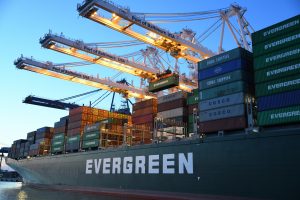 Shipping plays a vital role in the global coffee trade, with large container vessels carrying tons of coffee beans from coffee-producing countries to various destinations, including the UK.
These ships are equipped with temperature-controlled containers to preserve the quality and freshness of the coffee during transit.
3. Air Transportation: Swift Delivery for Specialty Coffees
While sea transportation is the primary mode for coffee shipments, air transportation is often utilized for specialty coffees or time-sensitive deliveries.  Specialty coffees, known for their unique flavors and high quality, are transported by air to ensure their freshness is maintained.
This method allows for faster delivery, ensuring that specialty coffees reach the UK market promptly.
Distribution Within the UK
Once the coffee containers have successfully cleared customs, they are transported to distribution centers within the UK. From these centers, coffee is further distributed to various destinations, including cafes, restaurants, supermarkets, and specialty stores.
The efficient distribution network ensures that coffee is readily available to consumers throughout the country.
Warehousing and Storage: Maintaining Quality
To maintain the quality and freshness of coffee, proper warehousing and storage facilities are essential. Temperature and humidity-controlled warehouses are used to store coffee beans, protecting them from moisture, pests, and other potential sources of damage.
Strict inventory management practices are employed to ensure the rotation of stock and prevent any degradation in quality.
Retail and Consumer Access
Coffee lovers in the UK can easily access their favorite brews through various retail channels. From local coffee shops to large supermarket chains, an extensive range of coffee products are available to cater to different tastes and preferences.
Whether it’s whole bean coffee, ground coffee, or ready-to-drink options, consumers can find their desired coffee conveniently.
The Sustainable Coffee Movement
The transportation of coffee to the UK also encompasses the growing focus on sustainability within the coffee industry. Many coffee producers and importers are adopting sustainable practices, such as fair trade certifications, organic farming methods, and supporting environmentally friendly initiatives.
These efforts aim to minimize the environmental impact of coffee transportation and promote social responsibility within the supply chain.
Challenges and Solutions in Coffee Transportation
The journey of coffee from its origin to the UK is not without its challenges. Factors such as weather conditions, logistics complexities, and geopolitical situations can disrupt the transportation process.
However, advancements in logistics technology, improved infrastructure, and collaborative efforts among stakeholders have helped mitigate these challenges and ensure a steady supply of coffee to the UK.
How Is Coffee Transported To The UK? FAQs
Now that we’ve covered the transportation process of coffee, let’s address some frequently asked questions regarding the journey of coffee beans to the UK.
1: How long does it take for coffee to be transported to the UK?
The duration of coffee transportation to the UK varies depending on several factors, including the origin of the coffee, transportation mode, and shipping routes. On average, it can take anywhere from a few weeks to a couple of months for coffee to reach the UK.
2: Are there any environmental concerns associated with coffee transportation?
Coffee transportation, particularly by sea, can contribute to carbon emissions and environmental impacts. However, efforts are being made within the coffee industry to reduce the carbon footprint of transportation through initiatives like carbon-neutral shipping and sustainable packaging.
3: Are there any regulations or quality standards for coffee transportation?
Yes, the transportation of coffee is subject to various regulations and quality standards. International organizations, such as the International Coffee Organization (ICO) and the Specialty Coffee Association (SCA), have established guidelines to ensure the quality and integrity of coffee during transportation.
4: What measures are taken to preserve the freshness of coffee during transportation?
To preserve the freshness of coffee during transportation, specialized containers with controlled temperature and humidity levels are used.
Additionally, coffee beans are often packaged in airtight bags with one-way valves that allow the release of carbon dioxide while preventing oxygen from entering.
5: Can transportation affect the flavor of coffee?
Yes, transportation conditions can impact the flavor of coffee. Prolonged exposure to extreme temperatures, moisture, or improper handling can lead to flavor degradation. Therefore, maintaining optimal transportation conditions is essential to ensure the coffee’s quality and taste are preserved.
6: How can I support sustainable coffee transportation practices?
You can support sustainable coffee transportation practices by opting for coffee brands that prioritize environmentally friendly shipping methods, such as carbon-neutral shipping.
Additionally, choosing coffees with certifications like Fairtrade or Rainforest Alliance ensures that ethical and sustainable practices are followed throughout the supply chain, including transportation.
Conclusion
The journey of coffee from its origins to the UK involves a complex web of transportation methods, ensuring that coffee enthusiasts can enjoy their favorite brew.
From land transportation to sea voyages and occasional air shipments, coffee travels thousands of miles to reach our local coffee shops.
By understanding the transportation process, we can appreciate the efforts and expertise involved in delivering a fresh and flavorful cup of coffee to our mugs. So, the next time you savor that delightful sip of coffee, remember the extensive journey it undertook to reach your UK coffee shop.