Which Coffee Grade Is Best In Kenya? Coffee is not just a beverage; it’s an experience that brings people together and ignites their senses.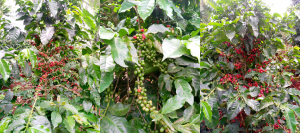 When it comes to exceptional coffee, Kenya stands out as one of the finest producers in the world. Known for its rich and distinct flavors, Kenya’s coffee industry has gained a reputation for excellence. However, within Kenya, different coffee grades exist, each offering a unique taste profile.
The country is known for its high-quality Arabica coffee, which is cultivated on the fertile slopes of Mount Kenya and other regions with similar conditions. The coffee grading system in Kenya ensures that each coffee bean is classified based on its size, shape, and density.
In this article, we will explore the different coffee grades in Kenya and determine which one is the best.Kenya’s unique geography, coupled with its optimal climate conditions, provides the perfect environment for growing coffee beans.
What To Know About:Which Coffee Grade Is Best In Kenya?
Coffee grading is a systematic process that categorizes coffee beans based on their physical attributes. The grading system ensures consistency and helps coffee enthusiasts identify the quality and characteristics of the coffee they purchase. In Kenya, coffee is graded based on screen size, which refers to the size of the beans.
AA Grade Coffee
The AA grade is the highest quality coffee grade in Kenya. It consists of the largest beans, which are meticulously sorted and have a screen size of 18/19. AA grade coffee beans are known for their intense acidity, vibrant flavors, and a complex profile that exhibits fruity and floral notes. The beans undergo rigorous quality control measures, ensuring that only the best beans make it to the market.
AB Grade Coffee
The AB grade is the second-highest coffee grade in Kenya. These beans have a slightly smaller screen size of 16/17 and are still considered of excellent quality.
AB grade coffee exhibits a balanced flavor profile with moderate acidity, citrusy notes, and a pleasant aroma. While not as large as AA beans, AB beans are highly regarded and sought after by coffee connoisseurs.
PB Grade Coffee
PB grade coffee, also known as Peaberry, is a unique grade that occurs when only one seed develops inside the coffee cherry, resulting in a rounder and smaller bean. These beans have a distinct flavor profile, often described as intensely bright and full-bodied. PB grade coffee is prized for its exceptional sweetness and pronounced acidity, making it a favorite among discerning coffee enthusiasts.
C Grade Coffee
C grade coffee comprises beans that are smaller in size compared to AA and AB grades. These beans have a screen size of 14/15 and are often used for blending purposes.
While C grade coffee may not possess the same complexity as higher grades, it still offers a decent flavor profile with mild acidity and nutty undertones. C grade coffee is commonly used in espresso blends due to its balanced characteristics.
TT Grade Coffee
TT grade coffee is unique because it consists of beans that are irregularly shaped or malformed. These beans may have been damaged during the processing stage or possess physical imperfections.
TT grade coffee is usually sold at a lower price compared to other grades due to its less desirable appearance. However, it can still deliver a satisfactory cup of coffee with acceptable flavors and arom
E Grade Coffee
E grade coffee represents the lowest grade in the Kenyan coffee grading system. These beans are typically smaller in size, with a screen size of 13 and below. E grade coffee is often used for commercial purposes or in instant coffee production. While it may not offer the same level of complexity as higher grades, E grade coffee can still provide a decent cup with mild flavors and a balanced profile.
Which Coffee Grade Is Best In Kenya? FAQ
- Q: Is AA grade coffee the best coffee in Kenya? A: AA grade coffee is considered the highest quality in Kenya, but the best coffee ultimately depends on personal preferences.
- Q: How can I identify the grade of coffee? A: Coffee grades are typically indicated on the packaging or labels. Look for designations such as AA, AB, PB, C, TT, or E.
- Q: Are higher-grade coffees more expensive? A: Generally, higher-grade coffees command a higher price due to their superior quality and flavor profiles.
- Q: Can I find different coffee grades outside of Kenya? A: While Kenya is known for its coffee grading system, other coffee-producing regions may have their own grading systems or classifications.
- Q: Which grade is best for espresso? A: C grade coffee is often favored for espresso blends due to its balanced characteristics and suitability for blending.
Conclusion
Kenya has rightfully earned its reputation as a producer of exceptional coffee. The coffee grading system in Kenya ensures that consumers have access to various grades with distinct flavor profiles.
The AA grade stands out as the pinnacle of Kenyan coffee, boasting vibrant flavors and complexity. However, each grade offers its own unique characteristics, allowing coffee lovers to explore and find their preferred taste experiences.
Whether you enjoy the boldness of PB grade, the balance of AB grade, or the affordability of lower grades, Kenya’s coffee industry has something to offer every discerning palate.
Kenya Coffee Starbucks Hidden Message
What is Kenya Coffee Starbucks Hidden Message? Well, the hidden message is that Kenya coffee serves as a symbol of unity and inclusivity within Starbucks’ coffee offerings.
Are you a coffee enthusiast? If so, you might be familiar with Kenya coffee and the global coffeehouse chain, Starbucks.
Moreover, Starbucks, the global coffeehouse giant, has recognized the value of Kenya coffee and its hidden message, establishing a strong relationship with Kenyan coffee farmers.
In this article, we will delve into the fascinating world of Kenya coffee and uncover the intriguing hidden message behind Starbucks’ connection to this renowned African coffee origin.
Also check:Best Shoes For Working At Starbucks
What To Know About:Kenya Coffee Starbucks Hidden Message
1. The Hidden Message Behind Kenya Coffee at Starbucks
Coffee lovers around the world often seek the finest flavors and aromas, and one place they find it is in Kenya coffee. With its unique characteristics and distinct taste, Kenya coffee has become a favorite among many caffeine enthusiasts.
However, did you know that Kenya coffee holds a hidden message within it, especially when it comes to Starbucks?
Behind every cup of Kenya coffee at Starbucks lies a hidden message: the celebration of diversity and unity. Kenya is a diverse nation, home to various ethnic groups and cultures. Similarly, Kenya coffee encompasses a diverse range of flavors and aromas.
Starbucks embraces this diversity and aims to bring people from different backgrounds together through the universal language of coffee.
2. Starbucks and Its Relationship with Kenya Coffee
Starbucks, known for its commitment to sourcing and roasting high-quality coffee, has forged a strong bond with Kenya coffee. The company recognized the potential of Kenya’s coffee industry and established a direct trade model, working closely with Kenyan coffee farmers.
This partnership ensures that Starbucks has a sustainable supply of premium Kenyan coffee while providing farmers with fair compensation and support.
3. The Rich Heritage of Kenya Coffee
Kenya has a long and esteemed history of coffee production, dating back to the late 19th century. The country’s high altitudes, fertile volcanic soil, and ideal climate provide the perfect conditions for growing high-quality Arabica coffee beans.
Kenya’s coffee industry has flourished over the years, gaining recognition for its premium beans and meticulous processing methods.
4. The Unique Characteristics of Kenyan Coffee Beans
Kenyan coffee beans are renowned for their exceptional quality and flavor profiles. They often exhibit bright acidity, a full body, and distinct fruity and floral notes. This unique combination of flavors creates a delightful and complex cup of coffee that stands out among other origins.
The meticulous harvesting and processing methods employed by Kenyan farmers contribute to the consistent excellence of their coffee beans.
5. Kenya Coffee: A Symbol of Quality and Sustainability
When you savor a cup of Kenya coffee, you not only experience its exceptional taste but also support sustainability efforts. Kenya’s coffee industry places a strong emphasis on sustainable farming practices. Many coffee farmers in Kenya follow environmentally friendly techniques, such as organic farming and shade-grown cultivation.
By choosing Kenya coffee at Starbucks, you contribute to the preservation of the environment and the livelihoods of Kenyan coffee farmers.
The Role of Starbucks in Supporting Kenyan Coffee Farmers
Starbucks has taken an active role in supporting Kenyan coffee farmers. Through its C.A.F.E. Practices (Coffee and Farmer Equity), Starbucks ensures that the coffee sourced from Kenya meets rigorous standards of quality, social responsibility, and environmental stewardship.
The company invests in training programs for farmers, empowering them with knowledge and resources to enhance their coffee production and sustainability practices. This support strengthens the relationship between Starbucks and Kenyan coffee farmers, fostering a mutually beneficial partnership.
The Impact of Kenya Coffee on the Global Coffee Market
Kenya coffee’s impact extends beyond its borders. It has a significant presence in the global coffee market, admired for its distinct flavors and high quality.
The unique characteristics of Kenya coffee beans contribute to the diverse profiles of coffee blends worldwide. Whether enjoyed as a single-origin coffee or blended with other beans, Kenya coffee adds depth and complexity to coffee offerings around the globe.
Exploring Different Kenya Coffee Varieties at Starbucks
At Starbucks, coffee enthusiasts have the opportunity to explore various Kenya coffee varieties. From light to dark roasts, each variety offers a distinct flavor experience.
The baristas’ expertise ensures that the brewing methods and techniques complement the unique attributes of Kenya coffee, resulting in a remarkable cup of coffee for customers to enjoy. Whether you prefer a pour-over, espresso, or cold brew, Kenya coffee provides a memorable and satisfying coffee experience.
Brewing Tips for Kenya Coffee at Home
To enjoy the flavors of Kenya coffee in the comfort of your own home, here are some brewing tips:
- Use freshly roasted and freshly ground Kenya coffee beans for the best results.
- Opt for a pour-over method or a French press to highlight the coffee’s nuanced flavors.
- Experiment with different water-to-coffee ratios to find your preferred strength.
- Allow the coffee to bloom before continuing the brewing process, enhancing its aroma and taste.
- Enjoy Kenya coffee black to fully appreciate its distinct characteristics, or add a touch of milk to complement its flavor notes.
Kenya Coffee: A Journey for Your Senses
Indulging in Kenya coffee is a sensory journey. As you take your first sip, notice the vibrant acidity that dances on your taste buds, followed by the velvety richness and the intricate layers of flavors. The citrusy brightness, the sweet berry undertones, and the floral hints intertwine harmoniously, leaving a lasting impression. Kenya coffee is an invitation to explore the world of coffee in its purest form.
The Cultural Significance of Kenya Coffee in Kenya
In Kenya, coffee holds deep cultural significance. Coffee ceremonies and traditions are an integral part of Kenyan heritage. Coffee brings people together, fostering connections and conversations.
It is a symbol of hospitality, warmth, and community. The cultivation and enjoyment of coffee have been woven into the fabric of Kenyan society, preserving traditions and enriching daily life.
The Art of Coffee Tasting: Appreciating Kenya Coffee
Coffee tasting, also known as cupping, is an art form that allows you to fully appreciate the nuances of Kenya coffee. When cupping Kenya coffee, pay attention to its fragrance, aroma, acidity, body, and flavor notes. Inhale deeply and take in the enticing aroma that fills the room.
As you sip, let the coffee coat your palate, noting the bright acidity that tantalizes your taste buds. Observe the body of the coffee, which can range from light to medium or full. Delight in the flavors that unfold, from citrusy and berry-like to floral and wine-like undertones.
The art of coffee tasting allows you to connect with the intricate flavors that make Kenya coffee truly exceptional.
The Future of Kenya Coffee and Starbucks’ Commitment
As we look to the future, the partnership between Kenya coffee and Starbucks continues to grow stronger. Starbucks remains committed to sourcing high-quality Kenya coffee beans and supporting sustainable farming practices.
By investing in the well-being of Kenyan coffee farmers and the preservation of the environment, Starbucks ensures the long-term availability of Kenya coffee for coffee lovers worldwide. This commitment reflects the shared values of quality, sustainability, and inclusivity.
Kenya Coffee Starbucks Hidden Message Frequently Asked Questions
1. Can I buy Kenya coffee beans directly from Starbucks?
Yes, Starbucks offers Kenya coffee beans for purchase. You can find them in their stores or on their website, allowing you to enjoy the unique flavors of Kenya coffee in the comfort of your own home.
2. Are there any specific brewing methods recommended for Kenya coffee?
Kenya coffee is versatile and can be brewed using various methods. However, pour-over brewing and French press methods are often recommended to highlight the intricate flavors and characteristics of Kenya coffee.
3. Does Starbucks support any sustainability initiatives related to Kenya coffee?
Yes, Starbucks is committed to sustainability and supports initiatives that benefit Kenyan coffee farmers and the environment. Through their C.A.F.E. Practices, Starbucks ensures that their Kenya coffee is sourced responsibly and meets stringent social and environmental standards.
4. How can I learn more about the cultural significance of Kenya coffee in Kenya?
Exploring the cultural significance of Kenya coffee in Kenya can be done through research, connecting with coffee experts, and immersing yourself in Kenyan coffee traditions and ceremonies.
There are also resources available online and in books that delve into the rich coffee culture of Kenya.
5. What other coffee varieties can I find at Starbucks besides Kenya coffee?
Starbucks offers a wide range of coffee varieties from around the world. You can explore different single-origin coffees, blends, and seasonal offerings, each with its own unique flavors and characteristics
Conclusion
Kenya coffee holds a hidden message within its beans, and Starbucks has embraced this message wholeheartedly. The celebration of diversity, unity, and sustainability resonates through every cup of Kenya coffee served at Starbucks.
By choosing Kenya coffee, you not only embark on a flavorful journey but also contribute to the well-being of Kenyan coffee farmers and the environment.
So, the next time you sip on a delicious cup of Kenya coffee at Starbucks, remember the hidden message within, connecting coffee lovers around the world in a celebration of flavors, cultures, and shared values.
Coffee Production Per Tree In Kenya
Coffee Production Per Tree In Kenya?Well, On average, a mature coffee tree in Kenya can yield between 2 to 4 kilograms of coffee cherries per year.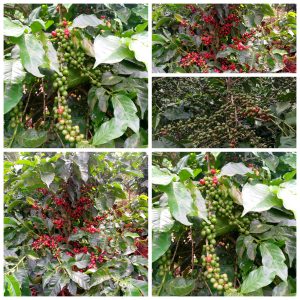
The average coffee production per tree in Kenya can vary depending on various factors such as the age of the tree, coffee variety, growing conditions, farming practices, and management techniques.
Coffee production is an integral part of Kenya’s agricultural industry. With its favorable climate and rich soils, Kenya has become renowned for producing high-quality coffee beans.
In this comprehensive guide, we will delve into the intricacies of coffee production per tree in Kenya. From cultivation techniques to yield optimization strategies, we will explore the factors that contribute to Kenya’s success in the coffee industry.
Factors Affecting Coffee Production Per Tree in Kenya: An Overview
Coffee trees in Kenya are typically of the Arabica variety, which is known for its exceptional quality. The country’s coffee production is concentrated in the highlands, where altitudes ranging from 1,500 to 2,000 meters above sea level provide the perfect conditions for optimal growth. The average coffee tree in Kenya yields approximately 2 kilograms of cherries per year.
1.Altitude and Climate
The altitude at which coffee is grown plays a crucial role in determining its quality and yield. In Kenya, the high-altitude regions provide the ideal conditions for coffee cultivation.
The cool temperatures and abundant rainfall in these areas contribute to slow cherry maturation and the development of complex flavors in the beans.
2.Soil Quality
The fertility of the soil is another critical factor that affects coffee production. Kenya’s volcanic soils, rich in minerals and organic matter, create an optimal environment for coffee trees to thrive. The well-drained nature of these soils also helps prevent waterlogging, which can be detrimental to the health of the trees.
3.Cultivation Techniques
Kenyan coffee farmers employ various cultivation techniques to maximize the production per tree. One widely adopted method is the use of shade trees, which provide protection from excessive sunlight and help regulate the temperature. This technique promotes the slow and steady development of cherries, resulting in higher-quality beans.
4.Pruning and Maintenance
Regular pruning is essential to ensure the health and productivity of coffee trees. Pruning helps remove dead or diseased branches, improves air circulation, and allows for better sunlight penetration. Additionally, proper maintenance practices such as fertilization and irrigation play a crucial role in optimizing coffee production per tree.
5.Disease and Pest Management
Coffee trees are susceptible to various diseases and pests that can significantly impact yield. In Kenya, farmers employ integrated pest management strategies to combat these challenges.
This approach involves a combination of cultural, biological, and chemical control methods to minimize the use of pesticides while effectively managing pests and diseases.
Coffee Production Per Tree in Kenya: Frequently Asked Questions (FAQs)
-
Q: How long does it take for a coffee tree in Kenya to start producing cherries?
A: Coffee trees typically take about three to four years to start producing cherries after planting.
-
Q: What is the peak coffee harvesting season in Kenya?
A: The peak coffee harvesting season in Kenya usually occurs between October and December.
-
Q: How are coffee cherries processed in Kenya?
A: In Kenya, coffee cherries are primarily processed using the wet processing method, which involves removing the pulp and fermenting the beans before drying them.
-
Q: What is the significance of the Coffee Auction in Kenya?
A: The Coffee Auction in Kenya is a crucial platform where buyers and sellers meet to trade coffee. It ensures transparency and fair pricing, contributing to the reputation of Kenyan coffee globally.
-
Q: What are some common coffee diseases in Kenya and how are they managed?
A: Common coffee diseases in Kenya include Coffee Berry Disease and Coffee Leaf Rust. Farmers employ disease management strategies such as regular monitoring, timely pruning, and the use of resistant coffee varieties to mitigate the impact of these diseases.
-
Q: Are there any sustainable practices adopted in coffee production in Kenya?
A: Yes, sustainable practices are becoming increasingly important in the coffee industry. Kenyan coffee farmers are implementing practices such as organic farming, water conservation, and promoting biodiversity to ensure the long-term viability of coffee production while preserving the environment.
Conclusion
In conclusion, coffee production per tree in Kenya is influenced by various factors, including altitude, climate, soil quality, cultivation techniques, pruning, and disease management. The unique combination of these elements contributes to Kenya’s reputation for producing exceptional coffee beans.
By implementing sustainable practices and adopting effective cultivation methods, Kenyan coffee farmers continue to optimize yields while maintaining the high quality that the country is known for.
As a coffee lover, exploring the world of coffee production in Kenya offers a fascinating glimpse into the intricate processes involved in bringing a cup of coffee to our tables. From the meticulous care given to each coffee tree to the precise harvesting and processing methods, every step contributes to the distinct flavors and aromas that make Kenyan coffee so sought after.
So, the next time you enjoy a cup of coffee, take a moment to appreciate the journey it has undertaken, from the lush coffee farms of Kenya to your mug. The story behind each sip adds a layer of richness to the experience and further deepens our connection with this beloved beverage.
13 Best Areas Where Coffee Is Grown In Kenya
Trying to figure out Areas Where Coffee Is Grown In Kenya? Well, Coffee is one of the most popular and widely consumed beverages in the world. Kenya, known for its high-quality coffee, has become a prominent player in the global coffee market.
Kenya’s favorable climate and rich volcanic soils make it an ideal location for coffee cultivation. The country is known for producing Arabica coffee, which is highly regarded for its vibrant acidity, fruity flavors, and wine-like characteristics.
The coffee-growing regions in Kenya are spread across different parts of the country, each offering a unique environment that influences the coffee’s taste and quality.
In this article, we will explore the different areas in Kenya where coffee is cultivated, highlighting their distinct features and contributions to the country’s coffee industry.
Reviews: Best Areas Where Coffee Is Grown In Kenya Of 2023
1. Nyeri
Nyeri is a key coffee-growing region in central Kenya. The area’s volcanic soils, combined with the high altitudes and cool climate, contribute to the rich flavors and high acidity found in Nyeri coffee.
The coffee beans from this region often exhibit a vibrant acidity, fruity undertones, and floral aromas.
2. Nairobi
Nairobi, the capital city of Kenya, is not only a bustling urban center but also home to coffee farms. The coffee produced in Nairobi tends to have a distinct acidity and bright flavors.
The region’s proximity to major transportation hubs allows for efficient exportation of the coffee beans to international markets.
3. Kiambu
Located near Nairobi, Kiambu is another important coffee-growing region in Kenya. The area’s fertile soils, combined with the high altitude, contribute to the exceptional quality of the coffee produced here.
Coffee from Kiambu is known for its well-balanced flavors and citrusy notes, making it highly sought after by coffee connoisseurs.
4. Murang’a
Murang’a County is renowned for its coffee production, with farms situated at elevations ranging from 1,400 to 1,800 meters above sea level.
The coffee beans grown in this region have a unique sweetness, often accompanied by hints of chocolate and berries. Murang’a coffee is admired for its medium to full body and complex flavor profiles.
5. Machakos
Machakos County, situated in southeastern Kenya, has emerged as a notable coffee-growing region. The area’s sandy loam soils and warm climate provide a distinct flavor profile to the coffee cultivated here.
Machakos coffee is often characterized by its smooth mouthfeel, balanced acidity, and flavors reminiscent of tropical fruits and spices.
6. Kirinyaga
Kirinyaga County is renowned for producing some of the finest Kenyan coffees. The region’s red volcanic soils and favorable climate result in exceptional coffee beans with a distinct brightness and complexity.
Kirinyaga coffee is known for its lively acidity, rich sweetness, and notes of black currant and red berries.
7. Embu
Embu County, located in the eastern part of Kenya, is known for its high-quality coffee production. The region’s well-drained soils and moderate rainfall create favorable conditions for coffee cultivation.
Embu coffee is characterized by its balanced acidity, medium body, and flavors reminiscent of citrus and stone fruits.
8. Meru
Meru County, situated in the eastern slopes of Mount Kenya, is home to coffee farms that benefit from the region’s volcanic soils and cool temperatures.
Meru coffee is highly regarded for its bright acidity, floral aromas, and a delightful combination of citrus and berry flavors.
9. Kisii
Kisii County, located in southwestern Kenya, is an emerging coffee-growing region. The area’s high elevation and fertile soils create favorable conditions for coffee cultivation.
Kisii coffee exhibits a unique flavor profile with a balance of acidity and sweetness. It often showcases notes of caramel, chocolate, and tropical fruits.
10. Bungoma
Bungoma County, situated in western Kenya, is known for its coffee production. The region’s volcanic soils and adequate rainfall contribute to the development of high-quality coffee beans.
Bungoma coffee is characterized by its full-bodied nature, rich flavors, and a pleasant acidity that enhances its overall complexity.
11. Nakuru
Nakuru County, located in the Rift Valley region of Kenya, is another prominent coffee-growing area. The region’s well-drained volcanic soils and favorable climate create an ideal environment for coffee cultivation.
Nakuru coffee is often described as having a medium body, vibrant acidity, and a combination of fruity and floral flavors.
12. Kericho
Kericho County, situated in the southwestern part of Kenya, is primarily known for its tea production. However, the region also produces a small quantity of coffee.
The coffee grown in Kericho benefits from the region’s rich soils and ample rainfall, resulting in a mild and well-balanced cup with subtle acidity and nutty undertones.
13. Baringo
Baringo County, located in the Rift Valley region, is a relatively new player in the Kenyan coffee industry. The area’s volcanic soils and favorable climate have attracted coffee farmers to explore its potential.
Baringo coffee exhibits a bright acidity, medium body, and flavors that range from citrusy to chocolatey, creating a unique and evolving taste experience.
Areas Where Coffee Is Grown In Kenya FAQs
-
Q: How does Kenya’s climate contribute to the quality of its coffee?
A: Kenya’s favorable climate, including cool temperatures and moderate rainfall, creates ideal conditions for coffee cultivation, resulting in high-quality beans with unique flavor profiles.
-
Q: What makes Kenyan coffee unique compared to other origins?
A: Kenyan coffee is known for its vibrant acidity, fruity flavors, and wine-like characteristics, which set it apart from coffees grown in other regions.
-
Q: Are there any specific certifications or quality standards for Kenyan coffee?
A: Yes, Kenyan coffee is often associated with the “AA” grade, which represents larger bean sizes and higher quality. Additionally, coffee farmers can pursue certifications like Fairtrade or Organic.
-
Q: How is the coffee industry in Kenya impacting local communities?
A: The coffee industry in Kenya plays a significant role in the country’s economy, providing employment opportunities and income for many local communities. It supports the livelihoods of small-scale farmers who cultivate coffee and contributes to the overall development of rural areas.
-
Q: Can you recommend any specific Kenyan coffee brands or roasters?
A: Some popular Kenyan coffee brands and roasters include Java House, Dormans Coffee, and Sasini. These brands are known for their commitment to quality and showcasing the unique flavors of Kenyan coffee.
Conclusion
Kenya’s coffee industry thrives in various regions across the country, each contributing its own distinctive coffee flavors and characteristics.
From the vibrant acidity and fruity notes of Nairobi to the complex profiles of Kirinyaga and Nyeri, and the balanced flavors of Kiambu and Embu, Kenya offers a diverse range of coffee experiences.
The country’s unique combination of climate, altitude, and volcanic soils contributes to the exceptional quality of Kenyan coffee.
In conclusion, exploring the different areas where coffee is grown in Kenya allows coffee enthusiasts to discover the diverse flavors and profiles that make Kenyan coffee highly sought after around the world.
Ababu Namwamba Biography Updated 2023
Ababu Namwamba Biography? Well, Ababu Namwamba, born on October 4, 1975, is a Kenyan politician and lawyer has a very interesting Biography. 
He hails from Budalangi constituency in Busia County, Kenya. Namwamba has had a diverse and notable career in politics, advocacy, and diplomacy.
Namwamba began his political journey in the early 2000s, joining the Orange Democratic Movement (ODM) party. In 2007, Ababu Namwamba successfully contested for the Member of Parliament seat representing Budalangi constituency and won.
Ababu Namwamba’s journey from humble beginnings to political prominence is an inspiring tale of determination and commitment.
Below Find Ababu Namwamba’s Biography tear down!
Also Read:Here Is What You Should Know About AZZIAD NASENYA
What To Know About:Ababu Namwamba Biography
Early Life and Education
Ababu Namwamba grew up in a small rural village, where he experienced firsthand the challenges and struggles faced by his community. Despite the difficulties, Namwamba’s parents emphasized the importance of education and instilled in him a strong work ethic from a young age.
Namwamba attended local schools in Budalangi before securing a scholarship to pursue his higher education in the United States.
He graduated with a Bachelor’s degree in Political Science from the University of Nairobi and later obtained a Master’s degree in International Relations from the University of London.
Political Career
Ababu Namwamba’s interest in politics was ignited during his time in university, where he actively participated in student politics and championed causes related to equality, justice, and democracy. After completing his studies, he returned to Kenya with a vision of creating positive change in his country.
Namwamba joined the Orange Democratic Movement (ODM) and quickly rose through the ranks due to his exceptional leadership skills and unwavering dedication to his constituents. In 2007, he was elected as the Member of Parliament for Budalangi constituency, marking the beginning of his political caree
r.
Throughout his tenure as an MP, Namwamba worked tirelessly to improve the lives of the people in his constituency. He focused on issues such as education, healthcare, infrastructure development, and job creation. His efforts earned him recognition and respect from both his colleagues and the local community.
Advocacy for Social Justice
Beyond his political career, Ababu Namwamba is known for his strong advocacy for social justice and human rights. He has been a vocal critic of corruption and has actively campaigned for transparency and accountability in the government. Namwamba firmly believes that a fair and just society can only be achieved through good governance and the rule of law.
Namwamba has also been involved in various initiatives aimed at empowering marginalized communities and promoting gender equality. He has been at the forefront of campaigns to end discrimination and violence against women, advocating for equal rights and opportunities for all.
Philanthropic Work
In addition to his political and advocacy work, Ababu Namwamba has been actively engaged in philanthropy. He has established and supported several initiatives that focus on providing education, healthcare, and economic empowerment to disadvantaged communities.
Namwamba believes in the power of education to transform lives and has been instrumental in setting up scholarship programs for bright but underprivileged students. He understands the importance of accessible healthcare and has facilitated the construction of medical facilities in remote areas.
Ababu Namwamba Biography FAQs (Frequently Asked Questions)
-
Q: What is Ababu Namwamba’s current political position?
A: As of my knowledge cutoff in September 2021, Ababu Namwamba served as the Chief Administrative Secretary in the Ministry of Foreign Affairs of Kenya. However, please note that political positions may change over time, and it’s essential to refer to the latest information for the most accurate update on his current role.
-
Q: What are some of the notable achievements of Ababu Namwamba during his political career?
A: Ababu Namwamba has made significant contributions during his political career. Some of his notable achievements include championing educational reforms, advocating for infrastructure development in Budalangi constituency, promoting social justice, and actively supporting initiatives for women empowerment and gender equality.
-
Q: Has Ababu Namwamba been involved in any international engagements?
A: Yes, Ababu Namwamba has represented Kenya on various international platforms. As a diplomat and advocate for human rights, he has participated in conferences, forums, and discussions on global issues, contributing to the country’s foreign policy and international relations.
-
Q: How has Ababu Namwamba influenced youth participation in politics?
A: Ababu Namwamba has been a strong advocate for youth engagement in politics. He has actively encouraged young people to participate in decision-making processes, supported youth-led initiatives, and mentored aspiring leaders. Through his actions and leadership, he has inspired and motivated many youths to actively contribute to the political landscape of Kenya.
-
Q: What is Ababu Namwamba’s vision for the future of Kenya?
A: Ababu Namwamba envisions a prosperous and inclusive Kenya, where every citizen has access to quality education, healthcare, and equal opportunities. He advocates for good governance, transparency, and accountability in order to create a nation that upholds the principles of justice, democracy, and social equality.
Conclusion
Ababu Namwamba’s life and career are a testament to the power of determination, education, and a genuine commitment to creating positive change.
His contributions to Kenyan politics, social justice advocacy, and philanthropy have left an indelible mark on society.
Through his leadership and unwavering dedication, Namwamba has become an inspiration for many young individuals aspiring to make a difference. His journey serves as a reminder that anyone, regardless of their background, can overcome obstacles and create a lasting impact.
Here Is What You Should Know About AZZIAD NASENYA
Wondering who is Azziad Nasenya? Well, In the fast-paced world of social media, one name that has been making waves recently is Azziad Nasenya. With her infectious energy and captivating dance moves, Azziad has captured the hearts of millions of fans across the globe.
In this article, we will delve into the life and journey of this rising star, exploring her early beginnings, her rise to fame, and the impact she has had on social media platforms.
Join us as we uncover the story of Azziad Nasenya, a true internet sensation.
Here Is What You Should Know About AZZIAD NASENYA
1. Early Life and Background
Azziad Nasenya was born and raised in Kenya. Growing up, she displayed a keen interest in the performing arts, particularly dance and drama. Despite facing financial constraints, Azziad’s determination to pursue her passion led her to actively participate in school performances and local cultural events. Her talent and dedication did not go unnoticed, and it laid the foundation for what was to come.
2. Azziad’s Journey to Fame
In 2020, Azziad’s life took a remarkable turn when she posted a video of herself dancing to the catchy Kenyan song “Utawezana.” Little did she know that this video would go viral and catapult her into the spotlight. The video quickly gained traction, and Azziad became an overnight sensation. Her unique dance style and infectious energy captivated audiences, drawing millions of views and likes on various social media platforms.
3. The TikTok Sensation
One platform that played a pivotal role in Azziad’s rise to fame was TikTok. Her entertaining dance videos and engaging content resonated with users, resulting in a massive following. Azziad’s TikTok account skyrocketed in popularity, amassing millions of followers within a short span of time. Her ability to connect with her audience through relatable and entertaining content solidified her status as a prominent social media influencer.
4. Influence on African Culture
Azziad Nasenya’s impact goes beyond just being a social media star. Through her dance videos, she has become a symbol of pride for African culture. Her fusion of contemporary and traditional African dance moves has brought renewed attention to the richness and diversity of African traditions. Azziad’s performances have inspired many young individuals to embrace their heritage and showcase it to the world.
5. Collaboration with Artists
Azziad’s rising popularity caught the attention of renowned artists and musicians. She began collaborating with various Kenyan musicians, starring in their music videos and promoting their songs through her social media platforms. Her collaborations not only boosted the visibility of these artists but also showcased Azziad’s versatility as a performer. Her magnetic presence on screen contributed to the success of these music videos, further cementing her position in the industry.
6. Expanding Her Horizon: Acting and Modeling
With her growing fame, Azziad Nasenya seized opportunities beyond social media. She ventured into acting and modeling, leveraging her unique persona and captivating presence
Azziad Nasenya made her acting debut in a Kenyan television series, where she showcased her acting skills and received positive reviews from both critics and audiences. Her natural charisma and ability to embody different characters opened doors for her in the entertainment industry.
Azziad also ventured into the world of modeling, collaborating with renowned fashion brands and gracing the covers of magazines. Her striking looks and confident demeanor made her a sought-after figure in the fashion world.
7. Azziad’s Social Impact
Beyond her entertaining videos and performances, Azziad has used her platform to advocate for various social causes. She has been vocal about issues such as mental health, body positivity, and gender equality. Through her candid and heartfelt messages, Azziad has inspired her followers to embrace self-love and acceptance. Her authenticity and genuine concern for societal issues have made her a relatable role model for many.
8. Challenges and Criticism
As Azziad Nasenya’s popularity soared, she also faced her fair share of challenges and criticism. Being in the public eye comes with scrutiny, and Azziad has been subjected to online trolling and negative comments. However, she has remained resilient and focused on her goals, choosing to rise above the negativity. Azziad has shown incredible strength and maturity in handling criticism and has become an advocate for online kindness and positivity.
9. Future Endeavors
With her star continuing to rise, Azziad Nasenya shows no signs of slowing down. She plans to explore more opportunities in the entertainment industry, including music collaborations and acting projects.
Azziad also aims to use her influence to create meaningful change in society. Whether it’s through her captivating dance videos or her inspiring messages, Azziad’s journey is bound to inspire and leave a lasting impact.
AZZIAD NASENYA FAQs
1. How did Azziad Nasenya gain popularity?
Azziad gained popularity through a viral video of herself dancing to the song “Utawezana.” The video garnered millions of views and launched her into the spotlight.
2. Has Azziad Nasenya ventured into other creative fields?
Yes, Azziad has expanded her horizon and ventured into acting and modeling. She has made appearances in TV series and collaborated with fashion brands.
3. What social causes does Azziad support?
Azziad is an advocate for mental health, body positivity, and gender equality. She uses her platform to spread awareness and encourage positive change.
4. How does Azziad handle criticism and negativity?
Despite facing criticism and online trolling, Azziad remains resilient and focused on her goals. She promotes online kindness and positivity while ignoring the negativity.
5. What are Azziad Nasenya’s future plans?
Azziad plans to explore more opportunities in the entertainment industry, including music collaborations and acting projects. She aims to use her influence to create meaningful change.
Final Thought
In conclusion, Azziad Nasenya has become a phenomenon in the world of social media and entertainment. From her humble beginnings to becoming a global sensation, Azziad’s journey is a testament to the power of talent, hard work, and authenticity.
Through her dance videos, collaborations with artists, and social impact, she has garnered a massive following and inspired millions around the world. Azziad Nasenya’s star continues to shine bright, and her influence shows no signs of fading anytime soon.