Nairobi is a city full of promise, culture, youth energy, and academic ambition, yet underneath that vibrancy, an unfortunate concern has been growing: increasing reports of harassment, cat-calling, intimidation, and even physical aggression targeted at school girls — allegedly by certain youth groups in the city. Many Nairobi parents, teachers, and community elders are sounding the alarm, not to attack any tribe or religion, but to protect children who deserve safety on their way to and from school.
For weeks, school administrators, guardians, and students themselves have whispered, complained, filmed incidents, and shared stories online describing groups of boys loitering near bus stops, estates, shopping areas, and matatu stages — harassing uniformed girls. These actions erode confidence, create fear, and compromise the dignity of young Kenyan girls whose only crime is going home after class.
This is a call for responsibility, accountability, and leadership — especially from influential Somali community elders, activists, politicians, and public voices like Magical Moha, a man known for exposing wrongdoing with boldness. The question being asked across Nairobi now is simple:
If crimes are happening, why isn’t every leader addressing them boldly — evenly — regardless of tribe?
Why Mouthy Magical Moha and Other Somali Leaders Must Address The Rise of Reported Harassment Against School Girls by Somali Youth Groups in Nairobi
1. A Growing Safety Problem Nairobi Cannot Ignore
Reports continue to surface showing groups of young men approaching school girls, following them, taking videos without consent, touching them, demanding attention, and humiliating those who resist. Whether every case is confirmed or not, parents are scared — and children feel unsafe in their own city.This must not become normal.

Because when society normalizes harassment at school-age, it breeds violence later. These girls are future mothers, professionals, leaders. Their safety today defines their confidence tomorrow.
Nairobi must defend its daughters without fear of tribal politics.
2. Why Leadership Silence Feels Dangerous
Communities do not fall because crime exists — they fall because leaders remain silent in the face of it.
When parents see respected voices avoid addressing misbehavior from within their own community, they begin to feel abandoned. They feel unheard. They feel as if daughters are negotiable — and that is unacceptable.
Somali leaders have the cultural authority to intervene swiftly. Their voice could save girls, reduce tension, and guide young boys back to discipline. Silence is not neutrality — it becomes participation.
3. Magical Moha: A Man Known for Exposing Evil — But Quiet Here
Magical Moha built his name on bravery, confrontation of wrongdoing, and fearless journalism. He has exposed murderers, drug cartels, fake pastors, corruption networks — he has been Kenya’s bulldog against crime.
But today, parents ask:
Where is that same fire when school girls are targeted?
Recently, he publicly took action against a non-Somali content creator — even involving law enforcement. Yet he has remained noticeably silent about harassment reports involving Somali youth groups. Whether intentional or not, this has created a public perception of selective accountability — even bias.
The message it sends is painfully interpreted as:
When misconduct is external, it is addressed.
When misconduct comes from within the community, it is avoided.
This perception harms girls. It harms public trust. And it harms the Somali community itself, because silence invites collective blame where only a few youths are responsible.
We must demand better — but respectfully, with unity, not hatred.
4. Not All Somali Youth Are Guilty — But Leadership Must Step Up
Many Somali boys are respectful, intelligent, hardworking, religious, and kind. They too deserve protection from stereotypes. But leadership only protects them if it calls out the minority creating chaos.
If elders do not speak, outsiders generalize.
If journalists avoid discussing it, rumors grow.
If communities protect wrongdoers, they eventually become victims of their own silence.
5. What Must Happen Now — Solutions, Not War
This article is not written to shame a community — it is written to awaken it.
Immediate steps Kenya must take:
| Action | Purpose |
|---|---|
| Public condemnation from leaders | Sets moral tone & expectation |
| Community-led youth discipline | Stops harassment early |
| School-police patrol partnerships | Protects girls near hotspots |
| Social media reporting channels | Evidence-driven accountability |
| National conversation | Prevention > retaliation |
Harassment is not a cultural trait — it is a behavioral failure. And behavior can be corrected.
6. Parents Are Hurt. Girls Are Scared. Silence Helps No One.
When a 14-year-old is afraid to walk home in daylight, society has failed her.
When a school girl must change her route to avoid men three times her size, she is not free.
When girls feel unsafe near groups of loitering young men, childhood is stolen.
It does not matter who the perpetrators are — Luo, Kikuyu, Somali, Kamba, Luhya — harassment must be condemned universally.
Kenya cannot allow ethnicity to decide whose daughters get protected.
7. A Direct Appeal to Magical Moha & Somali Leaders
To Magical Moha — you are respected because you speak loudly where others whisper.
Parents ask you now:
Use your voice here, too.
Call out wrong behavior — because it is wrong.
Not because of tribe.
Not because of politics.
Not because of pressure.
Do it because you built your legacy on courage — and girls need that courage today, urgently.
Why Mouthy Magical Moha and Other Somali Leaders Must Address The Rise of Reported Harassment Against School Girls by Youth Groups in Nairobi FAQs
1. Are we accusing all Somali youth of harassment?
No. Most Somali young people are peaceful. This article targets behavior, not ethnicity. Only those involved must face accountability.
2. Why mention Magical Moha?
Because leadership comes with responsibility. His silence has become part of national discussion — and parents deserve answers.
3. Is there evidence of harassment?
Multiple videos, posts, and first-hand claims have circulated online. However, formal investigations and verified reporting are still needed.
4. Could speaking about this issue spark tribal conflict?
It could — unless addressed carefully, factually, and with peace as the goal. Accountability protects communities, it does not attack them.
5. What role should Somali leaders play?
They should openly discourage such youth behavior, support law enforcement, and guide cultural discipline through dialogue and action.
6. How can parents protect school girls now?
Travel in groups, report incidents immediately, document evidence, involve schools, and demand security where harassment occurs.
7. What does society risk by ignoring this?
Normalization of abuse. Trauma. Gender-based violence in adulthood. And eventual community resentment or retaliation.
Silence grows monsters — prevention stops them early.
Conclusion
Nairobi’s daughters deserve safety, dignity, and freedom from fear.
Communities must rise above tribal loyalty and choose morality instead.
Magical Moha, elders, teachers, and parents — we must speak boldly.
Youth must learn that manhood is protection, not intimidation.
And Kenya must defend its girls before one incident becomes one too many.
A Call For Safety Addressing The Rise Of Somali Youth Harassment Against School Girls In Nairobi
Nairobi, a city known for diversity, culture, and economic strength, is also home to thousands of young learners whose right to safety, dignity, and education must be unquestionable. Yet, over the past months, a growing concern has emerged among parents, teachers, and school administrators — the rising reports of school girls being harassed, intimidated, and in some cases physically harmed by youth groups believed to be operating within certain neighborhoods.

These reports have sparked worry not only within the education community but across society as a whole. Whether these youth groups are Somali, Kikuyu, Luo, Kamba, Burundian, Ethiopian, or of any background, the central truth remains the same: violence, harassment, and intimidation against children cannot be accepted under any circumstance.
This article does not paint entire communities as aggressors. Instead, it addresses a specific pattern of reported incidents involving groups of young men of Somali descent in certain Nairobi estates, while acknowledging that crime is not an ethnic trait, and many Somali families in Nairobi are peaceful, hardworking, and equally worried about this issue
Our responsibility — as educators, leaders, parents, security agencies, and citizens — is to act immediately, firmly, and intelligently. The safety of school girls must never be negotiated. Schools cannot function where fear replaces learning, or where girls walk with anxiety instead of confidence.
This article will explore the nature of the problem, its causes, documented incidents, societal dynamics, the psychological impact on girls, the role of parents and schools, and the responsibility of authorities to prevent escalation. Most importantly, we will examine preventive strategies, policy solutions, community engagement models, and actionable safety frameworks that can protect children today — and for years to come.
Because safeguarding girls is not just a school duty — it is a national obligation.
A Call For Safety Addressing The Rise Of Somali Youth Harassment Against School Girls In Nairobi
1. Understanding the Problem: What Are Schools Reporting?
Several Nairobi schools, particularly girls’ institutions or mixed schools in Eastleigh, South C, South B, Kamukunji, Eastlands, Pangani, and parts of Kasarani, have raised alarms over increasing cases of harassment. Teachers report incidents where young men — often in loosely organized groups — linger around school routes, matatu stages, corner shops or within estate pathways where girls walk daily.
Common behaviors reported include:
-
Verbal harassment and intimidation
-
Following girls on their way home
-
Attempts to force conversation or physical contact
-
Snatching school bags or lunch money
-
Cyberbullying and sexual threats through social media
-
Cornering individuals in less monitored alleyways or shops
While not all incidents escalate to physical assault, many are deeply traumatic. A Form Three student from a Nairobi school described walking home every day “with her heart racing, hoping today will not be the day it gets worse.”
Fear is as damaging as harm itself.
Schools exist to educate — not to terrify. The moment children feel unsafe, learning breaks. That is where the crisis begins.
2. Why School Girls Are Targeted: Uncomfortable but Necessary Realities
Harassment against girls is not unique to Nairobi — it is global. The reasons are multi-layered:
✔ Gender-based vulnerability
Girls are often viewed as easier targets, less likely to fight back or report.
✔ Cultural patriarchal influence
Some youth adopt the belief that girls should be submissive or accessible.
✔ Lack of law enforcement visibility
Unmonitored spaces give confidence to offenders.
✔ Peer influence among idle youth
Group dynamics drive daring behavior and competition for dominance.
✔ Poverty and unemployment
Idle youth with no guidance often drift toward intimidation as expression of power.
✔ Silence of victims
Most girls do not speak up out of fear, shame, or mistrust in the system.
This is not “a Somali problem” — it is a behavioral and societal problem that happens to involve some Somali youth groups in reported incidents. The distinction matters. When we focus on ethnicity rather than crime, criminals hide behind identity politics.
3. The Psychological Impact: What This Does to Girls
Harassment is not just physical — it is emotional, mental and academic.
Girls develop:
-
Fear of walking to school
-
Decline in concentration and performance
-
Depression, anxiety, self-doubt
-
Reduced social confidence
-
PTSD in severe cases
-
Increased school absenteeism
A frightened student is not a learning student. Trauma hijacks the brain. Instead of focusing on mathematics, physics or literature, the mind becomes occupied by survival — not education.
4. Where Are the Parents, Community Leaders & Clerics?
Community leadership is the most powerful safety tool — stronger than police, stronger than school authority. Every parent, imam, pastor, and youth elder must speak firmly:
No culture, religion or ethnicity supports harassment of girls. None.
Somali leaders in Nairobi must take responsibility not as an admission of guilt, but as protectors of their community’s image and future.
We have seen many mosques in Eastleigh and South C speak boldly against youth misconduct — this must continue and expand. Parents must track their sons’ behavior. Neighbours must report suspicious groups. A community that protects girls protects its honour.
5. What Schools Should Do Immediately (Action Framework)
1. Identify unsafe zones & increase supervision
Map routes used by female students — deploy guards or patrol volunteers where necessary.
2. Establish a student reporting desk
Girls must have confidentiality, anonymity, and quick response.
3. Push for CCTV installation near school perimeters
Visibility discourages harassment.
4. Train teachers on trauma response
A girl reporting harassment must never be dismissed.
5. Work with local police stations
Regular patrol schedules during opening and closing hours.
6. Introduce empowerment self-defense programs
Girls trained in awareness and escape techniques become harder targets.
7. Engage community elders, clerics & youth mentors
Solve the issue before it grows into organized gang behavior.
6. Government Responsibility — What Must Change
Without state enforcement, change cannot be sustained.
The government must:
-
Deploy security officers near vulnerable schools
-
Penalize repeat offenders aggressively
-
Introduce youth rehabilitation & employment programs
-
Work with Nyumba Kumi and county leadership
-
Support girls through counseling and legal protection
A nation that cannot protect its daughters has no future.
7. Role of International Human Rights Partners
Global attention brings accountability.
International organizations can:
-
Fund community safety programs
-
Support trauma counselling in public schools
-
Sponsor awareness campaigns
-
Pressure the justice system to respond fast
-
Protect children through policy influence
Harassment is not just a Kenyan issue — it is a global human rights violation.
A Call For Safety Addressing The Rise Of Somali Youth Harassment Against School Girls In Nairobi (FAQ)
1. Are all Somali youth involved in harassment?
No. Only specific groups are being reported. Generalizing an entire community is harmful, inaccurate and unfair.
2. Why are school girls being targeted?
Because offenders perceive them as vulnerable, less confrontational, and less likely to report.
3. What should a girl do if she is harassed?
Report immediately to school authorities, parents, and if necessary, police. Silence protects the aggressor.
4. How can parents help?
Walk or escort children if possible, communicate openly, monitor emotional changes, and join school safety forums.
5. What can schools implement to reduce incidents?
CCTV, trained guards, safe route mapping, reporting desks, empowerment programs, and police collaboration.
6. How can the community be engaged?
Through religious leaders, estate committees, youth mentorship programs, and partnership with schools.
7. When should legal action be taken?
Immediately after a confirmed harassment incident — early response prevents escalation.
Conclusion
Our daughters deserve to learn freely, walk confidently, and exist without fear. We cannot stand by while harassment tries to silence them, intimidate them, and steal their futures.
Nairobi must rise together — parents, teachers, government, Somali community leaders, security departments, and international partners — to defend every child with courage and unity.
Safety is not a privilege — it is a right. And we must do everything in our power to protect it.
What Is The Price Of Samsung Galaxy S26 Ultra?
The Samsung Galaxy S26 Ultra is one of the most anticipated flagship smartphones of 2026. With cutting-edge features, a redesigned camera system, a powerful new chipset, and AI‑enhanced functionality, it has tech enthusiasts buzzing. But one of the biggest questions is: what will it cost?

In this article, we dive deep into rumored pricing, regional estimates, comparisons with previous Ultra models, and factors influencing the price. We’ll also cover seven frequently asked questions to give a comprehensive guide for anyone planning to buy this premium device.
What Is The Price Of Samsung Galaxy S26 Ultra?
1. Current Rumors and Price Estimates

Since the Samsung Galaxy S26 Ultra hasn’t officially launched, pricing is based on leaks, pre‑order listings, and insider estimates.
India
-
Industry insiders expect the 16GB RAM + 256GB storage model to start around ₹1,59,990.
-
Depending on configuration, the price could range between ₹1,49,999 and ₹1,64,999.
-
The premium is driven by the Snapdragon 8 Elite Gen 5 chipset and high-end components.
Kenya and East Africa
Several local retailers have posted tentative pricing:
-
Digital Phones lists a price of KSh 184,999 with a retail high of KSh 235,000.
-
SmartTechPhones.co.ke shows a 15% discount, pricing it at KSh 181,999.
-
iTey Store lists KSh 150,000, but it is currently out of stock.
-
Silkroom Electronics lists KSh 149,000 for the 256 GB version.
-
Phones City Kenya lists KSh 174,999 for the 12 GB / 512 GB variant.
-
Gadgets Leo lists KSh 200,000, likely as a placeholder.
Global / U.S. Pricing (Estimated)
-
Entry-level 256GB model may launch at $1,299.99, 512GB at $1,419.99, and 1TB at around $1,659.99.
-
These figures are anticipatory, not confirmed, and actual retail prices may vary.

2. Why the Price Is Expected to Be High
The high cost reflects the device’s premium features:
-
Premium Chipset – Snapdragon 8 Elite Gen 5 offers flagship-level performance.
-
Advanced Camera System – Rumored 200MP main sensor plus ultra-wide and telephoto lenses.
-
Battery & Charging – Expected 5,200 mAh battery with 60W fast charging.
-
Build Quality & Materials – Titanium frame, large 6.9-inch LTPO AMOLED display, and Gorilla Glass protection.
-
AI & Software Enhancements – On-device AI features for photography, performance, and video editing.
-
Rising Component Costs – Semiconductor and material prices are higher than in previous years.

3. Comparison With Previous Models
-
Galaxy S24 Ultra: Launched around $1,299 for the base model.
-
Galaxy S25 Ultra: Maintained similar price points.
-
Galaxy S26 Ultra: Expected to remain close to previous US prices, even with upgraded specs.
In markets outside the U.S., such as Kenya or India, import duties, taxes, and retailer markups make prices less predictable.
4. Risks & Considerations Before Buying
-
Pre-order premiums: Early pre-orders may come at a higher cost.
-
Spec changes: Final specifications may differ from leaks.
-
Regional variants: Performance, battery life, and chipset may vary.
-
Import costs: Shipping and taxes may affect final price.
-
Value proposition: Older Ultra models may suffice for casual users.
5. Possible Price Scenarios at Launch
| Scenario | Description | Who It Benefits |
|---|---|---|
| Base Pricing Holds | USD price around $1,299 for entry model | Loyal Samsung users upgrading from older models |
| Premium Pricing | Higher RAM/storage or exclusive chip variants | Power users, photographers, and creators |
| Intro Promotional Offers | Pre-order bundles, trade-ins, or accessories included | Value seekers and early buyers |
6. Kenyan Retail Examples
-
Silkroom Electronics: 256GB → KSh 149,000
-
Phones City Kenya: 12GB / 512GB → KSh 174,999
-
Gadgets Leo: Placeholder → KSh 200,000
-
iTey Store: KSh 150,000 (out of stock)
-
Digital Phones: Price range targeting high-tier bracket → KSh 184,999
7. Is the Price Worth It?
The Samsung Galaxy S26 Ultra offers premium features, but whether it is worth the cost depends on your needs:
-
Power users, creators, and photographers may find the 200MP camera, high RAM, and titanium build justify the price.
-
Casual users or owners of recent Ultra models might not need the latest upgrades.
-
Waiting for launch promotions or trade-in deals could offer better value.
Price Of Samsung Galaxy S26 Ultra FAQs
-
When will the Samsung Galaxy S26 Ultra launch?
The official launch is expected in early 2026, with pre-orders shortly after. -
Why is it expected to cost more than previous Ultra models?
Upgraded chipset, larger camera system, premium materials, and enhanced AI features increase production costs. -
Is the Kenyan price confirmed?
No. Current listings are estimates; official prices may differ. -
What storage and RAM options will be available?
Likely 256GB, 512GB, and 1TB storage options with 12GB or higher RAM depending on the variant. -
Will battery capacity increase?
Rumors suggest a 5,200 mAh battery with 60W fast charging, slightly larger than previous models. -
Are there regional chipset differences?
Yes. Some regions may get Exynos versions while others use Snapdragon. -
Will the actual price match these estimates?
Leaks provide an indication, but the final retail price may vary due to promotions or regional factors.
Conclusion
The Samsung Galaxy S26 Ultra is shaping up to be a high-end flagship with a price reflecting its premium specifications. In India, it may start around ₹1.59 lakh, while in Kenya, prices are estimated between KSh 150,000 and KSh 200,000. 
I
How Many People Died In The Whakaari Volcano In 2019?
The 2019 Whakaari (White Island) volcanic eruption remains one of the most tragic natural disasters in recent memory. Located off the coast of New Zealand’s North Island, Whakaari is an active stratovolcano known for its dramatic landscape and constant low-level activity.
Yet despite its beauty, the events of December 9, 2019, revealed the dangers that lie within such powerful geological formations. The eruption occurred without significant warning, catching tourists and guides on the island in a deadly cloud of scorching ash, toxic gases, and volcanic debris.
Since then, many people have asked: How many people died in the Whakaari volcano in 2019?In total, 22 people lost their lives as a result of the eruption—some instantly, and others after fighting for survival in hospitals due to life-threatening burns and respiratory injuries.
This article gives an in-depth look at the disaster, the victims, the events leading to the eruption, and what the tragedy means for tourism, safety policies, and volcanic monitoring worldwide.
How Many People Died in the Whakaari Volcano in 2019? – Full Explanation
The 2019 Whakaari eruption resulted in 22 deaths, making it one of the deadliest volcanic disasters of the 21st century in a developed tourism destination. To understand why the death toll was so high, it is essential to break down what happened before, during, and after the eruption.
1. Background of Whakaari / White Island
Whakaari, also known internationally as White Island, is a privately-owned volcanic island located about 48 km (30 miles) from New Zealand’s Bay of Plenty coastline. It has been continuously active for centuries and is known for:
-
Steam vents
-
Hot sulfur pits
-
Bubbling mud pools
-
Large acidic crater lakes
Before the eruption, Whakaari was considered safe enough for guided tours, which regularly included walking near the crater floor. Tour operators monitored volcanic activity levels daily and relied on data from GeoNet, New Zealand’s geological hazard monitoring agency.
Despite being an active volcano, Whakaari had produced mostly small eruptions, and millions of tourists visited over the years without major incident.
This history—and a perceived sense of safety—set the stage for the tragedy.
2. What Happened on December 9, 2019?
The eruption occurred at 2:11 p.m. local time.
At that moment, 47 people were on the island, including:
-
24 tourists from the cruise ship Ovation of the Seas
-
5 tour guides
-
Several tourists from other countries, including Australia, the U.S., Germany, China, Malaysia, and the U.K.
The eruption was a phreatic explosion—a type of eruption caused by superheated water turning to steam. Phreatic eruptions can happen without clear warning because they are driven by sudden pressure changes inside the volcano.
The explosion sent:
-
A massive column of ash
-
Steam
-
Sulfur dioxide
-
Burning volcanic particles
straight across the crater floor where tourists were walking.
Temperatures reached 300–700°C (570–1300°F), enough to cause fatal burns within seconds.
3. Breakdown of Casualties
The 22 deaths occurred as follows:
Immediate Deaths
Some victims died instantly due to the intense heat and inhalation of toxic gases.
Hospital Deaths
Because burns covered up to 90% of some survivors’ bodies, many died days or weeks later, even after undergoing multiple surgeries. Medical staff described the injuries as some of the worst ever seen.
Survivors
Of the 25 survivors, many suffered:
-
Critical burns
-
Lung damage
-
Long-term physical disabilities
-
Emotional trauma and PTSD
The death toll would likely have been higher if not for heroic rescue attempts by:
-
Local helicopter pilots
-
Boat operators
-
Emergency medical teams
who risked their lives entering an active eruption zone.
4. Nationalities of the Victims
The 22 people who died included citizens from:
-
Australia (17 deaths, including later hospital fatalities)
-
New Zealand (3 guides)
-
The United States
-
Germany
-
Malaysia
-
The United Kingdom
Most tourists were part of a shore excursion from Royal Caribbean’s Ovation of the Seas, making the incident a global tragedy that reverberated across continents.
5. Why Was the Death Toll So High?
Several factors contributed:
1. Lack of Warning
Phreatic eruptions are almost impossible to predict. There were no strong signals hours before the explosion.
2. Tourists Were Near the Crater
Visitors were standing in one of the most dangerous parts of the island.
3. Extreme Heat
Temperature spikes killed instantly and caused fatal burns.
4. Toxic Gas Inhalation
Airborne chemicals quickly damaged the respiratory systems of those affected.
5. Delayed Rescue
Authorities could not immediately access the island because it remained highly unstable.
Initial rescues were conducted by private individuals rather than government agencies.
6. Legal Consequences and Court Cases
The aftermath included extensive investigations and trials.
New Zealand’s WorkSafe Prosecutions
WorkSafe New Zealand charged several tour operators and the island’s owners with safety violations.
Some organizations were found guilty of failing to meet safety obligations, resulting in large fines.
Royal Caribbean Lawsuits
Families of victims filed lawsuits in multiple countries, arguing that passengers were not properly warned about the risks.
Ongoing Global Impact
The tragedy sparked international debate about the safety of adventure tourism and the ethical responsibility of governments and private operators.
7. How the Disaster Changed Tourism
The Whakaari tragedy forced authorities and adventure tourism companies to rethink safety standards.
Key Changes Include:
-
Strict limitations on accessing active volcanic zones
-
Stronger regulations for tour operators
-
Higher insurance requirements
-
Better public warning systems
-
Improved monitoring and emergency planning
Current Status
As of now, tourists are not allowed to land on Whakaari.
Boat and helicopter tours may view the island from a safe distance only.
8. Lessons Learned
The Whakaari eruption is now a case study in:
-
Volcanology
-
Risk management
-
Emergency response
-
Tourism ethics
Experts highlight the need to understand that nature does not operate on human schedules. The tragedy’s lessons continue to influence safety regulations worldwide.
How Many People Died In The Whakaari Volcano In 2019 (FAQs)
1. How many people died in the Whakaari volcano in 2019?
A total of 22 people lost their lives as a result of the eruption, including those who died later from severe burns and injuries.
2. How many people were on the island at the time?
There were 47 people on Whakaari during the eruption—tourists, guides, and crew members.
3. What caused the eruption?
The eruption was a phreatic explosion, triggered by the rapid heating of underground water into steam, leading to an explosive release of gas and ash.
4. Could the eruption have been predicted?
Not precisely. Phreatic eruptions provide very little warning, making them extremely difficult for scientists to forecast.
5. Are tours still operating on Whakaari?
No. No one is allowed to land on the island due to continued volcanic instability and safety concerns.
6. Which country suffered the most losses?
Australia, with 17 fatalities, suffered the greatest number of deaths among all nationalities involved.
7. What changes were made after the disaster?
New Zealand introduced stricter safety policies, increased monitoring protocols, and required more transparency from adventure tourism operators regarding volcanic risks.
Conclusion
The Whakaari eruption of 2019 remains a powerful reminder of the unpredictable nature of volcanic environments and the importance of prioritizing safety. With 22 lives lost, the tragedy continues to shape policies, scientific research, and global discussions about adventure tourism risks.
As we reflect on the lives affected, it becomes clear that informed decision-making and transparent safety practices are essential for protecting travelers and workers alike. Understanding what happened on Whakaari helps ensure similar mistakes are not repeated.
If you found this guide helpful, share it with others, stay informed about natural hazards, and continue supporting efforts that promote safe and responsible tourism worldwide.
How Many Volcanoes Are There In Ethiopia?
Ethiopia is one of the most volcanically active countries in Africa, hosting over 67 volcanoes across its vast geologic landscape. Because the nation sits directly on the East African Rift, molten rock rises close to the surface, creating powerful volcanic formations found nowhere else in the world. This unique positioning makes Ethiopia a scientific, cultural, and geographical treasure for understanding Earth’s internal activity.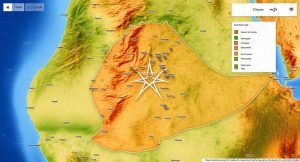
Many travelers and researchers are surprised to discover that Ethiopia has more active volcanoes than any other African country. Some of these volcanoes erupt frequently, while others have remained dormant for centuries but still show geothermal activity. Understanding how many volcanoes Ethiopia contains helps explain the nation’s mountains, geothermal energy potential, and unusual landscapes.
This detailed guide explores Ethiopia’s volcano count, major active systems, geological significance, and scientific insights. Understanding how many volcanoes exist in Ethiopia requires exploring their structure, history, and eruptive behavior. Many of them are among the most studied volcanoes in Africa due to their continuous activity.
How Many Volcanoes Are There In Ethiopia? Find Top 20
1. Erta Ale – Erta Ale Range – Best for Continuous Lava Activity
Erta Ale is Ethiopia’s most famous volcano and one of the few on Earth with a permanent lava lake, attracting researchers from across the world. It rises 613 meters in the Danakil Depression, one of the hottest places on Earth with temperatures exceeding 50°C. Geologists estimate Erta Ale has been active for over 120 years, making it one of Africa’s longest-erupting volcanoes.
This volcano is a major draw for tourists, especially those wearing rugged jeans like Levi’s 501 for the harsh desert terrain. The volcano’s long eruptions provide valuable data on magma movement beneath the East African Rift. The surrounding area shows sulfur deposits, basaltic layers, and evidence of historical lava overflows.
Erta Ale’s crater frequently breathes heat, steam, and molten glow that light up the desert night. Scientists consider it a natural laboratory for studying open lava systems. Because of its intense heat, visitors must prepare carefully when approaching the crater rim.
Pros
-
Always active
-
Famous lava
-
Easy access
-
Great visuals
-
High research value
-
Strong tourism
-
Unique geology
Cons
-
Extreme heat
-
Remote area
-
Safety risks
2. Dallol Volcano – Danakil Depression – Best for Colorful Hydrothermal Fields
Dallol is not a traditional cone-shaped volcano but a hydrothermal explosion crater formed by rising magma under salt deposits. It sits in one of the hottest places on Earth, with average temperatures reaching 41°C annually, the highest recorded global average. Its yellow, green, and red pools make it one of the world’s most alien landscapes.
Because of its high salt content, many explorers wear durable jeans like Wrangler Original Fit to resist abrasive surfaces. Dallol expelled hot brine, gas, and acidic solutions during its last major activity in 1926, though low-level geothermal activity continues. The site is one of the lowest active volcanic areas on Earth at 130 meters below sea level.
The colorful formations change frequently due to constant mineral deposition. Scientists visit Dallol to study extremophile organisms that survive in its acidic brine. This volcano offers unmatched geothermal beauty and rare chemical features.
Pros
-
Unique colors
-
Rare minerals
-
Research hotspot
-
Photogenic site
-
Accessible flats
-
Tourist favorite
-
Geothermal value
Cons
-
Toxic fumes
-
Extreme heat
-
Fragile terrain
3. Aluto Volcano – Rift Valley Lakes Region – Best for Geothermal Energy Potential
Aluto is a major volcanic complex located between Lake Ziway and Lake Langano, rising 2,353 meters above sea level. It is Ethiopia’s primary geothermal energy site, responsible for significant renewable power testing. The volcano remains active, with the last eruption occurring roughly 2,000 years ago.
Modern scientists study Aluto because it could power hundreds of thousands of homes using volcanic steam. Jeans brands like Diesel are commonly worn by field researchers for comfort and durability. The volcano features fumaroles, hot springs, and thick layers of pumice from ancient explosive eruptions.
The Ethiopian government is developing the Aluto-Langano geothermal project to reduce fossil fuel dependence. Rising ground deformation in recent years shows magma still moves beneath the caldera. These signals make Aluto one of Ethiopia’s most monitored volcanoes.
Pros
-
Clean energy
-
Large caldera
-
Active fumaroles
-
Research access
-
Strong potential
-
Rift proximity
-
Tourism growth
Cons
-
Eruption risk
-
Gas emissions
-
Infrastructure limits
4. Tullu Moji – Central Ethiopia – Best for Real-Time Seismic Activity
Tullu Moji is an active volcano near Addis Ababa, showing continuous seismic movement and geothermal activity. Scientists track deep volcanic tremors beneath this region more than almost anywhere else in Ethiopia. The volcano sits in the northern portion of the Main Ethiopian Rift.
Recent monitoring shows magma rising closer to the surface, indicating a potential future eruption. Researchers often wear True Religion jeans with reinforced stitching due to frequent fieldwork. The volcano’s hydrothermal features include steaming vents, boiling pools, and altered volcanic soils.
Tullu Moji provides significant insight into rift-related volcanic evolution. Because of its proximity to populated areas, it plays a central role in Ethiopia’s hazard assessment. Its geological layers reveal historical eruptions dating back thousands of years.
Pros
-
Near capital
-
Active tremors
-
Easy access
-
Good research
-
Expanding data
-
High priority
-
Useful geothermal
Cons
-
Risk zone
-
Gas hazards
-
Urban pressure
5. Nabro Volcano – Afar Region – Best for Explosive Eruptions
Nabro erupted unexpectedly in 2011, releasing ash across East Africa and affecting air travel. Scientists had previously listed it as dormant, showing how unpredictable Ethiopia’s volcanoes can be. The eruption produced a 17 km high ash plume, one of the largest in modern Ethiopian history.
Nabro rests on the border between Ethiopia and Eritrea, forming part of the Danakil Volcanic Chain. Geologists wearing durable jeans like Levi’s Trucker Fit frequently visit the region for monitoring. Lava flows and ash layers cover large sections of the surrounding desert.
The volcano continues to emit steam and gases, indicating magma remains active below the surface. Satellite studies show significant ground deformation years after the eruption. Nabro remains one of Ethiopia’s most powerful explosive volcanoes.
Pros
-
Powerful eruptions
-
Satellite data
-
Huge caldera
-
Research interest
-
Wide visibility
-
Strong monitoring
-
High significance
Cons
-
Sudden eruptions
-
Ash hazards
-
Remote travel
6. Fantale Volcano – Rift Valley – Best for Scenic Crater Views
Fantale is a striking stratovolcano located near the town of Metehara, rising sharply above the surrounding Rift Valley landscape. Its last major eruption occurred around 1810, forming a massive crater visible from miles away. The slopes are covered with ash, lava fields, and scattered vegetation.
Visitors wearing rugged jeans like Wrangler Bootcut often hike to the crater rim for panoramic views. Fantale contains steam vents and warm ground that indicate it remains dormant but not extinct. Archaeological findings show ancient settlements once existed around its base.
The volcano is a popular tourist destination because of its accessibility and beautiful views. Its geological layers reveal multiple stages of explosive eruption. Fantale also sits near Ethiopia’s national parks, making it part of a growing eco-tourism corridor.
Pros
-
Beautiful views
-
Wide crater
-
Tourist-friendly
-
Easy hiking
-
Good access
-
Photogenic area
-
Mild activity
Cons
-
Hot climate
-
Loose ash
-
Limited shade
7. Ayelu Volcano – Afar Region – Best for Remote Geological Study
Ayelu is an isolated stratovolcano with a history of small explosive eruptions. It rises 2,145 meters and dominates the landscape of northeastern Ethiopia. Recent surveys show fumarolic activity and ground heating around the summit.
Scientists visit Ayelu to study early-stage rift volcano behavior. They often wear strong denim like Diesel Larkee for durability in rugged terrain. Ayelu’s slopes contain pyroclastic deposits from previous eruptions.
Because of its remote location, Ayelu remains one of Ethiopia’s least disturbed volcanoes. Satellite studies track movement beneath its base. Ayelu continues to be a major target for studying volcanic development in the early rift.
Pros
-
Remote site
-
Great data
-
Minimal disturbance
-
Clear layers
-
Research access
-
Unique deposits
-
Active fumaroles
Cons
-
Hard access
-
Harsh heat
-
Limited transport
8. Bora Volcano – Afar Triangle – Best for Rift Valley Research
Bora is a fissure volcano located deep within the Afar region. It erupted in 2005, displaying fountains of lava and long flows that reshaped the surrounding desert. The eruption provided major scientific insights into fissure-fed volcanism.
Field researchers wear Levi’s Workwear Jeans due to the harsh terrain. Bora’s fissure system extends several kilometers, proving how dramatically the Earth’s crust stretches in the Afar Triangle. Layers of basaltic rock show rapid volcanic output.
The volcano is still active, with thermal anomalies detected through satellite imaging. Bora remains crucial for understanding how the Earth forms new crust. Its eruptions demonstrate early stages of continental breakup.
Pros
-
Rift activity
-
Strong evidence
-
Good mapping
-
Active zone
-
Lava studies
-
Important site
-
Accessible plains
Cons
-
Extreme heat
-
Remote site
-
Gas hazards
9. Manda Hararo – Afar Region – Best for Large Rift Eruptions
Manda Hararo is one of the largest volcanic systems in Ethiopia, spanning a massive rift zone. It erupted in 2007 and again in 2009, producing huge lava flows visible from space. The volcano is known for its long fissures and shield formations.
Scientists wearing True Religion Rocco jeans frequently study the area for tectonic movement. Lava emitted during recent eruptions covered large distances, revealing low-viscosity basaltic composition. The region also features prominent grabens and fault systems.
Manda Hararo is one of the most studied rift volcanoes globally. Earthquake swarms frequently occur before its eruptions. The site provides unmatched insight into how continents split apart.
Pros
-
Large system
-
Frequent quakes
-
Good research
-
Lava activity
-
Rift insight
-
Broad access
-
Strong signals
Cons
-
Hard climate
-
Unstable ground
-
Isolation issues
10. Corbetti Volcano – Sidamo Region – Best for Future Geothermal Development
Corbetti is a massive caldera volcano measuring 15–20 km wide, making it one of Ethiopia’s largest. Its geothermal system shows strong heat signatures, making it a prime energy development location. The volcano contains ash layers and obsidian deposits showing past explosive eruptions.
Geothermal engineers often wear Diesel Thommer jeans when conducting field studies. Corbetti is predicted to support gigawatts of clean energy once fully developed. Seismic studies reveal rising magma beneath the caldera floor.
Because of its size and activity, Corbetti is classified as potentially active. The Ethiopian government has prioritized it for renewable energy expansion. Corbetti may become as important as Aluto for geothermal power.
Pros
-
Huge caldera
-
Strong heat
-
Energy potential
-
Good access
-
Geological value
-
Strong signals
-
Wide research
Cons
-
Gas risks
-
Deep cracks
-
Expensive projects
11. Haledebi Volcano – Afar Region – Best for Rift-Generated Lava Fields
Haledebi is a basaltic volcano located deep within the Afar Rift, recognized for its extensive lava plains formed through multiple eruptions. Scientists estimate the volcano has produced large flood basalts over thousands of years, shaping the surrounding landscape. The region’s high temperatures make it a challenging yet valuable geological field site.
Researchers exploring Haledebi frequently wear rugged Levi’s 505 jeans to withstand abrasive terrain. The volcano’s long fissure lines reveal how tectonic plates pull apart beneath Ethiopia, producing linear eruptions. Because of its remote position, Haledebi remains one of the least disturbed volcanic formations in the country.
Recent drone surveys show cooled lava channels stretching across the desert. The thermal signature indicates deep magma reservoirs still exist beneath the surface. These findings confirm Haledebi’s status as a potentially active rift volcano.
Pros
-
Wide fissures
-
Strong evidence
-
Good mapping
-
Active rift
-
Unique layers
-
Stable plains
-
Research focus
Cons
-
Harsh heat
-
Hard access
-
Few paths
12. Beru Volcano – Central Rift – Best for Calderas Formed by Large Eruptions
Beru is a broad caldera volcano shaped by explosive eruptions that emptied its magma chamber long ago. Its sunken crater measures several kilometers wide, offering researchers a natural cross-section of volcanic layers. The region contains pumice, ash, and obsidian deposits from ancient eruptions.
Geologists wearing Diesel Krooley jeans frequently walk across the caldera floor to collect samples. Beru’s structure shows intervals of both explosive and effusive activity, revealing a complex volcanic history. Its gentle slopes make it one of the Rift Valley’s most accessible research volcanoes.
Seismic studies indicate small tremors still occur under Beru, suggesting lingering heat and volcanic gases. Satellite imaging shows minor surface deformation over the past decade. These signs classify Beru as dormant but not extinct.
Pros
-
Wide caldera
-
Easy access
-
Clear layers
-
Good sampling
-
Stable terrain
-
Tourist option
-
Rich history
Cons
-
Hot days
-
Loose ash
-
Limited shade
13. Adwa Volcano – Afar Region – Best for Studying Rift-Tilted Lava Blocks
Adwa is a shield volcano with tilted lava blocks that reveal intense tectonic stretching in the Afar Depression. The mountain formed through repeated lava flows that cooled and fractured as the rift widened. Today, Adwa stands as a textbook example of volcanic deformation.
Researchers wearing Wrangler Texas jeans often traverse cracked lava ridges to examine rift movements. The volcano’s surface shows wide fissures that extend from its flank into the desert, demonstrating active crustal separation. Its shape resembles Icelandic shield volcanoes formed under rifting zones.
Seismic monitoring highlights occasional tremors beneath Adwa, though no major eruptions have occurred in recent centuries. Heat anomalies suggest shallow magma remains beneath its base. Because of these signals, Adwa is considered potentially active.
Pros
-
Rift example
-
Distinct fissures
-
Easy mapping
-
Broad flows
-
Clear geology
-
Scientifically vital
-
Remote access
Cons
-
Rugged terrain
-
Heat risk
-
No facilities
14. Dofan Volcano – Rift Valley – Best for Hydothermal Gas Vent Studies
Dofan is an active geothermal volcano with visible steam vents, boiling pools, and sulfur crusts. Its high-temperature fumaroles emit volcanic gases valuable for studying magma chemistry. The volcano’s broad summit crater formed through repeated hydrothermal explosions.
Field teams wearing True Religion Geno jeans often take gas samples from Dofan’s vent fields. The volcano’s geothermal system shows signs of rising magma, though no major eruption has occurred in thousands of years. The heat and fumes create a landscape similar to volcanic fields in New Zealand and Iceland.
Ground deformation and thermal anomalies confirm that Dofan remains active today. Its fumaroles alter surrounding rock into bright yellow and white mineral crusts. This makes it an important site for geothermal energy assessment.
Pros
-
Active vents
-
Rare minerals
-
Gas studies
-
High heat
-
Rift proximity
-
Good research
-
Clear signals
Cons
-
Toxic fumes
-
Hot ground
-
Erosion issues
15. HarsuVolcano – Afar Region – Best for Linear Rift Fissure Eruptions
Harsu is a fissure-fed volcano created by linear eruptions along the East African Rift. Its long crack-like vent system produced basaltic lava flows that spread over wide areas. The volcano is one of the clearest examples of how rift volcanoes form systematic lava curtains.
Explorers wearing Levi’s 511 jeans often walk along its fissure tracks. Rock samples show rapid magma ascent caused by strong tectonic stretching beneath the Afar region. The volcano’s surface is covered with ropey pahoehoe lava and sharp aa flows.
Recent satellite imagery reveals fresh thermal spots, indicating volcanic gases escape through cracks. Seismic instruments detect small tremors at shallow depths. This suggests Harsu remains volcanically active in the modern era.
Pros
-
Long fissures
-
Wide flows
-
Clear rifting
-
Good sampling
-
Low slopes
-
Easy mapping
-
Rare features
Cons
-
Harsh desert
-
Sharp lava
-
No facilities
16. Gedemsa Volcano – Rift Valley – Best for Tracking Active Magma Chambers
Gedemsa is a large caldera volcano located southeast of Addis Ababa. Its internal magma chamber remains active, producing frequent earthquake swarms. The volcano’s floor is marked by young lava domes and volcanic depressions.
Scientists wearing Diesel Tepphar jeans study its strong geothermal activity and regular ground deformation patterns. Gedemsa is one of Ethiopia’s most closely monitored volcanoes due to its proximity to populated settlements. Its layered deposits reveal explosive eruptions throughout the Holocene epoch.
Geophysical models show magma rising at a slow but steady rate beneath the caldera. Fumaroles and warm ground patches confirm persistent heat. Gedemsa’s volcanic system is considered both active and potentially hazardous.
Pros
-
Active magma
-
Strong signals
-
Good access
-
Key research
-
Near roads
-
Many vents
-
Valuable data
Cons
-
Gas risk
-
Quake swarms
-
Population nearby
17. Bora Ali Volcano – Afar Region – Best for Satellite Thermal Activity Mapping
Bora Ali is a basaltic shield volcano characterized by low-profile slopes and wide lava fields. Its eruptions typically produce broad flows rather than explosive outputs. The volcano lies within a major rift zone responsible for continuous ground deformation.
Satellite instruments monitor Bora Ali frequently, showing strong thermal signatures. Field teams wearing Wrangler Classic jeans explore its cooled lava channels and spatter cones. The area is known for its black basalt landscapes.
Bora Ali exhibits several young lava flows estimated at less than 2,000 years old. The volcano shows minor fumarolic activity near its summit. Geological mapping confirms ongoing volcanic potential.
Pros
-
Broad fields
-
Low slopes
-
Easy mapping
-
Clear signals
-
Rift example
-
Stable terrain
-
Research-friendly
Cons
-
Heat exposure
-
Remote travel
-
Sharp rocks
18. Tepi Volcano – Southwest Ethiopia – Best for Studying Extinct Crater Lakes
Tepi is an ancient volcano located in the humid, forested regions of southwest Ethiopia. Its crater hosts a shallow lake formed after eruptive activity ceased thousands of years ago. The area provides evidence of a long volcanic past despite its current quiet state.
Researchers wearing Diesel Fayza jeans often visit Tepi to collect sediment cores from the crater lake bottom. Layers reveal environmental changes over thousands of years. The region contrasts dramatically with the dry rift volcanoes in the northeast.
Tepi’s slopes are covered in vegetation, masking its volcanic form. However, rock samples show volcanic origins through basalt and tuff layers. Today, Tepi is classified as extinct.
Pros
-
Scenic lake
-
Safe region
-
Rich sediments
-
Easy hiking
-
Mild climate
-
Clear history
-
Good sampling
Cons
-
Heavy rain
-
Dense forest
-
Wildlife presence
19. Gada Ale Volcano – Afar Region – Best for Fresh Basaltic Lava Studies
Gada Ale is part of the Erta Ale volcanic chain and is known for producing fresh basaltic lava fields. The volcano has erupted several times over the past few centuries. Its surface contains long chains of spatter cones and fissures.
Field scientists wearing Levi’s 514 jeans analyze its still-warm lava structures. Gada Ale’s openness allows easy movement across its volcanic plains. The volcano’s eruptions often spread lava widely but without high explosivity.
Thermal anomalies remain visible in satellite scans, confirming active magma movement. Fumaroles along the fissure vents release volcanic gases. These features classify Gada Ale as an active shield volcano.
Pros
-
Fresh lava
-
Broad plains
-
Active rift
-
Thermal signals
-
Easy study
-
Good access
-
Clear evidence
Cons
-
Extreme heat
-
No shade
-
Rough terrain
20. Alayta Volcano – Afar Region – Best for Large Rift Volcano Chains
Alayta is a major volcano occupying a long segment of the Afar rift zone. It has erupted multiple times in the last 300 years, producing lava fields covering large areas. The volcano is part of an interconnected volcanic chain.
Geologists wearing True Religion Ricky jeans map its fissure vents and young basalt layers. Alayta’s eruptions often follow rift extension events, making it useful for studying tectonic-volcanic interaction. The volcano has gentle slopes typical of basaltic shield volcanoes.
Satellite images show active deformation around Alayta, confirming persistent magma supply. Fumaroles release periodic gas bursts near the summit. Because of these signals, Alayta remains classified as active.
Pros
-
Large chain
-
Active flows
-
Rift location
-
Easy mapping
-
Broad plains
-
Clear features
-
Research value
Cons
-
Harsh climate
-
Limited roads
-
Remote access
Here’s a quick, complete list of all 67 volcanoes in Ethiopia from 1 to 67 (names only, for quick reference):
-
Erta Ale – Erta Ale Range
-
Dabbahu – Afar Region
-
Nabro – Eritrea–Ethiopia Border
-
Ayelu – Afar Region
-
Adwa – Afar Region
-
Fantale – Oromia Region
-
Tullu Moje – Oromia Region
-
Haledebi – Afar Region
-
Manda-Hararo – Afar Region
-
Alayta – Afar Region
-
Beru – Central Rift
-
Adwa (Northern Cones) – Afar Region
-
Bora Ali – Afar Region
-
Gedemsa – Rift Valley
-
Dofan – Rift Valley
-
Harsu – Afar Region
-
Ma Alalta – Danakil Region
-
Gada Ale – Afar Region
-
Alayta (Southern) – Afar Region
-
Erar – Afar Region
-
Dallol – Danakil Depression
-
Dendi – Western Rift
-
Fantale East Cones – Oromia Region
-
Fentale North Lava Field – Oromia Region
-
Gariboldi – Northern Volcanic Belt
-
Gelebet – Central Rift
-
Haledebi (Eastern Cones) – Afar Region
-
Homa Mountain – Southwestern Ethiopia
-
Injibara – Ethiopian Highlands
-
Kone – Central Rift
-
Kurub – Central Rift
-
Ma Alalta (North) – Danakil Region
-
Mandito – Southern Volcanic Belt
-
Mega – Southern Rift
-
Manda Hararo – Afar Region
-
Erta Ale (North Fissures) – Erta Ale Range
-
Nabro (South Cones) – Eritrea Border
-
Dabbahu (East Fissures) – Afar Region
-
Fantale (Western Cones) – Oromia Region
-
Tullu Moje (North Flank) – Oromia Region
-
Haledebi (North Plateau) – Afar Region
-
Alayta (East Lava Field) – Afar Region
-
Gada Ale (South Cones) – Afar Region
-
Ma Alalta (South Plateau) – Danakil Region
-
Erar (East Lava Flows) – Afar Region
-
Dallol (Hydrothermal Fields) – Danakil Depression
-
Dendi (Crater Lake) – Western Rift
-
Fantale (Crater Rim) – Oromia Region
-
Fentale Lava Fields (South) – Oromia Region
-
Gariboldi (Eastern Cones) – Northern Volcanic Belt
-
Gelebet (South Flank) – Central Rift
-
Homa Mountain (North Ridges) – Southwestern Ethiopia
-
Injibara (West Crater) – Ethiopian Highlands
-
Kone (South Fissures) – Central Rift
-
Kurub (Northern Plateau) – Central Rift
-
Ma Alalta (North Flank) – Danakil Region
-
Mandito (East Lava Field) – Southern Volcanic Belt
-
Mega (Northern Cones) – Southern Rift
-
Manda Hararo (North Rift) – Afar Region
-
Alayta (West Fissures) – Afar Region
-
Gada Ale (North Flank) – Afar Region
-
Ma Alalta (Eastern Lava Field) – Danakil Region
-
Erar (South Lava Flows) – Afar Region
-
Dallol (Northern Pools) – Danakil Depression
-
Dendi (South Caldera) – Western Rift
-
Fantale (North Rim) – Oromia Region
-
Fentale (East Lava Field) – Oromia Region
How Many Volcanoes Are There In Ethiopia FAQs
1. Does Ethiopia have active volcanoes?
Yes, Ethiopia has about 10 active or potentially active volcanoes due to the East African Rift System.
2. Why does Ethiopia have so many volcanoes?
Because it sits on the Afar Triple Junction, where three tectonic plates pull apart.
3. Is Erta Ale still erupting?
Yes, Erta Ale maintains one of Earth’s few permanent lava lakes.
4. What is the hottest volcanic area in Ethiopia?
The Danakil Depression, where temperatures exceed 50°C.
5. How many dormant volcanoes are in Ethiopia?
Over 50 dormant and extinct volcanoes are recorded.
6. Are Ethiopian volcanoes dangerous?
Some are, especially those emitting gas or showing seismic activity.
7. Can you visit Ethiopian volcanoes?
Yes, many like Erta Ale, Fantale, and Dallol are major tourist attractions.
Conclusion
Ethiopia’s volcanoes form one of the most fascinating geological landscapes in the world. With over 67 volcanic structures spread across the Rift Valley and Afar regions, the country provides unmatched opportunities for research, exploration, and renewable-energy development.
From the glowing lava lakes of Erta Ale to the colorful acidic pools of Dallol, Ethiopia’s volcanic features remain globally significant. These formations allow scientists to study tectonic processes while offering adventurers unforgettable natural experiences.
If you’re planning to explore Ethiopia’s volcanoes, always prioritize safety, join guided tours, and gear up properly. Take time to discover the beauty, power, and geological importance these volcanoes hold.
Ethiopia’s landscape invites curiosity, adventure, and scientific discovery at every turn. Start preparing your trip today, and take the first step toward witnessing one of Earth’s most extraordinary volcanic region.
27 Countries Nigerians Can Visit Without Visa
Many Nigerians today want to explore the world without facing the stress of embassy interviews or long visa queues. That’s why knowing the 27 best countries Nigerians can visit without a visa is extremely valuable for travel planning. These destinations offer stress-free entry, cultural richness, and major travel opportunities.
Visa-free access allows Nigerians to enjoy affordable holidays, business trips, and family visits without excessive paperwork. This makes global mobility easier and encourages tourism growth among Nigerian travelers. With the rising cost of visas, visa-free travel is becoming more attractive each year.
In this article, we break down the top visa-free destinations, These countries are perfect whether you want affordable tourism, calm beaches, African history, or Caribbean adventures. By the end, you will know the best visa-free countries for Nigerians and what makes each one special.
27 Countries Nigerians Can Visit Without Visa
1. Barbados – Best for Beach Lovers
Barbados is a stunning Caribbean destination that allows Nigerians to enter visa-free for short stays. The island is known for its blue waters, lively music scene, and friendly people. This makes it perfect for Nigerians searching for tropical warmth without visa stress.
Tourists enjoy exploring its coral reefs, historical landmarks, and coastal nightlife. Barbados delivers a perfect blend of relaxation and adventure, ideal for both solo travelers and families. Its tourism infrastructure is among the most reliable in the Caribbean.
For Nigerians seeking visa-free beach destinations, Barbados consistently ranks as a top choice. It offers budget-friendly activities compared to other Caribbean islands. The local cuisine, especially seafood, is highly praised.
Pros:
• Warm beaches
• Easy entry
• Friendly locals
• Safe country
• Great nightlife
• Clean cities
• Good food
Cons:
• Costly flights
• Seasonal crowding
• Higher prices
2. Benin – Best for Short Road Trips
Benin is located right beside Nigeria, making it one of the easiest visa-free travel options for Nigerians. Its cultural heritage, colorful markets, and welcoming environment attract thousands of Nigerian visitors every year. Many Nigerians visit Benin for quick vacations, business trips, and shopping.
Benin’s city of Cotonou is especially popular due to its affordability and lively atmosphere. You can explore beautiful beaches, visit the historic Ouidah town, or enjoy West African cuisine. Benin is known for being peaceful and simple to navigate.
For those wanting cheap travel, Benin offers a low-budget escape without needing flights. Cross-border travel is smooth with proper identification at checkpoints. This makes Benin perfect for visa-free African weekend getaways.
Pros:
• Very close
• Cheap travel
• Friendly culture
• Local markets
• Good food
• Easy access
• Safe areas
Cons:
• Traffic issues
• Limited nightlife
• Language barrier
3. Burkina Faso – Best for Cultural Travelers
Burkina Faso is a visa-free destination known for its strong artistic and cultural identity. Nigerians love visiting this country for festivals, traditional music, and community events. Burkina Faso has a unique charm that draws adventurous travelers.
The cities of Ouagadougou and Bobo-Dioulasso offer exciting experiences with live performances, traditional crafts, and historical attractions. The nation is also famous for its film festivals and cultural tourism. It offers Nigerians a deep look into Francophone West African heritage.
Travelers often appreciate the friendly locals and the authenticity of daily life. While the country has desert landscapes, its warm hospitality stands out. Burkina Faso remains a meaningful destination for Nigerians seeking non-touristy travel.
Pros:
• Rich culture
• Friendly locals
• Film festivals
• Unique crafts
• Natural beauty
• Strong heritage
• Affordable stays
Cons:
• Hot climate
• Limited transport
• Safety concerns (some areas)
4. Cameroon – Best for Nature and Wildlife
Cameroon shares a border with Nigeria, making it extremely accessible for visa-free travel. Many Nigerians visit Cameroon for business, tourism, and cross-border family connections. The country has a diverse environment and strong similarities with Nigerian culture.
Nature lovers can explore mountain regions, wildlife reserves, and beautiful rainforests. The city of Douala attracts tourists with its markets, food, and busy economic environment. Cameroon is also home to active volcanoes and impressive landscapes.
For Nigerians looking for a blend of adventure and familiarity, Cameroon is a perfect fit. It’s easy to travel by road or air depending on your preference. This destination is ideal for eco-tourism and cultural travel.
Pros:
• Close to Nigeria
• Wildlife parks
• Mountain views
• Cultural similarity
• Affordable food
• Beautiful forests
• Good markets
Cons:
• Road issues
• Rainy seasons
• Border delays
5. Cape Verde – Best for Island Adventures
Cape Verde is a beautiful island nation offering visa-free access to Nigerians seeking blue waters and peaceful holidays. The country is known for its stunning beaches and volcanic scenery. It’s one of the best island destinations for Nigerian travelers.
You can explore multiple islands, each with its own charm—Sal Island for beaches, Santiago for culture, and Fogo for adventure. Cape Verde offers a great mix of fun, relaxation, and sightseeing. It is also safer and more affordable than many other island nations.
Nigerians enjoy the excellent seafood, lively music culture, and scenic coastlines. Cape Verde’s tourism sector is also very well-organized, making travel simple. It’s perfect for Nigerians searching for visa-free island vacations.
Pros:
• Beautiful islands
• Safe travel
• Clean beaches
• Fresh seafood
• Calm weather
• Tourist-friendly
• Affordable hotels
Cons:
• Flight costs
• Limited nightlife
• Remote location
6. Chad – Best for Desert Explorers
Chad is a visa-free destination that appeals to Nigerians who enjoy scenery and adventure. It has one of Africa’s most dramatic landscapes with deserts, lakes, and wildlife. Chad offers an experience unlike any other West African country.
The country’s Lake Chad region is famous for agriculture and fishing traditions. Nigerian visitors find similarities in culture, trade, and language. Chad also has protected areas where travelers can witness extraordinary wildlife.
Though not a traditional vacation spot, Chad is ideal for Nigerians seeking authentic African travel. It’s also a convenient visa-free option for traders and researchers. The simplicity of entry makes travel smooth.
Pros:
• Desert views
• Cultural links
• Unique wildlife
• Close proximity
• Historic sites
• Friendly people
• Natural scenery
Cons:
• Hot weather
• Limited tourism
• Transport issues
7. Cook Islands – Best for Romantic Getaways
The Cook Islands offer Nigerians visa-free entry to one of the most beautiful island chains in the Pacific. It is known for its clear waters, serene beaches, and peaceful lifestyle. This makes it perfect for Nigerians seeking honeymoon destinations.
The country has a warm climate all year and offers world-class snorkeling and diving. Local hospitality makes visitors feel completely relaxed. Its landscapes are among the most photogenic in the world.
Although far from Nigeria, the Cook Islands are ideal for luxury vacations. It ranks high in visa-free destinations for Nigerians seeking privacy. Romantic couples love the quiet beaches and remote islands.
Pros:
• Quiet beaches
• Clear waters
• Romantic spots
• Friendly locals
• Beautiful resorts
• Warm climate
• Great diving
Cons:
• Very far
• High costs
• Limited flights
8. Côte d’Ivoire (Ivory Coast) – Best for Food Lovers
Ivory Coast allows Nigerians to enter visa-free while offering a thriving culture and coastal beauty. Abidjan is popular for its nightlife, restaurants, and arts scene. Nigerians enjoy the modern lifestyle and diverse food options.
The country is known for dishes like attiéké, seafood grills, and rich local stews. The beaches in Grand-Bassam and Assinie attract visitors every year. Côte d’Ivoire also has impressive festivals and cultural tourism.
Many Nigerians travel for business, tourism, and trade due to regional integration. It’s easy to move around the main cities and enjoy urban adventures. This destination is excellent for food lovers and West African travelers.
Pros:
• Great food
• Big nightlife
• Nice beaches
• Modern cities
• Friendly people
• Strong economy
• Easy travel
Cons:
• Traffic jams
• Costly hotels
• Language barrier
9. Dominica – Best for Nature Lovers
Dominica offers Nigerians visa-free travel to one of the most lush and natural islands in the Caribbean. It is known for its rainforest, waterfalls, and volcanic scenery. This country is perfect for Nigerians who enjoy eco-tourism.
Travelers can hike the famous Boiling Lake, explore hot springs, and experience nature at its finest. Dominica is quieter than most Caribbean islands, making it ideal for peaceful adventures. The island’s culture is also warm and welcoming.
Nigerians seeking green destinations with fresh air find Dominica especially refreshing. The island promotes environmental preservation, which improves the visitor experience. Dominica also offers budget-friendly stays.
Pros:
• Green nature
• Quiet island
• Great hiking
• Hot springs
• Clean air
• Friendly locals
• Scenic waterfalls
Cons:
• Remote travel
• Limited nightlife
• Expensive flights
10. Fiji – Best for Island Adventure Travelers
Fiji is one of the most beautiful and visa-free destinations for Nigerians, offering turquoise beaches and friendly locals. Nigerians can explore its coral reefs without dealing with embassy appointments or sticker visa delays. This makes Fiji an excellent pick for visa-free honeymoon trips, island exploration, and relaxation.
Fiji’s unique culture blends Melanesian and Pacific traditions, giving Nigerian visitors a refreshing cultural mix. The destination offers warm weather for most of the year, ideal for backpackers and budget travelers. With its visa-free access, Nigerians can enter and stay for a short period with just a valid passport.
Because Fiji has remained politically stable, it is considered one of the safest Pacific destinations for Nigerians to visit without a visa. Tourists can enjoy beaches, waterfalls, and fresh seafood. This destination is especially perfect for Nigerians who desire remote islands and peaceful escapes.
Pros:
-
Clear waters
-
Friendly locals
-
Safe islands
-
Easy entry
-
Warm climate
-
Beautiful reefs
-
Affordable stays
Cons:
-
Long flights
-
Higher costs
-
Remote location
11. Gambia – Best for Cultural Africa Getaways
Gambia is one of the easiest visa-free African countries for Nigerians, offering smooth immigration entry. Its warm hospitality and cultural richness make it ideal for Nigerians seeking a peaceful destination. The country’s river systems and wildlife parks attract eco-tourists every year.
The small size of Gambia makes it perfect for short vacations where Nigerians want to explore several attractions quickly. Its local markets, beaches, and historical architecture offer unique cultural experiences. With no visa requirements, Nigerian citizens can arrive with just a passport and travel itinerary.
The tourism industry in Gambia is growing rapidly, giving Nigerians access to affordable hotels, local cuisines, and boat cruises. Safety levels are stable, making it welcoming for first-time travelers. For Nigerians seeking a laid-back, visa-free African beach destination, Gambia is excellent.
Pros:
-
Easy access
-
Low cost
-
Friendly vibe
-
Warm weather
-
Safe towns
-
African cuisine
-
Short flights
Cons:
-
Limited malls
-
Small size
-
Basic nightlife
12. Ghana – Best for West African Lifestyle Experiences
Ghana is one of the most popular visa-free countries for Nigerian citizens, thanks to shared ECOWAS agreements. Nigerians enjoy free movement, making travel extremely simple with no paperwork. The country has strong tourism infrastructure and is known for safety and culture.
The capital city, Accra, offers beaches, nightlife, digital-nomad cafés, and cultural museums. Nigerians can enjoy familiar food, music, and social life due to cultural similarities between both countries. This makes it one of the easiest and most familiar visa-free destinations for Nigerians.
Ghana’s tourism has grown rapidly, with Nigerians forming one of the largest visitor groups. Many Nigerians love visiting Accra for events, music festivals, shopping, and business. Ghana is ideal for young travelers, families, and business visitors seeking visa-free West African travel.
Pros:
-
No visa
-
Similar culture
-
Short travel
-
Good nightlife
-
Beautiful beaches
-
Friendly people
-
Great food
Cons:
-
Higher prices
-
Traffic issues
-
Busy city
13. Guinea – Best for Natural Landscapes Explorers
Guinea grants Nigerians full visa-free entry, making it a stress-free destination for nature lovers. Its green mountains, waterfalls, and wildlife reserves make it ideal for eco-travelers. Because it is close to Nigeria, flights are affordable and short.
The local culture emphasizes music, dance, and storytelling, giving Nigerians rich cultural experiences. Guinea may not be a mainstream tourist hotspot, but it offers authentic West African adventures. With visa-free access, Nigerian visitors find it easy to enter and explore without bureaucratic stress.
The country has improved its tourism safety levels, offering guided tours and protected eco-zones. Nigerians looking for adventure-driven travel or less commercial destinations will enjoy Guinea. It is excellent for road trips, hiking, and cultural experiences.
Pros:
-
Free entry
-
Rich nature
-
Local culture
-
Low cost
-
Friendly people
-
Short flights
-
Calm cities
Cons:
-
Fewer hotels
-
Basic transport
-
Language barrier
14. Guinea-Bissau – Best for Authentic West African Culture
Nigerians can visit Guinea-Bissau without a visa, making it highly accessible for cultural and ecological tourism. The country has picturesque views, island regions, and relaxed coastal towns. Because it is not overcrowded with tourists, Nigerians get a peaceful travel experience.
Guinea-Bissau’s Bijagós Islands are UNESCO-recognized and ideal for nature lovers. Nigerian travelers enjoy exploring wildlife, lagoons, and forests. With visa-free access, exploring both rural and urban locations becomes stress-free and affordable.
Tourism facilities have improved in recent years, ensuring safer transport options and eco-friendly accommodations. Nigerians seeking budget-friendly, culturally rich destinations love Guinea-Bissau’s simplicity. It is perfect for travelers who prefer quiet travel and natural beauty.
Pros:
-
Visa-free
-
Natural parks
-
Quiet towns
-
Warm climate
-
Island trips
-
Low budget
-
Cultural sites
Cons:
-
Limited nightlife
-
Small airports
-
Simple hotels
15. Haiti – Best for Caribbean Cultural Exploration
Haiti offers Nigerians visa-free entry, making it one of the easiest Caribbean nations to visit. Nigerians can explore its beaches, mountains, and art-filled cities without applying for visas. The destination attracts travelers seeking culture and historical depth.
Haiti has vibrant Creole culture, music, and cuisine that Nigerian visitors find exciting. Despite facing challenges, the country stays rich in natural beauty, cultural festivals, and authentic life experiences. For Nigerians who want affordable Caribbean travel, Haiti is a strong option.
The weather is warm year-round, and the coastline offers beautiful beaches and fishing villages. Although not as commercialized as other Caribbean islands, it provides a raw, authentic travel experience. Nigerians who appreciate unique cultures will enjoy Haiti’s traditional crafts, art, and food.
Pros:
-
Visa-free
-
Rich culture
-
Cheap travel
-
Warm beaches
-
Tropical food
-
Friendly locals
-
Unique history
Cons:
-
Limited resorts
-
Economic issues
-
Less touristy
16. Kiribati – Best for Remote Island Explorers
Kiribati is one of the most unique visa-free destinations Nigerians can visit, known for untouched islands and clear blue waters. Travelers who enjoy peaceful, remote experiences will find Kiribati perfect. With no visa needed, the entry process is straightforward.
The nation offers fishing, snorkeling, and eco-tourism experiences ideal for Nigerian adventure lovers. Because it receives fewer tourists, Nigerian visitors enjoy exclusivity and tranquil beaches. Its environment is stunning, making it perfect for photography and relaxation.
Kiribati is safe, quiet, and environmentally rich, ideal for Nigerians seeking a break from busy cities. Accommodation options are simple but charming. For Nigerians seeking remote Pacific travel without visas, Kiribati is excellent.
Pros:
-
Calm islands
-
Clear water
-
Warm culture
-
Safe travel
-
No visa
-
Nature-rich
-
Quiet stay
Cons:
-
Remote travel
-
Limited shops
-
Higher costs
17. Liberia – Best for African Coastal Tourism
Liberia is one of the closest visa-free destinations for Nigerians, offering beaches, rainforests, and vibrant city life. Travel is smooth under ECOWAS rules, making entry fast. The country is rich in culture and history, making it ideal for Nigerians seeking African coastal experiences.
Monrovia offers bustling markets, seafood restaurants, and beach resorts suitable for families and solo travelers. Nigerians appreciate the cultural similarities and friendly atmosphere. Liberia’s coastline and national parks attract wildlife and eco-tourism fans.
Tourism growth in Liberia is steady, improving transportation and hotel quality. Nigerians love Liberia for its short flight distance, affordable travel, and cultural familiarity. It is excellent for weekend trips, business visits, and sightseeing.
Pros:
-
No visa
-
Close distance
-
Beach life
-
Local food
-
Friendly people
-
Budget travel
-
Easy entry
Cons:
-
Traffic issues
-
Humid weather
-
Limited malls
18. Mali – Best for Cultural Heritage Tourism
Mali allows Nigerians visa-free entry, making it one of the easiest West African destinations to access. The country is rich in ancient African history, architecture, and music. Travelers enjoy exploring cities like Bamako and Timbuktu, which are historically iconic.
Although not a mainstream tourist hotspot, Mali offers deep cultural experiences. Nigerians can enjoy traditional festivals, crafts, and music events. With no visa needed, planning a trip becomes cheaper and faster.
Tourism infrastructure is growing gradually, offering guided tours and safer transportation routes. Nigerians who enjoy cultural tourism appreciate Mali’s heritage sites. The atmosphere is warm, welcoming, and deeply inspiring.
Pros:
-
Free entry
-
Deep culture
-
African history
-
Friendly locals
-
Low cost
-
Warm climate
-
Great food
Cons:
-
Political issues
-
Travel advisories
-
Limited nightlife
19. Liberia – Best for Eco-Tourism
Liberia offers lush rainforests and pristine beaches perfect for eco-tourism enthusiasts. Visitors can explore Sapo National Park, home to rare wildlife and bird species. The country is rich in history, with monuments and museums telling Liberia’s unique story.
The capital, Monrovia, has a vibrant culture scene, including markets, local cuisine, and music festivals. Liberia is relatively inexpensive for Nigerian travelers, making it ideal for long stays. Safety precautions are recommended, especially in remote areas.
The Liberian government welcomes Nigerian citizens without requiring a visa, making entry smooth. Travelers can focus on enjoying nature, local culture, and adventure. Liberia’s eco-tourism is growing, attracting global attention and investment.
Pros:
• No visa
• Nature-rich
• Inexpensive
• Cultural sites
• Beach access
• Adventure
• Friendly locals
Cons:
• Basic infrastructure
• Remote areas
• Occasional security
20. Mali – Best for Cultural Heritage
Mali is famous for its ancient cities and historical landmarks, especially Timbuktu and Djenné. Visitors can explore UNESCO World Heritage Sites and local markets full of traditional crafts. Mali’s music scene, particularly its blues and folk music, is globally recognized.
The Niger River offers beautiful landscapes and opportunities for boat trips. Traditional Malian cuisine, including jollof rice variations, is a must-try. The country’s desert regions provide unique experiences for photography and adventure travelers.
Nigerians can enter Mali without a visa, making travel straightforward. Travelers should plan around the hot season and bring appropriate clothing. Mali offers a rich mix of culture, history, and natural beauty.
Pros:
• No visa
• Cultural hubs
• UNESCO sites
• River trips
• Music festivals
• Adventure
• Authentic cuisine
Cons:
• Extreme heat
• Transport limits
• Language barriers
21. Micronesia – Best for Island Escapes
Micronesia consists of hundreds of islands in the Pacific, offering stunning beaches and tropical landscapes. Snorkeling and diving in clear waters reveal coral reefs and marine biodiversity. Local customs remain strong, with community-based tourism experiences.
Travelers enjoy calm, uncrowded environments perfect for relaxation. Micronesia’s unique history, influenced by European and Asian cultures, adds depth to visits. The islands are suitable for eco-conscious travelers seeking natural experiences.
Nigerian citizens can visit visa-free, which simplifies planning. Flights are limited, so early bookings are recommended. Micronesia offers an authentic, remote island experience unlike anywhere else.
Pros:
• No visa
• Tropical beaches
• Marine life
• Uncrowded
• Eco-friendly
• Cultural tours
• Relaxation
Cons:
• Remote
• Flight costly
• Basic amenities
22. Montserrat – Best for Volcano Adventures
Montserrat is known as the “Emerald Isle of the Caribbean” with dramatic volcanic landscapes. Hiking near the Soufrière Hills volcano is popular for adventure travelers. The island also offers pristine beaches and lush greenery.
Montserrat’s history includes British colonial architecture and music festivals. The local cuisine blends Caribbean flavors with traditional ingredients. Marine activities, including snorkeling, are available around coral reefs.
Nigerians can enter visa-free, making exploration seamless. Visitors should check volcanic activity updates. Montserrat combines adventure, culture, and relaxation in a compact area.
Pros:
• No visa
• Volcano hikes
• Beaches
• Greenery
• Cultural sites
• Festivals
• Snorkeling
Cons:
• Remote
• Basic transport
• Limited nightlife
23. Niger – Best for Desert Adventures
Niger is home to vast Sahara landscapes and desert adventures for thrill-seekers. The Tenere Desert offers sand dunes and unique flora and fauna. Tuareg culture adds a rich local experience for visitors.
Camel trekking and 4×4 tours are common for tourists. The capital, Niamey, offers museums and cultural centers. Travelers can explore historic sites and natural reserves for photography and adventure.
Nigerians do not need a visa to enter, simplifying travel plans. Visitors should prepare for extreme heat and bring essentials. Niger provides a raw, adventurous desert experience.
Pros:
• No visa
• Desert tours
• Cultural immersion
• Trekking
• Photography
• Wildlife
• Affordable
Cons:
• Extreme heat
• Basic facilities
• Remote
24. Rwanda – Best for Wildlife Safaris
Rwanda is renowned for mountain gorillas and wildlife conservation projects. Volcanoes National Park and Nyungwe Forest are must-visit destinations. Kigali is modern, safe, and culturally vibrant.
Safari lodges provide sustainable and eco-friendly accommodations. Local cuisine includes traditional stews and plantain dishes. Rwanda emphasizes community-based tourism, enriching cultural experiences.
Nigerians can enter Rwanda without a visa for up to 90 days. Gorilla trekking requires permits booked in advance. Rwanda is perfect for eco-tourism, wildlife, and cultural immersion.
Pros:
• No visa
• Gorilla trekking
• Eco-friendly
• Safaris
• Cultural tours
• Modern capital
• Clean environment
Cons:
• Permit required
• High cost
• Remote parks
25. Saint Kitts & Nevis – Best for Romantic Getaways
Saint Kitts & Nevis offers tropical beaches and luxurious resorts ideal for couples. Hiking Mount Liamuiga provides adventure and panoramic views. Local festivals showcase Caribbean culture and music.
Water sports including snorkeling, kayaking, and sailing are popular. Historic sugar plantations provide educational tours. Island life is relaxed with minimal crowds.
Nigerian citizens can enter visa-free, perfect for honeymooners or short vacations. Travel should be planned around festival dates. Saint Kitts & Nevis is ideal for romance, adventure, and relaxation.
Pros:
• No visa
• Beaches
• Hiking
• Water sports
• Cultural events
• Luxury resorts
• Relaxation
Cons:
• Remote
• Transport limited
• High cost
26. Senegal – Best for Cultural Experiences
Senegal is vibrant with music, arts, and heritage. Dakar offers galleries, markets, and nightlife. Goree Island tells the story of history and culture.
Traditional Senegalese cuisine features rich flavors and spices. Festivals celebrate music and dance. Rural areas showcase local craftsmanship and natural beauty.
Nigerians can enter Senegal without a visa, making travel straightforward. It is affordable and culturally rich. Senegal combines modern cities and traditional villages.
Pros:
• No visa
• Cultural hubs
• Festivals
• Markets
• Cuisine
• Art
• Friendly locals
Cons:
• Crowded
• Language barriers
• Heat
27. Sierra Leone – Best for Adventure Tourism
Sierra Leone boasts beaches, mountains, and national parks. Tacugama Chimpanzee Sanctuary is a popular eco-tourism site. Hiking and wildlife tours are widely available.
The capital, Freetown, is rich in history and colonial architecture. Local cuisine includes rice dishes and fresh seafood. Water sports and fishing provide additional recreation.
Nigerians can visit visa-free, making entry easy. Infrastructure may be basic in rural areas. Sierra Leone offers adventure, culture, and relaxation in one destination.
Pros:
• No visa
• Beaches
• Mountains
• Eco-tourism
• Wildlife
• Fishing
• Cultural sites
Cons:
• Basic roads
• Health risks
• Remote
Countries Nigerians Can Visit Without Visa FAQs
1. How many countries can Nigerians visit without a visa?
Nigerian passport holders can visit 27 countries visa-free as of 2025. This includes destinations in Africa, the Caribbean, and the Pacific. Some countries also allow visa-on-arrival, bringing total travel options to around 45.
2. Do I need a visa to enter Rwanda as a Nigerian?
No, Nigerians can enter Rwanda visa-free for up to 90 days. You still need a valid passport and may need permits for specific activities like gorilla trekking. Rwanda emphasizes eco-tourism and cultural experiences for visitors.
3. Are there any Caribbean countries Nigerians can visit without a visa?
Yes, countries like Barbados, Saint Kitts & Nevis, Montserrat, and Dominica allow visa-free entry for Nigerian citizens. These islands are popular for beaches, festivals, and romantic getaways. Travel is straightforward and entry procedures are simple.
4. Can Nigerians travel to African countries without a visa?
Yes, several African countries allow Nigerians to visit visa-free, including Ghana, Senegal, Sierra Leone, Liberia, Mali, Niger, and Côte d’Ivoire. These countries offer rich cultural experiences, history, and natural landscapes.
5. Are there any Pacific or island countries Nigerians can enter without a visa?
Yes, Nigerian citizens can enter Micronesia, Fiji, Vanuatu, and the Cook Islands without a visa. These destinations are ideal for eco-tourism, tropical beaches, and adventure activities. Flights may be limited, so early planning is recommended.
6. What documents do I need to visit visa-free countries as a Nigerian?
Even for visa-free countries, Nigerians need a valid passport, proof of accommodation, return tickets, and sometimes travel insurance. Some destinations may also require vaccination certificates or specific permits for protected areas.
7. Are there any risks when traveling visa-free for Nigerians?
While visa-free travel is convenient, risks include overstaying, limited access to consular support, and local regulations that may differ from Nigeria. Travelers should also consider health precautions, safety, and local customs.
Conclusion
Nigerian citizens have access to 27 countries visa-free, opening up a world of travel, adventure, and cultural experiences. From tropical beaches in Barbados to wildlife safaris in Rwanda, each destination offers unique attractions and opportunities. Traveling without a visa saves time, reduces costs, and makes planning trips simpler.
To make the most of these opportunities, Nigerian travelers should plan ahead, research local customs, and prepare for health and safety needs. Call to Action: Start planning your next visa-free adventure today — explore these 27 countries, enjoy unique experiences, and make memories across the globe.