Military reconnaissance satellites have become one of the most critical defense assets in the modern era. These space-based systems provide real-time intelligence, surveillance, and reconnaissance (ISR) capabilities that empower nations to monitor threats, track enemy movements, and secure borders.
With the rise of cyber threats, nuclear proliferation, and advanced missile systems, the role of reconnaissance satellites has only grown stronger. Currently, the United States, Russia, China, and several other countries maintain constellations of spy satellites for both strategic and tactical missions.
According to reports from the Union of Concerned Scientists (UCS), there are over 1,000 active military satellites orbiting the Earth, with the U.S. holding the majority share. This dominance highlights the immense importance of satellite technology in securing military superiority.
In this article, we’ll explore the 10 best military reconnaissance satellites, analyzing their history, functions, strengths, and weaknesses. Each section is broken down for clarity, with key pros and cons outlined for easy comparison.
10 Best Military Reconnaissance Satellites
1. KH-11 Kennen – Best Optical Reconnaissance Satellite
The KH-11 Kennen is one of the most famous U.S. reconnaissance satellites, often referred to as the “Hubble with a spyglass.” Launched in 1976, it was the first satellite to use electro-optical digital imaging, allowing real-time transfer of spy photographs. Unlike film-return satellites, KH-11 provided instant intelligence to U.S. analysts.
Its optical resolution is believed to be as sharp as 10 cm, which means it can capture detailed images of vehicles, aircraft, and even building modifications. This precision has made it a cornerstone of U.S. intelligence for decades. It has undergone multiple upgrades, with the latest known variant being the Block V.
KH-11 satellites are still operational today, and they represent a significant leap in optical surveillance technology. Their longevity and performance have made them the backbone of U.S. reconnaissance efforts.
Pros:
• High resolution
• Real-time imaging
• Long lifespan
• Multiple upgrades
• Global coverage
• Trusted system
• Strong legacy
Cons:
• Very costly
• Limited numbers
• High secrecy
2. Lacrosse / Onyx – Best Radar Reconnaissance Satellite
The Lacrosse (Onyx) satellites were launched between 1988 and 2005 by the U.S. for radar imaging. Unlike optical satellites, radar reconnaissance can penetrate through cloud cover, smoke, and even darkness, making it effective in all weather conditions. This gave the U.S. a huge strategic advantage in global monitoring.
The satellites used synthetic aperture radar (SAR) to produce highly detailed images of ground structures, terrain, and even underground facilities. According to reports, Lacrosse provided resolution between 1–3 meters, which was significant for military intelligence.
Although now retired, Lacrosse paved the way for newer radar satellites like Topaz, which continue its legacy. It proved invaluable during the Cold War for monitoring hidden Soviet installations.
Pros:
• All-weather use
• Day/night imaging
• Detects structures
• Great resolution
• Cold War asset
• Deep penetration
• Strategic value
Cons:
• Obsolete now
• Expensive build
• Limited launches
3. Mentor / Advanced Orion – Best Signal Intelligence Satellite
The Mentor (Advanced Orion) satellites are the largest signal intelligence (SIGINT) satellites ever built by the United States. They were designed to intercept radio transmissions, radar signals, and other electronic communications across the globe. These satellites are crucial for eavesdropping on enemy states and terrorist organizations.
Reports suggest that Mentor satellites carry antennas spanning 100 meters, making them the largest reconnaissance satellites ever deployed. Their massive size allows them to collect signals from vast distances, including encrypted communications.
These satellites have been used extensively in monitoring adversary missile launches, nuclear tests, and global communication networks. Their existence highlights the importance of electronic warfare dominance in the modern age.
Pros:
• Huge antennas
• Global eavesdropping
• Missile detection
• Electronic dominance
• Critical SIGINT
• Massive coverage
• Long missions
Cons:
• Very secretive
• High expenses
• Limited fleet
4. Yaogan Constellation – China’s Reconnaissance Power
The Yaogan satellites form a large constellation used by China for optical, radar, and electronic reconnaissance. First launched in 2006, the system has grown to more than 60 satellites, giving China near-continuous global coverage. This makes it one of the largest reconnaissance satellite programs in the world.
Yaogan satellites are believed to carry SAR, optical cameras, and SIGINT payloads, making them versatile for both military and civilian surveillance. They have been linked to monitoring U.S. naval activity in the Pacific.
According to the Center for Strategic and International Studies (CSIS), the Yaogan constellation provides China with real-time battlefield awareness. This strengthens its anti-access/area denial (A2/AD) strategy in Asia.
Pros:
• Large fleet
• Multi-role use
• Global reach
• All-weather radar
• Naval tracking
• Strategic coverage
• Modern tech
Cons:
• Unverified data
• High secrecy
• Potential overlap
5. Eros-B – Best Commercial-Military Reconnaissance Hybrid
The Eros-B satellite, launched by Israel in 2006, serves both commercial and military reconnaissance functions. Its resolution of 70 cm makes it one of the best commercial satellites used for defense purposes. Israel has leveraged this technology for regional surveillance and national security.
Eros-B provides rapid imaging, which is critical for monitoring military activity in high-tension areas like the Middle East. It also contributes to global intelligence by offering its services to allied nations.
This dual-use capability makes Eros-B a cost-effective and strategic satellite. Its role in monitoring hostile activities has been highlighted during multiple conflicts.
Pros:
• High resolution
• Dual-use system
• Cost-effective
• Reliable imaging
• Fast response
• Regional security
• Commercial benefit
Cons:
• Lower than KH-11
• Limited lifespan
• Regional focus
6. Persona – Russia’s Optical Reconnaissance Satellite
Russia’s Persona satellites are its latest generation of optical reconnaissance systems, with the first launched in 2008. They are designed to replace older satellites like the Kobalt series. Persona is believed to have a resolution of 30 cm, putting it on par with top U.S. systems.
Persona uses digital imaging and secure data links for transmitting intelligence in near real-time. Its main focus is regional surveillance in Eastern Europe and surrounding regions.
Despite setbacks like failed launches, Persona has established Russia as a continued player in space reconnaissance. It reflects Moscow’s focus on rebuilding space-based intelligence.
Pros:
• High resolution
• Digital imaging
• Near real-time
• Secure links
• Modern tech
• Strategic value
• Cold War legacy
Cons:
• Launch issues
• Few satellites
• Expensive upkeep
7. Helios 2 – Europe’s Reconnaissance Asset
The Helios 2 satellites, launched by France, are Europe’s premier military reconnaissance systems. Operational since 2004, they provide optical and infrared imaging with a resolution of about 35 cm. This makes them comparable to other major reconnaissance satellites globally.
Helios 2 is part of a European collaboration, with France, Spain, Belgium, and Greece sharing access. This cooperation strengthens Europe’s defense independence from U.S. and Russian intelligence.
Its primary role includes monitoring conflict zones, tracking military activities, and supporting peacekeeping missions. Helios 2 remains a symbol of European autonomy in defense.
Pros:
• High resolution
• Infrared imaging
• Shared access
• European autonomy
• Proven system
• Regional security
• Strategic role
Cons:
• Few in orbit
• Dependent upgrades
• High costs
8. WorldView-4 – Commercial Reconnaissance Excellence
Although primarily a commercial satellite, WorldView-4 has been used by governments and militaries for reconnaissance purposes. Launched in 2016, it offered 31 cm resolution, one of the sharpest available in the commercial market.
Governments often contract commercial satellites like WorldView-4 to supplement their national intelligence. Its rapid revisit times and global coverage made it highly valuable for tracking developments in conflict zones.
Unfortunately, WorldView-4 suffered a gyroscope failure in 2019, ending its mission early. However, its contributions to military intelligence were significant during its lifespan.
Pros:
• Extreme resolution
• Global coverage
• Commercial access
• Fast revisit
• Defense support
• Civilian uses
• Modern design
Cons:
• Short lifespan
• System failure
• Not military-only
9. RadarSat-2 – Canada’s Radar Reconnaissance Satellite
RadarSat-2, launched in 2007, is Canada’s advanced radar reconnaissance satellite. Its SAR technology provides imaging through cloud cover, day or night. This makes it essential for both military and disaster response missions.
The Canadian military uses RadarSat-2 for Arctic surveillance, maritime tracking, and border security. Its data is also shared with NATO allies, strengthening collective defense.
RadarSat-2 continues to demonstrate the importance of smaller nations investing in dual-use reconnaissance technology. It highlights the role of cooperation in enhancing global intelligence.
Pros:
• All-weather radar
• Day/night use
• Maritime tracking
• Arctic focus
• NATO sharing
• Disaster aid
• Dual-use role
Cons:
• Lower resolution
• Single system
• Ageing tech
10. Keyhole-12 (KH-12) – Successor to KH-11
The KH-12 Keyhole satellites represent the most advanced optical reconnaissance satellites in the U.S. arsenal, though details are classified. They are believed to offer real-time transmission with sub-10 cm resolution.
KH-12 satellites serve as the next step in maintaining U.S. dominance in space surveillance. They can track ground movement, monitor military build-ups, and support counterterrorism operations.
Although little is publicly known, analysts confirm KH-12 satellites provide unmatched intelligence superiority. Their role ensures the U.S. retains its lead in reconnaissance technology.
Pros:
• Best resolution
• Real-time intel
• Modern system
• Global reach
• Secure data
• High secrecy
• Long missions
Cons:
• Very costly
• Highly secretive
• Few units
Military Reconnaissance Satellites FAQs
1. What are reconnaissance satellites used for?
They are used for surveillance, intelligence gathering, and monitoring threats.
2. Which country has the most reconnaissance satellites?
The United States leads with hundreds of active military satellites.
3. Can reconnaissance satellites see through clouds?
Yes, radar satellites like SAR can penetrate clouds, smoke, and darkness.
4. What is the sharpest resolution of spy satellites?
Some U.S. systems reportedly achieve better than 10 cm resolution.
5. Are commercial satellites used for military purposes?
Yes, many militaries buy commercial satellite imagery for support.
6. How many military satellites are active today?
Over 1,000 active military satellites orbit Earth, according to UCS.
7. What is the future of reconnaissance satellites?
Future systems will use AI, hyperspectral imaging, and swarm constellations.
Conclusion
Military reconnaissance satellites are the eyes in the sky for modern defense forces. From the legendary KH-11 to China’s Yaogan constellation, these systems shape global security strategies and provide critical intelligence. Their ability to detect threats, track movements, and ensure national security makes them indispensable in both peacetime and conflict.
While each satellite has strengths and weaknesses, together they form the backbone of military intelligence networks worldwide. With over 1,000 active military satellites, competition in space has intensified, shaping the future of global defense.
As technology evolves, newer systems will bring AI-driven analysis, smaller constellations, and faster real-time imaging. Nations investing in these satellites will hold a decisive advantage in global security. If you want to stay informed about defense technology, follow trusted aerospace and military news sources for the latest updates.
What Are The 5 Islands Of Ketchikan?
Ketchikan, Alaska, is one of the most beautiful and historically rich destinations in the United States. Often referred to as the “First City of Alaska” due to its location along the Inside Passage, Ketchikan offers more than just a thriving town—it is surrounded by islands that hold unique cultural, natural, and economic significance. The five main islands of Ketchikan are Revillagigedo Island, Gravina Island, Pennock Island, Annette Island, and Betton Island.
Each of these islands has its own story, lifestyle, and attractions that bring in both locals and tourists year after year. From lush rainforests and wildlife to fishing industries and Native culture, the islands represent a blend of tradition and modern life. According to tourism statistics, more than 1.4 million cruise passengers visited Ketchikan in 2023, making it one of the busiest ports in Alaska.
This guide takes you through each of the five islands of Ketchikan in detail, highlighting their history, geography, culture, and lifestyle. For travelers, residents, and researchers, understanding these islands opens up a broader appreciation of Southeast Alaska and its people.
What Are The 5 Islands Of Ketchikan?
1. Revillagigedo Island – The Heart of Ketchikan
Revillagigedo Island is the largest and most significant island in the Ketchikan Gateway Borough. It is home to the city of Ketchikan itself, which has a population of around 8,000 residents, accounting for the majority of people in the borough. Known for its lush Tongass National Forest, this island offers breathtaking scenery and a deep connection to Native Alaskan heritage.
The island is famous for Misty Fjords National Monument, which attracts thousands of visitors each year. This massive wilderness covers nearly 2.3 million acres, showcasing steep cliffs, fjords, and glaciers. Outdoor enthusiasts can enjoy hiking, kayaking, and flightseeing tours that provide a glimpse of nature untouched by time.
Cultural life is equally strong, with totem poles, museums, and art galleries highlighting Tlingit and Haida traditions. Ketchikan on Revillagigedo has become known as the “Totem Pole Capital of the World,” with more than 80 totems spread throughout the city.
Pros:
• Rich culture
• Large population
• Misty Fjords
• Totem poles
• Cruise hub
• Wildlife viewing
• Hiking trails
Cons:
• Rainy climate
• Remote access
• High costs
2. Gravina Island – Famous Yet Remote
Gravina Island sits directly across from Revillagigedo Island, separated by the Tongass Narrows. Although less populated, Gravina has gained national attention for the proposed “Bridge to Nowhere,” a controversial $398 million project meant to connect the island to Ketchikan’s airport. Despite its limited development, the island plays a key role as home to Ketchikan International Airport.
The island spans more than 20 miles long, with much of it covered in thick forest and rugged terrain. Only a few residents live on Gravina, making it one of the quietest islands in the region. However, it is a vital transportation hub since travelers must cross the waterway to reach the airport.
Outdoor activities like hunting, camping, and fishing are common for those who venture here. While the “Bridge to Nowhere” debate faded, Gravina remains important for Ketchikan’s economy and connectivity.
Pros:
• Airport hub
• Quiet setting
• Scenic views
• Hunting options
• Fishing spots
• Rugged beauty
• Remote lifestyle
Cons:
• Limited housing
• Sparse services
• Isolation
3. Pennock Island – A Small Gem
Pennock Island is a small but vital part of Ketchikan’s island group. Sitting between Revillagigedo and Gravina Islands, it covers about 4 square miles and has a very small population. Despite its size, Pennock is rich in history, once used as a burial ground by Native tribes.
The island is largely undeveloped, with limited homes and cabins dotting the shoreline. Its peaceful environment and proximity to downtown Ketchikan make it appealing for those who seek a quiet life near town. Kayakers and small boat owners often visit Pennock for its sheltered coves and scenic views.
Today, Pennock is also known for the Pennock Island Challenge, an annual swimming event that draws athletes worldwide. This open-water race around the island covers 8.2 miles and tests endurance against cold Alaskan waters.
Pros:
• Close to town
• Historic value
• Quiet lifestyle
• Kayaking spots
• Annual race
• Scenic coves
• Wildlife presence
Cons:
• Limited space
• Few residents
• No facilities
4. Annette Island – Cultural Stronghold
Annette Island is the only federally recognized Native reserve in Alaska, home to the Metlakatla Indian Community. With a population of about 1,500 people, this island is rich in cultural heritage, traditions, and self-governance. Located about 15 miles south of Ketchikan, Annette is unique because it remains under Native control rather than state jurisdiction.
The community thrives on fishing, seafood processing, and cultural preservation. Traditional dances, art, and ceremonies are part of daily life here. Visitors to Annette Island can learn about Native customs while enjoying its natural beauty.
In recent years, Annette Island has also invested in infrastructure and tourism, allowing more people to explore the reserve. For travelers who want an authentic cultural experience, Annette Island offers one of the most genuine encounters in Southeast Alaska.
Pros:
• Native reserve
• Cultural depth
• Fishing economy
• Strong community
• Tourism growth
• Art traditions
• Historical heritage
Cons:
• Limited access
• Few services
• Remote living
5. Betton Island – Untouched Wilderness
Betton Island lies just west of Ketchikan and is considered one of the more pristine islands in the area. Covering roughly 15 square miles, it is largely uninhabited and preserved for its natural beauty. The island has a few private cabins but no major settlements, making it a peaceful escape.
Betton is ideal for outdoor recreation, with opportunities for kayaking, wildlife watching, and camping. Seals, eagles, and even whales are often spotted around its waters. The quiet environment provides a sense of wilderness that appeals to adventurers and nature lovers alike.
Statistics show that nearly 60% of visitors to Alaska seek nature-based activities, and Betton Island offers exactly that. Its remote character and untouched environment make it one of the most special parts of the Ketchikan area.
Pros:
• Pristine nature
• Few cabins
• Wildlife rich
• Kayaking areas
• Camping sites
• Quiet retreat
• Whale watching
Cons:
• No services
• Remote access
• Few residents
FAQs About the 5 Islands of Ketchikan
1. How many people live on Revillagigedo Island?
Revillagigedo Island has the majority of Ketchikan’s population, with more than 8,000 residents. It is the largest and most developed island in the borough.
2. Why is Gravina Island called “Bridge to Nowhere”?
The island was part of a proposed $398 million bridge project that was eventually canceled. The plan was controversial due to high costs and low population.
3. What is special about Pennock Island?
Pennock Island is small but known for its annual Pennock Island Challenge, an 8.2-mile swimming race in cold waters. It also has cultural significance as a Native burial ground.
4. Is Annette Island open to tourists?
Yes, visitors are welcome, but since it is a Native reserve, some areas may be restricted. The island provides a unique cultural experience with the Metlakatla Indian Community.
5. Can you live on Betton Island?
Betton Island is mostly uninhabited, but a few private cabins exist. It is more suitable for recreation than permanent living.
6. Which island is best for outdoor adventures?
Betton Island and Revillagigedo Island are top choices. Betton is pristine and quiet, while Revillagigedo offers hiking and Misty Fjords.
7. How do you travel between the islands?
Ferries, water taxis, and boats are the main ways to travel between islands. Ketchikan also has seaplane services for remote access.
Conclusion
The **five islands of Ketchikan—Revillagigedo, Gravina, Pennock, Annette, and Betton—**each hold a special place in Southeast Alaska’s history and culture. From bustling Ketchikan city life on Revillagigedo to the untouched wilderness of Betton, the islands represent the diversity of Alaska’s landscapes and communities. Annette Island stands apart for its cultural heritage, while Pennock and Gravina add unique charm and significance. Together, they form the heart of Ketchikan Gateway Borough, offering adventure, history, and tradition.
If you are planning to visit Alaska, exploring these islands will give you an unforgettable experience. Book your trip today and discover why Ketchikan is not only a cruise stop but also a cultural and natural treasure waiting to be explored.
Has The B-2 Ever Seen Combat?
The B-2 Spirit stealth bomber is one of the most advanced and expensive aircraft ever built by the United States. Designed during the Cold War, it was meant to penetrate heavily defended airspace and deliver both nuclear and conventional weapons. Since its introduction in 1997, many people have wondered whether the B-2 has actually been used in combat missions or if it serves more as a deterrent.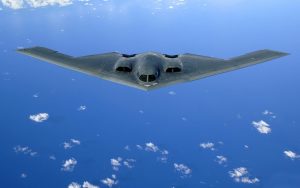
The truth is that the B-2 has indeed been used in multiple real-world combat scenarios. Its ability to strike from long distances with precision-guided weapons has made it a valuable asset in U.S. military operations. In this article, we’ll explore the history of the B-2 in combat, the missions it has flown, and its role in modern warfare.
By the end, you will have a clear understanding of how this stealth bomber has been deployed, what impact it has had on conflicts, and why it remains a symbol of American air power.
Has The B-2 Ever Seen Combat?
Early Combat Operations – Kosovo 1999
The B-2 Spirit’s first combat use occurred during the NATO bombing campaign in Kosovo in 1999. The aircraft flew nonstop from Whiteman Air Force Base in Missouri to the Balkans, covering over 30 hours of flight time. This demonstrated its unique ability to strike targets across the globe without needing foreign bases.
During this campaign, B-2 bombers dropped precision-guided JDAM bombs, which were new at the time. Reports showed that the B-2s had a remarkable 90% mission success rate, setting a new standard for long-range stealth strikes. The bomber’s radar-evading technology allowed it to hit targets that other aircraft would have struggled to reach.
The Kosovo campaign proved that the B-2 was not just a “showpiece,” but a real operational tool. Its success in Europe earned it global recognition and validated billions of dollars in development costs.
Use in the Iraq War 2003
The B-2 was also critical in the 2003 invasion of Iraq. It was used in the opening stages of the conflict, known as the “Shock and Awe” campaign. Its role was to deliver devastating blows to key infrastructure, air defenses, and command centers.
B-2 bombers again flew nonstop missions from the United States, using in-air refueling to extend their operational reach. They carried advanced JDAM bombs capable of hitting underground bunkers and fortified structures. Their stealth ability made them ideal for striking heavily defended areas in Baghdad.
This combat operation reinforced the aircraft’s role as a strategic weapon. By destroying high-value targets in the opening hours of the war, the B-2 helped pave the way for coalition forces on the ground.
Role in the Afghanistan War
After the September 11, 2001 terrorist attacks, the United States launched Operation Enduring Freedom in Afghanistan. The B-2 bomber played a crucial role in these missions by targeting Taliban strongholds, al-Qaeda training camps, and caves. Its long endurance meant it could fly missions lasting over 40 hours with mid-air refueling.
Unlike other bombers, the B-2 could operate in high-threat environments without being detected. This gave the U.S. military a decisive edge in neutralizing targets hidden in rugged mountains. Its precision strikes reduced collateral damage compared to older bombing techniques.
Statistics show that the B-2 contributed significantly to the destruction of Taliban command structures. Its deployment highlighted the bomber’s flexibility, moving from Cold War deterrence to counterterrorism operations.
B-2 in Libya 2011
The 2011 NATO intervention in Libya saw the B-2 once again take center stage. In the early hours of the campaign, three B-2 bombers flew from Missouri to North Africa. Their mission was to destroy Libyan air defense systems and runways, effectively crippling Gaddafi’s ability to respond.
Reports indicated that these three aircraft dropped more than 40 bombs on Libyan military airfields in a single run. The precision and surprise of the attacks left Libyan forces unable to mount an effective counterstrike. This showed the value of stealth bombers in opening a conflict by eliminating threats before conventional aircraft could enter.
The Libya mission also underscored the U.S. Air Force’s global reach. The B-2’s involvement ensured NATO air superiority and minimized risks for allied pilots.
Modern Relevance of the B-2
Even though the B-2 has been in service for decades, it remains one of the most capable bombers in the world. Its stealth technology, combined with precision weaponry, makes it effective in both traditional wars and modern asymmetric conflicts. The bomber continues to undergo upgrades, including improved radar and defensive systems.
Military analysts often stress that the B-2 acts not just as a combat aircraft but also as a deterrent. Its presence alone can discourage adversaries from escalating conflicts, knowing the U.S. can strike anywhere in the world within hours.
The B-2’s combat history proves that it is not just a Cold War relic but an active tool of 21st-century warfare. However, it will eventually be replaced by the B-21 Raider, expected to enter service in the mid-2020s.
Has The B-2 Ever Seen Combat FAQs
1. Has the B-2 Spirit ever been used in combat?
Yes, the B-2 has been used in Kosovo, Iraq, Afghanistan, and Libya.
2. How many B-2 bombers exist?
Only 21 were built, and about 20 remain in service.
3. How far can a B-2 fly without refueling?
It has a range of about 6,000 nautical miles, extendable with aerial refueling.
4. What weapons does the B-2 carry in combat?
It carries nuclear bombs, JDAM precision-guided bombs, and bunker-busting munitions.
5. Was the B-2 effective in Kosovo?
Yes, with a reported 90% mission success rate.
6. Why is the B-2 still important today?
Its stealth and precision make it valuable for modern warfare and deterrence.
7. Will the B-2 be retired soon?
Yes, it will eventually be replaced by the B-21 Raider in the next decade.
Conclusion
The B-2 Spirit bomber has seen significant combat action since its introduction. From Kosovo in 1999 to Libya in 2011, it has proven its ability to deliver precise, long-range strikes against critical targets. Its role in Iraq and Afghanistan further emphasized its value in both conventional and asymmetric warfare.
While the aircraft is set to be replaced by the B-21 Raider, the B-2’s combat record cements its place in aviation history. It remains a symbol of American technological dominance and military power.
The story of the B-2 shows how innovation can reshape warfare and ensure strategic advantage. For defense enthusiasts, understanding its role in combat offers insight into modern military strategy. If you want to stay updated on aviation and defense developments, continue following trusted defense sources for the latest updates.
Why Is The B-2 Being Retired? Find 10 Best Reasons
The B-2 Spirit stealth bomber is one of the most iconic aircraft in the history of aviation. Known for its futuristic flying wing design and radar-evading capabilities, it has been the backbone of U.S. strategic power for over 30 years. However, as advanced as the B-2 is, the United States Air Force has decided to retire it in the coming years.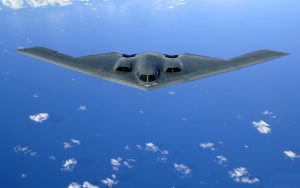
This decision has sparked debate among aviation experts, defense analysts, and the general public. People often wonder why a bomber that cost nearly $2.13 billion per unit and is still considered highly advanced would be phased out. The answer lies in a combination of cost, maintenance, technological upgrades, and the arrival of its successor, the B-21 Raider.
In this detailed article, we’ll explore the 10 best reasons why the B-2 is being retired, with each reason broken down into three sections for clarity. We will also provide statistics, pros, and cons to better understand the decision. By the end, you’ll see how retirement is less about weakness and more about the evolution of airpower.
Why Is The B-2 Being Retired? Find 10 Best Reasons
1. High Maintenance Costs –
The B-2 bomber requires extremely specialized care, which makes it one of the most expensive aircraft in the U.S. Air Force. Maintaining its radar-absorbing stealth coating alone costs millions of dollars per year. Reports show that the average cost per flight hour is about $122,000, compared to the B-52’s $70,000.
Because only 20 B-2s remain in service, supply chains are limited, and each spare part is costly. The Air Force has struggled with logistics since no new B-2s are being built. This scarcity increases expenses dramatically.
The Pentagon has determined that retiring the B-2 will save billions in long-term operating costs. This allows resources to be reallocated to newer stealth bombers like the B-21 Raider, which promise lower maintenance demands.
Pros:
- Saves money
- Reduces logistics
- Streamlined fleet
- Increases efficiency
- Easier upgrades
- Lower risks
- Better resource use
Cons:
- High initial cost
- Legacy issues
- Parts scarcity
2. Limited Fleet Size
Only 21 B-2 bombers were ever built, and one was lost in a 2008 crash, leaving just 20 in active service. This small number makes them extremely vulnerable from a strategic perspective. If even a few were grounded, America’s stealth strike capability would be severely reduced.
By contrast, the B-52 fleet has over 70 active units and is still being modernized. The B-2’s rarity makes it harder to deploy widely in missions or maintain readiness at all times. With such limited numbers, they cannot be everywhere they are needed.
The Air Force wants a larger, more flexible fleet with the B-21 Raider, which is expected to be built in greater numbers. A bigger fleet ensures broader mission coverage and less vulnerability to losses.
Pros:
- Rare aircraft
- Elite status
- Strong deterrence
- High capability
- Proven design
- Combat tested
- Iconic image
Cons:
- Too few
- Easily grounded
- Not scalable
3. Technological Aging
The B-2 entered service in 1997, which means its core technology is now nearly 30 years old. While still highly advanced, some systems no longer meet modern electronic warfare threats. Rivals like China and Russia have developed improved radars that challenge its stealth advantage.
Modern bombers must integrate advanced sensors, AI-driven systems, and cyber-resilience. The B-2’s structure makes it difficult to adapt these rapidly without costly redesigns. Statistics show that upgrade projects for the B-2 can exceed $1 billion per modernization cycle.
The B-21 Raider has been designed with adaptability in mind, making it easier to incorporate future technologies. This ensures it will remain relevant for decades, unlike the aging B-2 platform.
Pros:
- Still stealthy
- Modernized before
- Nuclear capable
- Long range
- Global reach
- Combat proven
- Iconic status
Cons:
- Aging tech
- Upgrade costly
- Limited adaptability
4. Successor Introduction
The biggest reason for retirement is the arrival of the B-21 Raider, which will gradually replace the B-2. The Raider is designed to be cheaper, stealthier, and easier to maintain. Unlike the B-2, the B-21 will be produced in larger numbers.
The U.S. Air Force wants to streamline its bomber fleet by focusing on the B-52 and the B-21, retiring both the B-1 and B-2. This approach saves resources and creates a more unified, modern fleet. Reports suggest the Air Force may purchase at least 100 B-21 Raiders.
The transition ensures that the U.S. maintains air superiority while lowering costs and risks. The B-21 is built with lessons learned from decades of B-2 operations.
Pros:
- Cheaper ops
- Larger fleet
- Future proof
- Easier upkeep
- Advanced stealth
- Flexible missions
- Long lifespan
Cons:
- B-2 sidelined
- Expensive program
- Risk of delays
5. Expensive Stealth Coating
The B-2’s stealth relies heavily on its radar-absorbing coating, which is highly sensitive. Maintaining it requires specialized hangars and constant attention. Even slight damage can compromise the bomber’s invisibility.
On average, B-2s spend more time in maintenance than in flight. Studies show they require 119 hours of maintenance per flight hour, much higher than other aircraft. This makes them costly and less practical for frequent missions.
The B-21 has been designed with more durable stealth materials, reducing the need for constant upkeep. This will drastically lower operational costs.
Pros:
- Powerful stealth
- Proven in war
- Strategic edge
- Elite image
- Global reach
- Effective missions
- Trusted design
Cons:
- Coating fragile
- Costly repairs
- Long downtime
6. Operational Costs
Every time a B-2 flies, it racks up massive expenses. The $122,000 per hour cost makes it one of the most expensive aircraft in the world. This figure includes fuel, maintenance, and support infrastructure.
Comparatively, the B-52 and future B-21 cost significantly less per flight. For an Air Force operating on finite budgets, this makes the B-2 less sustainable. The money saved could fund multiple missions with other aircraft.
With national defense budgets stretched thin, efficiency is crucial. Phasing out the B-2 is a strategic financial decision.
Pros:
- Powerful bomber
- Combat tested
- Nuclear capable
- Long range
- Elite status
- Deterrence tool
- Proven record
Cons:
- High cost
- Less efficient
- Budget strain
7. Vulnerability in Modern Warfare
The B-2 was once nearly invisible to enemy radar, but modern detection systems have improved. Adversaries like China are deploying over-the-horizon radars that can pick up stealth aircraft. This reduces the B-2’s effectiveness in contested airspace.
Additionally, cyber threats and electronic warfare pose new risks that were not considered when the B-2 was designed. Updating it to resist these threats is extremely expensive. The B-21 has been designed with these future threats in mind.
For the Air Force, it makes sense to retire an aircraft whose greatest advantage is slowly eroding.
Pros:
- Stealth edge
- Effective history
- Strong deterrent
- High prestige
- Combat record
- Nuclear role
- Trusted asset
Cons:
- Radar threats
- Cyber risks
- Lower advantage
8. Limited Mission Flexibility
The B-2 excels at strategic bombing, but it is not versatile for other roles. Unlike fighters or drones, it cannot provide close air support or flexible tactical missions. It is specialized for high-value strikes.
Modern military needs emphasize multi-role aircraft that can adapt quickly. The B-2’s limited scope reduces its value in a dynamic battlefield. This lack of flexibility is a key reason for replacement.
The B-21 will address these gaps by offering both nuclear and conventional mission options with greater adaptability.
Pros:
- Nuclear role
- Long range
- High precision
- Stealth advantage
- Global strike
- Elite force
- Deterrent value
Cons:
- Single role
- Less versatile
- Not scalable
9. Infrastructure Demands
The B-2 requires specialized hangars to maintain its stealth coating. These hangars must be climate-controlled, costing millions to build and operate. Only a handful of bases in the world can support B-2 operations.
This makes deployment logistically complicated and limits operational flexibility. The B-2 cannot be stationed at forward bases without immense cost. In contrast, the B-21 is expected to be more adaptable.
By retiring the B-2, the Air Force reduces reliance on costly infrastructure. This increases efficiency and global readiness.
Pros:
- Specialized bases
- Advanced care
- Controlled upkeep
- Elite hangars
- Secure handling
- High-tech image
- Stable environment
Cons:
- Expensive bases
- Limited reach
- Less flexible
10. Future-Oriented Strategy
The U.S. military is shifting toward future threats, including hypersonic weapons, advanced drones, and next-generation stealth bombers. The B-2, while advanced, belongs to a previous era. Retiring it frees resources for future technologies.
Statistics show that modernization programs cost the Pentagon over $10 billion annually. By reducing legacy systems, these funds can support cutting-edge innovations. The Air Force wants to focus on aircraft that will dominate battlefields for decades.
The retirement of the B-2 is not an end but an evolution in strategy. The U.S. is ensuring that its bomber fleet remains the best in the world.
Pros:
- Future ready
- Saves funds
- Streamlined force
- Tech evolution
- Long-term view
- Strategic planning
- Better focus
Cons:
- Legacy loss
- Costly shift
- Risky transition
Why Is The B-2 Being Retired FAQs
1. When will the B-2 be retired?
The B-2 is expected to retire in the early 2030s as the B-21 Raider enters service in greater numbers.
2. How many B-2 bombers are left?
There are currently 20 operational B-2 bombers in the U.S. Air Force fleet.
3. How much does it cost to fly a B-2?
On average, it costs about $122,000 per flight hour, making it one of the most expensive aircraft to operate.
4. Will the B-2 be replaced by the B-21?
Yes, the B-21 Raider is designed as the direct successor to the B-2, offering improved stealth and lower costs.
5. Has the B-2 ever been used in combat?
Yes, the B-2 has been used in Kosovo, Iraq, Afghanistan, and Libya for strategic bombing missions.
6. Why not just upgrade the B-2 instead of retiring it?
Upgrades are extremely costly, and the aircraft’s aging design limits adaptability compared to a new bomber.
7. How many B-21 Raiders will be built?
The Air Force plans to purchase at least 100 B-21 Raiders, with potential for more.
Conclusion
The retirement of the B-2 bomber may seem surprising given its legendary status, but it is a practical decision rooted in cost, technology, and future readiness. With high maintenance demands, limited numbers, and aging systems, the B-2 is no longer the most sustainable option. The Air Force is shifting toward the B-21 Raider, a bomber designed for the threats of tomorrow.
This transition reflects the U.S. military’s commitment to maintaining air dominance in an evolving world. While the B-2 will always remain a symbol of American innovation, its retirement marks the beginning of a new era.
If you are interested in military aviation and future airpower, continue following updates on the B-21 Raider and strategic defense programs. Staying informed ensures you understand not only history but also the direction of global security.
Do B-2 Bombers Have Toilets?
The B-2 Spirit, often referred to simply as the B-2 bomber, is one of the most advanced and secretive aircraft in the world. Built by Northrop Grumman and operated by the United States Air Force, this stealth bomber is designed for long-range missions, including the potential delivery of nuclear weapons.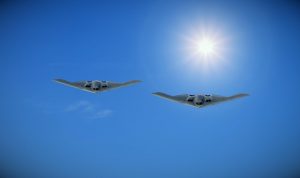
Known for its flying wing design and radar-evading technology, the B-2 has fascinated aviation enthusiasts, defense analysts, and the general public for decades.
One common and surprisingly practical question often asked is: Do B-2 bombers have toilets? The question may seem unusual at first glance, but when considering that B-2 missions can last up to 40 or even 50 continuous hours, it becomes clear why the issue of crew comfort, hygiene, and endurance is so important.
After all, pilots must remain alert and functional during missions that stretch across continents and oceans.
This article provides a comprehensive exploration of whether B-2 bombers have toilets, how crews manage personal needs during ultra-long flights, the design considerations that go into such aircraft, and how the military balances stealth technology with crew welfare.
We’ll also cover comparisons with other bombers, the psychological and physical demands placed on pilots, and what innovations may come with the B-21 Raider, the B-2’s successor.
Do B-2 Bombers Have Toilets?
The Reality of Toilets on B-2 Bombers
To answer the question directly: Yes, B-2 bombers do have a toilet, but it is not like a standard restroom you might imagine.
The B-2 bomber’s interior is not spacious—it was built for stealth, not comfort. The crew compartment has only enough room for two pilots, with seats placed side by side. Space is extremely limited, so rather than a fully equipped lavatory, B-2s are equipped with a very basic toilet solution.
The “toilet” inside a B-2 is essentially a stainless-steel bucket with a seat attached to it. It can be covered for privacy with a small curtain, but the setup is far from luxurious. The bucket system is similar to what one might find in survival or camping gear, designed for practicality rather than comfort.
This arrangement may sound primitive considering the bomber’s $2 billion price tag, but it reflects the design philosophy of military aircraft: prioritize stealth, performance, and mission success over comfort. Still, the existence of even a simple toilet is essential for missions that can last nearly two full days.
Why Toilets Are Necessary on B-2 Bombers
Ultra-Long Missions
The B-2 is designed to fly directly from the continental U.S. to virtually any location on Earth and return without landing, thanks to aerial refueling. During the opening days of the Afghanistan conflict in 2001, B-2 bombers flew 44-hour missions from Missouri to Afghanistan and back. Without a toilet, such missions would be physically impossible for the crew.
Maintaining Focus and Health
Pilot performance is critical for mission success. Dehydration, discomfort, or the inability to relieve oneself would compromise alertness and decision-making. Having a basic lavatory system ensures that pilots can maintain their physical health and stay focused on operating one of the most complex aircraft in the world.
Comparisons to Other Aircraft
Other long-range aircraft, such as the B-52 Stratofortress and the B-1 Lancer, also have toilet facilities. The B-52, being much larger, offers more space and somewhat better accommodations for its crew. In comparison, the B-2’s setup is minimal, reflecting its stealth-focused design.
Crew Life Inside the B-2
Life inside a B-2 bomber during a mission is demanding. With only two pilots sharing the cockpit for potentially two days, space is tight and conditions are mentally and physically stressful.
The pilots rotate responsibilities, with one flying the aircraft while the other rests, eats, or takes a break. The cockpit has a small area where a sleeping bag can be rolled out on the floor, though it’s far from comfortable. Meals are typically military rations (MREs), snacks, or simple pre-packed foods, stored in small compartments.
When it comes to bathroom use, privacy is limited. The curtain around the toilet bucket provides some separation, but in such close quarters, pilots must be professional and efficient about handling necessities. This setup is a stark reminder that even in one of the most sophisticated aircraft ever built, the human factor requires very simple solutions.
The Psychological Challenge of Long Missions
Flying a B-2 for extended missions is not just a physical challenge but also a psychological one. Spending up to 50 hours in a confined space with one other crew member requires mental toughness, trust, and discipline.
The availability of a basic toilet reduces one potential source of stress, allowing pilots to focus on their mission rather than worrying about personal discomfort. This highlights an important aspect of military aviation: success is not just about advanced machinery, but also about ensuring that the humans operating it can perform effectively.
Furthermore, the Air Force provides extensive training for pilots to prepare them for long missions, including strategies for managing fatigue, maintaining alertness, and handling the stresses of confinement.
Comparisons with Commercial Aviation
For context, long-haul commercial flights usually last 12–16 hours, with multiple restrooms available for passengers and crew. In contrast, B-2 missions can last more than twice that length, yet provide only a bucket toilet for two crew members.
The stark difference underscores the purpose of the B-2: it is not designed for comfort but for strategic effectiveness. While commercial aircraft focus on passenger convenience and safety, the B-2’s design is about stealth and endurance, with just enough human accommodations to make the mission possible.
The Future: Will the B-21 Raider Have Better Facilities?
The upcoming B-21 Raider, designed as the successor to the B-2, is expected to improve on many aspects of bomber design, including efficiency, maintainability, and crew comfort. While specific details remain classified, defense analysts speculate that the B-21 may include slightly more ergonomic crew accommodations.
Given lessons learned from decades of B-2 operations, it is reasonable to expect that the Air Force has considered improvements in long-mission comfort, possibly including a more functional lavatory system. However, like the B-2, stealth and mission performance will remain top priorities, so improvements may still be limited.
Do B-2 Bombers Have Toilets FAQs
1. Do B-2 bombers actually have toilets?
Yes, but not a traditional lavatory. They use a bucket system with a seat, covered by a privacy curtain.
2. How do B-2 pilots handle long missions?
They rotate responsibilities, eat packed meals, sleep in shifts, and use the bucket toilet when necessary. Missions can last over 40 hours.
3. Why don’t B-2 bombers have proper bathrooms?
Space and stealth design restrictions prevent adding full facilities. The focus is on mission capability, not comfort.
4. What do B-2 pilots eat during missions?
They typically eat MREs (Meals Ready-to-Eat), snacks, or packaged food. There’s no kitchen or galley onboard.
5. How do B-2 toilets compare to those on other bombers?
B-52s and B-1s have slightly more space and better facilities, but the B-2 is far more limited due to its compact design.
6. What happens if the toilet system fails?
Pilots rely on backup solutions such as bags designed for waste collection, which are common in military aviation survival kits.
7. Will the B-21 Raider have toilets?
While unconfirmed, it is expected to have at least the same level of facilities as the B-2, with potential improvements for crew comfort.
Conclusion
So, do B-2 bombers have toilets? Yes, but only in the most basic form—a bucket system with a privacy curtain. While this may seem primitive for an aircraft worth billions of dollars, it reflects the aircraft’s true purpose: stealth, endurance, and mission effectiveness over comfort. The B-2’s design prioritizes radar evasion and long-range strike capability, leaving little space for luxury.
For the pilots who fly missions lasting nearly two days, the simple toilet setup is an essential feature that enables them to focus on their duties. Despite the limited comfort, the B-2 remains one of the most effective and feared aircraft in the world.
As the U.S. Air Force transitions toward the B-21 Raider, it is likely that crew accommodations, including lavatories, will see modest improvements. However, the lesson of the B-2 is clear: when designing advanced aircraft, practicality and mission success always come before comfort.
If you are fascinated by military aviation and the unique challenges faced by pilots, keep exploring more about the B-2 and its successor. Understanding both the technology and the human experience behind these aircraft gives us a complete picture of how the U.S. maintains global air dominance.
Has The US Ever Lost A B-2 Bomber? A Complete Annaylis
The B-2 Spirit stealth bomber, manufactured by Northrop Grumman, is one of the most advanced and expensive military aircraft ever built by the United States. Known for its flying wing design and radar-evading stealth technology, the B-2 represents the pinnacle of strategic bomber engineering. First introduced in 1997, only 21 units were ever produced, making it one of the rarest aircraft in military history.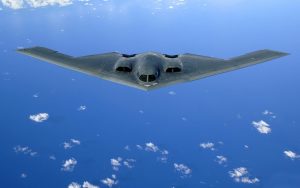
With a price tag of over $2 billion per aircraft, questions about whether the U.S. has ever lost a B-2 bomber carry both financial and strategic weight. The loss of a B-2 would not only be a blow to U.S. military power but also a symbol of vulnerability for one of America’s most secretive and prized weapons.
Over the years, there have been incidents involving the B-2, and understanding them gives insight into the challenges of operating such a sophisticated aircraft. This article explores the history of B-2 operations, examines accidents and losses, and explains how the U.S. has managed to safeguard these bombers despite their age.
By the end of this article, you will have a detailed answer to the question: Has the U.S. ever lost a B-2 bomber? Alongside that, you’ll learn about the causes of accidents, the military response, the costs associated with losses, and how the U.S. ensures these bombers remain in service as a critical part of its nuclear triad.
Has The US Ever Lost A B-2 Bomber? A Complete Annaylis
History of the B-2 Spirit
The B-2 Spirit was designed during the Cold War as part of the U.S. Air Force’s Advanced Technology Bomber program. Its primary mission was to penetrate sophisticated Soviet air defense systems and deliver nuclear or conventional weapons with near impunity. The aircraft features low observable technology, radar-absorbing materials, and a unique flying wing shape that minimizes radar cross-section.
When it first entered service in 1997, the B-2 was seen as a revolutionary leap in strategic bombing. Unlike its predecessor, the B-52 Stratofortress, which relied on brute force and numbers, the B-2 was built on stealth and precision. Today, the fleet is based at Whiteman Air Force Base in Missouri, with global reach thanks to mid-air refueling capabilities.
Due to its limited production run and the secrecy surrounding its technology, the B-2 is considered one of the most closely guarded assets in the U.S. military arsenal. With only 21 aircraft ever built and 20 remaining in service, every single loss is deeply significant both strategically and financially.
Documented Losses of the B-2 Spirit
The direct answer is: Yes, the U.S. has lost B-2 bombers.
The Guam Crash (2008)
On February 23, 2008, a B-2 Spirit nicknamed Spirit of Kansas crashed at Andersen Air Force Base in Guam. Both pilots successfully ejected, but the aircraft was completely destroyed. This marked the first-ever crash of a B-2 bomber and represented the loss of nearly $1.4 billion.
The cause was later traced to moisture affecting the aircraft’s sensors, which provided incorrect data during takeoff. As a result, the plane stalled and crashed shortly after leaving the runway. The U.S. Air Force grounded the B-2 fleet for 53 days while investigating and correcting the issue.
This incident highlighted the risks of operating such a technologically sensitive aircraft and underscored the extreme cost of mistakes.
The Whiteman Fire (2022)
On December 10, 2022, a B-2 Spirit made an emergency landing at Whiteman Air Force Base in Missouri. After landing, the aircraft caught fire and sustained significant damage. While this incident did not result in the complete destruction of the bomber, it took the aircraft out of service for an extended period, costing millions in repairs.
This accident again forced the Air Force to temporarily ground the fleet for safety checks. It showed that even decades after their introduction, the B-2s remain vulnerable to mechanical and operational risks.
Additional Incidents
Beyond the major Guam crash and Whiteman fire, there have been minor operational issues, such as landing gear malfunctions and minor fires. However, these did not result in total aircraft losses.
Currently, out of the 21 B-2 bombers built, only 20 remain operational, meaning the U.S. has lost at least one bomber permanently in its history.
Strategic and Financial Impact of Losing a B-2
Losing a B-2 bomber has enormous consequences. First, the financial impact is staggering—each aircraft costs more than $2 billion when factoring in development, maintenance, and upgrades. When the Spirit of Kansas was lost in 2008, it represented the most expensive crash in aviation history.
From a strategic perspective, the B-2 is central to America’s nuclear deterrence. Losing even one reduces the fleet’s size and stretches maintenance schedules for the remaining bombers. Because the aircraft is not being produced anymore, each loss is permanent and irreplaceable.
Politically, these incidents also raise questions about the sustainability of America’s reliance on expensive stealth technology. Critics argue that the high cost and fragility of the B-2 could undermine its strategic value compared to cheaper, more versatile systems.
Measures Taken to Prevent Future Losses
After each incident, the Air Force has invested heavily in preventing similar accidents. Following the Guam crash, engineers redesigned certain sensors and improved moisture protection. After the Whiteman fire, additional inspection protocols were put in place for emergency landings.
The U.S. also invests in extensive pilot training, simulation exercises, and regular aircraft maintenance to reduce risks. Since B-2s fly relatively few missions each year compared to other bombers, wear and tear is minimized.
Moreover, the development of the B-21 Raider, the B-2’s successor, is partly driven by lessons learned from B-2 operations. The B-21 is expected to be cheaper, easier to maintain, and more resilient against potential failures.
Why the B-2 Is Still Critical Despite Losses
Despite the risks and costs, the B-2 remains essential for U.S. military strategy. Its ability to penetrate deep into enemy territory and deliver both nuclear and conventional weapons makes it unmatched globally.
The aircraft has played critical roles in past operations, such as strikes in Kosovo, Iraq, and Afghanistan, where stealth bombing was required to disable enemy defenses early in conflicts. Losing a B-2 does not diminish its importance; rather, it highlights the need for ongoing investment in stealth technology.
As adversaries like China and Russia develop advanced air defense systems, the B-2 continues to provide a strategic edge. Until the B-21 Raider fully replaces it, the B-2 remains one of the most important aircraft in the U.S. arsenal.
Has The US Ever Lost A B-2 Bomber FAQs
1. How many B-2 bombers does the U.S. have left?
The U.S. currently has 20 operational B-2 bombers. One was destroyed in a 2008 crash, and while another was heavily damaged in 2022, it is being repaired.
2. How much does a B-2 bomber cost?
The total program cost averaged about $2.13 billion per aircraft, making the B-2 one of the most expensive airplanes ever built.
3. Has a B-2 bomber ever been shot down in combat?
No, the U.S. has never lost a B-2 bomber to enemy fire. All losses have been due to accidents.
4. Why are there so few B-2 bombers?
Originally, the U.S. planned to build 132 B-2s, but high costs and the end of the Cold War led to production being cut to just 21.
5. What happens if a B-2 crashes?
If a B-2 is destroyed, it is a permanent loss because no new aircraft are being produced. The Air Force investigates every crash to prevent recurrence.
6. What is replacing the B-2?
The B-21 Raider, developed by Northrop Grumman, is expected to gradually replace the B-2 starting in the mid-2020s.
7. How often do B-2 bombers fly?
Due to their high cost and specialized role, B-2s do not fly as often as other bombers. They are used sparingly for high-priority missions and training exercises.
Conclusion
So, has the U.S. ever lost a B-2 bomber? The answer is yes. At least one B-2 Spirit has been destroyed in an accident, and others have sustained serious damage in recent years. Each loss carries enormous financial, strategic, and symbolic weight, given the bomber’s unique capabilities and irreplaceable nature.
Despite these challenges, the B-2 remains a cornerstone of American military power, providing stealth and precision that no other aircraft can match. The ongoing development of the B-21 Raider ensures that the lessons learned from B-2 operations will shape the future of strategic bombing.
As military threats evolve, the importance of safeguarding the B-2 fleet remains as critical as ever. If you’re fascinated by military technology and strategic defense, continue exploring reliable sources and stay updated on developments around the B-21 Raider. Knowledge of these aircraft isn’t just history—it’s a window into the future of global security.