Minot, North Dakota, also called the “Magic City”, has steadily become a place where families, professionals, and retirees consider settling down. Known for its unique blend of small-town charm and regional economic influence, Minot provides residents with both convenience and opportunity.
With a population of around 48,000 people according to the U.S. Census Bureau (2023), Minot is the fourth-largest city in North Dakota.The city is home to Minot Air Force Base, which plays a huge role in its economy and diversity.
Its growing infrastructure, educational institutions, and affordable housing market make it attractive to people seeking a balanced lifestyle.
Moreover, Minot is located in north-central North Dakota, giving easy access to both Canadian and U.S. major cities.
This guide highlights the 10 best reasons why Minot is a good place to live, so you can make an informed decision. Each section explores lifestyle, opportunities, and growth potential.
Let’s discover why more people are seeing Minot as a great place to call home.
Is Minot North Dakota A Good Place To Live?
1. Affordable Cost of Living – Minot North Dakota
Living in Minot is far more affordable compared to other U.S. cities. According to BestPlaces.net, the overall cost of living index in Minot is 89.7, which is lower than the national average of 100. Housing in particular is about 20% cheaper compared to the U.S. average, making it appealing for families and first-time homeowners.
Affordable costs also extend to groceries, healthcare, and utilities. This means that residents can enjoy a comfortable lifestyle without overstretching their finances. For people relocating from larger metro areas, the difference in housing prices is often significant.
Renters and buyers alike benefit from Minot’s housing market, where the median home cost is around $220,000 (Zillow 2023). The affordable cost of living makes Minot attractive for retirees, young families, and professionals starting out.
Pros:
• Lower housing
• Affordable food
• Cheaper utilities
• Low taxes
• More savings
• Budget-friendly
• Family appeal
Cons:
• Lower wages
• Limited luxury
• Higher heating
2. Strong Employment Opportunities – Minot North Dakota
Minot’s economy is supported by Minot Air Force Base, healthcare, education, and the energy industry. According to the Bureau of Labor Statistics, the unemployment rate in Minot was 2.3% in 2023, which is much lower than the national average of 3.6%. This shows strong job stability for residents.
Healthcare and education sectors are among the city’s largest employers. Trinity Health, Minot Public Schools, and Minot State University provide thousands of jobs annually. The military base also contributes to thousands of civilian and active-duty positions.
The oil and energy industries further support the region’s economy, attracting skilled workers. With job availability in multiple industries, Minot is a good place for career growth and long-term employment stability.
Pros:
• Low unemployment
• Military jobs
• Healthcare work
• Energy sector
• Stable economy
• Growing industries
• Education roles
Cons:
• Limited tech
• Seasonal jobs
• Competitive hiring
3. Quality Education System – Minot North Dakota
Education is a priority in Minot, with Minot Public Schools serving over 7,500 students across multiple schools. The system is known for good student-teacher ratios and a strong focus on extracurricular programs. Minot High School is one of the largest schools in the state, offering students a wide range of academic opportunities.
Higher education is represented by Minot State University, which has more than 2,800 students enrolled. The university is well-regarded for its nursing, education, and business programs. It attracts students locally and internationally, adding diversity to the city.
The availability of both strong public schools and higher education makes Minot a great place for families and lifelong learners. It provides opportunities for both local and international students.
Pros:
• Good schools
• State university
• Strong programs
• Student diversity
• Extracurriculars
• Smaller classes
• Lifelong learning
Cons:
• Limited majors
• Rural funding
• Fewer colleges
4. Safe and Family-Friendly Environment – Minot North Dakota
Safety is a major concern for families, and Minot delivers well in this area. According to NeighborhoodScout, Minot’s crime rate is lower than the U.S. average for violent crime. This makes it appealing for people who value peace and security.
Family-friendly neighborhoods with parks, playgrounds, and community centers are abundant. Roosevelt Park Zoo and Oak Park provide safe and fun recreational opportunities for children and adults. The strong presence of the Air Force Base adds to the city’s sense of security.
Many surveys indicate that Minot is considered one of the most family-oriented cities in North Dakota. With well-planned infrastructure and safe schools, parents find it a suitable place to raise children.
Pros:
• Low crime
• Safe schools
• Family parks
• Community feel
• Military presence
• Kid-friendly
• Peaceful living
Cons:
• Limited nightlife
• Fewer malls
• Smaller crowds
5. Cultural Diversity and Events – Minot North Dakota
Minot is home to one of the largest cultural festivals in the Midwest – the Norsk Høstfest, celebrating Scandinavian heritage. The event attracts over 60,000 visitors annually, boosting the city’s tourism and cultural relevance. Such celebrations highlight Minot’s diversity and international appeal.
The city also hosts a variety of arts and music events, from local theater to international performances. The Taube Museum of Art and Minot Symphony Orchestra are cultural highlights. These institutions provide both locals and visitors with access to enriching experiences.
Cultural diversity is further enhanced by the international community tied to Minot Air Force Base. This brings in people from different states and countries, making the city culturally rich.
Pros:
• Cultural festivals
• Arts scene
• Music events
• International mix
• Local museums
• Tourist draw
• Community pride
Cons:
• Seasonal events
• Small venues
• Limited nightlife
6. Growing Healthcare Access – Minot North Dakota
Healthcare in Minot is strong and continues to grow. Trinity Health is the largest healthcare provider in north-central North Dakota, offering specialized services and facilities. This ensures residents have access to high-quality medical care locally.
The presence of clinics, urgent care centers, and specialists reduces the need for residents to travel to Fargo or Bismarck for treatment. Trinity Health is also expanding its facilities, further improving healthcare access. This makes Minot reliable for both routine and emergency care.
With a doctor-to-patient ratio better than many rural regions, Minot stands out as a health hub in its area. The growing healthcare infrastructure improves quality of life and boosts the city’s economy.
Pros:
• Large hospital
• Local clinics
• Specialist care
• Expanding system
• Emergency ready
• Economic boost
• Better access
Cons:
• Limited research
• Smaller network
• Higher costs
7. Outdoor Recreation Opportunities – Minot North Dakota
Minot is surrounded by beautiful natural landscapes that support year-round recreation. From fishing and boating at Lake Darling to hiking and camping in Souris River Valley, outdoor lovers have plenty of choices. Winters offer opportunities for ice skating, hockey, and snowmobiling.
Roosevelt Park Zoo, the Scandinavian Heritage Park, and Oak Park are popular spots for families. These spaces are designed for relaxation, events, and connecting with nature. Outdoor activities contribute to the city’s overall livability.
According to local tourism data, Minot attracts thousands of outdoor enthusiasts annually. Its mix of natural beauty and community parks enhances its appeal as a healthy, active city.
Pros:
• Local parks
• Year-round fun
• Winter sports
• Hiking trails
• Family spots
• Zoo access
• Active living
Cons:
• Harsh winters
• Seasonal limits
• Fewer big lakes
8. Strategic Location – Minot North Dakota
Minot’s central location in North Dakota makes it a strategic hub for transportation and business. U.S. Highway 2 and U.S. Highway 83 intersect in Minot, making it an important regional connector. This location helps both businesses and residents access larger cities.
The city is about 110 miles from Bismarck, the state capital, and around 280 miles from Fargo, the largest city. Its proximity to the Canadian border also provides international trade opportunities. Minot International Airport connects residents to other U.S. hubs conveniently.
This strategic position is one reason why Minot continues to grow economically. Its accessibility supports commerce, travel, and long-term urban development.
Pros:
• Highway access
• Near capital
• Airport hub
• Canada nearby
• Regional trade
• Travel ease
• Economic boost
Cons:
• Remote feel
• Longer drives
• Harsh travel
9. Military Influence and Stability – Minot North Dakota
Minot Air Force Base is one of the largest employers in the region, contributing significantly to the local economy. It houses thousands of active-duty personnel and their families, creating cultural and economic diversity. The military base supports both stability and growth.
The base provides indirect economic benefits by supporting local businesses and services. Restaurants, housing, and retail all thrive because of the military presence. This ensures the city remains economically stable even during tough times.
Minot’s military community also adds to the city’s reputation as safe and disciplined. It fosters a strong sense of patriotism and community service.
Pros:
• Job stability
• Economic boost
• Diverse culture
• Safety presence
• Local spending
• Housing demand
• Patriotic spirit
Cons:
• Deployment stress
• Noise issues
• Base reliance
10. Community Spirit and Growth – Minot North Dakota
Community involvement is strong in Minot, with multiple volunteer organizations and civic groups. Events like Norsk Høstfest, state fairs, and seasonal gatherings foster unity. This community spirit makes Minot more welcoming for newcomers.
Population growth has been steady, supported by both military families and new businesses. According to census data, Minot’s metro area is projected to grow steadily over the next decade. New housing developments and infrastructure improvements reflect this trend.
The combination of community pride and growth makes Minot a promising city for the future. It offers a balance of tradition and modern development.
Pros:
• Friendly locals
• Volunteer groups
• Community events
• Growing metro
• New housing
• Infrastructure rise
• Family bonds
Cons:
• Small scale
• Rural limits
• Fewer options
Is Minot North Dakota A Good Place To Live (FAQs)
1. Is Minot affordable to live in?
Yes, Minot’s cost of living index is 89.7, lower than the U.S. average.
2. Does Minot have good schools?
Yes, Minot Public Schools and Minot State University offer quality education.
3. How safe is Minot for families?
Minot has lower crime rates compared to the U.S. average, making it family-friendly.
4. What job opportunities exist in Minot?
Jobs are available in healthcare, education, energy, and the Air Force Base.
5. Does Minot have healthcare access?
Yes, Trinity Health and other clinics provide advanced healthcare locally.
6. What outdoor activities are available in Minot?
Residents enjoy hiking, fishing, skiing, and parks year-round.
7. Is Minot growing in population?
Yes, Minot’s population is steadily rising, supported by military and businesses.
Conclusion
Minot, North Dakota, offers a unique blend of affordability, safety, opportunity, and culture that makes it an excellent place to live. From its low cost of living to its family-friendly neighborhoods, Minot has something for everyone. The city continues to grow thanks to strong employment opportunities, quality education, and military stability.
Its cultural festivals, outdoor recreation, and healthcare infrastructure add to its overall appeal. Whether you are moving for work, family, or retirement, Minot provides a balance of convenience and quality of life.
If you are considering relocating, Minot is worth serious consideration. Explore its neighborhoods, job market, and community spirit before making your move. With so many benefits, Minot truly stands out as one of the best places to live in North Dakota.
What Is The Closest Major City To Minot?
Minot, North Dakota, is a city that is often referred to as the “Magic City” due to its rapid growth in the early 20th century. Located in north-central North Dakota, Minot is widely recognized for its Air Force Base, vibrant cultural scene, and regional economic significance.
However, many travelers, students, and business people often wonder: What is the closest major city to Minot? Understanding Minot’s proximity to other major cities is important not only for travel planning but also for economic and social purposes.
This helps residents and visitors calculate drive times, access job opportunities, and evaluate connections to larger hubs. According to the U.S. Census Bureau, Minot has a population of over 48,000 residents, making it the fourth-largest city in North Dakota.
This guide explores the ten closest major cities to Minot, breaking down their distance, unique features, and why they matter. Each city is explained with detailed insights, statistics, and pros and cons, so you can have a clear picture of Minot’s accessibility.
What Is The Closest Major City To Minot?
1. Bismarck – Closest Major City to Minot
Bismarck, the capital of North Dakota, is approximately 110 miles south of Minot, making it the nearest major city. The drive along U.S. Highway 83 typically takes about two hours, making it an accessible hub for business and leisure. According to 2023 population data, Bismarck has around 74,000 residents, making it one of the fastest-growing metro areas in the state.
The city is known for its strong government presence, healthcare facilities, and cultural attractions. Bismarck’s economy is largely driven by public administration, energy, and education, providing diverse opportunities for residents and visitors alike. For Minot residents, this proximity makes Bismarck an excellent destination for shopping, healthcare, and cultural events.
Bismarck also offers broader connectivity with its regional airport, which provides multiple flight options that Minot may not have. The city is a central point for political activities, major retail outlets, and larger medical centers. This makes it not just the closest city, but also one of the most useful ones for Minot residents.
Pros:
• Quick drive
• Larger airport
• Better shopping
• Strong healthcare
• Cultural hub
• Government jobs
• Growing metro
Cons:
• Limited nightlife
• Smaller than big metros
• Cold winters
2. Fargo – Largest City in North Dakota
Fargo is about 280 miles southeast of Minot, which equals roughly a 4.5-hour drive via U.S. Highway 52 and Interstate 94. With a population exceeding 132,000 people, Fargo is the largest city in North Dakota. It is often regarded as the economic powerhouse of the state, making it a popular destination for Minot residents.
The city is home to North Dakota State University, thriving businesses, and vibrant arts and culture. Fargo’s economic base is diversified across healthcare, education, manufacturing, and information technology. For Minot residents seeking wider job opportunities or educational advancement, Fargo offers a robust environment.
Additionally, Fargo has a wide array of shopping centers, hospitals, restaurants, and entertainment spots. Its airport offers more flight connections, making travel easier. Many Minot residents often drive to Fargo for specialized services and to enjoy a busier city atmosphere.
Pros:
• Largest city
• Diverse economy
• University hub
• Strong healthcare
• More flights
• Rich culture
• Shopping options
Cons:
• Long drive
• Harsh winters
• Higher costs
3. Grand Forks – College and Cultural City
Grand Forks lies approximately 300 miles east of Minot, which is about a five-hour drive via U.S. Highway 2. The city has a population of around 59,000 people, making it one of the prominent cities in eastern North Dakota. Its location along the Red River makes it a scenic city with a unique cultural presence.
The University of North Dakota (UND) is a central feature of Grand Forks, driving education, research, and sports culture. The Ralph Engelstad Arena, one of the top hockey arenas in the nation, is a highlight of the city. Students from Minot often travel to Grand Forks for higher education opportunities.
Grand Forks is also known for its agriculture-driven economy and has emerging industries in healthcare and technology. Its shopping malls, restaurants, and cultural festivals provide a vibrant lifestyle. Despite being farther than Bismarck or Fargo, it still remains a significant city for Minot residents.
Pros:
• Major university
• Hockey culture
• Scenic river views
• Cultural events
• Healthcare options
• Growing industries
• Student-friendly
Cons:
• Long drive
• Smaller job market
• Flood risks
4. Winnipeg, Canada – International Major City
Winnipeg, located in Manitoba, Canada, is about 310 miles north of Minot, roughly a five-hour drive. With a population of 749,000, Winnipeg is the closest large international city to Minot. Many Minot residents travel here for international experiences, shopping, and cultural exploration.
Winnipeg is a major Canadian hub, featuring top-notch universities, museums, and a thriving business sector. Its economy is diverse, with strengths in trade, transportation, and technology. Being a border city, Minot’s residents often take advantage of cross-border opportunities.
Traveling to Winnipeg allows Minot residents to enjoy international shopping, events, and food experiences that are not available locally. However, crossing the border requires proper documentation such as a passport. Despite the paperwork, Winnipeg remains a unique closest major city option.
Pros:
• Large metro
• International hub
• Rich culture
• Major shopping
• Trade center
• Universities
• Diverse economy
Cons:
• Border crossing
• Currency difference
• Long drive
5. Billings, Montana – Western Commercial Hub
Billings is around 430 miles west of Minot, taking about seven hours by car via U.S. Highway 2 and I-94. It is the largest city in Montana, with a population of about 119,000 people. Billings is often referred to as the economic center of Montana, making it a significant destination.
The city is famous for its energy sector, healthcare facilities, and retail markets. Billings also offers spectacular natural beauty, with nearby attractions like Yellowstone National Park. For Minot residents, Billings represents a gateway to western opportunities and nature exploration.
Billings has a strong economy, excellent healthcare services, and serves as a major retail hub for the region. It also has a large airport with several national flight connections. Though farther away, it offers resources and opportunities not found in Minot.
Pros:
• Economic hub
• Large airport
• Energy sector
• Strong healthcare
• Yellowstone nearby
• Shopping centers
• Scenic landscapes
Cons:
• Long distance
• Higher expenses
• Limited nightlife
6. Minneapolis, Minnesota – Nearest Big U.S. Metro
Minneapolis, part of the Twin Cities metro area, is located about 500 miles southeast of Minot, which translates to around eight hours of driving. With a metro population of more than 3.7 million people, it is the nearest true metropolitan area for Minot residents.
The city is a major hub for finance, technology, and healthcare, offering opportunities not available in North Dakota. Minneapolis is also known for the Mall of America, the largest shopping mall in the United States. For Minot residents, Minneapolis is often the city of choice for big-city experiences.
Minneapolis offers world-class sports, theaters, universities, and business opportunities. Its international airport connects travelers to destinations around the globe. Although it requires a longer trip, Minneapolis provides unmatched access to big-city life.
Pros:
• Huge metro
• International airport
• Mall of America
• Strong economy
• Sports hub
• Major universities
• Diverse culture
Cons:
• Very far
• Traffic issues
• Higher crime
7. Regina, Canada – Nearby Provincial Capital
Regina, the capital of Saskatchewan, Canada, is located approximately 330 miles northwest of Minot, a drive of about five and a half hours. With a population of around 235,000, it is a growing Canadian city with strong ties to agriculture and energy.
The city is a government and cultural hub, offering festivals, shopping malls, and historical attractions. Many Minot residents cross into Canada for international experiences, and Regina is one of the nearest options. Its mix of economic stability and cultural events makes it attractive.
Regina’s airport, educational institutions, and business scene provide a level of diversity beyond what Minot offers. For Minot residents, Regina presents both opportunities and leisure activities. It remains a valuable option for cross-border travel.
Pros:
• Capital city
• Growing economy
• Cultural festivals
• Strong agriculture
• Nearby airport
• Shopping variety
• Educational hub
Cons:
• Border paperwork
• Currency issues
• Long trip
8. Sioux Falls, South Dakota – Midwest Growth City
Sioux Falls is located about 430 miles southeast of Minot, with a driving time of nearly seven hours. With a population of over 214,000 residents, it is South Dakota’s largest city and one of the fastest-growing metros in the Midwest.
The city is recognized for its financial sector, healthcare, and retail markets. Sioux Falls is also home to Falls Park, a natural attraction that draws thousands of visitors each year. For Minot residents, Sioux Falls is a significant destination for work and leisure.
Sioux Falls also features a strong medical sector and expanding industries, making it an attractive place for economic opportunities. Its growth and affordability appeal to families and entrepreneurs alike. Though not as close as Bismarck, it remains one of the more accessible large cities.
Pros:
• Fast-growing
• Largest in state
• Falls Park
• Financial hub
• Strong healthcare
• Affordable living
• Expanding jobs
Cons:
• Far distance
• Smaller nightlife
• Harsh winters
9. Rapid City, South Dakota – Gateway to Black Hills
Rapid City is about 440 miles southwest of Minot, requiring nearly seven hours of driving. With a population of 79,000 people, it is the second-largest city in South Dakota. Its unique location makes it a gateway to the Black Hills and Mount Rushmore.
The city’s economy is supported by tourism, retail, and healthcare. Rapid City is also home to a growing number of cultural institutions, including art centers and museums. For Minot residents, it offers a different mix of natural beauty and city convenience.
Rapid City is popular for its outdoor recreation, tourism-based economy, and proximity to national monuments. It attracts visitors year-round, especially during the summer. While it is farther from Minot, it remains an attractive regional hub.
Pros:
• Black Hills access
• Mount Rushmore
• Tourism hub
• Outdoor activities
• Growing culture
• Strong retail
• Expanding healthcare
Cons:
• Far drive
• Seasonal tourism
• Smaller economy
10. Duluth, Minnesota – Port City on Lake Superior
Duluth is located about 430 miles east of Minot, requiring around seven hours by car. With a population of 86,000 people, Duluth is one of the major port cities on Lake Superior. Its location gives it a unique economic role in shipping and transport.
The city is known for its maritime industry, tourism, and higher education institutions like the University of Minnesota Duluth. Its port handles millions of tons of cargo annually, making it a vital economic hub. For Minot residents, Duluth provides access to water-based activities and trade connections.
Duluth also offers scenic lake views, recreational opportunities, and cultural attractions. It is a popular vacation spot for families across the Midwest. Though farther than Bismarck or Fargo, it remains one of the closest cities with strong economic importance.
Pros:
• Lake Superior
• Maritime hub
• University town
• Scenic views
• Strong tourism
• Trade center
• Outdoor fun
Cons:
• Long trip
• Cold winters
• Limited flights
What Is The Closest Major City To Minot (FAQs)
1. What is the absolute closest major city to Minot?
The closest major city is Bismarck, located about 110 miles south.
2. How long is the drive from Minot to Fargo?
It takes roughly 4.5 hours to drive from Minot to Fargo.
3. Can you reach Winnipeg from Minot without flying?
Yes, Winnipeg is about five hours away by car, though border crossing is required.
4. What is the biggest U.S. metro area near Minot?
The Minneapolis-St. Paul metro, with over 3.7 million residents, is the largest nearby.
5. Which Canadian cities are closest to Minot?
Winnipeg and Regina are both accessible within five to six hours of driving.
6. Why do Minot residents travel to Fargo and Bismarck most often?
Because Fargo and Bismarck offer larger hospitals, shopping centers, and airports.
7. Is Minot itself considered a major city?
No, Minot is classified as a mid-sized city, though it is one of North Dakota’s key urban centers.
Conclusion
Minot may not be the largest city in the Midwest, but its proximity to several major cities makes it strategically positioned. From Bismarck’s government hub to Fargo’s economic engine and even Winnipeg’s international reach, Minot residents and visitors have multiple large urban options nearby. Each city offers unique opportunities, from healthcare and shopping to education and cultural exploration.
Travelers can choose based on their needs—whether they prefer the closest city like Bismarck or the biggest metro like Minneapolis. With so many nearby cities, Minot maintains an important regional role while still offering access to bigger hubs.
If you are planning a move, trip, or business expansion near Minot, understanding its closest major cities will help you make informed decisions.
Start by exploring Bismarck, Fargo, or Winnipeg, depending on whether your goal is convenience, opportunity, or international experience. Minot’s location ensures that you’re never too far from the resources of a major city.
Ministry-Owned Houston Call Center Raided National Religious Leaders Arrested
In recent years, Houston, Texas has become a hub for ministry-related organizations and nonprofit call centers. Many of these operations claim to provide spiritual guidance, charity support, and financial assistance to struggling communities. However, a shocking development has brought one such organization into the national spotlight.
A ministry-owned Houston call center was raided, and several national religious leaders were arrested in connection with alleged fraudulent activities.
The incident has raised serious questions about the credibility of religious organizations, the misuse of faith-based platforms for personal gain, and the responsibility of national leaders when managing funds from their congregations.
This raid not only shook the faith community but also highlighted how easily vulnerable believers can fall victim to manipulation when trust is abused.
This article will take an in-depth look at the background of the raid, the involvement of ministry leaders, the nature of the alleged crimes, and what it means for faith-based organizations moving forward.
Ministry-Owned Houston Call Center Raided National Religious Leaders Arrested
Background of the Houston Call Center
The Houston call center was promoted as a hub of prayer support, counseling services, and financial aid coordination. On the surface, it appeared to be a faith-driven operation providing both spiritual and humanitarian relief. Many religious followers across the United States donated money, believing they were funding outreach programs, disaster relief, and mission work.
Behind the scenes, however, investigators claim that the center was being used for purposes that had little to do with ministry. Authorities allege that donation funds were diverted for personal luxury, political influence, and business expansion that was never disclosed to donors. The discovery came after whistleblowers from within the organization raised concerns about accounting irregularities and unfulfilled promises.
The raid itself came as a result of months of surveillance and undercover work, which revealed connections between the call center and a network of influential religious figures. When federal agents raided the building, they reportedly found financial records, electronic devices, and evidence pointing to nationwide operations.
Why the Raid Shocked the Faith Community
The arrests were not just local; they involved national religious leaders with strong followings across TV broadcasts, online ministries, and mega-church platforms. These individuals had long been seen as role models, guiding millions of Americans through televised sermons and fundraising campaigns.
For many believers, the news was devastating. Trust in spiritual authority is central to religious life, and when leaders are implicated in alleged fraud, the ripple effects touch every member of the community. The fact that donations intended for humanitarian causes may have been misused left many questioning how well faith-based organizations are regulated.
Furthermore, the raid highlighted the lack of transparency in nonprofit and ministry-owned enterprises. While charities are expected to file tax reports, religious organizations often enjoy exemptions that limit government oversight. This incident has sparked debate over whether laws need to change to hold religious groups accountable to the same financial scrutiny as secular nonprofits.
Legal Implications of the Arrests
The religious leaders arrested in connection with the Houston call center face a variety of charges, including wire fraud, money laundering, tax evasion, and conspiracy. These are serious federal offenses, carrying potential penalties ranging from years in prison to millions of dollars in fines.
Prosecutors argue that the ministry leaders knowingly created a scheme to solicit donations under false pretenses. Instead of directing the money to outreach programs, they allegedly channeled it into personal accounts, luxury purchases, and undisclosed investments. Evidence from seized computers and phone records will play a crucial role in building the case.
The legal battle ahead is expected to be long and high-profile. Defense attorneys representing the leaders are already claiming that the government is overreaching and misinterpreting financial data. However, the scale of donations collected—believed to be in the tens of millions of dollars—makes this one of the most significant faith-based fraud cases in recent U.S. history.
Impact on Donors and Believers Nationwide
The direct victims of this alleged fraud are the thousands of donors who gave money in good faith. Many believed their contributions were helping provide food, medical supplies, and relief services to vulnerable communities. Now, those donors face the painful realization that their generosity may have been exploited.
Some donors are considering lawsuits to recover lost funds. Others, however, are more concerned about the emotional and spiritual betrayal. For people who relied on these ministries for hope, the scandal has created deep disillusionment. Loyalty to religious institutions is being tested in ways not seen in decades.
On a national level, the raid may have far-reaching consequences for how Americans view televangelists, mega-ministries, and nonprofit faith organizations. Calls for reform are growing louder, and the public is demanding greater accountability when religious leaders request financial support from their followers.
How Authorities Uncovered the Alleged Fraud
The investigation into the Houston call center began after multiple complaints were filed with state regulators. Donors reported receiving aggressive fundraising calls that pressured them to give more money while failing to provide clear answers on where the donations were going.
Federal investigators launched an undercover probe, during which agents posed as donors. According to reports, the call center employees followed a scripted sales pitch that exaggerated needs and made promises of blessings in exchange for financial contributions. This manipulation raised red flags and prompted deeper financial audits.
Ultimately, forensic accountants traced the money and discovered suspicious transfers between ministry bank accounts and private accounts owned by leaders. Once evidence mounted, federal prosecutors secured a warrant to raid the Houston facility, leading to the high-profile arrests.
The Future of Ministry-Owned Call Centers
The raid has sparked urgent conversations about the future of ministry-operated call centers and whether they should continue without stronger oversight. Critics argue that such centers have become too vulnerable to exploitation, especially when leaders can solicit funds with little transparency.
Faith-based leaders who operate legitimate ministries are now under pressure to prove their credibility. Many churches and religious nonprofits are reviewing their accounting practices, tightening internal controls, and hiring independent auditors to prevent accusations of fraud.
For the public, this incident serves as a warning to approach donation requests with caution. Experts advise checking a ministry’s financial reports, confirming its nonprofit registration, and verifying whether donations are tax-deductible. Transparency and accountability are becoming essential standards for religious organizations moving forward.
Frequently Asked Questions (FAQs)
1. What ministry-owned call center was raided in Houston?
The call center was a religiously affiliated operation marketed as a hub for prayer, counseling, and fundraising. Authorities allege it was being used to solicit donations under false pretenses and divert funds for personal use.
2. Why were national religious leaders arrested?
Federal prosecutors claim that multiple religious leaders conspired to commit fraud, launder money, and misuse donor funds. Their arrest came after months of investigation and evidence collection.
3. How much money is involved in the alleged fraud?
While exact numbers are still being confirmed, investigators estimate that tens of millions of dollars in donations were misused over several years.
4. What charges are the leaders facing?
The arrested leaders face charges including wire fraud, conspiracy, money laundering, and tax evasion, all of which carry severe penalties under federal law.
5. How are donors affected by the raid?
Donors may have lost money they contributed in good faith. Some are exploring legal avenues for compensation, while others feel spiritually betrayed by leaders they trusted.
6. What does this mean for faith-based nonprofits in the U.S.?
The raid has intensified debates over nonprofit transparency. Many believe stricter financial oversight and accountability laws for religious organizations may soon be introduced.
7. How can donors protect themselves from fraud in the future?
Donors should verify nonprofit registration, review independent audits, and ensure organizations provide transparent annual financial reports before contributing.
Conclusion
The raid of a ministry-owned Houston call center and the subsequent arrests of national religious leaders mark one of the most significant faith-related scandals in recent history. This case serves as both a warning and a turning point for how faith-based organizations are perceived in the U.S. It highlights the dangers of unchecked financial power within religious institutions and the devastating impact of betrayal on loyal believers.
For donors and supporters, vigilance is now more important than ever. Faith should inspire generosity, but generosity must be paired with wisdom and accountability. As this case unfolds, it is clear that stricter regulations and transparency measures are essential to prevent similar abuses in the future.
If you are a donor, take proactive steps to research ministries before giving. Ask tough questions, demand transparency, and hold leaders accountable. By doing so, you can protect your resources and ensure your generosity genuinely supports those in need.
FBI Raids Tampa Mega-Mansion Tied to Church Scam
The recent FBI raid on a Tampa mega-mansion linked to an alleged church scam has shocked both local residents and national audiences. With luxury cars parked outside, lavish interiors, and millions in alleged fraudulent donations, the property became a symbol of how trust can be exploited. This high-profile case has raised urgent questions about financial accountability in religious organizations.
Investigators allege that donations meant for spiritual growth and community programs were instead diverted into personal luxuries. This included designer clothing, real estate, and extravagant parties funded under the guise of faith. Such revelations highlight how easily vulnerable believers can be manipulated under the promise of spiritual reward.
Public reaction has been swift, with community leaders, legal experts, and concerned citizens demanding transparency. The raid has also reignited debates about how religious groups handle donations and the limits of legal protection for churches. For many, the Tampa mansion represents both greed and betrayal.
FBI Raids Tampa Mega-Mansion Tied to Church Scam
1. The Background Of The Tampa Mega-Mansion Case
The mansion, located in one of Tampa’s wealthiest neighborhoods, is valued at several million dollars. According to investigators, it became the central hub for questionable financial activities tied to the church. Funds collected as tithes and offerings allegedly went toward maintaining the luxury property.
Members of the congregation were reportedly encouraged to give “sacrificial offerings” in exchange for promises of prosperity. Former members claim they were pressured to donate beyond their means, with leaders exploiting their faith. Instead of helping the poor, the money allegedly financed luxury lifestyles.
The FBI raid revealed multiple documents, bank records, and hidden safes during its search. Authorities claim these findings support suspicions of wire fraud and money laundering. The case has quickly gained national media coverage due to its scale and shocking details.
Pros:
-
Increased awareness
-
Greater accountability
-
Exposes corruption
-
Protects donors
-
Legal enforcement
-
Media coverage
-
Community vigilance
Cons:
-
Breaches trust
-
Hurts believers
-
Damages reputation
2. How The Alleged Church Scam Operated
According to court filings, church leaders set up multiple shell organizations. These entities made it appear that donations were being distributed to community programs, but the funds were allegedly funneled back into personal accounts. This network created a façade of legitimacy while hiding fraudulent practices.
Authorities believe the scam relied heavily on emotional manipulation. Congregants were told their financial contributions were tied to spiritual breakthroughs, blessings, or healing. Such psychological tactics made it difficult for followers to question the legitimacy of the appeals.
The alleged scheme also used complex banking routes to disguise money transfers. By spreading funds across multiple states and accounts, the operation avoided suspicion for years. Only after whistleblowers came forward did investigators gain traction.
Pros:
-
Legal exposure
-
Reveals tactics
-
Educates donors
-
Informs public
-
Strengthens oversight
-
Protects vulnerable
-
Promotes reform
Cons:
-
Financial harm
-
Exploits faith
-
Hard to detect
3. The Role Of The FBI In The Investigation
The FBI has played a central role in uncovering financial irregularities within the church network. With advanced forensic accounting tools, agents were able to trace the flow of money across shell companies. Their investigation was supported by local law enforcement and federal prosecutors.
FBI agents executed a search warrant on the property, seizing financial records, computers, and luxury items. This raid followed months of surveillance and undercover work. The operation was carried out with precision to ensure evidence would hold in court.
Authorities say the goal is not only to punish the guilty but also to deter future fraudulent activities. By making an example of high-profile cases, the FBI seeks to protect vulnerable citizens from exploitation. The Tampa raid is now part of a broader crackdown on religious financial crimes.
Pros:
-
Professional oversight
-
Forensic expertise
-
Federal resources
-
Strong deterrent
-
Legal authority
-
Reliable process
-
National reach
Cons:
-
Lengthy process
-
Public fear
-
High costs
4. Community Reactions To The Scandal
The raid has left many Tampa residents in disbelief. Neighbors expressed shock at the level of wealth displayed by church leaders, especially given the modest income of many congregants. For some, the case has shattered trust in organized religion.
Current and former church members have shared painful testimonies. Many feel betrayed and exploited after years of donating in good faith. Others expressed relief that authorities are finally addressing long-held suspicions.
Faith leaders in Tampa have also responded, emphasizing that not all religious groups misuse donations. They call for stronger accountability measures to prevent such abuses from reoccurring. The scandal has sparked community-wide conversations about ethics and responsibility.
Pros:
-
Raises awareness
-
Encourages debate
-
Exposes fraud
-
Strengthens trust
-
Promotes justice
-
Empowers victims
-
Public discussion
Cons:
-
Loss of faith
-
Social division
-
Emotional trauma
5. Legal Challenges Facing The Suspects
The individuals tied to the alleged scam now face multiple charges. These include wire fraud, mail fraud, and money laundering, each carrying severe penalties. Convictions could result in lengthy prison sentences and massive fines.
Defense attorneys argue that donations were given voluntarily. They claim the funds were used to support ministry activities, not personal luxuries. However, prosecutors point to evidence of extravagant spending inconsistent with church operations.
The legal process is expected to be long and complex. Expert witnesses, financial analysts, and former church members will likely play key roles. The trial could set precedents for how financial misconduct in religious organizations is prosecuted.
Pros:
-
Judicial oversight
-
Fair process
-
Evidence tested
-
Legal clarity
-
Sets precedent
-
Accountability upheld
-
Victims heard
Cons:
-
Costly trial
-
Long delays
-
Emotional toll
6. The Broader Impact On Religious Organizations
This scandal is not just about one church; it reflects broader issues in the nonprofit sector. Lack of financial transparency makes religious organizations vulnerable to misuse. The case has intensified calls for stricter regulations.
Many churches operate with minimal oversight, relying heavily on trust. While most leaders are honest, the absence of external audits leaves room for abuse. This case has highlighted the need for reform.
Some religious groups are now voluntarily increasing transparency. By publishing financial reports and undergoing audits, they seek to reassure members. This shift may restore confidence in institutions shaken by the Tampa case.
Pros:
-
Promotes reform
-
Increases trust
-
Builds transparency
-
Reassures donors
-
Strengthens faith
-
Improves oversight
-
Encourages honesty
Cons:
-
Higher costs
-
Administrative burden
-
Resistance change
7. Lessons Learned From The Tampa Mega-Mansion Raid
The Tampa scandal teaches vital lessons about trust, accountability, and vigilance. Donors must be more cautious, ensuring that contributions go to legitimate purposes. Transparency should be a core principle in all religious institutions.
Governments and law enforcement agencies also need to prioritize oversight. Fraudulent leaders thrive when systems fail to track financial activity. Proactive investigations can prevent years of exploitation.
At the community level, open dialogue is essential. By speaking out against suspicious practices, members can protect themselves and others. The Tampa raid serves as both a warning and an opportunity for change.
Pros:
-
Increases vigilance
-
Encourages dialogue
-
Protects donors
-
Exposes fraud
-
Inspires reform
-
Strengthens systems
-
Teaches caution
Cons:
-
Painful reminder
-
Trust broken
-
Slow recovery
FAQs About The FBI Tampa Mansion Raid
1. Why did the FBI raid the Tampa mansion?
The raid was part of an investigation into alleged financial fraud tied to church donations.
2. What charges are involved in the case?
Authorities have mentioned wire fraud, mail fraud, and money laundering.
3. Were church members aware of the fraud?
Many members claim they were misled and pressured to donate.
4. Is the church still operating?
Some activities continue, but leadership is under investigation.
5. How does this case affect other churches?
It has increased calls for financial transparency and external audits.
6. What will happen to the mansion?
If linked to fraud, the property could be seized and auctioned.
7. How can donors protect themselves?
By researching organizations, requesting transparency, and tracking how donations are used.
Conclusion
The FBI raid on the Tampa mega-mansion has revealed the dangers of unchecked financial power within religious organizations. It has exposed how faith can be exploited for personal luxury and how vulnerable communities can be manipulated. This case serves as a wake-up call for both religious leaders and donors to prioritize transparency.
While the legal process will unfold in the coming years, its impact is already being felt nationwide. From stronger calls for reform to heightened awareness, the scandal is reshaping discussions about accountability.
Communities must now demand honesty, while governments must enforce stricter oversight. Donors should remain vigilant to avoid falling prey to similar schemes.
Take action today—research organizations before giving, demand transparency, and help build a system where faith and trust cannot be exploited
What Stores Are Closing Because Of Bankruptcies?
Over the past few years, the retail industry has faced unprecedented challenges, with many well-known chains filing for bankruptcy. Rising operational costs, competition from e-commerce platforms, and shifting consumer habits have left once-thriving retailers struggling to survive.
The COVID-19 pandemic further accelerated these closures, leaving communities without familiar shopping destinations.When a retailer files bankruptcy, it doesn’t always mean the brand disappears completely, but it often results in widespread shutdowns.
Shoppers frequently ask which companies are shutting down so they can adjust their purchasing habits. Understanding these closures helps customers plan smarter while also reflecting on how quickly the retail landscape is changing.
In this article, we highlight 10 major retailers that have closed locations due to bankruptcy, analyzing their struggles, their impact on shoppers, and the lessons learned.
What Stores Are Closing Because Of Bankruptcies?
1. Bed Bath & Beyond – Major Retail Bankruptcy
Bed Bath & Beyond was once a household favorite for home goods, bedding, and kitchen essentials. Over the years, however, the brand lost its competitive edge due to poor leadership decisions and the rise of online giants like Amazon. Mounting debt and declining sales eventually pushed the company into bankruptcy in 2023.
The filing led to hundreds of store closures across the U.S., shocking loyal shoppers who relied on the brand for registries and affordable household products. While Overstock.com purchased some of its assets, the physical stores have mostly disappeared. This left many communities without a one-stop destination for home décor and essentials.
The decline of Bed Bath & Beyond shows how even trusted names can collapse without adapting to digital shopping demands. For many consumers, its absence represents the end of a familiar shopping experience.
Pros:
-
Wide selection
-
Trusted brand
-
Affordable deals
-
Popular registry
-
Convenient locations
-
Strong reputation
-
Customer loyalty
Cons:
-
Poor management
-
Online competition
-
Declining sales
2. Sears – Iconic Department Store Bankruptcy
Sears, once considered the backbone of American department stores, suffered years of decline before officially filing bankruptcy in 2018. Its inability to modernize operations, coupled with growing online competition, led to one of the largest retail collapses in U.S. history. At its peak, Sears had thousands of locations nationwide.
The closures left malls across America with massive empty spaces, drastically altering the retail environment. Even with restructuring attempts, Sears could not maintain its relevance as customers flocked to more innovative retailers.
Only a handful of locations remain, serving as a reminder of the company’s former glory. For many, Sears’ fall is an example of how even the most established chains are not immune to changing shopping behaviors.
Pros:
-
Wide variety
-
Appliance leader
-
Nationwide presence
-
Affordable options
-
Customer loyalty
-
Established brand
-
Credit card perks
Cons:
-
Outdated model
-
Weak e-commerce
-
Declining relevance
3. Toys “R” Us – The Collapse Of A Childhood Giant
Toys “R” Us was a beloved retailer for decades, known for its massive toy aisles and family-friendly atmosphere. However, overwhelming debt and competition from online retailers caused the company to declare bankruptcy in 2017. The closure of its U.S. stores marked the end of an era for children and parents alike.
The shutdown was particularly heartbreaking because the store had become a cultural icon, synonymous with childhood joy. While efforts have been made to revive the brand in smaller formats, it has never regained its original presence.
Its bankruptcy highlighted the growing dominance of online shopping in industries once thought untouchable. Many families still feel nostalgic for the experience of walking through Toys “R” Us’ toy-filled aisles.
Pros:
-
Wide selection
-
Family-friendly
-
Beloved mascot
-
Nostalgic appeal
-
Great variety
-
National presence
-
Strong reputation
Cons:
-
Heavy debt
-
Online pressure
-
Poor strategy
4. JCPenney – Mall Staple Shut Down
JCPenney, once a reliable stop for affordable fashion and home goods, struggled with years of falling sales and stiff competition. The company filed for bankruptcy in 2020 after failing to modernize its stores and adapt to online shopping. This resulted in hundreds of locations being permanently closed.
Though new ownership has kept some stores alive, its footprint has shrunk considerably. The pandemic accelerated its struggles by cutting mall traffic, making recovery even more difficult.
JCPenney’s decline reflects the larger collapse of mid-tier department stores struggling to find relevance in today’s market. For many longtime customers, its disappearance represents a loss of tradition.
Pros:
-
Affordable prices
-
Wide product range
-
Mall presence
-
Long history
-
Customer loyalty
-
Frequent sales
-
Brand recognition
Cons:
-
Poor strategy
-
High debt
-
Online weakness
5. Forever 21 – Fast Fashion Bankruptcy
Forever 21 became a global success by offering trendy, inexpensive clothing for young shoppers. However, rapid expansion and poor adaptation to e-commerce led the company to file bankruptcy in 2019. Hundreds of stores worldwide were forced to close.
The fast-fashion retailer faced stiff competition from digital-first brands like Shein and Fashion Nova. Consumers also became more conscious of sustainability, which further hurt its reputation.
Although Forever 21 still operates, its presence is smaller and more focused. Its collapse demonstrates the dangers of overexpansion in an already crowded fashion market.
Pros:
-
Trendy styles
-
Affordable prices
-
Youth appeal
-
Wide presence
-
Seasonal variety
-
Fashion-forward
-
Easy access
Cons:
-
Overexpansion
-
Online rivals
-
Sustainability issues
6. Pier 1 Imports – Home Décor Bankruptcy
Pier 1 Imports was known for unique furniture and décor with an international flair. Unfortunately, the company couldn’t compete with e-commerce rivals like Wayfair, and in 2020, it filed bankruptcy and shuttered all physical locations.
The closures left communities without access to Pier 1’s stylish in-store experience. Its heavy reliance on foot traffic and lack of digital investment proved to be a fatal flaw.
Today, Pier 1 operates as an online-only brand. While its name survives digitally, the loss of its stores marked a major shift for décor enthusiasts.
Pros:
-
Unique items
-
Stylish décor
-
Wide selection
-
Strong branding
-
Affordable deals
-
Seasonal variety
-
Customer appeal
Cons:
-
Weak online presence
-
High competition
-
Store closures
7. RadioShack – Electronics Retail Bankruptcy
RadioShack, once a favorite for tech enthusiasts, fell victim to changing technology trends. It filed bankruptcy twice, in 2015 and 2017, after years of shrinking relevance. Thousands of stores were closed, leaving behind a fraction of its original network.
Shoppers turned to Amazon and other retailers for electronics, leaving RadioShack unable to sustain its business model. Even revival efforts couldn’t bring back its former popularity.
Today, it exists mainly online with limited presence. RadioShack’s fall shows how quickly tech-driven industries can leave behind outdated retailers.
Pros:
-
Tech expertise
-
Wide selection
-
DIY appeal
-
Affordable parts
-
Popular brand
-
Long history
-
Customer trust
Cons:
-
Outdated model
-
Weak innovation
-
Digital shift
8. Payless ShoeSource – Discount Shoe Bankruptcy
Payless ShoeSource was once the go-to destination for affordable footwear. But rising competition and a lack of digital adaptation caused it to file bankruptcy in both 2017 and 2019. This led to the closure of all U.S. stores.
The brand had built a loyal following among budget-conscious families, especially for children’s shoes. However, online platforms offered greater variety at similar prices, forcing Payless out of the market.
Though it has attempted relaunches, Payless has never regained its former influence. Its disappearance highlights the vulnerability of discount retailers in the digital age.
Pros:
-
Affordable shoes
-
Family focus
-
National reach
-
Wide selection
-
Popular brand
-
Accessible stores
-
Loyal customers
Cons:
-
Weak online model
-
Competition pressure
-
Poor strategy
9. Lord & Taylor – Historic Retail Bankruptcy
Lord & Taylor, America’s oldest department store, filed for bankruptcy in 2020 after nearly 200 years in business. The decline of malls and rising competition from online retailers played major roles in its downfall.
The closure marked the end of an institution known for its elegance and fashion. Even with attempts to reposition the brand, the company couldn’t adapt to modern consumer demands.
Today, Lord & Taylor survives only as an e-commerce platform. The shutdown of its physical stores remains a symbolic loss for retail history.
Pros:
-
Historic brand
-
Fashion focus
-
Prestigious image
-
National reach
-
Customer loyalty
-
Unique collections
-
Brand recognition
Cons:
-
Mall decline
-
Weak adaptation
-
High costs
10. Neiman Marcus – Luxury Retail Bankruptcy
Neiman Marcus, a luxury department store, filed bankruptcy in 2020 during the pandemic. Reduced consumer spending on high-end goods, combined with heavy debt, led to widespread store closures.
While some locations remain open, the company has scaled back to focus on online sales and flagship stores. This restructuring allowed it to survive, but on a smaller scale.
Its bankruptcy illustrates that even luxury retailers are not safe from economic downturns. For shoppers, fewer physical options now exist for high-end fashion.
Pros:
-
Luxury focus
-
Prestigious brand
-
Fashion leader
-
Strong reputation
-
Customer loyalty
-
Unique products
-
Exclusive experience
Cons:
-
High debt
-
Reduced presence
-
Pandemic impact
About Retail Bankruptcies FAQs
1. Why are so many retailers going bankrupt?
High debt, online competition, and shifts in consumer spending habits are the main causes.
2. Does bankruptcy always mean a store closes?
Not necessarily—some continue online or under new ownership, but many physical stores shut down.
3. Which bankruptcies hurt malls the most?
Sears, JCPenney, and Lord & Taylor closures had the biggest impact as anchor tenants.
4. Are online retailers responsible for these closures?
Yes, online shopping has diverted customer spending away from physical stores.
5. Can bankrupt brands recover?
Some, like Forever 21 and Toys “R” Us, have tried relaunches, but usually at smaller scales.
6. How do closures affect communities?
They lead to job losses, fewer shopping options, and declining mall traffic.
7. Which industries are most at risk now?
Department stores, fashion chains, and specialty retailers remain most vulnerable.
Conclusion
The wave of retail bankruptcies has reshaped shopping in the U.S., affecting both consumers and communities. Chains like Sears, Bed Bath & Beyond, and Toys “R” Us serve as reminders that even iconic retailers can collapse if they fail to adapt. The rise of e-commerce has permanently shifted shopping habits, leaving many brick-and-mortar stores struggling.
While some companies have survived by moving online, others have vanished completely from the marketplace. This has left fewer options for consumers and a transformed retail landscape.
To stay ahead, shoppers should explore alternative retailers, both local and digital, and stay updated on industry changes. Supporting innovative brands can help prevent future collapses.
Now is the time to adapt—shop smart, support evolving retailers, and embrace the future of shopping before more favorites disappear.
Boosie Badazz Dodge Charger
Boosie Badazz, born Torrence Hatch Jr., is a name that resonates with hip-hop fans across the globe. Known for his raw lyrics, gritty storytelling, and undeniable authenticity, Boosie has built a reputation as one of the most influential Southern rappers of his generation. Beyond his music, however, Boosie is also admired for his flamboyant lifestyle, which includes his love for luxury vehicles. Among his impressive car collection, one ride stands out the most—the Dodge Charger.
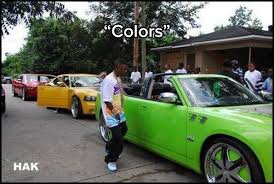
The Boosie Badazz Dodge Charger has become an iconic part of his brand, symbolizing power, individuality, and connection with street culture. The Dodge Charger, particularly the high-performance Hellcat models, is one of the most sought-after American muscle cars, admired for its speed, aggressive styling, and dominance on the road. Boosie’s association with the Charger has sparked conversations, social media buzz, and countless fan inquiries about the details of his prized ride.
This article takes a deep dive into the story behind the Boosie Badazz Dodge Charger. We’ll explore its features, customizations, cultural impact, and why this particular car perfectly matches Boosie’s personality and career. Whether you’re a hip-hop enthusiast, car lover, or someone curious about celebrity lifestyles, this detailed breakdown will provide all you need to know about Boosie’s Charger and its lasting significance.
Boosie Badazz Dodge Charger: The Ultimate Look Into the Rapper’s Iconic Ride
The Connection Between Boosie Badazz and Cars
For years, Boosie Badazz has been vocal about his passion for cars. From his early career days in Baton Rouge to his current stardom, he has often showcased luxury rides in his music videos, interviews, and social media posts. Cars represent more than transportation for Boosie—they are a statement of success and resilience after years of struggle.
The Dodge Charger, in particular, represents Boosie’s connection to street culture. Known as a muscle car with deep roots in American racing history, the Charger is admired by young drivers, collectors, and celebrities alike. For Boosie, it symbolizes strength, speed, and a bold personality—traits that align perfectly with his rap persona.
Fans have spotted Boosie driving his Charger in Baton Rouge and Atlanta, often customized to reflect his unique taste. His decision to own a Charger underscores how cars can be both personal and cultural symbols, connecting artists with their communities while showcasing their individuality.
Features of the Boosie Badazz Dodge Charger
The Dodge Charger is not just any car—it’s a powerhouse on wheels. Boosie’s version, often associated with the Charger SRT Hellcat, boasts some of the most aggressive features in the muscle car industry. Equipped with a supercharged 6.2-liter HEMI V8 engine, the Charger Hellcat produces over 700 horsepower, making it one of the fastest sedans in the world.
Speed is one of its standout qualities. With a top speed of nearly 204 mph and the ability to sprint from 0 to 60 mph in just 3.6 seconds, the Charger is a beast on the road. These features make it not only stylish but also performance-driven, a perfect match for Boosie’s bold lifestyle.
In addition to performance, the Charger comes with luxury interior details. From leather seating, Uconnect infotainment system, advanced driver-assist features, to high-quality sound systems, the Charger blends muscle with modern comfort. For a rapper who spends time recording, touring, and enjoying his success, this combination of speed and luxury is irresistible.
Customization: Making the Dodge Charger Truly “Boosie”
Boosie Badazz is not one to settle for standard features—he personalizes his possessions to reflect his personality. The Boosie Badazz Dodge Charger is often reported to include custom paint jobs, tinted windows, and modified wheels. Fans have spotted versions of his Charger with eye-catching metallic finishes, candy paint colors, and large rims.
Car customization in hip-hop culture is more than aesthetic; it’s a form of self-expression. For Boosie, customizing his Dodge Charger demonstrates his creativity, individuality, and status as a trendsetter. Whether it’s flashy colors or performance modifications, the Charger becomes an extension of his lifestyle.
Additionally, Boosie’s Charger likely includes personalized interior upgrades. Celebrity-owned cars often feature custom leather upholstery, high-end audio systems, and branded touches that align with the owner’s persona. In Boosie’s case, such features highlight his appreciation for both style and performance.
The Cultural Impact of Boosie’s Charger
The Boosie Badazz Dodge Charger is more than just a vehicle—it’s a cultural symbol. In hip-hop, cars often represent success, freedom, and power. Boosie’s Charger, therefore, resonates with fans who see it as a symbol of resilience and triumph over adversity.
Boosie has always been authentic to his Southern roots, and the Charger reflects that authenticity. Unlike exotic European supercars, the Dodge Charger is deeply connected to American car culture, particularly in the South. Its affordability compared to high-end brands also makes it relatable to fans who aspire to own one themselves.
The Charger has also been featured in music videos, interviews, and social media, amplifying its presence. For younger fans, the Boosie Badazz Dodge Charger becomes a dream car, representing both street credibility and aspirational luxury.
Why the Dodge Charger Fits Boosie Badazz Perfectly
Boosie’s life story is one of resilience, survival, and triumph. He has faced legal battles, health challenges, and industry struggles, yet remains an influential figure. The Dodge Charger, with its reputation for power and endurance, mirrors these qualities.
The Charger is often seen as a car for bold personalities—people who are unafraid to stand out and command attention. This description fits Boosie perfectly, as his music and lifestyle consistently reflect confidence and strength.
Furthermore, the Charger’s ability to balance luxury with raw muscle aligns with Boosie’s duality as both a streetwise rapper and a successful businessman. The Charger embodies speed, style, and strength—the same attributes that define Boosie Badazz.
Influence on Fans and Car Culture
Boosie’s Charger has influenced fans to embrace Dodge muscle cars. Many young drivers, inspired by Boosie’s lifestyle, view the Charger as an attainable dream car. Unlike exotic brands such as Lamborghini or Ferrari, the Dodge Charger is relatively accessible while still offering world-class performance.
This influence is particularly strong in Southern states, where car culture thrives in both street and racing communities. Fans often share photos of their customized Chargers on social media, tagging Boosie and highlighting how his car inspired their own builds.
The ripple effect of Boosie’s Dodge Charger is proof that celebrities can shape consumer trends. By showcasing his Charger, Boosie not only expresses himself but also inspires others to follow his lead in car customization and ownership.
FAQs About Boosie Badazz Dodge Charger
1. What model of Dodge Charger does Boosie Badazz own?
Boosie is most often associated with the Dodge Charger SRT Hellcat, a high-performance model known for its speed and aggressive design.
2. How much does a Dodge Charger Hellcat cost?
The base price for a new Dodge Charger Hellcat typically starts around $80,000, but customizations can push the price higher.
3. Has Boosie customized his Dodge Charger?
Yes. Reports and fan sightings suggest Boosie has added custom paint jobs, rims, and interior upgrades to make the Charger uniquely his.
4. Why did Boosie choose a Dodge Charger instead of a supercar?
The Charger reflects Boosie’s authenticity, Southern roots, and connection with street culture, making it more relatable to his fans than European supercars.
5. Is the Dodge Charger Hellcat one of the fastest cars in the world?
While not the fastest overall, it is among the fastest sedans, boasting speeds over 200 mph and immense horsepower.
6. Do other rappers also own Dodge Chargers?
Yes. The Dodge Charger and Challenger are popular among rappers and athletes, but Boosie’s Charger stands out due to his strong personal branding.
7. What does the Boosie Badazz Dodge Charger symbolize?
It symbolizes power, resilience, authenticity, and success, aligning with Boosie’s life story and musical career.
Conclusion
The Boosie Badazz Dodge Charger is more than just a car—it’s a statement of power, individuality, and authenticity. With its combination of speed, muscle, and luxury, the Charger reflects Boosie’s bold personality and enduring influence in hip-hop culture. His decision to embrace the Charger instead of exotic supercars also highlights his deep connection with his Southern roots and fan base.
Beyond its performance, the Charger stands as a cultural icon, inspiring fans and shaping trends in the world of muscle cars. It proves that vehicles are not just machines but powerful symbols of identity and achievement.
If you’re inspired by Boosie’s Dodge Charger, now is the time to explore what makes muscle cars unique. Whether through customization, performance, or sheer presence, a Dodge Charger offers a way to express individuality and confidence. Follow Boosie’s lead and embrace the ride that represents both strength and style.