Davidson County, Tennessee, is a vibrant and culturally rich region that boasts a unique blend of history, music, nature, and innovation.
Located in the heart of Tennessee, the county is home to Nashville, the state’s capital and one of the most iconic cities in the United States.
Whether you’re a tourist, a history enthusiast, or someone exploring career opportunities, Davidson County has something to offer everyone.
This article will highlight the ten best things that Davidson County, TN is known for, from its musical heritage to its renowned landmarks, incredible food scene, and beyond.
What Is Davidson County, TN Known For? 10 Best Things
1. Music Capital of the World – Nashville
Nashville, the capital of Davidson County, is famously known as the “Music City” due to its deep roots in country, rock, and blues music.
The city has earned its title with world-renowned institutions like the Grand Ole Opry, Country Music Hall of Fame, and the Ryman Auditorium. It’s home to legendary musicians like Johnny Cash, Dolly Parton, and more contemporary artists such as Taylor Swift. Nashville’s vibrant music scene continues to draw tourists and musicians from all over the world.
Key Points:
- Grand Ole Opry
- Country Music Hall of Fame
- Ryman Auditorium
- Live music venues across the city
2. The Tennessee State Capitol
The Tennessee State Capitol is a historical landmark in downtown Nashville, located at the center of Davidson County. Completed in 1859, the building houses the offices of the Governor and the General Assembly of Tennessee.
Visitors can take guided tours through the Capitol, where they’ll learn about the history of the state’s government and its architecture. The building itself is a symbol of Tennessee’s heritage and political significance.
Key Points:
- Historical significance
- Guided tours
- Beautiful architecture
- Central location
3. Nashville’s Culinary Scene
Nashville is rapidly becoming one of the top cities for food lovers, offering everything from classic Southern comfort food to contemporary dining experiences.
The city is best known for hot chicken, a spicy fried chicken dish that’s become a signature of the area. Additionally, Davidson County features a variety of international cuisines, locally-sourced restaurants, food trucks, and famous southern dishes like biscuits and gravy, barbecued pork, and grits.
Key Points:
- Hot chicken
- Southern cuisine
- International food variety
- Trendy food districts
4. The Parthenon in Centennial Park
One of the most unique landmarks in Davidson County is the full-scale replica of the Parthenon in Centennial Park. Constructed for the 1897 Tennessee Centennial Exposition, the Parthenon is a testament to the city’s love for art, architecture, and culture.
The Parthenon now houses an art museum and is one of the most popular attractions in Nashville, offering visitors a glimpse of ancient Greece with a local twist.
Key Points:
- Full-scale replica of the Greek Parthenon
- Art museum inside
- Centennial Park as a scenic space
- Ideal for photo opportunities
5. Nashville’s Historic Districts
Davidson County is home to some of the most well-preserved historic districts in Tennessee, where visitors can experience a slice of the past.
From the charming Victorian homes in Germantown to the cultural richness of 12 South, Nashville’s historic neighborhoods are brimming with character. Walking tours are available, and visitors can explore antique shops, cafes, and other period-authentic buildings that tell the story of the city’s past.
Key Points:
- Victorian homes in Germantown
- 12 South Historic District
- Walking tours available
- Preservation of history
6. Vanderbilt University
Vanderbilt University, located in the heart of Davidson County, is one of the leading private research universities in the country.
Known for its academic excellence, cutting-edge research, and world-class facilities, Vanderbilt is also home to a large, diverse student population. The campus is located in a scenic area of Nashville, offering both students and visitors access to beautiful gardens and spaces for relaxation and recreation.
Key Points:
- Prestigious university
- Cutting-edge research
- Scenic campus
- Diverse student body
7. The Nashville Zoo
The Nashville Zoo is located in the southeastern part of Davidson County and is a popular destination for families and animal lovers. The zoo is home to a wide variety of animals, from African elephants to tigers and lemurs.
It’s known for its educational exhibits, animal conservation programs, and family-friendly activities like zip-lining and play areas for children. The zoo offers an exciting day out for anyone looking to connect with nature and wildlife.
Key Points:
- Variety of animals and exhibits
- Educational programs
- Family-friendly activities
- Conservation efforts
8. The Country Music Marathon
Each year, Davidson County hosts the Country Music Marathon, one of the largest marathons in the United States. This event draws thousands of participants and spectators from around the world.
It’s not just a marathon but a festival of music, fitness, and fun. Runners pass iconic Nashville landmarks while being cheered on by fans enjoying live music along the course.
Key Points:
- Major annual event
- Music and fitness festival
- Live music along the marathon route
- Thousands of participants
9. The Johnny Cash Museum
The Johnny Cash Museum, located in downtown Nashville, is dedicated to the life and career of the legendary “Man in Black.”
The museum features a vast collection of memorabilia, including photographs, personal items, and awards that trace Cash’s musical journey. Visitors can learn about his rise to fame, his unique musical style, and his contributions to country and American music.
Key Points:
- Dedicated to Johnny Cash
- Rare memorabilia
- Located in downtown Nashville
- Insight into Cash’s career
10. Music Row
Music Row, located in the heart of Nashville, is one of the most important districts for the music industry in the United States.
Home to record labels, recording studios, and entertainment companies, Music Row is a hub for aspiring musicians, producers, and artists. Visitors can take tours of the famous studios and see where some of the most iconic albums were created.
Key Points:
- Center of the music industry
- Famous recording studios
- Entertainment companies
- Tours available for fans and visitors
Davidson County, TN FAQs
1. What is Davidson County known for?
Davidson County is best known for its capital city, Nashville, which is famous for its country music scene, historical landmarks, and culinary diversity.
2. Is Nashville the only city in Davidson County?
Yes, Nashville is the primary city in Davidson County and serves as its county seat.
3. What are some top tourist attractions in Davidson County?
Some of the top attractions include the Grand Ole Opry, the Parthenon in Centennial Park, the Tennessee State Capitol, and the Nashville Zoo.
4. What type of food is Davidson County known for?
Davidson County is known for hot chicken, Southern comfort food, and a thriving food scene that includes diverse international cuisines.
5. Is there a university in Davidson County?
Yes, Vanderbilt University, a prestigious private university, is located in Davidson County.
6. What is the Country Music Marathon?
The Country Music Marathon is an annual event that takes place in Nashville, attracting thousands of runners and spectators for a music-filled marathon experience.
7. Can I visit Music Row?
Yes, Music Row is open to the public, and visitors can take tours to see famous recording studios and landmarks in the heart of Nashville’s music industry.
Conclusion
Davidson County, Tennessee, is a region filled with rich culture, history, and modern-day attractions. From the iconic music scene in Nashville to the stunning historic districts, world-class universities, and unique culinary offerings, there’s something for everyone.
Whether you’re a tourist or a local, you’ll find that Davidson County has a special place in the hearts of its residents and visitors alike. Be sure to plan a visit to explore all that this incredible area has to offer!
Call to Action:If you’re planning your trip to Nashville or Davidson County, make sure to visit some of these iconic attractions and experience the vibrant culture and history that makes this place truly unique. Don’t forget to share your experiences with us and let us know what you loved most about Davidson County
What’s The Connection Between NBA Youngboy And Floyd Mayweather?
Yet to figure out what’s the connection between Nba Youngboy And Floyd Mayweather? Well,NBA YoungBoy and Iyanna Mayweather welcomed their first child together in January 2021, making Floyd Mayweather Jr. the grandfather of the hip-hop superstar’s child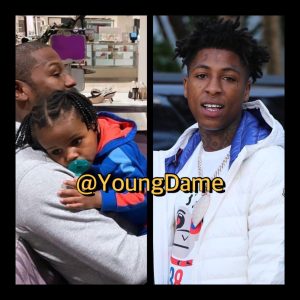
- The relationship between NBA YoungBoy (also known as YoungBoy Never Broke Again) and Floyd Mayweather has captured significant attention in the media, with fans curious about the dynamic between the two prominent figures in entertainment and sports.
- While NBA YoungBoy is a highly successful rapper with a massive following, Floyd Mayweather is a legendary boxer whose name is synonymous with success in the ring.
The connection between these two individuals goes beyond casual acquaintanceship, delving into familial, professional, and social layers. Below, we unravel the intricate ties that bind NBA YoungBoy and Floyd Mayweather, providing a detailed look into their relationship.
What’s The Connection Between NBA Youngboy And Floyd Mayweather?
The Familial Connection: Iyanna Mayweather
One of the most well-known links between NBA YoungBoy and Floyd Mayweather is Iyanna “Yaya” Mayweather, Floyd’s daughter. Iyanna’s relationship with NBA YoungBoy has been a significant focus of public interest. The two have shared a tumultuous relationship over the years, which has been both highly publicized and scrutinized.
A Romantic Relationship in the Spotlight
Iyanna Mayweather and NBA YoungBoy’s relationship has been marked by ups and downs. They have made headlines for their on-again, off-again dynamic, with many moments captured on social media and in tabloids. Their romance took a serious turn when they welcomed a child together, strengthening the bond between the rapper and the Mayweather family.
Legal Controversies Involving Iyanna
The relationship between NBA YoungBoy and Iyanna has not been without controversy. In 2020, Iyanna Mayweather was involved in a legal dispute stemming from an altercation with another woman allegedly tied to NBA YoungBoy. This incident brought significant media attention and further entwined the families’ public lives.
Floyd Mayweather’s Role as a Father
Floyd Mayweather’s connection to NBA YoungBoy is primarily shaped by his role as Iyanna’s father. As a protective parent, Floyd has occasionally addressed his daughter’s relationship in interviews, offering glimpses into his perspective.
Public Statements and Reactions
Floyd Mayweather has often been asked about NBA YoungBoy during interviews. While he has generally avoided direct criticism, his responses have sometimes hinted at his concerns regarding his daughter’s involvement with the rapper. At the same time, Floyd’s focus remains on supporting his family and maintaining their well-being.
Grandfatherly Duties
With Iyanna and NBA YoungBoy welcoming a child, Floyd Mayweather stepped into the role of a grandfather. This development has added a new dimension to his connection with NBA YoungBoy, as their families are now linked by blood. Floyd has shared his excitement about being a grandfather and his dedication to supporting his grandchild’s future.
NBA YoungBoy’s Perspective
NBA YoungBoy’s interactions with Floyd Mayweather have been less publicly documented, but his actions and statements suggest a complex relationship.
Respect for the Mayweather Legacy
Despite the occasional tension, NBA YoungBoy has shown respect for Floyd Mayweather’s achievements and influence. As one of the greatest boxers of all time, Floyd’s legacy is undeniable, and NBA YoungBoy’s connection to him through Iyanna elevates his profile in certain circles.
Balancing Personal and Professional Life
NBA YoungBoy has faced challenges in balancing his career as a rapper with his personal life, especially given the intense public scrutiny of his relationship with Iyanna. His efforts to provide for his family and maintain his reputation in the music industry have been a recurring theme in his career.
Media and Public Perception
The connection between NBA YoungBoy and Floyd Mayweather has been a source of fascination for fans and media outlets alike. Their relationship intersects with themes of celebrity culture, family dynamics, and the challenges of living in the public eye.
Social Media Influence
Social media platforms have played a significant role in amplifying the narrative surrounding NBA YoungBoy and Floyd Mayweather. Fans and critics alike often share their opinions, creating a lively discourse about their relationship. Viral posts and trending topics ensure that their connection remains a hot topic of discussion.
Media Coverage
Major news outlets and entertainment blogs frequently cover updates involving NBA YoungBoy and Floyd Mayweather. Their stories attract widespread interest, with headlines often focusing on new developments in their family ties or professional ventures.
Cultural Impact
The relationship between NBA YoungBoy and Floyd Mayweather is a reflection of broader cultural trends. It highlights the intersection of music, sports, and family dynamics in today’s celebrity-driven society.
Representation of Young Parenthood
The birth of Iyanna and NBA YoungBoy’s child brings attention to the experiences of young parents navigating fame and responsibility. Their journey resonates with many fans who relate to the challenges and joys of raising a family.
Cross-Industry Connections
The bond between a rapper and a boxing icon underscores the interconnectedness of different entertainment industries. It demonstrates how relationships can bridge worlds, creating opportunities for collaboration and mutual influence.
Future Prospects
The future of NBA YoungBoy and Floyd Mayweather’s connection remains uncertain, as it largely depends on their personal and professional choices. However, the enduring interest in their relationship suggests that it will continue to be a topic of public fascination.
Collaborative Opportunities
Given their prominence in their respective fields, there is potential for NBA YoungBoy and Floyd Mayweather to collaborate on ventures that blend music and sports. Such projects could further solidify their connection while appealing to their shared fanbase.
Family Dynamics
As their families grow and evolve, the dynamic between NBA YoungBoy and Floyd Mayweather will likely shift. Their ability to navigate these changes will shape the narrative surrounding their relationship.
What’s The Connection Between NBA Youngboy And Floyd Mayweather FAQs
- Who is Iyanna Mayweather, and what is her connection to NBA YoungBoy?
Iyanna Mayweather, also known as Yaya, is Floyd Mayweather’s daughter and shares a child with NBA YoungBoy, linking the rapper to the legendary boxer through family ties. - When did NBA YoungBoy and Iyanna Mayweather have their child?
NBA YoungBoy and Iyanna Mayweather welcomed their first child, a son, in January 2021. - What role does Floyd Mayweather play in NBA YoungBoy’s life?
Floyd Mayweather is the grandfather of NBA YoungBoy’s child, creating a familial connection between the two. - Has Floyd Mayweather commented on Iyanna\u2019s relationship with NBA YoungBoy?
Floyd Mayweather has addressed the relationship in interviews, often emphasizing his support for his daughter while avoiding direct criticism. - What controversies have surrounded NBA YoungBoy and Iyanna Mayweather?
In 2020, Iyanna Mayweather was involved in a legal dispute after an altercation with another woman allegedly tied to NBA YoungBoy, bringing their relationship into the spotlight. - How has NBA YoungBoy\u2019s relationship with Iyanna affected his public image?
NBA YoungBoy\u2019s relationship with Iyanna Mayweather has drawn significant media attention, intertwining his personal life with his career as a rapper. - What does Floyd Mayweather think about being a grandfather?
Floyd Mayweather has expressed joy and excitement about being a grandfather, highlighting his commitment to supporting his family. - How has social media influenced public perception of NBA YoungBoy and Floyd Mayweather\u2019s connection?
Social media has amplified interest in their relationship, with fans and critics frequently discussing updates and controversies involving the families. - Is there a professional relationship between NBA YoungBoy and Floyd Mayweather?
No direct professional relationship exists between them, but their connection is rooted in their shared family ties. - Could NBA YoungBoy and Floyd Mayweather collaborate in the future?
While no collaborations have been announced, their prominence in music and sports creates potential opportunities for future ventures that bridge their industries
Conclusion
The connection between NBA YoungBoy and Floyd Mayweather is a multifaceted relationship that encompasses family ties, public perception, and cultural impact.
Through their shared experiences and individual journeys, they represent the complexities of modern celebrity life. As their stories continue to unfold, fans and observers will undoubtedly remain captivated by their bond.
Does Florida Have Dental License Reciprocity? A Complete Guide
Florida’s dental community is thriving, attracting professionals from across the United States due to its sunny climate, vibrant cities, and growing population.
However, when it comes to practicing dentistry in Florida, understanding the state’s stance on dental license reciprocity is crucial.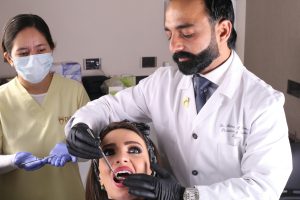
Dental license reciprocity is a legal framework allowing licensed professionals to practice in another state without undergoing the entire licensing process anew.
This article delves into whether Florida has dental license reciprocity and how it impacts aspiring dental professionals.
Also check :Which Teeth Are Hardest To Move With Invisalign?
Does Florida Have Dental License Reciprocity? A Complete Guide
Understanding Dental License Reciprocity
Dental license reciprocity simplifies the process for dentists who wish to practice in states other than where they were originally licensed. This mechanism benefits professionals by reducing redundancies in obtaining licensure. Reciprocity agreements typically involve an assessment of the applicant’s credentials, ensuring they meet the receiving state’s standards. But does Florida offer such an arrangement for dental practitioners?
Florida’s Dental Licensure Policy
Florida is not a straightforward reciprocity state for dental licenses. Instead of broad reciprocity agreements, Florida offers licensure by credentials. This pathway functions similarly to reciprocity but includes specific requirements tailored to the state’s standards. Dental license reciprocity, as commonly understood, is not explicitly present in Florida; however, the licensure by credentials route offers an alternative for out-of-state dentists.
Licensure by Credentials in Florida
Licensure by credentials is Florida’s approach to allowing out-of-state dentists to practice. While it resembles dental license reciprocity, it is more detailed and requires candidates to:
- Hold a valid license in another state.
- Demonstrate active practice for at least five years.
- Pass specific Florida jurisprudence and clinical exams.
These steps ensure that Florida maintains high standards while allowing flexibility for experienced professionals. Although not labeled as dental license reciprocity, this policy serves a similar purpose.
Key Differences Between Reciprocity and Licensure by Credentials
Dental license reciprocity often involves mutual agreements between states, allowing license transfers with minimal additional requirements. Florida’s licensure by credentials process is unilateral, meaning it applies specific criteria to out-of-state applicants without necessarily requiring a reciprocal agreement with their originating state. This distinction is significant for professionals considering Florida’s licensing process.
Advantages of Licensure by Credentials
Though Florida lacks traditional dental license reciprocity, licensure by credentials offers several benefits:
- Streamlined Process for Experienced Dentists: Professionals with years of experience can transition to practicing in Florida without retaking comprehensive exams.
- Focus on State-Specific Knowledge: Florida’s jurisprudence exam ensures dentists understand state laws and regulations.
- Opportunity for Out-of-State Professionals: The policy creates pathways for dentists who might otherwise be deterred by a lack of dental license reciprocity.
Challenges Without Dental License Reciprocity
The absence of conventional dental license reciprocity in Florida may pose challenges, such as:
- Additional preparation for Florida’s unique licensing requirements.
- Limited options for newly licensed dentists who do not meet the experience threshold.
- Increased administrative workload compared to states with straightforward reciprocity agreements.
Despite these challenges, Florida’s licensure by credentials ensures only highly qualified professionals join its dental workforce.
Reciprocity Comparisons with Other States
Many states offer dental license reciprocity through interstate agreements, creating a seamless transition for professionals. For example, states in regional compacts facilitate easier movement. Florida’s approach differs, as it does not participate in such compacts for dental license reciprocity. Instead, the state’s licensure by credentials process emphasizes individual assessment.
Florida’s Unique Licensing Requirements
Florida’s licensure requirements reflect its commitment to maintaining high professional standards. While dental license reciprocity might simplify matters, Florida’s emphasis on credential evaluation ensures that practitioners meet stringent state-specific criteria. The jurisprudence exam, for instance, focuses on topics such as patient rights, state dental laws, and ethical practices, which are pivotal for maintaining trust in Florida’s dental system.
Why Florida Opts Out of Dental License Reciprocity
Florida’s decision to forgo traditional dental license reciprocity aligns with its goal of safeguarding public health. By implementing a thorough licensure by credentials process, the state minimizes risks associated with varying standards across jurisdictions. This policy underscores Florida’s dedication to ensuring that only competent and well-qualified dentists serve its population.
Steps to Obtain a Dental License in Florida
For dentists moving to Florida, understanding the licensure process is essential. While dental license reciprocity is not available, the licensure by credentials pathway involves:
- Submitting proof of active practice in another state for at least five years.
- Passing the Florida Dental Laws and Rules Exam.
- Providing verification of good standing from all licensing boards where the dentist has held a license.
These steps ensure that incoming professionals align with Florida’s regulatory framework, akin to the benefits provided by dental license reciprocity.
Importance of Staying Updated
Regulations surrounding licensure can evolve. Dental professionals interested in Florida’s licensure policies should stay informed about any changes that might introduce or modify dental license reciprocity or related processes. Consulting with Florida’s Board of Dentistry ensures accurate and timely information.
Alternative Pathways to Practice
For dentists unable to meet Florida’s licensure by credentials criteria, other pathways, such as completing additional examinations or training, are available. These alternatives highlight Florida’s flexible yet rigorous approach, contrasting with the simplicity of dental license reciprocity.
Does Florida Have Dental License Reciprocity FAQs
- What is dental license reciprocity?
Dental license reciprocity is an agreement between states allowing a licensed dentist in one state to practice in another without undergoing the full licensing process again. - Does Florida offer dental license reciprocity?
No, Florida does not have direct dental license reciprocity with other states. However, dentists licensed in other states may apply for licensure by endorsement or examination if they meet certain criteria. - What is licensure by endorsement in Florida?
Licensure by endorsement allows dentists licensed in another state to apply for a Florida dental license if they meet specific qualifications, such as proof of practice experience and successful completion of exams. - Do I need to pass the National Board Dental Examination to practice in Florida?
Yes, all applicants for a Florida dental license must pass the National Board Dental Examination (NBDE) or its successor, the Integrated National Board Dental Examination (INBDE). - What other exams are required for Florida dental licensure?
Applicants must pass the Florida Laws and Rules Examination and a clinical examination approved by the Florida Board of Dentistry. - Can a dentist licensed in another country apply for licensure in Florida?
Yes, foreign-trained dentists can apply for a Florida dental license, but they must meet additional educational and examination requirements, such as completing an accredited dental program in the United States. - What documents are required for licensure by endorsement in Florida?
Applicants need to submit proof of an active license in another state, verification of practice experience, proof of continuing education, and passing scores from required exams. - Does Florida accept the ADEX clinical examination for licensure?
Yes, Florida accepts the ADEX (American Board of Dental Examiners) clinical examination as part of the licensure process. - How long does it take to get a dental license in Florida through endorsement?
The processing time varies but typically takes several weeks to a few months, depending on the completeness of the application and required documentation. - Where can I find more information about dental licensure in Florida?
You can visit the Florida Board of Dentistry’s official website or contact their office directly for detailed information and guidance on the licensure process
Conclusion
While Florida does not offer traditional dental license reciprocity, its licensure by credentials pathway provides a comparable route for experienced professionals.
This system upholds high standards while offering opportunities for qualified dentists to practice in the state. Understanding these nuances is essential for those looking to transition their careers to Florida.
By balancing accessibility with rigorous evaluation, Florida continues to foster a robust and trustworthy dental community, ensuring the best outcomes for its residents and professionals alike
Florida Dental License Requirements A Complete Guide
Obtaining a florida dental license is a significant step for aspiring dental professionals. The process involves fulfilling educational, examination, and application requirements set by the Florida Board of Dentistry.
This comprehensive guide will walk you through the requirements and steps to secure your florida dental license.
Florida Dental License Requirements A Complete Guide
Florida Dental License Educational Requirements
To practice dentistry in Florida, you must complete specific educational prerequisites to qualify for a florida dental license:
1. Accredited Dental Education Program
- Degree Requirement: You must graduate with a Doctor of Dental Surgery (DDS) or Doctor of Dental Medicine (DMD) degree from a program accredited by the Commission on Dental Accreditation (CODA) to meet florida dental license standards.
- International Graduates: If you earned your dental degree outside the U.S., you must complete a CODA-accredited advanced dental program to be eligible for a florida dental license.
2. Clinical Training
Practical, hands-on training in a clinical setting is mandatory to ensure you possess the necessary skills to treat patients effectively and meet florida dental license requirements. Most accredited programs integrate clinical practice with theoretical learning.
Florida Dental License Examination Requirements
The Florida Board of Dentistry mandates specific exams to test your knowledge and clinical skills for obtaining a florida dental license:
1. National Board Dental Examination (NBDE)
- Purpose: This exam assesses your understanding of dental sciences and clinical practices, which are essential for a florida dental license.
- Transition to INBDE: The Integrated National Board Dental Examination (INBDE) replaces NBDE Parts I and II, offering a single comprehensive assessment for florida dental license eligibility.
2. Florida Laws and Rules Examination
- Content: This exam evaluates your knowledge of Florida-specific dental laws and regulations, which is critical for securing a florida dental license.
- Preparation: Study the Florida Statutes and Rules Relating to Dentistry to excel in this test for your florida dental license.
3. Clinical Examination
- Requirement: Pass a clinical exam administered by an approved testing agency to qualify for a florida dental license, such as:
- Commission on Dental Competency Assessments (CDCA/WREB)
- Central Regional Dental Testing Service (CRDTS)
- Components: The exam typically includes patient-based procedures and simulated clinical skills assessments required for a florida dental license.
Florida Dental License Application Process
1. Complete the Application Form
- Online Portal: Submit your application for a florida dental license through the Florida Department of Health’s online portal.
- Documentation: Provide proof of education, exam results, and other required credentials for your florida dental license application.
2. Pay Application Fees
- Cost: Application fees for a florida dental license vary but generally range between $500 and $1000.
- Payment Methods: Payments for your florida dental license can be made via credit card, check, or money order.
3. Submit Fingerprints for Background Check
- Requirement: Florida law requires a Level 2 background screening for all florida dental license applicants.
- Provider: Use an approved Livescan service provider to submit your fingerprints electronically for your florida dental license.
4. Provide Proof of Liability Insurance
- Insurance Coverage: Submit evidence of professional liability insurance as part of your florida dental license application to protect against malpractice claims.
Florida Dental License Continuing Education Requirements
1. Initial Licensing Period
- Dentists must complete a minimum of 30 hours of continuing education (CE) during each biennial renewal cycle to maintain their florida dental license.
- Specific courses required for a florida dental license include:
- HIV/AIDS: A one-time, two-hour course.
- Domestic Violence: A two-hour course every third renewal.
2. Approved CE Providers
Ensure the CE courses you take to renew your florida dental license are approved by:
- American Dental Association (ADA)
- Florida Board of Dentistry
- Accredited universities and institutions
Florida Dental License Renewal
Dental licenses in Florida, including your florida dental license, must be renewed biennially:
1. Renewal Deadline
- Date: The renewal deadline for a florida dental license typically falls on February 28 of even-numbered years.
2. Renewal Requirements
- Fees: Pay the renewal fee (varies by licensure type) for your florida dental license.
- CE Compliance: Submit proof of completed CE courses required for your florida dental license renewal.
- Online Renewal: Renew your florida dental license via the Florida Health online portal.
Florida Dental Special Licenses and Permits
1. Temporary Dental Licenses
- Issued to dentists practicing under supervision in educational or nonprofit settings as part of their florida dental license process.
- Valid for one year and renewable under specific conditions related to a florida dental license.
2. Restricted Licenses
- Granted to dentists working in underserved areas or public health programs as part of specialized florida dental license initiatives.
- Requires meeting certain conditions outlined by the Florida Board of Dentistry for your florida dental license.
Florida Dental License Common Challenges and Tips for Success
1. Navigating Legal Requirements
- Stay updated on Florida dental laws and regulatory changes by visiting the Florida Board of Dentistry’s official website to ensure compliance with florida dental license requirements.
2. Managing Application Deadlines
- Create a timeline to track key milestones like exam dates, application submissions, and florida dental license renewals.
3. Preparing for Exams
- Enroll in review courses and practice using mock exams to ensure success in your florida dental license tests.
Florida Dental License Requirements FAQs
1. How long does it take to get a florida dental license?
The process to obtain a florida dental license can take several months, depending on your ability to meet educational, examination, and application requirements.
2. Can international dental graduates apply for a florida dental license?
Yes, but they must complete a CODA-accredited advanced dental education program to qualify for a florida dental license.
3. What happens if I fail the clinical exam for a florida dental license?
You can retake the exam; however, specific retake policies vary by testing agency for a florida dental license.
4. Is malpractice insurance mandatory for florida dental license holders?
Yes, proof of professional liability insurance is required as part of the florida dental license application process.
5. What are the CE requirements for florida dental license renewal?
Dentists must complete 30 hours of CE every two years, including specific courses on HIV/AIDS and domestic violence, to maintain their florida dental license.
6. Are there exceptions to the CE requirements for a florida dental license?
Retired dentists with a “retired” status license may be exempt from certain CE requirements related to their florida dental license.
7. Can I practice dentistry while waiting for my florida dental license?
No, practicing without a valid florida dental license is illegal and may result in penalties.
Final Thought
Obtaining a Florida dental license is a structured process that ensures only qualified professionals can practice dentistry in the state. By completing an accredited dental education program and passing required exams, applicants demonstrate their expertise and readiness.
The application process involves submitting proof of education, paying fees, undergoing a background check, and providing liability insurance.
Dentists must also complete continuing education courses to maintain their license and stay current with Florida dental laws.
Special licenses, like temporary or restricted licenses, are available for unique circumstances. Adhering to deadlines and requirements is essential to avoid delays or penalties.
With dedication and proper preparation, aspiring dentists can navigate the licensing process successfully. A Florida dental license not only validates professional skills but also opens the door to a rewarding career in oral healthcare
Which Teeth Are Hardest To Move With Invisalign? A comprehensive Analysis
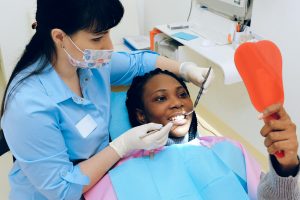
Invisalign has revolutionized the world of orthodontics by providing a discreet, comfortable, and effective way to align teeth.
However, not all teeth are equally responsive to this advanced treatment.
In this comprehensive article, we delve into which teeth are hardest to move with Invisalign and why, alongside expert strategies to optimize treatment outcomes.
Which Teeth Are Hardest To Move With Invisalign? A comprehensive Analysis
Understanding Invisalign and How It Works
Invisalign aligners are clear, custom-made trays designed to gradually shift teeth into their desired positions. These aligners apply controlled pressure to specific teeth, encouraging movement over time. While this technology is highly effective, certain factors, including tooth anatomy and patient compliance, can influence the movement process.
How Invisalign Aligners Move Teeth
- Application of Pressure: Each aligner exerts gentle, consistent force to move teeth.
- Sequential Adjustments: A new aligner set is introduced every 1-2 weeks to maintain progress.
- Customization: Advanced 3D imaging ensures each aligner is tailored to the patient’s unique dental structure.
Teeth That Are Hardest to Move with Invisalign
While Invisalign is effective for most orthodontic cases, specific teeth pose unique challenges due to their position, size, or alignment issues. Below, we identify and explore these teeth.
1. Rotated Teeth
Rotated teeth, especially those with a rotation greater than 20 degrees, are among the hardest to move. The cylindrical shape of certain teeth, such as canines, can make achieving proper alignment more challenging.
- Why Are Rotated Teeth Hard to Move? Rotations require precise control and sustained force. Invisalign aligners may struggle to achieve the torque needed for significant rotations without additional attachments.
- Solution: The use of attachments or tooth-colored bumps on the teeth enhances grip and facilitates movement.
2. Extruded Teeth
Extrusion involves moving a tooth outward from the gum line, which can be challenging due to the limited vertical forces Invisalign can apply.
- Why Is Extrusion Difficult? Aligners primarily focus on horizontal movement, making vertical adjustments less efficient.
- Solution: Combining elastics with aligners can aid in vertical tooth movement.
3. Severely Crowded Teeth
Severe crowding complicates the alignment process because teeth require more space to move.
- Why Is Crowding Challenging? Lack of room in the dental arch restricts movement.
- Solution: Interproximal reduction (IPR) or tooth extractions can create the necessary space.
4. Molars
Molars, especially second and third molars, are notoriously difficult to move due to their size and position at the back of the mouth.
- Why Are Molars Hard to Move? Their large roots and dense surrounding bone require more force.
- Solution: Longer treatment times and specialized attachments can help address these challenges.
5. Teeth with Root Resorption
Teeth affected by root resorption are more difficult to move as they require gentler forces to prevent further damage.
- Why Is Root Resorption an Issue? Weakened roots limit the extent and speed of movement.
- Solution: Regular monitoring and customized aligner adjustments ensure safe progression.
Factors That Influence Tooth Movement
1. Bone Density
Denser bone structures require more force and time to move teeth. Older patients often have higher bone density, which can slow down the treatment.
2. Patient Compliance
Wearing aligners for the recommended 20-22 hours daily is crucial. Non-compliance can lead to prolonged treatment or suboptimal results.
3. Tooth Size and Shape
Large or irregularly shaped teeth present unique challenges, especially in cases of severe crowding or rotations.
4. Attachment Use
Attachments enhance aligner grip and improve movement precision, particularly for rotated or extruded teeth.
5. Case Complexity
Complex cases involving significant malocclusion or multiple issues often require additional interventions beyond standard Invisalign treatment.
Strategies to Optimize Invisalign Results
1. Use of Attachments
Attachments are small, tooth-colored bumps applied to the teeth to increase aligner effectiveness. They help in handling difficult movements like rotations and extrusions.
2. Incorporating Elastics
Elastics can assist in complex cases, such as correcting bite issues or achieving vertical movements.
3. Regular Dental Checkups
Frequent visits to the orthodontist ensure that the treatment is on track and adjustments are made as needed.
4. Combining Treatments
In severe cases, Invisalign may be combined with traditional braces or other orthodontic devices to achieve the desired outcome.
5. Patient Education and Compliance
Educating patients about the importance of wearing aligners consistently and following orthodontic advice is essential for successful treatment.
How Long Does It Take to Move Hard-to-Move Teeth?
The duration depends on various factors, including the severity of the issue, patient compliance, and the orthodontist’s expertise. On average, challenging cases may extend the treatment timeline by several months compared to straightforward cases.
Invisalign Alternatives for Hard-to-Move Teeth
While Invisalign is versatile, alternative treatments may be more effective in certain scenarios:
- Traditional Braces: Braces are highly effective for complex cases, including severe rotations and extrusions.
- Hybrid Treatments: Combining braces with Invisalign can address complex issues efficiently.
- Surgical Options: In rare cases, surgical intervention may be necessary for extreme crowding or jaw alignment issues.
Teeth That Are Hardest To Move With Invisalign FAQs
1. Why are rotated teeth hard to move with Invisalign?
Rotated teeth are difficult to move because they require precise torque and consistent pressure, which can be challenging for aligners to provide without the use of attachments.
2. Can Invisalign effectively move extruded teeth?
Yes, but extrusion is challenging for Invisalign as it primarily focuses on horizontal movement; additional techniques like elastics are often required.
3. Why are molars difficult to move with Invisalign?
Molars are hard to move due to their large size, dense roots, and position at the back of the mouth, requiring greater force and longer treatment times.
4. Are crowded teeth difficult to treat with Invisalign?
Severely crowded teeth are challenging because they often require additional space in the dental arch, which may necessitate interproximal reduction (IPR) or extractions.
5. How does root resorption impact tooth movement with Invisalign?
Teeth with root resorption are harder to move because their weakened roots limit the application of force and require gentler adjustments to avoid further damage.
6. Can Invisalign treat teeth with severe alignment issues?
Invisalign can treat many alignment issues, but severe cases may need additional attachments, elastics, or a combination of aligners and traditional braces.
7. Why are larger teeth harder to move with Invisalign?
Larger teeth, like molars and canines, are harder to move because their greater surface area and root size demand more force and precision.
8. Is Invisalign less effective for older patients?
Older patients may experience slower tooth movement due to denser bone structures, making certain teeth more challenging to adjust with Invisalign.
9. What can be done to make hard-to-move teeth respond better to Invisalign?
Using attachments, elastics, and regular orthodontic adjustments can significantly improve the movement of difficult teeth during Invisalign treatment.
10. Are there alternatives to Invisalign for hard-to-move teeth?
Yes, alternatives like traditional braces, hybrid treatments combining braces and aligners, or surgical interventions may be more effective for challenging cases
Conclusion
Invisalign is a powerful tool for achieving a straighter smile, but certain teeth—such as rotated teeth, extruded teeth, and molars—pose unique challenges.
By understanding these challenges and implementing strategies like attachments, elastics, and hybrid treatments, patients and orthodontists can overcome these obstacles and achieve optimal results.
Is It Possible To Correct An Overbite As An Adult? A Complete Guide
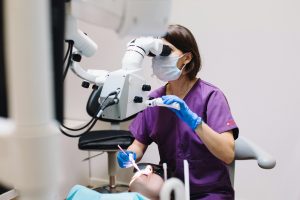
An overbite is a common dental condition where the upper teeth significantly overlap the lower teeth.
While it is often addressed in childhood, many adults wonder whether it is too late to correct their overbite.
The good news is that modern orthodontic advancements have made it entirely possible to correct an overbite at any age.Below, we explore the causes of overbites, treatment options, and the benefits of addressing this issue as an adult.
Is It Possible To Correct An Overbite As An Adult? A Complete Guide
Understanding Overbites
What is an Overbite?
An overbite, also known as a deep bite, occurs when the upper front teeth extend too far over the lower front teeth. While some degree of overlap is normal, excessive overlap can lead to functional, aesthetic, and health issues.
Causes of Overbites
Several factors can contribute to the development of an overbite, including:
- Genetics: Inherited jaw structure often predisposes individuals to overbites.
- Thumb-sucking or Pacifier Use: Prolonged habits during childhood can influence dental alignment.
- Teeth Grinding: Chronic grinding, or bruxism, can wear down teeth and worsen an overbite.
- Improper Jaw Growth: Disproportionate growth of the upper or lower jaw can result in alignment issues.
Understanding the root cause of your overbite is crucial for determining the most effective treatment.
Why Correcting an Overbite is Important
Addressing an overbite is more than a cosmetic decision; it has significant implications for oral health and overall well-being. Here are a few reasons why correcting an overbite is essential:
- Improved Oral Function: Overbites can interfere with proper chewing and speech.
- Preventing Dental Issues: Misaligned teeth are harder to clean, increasing the risk of cavities and gum disease.
- Reduced Jaw Pain: Overbites often strain the jaw joint, leading to discomfort or temporomandibular joint disorder (TMJ).
- Enhanced Aesthetics: Correcting an overbite improves facial symmetry and boosts confidence.
Treatment Options for Correcting an Overbite in Adults
Modern dentistry offers various solutions for adult overbite correction. The choice of treatment depends on the severity of the condition, the underlying cause, and the patient’s preferences.
Orthodontic Treatments
Braces
Braces are one of the most effective methods for treating overbites in adults. By applying continuous pressure, braces gradually move the teeth into proper alignment. Options include:
- Traditional Metal Braces: Durable and cost-effective.
- Ceramic Braces: Less noticeable due to tooth-colored brackets.
- Lingual Braces: Positioned behind the teeth for a discreet appearance.
Treatment duration typically ranges from 12 to 36 months, depending on the severity of the overbite.
Clear Aligners
Clear aligners, such as Invisalign, have become a popular alternative to braces. These custom-made, removable trays straighten teeth discreetly and comfortably. Benefits include:
- Convenience: Aligners can be removed for eating and cleaning.
- Aesthetics: Virtually invisible design.
- Shorter Treatment Time: Aligners often yield results faster than traditional braces for mild to moderate overbites.
Surgical Options
Jaw Surgery
In severe cases where the overbite is caused by skeletal issues, corrective jaw surgery may be necessary. This procedure realigns the upper and lower jaws for improved function and appearance. While invasive, jaw surgery often provides permanent results.
Tooth Extraction
In some instances, overcrowding contributes to an overbite. Extracting one or more teeth creates space for realignment, allowing orthodontic devices to effectively reposition the remaining teeth.
Other Treatment Methods
Orthodontic Appliances
Appliances such as bite plates or retainers can address minor overbites. These devices guide the teeth and jaws into better alignment over time.
Cosmetic Dentistry
For mild overbites that do not affect functionality, cosmetic treatments like veneers or bonding can improve the appearance of the teeth. However, these options do not address underlying structural issues.
What to Expect During Overbite Correction
Initial Consultation
The first step in correcting an overbite is a consultation with an orthodontist or dentist. During this visit, you can expect:
- Examination: Assessment of teeth and jaw alignment.
- Imaging: X-rays or 3D scans to analyze the severity of the overbite.
- Treatment Plan: A tailored plan outlining the recommended approach and timeline.
Treatment Process
Depending on the chosen method, treatment may involve regular orthodontic adjustments, wearing aligners, or recovering from surgery. Consistency in following your provider’s instructions is key to achieving optimal results.
Post-Treatment Care
After correcting an overbite, retaining the results is crucial. Retainers are commonly prescribed to maintain alignment and prevent relapse. Good oral hygiene and regular dental check-ups will also ensure long-term success.
Benefits of Correcting an Overbite as an Adult
- Healthier Smile: Proper alignment reduces the risk of decay and gum disease.
- Improved Confidence: A well-aligned smile can enhance self-esteem.
- Better Jaw Function: Correcting an overbite alleviates jaw discomfort and improves chewing.
- Long-Term Oral Health: Timely intervention prevents complications that worsen with age.
Common Questions About Overbite Correction
1. Is it painful to correct an overbite?
While there may be some discomfort during the adjustment period, most treatments are not painful. Over-the-counter pain relievers can help alleviate any temporary soreness.
2. How long does it take to fix an overbite?
The duration varies based on the severity of the overbite and the chosen treatment. Mild cases may take 6-12 months, while severe cases could require 2-3 years.
3. Can I fix my overbite without braces?
Yes, alternatives like clear aligners, retainers, or surgery can correct overbites, depending on the case.
4. How much does overbite correction cost?
Costs range widely based on the treatment method. Clear aligners may cost $3,000-$8,000, while braces typically range from $2,500-$7,500. Surgical options can exceed $20,000.
5. Are overbites hereditary?
Yes, genetics often play a role in the development of overbites. However, environmental factors like childhood habits also contribute.
6. Will insurance cover overbite correction?
Many dental insurance plans cover orthodontic treatments for medical reasons. Check with your provider for specific coverage details.
7. Can adults get the same results as children?
Absolutely! While treatment may take longer in adults due to fully developed jaws, the results can be equally effective.
Conclusion
In conclusion, correcting an overbite as an adult is entirely achievable with modern orthodontic and dental treatments. While the process may require more time and commitment compared to treating overbites in children, the results can significantly enhance both oral health and overall confidence.
Options such as braces, clear aligners, or surgery provide tailored solutions for varying degrees of severity.
Consulting with a qualified orthodontist ensures a personalized treatment plan to address specific needs and goals. Ultimately, investing in correcting an overbite can lead to a lifetime of improved functionality and a beautiful smile