Sustainable farming practices are crucial for the health of our planet and the well-being of future generations. In Kenya, the Grow Biointensive Agriculture Center of Kenya (G-BIACK) has been at the forefront of promoting sustainable farming methods.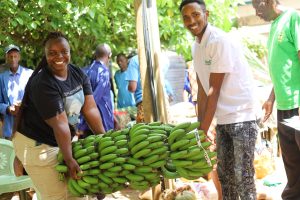
G-BIACK focuses on biointensive agriculture, a method that maximizes yields while improving soil fertility and ensuring environmental sustainability.
This article explores 20 valuable ideas on sustainable farming practices that G-BIACK shares with local farmers, offering insights into how these methods can transform agriculture in Kenya.
Best Valuable Ideas on Sustainable Farming Practices That Grow Biointensive Agriculture Center of Kenya Shares With Local Farmers
1. Double-Dug Beds
Double-dug beds are a cornerstone of biointensive agriculture. This method involves digging the soil to twice the depth of conventional tilling, which improves soil structure and aeration, allowing roots to grow deeper and access more nutrients.
Benefits:
- Improved soil structure
- Enhanced root growth
- Increased water retention
Drawbacks:
- Labor-intensive
- Time-consuming
- Requires initial investment in tools
2. Composting
Composting is an essential practice that turns organic waste into nutrient-rich soil amendments. G-BIACK teaches farmers how to create and maintain compost piles, providing them with a sustainable source of fertilizer.
Benefits:
- Reduces waste
- Enhances soil fertility
- Lowers need for chemical fertilizers
Drawbacks:
- Requires space
- Time to decompose
- Can attract pests if not managed properly
3. Crop Rotation
Crop rotation involves changing the type of crop grown in a particular area each season to prevent soil depletion and pest buildup. This practice maintains soil fertility and disrupts pest life cycles.
Benefits:
- Prevents soil depletion
- Reduces pest and disease buildup
- Improves soil structure
Drawbacks:
- Requires careful planning
- May not be suitable for all crops
- Initial yield reduction possible
4. Intercropping
Intercropping is the practice of growing two or more crops in proximity. This method optimizes space, reduces pests and diseases, and increases biodiversity on the farm.
Benefits:
- Optimizes land use
- Enhances biodiversity
- Reduces pest incidence
Drawbacks:
- Complex management
- Competition for resources
- Potential for crop incompatibility
5. Mulching
Mulching involves covering the soil with organic or inorganic materials to retain moisture, suppress weeds, and improve soil health. G-BIACK promotes the use of organic mulches like straw, leaves, and grass clippings.
Benefits:
- Retains soil moisture
- Suppresses weeds
- Enhances soil health
Drawbacks:
- Can harbor pests
- Requires materials
- May need regular replenishment
6. Seed Saving
G-BIACK encourages farmers to save seeds from their best crops for future planting. This practice ensures the preservation of local varieties and reduces dependency on purchased seeds.
Benefits:
- Reduces seed costs
- Preserves local varieties
- Enhances crop resilience
Drawbacks:
- Requires knowledge
- Potential for disease transfer
- Time-consuming
7. Use of Green Manures
Green manures are cover crops grown primarily to add nutrients and organic matter to the soil. These crops are plowed under while still green to enrich the soil.
Benefits:
- Improves soil fertility
- Prevents erosion
- Suppresses weeds
Drawbacks:
- Occupies land
- Requires planning
- Initial cost for seeds
8. Integrated Pest Management (IPM)
IPM is an ecological approach to pest control that combines different management strategies and practices to grow healthy crops and minimize the use of pesticides.
Benefits:
- Reduces chemical use
- Promotes healthy crops
- Minimizes environmental impact
Drawbacks:
- Requires knowledge and training
- Time-consuming
- May not be immediately effective
9. Agroforestry
Agroforestry integrates trees and shrubs into agricultural landscapes. This practice enhances biodiversity, improves soil health, and provides additional income sources through products like fruits and timber.
Benefits:
- Enhances biodiversity
- Improves soil health
- Provides additional income
Drawbacks:
- Requires space
- Long-term commitment
- Potential for competition with crops
10. Drip Irrigation
Drip irrigation delivers water directly to the base of plants, reducing water wastage and ensuring efficient use of water resources. G-BIACK promotes this method as a sustainable solution for water management.
Benefits:
- Efficient water use
- Reduces evaporation
- Minimizes weed growth
Drawbacks:
- High initial cost
- Requires maintenance
- Potential for clogging
11. Vermiculture
Vermiculture involves the use of earthworms to convert organic waste into high-quality compost. This practice improves soil fertility and structure.
Benefits:
- Produces high-quality compost
- Enhances soil fertility
- Reduces waste
Drawbacks:
- Requires space
- Needs specific conditions
- Potential for odor issues
12. Polyculture
Polyculture is the practice of growing multiple crop species in the same space. This method increases biodiversity, reduces pest problems, and improves ecosystem health.
Benefits:
- Enhances biodiversity
- Reduces pest problems
- Improves ecosystem health
Drawbacks:
- Complex management
- Potential for competition
- Requires knowledge
13. Soil Testing
Regular soil testing helps farmers understand the nutrient status of their soil, enabling them to make informed decisions about fertilization and soil management.
Benefits:
- Informed fertilization
- Improved soil management
- Enhanced crop yields
Drawbacks:
- Requires access to testing facilities
- Cost of tests
- Time-consuming
14. Biodiversity Enhancement
Enhancing biodiversity on farms by planting a variety of crops and creating habitats for beneficial insects and animals promotes ecosystem health and resilience.
Benefits:
- Promotes ecosystem health
- Enhances resilience
- Reduces pest problems
Drawbacks:
- Requires planning
- Potential for competition
- May need additional resources
15. Sustainable Livestock Management
Sustainable livestock management practices, such as rotational grazing and integrated livestock-crop systems, improve soil health and reduce environmental impact.
Benefits:
- Improves soil health
- Reduces environmental impact
- Enhances farm sustainability
Drawbacks:
- Requires knowledge
- Initial investment
- Potential for disease transmission
16. Renewable Energy Use
G-BIACK encourages the use of renewable energy sources, such as solar and wind power, to reduce reliance on fossil fuels and lower greenhouse gas emissions.
Benefits:
- Reduces fossil fuel use
- Lowers greenhouse gas emissions
- Promotes sustainability
Drawbacks:
- High initial cost
- Requires maintenance
- Dependent on weather conditions
17. Water Conservation Techniques
Implementing water conservation techniques, such as rainwater harvesting and efficient irrigation systems, ensures the sustainable use of water resources.
Benefits:
- Efficient water use
- Reduces water wastage
- Ensures sustainable resource use
Drawbacks:
- Requires infrastructure
- Initial investment
- Maintenance needed
18. Organic Farming
Organic farming practices avoid the use of synthetic chemicals, focusing on natural inputs and processes to maintain soil fertility and ecological balance.
Benefits:
- Avoids synthetic chemicals
- Enhances soil fertility
- Promotes ecological balance
Drawbacks:
- Requires knowledge
- Potential for lower yields
- Certification costs
19. Climate-Smart Agriculture
Climate-smart agriculture practices, such as conservation tillage and agroforestry, help farmers adapt to and mitigate the effects of climate change.
Benefits:
- Adaptation to climate change
- Mitigation of effects
- Enhances resilience
Drawbacks:
- Requires knowledge
- Initial investment
- May need specific conditions
20. Farmer Education and Training
Continuous education and training for farmers on sustainable practices ensure the adoption and success of these methods. G-BIACK offers various training programs and workshops.
Benefits:
- Ensures adoption of practices
- Enhances farmer knowledge
- Promotes sustainable agriculture
Drawbacks:
- Requires resources
- Time commitment
- Potential for low participation
Sustainable Farming Practices That Grow Biointensive Agriculture Center of Kenya (G-BIACK) Shares With Local FarmersFAQs
1. What is biointensive agriculture?
Biointensive agriculture is a sustainable farming method that focuses on maximizing yields from small areas while improving soil fertility through practices like double-digging, composting, and crop rotation.
2. How does G-BIACK support local farmers?
G-BIACK supports local farmers by providing training, resources, and education on sustainable farming practices. They offer workshops, demonstrations, and continuous support to ensure successful adoption of these methods.
3. What are the benefits of sustainable farming practices?
Sustainable farming practices improve soil health, reduce environmental impact, increase biodiversity, and enhance farm productivity. They also promote long-term agricultural sustainability and resilience to climate change.
4. How can farmers start implementing these practices?
Farmers can start by attending training programs, seeking advice from agricultural experts, and gradually incorporating sustainable practices into their farming routines. G-BIACK provides resources and support to help farmers transition.
5. Are sustainable farming practices cost-effective?
While some sustainable farming practices may require initial investments, they are cost-effective in the long run. Practices like composting and crop rotation reduce dependency on chemical inputs, leading to cost savings.
6. Can sustainable farming practices be used in all types of farms?
Yes, sustainable farming practices can be adapted to various types of farms, from smallholder to large-scale operations. The key is to tailor the practices to the specific needs and conditions of each farm.
7. How does sustainable farming benefit the environment?
Sustainable farming benefits the environment by reducing chemical use, enhancing soil health, conserving water, and promoting biodiversity. These practices contribute to a healthier ecosystem and mitigate climate change effects.
Conclusion
The Grow Biointensive Agriculture Center of Kenya (G-BIACK) has demonstrated that sustainable farming practices are not only viable but essential for the future of agriculture in Kenya.
By adopting methods such as double-dug beds, composting, crop rotation, and integrated pest management, farmers can achieve higher yields, improve soil health, and reduce their environmental impact.
These practices, coupled with continuous education and support, pave the way for a sustainable and resilient agricultural sector.
Call to Action
To learn more about sustainable farming practices and how you can implement them on your farm, visit the G-BIACK website or contact them directly. Join the movement towards a greener, more sustainable future for Kenyan agriculture today
What Does An Intercontinental Ballistic Missile Do?
Intercontinental Ballistic Missiles (ICBMs) are among the most formidable weapons in the world, developed during the Cold War era as part of the nuclear arms race.
These missiles have shaped global military strategies and continue to be a critical element in national defense arsenals.
ICBMs are designed to travel great distances, exceeding 5,500 kilometers, and can carry multiple warheads, each capable of causing significant destruction.
The sophistication and precision of ICBMs have evolved over the decades, making them an indispensable part of modern warfare.
What Does An Intercontinental Ballistic Missile Do?
1. Strategic Deterrence
Explanation
ICBMs serve as a powerful tool for strategic deterrence. Their ability to deliver devastating payloads across vast distances acts as a significant deterrent against potential aggressors. The mere presence of ICBMs in a nation’s arsenal can prevent conflicts by ensuring that any attack would be met with overwhelming retaliation.
Pros
- Prevents large-scale wars
- Maintains global peace
- Ensures national security
- Acts as a diplomatic tool
- Deters nuclear proliferation
- Reduces conventional military conflicts
- Promotes stability in international relations
Cons
- High maintenance cost
- Risk of accidental launch
- Ethical concerns
2. Rapid Response Capability
Explanation
ICBMs provide a rapid response capability, allowing nations to retaliate swiftly in the event of an attack. The quick launch and travel times of ICBMs ensure that they can reach their targets within minutes to hours, depending on the distance.
Pros
- Swift retaliation
- Immediate deterrence
- Maintains strategic advantage
- Quick decision-making
- High readiness level
- Reduces enemy’s first-strike advantage
- Enhances national security
Cons
- Requires constant monitoring
- High operational cost
- Potential for miscommunication
3. Precision Targeting
Explanation
Modern ICBMs are equipped with advanced guidance systems that enable precision targeting. This ensures that the missile can accurately hit its intended target, minimizing collateral damage and maximizing effectiveness.
Pros
- Reduces collateral damage
- Increases mission success rate
- Enhances strategic effectiveness
- Precise strike capability
- Advanced technology utilization
- Reduces warhead quantity needed
- Supports strategic planning
Cons
- Expensive technology
- Requires continuous upgrades
- Potential for system failures
4. Multiple Warheads
Explanation
ICBMs can carry Multiple Independently targetable Reentry Vehicles (MIRVs), allowing a single missile to deliver multiple warheads to different targets. This increases the missile’s effectiveness and complicates enemy defense strategies.
Pros
- Multiple target engagement
- Increases strike capability
- Reduces need for multiple launches
- Complicates enemy defense
- Enhances deterrence
- Maximizes payload efficiency
- Cost-effective for multiple targets
Cons
- Complex technology
- Higher risk of collateral damage
- Increased development cost
5. Long-Range Capability
Explanation
ICBMs are designed for long-range strikes, capable of reaching targets across continents. This capability ensures that nations can defend their interests and project power globally.
Pros
- Global reach
- Strategic advantage
- Enhances national defense
- Projects power
- Ensures remote target engagement
- Expands military influence
- Supports global strategic interests
Cons
- High launch cost
- Requires advanced technology
- Potential for international tension
6. Survivability and Mobility
Explanation
ICBMs can be deployed from various platforms, including silos, submarines, and mobile launchers. This enhances their survivability by making it difficult for adversaries to locate and destroy them.
Pros
- Increased survivability
- Diverse deployment options
- Enhances strategic flexibility
- Reduces vulnerability
- Supports second-strike capability
- Maintains deterrence
- Complicates enemy planning
Cons
- High maintenance cost
- Complex logistics
- Potential for system malfunctions
7. Technological Advancements
Explanation
The development and deployment of ICBMs have driven significant technological advancements in fields such as rocketry, guidance systems, and materials science. These innovations have applications beyond military use, benefiting various industries.
Pros
- Promotes technological innovation
- Benefits other industries
- Drives scientific research
- Enhances engineering capabilities
- Supports space exploration
- Improves materials science
- Fosters international cooperation
Cons
- High research cost
- Risk of technology proliferation
- Ethical concerns
8. Global Influence and Power Projection
Explanation
Possessing ICBMs enhances a nation’s global influence and power projection. It allows countries to assert their presence on the world stage and engage in strategic diplomacy.
Pros
- Enhances global influence
- Asserts national power
- Supports strategic diplomacy
- Promotes international respect
- Ensures geopolitical stability
- Strengthens alliances
- Deters potential adversaries
Cons
- Risk of international tension
- High maintenance cost
- Potential for arms race
9. Second-Strike Capability
Explanation
ICBMs contribute to a nation’s second-strike capability, ensuring that it can retaliate even after a devastating first strike. This reinforces the concept of mutually assured destruction (MAD), preventing nuclear conflicts.
Pros
- Ensures retaliation capability
- Reinforces deterrence
- Supports mutually assured destruction
- Maintains strategic stability
- Deters nuclear conflicts
- Enhances national security
- Promotes peace through strength
Cons
- High operational cost
- Ethical concerns
- Risk of accidental launch
10. Psychological Impact
Explanation
The existence of ICBMs has a significant psychological impact on both allies and adversaries. It instills confidence in national defense while inducing caution in potential aggressors.
Pros
- Boosts national morale
- Instills confidence in defense
- Induces caution in adversaries
- Supports diplomatic negotiations
- Enhances strategic deterrence
- Promotes peace of mind
- Strengthens national unity
Cons
- Risk of fear-mongering
- High maintenance cost
- Potential for misuse
11. Versatility in Warhead Types
Explanation
ICBMs can be equipped with various types of warheads, including nuclear, conventional, and even chemical or biological. This versatility allows for a wide range of strategic options.
Pros
- Wide range of strategic options
- Flexibility in mission planning
- Supports different military strategies
- Enhances deterrence
- Promotes strategic flexibility
- Adapts to various threats
- Cost-effective in long-term
Cons
- Ethical concerns
- Risk of proliferation
- High development cost
12. Enhanced Defense Capabilities
Explanation
The presence of ICBMs enhances a nation’s overall defense capabilities by providing a robust and credible deterrent against potential threats. This complements other defense systems and strategies.
Pros
- Strengthens national defense
- Complements other defense systems
- Enhances strategic planning
- Provides credible deterrence
- Promotes national security
- Supports defense policies
- Reduces reliance on conventional forces
Cons
- High operational cost
- Complex logistics
- Potential for international tension
13. Strategic Stability
Explanation
ICBMs contribute to strategic stability by maintaining a balance of power between nations. This balance helps prevent conflicts and promotes long-term peace.
Pros
- Maintains balance of power
- Promotes long-term peace
- Prevents conflicts
- Enhances global stability
- Supports diplomatic efforts
- Reduces likelihood of war
- Strengthens international relations
Cons
- High maintenance cost
- Risk of arms race
- Ethical concerns
14. Continuous Modernization
Explanation
The continuous modernization of ICBMs ensures that they remain effective and relevant in the face of evolving threats. This includes upgrades in guidance systems, propulsion, and warhead capabilities.
Pros
- Ensures effectiveness
- Adapts to evolving threats
- Promotes technological innovation
- Enhances strategic planning
- Maintains deterrence
- Supports national security
- Drives research and development
Cons
- High modernization cost
- Requires constant upgrades
- Potential for system failures
15. Support for Allied Nations
Explanation
ICBMs can also support allied nations by providing a shared defense capability. This strengthens alliances and promotes collective security.
Pros
- Strengthens alliances
- Promotes collective security
- Supports international cooperation
- Enhances regional stability
- Provides shared defense capability
- Boosts allied confidence
- Deters regional threats
Cons
- Risk of dependency
- High operational cost
- Potential for international tension
16. Contribution to Space Exploration
Explanation
The technology developed for ICBMs has also contributed to space exploration efforts. Advances in rocketry and propulsion systems have been instrumental in launching satellites and space missions.
Pros
- Supports space exploration
- Promotes scientific research
- Drives technological innovation
- Enhances rocketry capabilities
- Supports satellite deployment
- Benefits other industries
- Fosters international cooperation
Cons
- High development cost
- Risk of technology proliferation
- Ethical concerns
17. Economic Impact
Explanation
The development and maintenance of ICBMs have significant economic impacts, creating jobs and driving investments in research and development. This supports national economies and technological growth.
Pros
- Creates jobs
- Drives investments
- Promotes economic growth
- Supports technological innovation
- Enhances national infrastructure
- Benefits related industries
- Boosts research and development
Cons
- High development cost
- Potential for budget strain
- Ethical concerns
18. Environmental Considerations
Explanation
While ICBMs have significant military applications, their development and testing have also led to increased awareness and consideration of environmental impacts. This has driven efforts to minimize ecological damage.
Pros
- Promotes environmental awareness
- Drives ecological research
- Supports sustainable practices
- Reduces ecological damage
- Enhances environmental policies
- Promotes green technology
- Supports international cooperation
Cons
- Potential for environmental damage
- High mitigation cost
- Complex logistics
19. Diplomatic Leverage
Explanation
Possessing ICBMs provides nations with significant diplomatic leverage, allowing them to negotiate from a position of strength. This can be used to achieve favorable outcomes in international relations.
Pros
- Enhances diplomatic leverage
- Supports strategic negotiations
- Promotes international respect
- Ensures favorable outcomes
- Strengthens national policies
- Deters potential adversaries
- Promotes peace through strength
Cons
- Risk of international tension
- High maintenance cost
- Potential for misuse
20. Role in Arms Control Agreements
Explanation
ICBMs play a crucial role in arms control agreements, serving as focal points for negotiations and treaties. These agreements aim to reduce the number of nuclear weapons and promote global security.
Pros
- Supports arms control agreements
- Promotes global security
- Reduces nuclear arsenals
- Enhances international cooperation
- Strengthens disarmament efforts
- Ensures strategic stability
- Promotes peace
Cons
- Complex negotiations
- Risk of non-compliance
- High verification cost
What Does An Intercontinental Ballistic Missile Do FAQs
1. What is an Intercontinental Ballistic Missile (ICBM)?
An Intercontinental Ballistic Missile (ICBM) is a long-range missile capable of traveling over 5,500 kilometers and delivering nuclear or conventional warheads to targets across continents.
2. How do ICBMs contribute to national security?
ICBMs enhance national security by providing a powerful deterrent against potential aggressors, ensuring that any attack on the nation would be met with overwhelming retaliation.
3. What is the significance of Multiple Independently targetable Reentry Vehicles (MIRVs)?
MIRVs allow a single ICBM to carry multiple warheads, each targeting a different location. This increases the missile’s effectiveness and complicates enemy defense strategies.
4. How has ICBM technology evolved over time?
ICBM technology has evolved significantly, with advancements in guidance systems, propulsion, and materials science. Modern ICBMs are more accurate, reliable, and capable than their predecessors.
5. What role do ICBMs play in arms control agreements?
ICBMs are central to arms control agreements, serving as focal points for negotiations and treaties aimed at reducing the number of nuclear weapons and promoting global security.
6. How do ICBMs enhance diplomatic leverage?
Possessing ICBMs provides nations with significant diplomatic leverage, allowing them to negotiate from a position of strength and achieve favorable outcomes in international relations.
7. What are the ethical concerns associated with ICBMs?
Ethical concerns related to ICBMs include the potential for accidental launch, the risk of nuclear proliferation, and the moral implications of possessing weapons capable of causing mass destruction.
Conclusion
Intercontinental Ballistic Missiles (ICBMs) are vital components of modern military strategy, offering a powerful deterrent and ensuring national security.
Their capabilities, including rapid response, precision targeting, and multiple warheads, make them indispensable assets.
Despite the high costs and ethical concerns, the strategic advantages of ICBMs are undeniable. As technology continues to evolve, ICBMs will remain at the forefront of global defense, driving advancements and shaping the future of warfare.
Call to Action Understanding the role and capabilities of ICBMs is crucial for comprehending global security dynamics.
Stay informed about technological advancements and policy changes related to these powerful weapons. Engage in discussions about the ethical implications and support efforts towards arms control and disarmament to promote a safer, more secure world.
30 Poorest Countries In Africa
Africa is a continent of diverse cultures, languages, and economies.
However, it is also home to some of the world’s poorest countries, grappling with challenges such as political instability, inadequate infrastructure, and limited access to education and healthcare.
This article explores the 30 poorest countries in Africa, analyzing their economic conditions through numbers, data, and percentages to provide a comprehensive overview of the factors contributing to their poverty.
30 Poorest Countries In Africa
1. Burundi
Burundi is often ranked as the poorest country in the world. With a GDP per capita of approximately $261, the country faces severe challenges in terms of economic development.
- GDP per capita: $261
- Population below poverty line: 74.7%
- Major challenges: Political instability, limited infrastructure, and high population growth.
2. South Sudan
South Sudan gained independence in 2011 but has been plagued by civil war and economic instability since then.
- GDP per capita: $275
- Population below poverty line: 82%
- Major challenges: Ongoing conflict, displacement, and dependence on oil.
3. Malawi
Malawi, with a GDP per capita of $364, struggles with high rates of poverty and a lack of basic services.
- GDP per capita: $364
- Population below poverty line: 70.3%
- Major challenges: Limited industrialization and agricultural dependency.
4. Mozambique
Mozambique has rich natural resources, but its GDP per capita remains low at $431 due to poor economic management and corruption.
- GDP per capita: $431
- Population below poverty line: 46.1%
- Major challenges: Corruption, natural disasters, and poor infrastructure.
5. Sierra Leone
Sierra Leone, recovering from a brutal civil war, has a GDP per capita of $509.
- GDP per capita: $509
- Population below poverty line: 56.8%
- Major challenges: Health crises, like Ebola, and weak governance.
6. Madagascar
Madagascar’s GDP per capita is $520, with the majority of its population engaged in subsistence farming.
- GDP per capita: $520
- Population below poverty line: 70.7%
- Major challenges: Environmental degradation and political instability.
7. Democratic Republic of Congo (DRC)
Despite its vast natural resources, the DRC has a GDP per capita of $561 due to prolonged conflict and corruption.
- GDP per capita: $561
- Population below poverty line: 63%
- Major challenges: Armed conflict, exploitation of resources, and corruption.
8. Niger
Niger, with a GDP per capita of $570, faces extreme poverty due to its harsh climate and political instability.
- GDP per capita: $570
- Population below poverty line: 44.5%
- Major challenges: Drought, insurgency, and high fertility rates.
9. Central African Republic (CAR)
CAR’s GDP per capita is $599, hampered by chronic political instability and conflict.
- GDP per capita: $599
- Population below poverty line: 62%
- Major challenges: Internal conflict and weak governance.
10. Liberia
Liberia has a GDP per capita of $621, still recovering from years of civil war and the Ebola epidemic.
- GDP per capita: $621
- Population below poverty line: 50.9%
- Major challenges: Health crises and weak infrastructure.
11. Chad
Chad, with a GDP per capita of $669, is one of the poorest and most corrupt countries in the world.
- GDP per capita: $669
- Population below poverty line: 47.3%
- Major challenges: Political instability and lack of infrastructure.
12. Comoros
Comoros, an island nation, has a GDP per capita of $755, with a significant portion of its population living in poverty.
- GDP per capita: $755
- Population below poverty line: 44.8%
- Major challenges: Geographical isolation and limited resources.
13. Burkina Faso
Burkina Faso has a GDP per capita of $771, with widespread poverty exacerbated by terrorism.
- GDP per capita: $771
- Population below poverty line: 40.1%
- Major challenges: Terrorism and poor infrastructure.
14. Guinea
Guinea’s GDP per capita is $817, with rich natural resources that have not yet translated into widespread economic development.
- GDP per capita: $817
- Population below poverty line: 55.2%
- Major challenges: Political instability and corruption.
15. Ethiopia
Ethiopia, with a GDP per capita of $850, has made strides in economic development but still faces significant poverty.
- GDP per capita: $850
- Population below poverty line: 24%
- Major challenges: Political tensions and agricultural dependency.
16. Guinea-Bissau
Guinea-Bissau has a GDP per capita of $881, struggling with political instability and limited economic development.
- GDP per capita: $881
- Population below poverty line: 69.3%
- Major challenges: Drug trafficking and political instability.
17. Mali
Mali, with a GDP per capita of $889, faces significant challenges due to ongoing conflict and drought.
- GDP per capita: $889
- Population below poverty line: 42.7%
- Major challenges: Insurgency and climate change.
18. Togo
Togo has a GDP per capita of $921, with economic growth hindered by political unrest and limited resources.
- GDP per capita: $921
- Population below poverty line: 55.1%
- Major challenges: Political instability and low industrialization.
19. The Gambia
The Gambia, with a GDP per capita of $942, is one of Africa’s smallest and poorest countries.
- GDP per capita: $942
- Population below poverty line: 48.6%
- Major challenges: Limited natural resources and political instability.
20. Uganda
Uganda’s GDP per capita is $1,034, with a significant portion of its population living in poverty despite recent economic growth.
- GDP per capita: $1,034
- Population below poverty line: 21.4%
- Major challenges: Political instability and reliance on agriculture.
21. Tanzania
Tanzania has a GDP per capita of $1,051, with poverty rates high despite its natural resource wealth.
- GDP per capita: $1,051
- Population below poverty line: 26.4%
- Major challenges: Corruption and inadequate infrastructure.
22. Rwanda
Rwanda, with a GDP per capita of $1,067, has made significant strides in economic development but still faces poverty.
- GDP per capita: $1,067
- Population below poverty line: 38.2%
- Major challenges: Limited natural resources and a high population density.
23. Benin
Benin’s GDP per capita is $1,096, with economic growth constrained by political and economic instability.
- GDP per capita: $1,096
- Population below poverty line: 38.5%
- Major challenges: Political instability and inadequate infrastructure.
24. Zambia
Zambia has a GDP per capita of $1,115, with high poverty rates despite being rich in minerals like copper.
- GDP per capita: $1,115
- Population below poverty line: 54.4%
- Major challenges: Economic mismanagement and health crises.
25. Lesotho
Lesotho’s GDP per capita is $1,123, with a significant portion of its population living in poverty.
- GDP per capita: $1,123
- Population below poverty line: 57.1%
- Major challenges: HIV/AIDS and economic dependency on South Africa.
26. Senegal
Senegal, with a GDP per capita of $1,143, has made progress but still faces high poverty rates.
- GDP per capita: $1,143
- Population below poverty line: 39%
- Major challenges: Inequality and reliance on agriculture.
27. Mauritania
Mauritania has a GDP per capita of $1,150, with poverty driven by political instability and limited economic diversification.
- GDP per capita: $1,150
- Population below poverty line: 42%
- Major challenges: Political instability and desertification.
28. Ivory Coast
Ivory Coast’s GDP per capita is $1,177, with poverty rates high despite recent economic growth.
- GDP per capita: $1,177
- Population below poverty line: 46.3%
- Major challenges: Political instability and corruption.
29. Cameroon
Cameroon has a GDP per capita of $1,220, with economic growth hindered by political unrest and corruption.
- GDP per capita: $1,220
- Population below poverty line: 37.5%
- Major challenges: Corruption and separatist conflicts.
30. Zimbabwe
Zimbabwe’s GDP per capita is $1,349, with a history of economic mismanagement leading to high poverty rates.
- GDP per capita: $1,349
- Population below poverty line: 72.3%
- Major challenges: Economic mismanagement and political instability.
30 Poorest Countries In Africa FAQs
1. What factors contribute to poverty in African countries?
Poverty in African countries is often caused by a combination of political instability, corruption, lack of infrastructure, inadequate education systems, health crises, and dependence on agriculture.
2. How does political instability affect economic growth in Africa?
Political instability disrupts economic activities, deters foreign investment, and often leads to conflict, all of which can severely hamper economic growth.
3. Why is agriculture dependency a problem for African economies?
Dependence on agriculture makes economies vulnerable to climate change, natural disasters, and fluctuating commodity prices, leading to economic instability.
4. How can African countries overcome poverty?
Strategies to overcome poverty include improving governance, investing in education and healthcare, diversifying economies, and fostering inclusive economic growth.
5. What role does international aid play in alleviating poverty in Africa?
International aid can provide critical resources for development projects, disaster relief, and health programs, but it must be well-managed to be effective.
6. Are there any success stories of African countries reducing poverty?
Yes, countries like Rwanda and Ethiopia have made significant progress in reducing poverty through economic reforms, improved governance, and investments in infrastructure and human capital.
7. How does corruption impact poverty in Africa?
Corruption diverts resources from essential services, undermines economic development, and erodes public trust, exacerbating poverty.
Conclusion
The economic challenges facing the poorest countries in Africa are multifaceted and complex. Addressing these issues requires a concerted effort from governments, international organizations, and civil society to implement sustainable development strategies.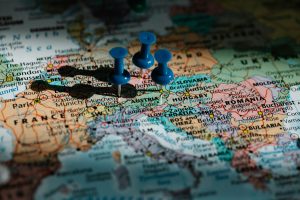
By focusing on good governance, education, healthcare, and economic diversification, these countries can pave the way towards a more prosperous future.
If you found this article informative and want to learn more about global poverty and development, subscribe to our newsletter for the latest updates and insights. Together, we can make a difference.
Who Is Richer Kenya Or Tanzania?
What Is The Real Capital Of Tanzania? Comprehensive Analysis
Tanzania, a country in East Africa, is renowned for its rich cultural heritage, diverse wildlife, and stunning landscapes. 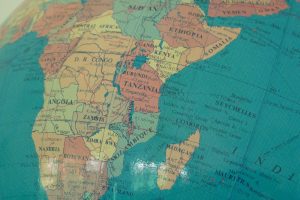
However, when it comes to its capital city, there is often confusion.Many people mistakenly believe that Dar es Salaam is the capital, but in reality, the capital city of Tanzania is Dodoma.
This article delves into the reasons behind the confusion, the historical context, and the significance of Dodoma as the real capital of Tanzania.
What Is The Real Capital Of Tanzania? Comprehensive Analysis
Historical Context
Colonial Era and Dar es Salaam
During the colonial period, Dar es Salaam served as the administrative and commercial center for both German East Africa and later British Tanganyika.
The nation is home to iconic sites such as Mount Kilimanjaro, the Serengeti National Park, and Zanzibar Island.
Its strategic coastal location made it an ideal hub for trade and administration. As a result, Dar es Salaam developed into a bustling metropolis with significant economic and political influence.
Post-Independence and the Shift to Dodoma
After gaining independence in 1961, Tanzania’s first President, Julius Nyerere, proposed moving the capital from Dar es Salaam to Dodoma. Nyerere envisioned Dodoma as a more central location that could better facilitate governance and national unity. The move was intended to decentralize power and promote equitable development across the country.
Why Dodoma?
Geographic Centrality
One of the primary reasons for selecting Dodoma as the capital was its geographic centrality. Situated in the heart of Tanzania, Dodoma is more accessible to the majority of the population, making it an ideal location for a national capital. This central positioning allows for better administrative coordination and easier access for citizens from various regions.
Political and Economic Decentralization
The decision to move the capital to Dodoma was also driven by a desire to decentralize political and economic power. By relocating the government away from the coastal economic hub of Dar es Salaam, the aim was to promote more balanced development and reduce regional disparities. This move was seen as a step towards fostering national unity and ensuring that all regions of Tanzania benefit from governmental activities.
Urban Planning and Development
Dodoma was chosen with the intention of creating a well-planned city that could accommodate the administrative functions of the government. Unlike the densely populated and chaotic Dar es Salaam, Dodoma offered a blank slate for urban planners to design a city with adequate infrastructure, government buildings, and residential areas for government employees.
The Development of Dodoma
Infrastructure and Government Buildings
Since the decision to make Dodoma the capital, significant investments have been made in developing its infrastructure. Government buildings, roads, and public facilities have been constructed to support the administrative functions of the capital. The relocation of various government ministries and offices to Dodoma has been a gradual process, with ongoing efforts to complete the transition.
Education and Health Facilities
Dodoma is also home to several important educational and health institutions. The city hosts the University of Dodoma, one of the largest universities in Tanzania, which plays a crucial role in providing higher education and fostering research. Additionally, the presence of healthcare facilities ensures that the city’s residents and government officials have access to essential services.
Transportation and Connectivity
Improving transportation and connectivity has been a key focus in the development of Dodoma. The city is connected to other major regions through a network of roads and railways, facilitating the movement of people and goods. The development of an airport in Dodoma has further enhanced its accessibility, making it easier for officials and visitors to travel to and from the capital.
The Role of Dar es Salaam
Economic Hub
Despite Dodoma being the official capital, Dar es Salaam remains the economic powerhouse of Tanzania. As the largest city and main port, Dar es Salaam is the center of commerce, industry, and finance. It hosts numerous businesses, international organizations, and diplomatic missions, making it a crucial player in the country’s economy.
Cultural and Social Center
Dar es Salaam is also a cultural and social hub, offering a vibrant mix of cultures, entertainment, and recreational activities. The city’s diverse population and rich cultural heritage contribute to its dynamic atmosphere. From museums and theaters to beaches and nightlife, Dar es Salaam provides a wide range of attractions for residents and visitors alike.
Ongoing Importance
While Dodoma serves as the administrative capital, Dar es Salaam’s role as the economic and cultural center ensures its ongoing importance in Tanzania. The city continues to attract investments, tourists, and expatriates, maintaining its status as a key city in the country.
Challenges and Criticisms
Slow Progress of the Move
The relocation of the capital to Dodoma has faced challenges and criticisms over the years. One of the main issues has been the slow progress in completing the move. Despite the initial decision being made in the 1970s, the full transition of government functions to Dodoma has been a prolonged process, with various delays and setbacks.
Infrastructure Development
The development of infrastructure in Dodoma has also faced hurdles. While significant progress has been made, there are still areas that require further investment and improvement. Ensuring that Dodoma can fully support the administrative needs of the government and provide adequate services to its residents remains an ongoing challenge.
Balancing Development
Another criticism of the move to Dodoma is the potential impact on Dar es Salaam. As the economic and cultural center of Tanzania, it is essential to balance the development of both cities. Ensuring that Dar es Salaam continues to thrive while Dodoma is developed as the administrative capital requires careful planning and resource allocation.
The Future of Dodoma
Continued Investment
The Tanzanian government remains committed to the development of Dodoma as the capital city. Continued investments in infrastructure, education, healthcare, and public services are crucial to ensuring that Dodoma can effectively serve its role as the administrative center. Ongoing efforts to complete the relocation of government offices and improve the city’s facilities are expected to continue in the coming years.
Economic Opportunities
The development of Dodoma also presents economic opportunities for the region. As the capital city grows, there is potential for increased business activities, job creation, and investments in various sectors. Developing Dodoma as a vibrant and sustainable city will contribute to the overall economic growth of Tanzania.
National Unity and Development
The decision to move the capital to Dodoma was rooted in the vision of promoting national unity and balanced development. By continuing to invest in Dodoma and ensuring its success as the capital, Tanzania can work towards achieving these goals. The growth of Dodoma as a well-planned and accessible city will benefit the entire nation.
What Is The Real Capital Of Tanzania? FAQs
1. Why did Tanzania move its capital from Dar es Salaam to Dodoma?
Tanzania moved its capital from Dar es Salaam to Dodoma to achieve better geographic centrality, promote political and economic decentralization, and foster national unity. Dodoma’s central location makes it more accessible to the majority of the population, and the move was intended to balance development across the country.
2. When was the decision made to move the capital to Dodoma?
The decision to move the capital to Dodoma was made in 1973 by Tanzania’s first President, Julius Nyerere. The move was part of his vision to decentralize power and promote equitable development.
3. What are the main functions of Dodoma as the capital?
As the capital city, Dodoma serves as the administrative center of Tanzania. It hosts the government ministries, offices, and institutions responsible for the country’s governance. Dodoma is also home to important educational and health facilities, supporting the needs of government officials and residents.
4. Is Dar es Salaam still important despite the move to Dodoma?
Yes, Dar es Salaam remains a crucial city in Tanzania. It is the country’s economic powerhouse, serving as the main port, commercial hub, and cultural center. While Dodoma is the administrative capital, Dar es Salaam continues to play a vital role in Tanzania’s economy and social life.
5. What challenges has Dodoma faced in becoming the capital?
Dodoma has faced challenges such as slow progress in the relocation of government functions, infrastructure development hurdles, and balancing development between Dodoma and Dar es Salaam. Despite these challenges, significant investments are being made to ensure Dodoma can effectively serve as the capital.
6. How has the infrastructure in Dodoma developed?
Significant investments have been made in developing Dodoma’s infrastructure, including government buildings, roads, public facilities, and transportation networks. The city is connected to other major regions through roads and railways, and an airport has been developed to enhance accessibility.
7. What is the future outlook for Dodoma as the capital?
The future outlook for Dodoma is positive, with continued investments in infrastructure, education, healthcare, and public services. The development of Dodoma presents economic opportunities for the region and contributes to Tanzania’s overall growth. The government’s commitment to making Dodoma a well-planned and accessible city ensures its success as the administrative capital.
Conclusion
In conclusion, Dodoma is the real capital of Tanzania, chosen for its central location and potential to promote national unity and balanced development.
While Dar es Salaam remains the economic and cultural hub, Dodoma serves as the administrative center, hosting the government and essential services.
The development of Dodoma has faced challenges, but ongoing investments and efforts are ensuring its growth and success. As Tanzania continues to develop, both Dodoma and Dar es Salaam will play crucial roles in the country’s future.
Call to Action: Explore the rich history and vibrant culture of Tanzania by visiting both Dodoma and Dar es Salaam. Witness the development of the capital city and experience the dynamic atmosphere of the economic hub. Learn more about Tanzania’s unique journey and its vision for the future.
Is Tanzania a rich or Poor country? Complete Guide
Tanzania, a country located in East Africa, is known for its vast landscapes, rich cultural heritage, and significant economic potential. It is home to some of the most famous natural attractions, including Mount Kilimanjaro, the Serengeti National Park, and the Zanzibar Archipelago. 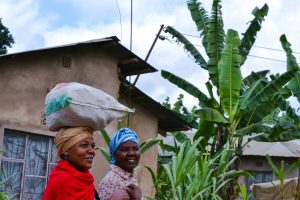 However, the question of whether Tanzania is a rich or poor country is complex and multifaceted. This article delves into various aspects of Tanzania’s economy, development indicators, and living conditions to provide a comprehensive answer to this question.
Is Tanzania a rich or Poor country? Complete Guide
Economic Overview
GDP and Economic Growth
Tanzania’s Gross Domestic Product (GDP) has shown consistent growth over the past decade. The country has maintained an average growth rate of about 6-7% per year, driven primarily by sectors such as mining, tourism, agriculture, and manufacturing. Despite this growth, Tanzania’s GDP per capita remains relatively low compared to other countries, indicating that the wealth generated is not evenly distributed among its population.
Natural Resources
Tanzania is endowed with a wealth of natural resources, including gold, diamonds, natural gas, and other minerals. The mining sector is a significant contributor to the country’s GDP. In addition to minerals, Tanzania has vast arable land, which supports its agriculture sector. Agriculture remains the backbone of the economy, employing about 65% of the workforce and contributing significantly to export revenues.
Tourism
Tourism is another vital sector for Tanzania’s economy. The country’s rich biodiversity and unique wildlife attract millions of tourists each year. Iconic destinations such as the Serengeti, Ngorongoro Crater, and Zanzibar are globally renowned. Tourism not only generates foreign exchange but also creates employment opportunities for many Tanzanians.
Development Indicators
Poverty Rate
Despite economic growth, Tanzania faces significant challenges in reducing poverty. According to the World Bank, approximately 26% of the population lives below the national poverty line. The rural areas, where the majority of the population resides, are particularly affected by poverty. Efforts to alleviate poverty include government initiatives and international aid programs aimed at improving education, healthcare, and infrastructure.
Human Development Index (HDI)
The Human Development Index (HDI), which measures a country’s average achievements in health, education, and income, ranks Tanzania in the low human development category. In 2020, Tanzania’s HDI was 0.529, placing it at 163 out of 189 countries. This ranking reflects the need for substantial improvements in health services, educational opportunities, and income levels.
Education
Education is a critical area where Tanzania has made progress but still faces challenges. The government has implemented policies to provide free primary education and has increased enrollment rates. However, the quality of education remains an issue, with overcrowded classrooms, insufficient learning materials, and a shortage of qualified teachers.
Healthcare
Healthcare in Tanzania has improved over the years, with increased access to medical services and a reduction in child mortality rates. However, the healthcare system still struggles with inadequate infrastructure, a shortage of medical professionals, and limited access to essential medicines, particularly in rural areas.
Infrastructure and Development
Transportation
Tanzania has made significant investments in infrastructure development, particularly in transportation. Projects such as the Standard Gauge Railway (SGR) and the expansion of ports and airports aim to enhance connectivity and boost economic activities. Improved transportation infrastructure is crucial for facilitating trade, attracting investment, and promoting regional integration.
Energy
Access to reliable and affordable energy is vital for economic development. Tanzania has made strides in expanding its energy infrastructure, with investments in hydroelectric, natural gas, and renewable energy projects. Despite these efforts, about 40% of the population still lacks access to electricity, particularly in rural areas.
Telecommunications
The telecommunications sector in Tanzania has experienced rapid growth, driven by mobile phone penetration and internet connectivity. The expansion of mobile networks has facilitated communication, financial transactions, and access to information, contributing to socio-economic development.
Social and Economic Challenges
Unemployment
Unemployment, particularly among the youth, is a significant challenge for Tanzania. The country’s growing population adds pressure to the labor market, and many young people struggle to find formal employment. Initiatives to promote entrepreneurship and vocational training are essential to address this issue.
Income Inequality
Income inequality remains a concern in Tanzania. While some regions and sectors have benefited from economic growth, others lag behind. The disparity between urban and rural areas is particularly pronounced, with rural communities facing limited access to services and opportunities.
Corruption
Corruption is a pervasive issue that hampers development efforts in Tanzania. Despite government initiatives to combat corruption, it remains a challenge that affects various sectors, including public administration, law enforcement, and business.
Government Policies and International Aid
Government Initiatives
The Tanzanian government has implemented several policies aimed at fostering economic growth and development. The Vision 2025 plan outlines goals for achieving middle-income status through industrialization, modernization of agriculture, and investment in human capital. Additionally, the government focuses on improving governance, combating corruption, and enhancing public service delivery.
International Aid
Tanzania is a recipient of substantial international aid from various countries and organizations. Aid programs support diverse sectors, including education, healthcare, infrastructure, and agriculture. International partnerships play a crucial role in supplementing government efforts to achieve development objectives.
Future Prospects
Economic Diversification
Economic diversification is vital for Tanzania’s long-term growth and stability. Reducing reliance on traditional sectors such as agriculture and mining by promoting industrialization, technology, and services can enhance economic resilience and create new opportunities.
Sustainable Development
Sustainable development is essential to ensure that economic growth benefits all Tanzanians and preserves the environment for future generations. Initiatives focused on renewable energy, conservation, and climate resilience are critical for achieving sustainable development goals.
Regional Integration
Tanzania’s strategic location in East Africa positions it as a key player in regional integration efforts. Strengthening ties with neighboring countries through trade agreements, infrastructure projects, and collaborative initiatives can boost economic growth and development.
Is Tanzania a rich or Poor country? FAQs
1. What is the main source of Tanzania’s economic growth?
Tanzania’s economic growth is primarily driven by sectors such as mining, tourism, agriculture, and manufacturing. Natural resources, particularly minerals like gold, play a significant role in the economy, while tourism and agriculture contribute substantially to GDP and employment.
2. How is Tanzania’s poverty rate compared to other countries?
Tanzania’s poverty rate is relatively high compared to many other countries. Approximately 26% of the population lives below the national poverty line. Efforts to reduce poverty are ongoing, but challenges remain, particularly in rural areas.
3. What are the major challenges facing Tanzania’s healthcare system?
Tanzania’s healthcare system faces several challenges, including inadequate infrastructure, a shortage of medical professionals, and limited access to essential medicines. These issues are more pronounced in rural areas, where healthcare services are less accessible.
4. How has education improved in Tanzania?
Education in Tanzania has seen improvements in terms of increased enrollment rates and the implementation of policies for free primary education. However, challenges such as overcrowded classrooms, insufficient learning materials, and a lack of qualified teachers persist.
5. What steps is Tanzania taking to combat corruption?
The Tanzanian government has implemented various initiatives to combat corruption, including strengthening anti-corruption institutions, enforcing stricter laws, and promoting transparency in public administration. Despite these efforts, corruption remains a significant challenge.
6. How does tourism impact Tanzania’s economy?
Tourism is a vital sector for Tanzania’s economy, generating significant foreign exchange and creating employment opportunities. The country’s rich biodiversity and unique wildlife attract millions of tourists annually, contributing to economic growth and development.
7. What role does international aid play in Tanzania’s development?
International aid plays a crucial role in Tanzania’s development by supporting various sectors such as education, healthcare, infrastructure, and agriculture. Aid programs and international partnerships complement government efforts to achieve development goals and improve living conditions.
Conclusion
Tanzania is a country of contrasts, with significant economic potential and ongoing challenges. While the country has made progress in various areas, it continues to face issues related to poverty, inequality, and infrastructure. The answer to whether Tanzania is rich or poor is not straightforward.
It is a nation on a journey of development, with a wealth of natural resources and a growing economy, yet grappling with socio-economic challenges.
To fully realize its potential, Tanzania must continue to implement effective policies, promote sustainable development, and leverage international partnerships. Addressing key issues such as education, healthcare, and corruption is essential for improving the quality of life for all Tanzanians.