Is Gyptian Rastafarian? Yes, Gyptian is Rastafarian, influenced by his father who was Rastafarian, while his mother was a Seventh-day Adventist, as he expresses in his song “Serious Times,” which emphasizes the Rastafarian principles of peace, love, and unity
Gyptian, a celebrated reggae artist, has captured the hearts of fans worldwide with his unique blend of R&B and reggae music. His cultural background and spiritual beliefs have been the subject of much discussion and intrigue.
Born to a Rastafarian father and a Seventh-day Adventist mother, Gyptian’s upbringing was a fusion of these two distinct religious paths. But how has this duality influenced his life, beliefs, and music?
This article delves deep into Gyptian’s connection with Rastafarianism, exploring his spiritual journey, musical influences, and the cultural significance of his work. By examining his life and artistry, we aim to answer the burning question: Is Gyptian Rastafarian?
Is Gyptian Rastafarian? Exploring the Life, Beliefs, and Music of a Reggae Icon
1. Who is Gyptian?
Gyptian, born Windel Beneto Edwards on October 25, 1983, in Jamaica, is a renowned reggae artist known for his smooth voice and blend of reggae and R&B. He rose to fame with hits like “Hold You” and “Beautiful Lady,” earning a loyal following both in Jamaica and internationally. Gyptian’s music often reflects his cultural roots and personal experiences, making him a beloved figure in the reggae community.
2. What is Rastafarianism?
Rastafarianism is a spiritual and cultural movement that originated in Jamaica in the 1930s. It is rooted in the belief that Haile Selassie I, the former Emperor of Ethiopia, is the reincarnation of God (Jah) and the messiah who will lead African descendants back to their homeland. Rastafarianism emphasizes living in harmony with nature, promoting peace, love, and unity, and often includes the use of cannabis as a sacrament. The movement also rejects Western society, which Rastafarians refer to as “Babylon,” viewing it as corrupt and oppressive.
3. Was Gyptian raised in a Rastafarian household?
Gyptian was raised in a unique household where his father was a devout Rastafarian, while his mother was a Seventh-day Adventist. This dual religious influence shaped his early life, exposing him to both the spiritual practices of Rastafarianism and the Christian teachings of his mother’s faith. Gyptian has often spoken about how this upbringing influenced his outlook on life, although he identifies more closely with Rastafarian beliefs.
4. How has Rastafarianism influenced Gyptian’s music?
Rastafarianism has significantly influenced Gyptian’s music, particularly in the themes of peace, love, and unity that permeate his songs. His reggae roots are evident in his lyrical content, which often reflects the struggles and triumphs of life in Jamaica. Gyptian’s music also carries a message of spiritual upliftment, resonating with the Rastafarian emphasis on living a righteous life. However, he also incorporates elements of R&B, creating a crossover appeal that has broadened his audience.
5. Does Gyptian publicly identify as Rastafarian?
While Gyptian has expressed admiration for Rastafarian principles and acknowledges his Rastafarian upbringing, he has not explicitly declared himself as strictly following the faith. He often speaks of the spiritual teachings of Rastafarianism and their impact on his life, but he also respects other religious perspectives, particularly Christianity, due to his mother’s influence. Gyptian’s approach to spirituality appears to be more eclectic, embracing the positive aspects of both traditions.
6. What are the core beliefs of Rastafarianism that Gyptian might follow?
The core beliefs of Rastafarianism that may resonate with Gyptian include the reverence for Haile Selassie I as the messiah, the importance of living in harmony with nature, and the pursuit of peace, love, and unity among all people. Rastafarians also practice a natural lifestyle, including a diet free from artificial additives, and often reject materialism in favor of spiritual growth. These values are reflected in Gyptian’s music, which often promotes love, peace, and social consciousness.
7. How does Gyptian’s music reflect his Rastafarian upbringing?
Gyptian’s music is infused with messages of love, social justice, and spirituality, all of which are central themes in Rastafarianism. Songs like “Serious Times” and “Mama” address the struggles of life and the importance of resilience and faith, echoing Rastafarian teachings. Additionally, his collaboration with artists like Snoop Lion (formerly Snoop Dogg), who converted to Rastafarianism, highlights his connection to the movement and its global influence.
8. Has Gyptian faced any criticism for his spiritual beliefs or music?
Gyptian has faced some criticism, particularly from those who feel that his blend of R&B and reggae dilutes the traditional roots of Rastafarian music. Some purists argue that his crossover appeal compromises the authenticity of his message. However, Gyptian remains committed to his unique sound, believing that his music spreads the positive values of Rastafarianism to a broader audience, thereby keeping the spirit of reggae alive.
9. What is the significance of Gyptian’s collaboration with Snoop Lion?
Gyptian’s collaboration with Snoop Lion is significant as it bridges the gap between reggae and mainstream music. Snoop Lion, formerly known as Snoop Dogg, adopted the Rastafarian faith and rebranded himself as a reggae artist. Their collaboration brought together two artists from different backgrounds who share a common respect for Rastafarianism. This partnership highlights the global reach of reggae and its ability to transcend cultural and musical boundaries.
10. Is Rastafarianism a key aspect of Gyptian’s public persona?
Rastafarianism is a key aspect of Gyptian’s public persona, though it is not the sole defining characteristic. He embraces the cultural and spiritual teachings of Rastafarianism, but he also incorporates other influences into his music and life. Gyptian’s ability to balance these influences has contributed to his success as a crossover artist, allowing him to reach diverse audiences while staying true to his roots.
Call to Action
If you are inspired by Gyptian’s music and his journey, take a moment to explore the rich history and teachings of Rastafarianism. Listen to more of Gyptian’s tracks, and delve into the world of reggae to discover how this genre continues to uplift and unite people across the globe. Share this article with friends and fellow music lovers, and keep the conversation going about the enduring legacy of reggae and Rastafarianism. Your exploration of these themes might just lead you to a deeper understanding of the spiritual and cultural richness that shapes our world.
Conclusion
Gyptian’s spiritual journey and connection to Rastafarianism have played a significant role in shaping his life and music. While he may not strictly adhere to all the tenets of Rastafarianism, his upbringing and the values instilled in him by his father are evident in his work.
Gyptian’s music promotes love, peace, and social consciousness, echoing the core beliefs of Rastafarianism.
His ability to blend these elements with modern sounds has earned him a place in the global music scene, proving that reggae, and the spirit of Rastafarianism, remains alive and relevant.
As we explore Gyptian’s life and music, it is clear that his Rastafarian roots continue to influence his artistry, making him a unique and powerful voice in the world of reggae. Whether you are a fan of his music or curious about the spiritual journey of this reggae icon, Gyptian’s story is one of cultural fusion, spiritual exploration, and musical innovation.
What Is A KC Number Plate In Kenya? Everything You Need To Know
Not sure What is a KC number plate in Kenya? A KC number plate in Kenya is a specialized vehicle registration plate issued by the NTSA for vehicles associated with container freight stations, featuring enhanced security elements and the “KC” prefix for easy identification and regulation
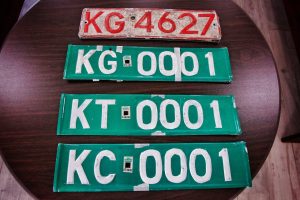
In August 2023, the National Transport and Safety Authority (NTSA) of Kenya introduced a new series of number plates starting with the “KC” prefix.
The launch of the KC number plates in Kenya has sparked considerable interest and curiosity among vehicle owners, importers, and the general public.
These plates are not just another addition to the sequence of vehicle registration plates; they represent a specialized category aimed at improving the logistics and transportation sectors.
The KC number plates are specifically designated for vehicles operating within container freight stations, which are key hubs in Kenya’s bustling import and export industry.
With the introduction of these plates, NTSA aims to address various challenges in the vehicle registration system, including the need for enhanced security features and better monitoring of freight vehicles.
In this article, we will delve into the specifics of KC number plates in Kenya, answering common questions and providing detailed insights into their purpose, application process, and significance in the transport sector.
What Is a KC Number Plate in Kenya?Everything You Need To Know
Whether you’re a vehicle owner, a logistics professional, or simply someone interested in the evolving landscape of vehicle registration in Kenya, this article will provide you with a comprehensive understanding of KC number plates.
1. What Is a KC Number Plate in Kenya?
A KC number plate is a new series of vehicle registration plates introduced by the NTSA in Kenya specifically for vehicles associated with container freight stations (CFS). The “KC” prefix distinguishes these plates from other vehicle registration plates in Kenya, signifying that the vehicle is either used for transporting goods to and from CFSs or is owned by a CFS operator. These plates are part of NTSA’s effort to enhance security, streamline logistics, and improve the traceability of vehicles involved in the transportation of goods within the country.
2. Why Were KC Number Plates Introduced?
KC number plates were introduced as part of NTSA’s broader strategy to address several challenges in the logistics and transportation sectors. One of the primary reasons for their introduction was to improve the monitoring and regulation of vehicles operating within container freight stations. By assigning a specific plate series to these vehicles, NTSA can easily identify and track them, reducing the risk of fraud, theft, and illegal activities. Additionally, the KC number plates come with enhanced security features, making it more difficult for counterfeit plates to be produced and used.
3. Who Is Eligible for a KC Number Plate?
KC number plates are exclusively issued to vehicles associated with container freight stations. This includes trucks and trailers that transport goods to and from CFSs, as well as vehicles owned by CFS operators. To obtain a KC number plate, the vehicle must be registered under a licensed CFS or logistics company that is recognized by the NTSA. The registration process involves submitting the necessary documentation to NTSA, including proof of ownership, CFS licensing, and compliance with other regulatory requirements.
4. What Are the Security Features of KC Number Plates?
One of the key aspects of the KC number plates is their enhanced security features. These plates are designed to prevent counterfeiting and unauthorized duplication, which has been a significant issue with other types of number plates in Kenya. The security features of KC number plates include:
- Holographic Watermark: A special holographic watermark that is difficult to replicate, ensuring the authenticity of the plate.
- Embedded Microchip: A microchip embedded within the plate that contains vehicle and owner information, which can be scanned by NTSA officials for verification.
- Reflective Material: The plates are made from reflective material that enhances visibility and reduces the likelihood of tampering.
These features make the KC number plates more secure and help NTSA in enforcing regulations more effectively.
5. How to Apply for a KC Number Plate?
Applying for a KC number plate involves several steps that must be followed to ensure compliance with NTSA regulations. The application process is as follows:
- Obtain CFS Licensing: Before applying for a KC number plate, the vehicle must be registered under a licensed container freight station. The CFS must be recognized by NTSA, and all relevant licenses and permits must be up to date.
- Submit Documentation: The vehicle owner must submit the necessary documentation to NTSA, including proof of ownership, CFS licensing, and any other required documents.
- Pay the Applicable Fees: There are fees associated with the issuance of KC number plates. These fees vary depending on the type of vehicle and the specific requirements of the application.
- Inspection: The vehicle may be subject to an inspection by NTSA officials to ensure that it meets all regulatory requirements.
- Issuance of KC Number Plate: Once all the requirements are met, NTSA will issue the KC number plate, and the vehicle will be registered under the new plate series.
6. What Are the Benefits of KC Number Plates?
KC number plates offer several benefits to vehicle owners, CFS operators, and the logistics sector as a whole. Some of the key benefits include:
- Improved Traceability: The KC number plates allow NTSA and other regulatory bodies to track and monitor vehicles operating within container freight stations more effectively, reducing the risk of illegal activities.
- Enhanced Security: The advanced security features of KC number plates make it more difficult for counterfeit plates to be produced and used, protecting vehicle owners and operators from fraud.
- Streamlined Logistics: By having a specific plate series for CFS vehicles, NTSA can streamline the registration and monitoring processes, leading to more efficient logistics operations.
- Compliance with Regulations: Vehicles with KC number plates are easily identifiable as being compliant with NTSA regulations, reducing the likelihood of penalties or fines for non-compliance.
7. How Do KC Number Plates Differ from Other Plates?
KC number plates differ from other vehicle registration plates in Kenya in several ways:
- Prefix: The most obvious difference is the “KC” prefix, which is unique to vehicles associated with container freight stations. Other plates may have different prefixes, depending on the type of vehicle and its use.
- Security Features: KC number plates come with enhanced security features, such as holographic watermarks and embedded microchips, which are not present in standard vehicle plates.
- Usage: KC number plates are specifically designated for vehicles operating within container freight stations, whereas other plates may be used for personal, commercial, or government vehicles.
8. Are There Any Challenges Associated with KC Number Plates?
While KC number plates offer many benefits, there are also some challenges associated with their implementation:
- Cost: The cost of obtaining a KC number plate can be higher than that of standard plates due to the additional security features and regulatory requirements.
- Complexity of Application Process: The application process for KC number plates can be more complex and time-consuming, particularly for vehicle owners who are not familiar with NTSA’s regulations and requirements.
- Enforcement: Ensuring that all vehicles operating within container freight stations are registered with KC number plates can be challenging, especially in areas where there is a high volume of freight traffic.
9. How Are KC Number Plates Enforced?
Enforcement of KC number plates is carried out by NTSA in collaboration with other regulatory bodies and law enforcement agencies. Vehicles operating within container freight stations are regularly monitored to ensure compliance with registration requirements. NTSA has also implemented technology-based solutions, such as the use of handheld scanners to verify the authenticity of KC number plates and their embedded microchips. Additionally, there are penalties for vehicles that are found to be operating without the proper registration, including fines and impoundment.
10. What Is the Future of KC Number Plates in Kenya?
The introduction of KC number plates is part of NTSA’s ongoing efforts to modernize and secure the vehicle registration system in Kenya. As the logistics and transportation sectors continue to grow, it is expected that the use of KC number plates will become more widespread. NTSA may also introduce further enhancements to the plates, such as additional security features or integration with digital platforms for easier monitoring and verification. The success of KC number plates could also pave the way for the introduction of other specialized plate series in the future, aimed at different sectors of the economy.
What Is a KC Number Plate in Kenya FAQs
1. What exactly is a KC number plate in Kenya?
A KC number plate is a specific type of vehicle registration plate introduced by the National Transport and Safety Authority (NTSA) in Kenya, designated for vehicles associated with container freight stations (CFS). These plates are distinguished by the “KC” prefix, indicating that the vehicle is involved in the transportation of goods to and from CFSs or is owned by a CFS operator.
2. Why was the KC number plate introduced in Kenya?
The KC number plate was introduced to improve the monitoring, regulation, and security of vehicles operating within container freight stations. It allows NTSA to easily identify and track these vehicles, reducing the risk of fraud, theft, and other illegal activities within the logistics and transportation sectors.
3. Who is eligible to receive a KC number plate in Kenya?
KC number plates are issued exclusively to vehicles that are associated with licensed container freight stations. This includes trucks, trailers, and other vehicles used to transport goods to and from CFSs, as well as vehicles owned by CFS operators. To receive a KC number plate, the vehicle must be registered under a recognized CFS or logistics company.
4. How does a KC number plate differ from other vehicle registration plates in Kenya?
The KC number plate differs from other vehicle registration plates in Kenya primarily due to its specific prefix (“KC”) and its association with container freight stations. Additionally, KC plates feature enhanced security elements, such as holographic watermarks and embedded microchips, which are not present on standard vehicle plates.
5. What security features are included in KC number plates in Kenya?
KC number plates include several advanced security features to prevent counterfeiting and unauthorized duplication. These features include a holographic watermark, an embedded microchip containing vehicle and owner information, and reflective material that enhances visibility and tamper resistance.
6. What is the process for applying for a KC number plate in Kenya?
To apply for a KC number plate, vehicle owners must first ensure that their vehicle is registered under a licensed container freight station. The application process involves submitting the required documentation, such as proof of ownership and CFS licensing, to NTSA, paying the applicable fees, and possibly undergoing a vehicle inspection. Once all requirements are met, NTSA will issue the KC number plate.
7. What are the benefits of having a KC number plate in Kenya?
Having a KC number plate offers several benefits, including improved traceability of vehicles within container freight stations, enhanced security against counterfeiting, streamlined logistics operations, and compliance with NTSA regulations. These benefits contribute to a more secure and efficient transportation system.
8. Are there any additional costs associated with obtaining a KC number plate in Kenya?
Yes, there may be additional costs associated with obtaining a KC number plate, primarily due to the advanced security features and regulatory requirements. These costs can include application fees, inspection fees, and the cost of compliance with CFS licensing regulations.
9. How are KC number plates enforced in Kenya?
KC number plates are enforced by NTSA in collaboration with other regulatory bodies and law enforcement agencies. Vehicles operating within container freight stations are monitored to ensure compliance with registration requirements. NTSA uses technology such as handheld scanners to verify the authenticity of KC plates and their embedded microchips.
10. What should I do if I need more information about KC number plates in Kenya?
If you need more information about KC number plates, you can visit the NTSA website, contact their offices directly, or consult with a licensed container freight station operator. These resources can provide guidance on the application process, regulatory requirements, and any other questions you may have regarding KC number plates
Conclusion
The KC number plates in Kenya represent a significant step forward in the country’s efforts to modernize and secure its vehicle registration system. These plates are specifically designed for vehicles associated with container freight stations, offering enhanced security features and improved traceability.
While there are challenges associated with their implementation, the benefits of KC number plates are clear: they help streamline logistics, reduce the risk of fraud, and ensure compliance with NTSA regulations.As the logistics sector continues to evolve, the use of KC number plates is expected to become increasingly important.
For vehicle owners and operators within container freight stations, it is essential to understand the requirements and benefits of KC number plates.
By staying informed and complying with NTSA’s regulations, you can ensure that your vehicles are properly registered and avoid potential penalties. If you have any questions or need assistance with the application process, don’t hesitate to reach out to NTSA or consult with a licensed CFS operator. Get your KC number plate today and be part of the future of secure and efficient logistics in Kenya!
Who Was Behind the Wheel Kilifi Range Rover Crash Accident Mystery Solved
Still not sure Who Was Behind the Wheel Kilifi Range Rover Crash Accident Mystery Solved? WELL, The peaceful morning of August 27, 2024, in Kilifi County, Kenya, was shattered by a tragic road accident that claimed two lives and left three others seriously injured.
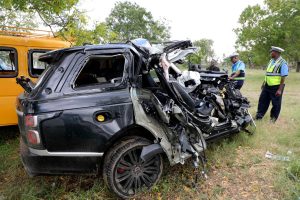
The incident, which occurred in the Mariakani area, involved a Range Rover and a canter truck in a devastating head-on collision. The aftermath of this accident has left the community in shock and mourning, with many questions surrounding the identity of the driver and the circumstances leading to the crash.
In a hurry ! Here Is A Quick Round-Up Of Kilifi Range Rover Crash Accident
- Accident Date: August 27, 2024.
- Location: Mariakani, Kilifi County, Kenya.
- Vehicles Involved: Range Rover and canter truck.
- Driver: 37-year-old Jamal Mubarak.
- Cause: Speeding and improper overtaking.
- Fatalities: Jamal Mubarak and an unidentified female passenger.
- Injuries: Three individuals in the canter truck.
- Investigation: Ongoing to determine full details.
- Community Impact: Shock, mourning, and road safety concerns.
- Legal Implications: Possible criminal charges and civil lawsuits.
As details of the accident emerged, speculation and rumors began to swirl about the identity of the person behind the wheel of the Range Rover.
This article aims to uncover the truth behind the Kilifi Range Rover crash, providing a detailed account of the events, the individuals involved, and the ongoing investigation. We will also explore the broader implications of this tragedy for road safety in Kilifi County and offer practical advice on how to prevent similar accidents in the future.
Who Was Behind the Wheel? Kilifi Range Rover Crash Accident Mystery Solved
The Tragic Accident in Kilifi: What Happened?
In the early hours of Tuesday, August 27, 2024, a fatal accident occurred in the Maji Ya Chumvi area of Kilifi County. The collision involved a Range Rover, driven by 37-year-old Jamal Mubarak, and an oncoming canter truck. According to eyewitnesses and the police report, Mubarak was traveling from Mombasa towards Nairobi when the accident took place.
The collision happened around 7 a.m. as Mubarak attempted to overtake another vehicle on the busy road. Unfortunately, his miscalculation led to a catastrophic head-on collision with the canter truck, which was traveling in the opposite direction. The impact was so severe that both vehicles were left mangled, with the Range Rover almost unrecognizable. The scene was one of chaos, with emergency responders quickly arriving to attend to the victims.
The Victims: Who Were They?
The Kilifi Range Rover crash claimed the lives of two individuals: Jamal Mubarak, the driver of the Range Rover, and a female passenger whose identity has not been publicly disclosed. Mubarak, a well-known motor vehicle dealer based in Mombasa, was reportedly delivering the vehicle to a client at the time of the accident.
The female passenger, who was traveling with Mubarak, died instantly upon impact. Her identity remains a mystery, adding another layer of intrigue to the already tragic event. In addition to the two fatalities, three individuals traveling in the canter truck sustained serious injuries. They were rushed to Mariakani Sub-County Hospital for emergency treatment. The exact condition of these individuals remains unclear, but they are currently receiving medical care.
The Ongoing Investigation: Uncovering the Truth
Following the accident, local authorities launched an investigation to determine the exact cause of the collision and any contributing factors. The police report indicated that speeding and improper overtaking were likely responsible for the tragedy. Mubarak’s attempt to overtake another vehicle on a busy road ultimately led to the devastating head-on collision.
Investigators are also examining other possible factors, such as whether Mubarak was under the influence of alcohol or drugs at the time of the accident. While there has been no official statement on this matter, the investigation is ongoing, with authorities committed to uncovering the full truth behind the incident.
The Role of Speeding and Reckless Driving in the Accident
Speeding is a significant factor in many road accidents, and the Kilifi Range Rover crash is no exception. Mubarak’s decision to speed and overtake another vehicle on a busy highway was a critical mistake that ultimately cost him his life. The dangers of speeding are well-documented, with studies showing that higher speeds reduce the driver’s ability to react to sudden changes in road conditions.
Reckless driving, particularly improper overtaking, is another major contributor to road accidents. In this case, Mubarak’s attempt to overtake in a situation where it was unsafe to do so led to the head-on collision. This tragic accident serves as a stark reminder of the risks associated with speeding and reckless driving, highlighting the need for greater awareness and caution on the roads.
Impact on the Community: Kilifi Mourns
The Kilifi community has been deeply affected by the tragic accident. Residents have expressed their shock and sorrow over the loss of life, with many calling for stricter enforcement of road safety laws. The accident has also sparked discussions about the need for better road infrastructure and more stringent regulations to prevent similar tragedies in the future.
Memorials and tributes have been held in honor of the victims, with community members gathering to pay their respects. The accident has served as a wake-up call for many, emphasizing the importance of responsible driving and the devastating consequences that can result from a momentary lapse in judgment.
Jamal Mubarak: The Man Behind the Wheel
Jamal Mubarak was a 37-year-old motor vehicle dealer based in Mombasa. Known for his successful business in the automotive industry, Mubarak was well-respected in the community. On the day of the accident, he was reportedly delivering the Range Rover to a client in Nairobi. His decision to speed and overtake another vehicle on a dangerous stretch of road ultimately led to the fatal collision.
Mubarak’s life and career were tragically cut short by the accident. His death has left many in the community mourning the loss of a businessman who had made a significant impact in the automotive industry. The circumstances surrounding his actions on the day of the accident remain unclear, but the investigation continues to seek answers.
Legal Implications: What Comes Next?
The legal implications of the Kilifi Range Rover crash are still unfolding. Authorities are investigating the accident to determine whether any criminal charges should be filed. If it is found that Mubarak was driving recklessly or under the influence, legal action could be taken against his estate.
Additionally, the families of the victims may pursue civil lawsuits for wrongful death or personal injury. The outcome of these legal actions will depend on the findings of the ongoing investigation and the evidence gathered by the authorities.
Road Safety in Kilifi County: A Growing Concern
The Kilifi Range Rover crash is part of a worrying trend of increasing road accidents in Kilifi County and across Kenya. Road safety has become a significant concern, with many calling for greater enforcement of traffic laws and improved road infrastructure. Statistics show that road accidents are on the rise, with many fatalities resulting from speeding and reckless driving.
The government has responded to this crisis by launching road safety campaigns and increasing police presence on major highways. However, more needs to be done to address the root causes of these accidents and ensure the safety of all road users.
The Importance of Responsible Driving
The Kilifi Range Rover crash serves as a powerful reminder of the importance of responsible driving. Speeding and reckless driving are major contributors to road accidents, and the consequences can be deadly. Drivers must be aware of the risks and take steps to avoid dangerous behavior on the road.
Responsible driving involves obeying speed limits, avoiding distractions, and making safe decisions when overtaking or changing lanes. By adopting these practices, drivers can help reduce the risk of accidents and ensure the safety of themselves and others.
Moving Forward: What Can Be Done to Prevent Future Tragedies?
Preventing future tragedies like the Kilifi Range Rover crash requires a multi-faceted approach. Strengthening road safety laws, improving road infrastructure, and increasing public awareness are all crucial steps that can help reduce the risk of accidents.
Community involvement is also essential. By participating in road safety initiatives and advocating for safer driving practices, residents can play a vital role in creating safer roads. Looking ahead, it is crucial that lessons are learned from this tragedy and that steps are taken to prevent similar accidents from occurring in the future.
Who Was Behind the Wheel Kilifi Range Rover Crash Accident Mystery Solved FAQs
- Who was driving the Range Rover in the Kilifi accident?
- The driver of the Range Rover was identified as 37-year-old Jamal Mubarak, a motor vehicle dealer based in Mombasa. He was reportedly delivering the vehicle to a client at the time of the accident.
- What caused the Kilifi Range Rover crash?
- The crash was caused by speeding and improper overtaking. Mubarak attempted to overtake another vehicle, leading to a head-on collision with an oncoming canter truck.
- How many people were affected by the accident?
- The accident resulted in two fatalities, including the driver, Jamal Mubarak, and a female passenger. Additionally, three individuals traveling in the canter truck sustained serious injuries.
- What were the immediate consequences of the accident?
- The immediate aftermath of the accident involved severe damage to both vehicles, with the Range Rover almost unrecognizable. Emergency services quickly arrived at the scene to attend to the victims.
- What is being done to investigate the accident?
- Authorities have launched an investigation to determine the exact cause of the accident and any contributing factors. The investigation is ongoing, with police examining the circumstances leading up to the crash.
- How has the community responded to the accident?
- The Kilifi community has been deeply affected by the accident, with many expressing their shock and sorrow. Memorials and tributes have been held in honor of the victims, and there is growing concern about road safety in the region.
- What legal actions are being taken following the accident?
- Legal actions could include criminal charges if it is found that Mubarak was driving recklessly or under the influence. Additionally, the victims’ families may pursue civil lawsuits for wrongful death or personal injury.
- What are the dangers of speeding and reckless driving?
- Speeding reduces a driver’s ability to react to sudden changes, while reckless driving, such as improper overtaking, increases the risk of accidents. Both behaviors were contributing factors in the Kilifi Range Rover crash.
- What steps are being taken to improve road safety in Kilifi County?
- The government has launched road safety campaigns and increased police presence on major highways. However, there is a growing call for more comprehensive measures to address the root causes of accidents.
- How can similar accidents be prevented in the future?
- Preventing future accidents requires strengthening road safety laws, improving road infrastructure, and increasing public awareness. Community involvement in road safety initiatives is also crucial.
Conclusion
The Kilifi Range Rover crash is a heartbreaking reminder of the dangers of speeding and reckless driving. As the community mourns the loss of life and the investigation continues, it is essential to reflect on the importance of road safety. By learning from this tragedy and taking proactive steps to prevent similar accidents, we can create safer roads for everyone.
The road ahead is long, but with concerted efforts from individuals, communities, and authorities, we can work together to reduce the risk of such devastating incidents in the future. Let this tragedy be a catalyst for change, encouraging all of us to drive responsibly and prioritize safety above all else.
Tragedy Strikes Kilifi As Two Die In A Range Rover Accident And Canter Crash
In the early hours of August 27, 2024, a devastating accident in the Mariakani area of Kilifi County, Kenya, claimed two lives and left three others severely injured. The collision between a Range Rover and a canter truck has sent shockwaves through the local community, highlighting the persistent dangers on Kenyan roads.
Road accidents have long been a concern in the country, but this particular incident has drawn significant attention due to the tragic loss of life and the circumstances surrounding the crash.
This article delves into the details of the accident, exploring the factors that contributed to the tragedy, the immediate aftermath, and the broader implications for road safety in Kilifi County and Kenya as a whole. Through a comprehensive analysis, we aim to provide a thorough understanding of the events leading up to the crash and the lessons that can be learned to prevent similar incidents in the future.
Tragedy Strikes Kilifi As Two Die In A Range Rover Accident And Canter Crash
The incident occurred on the Mombasa-Nairobi highway, a stretch of road notorious for accidents due to heavy traffic, poor driving habits, and challenging road conditions. The collision took place at around 7 a.m., when a Range Rover, driven by 37-year-old Jamal Mubarak, collided head-on with a canter truck.
Mubarak, who was reportedly speeding, was attempting to overtake another vehicle when the collision occurred. The impact was so severe that both Mubarak and his female passenger died instantly, while the three occupants of the canter truck sustained serious injuries.
The Collision: What Happened?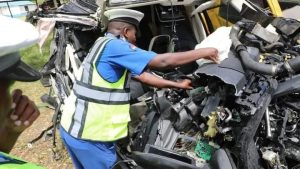
On that fateful morning, Jamal Mubarak, a well-known motor vehicle dealer based in Mombasa, was driving a Range Rover from Mombasa towards Nairobi. According to eyewitness reports and a police statement, Mubarak was driving at a high speed and attempted to overtake another vehicle near the Maji Ya Chumvi area.
However, he miscalculated the maneuver and collided head-on with an oncoming canter truck. The force of the collision was catastrophic, leading to the immediate deaths of Mubarak and his female passenger.
The canter truck, which was heading towards Mombasa, was carrying goods and had three occupants. The impact left the truck severely damaged, and all three individuals inside were critically injured. They were rushed to Mariakani Sub-County Hospital for emergency treatment. The condition of the injured remains serious, but they are currently receiving medical care.
The accident has raised several questions about the state of road safety in Kilifi County and the factors that contributed to this tragic event. Was it merely a case of reckless driving, or were there other underlying issues at play? These are questions that the ongoing investigation seeks to answer.
Factors Leading to the Tragedy
1. Speeding
Speeding is one of the leading causes of road accidents globally, and Kenya is no exception. In this case, it is evident that Mubarak’s excessive speed was a significant contributing factor. 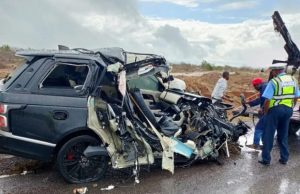 High speeds reduce the driver’s ability to react to sudden changes on the road, increasing the likelihood of an accident. The speed at which Mubarak was driving made it impossible for him to avoid the oncoming truck once he realized his mistake.
2. Improper Overtaking
Overtaking on highways can be dangerous, especially when not done with caution. The stretch of road where the accident occurred is known for its heavy traffic, and overtaking requires careful judgment. Unfortunately, Mubarak’s attempt to overtake another vehicle proved fatal. His miscalculation resulted in a head-on collision with the oncoming canter truck.
3. Road Conditions
The condition of the Mombasa-Nairobi highway has often been cited as a contributing factor to accidents. While the road is one of the busiest in the country, it is also prone to congestion and has several sections that are in need of repair. These conditions can make driving more hazardous, particularly for those unfamiliar with the road or driving at high speeds.
4. Driver Fatigue
Although not confirmed in this case, driver fatigue is a common issue on long drives, especially on busy highways. Fatigue can impair a driver’s judgment and reaction times, making it more difficult to respond to sudden situations on the road. Whether fatigue played a role in this accident is yet to be determined, but it remains a factor worth considering in such cases.
5. Lack of Road Safety Awareness
Despite numerous campaigns, there is still a lack of road safety awareness among many drivers in Kenya. The importance of adhering to speed limits, proper overtaking procedures, and other road safety measures cannot be overstated. This tragic accident underscores the need for continuous education and enforcement of road safety rules.
Immediate Aftermath
In the immediate aftermath of the collision, emergency services were quickly dispatched to the scene. The wreckage of both vehicles was severe, with the Range Rover and the canter truck both heavily damaged. The bodies of Mubarak and his passenger were retrieved from the vehicle and transported to the Coast General Hospital Mortuary in Mombasa.
The three injured individuals from the canter truck were rushed to Mariakani Sub-County Hospital, where they were admitted for emergency treatment. The exact nature of their injuries has not been disclosed, but their condition was described as critical. The hospital staff worked tirelessly to stabilize them, and they continue to receive care as they recover from the trauma of the accident.
The police cordoned off the area and began an investigation into the circumstances surrounding the crash. Preliminary reports pointed to speeding and improper overtaking as the primary causes, but the investigation aims to uncover all contributing factors, including the possibility of mechanical failure or other external influences.
Community Response and Impact
The Mariakani area, like many parts of Kilifi County, is a close-knit community where news travels fast. The tragic accident quickly became the talk of the town, with residents expressing shock and sorrow at the loss of life. Many people knew Mubarak personally, either through his business dealings or as a fellow resident of the region. His sudden death, along with that of his passenger, has left a void in the community.
The accident has also reignited discussions about road safety in Kilifi County. Residents have long voiced concerns about the dangers of the Mombasa-Nairobi highway, particularly the stretch where the accident occurred. The road is a vital artery for transportation between Kenya’s two largest cities, but its heavy traffic and challenging conditions have made it a hotspot for accidents.
Local leaders and community members have called for immediate action to address the safety concerns on this highway. Suggestions include better road maintenance, increased traffic enforcement, and more public awareness campaigns on road safety. There is a growing consensus that something must be done to prevent future tragedies like the one that claimed the lives of Mubarak and his passenger.
Ongoing Investigation
The investigation into the accident is being led by the Kilifi County Police Department, with assistance from traffic safety experts. The goal is to determine the exact cause of the collision and whether any additional factors contributed to the tragedy.
As part of the investigation, both vehicles involved in the crash have been impounded for a thorough examination. Investigators will be looking at several aspects, including the condition of the vehicles, the speed at which they were traveling, and any potential mechanical failures. They will also be reviewing traffic camera footage and speaking with witnesses to piece together the events leading up to the collision.
The results of the investigation will be crucial in determining whether any charges will be filed. In cases where reckless driving or negligence is proven, legal action may be taken against those responsible. Additionally, the families of the victims may pursue civil lawsuits for damages.
Road Safety in Kilifi County: A Growing Concern
The tragic accident in Mariakani is not an isolated incident. Road safety has been a growing concern in Kilifi County and across Kenya. The Mombasa-Nairobi highway, in particular, has seen a significant number of accidents in recent years, many of them fatal.
Several factors contribute to the high rate of accidents on this highway. In addition to speeding and reckless driving, the road’s infrastructure is often cited as a problem. Potholes, poorly marked lanes, and inadequate signage make driving on this road hazardous, especially for those unfamiliar with the area.
Furthermore, the highway is heavily used by both passenger vehicles and commercial trucks, leading to congestion and frequent traffic jams. The mix of different types of vehicles, combined with the challenging road conditions, increases the risk of accidents.
The government has taken steps to address these issues, including road repairs and increased traffic enforcement. However, these measures have not been enough to significantly reduce the number of accidents. There is a growing call for more comprehensive solutions, including better road design, stricter enforcement of traffic laws, and improved driver education.
The Human Cost of Road Accidents
While the focus is often on the numbers – how many accidents, how many deaths – it is important to remember the human cost of road accidents. Each statistic represents a life lost, a family devastated, and a community in mourning.
The deaths of Mubarak and his passenger are a stark reminder of the fragility of life and the consequences of unsafe driving practices. For the families of the victims, the pain is immeasurable. They have lost loved ones suddenly and tragically, with little warning and no chance to say goodbye.
For those who survived the crash, the road to recovery will be long and difficult. Physical injuries are often accompanied by emotional and psychological trauma, which can take years to heal. The impact of a serious accident is felt not only by the victims but also by their families, friends, and communities.
Preventing Future Tragedies: What Can Be Done?
In the wake of this tragic accident, there is a pressing need to address the underlying issues that contribute to road accidents in Kilifi County and across Kenya. Preventing future tragedies will require a multi-faceted approach that involves government action, community involvement, and individual responsibility.
1. Improved Road Infrastructure
One of the most effective ways to reduce accidents is to improve road infrastructure. This includes repairing potholes, clearly marking lanes, installing proper signage, and ensuring that roads are well-lit. These measures can make a significant difference in preventing accidents, particularly in high-traffic areas like the Mombasa-Nairobi highway.
2. Stricter Traffic Enforcement
Enforcing traffic laws is essential in promoting safe driving behavior. Speeding, reckless driving, and other dangerous behaviors should be met with strict penalties. Increased police presence on highways and the use of traffic cameras can help deter drivers from engaging in unsafe practices.
3. Public Awareness Campaigns
Education plays a crucial role in improving road safety. Public awareness campaigns can help inform drivers about the dangers of speeding, the importance of wearing seatbelts, and other key safety practices. These campaigns should be ongoing and targeted at both new and experienced drivers.
4. Driver Training and Education
Ensuring that drivers are properly trained and educated is another important step in preventing accidents. Driving schools should emphasize the importance of road safety and proper driving techniques. Regular refresher courses for experienced drivers can also help reinforce safe driving practices.
5. Community Involvement
Communities can play a vital role in promoting road safety. Local leaders, schools, and community organizations can work together to raise awareness about the importance of safe driving. Community-driven initiatives, such as neighborhood watch programs, can also help monitor and report unsafe driving behaviors.
6. Government Initiatives
The government has a responsibility to take the lead in improving road safety. This includes investing in infrastructure, enforcing traffic laws, and supporting public awareness campaigns. Collaboration with international organizations and NGOs can also help bring in expertise and resources to address road safety challenges.
Tragedy Strikes Kilifi As Two Die In A Range Rover Accident And Canter Crash FAQs
- What was the cause of the accident in Kilifi?
- The accident was caused by speeding and improper overtaking by the driver of the Range Rover, leading to a head-on collision with a canter truck.
- Who were the victims in the Kilifi accident?
- The victims were 37-year-old Jamal Mubarak, the driver of the Range Rover, and his unidentified female passenger.
- What were the injuries sustained in the Kilifi accident?
- The three occupants of the canter truck sustained serious injuries and were admitted to Mariakani Sub-County Hospital for treatment.
- How did the community respond to the Kilifi accident?
- The community expressed shock and sorrow, with many residents calling for increased road safety measures on the Mombasa-Nairobi highway.
- What is being done to prevent future accidents on the Mombasa-Nairobi highway?
- Measures include road repairs, increased traffic enforcement, and public awareness campaigns on road safety.
- What role did speeding play in the Kilifi accident?
- Speeding was a major factor in the accident, as it reduced the driver’s ability to react to the oncoming truck during the overtaking maneuver.
- What are the common causes of road accidents in Kilifi County?
- Common causes include speeding, reckless driving, poor road conditions, and driver fatigue.
- What steps can drivers take to stay safe on the road?
- Drivers should adhere to speed limits, avoid reckless driving, ensure their vehicles are in good condition, and stay alert while driving.
- How can road infrastructure be improved to prevent accidents?
- Improvements can include repairing potholes, marking lanes clearly, installing proper signage, and ensuring roads are well-lit.
- What is the government doing to improve road safety in Kenya?
- The government is investing in infrastructure, enforcing traffic laws, and supporting public awareness campaigns to improve road safety.
Conclusion
The tragic accident in Kilifi serves as a painful reminder of the dangers that lurk on our roads. The loss of life and the injuries sustained are a testament to the consequences of reckless driving and the need for greater attention to road safety.
As a community, as a nation, we must come together to address the factors that contribute to such tragedies. Improved infrastructure, stricter enforcement of traffic laws, and continuous education on road safety are essential steps toward preventing future accidents.
But beyond the policies and measures, it is the responsibility of each individual driver to prioritize safety. Every time we get behind the wheel, we make choices that can have life-altering consequences. Let this tragedy be a call to action for all of us to drive more carefully, to respect the rules of the road, and to value the lives of those around us.
In memory of those lost, and in hope for a safer future, let us all commit to making our roads safer for everyone. Take action today: drive safely, support road safety initiatives, and spread awareness to save lives.
What Are The Different Color Number Plates In Kenya? Complete Analysis
Trying to figure out What are the different color number plates in Kenya? Well, Kenya, like many countries, uses a system of color-coded number plates to differentiate between various types of vehicles, organizations, and authorities.
Each color and the combination of letters and numbers serve a specific purpose, making it easier to identify the vehicle’s ownership, the category it falls under, and its intended use. This system of vehicle identification is not only practical but also a reflection of the structured approach Kenya takes toward vehicular regulation.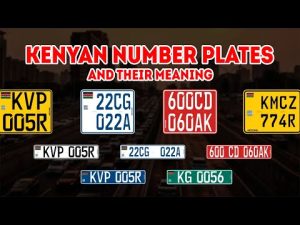
Understanding the various number plate colors in Kenya is essential for both residents and visitors alike. Whether you’re a local navigating the streets or a foreign diplomat driving in Nairobi, the color and format of your vehicle’s number plate hold significant meaning.
From the standard white and yellow plates on civilian vehicles to the unique blue plates for parastatals, these differences are more than just aesthetic—they are deeply ingrained in Kenya’s legal and bureaucratic system.
In this comprehensive guide, we’ll explore the various number plate colors in Kenya, their meanings, and the specific categories they represent.
What Are The Different Color Number Plates in Kenya?
1. Civilian Vehicles Color Number Plates in Kenya
White Front Plate, Yellow Rear Plate:
Civilian vehicles in Kenya typically sport a combination of white and yellow number plates. The front plate is white with black lettering, while the rear plate is yellow with black lettering. This standard color coding is designed to distinguish privately owned vehicles from those belonging to governmental or special categories. The use of black lettering on both plates ensures clear visibility and ease of identification.
2. Government Vehicles Color Number Plates in Kenya
GK Series:
Government-owned vehicles in Kenya are easily recognizable by their white plates with black lettering. These plates often carry the prefix “GK,” which stands for “Government of Kenya.” This designation is used across a variety of government departments and agencies, ensuring that these vehicles are readily identifiable as state property.
CG Series:
Vehicles owned by county governments are marked with the “CG” prefix. These plates also feature white backgrounds with black lettering. The CG series is crucial for distinguishing between national and county-level government vehicles, reflecting Kenya’s devolved system of governance.
GVR Series:
The “GVR” series is specifically reserved for vehicles used by governors. Like other government vehicles, these plates are white with black lettering. However, the GVR designation highlights the vehicle’s association with a county’s highest elected official.
Special Designations:
- SNA: This designation is used by vehicles belonging to the Speaker of the National Assembly. The plates are white with black lettering, underscoring the vehicle’s official status.
- SS: Vehicles used by the Speaker of the Senate bear the “SS” prefix. These plates follow the same color scheme as other government vehicles, ensuring consistent identification across different branches of government.
- CJ: The Chief Justice’s vehicle carries the “CJ” designation, marking it as part of the judiciary. Like other government plates, it is white with black lettering, signifying its official capacity.
3. Parastatals Color Number Plates in Kenya
Blue Plates with White Lettering:
State-owned enterprises, commonly referred to as parastatals, use blue number plates with white lettering. This distinct color scheme helps differentiate these vehicles from other government and private vehicles. Parastatals play a significant role in Kenya’s economy, and their vehicles are often involved in various public sector operations.
4. Local Authorities Color Number Plates in Kenya
Green Plates with White Lettering:
Vehicles belonging to local authorities are marked with green plates and white lettering. This color code is used to identify vehicles that are part of municipal or local government operations. The green plates are particularly common in urban areas, where local authorities are responsible for a wide range of services, from waste management to public transportation.
5. Diplomats Color Number Plates in Kenya
Red Plates with White Lettering:
Diplomatic vehicles in Kenya are easily identified by their red number plates with white lettering. These plates are issued to embassies, consulates, and international organizations, providing them with a distinct status on the road. The red plates are universally recognized, ensuring that diplomatic vehicles are given the necessary privileges and protections under international law.
6. Motorcycles Color Number Plates in Kenya
KMCA Series:
Motorcycles in Kenya have their own distinct number plate series, starting with the prefix “KMCA.” These plates typically follow the standard color scheme of white with black lettering. The KMCA series ensures that motorcycles are easily identifiable and comply with the country’s vehicle registration regulations.
7. Heavy Machinery Color Number Plates in Kenya
KHMA Series:
Heavy machinery, including construction equipment and agricultural vehicles, is assigned the “KHMA” series. These plates are crucial for the identification and regulation of heavy vehicles, which play a vital role in Kenya’s infrastructure development. The plates are white with black lettering, consistent with other special vehicle categories.
8. Special Vehicles and Authorities Color Number Plates in Kenya
Kenya has additional number plate codes for specific authorities and high-ranking officials. These include:
- KA: For the Kenya Army.
- KAF: For the Kenya Air Force.
- KN: For the Kenya Navy.
- KAI: For the Kenya Agricultural Institute.
These plates are typically white with black lettering, following the standard format for government and official vehicles.
What Are The Different Color Number Plates In Kenya FAQs
1. What do the different color number plates in Kenya signify?
The different color number plates in Kenya signify the type of vehicle and its ownership. White and yellow plates are for civilian vehicles, blue for parastatals, green for local authorities, red for diplomats, and white with black lettering for various government vehicles.
2. What does a white number plate with black lettering indicate in Kenya?
A white number plate with black lettering typically indicates a government-owned vehicle. Specific prefixes such as GK, CG, and GVR further distinguish the type of government ownership.
3. What color are diplomatic vehicle plates in Kenya?
Diplomatic vehicles in Kenya are assigned red number plates with white lettering, indicating their special status and protection under international law.
4. What is the significance of the “KMCA” prefix on number plates in Kenya?
The “KMCA” prefix is used for motorcycles in Kenya. This prefix ensures that motorcycles are registered and identifiable under the country’s vehicle registration system.
5. Why do some vehicles in Kenya have green number plates?
Green number plates in Kenya are used by vehicles belonging to local authorities. These plates indicate that the vehicle is part of municipal or local government operations.
6. What does the “GVR” prefix on a number plate mean?
The “GVR” prefix on a number plate signifies that the vehicle is used by a governor in Kenya. This is part of the specialized government vehicle registration system.
7. How are heavy machinery vehicles identified in Kenya?
Heavy machinery vehicles in Kenya are identified by the “KHMA” prefix on their number plates. These plates are white with black lettering, consistent with other special vehicle categories.
8. What number plates are used for the Kenya Army?
Vehicles belonging to the Kenya Army use number plates with the “KA” prefix. These plates are white with black lettering, similar to other government vehicles.
9. Can private vehicles use any of these special number plate colors?
No, private vehicles in Kenya are restricted to using the standard white front and yellow rear plates with black lettering. Special colors are reserved for specific categories like government, diplomatic, and parastatal vehicles.
10. What does the “CJ” prefix on a number plate signify in Kenya?
The “CJ” prefix on a number plate in Kenya indicates that the vehicle is used by the Chief Justice, marking it as an official judiciary vehicle.
Conclusion
In Kenya, the color and format of a vehicle’s number plate are more than just identifiers—they represent a structured system that reflects the country’s approach to governance, law enforcement, and public administration.
Whether you’re driving a private car, a government vehicle, or a diplomatic automobile, understanding the significance of your number plate is crucial.
This knowledge not only ensures compliance with local regulations but also fosters a deeper appreciation for the organized manner in which Kenya manages its vehicular fleet.
By familiarizing yourself with the various number plate colors and their meanings, you can navigate Kenya’s roads with confidence, knowing that each vehicle’s registration is part of a broader national system
Green KD Number Plate Meaning In Kenya
In Kenya, the sight of a Green KD Number Plate is becoming increasingly common, particularly among motor trade professionals. But what exactly does this unique number plate signify? The Green KD Number Plate is specifically designed for vehicles involved in the motor trade industry.
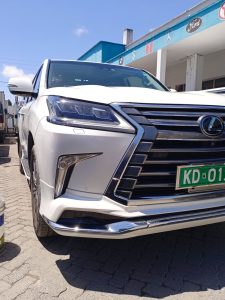
These plates are essential for businesses involved in the buying, selling, servicing, and repairing of vehicles, as well as for mobile mechanics, dealerships, and vehicle recovery services.
This article delves into the meaning and significance of the Green KD Number Plate in Kenya. We will explore its purpose, the professions that utilize it, and its impact on the motor trade industry.
Green KD Number Plate Meaning in Kenya
What is the Green KD Number Plate?
The Green KD Number Plate is a special registration plate issued by the Kenyan government for vehicles used by motor trade professionals. This plate is distinguished by its green background and the letters “KD” which stand for “Kenya Dealer.”
The plate is temporary and is primarily used for vehicles that are in transit or being tested before they are sold to the final owner. It is an essential tool for businesses involved in the motor trade, ensuring that they can legally operate and transport vehicles within the country.
1. Motor Trade Professions
Motor trade professions encompass a wide range of activities, all of which are vital to the automotive industry in Kenya. These professions include buying and selling vehicles, servicing and repairing vehicles, and many others that play a crucial role in keeping the industry running smoothly.
The Green KD Number Plate Meaning in Kenya is particularly relevant for these professionals as it allows them to legally operate vehicles that are not yet registered under a permanent owner. This flexibility is essential for businesses that handle multiple vehicles daily, ensuring that they can test, transport, and display vehicles without violating Kenyan road laws.
Pros:
- Legal vehicle operation
- Flexibility in testing
- Essential for motor trade
- Recognized by authorities
- Cost-effective for businesses
- Temporary use
- Simplifies logistics
Cons:
- Temporary
- Limited to specific uses
- Requires renewal
2. Servicing and Repairing Vehicles
Servicing and repairing vehicles are critical services in the automotive industry. Mechanics and garages across Kenya rely on the Green KD Number Plate to legally operate vehicles that are in for repairs or servicing. This plate allows them to test-drive vehicles, ensuring that repairs have been completed correctly before returning the vehicle to the owner.
The Green KD Number Plate Meaning in Kenya is a lifeline for mechanics and service providers, enabling them to maintain legal compliance while delivering top-notch service to their clients. Without this plate, testing and operating unregistered or temporarily unregistered vehicles would be illegal, hindering the ability to ensure vehicle safety and performance.
Pros:
- Legal test-driving
- Ensures compliance
- Facilitates quality checks
- Necessary for service providers
- Allows mobility for repairs
- Saves time
- Boosts customer trust
Cons:
- Temporary use
- Limited to repair activities
- Requires proper documentation
3. Buying and Selling Vehicles
In the buying and selling of vehicles, the Green KD Number Plate plays a pivotal role. Dealers use this plate to legally transport vehicles from one location to another before they are sold to the final customer. This includes moving vehicles from ports, auction houses, or between dealerships.
The Green KD Number Plate Meaning in Kenya is essential for dealers as it provides the flexibility to move vehicles that are not yet registered under a permanent owner. This ability to transport vehicles legally without incurring the costs or time associated with permanent registration is crucial in the fast-paced world of vehicle sales.
Pros:
- Facilitates vehicle transport
- Legal for unregistered vehicles
- Reduces registration costs
- Speeds up sales process
- Necessary for dealers
- Increases business efficiency
- Enhances logistics
Cons:
- Temporary registration
- Not for long-term use
- Requires careful tracking
4. Body Shops and Restoration
Body shops and vehicle restoration services in Kenya also benefit from the Green KD Number Plate. These businesses often handle vehicles that are being restored or undergoing significant bodywork, requiring them to move the vehicle for testing or transport it to another facility.
The Green KD Number Plate Meaning in Kenya allows these businesses to legally operate and move vehicles that are not yet roadworthy or fully registered. This is particularly important for restoration projects that may take several months, during which time the vehicle needs to be moved or tested multiple times.
Pros:
- Enables restoration projects
- Legal vehicle movement
- Essential for body shops
- Supports long-term projects
- Facilitates testing
- Reduces legal risks
- Simplifies logistics
Cons:
- Temporary use only
- Limited to restoration activities
- Requires renewal
5. Vehicle Electricians
Vehicle electricians, who are responsible for installing, maintaining, and repairing electrical systems in vehicles, also rely on the Green KD Number Plate. This plate allows them to legally operate and test vehicles after making electrical repairs or installations, ensuring that all systems are functioning correctly before the vehicle is returned to the owner.
The Green KD Number Plate Meaning in Kenya is crucial for vehicle electricians, providing them with the legal framework to test and operate vehicles without the need for permanent registration. This is especially important for vehicles that are not yet fully roadworthy but require thorough testing of their electrical systems.
Pros:
- Legal for testing
- Ensures safety compliance
- Necessary for electricians
- Facilitates repair checks
- Saves time and costs
- Boosts customer satisfaction
- Reduces liability risks
Cons:
- Temporary
- Not for long-term use
- Requires careful documentation
6. Mobile Mechanics
Mobile mechanics in Kenya, who provide on-the-go repair and maintenance services, often need to operate vehicles that are not fully registered or are in transit. The Green KD Number Plate is a vital tool for these professionals, allowing them to legally operate and test vehicles wherever their services are needed.
The Green KD Number Plate Meaning in Kenya is particularly important for mobile mechanics, enabling them to provide their services efficiently and legally. Whether they are transporting a vehicle to a workshop or testing it on the road, this plate ensures they remain compliant with Kenyan road laws.
Pros:
- Enables mobile services
- Legal for unregistered vehicles
- Supports on-the-go repairs
- Necessary for mobile mechanics
- Enhances service delivery
- Reduces legal risks
- Increases operational flexibility
Cons:
- Temporary use
- Limited to specific tasks
- Requires regular renewal
7. Accessory Fitters
Accessory fitters, who specialize in installing aftermarket parts and accessories in vehicles, also benefit from the Green KD Number Plate. This plate allows them to legally test and operate vehicles after installing new parts, ensuring that everything is functioning as it should before the vehicle is handed back to the owner.
The Green KD Number Plate Meaning in Kenya is essential for accessory fitters, providing the legal framework to test and operate vehicles that may not yet be fully registered or roadworthy. This is particularly important for ensuring the safety and functionality of newly installed accessories.
Pros:
- Legal for testing
- Ensures accessory functionality
- Necessary for fitters
- Facilitates quality checks
- Supports business operations
- Reduces liability risks
- Enhances customer trust
Cons:
- Temporary registration
- Not for long-term use
- Requires renewal
8. Dealerships
Dealerships in Kenya are among the primary users of the Green KD Number Plate. This plate allows them to legally display, test, and transport vehicles that are not yet sold or registered to a permanent owner. It is a crucial tool for dealerships, enabling them to operate vehicles for potential buyers, transport them between locations, and ensure they are in top condition.
The Green KD Number Plate Meaning in Kenya is integral to dealership operations, providing the flexibility and legality needed to handle large volumes of vehicles. Without this plate, dealerships would face significant logistical challenges and legal hurdles in their day-to-day operations.
Pros:
- Facilitates dealership operations
- Legal for unregistered vehicles
- Supports vehicle testing
- Necessary for sales processes
- Reduces legal risks
- Enhances operational efficiency
- Increases customer satisfaction
Cons:
- Temporary use
- Limited to dealership activities
- Requires careful management
9. Breakdown and Recovery
Breakdown and recovery services in Kenya often deal with vehicles that are not roadworthy or fully registered. The Green KD Number Plate allows these services to legally operate and transport such vehicles, ensuring they can be safely moved to a repair facility or storage location.
The Green KD Number Plate Meaning in Kenya is essential for breakdown and recovery services, providing the legal authority to transport and handle vehicles that cannot be driven on public roads. This ensures that these services can operate effectively and within the bounds of the law.
Pros:
- Enables recovery services
- Legal for unregistered vehicles
- Supports safe transport
- Necessary for breakdowns
- Reduces legal risks
- Enhances service delivery
- Increases operational efficiency
Cons:
- Temporary use
- Limited to recovery activities
- Requires regular renewal
10. Vehicle Collection and Delivery
Vehicle collection and delivery services, which involve transporting vehicles from one location to another, often use the Green KD Number Plate. This plate allows them to legally move vehicles that are not yet registered under a permanent owner, ensuring that they can be transported safely and legally.
The Green KD Number Plate Meaning in Kenya is crucial for these services, providing the legal framework needed to operate and transport vehicles across the country. Whether moving a vehicle from a port, auction house, or between dealerships, this plate ensures compliance with Kenyan road laws.
Pros:
- Facilitates vehicle transport
- Legal for unregistered vehicles
- Supports logistics operations
- Necessary for collection and delivery
- Reduces legal risks
- Enhances business efficiency
- Increases customer trust
Cons:
- Temporary registration
- Limited to specific tasks
- Requires careful documentation
Additionally, we will answer frequently asked questions and provide a comprehensive conclusion with a call to action for businesses and individuals interested in this unique number plate.
Round-Up/Quick Understanding the KD Plate System
The KD plate system is specifically designed for the Kenya Dealer (KD), a license plate category reserved for motor trade professionals. This includes individuals and businesses involved in various aspects of the motor industry, such as vehicle servicing, repairs, buying and selling, and bodywork. KD Plates are pivotal within this industry, allowing these professionals to legally operate vehicles that are not yet registered under standard registration plates.
The Role of Green KD Plates in the Motor Trade
Temporary Use and Legal Implications
Green KD plates are crucial for motor trade professionals who need to move vehicles temporarily for specific tasks such as demonstrations, deliveries, or repairs. These plates ensure that the vehicles can be driven legally without undergoing full registration. The plates are usually accompanied by a movement pass, which documents the driver’s details and the purpose of the vehicle’s movement.
It’s important to note that while the Green KD plate allows for temporary vehicle use, the legal responsibility for the vehicle’s operation remains with the plate holder. In the event of an accident or liability issue, the plate holder must lodge the insurance claim, as it is assumed the vehicle is part of their fleet.
Insurance Coverage for Green KD Plates
Insurance for vehicles with Green KD plates is typically limited to Third-Party Road Risks coverage. This form of insurance protects against liabilities to third parties but does not cover damage to the vehicle itself. Some motor traders may opt for more comprehensive coverage, especially if the vehicle’s value is high. However, this is less common due to the temporary nature of the vehicle’s use under KD plates.
The Practice of Hiring Out KD Plates
In Kenya, it’s a common practice within the motor trade to hire out KD plates, including Green KD plates, to new car buyers or other individuals who need to use a vehicle temporarily. For a fee—typically around Kshs. 5,000 for every four days—the plate holder allows the use of their KD plates, making it appear as though the vehicle is part of their fleet.
This practice, while widespread, is not officially sanctioned by insurance companies. This means that if the vehicle gets into an accident, the plate holder is still responsible for lodging the insurance claim. However, the insurance company might refuse to cover the claim if they discover that the vehicle was hired out improperly.
Legal and Ethical Considerations
Hiring out KD plates, especially without notifying the insurance company, can lead to serious legal consequences. The practice is essentially a grey area, as it involves misrepresentation of the vehicle’s ownership and use. Motor trade professionals engaging in this practice should be aware of the potential risks, including voiding their insurance coverage and facing legal penalties.
Green KD Number Plate Meaning In Kenya FAQs
1. What is the significance of the green color on KD plates in Kenya?
The green color on KD plates in Kenya typically indicates that the vehicle is being used for special or temporary purposes, such as demonstrations, testing, or repairs. It signifies that the vehicle is not fully registered for regular road use.
2. Who is eligible to use Green KD plates?
Green KD plates are reserved for motor trade professionals, including vehicle dealers, repair shops, and other businesses involved in the motor industry. These plates allow them to legally operate vehicles that are not yet fully registered.
3. Can Green KD plates be used for personal vehicles?
No, Green KD plates are not intended for personal vehicles. They are specifically for vehicles within the motor trade industry that require temporary registration for specific tasks.
4. What type of insurance is required for vehicles with Green KD plates?
Vehicles with Green KD plates typically require Third-Party Road Risks insurance, which covers liabilities to third parties. Some traders may opt for more comprehensive insurance, depending on the vehicle’s value and intended use.
5. Is it legal to hire out Green KD plates in Kenya?
While it is a common practice, hiring out Green KD plates is not officially recognized by insurance companies and can lead to legal issues. The practice involves misrepresentation of the vehicle’s ownership and use, which can void insurance coverage.
6. How much does it cost to hire Green KD plates in Kenya?
The cost to hire Green KD plates varies, but it typically ranges around Kshs. 5,000 for every four days. This fee is paid to the plate holder in exchange for the temporary use of the plates.
7. What happens if a vehicle with a Green KD plate is involved in an accident?
If a vehicle with a Green KD plate is involved in an accident, the plate holder is responsible for lodging the insurance claim, as the vehicle is assumed to be part of their fleet. However, if the plate was hired out without notifying the insurance company, the claim may be denied.
8. Can Green KD plates be used outside Kenya?
Green KD plates are specifically for use within Kenya. Using them outside the country may violate international vehicle registration laws and could lead to legal complications.
9. What documents are required to obtain a Green KD plate?
To obtain a Green KD plate, motor trade professionals must provide proof of their involvement in the motor trade, such as a business license or registration. They must also provide details of the vehicles that will be using the plates.
10. How can I verify the authenticity of a Green KD plate?
The authenticity of a Green KD plate can be verified through the National Transport and Safety Authority (NTSA) in Kenya. The NTSA maintains records of all issued KD plates, including their assigned vehicles and owners.
Conclusion
The Green KD Number Plate Meaning in Kenya is a crucial aspect of the motor trade industry, providing legal and logistical support to various professionals involved in vehicle sales, servicing, and transportation. This temporary registration plate allows businesses to operate vehicles that are not yet permanently registered, ensuring compliance with Kenyan road laws and enhancing operational efficiency.
Whether you are a dealer, mechanic, mobile service provider, or involved in any other motor trade profession, the Green KD Number Plate is an essential tool for your business.
If you are involved in the motor trade industry and need more information or assistance in obtaining a Green KD Number Plate, consider reaching out to a local licensing office or motor trade association. These organizations can provide the guidance and support needed to ensure that your business remains compliant and operates smoothly within Kenya’s regulatory framework.