How Do You Know If You Have Nipah?
Nipah virus is a rare but serious viral infection that can affect humans and animals, making early awareness extremely important. Knowing how to tell if you have Nipah can help you seek medical care quickly and reduce the risk of severe complications.
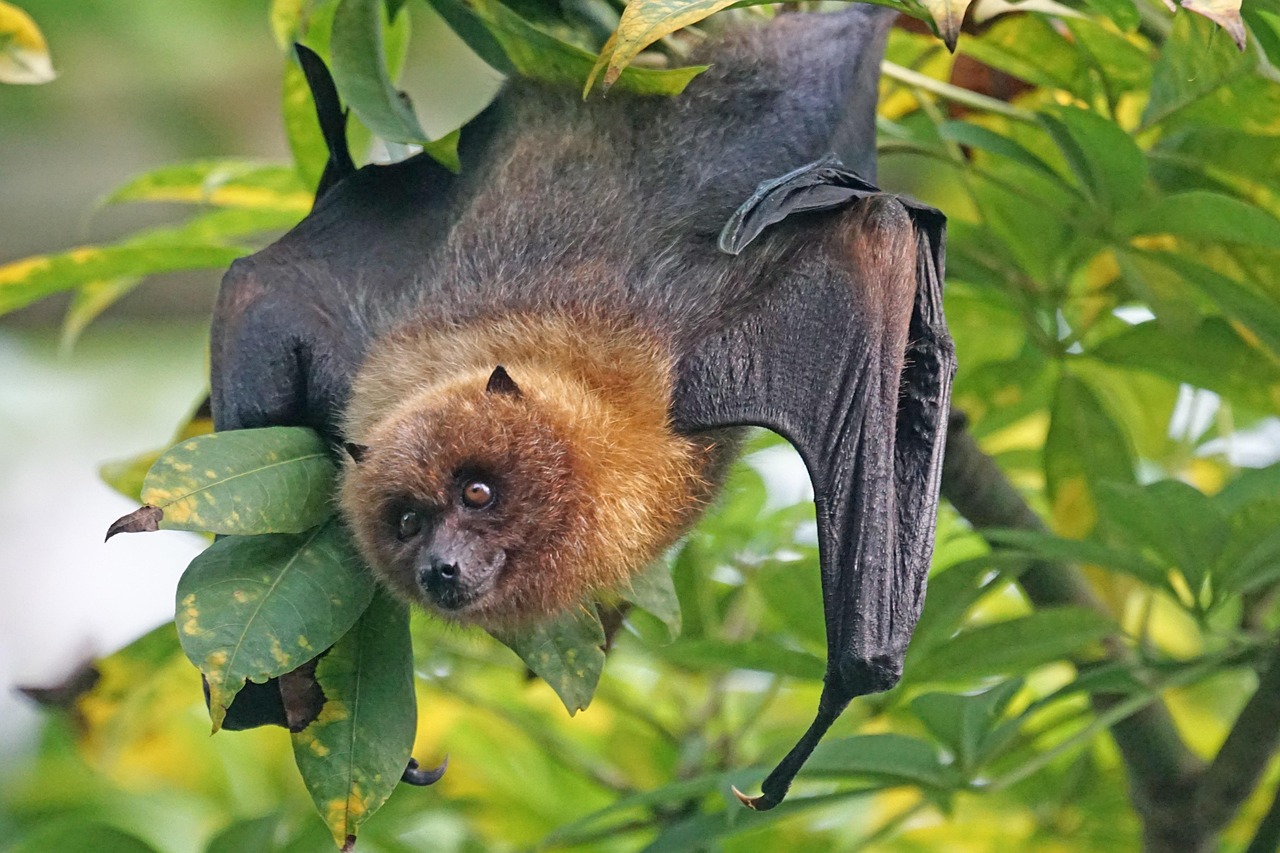
The virus is mainly transmitted from infected bats, pigs, or through close contact with an infected person. Because early symptoms can look like common illnesses, understanding how you know if you have Nipah requires attention to specific warning signs.
Health authorities report fatality rates ranging from 40% to over 70%, depending on outbreak response and early treatment. This makes recognizing symptoms early a critical step in protecting yourself and others.
In this guide, you’ll learn the most reliable ways doctors and health experts identify Nipah infection, including symptoms, exposure risks, and medical confirmation methods.
How Do You Know If You Have Nipah? 10 Best Ways
1. Sudden Fever After Possible Exposure
One of the first signs of Nipah infection is a sudden high fever that appears within 4–14 days after exposure. This fever often feels stronger than a typical flu fever. It may not improve with usual home remedies.
Fever is the body’s early response to viral infection. If the fever follows contact with bats, pigs, or an infected person, concern increases. Doctors treat this as an early warning sign.
This symptom alone does not confirm Nipah. However, it is often the starting point for further medical evaluation.
2. Severe Headache That Worsens Quickly
Another early clue is a persistent, intense headache that does not respond well to rest or hydration. This headache may feel deep and pressure-like. It can worsen over a short period.
Nipah virus can affect the nervous system early on. This explains why headaches are often stronger than common viral headaches. Medical professionals monitor this symptom closely.
When combined with fever, this headache becomes more concerning. It often signals the need for urgent testing.
3. Extreme Fatigue and Weakness
Unusual exhaustion is another way people begin to suspect Nipah infection. The tiredness feels overwhelming rather than mild. Daily activities may suddenly feel very difficult.
This fatigue is caused by the body fighting the virus. It is often more intense than typical flu fatigue. Rest does not fully relieve it.
Doctors note that extreme weakness appearing rapidly is a key observation. It helps distinguish Nipah from common viral illnesses.
4. Muscle Pain and Body Aches
Many people with Nipah experience widespread muscle pain. These aches can affect the back, arms, and legs. The discomfort may feel deeper than normal soreness.
Body aches happen because the immune system is highly active. Nipah often causes stronger inflammation than mild infections. This results in more intense pain.
While muscle pain alone is not diagnostic, it supports suspicion when combined with fever and headache. Doctors look at the full symptom pattern.
5. Nausea, Vomiting, or Stomach Discomfort
Digestive symptoms can appear early or alongside fever. Nausea and vomiting are commonly reported. Some people also experience stomach pain.
These symptoms occur because Nipah affects multiple systems in the body. Dehydration can happen quickly if vomiting persists. This increases health risks.
Medical teams treat digestive symptoms seriously during outbreaks. They help guide decisions on testing and monitoring.
6. Dizziness or Confusion
As the infection progresses, confusion or dizziness may develop. This can include trouble focusing or feeling disoriented. Family members often notice these changes first.
Nipah is known to cause brain inflammation in severe cases. Early mental changes are important warning signs. Doctors consider them urgent symptoms.
This stage requires immediate medical attention. Early intervention improves outcomes.
7. Breathing Difficulty or Chest Discomfort
Some individuals develop shortness of breath or coughing. These symptoms may start mild and worsen quickly. Chest discomfort can accompany breathing issues.
Nipah can cause respiratory involvement in some cases. This increases the risk of severe illness. Oxygen levels may drop.
Hospitals treat respiratory symptoms as a medical emergency. Early care can prevent complications.
8. Recent Contact With Bats, Pigs, or Infected Persons
Exposure history is one of the strongest indicators. Contact with fruit bats, pigs, or raw date palm sap increases risk. Close contact with infected people also raises concern.
Doctors always ask about recent travel or animal exposure. This helps narrow down possible causes. Nipah is considered when exposure matches symptoms.
Even without severe symptoms, exposure history matters. It guides testing decisions.
9. Symptoms During a Known Nipah Outbreak
If symptoms appear during a confirmed Nipah outbreak, suspicion increases significantly. Public health alerts help doctors identify cases early. Timing matters greatly.
Outbreak awareness allows faster diagnosis and isolation. This protects both patients and communities. Health authorities rely on symptom reporting.
Being informed during outbreaks saves lives. It helps people act quickly.
10. Laboratory Confirmation Through Medical Testing
The only way to know for sure if you have Nipah is through laboratory testing. Blood, throat swabs, or cerebrospinal fluid may be tested. These tests are done in specialized labs.
Doctors decide testing based on symptoms and exposure risk. Results guide treatment and isolation measures. Early testing improves survival chances.
Self-diagnosis is not reliable. Medical confirmation is essential.
FAQs: How Do You Know If You Have Nipah?
Is Nipah the same as the flu?
No, Nipah symptoms may start like flu but progress more rapidly and severely.
How fast do symptoms appear after exposure?
Symptoms usually appear within 4 to 14 days.
Can Nipah be cured at home?
No, Nipah requires hospital care and monitoring.
Is Nipah contagious between people?
Yes, close contact with infected individuals can spread the virus.
Who is most at risk of Nipah?
People exposed to bats, pigs, or infected patients are at higher risk.
Can children get Nipah?
Yes, people of all ages can be infected.
What should you do if you suspect Nipah?
Seek immediate medical attention and avoid close contact with others.
Conclusion
In conclusion, understanding how you know if you have Nipah depends on recognizing early symptoms, exposure history, and medical confirmation. Fever and headache were the best early warning signs identified across reported cases.
Neurological symptoms and breathing difficulty ranked as the most serious runner-up indicators requiring urgent care. No single symptom confirms Nipah on its own.
Early medical evaluation significantly improves outcomes. Awareness and quick action are critical.
If you suspect Nipah exposure or symptoms, contact a healthcare professional immediately and follow public health guidance to protect yourself and others.