Kenya has long been regarded as a relatively stable democracy in a region often marked by political volatility, religious tensions, and state violence. Under President William Ruto’s administration, however, a growing number of activists, opposition leaders, and civil society organizations have raised concerns about the country’s political direction and human rights record. These concerns have intensified following allegations that state-linked security units and organized civilian groups are being used to intimidate, suppress, or violently confront perceived opponents.
In recent months, social media, church networks, and independent commentators have circulated claims alleging that Christians and church spaces have been targeted during periods of unrest or political tension. While the government strongly denies these accusations, the persistence of such narratives has sparked national and international debate. The issue is not only about security but also about public trust, religious freedom, and electoral legitimacy.
Religion plays a central role in Kenyan society, with Christianity accounting for a large majority of the population. Churches are not just places of worship but also centers of social organization, political mobilization, and moral authority. Any allegation involving violence against Christians or attacks on churches therefore carries significant emotional and political weight.
This article examines the allegations surrounding President Ruto, the claims of killer squads and goons, the reactions from religious institutions, political implications, government responses, and how these narratives could influence voter behavior. It aims to provide a comprehensive, balanced analysis grounded in public discourse, reported claims, and broader political context.
President Ruto Is Allegedly Using Killer Squads And Goons Killing Christians Churches
Understanding the Allegations and Their Origins
Allegations that the state is using unofficial or semi-official armed groups are not new in Kenyan politics. Similar claims have surfaced during past administrations, especially during election periods or moments of intense protest. In the current context, these allegations are largely driven by opposition figures, grassroots activists, and online commentators.
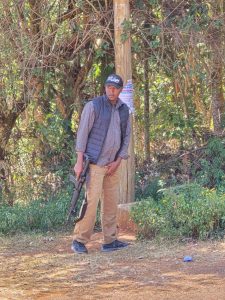
Many of the claims gained traction following confrontations between security forces and protesters near religious institutions. In some instances, churches reportedly became shelters for demonstrators fleeing police action. Images and testimonies shared online fueled narratives that places of worship were no longer being respected as neutral or sacred spaces.
It is important to note that most of these claims remain allegations and have not been conclusively proven in court. However, the volume and consistency of the accusations have kept them alive in public discourse, particularly among communities that already feel politically marginalized.
The Role of Churches in Kenyan Politics
Churches in Kenya have historically played a powerful role in political accountability. During the struggle for multiparty democracy in the 1990s, religious leaders were among the most vocal critics of authoritarian rule. This legacy continues today, with churches often serving as platforms for civic education and moral critique.

Because of this role, churches are sometimes viewed by political elites as politically influential spaces rather than neutral institutions. When tensions rise, religious leaders who speak out against government policies may be perceived as aligned with opposition forces.
Allegations involving churches are therefore not only about physical safety but also about perceived attempts to silence moral authority. This perception has resonated strongly among Christian communities, even when evidence remains contested.
Claims of “Killer Squads” and Organized Goons
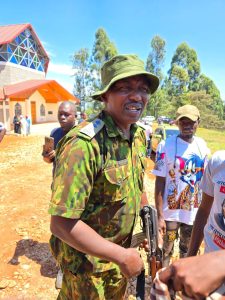
The phrase “killer squads” has been widely used by critics to describe alleged covert units operating outside normal policing structures. According to these claims, such groups are tasked with intimidation, abductions, or targeted violence against activists, protesters, or outspoken critics.
Others describe the use of civilian goons allegedly mobilized to disrupt protests, intimidate communities, or create chaos that can then be blamed on demonstrators. These tactics, critics argue, allow plausible deniability while still achieving political objectives.
The government has repeatedly dismissed these claims, insisting that all security operations are conducted within the law and under established command structures. Officials argue that accusations of death squads are politically motivated and aimed at undermining state authority.
Government Response and Official Position
President Ruto and senior government officials have consistently denied allegations of state-sponsored violence against civilians or religious groups. The administration maintains that security forces are responding to genuine threats to public order and that any excesses are investigated through internal mechanisms.
The government has also accused opposition leaders of weaponizing religion and fear to mobilize political support. According to this view, claims about attacks on Christians and churches are exaggerated or fabricated to inflame emotions and erode confidence in state institutions.
Official statements emphasize Kenya’s constitutional protections for freedom of worship and argue that the state has no interest in targeting Christians, who form the majority of the population.
Impact on Public Perception and Trust
Regardless of their factual status, allegations can have powerful effects on public trust. In politics, perception often shapes reality, especially when institutions already suffer from credibility deficits. For many citizens, repeated claims of violence linked to the state reinforce long-standing fears about abuse of power.
Religious communities, in particular, tend to respond strongly to perceived threats against sacred spaces. Even unverified reports can spread rapidly through church networks, sermons, and social media groups, amplifying their impact.
This erosion of trust can translate into political consequences, including reduced voter turnout, increased opposition mobilization, and growing skepticism toward official narratives.
Electoral Implications and Voting Behavior
Elections in Kenya are often shaped by narratives of security, justice, and inclusion. Allegations involving state violence, especially against religious communities, can significantly influence voting behavior. Voters who feel morally or physically threatened may shift allegiance or disengage entirely.
Mount Kenya and other politically influential regions closely monitor how power is exercised at the national level. Perceptions of intolerance or repression can weaken the ruling coalition’s support base, even among previously loyal voters.
In this sense, allegations—whether proven or not—become political liabilities. Managing perception, transparency, and accountability becomes just as important as managing security itself.
The Role of Media and Social Platforms
Social media has played a central role in spreading allegations, counterclaims, and emotional testimonies. Platforms such as X, Facebook, and WhatsApp allow narratives to circulate rapidly, often without verification.
Traditional media outlets face the challenge of reporting responsibly while competing with viral content. Many opt to frame stories as claims or allegations, emphasizing the need for investigations rather than presenting conclusions.
This media environment makes it difficult for any single narrative to dominate, contributing to polarization and confusion among the public.
Human Rights Organizations and Civil Society
Local and international human rights organizations have called for transparency and independent investigations into all allegations of extrajudicial violence. While stopping short of endorsing specific claims, these groups emphasize the importance of accountability and due process.
Civil society organizations argue that the mere existence of persistent allegations indicates deeper structural issues within security governance. They call for reforms, oversight, and engagement with affected communities.
Such interventions keep the issue alive and maintain pressure on the government to address public concerns beyond simple denials.
Religious Leaders and Moral Authority
Many church leaders have urged calm, dialogue, and restraint. Some have openly criticized both the government and opposition for politicizing religion. Others have demanded assurances that churches will remain protected and respected.
The diversity of responses reflects the complexity of the issue. While some clergy amplify allegations, others seek to de-escalate tensions and focus on peacebuilding.
Their voices remain influential, particularly in rural and peri-urban areas where churches are central to community life.
Broader Regional and International Context
Kenya’s reputation as a stable democracy matters beyond its borders. Allegations of state violence can affect diplomatic relations, investor confidence, and international partnerships.
Foreign governments and international institutions closely watch how Kenya handles dissent and religious freedom. Even unproven claims can trigger scrutiny and calls for reform.
This external dimension adds another layer of pressure on the administration to manage both reality and perception carefully.
FAQs
1. Are there confirmed reports of the government targeting Christians in churches?
No conclusive, court-verified evidence has confirmed these claims; they remain allegations and contested reports.
2. What does the government say about the allegations?
The government denies all accusations and insists security operations are lawful and necessary.
3. Why are churches central to this controversy?
Churches are influential social and political spaces, making any alleged attack symbolically powerful.
4. Have human rights groups investigated these claims?
Human rights organizations have called for investigations but have not issued definitive conclusions.
5. How could these allegations affect elections?
They may influence voter trust, turnout, and political alignment, especially among religious communities.
6. Are similar allegations common in Kenyan politics?
Yes, claims of state violence have surfaced in previous administrations, particularly during unrest.
7. What can reduce tensions around these claims?
Transparency, independent investigations, responsible media coverage, and dialogue between stakeholders.
Conclusion
In conclusion, allegations that President Ruto is using killer squads and goons to target Christians and churches remain deeply contested and politically charged.
While the government strongly denies these claims, their persistence highlights broader concerns about trust, accountability, and the role of security forces in Kenya’s democracy. Perception alone can shape political outcomes, especially when religion and safety intersect.
Addressing these concerns requires transparency, open dialogue, and credible oversight mechanisms. Citizens, religious leaders, and institutions must stay informed, demand accountability, and actively participate in protecting democratic values and peaceful coexistence.
Recent Posts
Selecting the best Twin rollaway bed with memory foam mattress is essential when you need a convenient sleeping solution that does not compromise comfort. A quality twin rollaway bed provides...
Choosing the best rollaway bed for heavy person with headboard is essential for ensuring comfort, safety, and durability. Standard folding beds often support only 250–350 pounds, but heavy-duty...