Washington D.C., March 1, 2026 — A major constitutional and political crisis unfolded in the U.S. capital today after President Donald Trump authorized a large‑scale military strike against Iran without obtaining formal approval from Congress, prompting bipartisan demands for an urgent War Powers vote. Lawmakers criticized the President’s actions as a potential violation of the Constitution’s directive that only Congress may declare war, while Republican leaders broadly defended the military response as necessary for national security.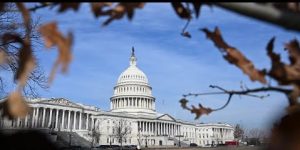
The strikes, which the Trump administration described as targeting Iran’s nuclear, missile, and naval infrastructure, were carried out in coordination with Israel and branded a defensive response to Iranian threats. But the absence of congressional authorization — a step that many lawmakers believe is required by U.S. law and the Constitution — has triggered intense criticism, renewed calls for legislative action, and a rare war powers debate set to unfold on Capitol Hill.
This article explores the political, legal, and constitutional ramifications of the Iran strike, the emerging war powers confrontation in Congress, reactions from lawmakers across the political spectrum, and what this means for U.S. foreign policy. It also answers the most commonly asked questions about the situation and offers a comprehensive conclusion with a call to action.
Trump Bypasses Congress on Iran Strike, Prompting Fierce War Powers Vote Demands in Washington
1. What Happened Today: Overview of the Iran Strikes and the Capitol Response
Saturday, February 28, 2026 — U.S. forces, acting alongside Israeli military units, launched a coordinated attack on Iranian territory early this morning. The operation targeted key military facilities tied to Iran’s nuclear and missile programs, as well as naval infrastructure perceived to pose threats in the region. The Trump administration described the effort as necessary to halt imminent threats and cited strategic necessity.
However, key members of Congress reacted with alarm — not just over the military operation itself but over the fact that it was conducted without formal authorization from the legislative branch. Under the U.S. Constitution, Congress holds the power to declare war, while the President serves as commander‑in‑chief. Critics argued that the President’s move sidestepped this constitutional requirement, setting the stage for one of the most significant war powers confrontations in recent U.S. history.
By today, both chambers of Congress had already drafted War Powers resolutions prior to the strike; now, lawmakers are accelerating plans for an unprecedented vote to determine whether the President acted constitutionally and whether future military actions should require legislative approval.
2. Bipartisan Pressure Mounts for a War Powers Vote
2.1 House and Senate Leaders Speak Out
Top Democratic and some Republican lawmakers demanded an immediate vote on Congress’s role in authorizing the military action. Sen. Tim Kaine (D‑Va.) criticized the strike as a “colossal mistake,” questioning whether the President had learned lessons from past U.S. engagements in the Middle East. Rep. Ro Khanna (D‑Calif.) and Rep. Thomas Massie (R‑Ky.) pushed for Congress to “go on record” with a public vote on their bipartisan War Powers resolution, insisting lawmakers must either authorize the action or restrain further military escalation.
“This is not America First,” Massie stated in reference to the President’s own campaign slogan, suggesting the unilateral action ignored constitutional checks and balances. Lawmakers are now preparing for a vote early next week as Congress reconvenes.
2.2 Republican Leadership’s Support
Many Republican leaders expressed support for the President while still acknowledging the need for congressional briefings. Senate Majority Leader John Thune (R‑S.D.) commended the military action as necessary to counter threats posed by Iran and emphasized that lawmakers had been briefed prior to the strikes. House Speaker Mike Johnson (R‑La.) echoed the view that Iran’s conduct warranted a strong response and highlighted the need to protect U.S. personnel abroad.
Despite this backing, several Republican lawmakers signaled openness to legislative debate over war powers, reflecting internal divisions within the party.
3. Constitutional and Legal Issues at the Heart of the Debate
3.1 The War Powers Resolution of 1973
At the center of the current debate is the War Powers Resolution of 1973, a federal law designed to check the President’s ability to engage forces in hostilities without congressional consent. The law requires the President to notify Congress within 48 hours of deploying military forces and restricts sustained hostilities beyond 60 days absent congressional authorization.
However, presidents from both parties have historically interpreted the statute narrowly, often asserting inherent constitutional power under Article II of the U.S. Constitution to act in emergencies without prior legislative approval. The Trump administration contends that the strike falls within such authority.
3.2 Constitutional Powers and Separation of Powers
Critics argue that the Constitution “vests all war‑making powers” in Congress, and that bypassing formal approval undermines a fundamental check on executive authority. Legislative leaders, including Senate Minority Leader Chuck Schumer (D‑N.Y.), demanded classified briefings and greater transparency about the legal and strategic rationale for the strike. They argued that without clear justification, the administration risks enabling “another endless and costly war” with little accountability.
Supporters of the strike counter that the President’s role as commander‑in‑chief grants flexibility to act quickly in response to threats, and that the War Powers Resolution itself has limitations and ambiguities that have allowed past executive actions. Nonetheless, the current confrontation highlights the ongoing tension between executive power and congressional oversight.
4. Political Reactions: Democrats, Republicans, and Bipartisan Voices
4.1 Democratic Criticism and Legal Concerns
Top Democratic lawmakers did not mince words in condemning the strike. Sen. Chris Van Hollen (D‑Md.) called the action an “illegal, regime‑change war,” asserting that the administration had neither laid out a clear legal rationale nor outlined the aftermath strategy. House Democratic leader Hakeem Jeffries (D‑N.Y.) stressed that Iran’s bad conduct does not justify preemptive military force without congressional sanction.
Senate Democrats, including Sen. Patty Murray, Mark Kelly, and Kirsten Gillibrand, publicly backed renewed war powers resolution efforts, emphasizing the importance of legislative oversight even amid security threats. They reiterated that Iran must not be allowed nuclear capability, but warned against acting without Congress’s backing.
4.2 Republican Support and Mixed Messaging
While many Republicans supported Trump’s decision as a necessary response to Iranian threats, others within the party called for robust oversight. Some Republicans echoed concerns about unchecked executive military authority and signaled willingness to debate war powers restrictions.
This dynamic highlights a broader political reality: even within the President’s own party, there is unease about actions that might trigger extended military engagement without legislative debate.
4.3 Bipartisan Pressure and Rare Alliances
Unusual bipartisan alliances have emerged, with figures like Rep. Thomas Massie joining Democratic pressure to force congressional action. This rare cross‑aisle coordination underscores deep concern about constitutional boundaries, even if strategic views on Iran differ.
5. Historical Precedents and Longstanding Debate
The current war powers clash is not an isolated phenomenon. Previous presidents frequently engaged in military operations without formal congressional declarations:
-
Libya (2011): Airstrikes conducted without explicit congressional approval.
-
Syria (2014–17): Military actions against ISIS often relied on executive authority without formal declarations.
-
Venezuela Actions (2026): Prior military moves by the Trump administration, such as operations involving Nicolás Maduro, ignited similar debates over congressional oversight.
These precedents reflect the longstanding tension between executive flexibility and legislative oversight, and they provide context for today’s intensified scrutiny of presidential war‑making powers.
6. Strategic and Geopolitical Implications
6.1 Regional Stability and U.S. Foreign Policy
The Iran strikes carry significant implications for Middle East stability. The military action has already triggered reported retaliatory actions by Iranian proxies and drone attacks near U.S. forces, raising fears of escalation. Analysts warn that unilateral strikes without clear congressional authorization could undermine diplomatic efforts and complicate longstanding negotiations over Iran’s nuclear program.
6.2 Domestic Impact and Public Opinion
Domestically, the strike has fueled intense debate about the role of the U.S. in foreign conflicts. Public opinion remains divided, with some Americans supporting assertive military action to counter perceived threats, while others warn against another prolonged and costly Middle East engagement. Congressional actions and debates are likely to shape public perception of both the administration and legislative priorities.
6.3 Legal and International Norms
Beyond U.S. law, critics argue that the strike could violate international norms requiring collective security measures and cooperation through bodies like the United Nations. Trump’s bypassing of both the U.N. Security Council and Congress in authorizing the operation has drawn questions about legality on the global stage.
Trump Bypasses Congress on Iran Strike, Prompting Fierce War Powers Vote Demands in Washington FAQs
1. Did the President need Congress’s approval to strike Iran?
Yes. The U.S. Constitution grants Congress the sole power to declare war. Critics argue that the military action required formal congressional authorization, which was not obtained.
2. What is the War Powers Resolution?
A 1973 law requiring the President to notify Congress within 48 hours of military actions and limiting sustained hostilities absent congressional approval.
3. Why are lawmakers demanding a vote now?
Congress was not fully consulted before the Iran strikes. Lawmakers demand a public vote to affirm or restrain future military engagement and clarify constitutional authority.
4. Can Congress override a presidential veto on the War Powers resolution?
Yes, but it would require a two‑thirds majority in both chambers — a difficult hurdle given the current political divide.
5. What are the constitutional arguments?
Proponents of congressional authority cite Article I of the U.S. Constitution, while defenders of executive action point to Article II and the need for rapid response to threats.
6. How might this affect U.S.–Iran relations?
The strike and ensuing debate could heighten tensions, complicate diplomatic negotiations, and reshape the U.S.’s strategic posture in the Middle East.
7. Could this set a precedent for future presidents?
Yes. How this war powers confrontation unfolds could influence how future administrations exercise military authority and interact with Congress.
Conclusion
President Trump’s Iran strike without congressional approval has ignited one of the most significant constitutional confrontations Washington has seen in years. Lawmakers from both parties are pressing for a War Powers vote to clarify the balance between executive authority and legislative oversight.
The outcome of this debate will shape U.S. foreign policy, national security strategy, and constitutional precedent for years to come. Citizens must stay informed about how their representatives vote and engage in democratic processes to preserve checks and balances.
Public awareness and participation are critical to ensuring that military actions reflect the will of the American people and the Constitution.
Recent Posts
Selecting the best Twin rollaway bed with memory foam mattress is essential when you need a convenient sleeping solution that does not compromise comfort. A quality twin rollaway bed provides...
Choosing the best rollaway bed for heavy person with headboard is essential for ensuring comfort, safety, and durability. Standard folding beds often support only 250–350 pounds, but heavy-duty...