Manhattan is often considered the most famous borough of New York City, but it is not the largest in land area. Some other boroughs surpass Manhattan in size while offering unique landscapes, neighborhoods, and lifestyles. Knowing which boroughs are bigger helps in understanding NYC geography and planning travel, living, or business decisions.
Brooklyn, Queens, The Bronx, a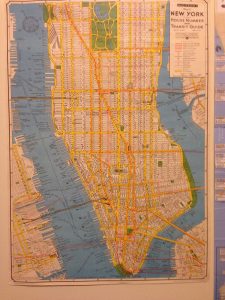 nd Staten Island all have more land area than Manhattan. While Manhattan is densely populated with skyscrapers and urban infrastructure, these larger boroughs provide more residential space, parks, and diverse neighborhoods. Understanding the size differences also highlights how population density and land use vary across the city.
In this article, we will identify which boroughs are bigger than Manhattan, explain their key features, and explore how their size influences housing, green space, and lifestyle.
Which Boroughs Are Bigger Than Manhattan?
1. Queens – Best for Space & Diversity
Queens is the largest borough in land area of New York City. It covers approximately 108.7 square miles, offering ample residential neighborhoods, parks, and commercial areas.
The borough is famous for its diversity, hosting people from around the world. Its size allows for both dense urban neighborhoods and quieter suburban areas. Queens is also home to major airports like JFK and LaGuardia, which require large land areas.
Queens provides space for sports venues, parks, and educational institutions. Its large area supports multiple cutting-edge residential and commercial developments. The borough’s size contributes to lower population density in many neighborhoods compared to Manhattan.
Pros:
-
Largest land area
-
Diverse neighborhoods
-
Parks & open space
-
Airports & infrastructure
-
Residential variety
-
Sports venues
-
Educational facilities
Cons:
-
Traffic congestion
-
Noise near airports
-
Some areas crowded
2. Brooklyn – Best for Vibrant Communities
Brooklyn is the second-largest borough by land area, covering about 69.4 square miles. It balances urban density with suburban-style neighborhoods.
Brooklyn is known for arts, culture, and a thriving food scene. Its larger size compared to Manhattan allows for diverse communities, parks, and waterfront areas.
The borough supports multiple commercial districts, residential zones, and recreational spaces. Brooklyn’s larger area makes it ideal for outdoor activities and family living. Its size also helps accommodate cultural events and festivals.
Pros:
-
Larger than Manhattan
-
Arts & culture
-
Parks & recreation
-
Family-friendly
-
Waterfronts
-
Vibrant neighborhoods
-
Festival spaces
Cons:
-
Traffic congestion
-
High cost
-
Limited parking
3. The Bronx – Best for Green Spaces & Sports
The Bronx covers about 42.2 square miles, making it significantly larger than Manhattan (22.7 square miles). Its size allows for parks, green spaces, and recreational areas.
It is home to Yankee Stadium, Bronx Zoo, and New York Botanical Gardens. The borough combines residential neighborhoods with commercial and industrial zones.
The Bronx provides opportunities for outdoor activities and sports. Its larger land area reduces crowding in residential areas compared to Manhattan. The size also supports infrastructure development and community spaces.
Pros:
-
Larger than Manhattan
-
Green spaces
-
Sports facilities
-
Residential areas
-
Recreational opportunities
-
Cultural sites
-
Community spaces
Cons:
-
Urban density in parts
-
Noise pollution
-
Industrial areas
4. Staten Island – Best for Suburban Living & Nature
Staten Island is about 57.5 square miles, making it more than twice the size of Manhattan. It offers a suburban lifestyle with parks, beaches, and open spaces.
The borough is less densely populated, providing a quiet alternative to Manhattan. Staten Island has ample residential areas and scenic waterfronts.
It is ideal for families and outdoor enthusiasts. The Staten Island Greenbelt provides trails, nature preserves, and recreational spaces. Its larger size allows for long-term residential development and community planning.
Pros:
-
Larger than Manhattan
-
Parks & beaches
-
Suburban feel
-
Family-friendly
-
Scenic waterfronts
-
Recreational spaces
-
Lower density
Cons:
-
Limited public transport
-
Fewer nightlife options
-
Far from Manhattan
5. Manhattan – Smaller but Iconic
Manhattan is the smallest borough by land area, approximately 22.7 square miles. Despite its size, it is densely populated and globally renowned.
The borough contains iconic landmarks, business districts, and cultural institutions. Its smaller land area contributes to high population density, vertical construction, and limited open space.
Manhattan is highly walkable with excellent public transportation. While small, it is the economic and cultural heart of NYC. Its size limits suburban-style living but makes it highly efficient for commerce and tourism.
Pros:
-
Iconic landmarks
-
Economic hub
-
Cultural center
-
Walkable
-
Public transport
-
Dense amenities
-
Tourist-friendly
Cons:
-
Limited space
-
High cost
-
Crowded
7 FAQs
1. Which boroughs are bigger than Manhattan?
Queens, Brooklyn, The Bronx, and Staten Island are all larger than Manhattan.
2. Which is the largest borough by land area?
Queens, covering approximately 108.7 square miles.
3. Which borough has the highest population density?
Manhattan has the highest population density despite its smaller size.
4. Does a larger borough mean more parks?
Yes, larger boroughs like Staten Island and Queens have more open spaces and green areas.
5. Which boroughs are suitable for suburban living?
Staten Island and parts of Queens provide suburban-style neighborhoods.
6. Are all larger boroughs less crowded than Manhattan?
Generally yes, but some neighborhoods in Brooklyn and Queens can still be dense.
7. How does size affect lifestyle in NYC boroughs?
Larger boroughs allow for more parks, residential space, and recreational activities, while smaller boroughs focus on business and urban density.
Conclusion
Several New York City boroughs are larger than Manhattan, including Queens, Brooklyn, The Bronx, and Staten Island. Their larger land areas provide space for parks, residential neighborhoods, and infrastructure.
While Manhattan is iconic and densely populated, these bigger boroughs offer a balance of space, suburban living, and green areas. Each borough’s size influences lifestyle, accessibility, and housing options.
Understanding which boroughs are larger helps residents and visitors appreciate NYC’s diversity in geography and living experiences. Larger boroughs support growth, recreational opportunities, and community development.
NYC’s boroughs combine to form a dynamic metropolitan area where size and density complement each other to create a unique urban environment.
Recent Posts
Selecting the best Twin rollaway bed with memory foam mattress is essential when you need a convenient sleeping solution that does not compromise comfort. A quality twin rollaway bed provides...
Choosing the best rollaway bed for heavy person with headboard is essential for ensuring comfort, safety, and durability. Standard folding beds often support only 250–350 pounds, but heavy-duty...