After quality Sheng pick up lines for her ? Primarily, some of the best Sheng pick-up lines for her include, “Babe, wewe ni Wi-Fi? Maana nahisi connection kali sana,” “Unaeza nipea password ya roho yako?” and “Babe, unanifanya niwe flat-screen – all I see is you,” while others like “Wewe ni charger ya roho yangu, bila wewe, battery yangu iko dead,” are equally irresistible.
Sheng, a vibrant and evolving language spoken primarily by the youth in Kenya, blends Swahili with English and various local dialects.
This unique linguistic fusion not only reflects the cultural dynamism of Kenya but also creates a playful and modern way to express affection. Sheng pick-up lines have become popular as a fun and creative way to break the ice or convey feelings of admiration.
In this article, we delve into the 50 best Sheng pick-up lines for her that are sure to make an impression. Whether you’re looking to make her smile, laugh, or blush, these lines are crafted to appeal to a modern, tech-savvy audience while keeping the charm of traditional romance.
Also Check : 10 Best Shoes For Arthritis And Fibromyalgia
25 Best Sheng Pick-Up Lines For Her
- “Ningependa kuwa waya wa simu yako, niwe karibu nawe kila saa.”
(I’d love to be your phone cable so I can be close to you all the time.)
- “Unaeza nipea password ya roho yako?”
(Can you give me the password to your heart?) - “Naweza ku-hack roho yako ama ni overprotected?”
(Can I hack into your heart or is it overprotected?) - “Babe, wewe ni Wi-Fi? Maana nahisi connection kali sana.”
(Babe, are you Wi-Fi? Because I feel a strong connection.) - “Vile unasmile, unafanya hata jua itake ku-shine less.”
(The way you smile makes even the sun want to shine less.) - “Nikona bundles za roho yangu zote, nikupee zangu zote?”
(I have all my heart’s bundles, should I give them all to you?) - “Sijui ni password gani ningetumia kufungua moyo wako.”
(I don’t know what password I’d use to unlock your heart.) - “Uko sure si wewe uliiba moyo wangu?”
(Are you sure you didn’t steal my heart?) - “Uko na beat ya heart, na mi nko ready kurecord love.”
(You have the beat of a heart, and I’m ready to record love.) - “Babe, ningependa kuwa charger yako, niweze kukupa energy kila wakati.”
(Babe, I’d love to be your charger so I can give you energy all the time.) - “Wewe ndio luku yangu ya mwisho!”
(You’re my ultimate style!) - “Nikona GPS ya roho yangu, inakuja direct kwako.”
(I have the GPS of my heart, and it’s directing me to you.) - “Babe, nakuona kama MPESA balance yangu – naitaji kila saa.”
(Babe, I see you like my MPESA balance – I need you all the time.) - “Macho yako ni lethal weapon, yananiua pole pole.”
(Your eyes are lethal weapons; they’re killing me slowly.) - “Wewe ndio password ya smile yangu.”
(You’re the password to my smile.) - “Wewe ni Bluetooth ama? Maana na-feel connection strong.”
(Are you Bluetooth? Because I feel a strong connection.) - “Ningependa kuwa headphone zako, niwe karibu na sikio lako kila saa.”
(I’d love to be your headphones so I can be close to your ear all the time.) - “Wewe ni charger ya roho yangu, siwezi survive bila wewe.”
(You’re the charger to my heart; I can’t survive without you.) - “Naskia kama umenipeleka 4G maana vile nafeel, ni fast na powerful.”
(I feel like you’ve taken me to 4G because how I feel is fast and powerful.) - “Roho yangu inaji-give up everytime naona sura yako.”
(My heart gives up every time I see your face.) - “Babe, naweza kuwa bank account yako? Nikupe kila kitu ulicho nacho.”
(Babe, can I be your bank account? I’ll give you everything you have.) - “Vile nafeel, sina ata credit ya kushika hii love.”
(The way I feel, I don’t even have credit to hold onto this love.) - “Mi hushindwa kutext, naprefer kukuona face-to-face juu you’re priceless.”
(I struggle with texting, I prefer seeing you face-to-face because you’re priceless.) - “Kama love ingekuwa currency, ningekuwa na mabilioni kwa account yangu.”
(If love were a currency, I’d have billions in my account.) - “Sura yako ni premium, hata Google hawezi search.”
(Your face is premium; even Google can’t search for it.) - “Vile roho yangu ina-data, siwezi ku-swipe left kwa moyo wako.”
(The way my heart has data, I can’t swipe left on your heart.) - “Babe, siwezi ku-ignore notification yako, unanivutia too much.”
(Babe, I can’t ignore your notification; you attract me too much.) - “Ningependa kuwa charger yako ya powerbank, nisikuache bila love charge.”
(I’d love to be your power bank’s charger so I don’t leave you without a love charge.) - “Babe, unanifanya niwe flat-screen – all I see is you.”
(Babe, you make me a flat-screen – all I see is you.) - “Umenipatia love boost, sasa nimejaa ka 1000GB za feelings.”
(You’ve given me a love boost; now I’m full of like 1000GB of feelings.) - “Umenifanya nifeel kama firewall yangu imedunguliwa – no protection against you.”
(You’ve made me feel like my firewall has been breached – no protection against you.) - “Roho yangu inakudai ka bundle za free WhatsApp.”
(My heart needs you like free WhatsApp bundles.) - “Wewe ni HD, maana vile unashine unafanya kila kitu kiaze kuwa blur.”
(You’re HD because the way you shine makes everything else look blurry.) - “Uko na antivirus ya roho yangu, sijui nita-survive bila wewe.”
(You have the antivirus to my heart; I don’t know if I can survive without you.) - “Naona future yangu na wewe iko na emojis zote za love.”
(I see my future with you filled with all the love emojis.) - “Nikona Wi-Fi password ya roho yangu, na ningependa kukuconnect nayo.”
(I have the Wi-Fi password to my heart, and I’d like to connect you to it.) - “Wewe ni top-up yangu ya love, siwezi kuishi bila wewe.”
(You’re my love top-up; I can’t live without you.) - “Vile unafanyanga niko online, unanifanya nisahau log out.”
(The way you make me feel online makes me forget to log out.) - “Babe, unashine kama backlight ya phone yangu.”
(Babe, you shine like the backlight of my phone.) - “Unaniweka kwa airplane mode, hakuna distractions na wewe tu.”
(You put me on airplane mode; no distractions, just you.) - “Nikona software ya moyo wako, na nimeinstall love yangu ndani.”
(I have the software to your heart, and I’ve installed my love inside.) - “Wewe ndio lighting ya selfies zangu, na without you nikiwa na blurriness.”
(You’re the lighting to my selfies; without you, I’m blurry.) - “Vile unafanya roho yangu icrave, sina ata appetite ya love ingine.”
(The way you make my heart crave, I don’t even have an appetite for other love.) - “Wewe ni charger ya roho yangu, bila wewe, battery yangu iko dead.”
(You’re the charger to my heart; without you, my battery is dead.) - “Kama feelings zangu ni credit, ningepiga namba yako milele.”
(If my feelings were credit, I’d dial your number forever.) - “Wewe ni data yangu, siwezi survive bila wewe.”
(You’re my data; I can’t survive without you.) - “Wewe ni app yangu ya love, daily updates na kuongeza affection.”
(You’re my love app; daily updates keep adding affection.) - “Unaniwekea mood boost, hakuna hata buffering ya feelings.”
(You give me a mood boost, there’s not even buffering of feelings.) - “Ningependa kuwa plug ya roho yako, niwe nikikupa connection ya love.”
(I’d love to be the plug to your heart, giving you a love connection.) - “Umenifanya niwe na full bars kwa roho yangu – complete signal ya love.”
(You’ve given me full bars in my heart – complete signal of love.)
Sheng Pick Up Lines For Her FAQs
- What are Sheng pick-up lines for her?
Sheng pick-up lines for her are flirtatious and witty phrases in Sheng, a popular slang language in Kenya, designed to charm and capture the attention of women. - How can I use Sheng pick-up lines for her effectively?
To use Sheng pick-up lines for her effectively, deliver them with confidence and a light-hearted tone, ensuring they suit the context and the personality of the person you’re speaking to. - Why are Sheng pick-up lines for her popular in Kenya?
Sheng pick-up lines for her are popular in Kenya because they blend modern slang with humor and cultural references, making them relatable and engaging for the younger generation. - Can Sheng pick-up lines for her be used in serious romantic situations?
While Sheng pick-up lines for her are often playful, they can also be used in serious romantic situations to lighten the mood and express affection in a unique and memorable way. - What makes Sheng pick-up lines for her different from regular pick-up lines?
Sheng pick-up lines for her are different from regular pick-up lines because they incorporate Sheng slang, making them culturally relevant and often more humorous and relatable to those familiar with the language. - Are Sheng pick-up lines for her appropriate for all situations?
Sheng pick-up lines for her are best used in casual or playful settings. It’s important to gauge the situation and the person’s receptiveness before using them to ensure they are appropriate. - Can non-Kenyans use Sheng pick-up lines for her?
Non-Kenyans can use Sheng pick-up lines for her if they are familiar with the language and culture, as it can show an appreciation for Kenyan slang and make the interaction more engaging. - What are some examples of popular Sheng pick-up lines for her?
Some popular Sheng pick-up lines for her include “Babe, wewe ni Wi-Fi? Maana nahisi connection kali sana,” and “Unaeza nipea password ya roho yako?” - How do Sheng pick-up lines for her reflect Kenyan culture?
Sheng pick-up lines for her reflect Kenyan culture by incorporating local slang, humor, and references to everyday life, making them a unique expression of affection rooted in the cultural context. - Can Sheng pick-up lines for her help in building a romantic connection?
Yes, Sheng pick-up lines for her can help build a romantic connection by breaking the ice, making her smile, and showing that you’re both culturally attuned and genuinely interested
Final Thoughts
In conclusion, these Sheng pick-up lines are a fun and creative way to express your feelings and make a lasting impression. They blend humor, modern slang, and heartfelt sentiments, making them perfect for breaking the ice or deepening a connection.
Whether you’re looking to make someone smile or show them how much they mean to you, these lines offer a unique way to communicate your affection.
The use of technology and everyday experiences in these lines makes them relatable and engaging. By tapping into the playful nature of Sheng, you can bring a touch of lightness and charm to your interactions.
Remember, confidence and sincerity are key when delivering these lines. Use them with the right tone, and they might just win you the heart you’re after. Ultimately, the goal is to create a memorable moment that brings you closer to that special someone.
Who Is Natalie Githinji? Complete Guide
Trying to figure out Who is Natalie Githinji? Well, Natalie Githinji, a name that resonates with charisma, talent, and unwavering determination, has emerged as one of Kenya’s most influential media personalities.

Known widely for her vibrant presence as a radio presenter at NRG Radio Kenya, Natalie has captured the hearts of many with her dynamic personality and profound impact in the entertainment industry.
But her influence extends far beyond the microphone. As an actor, content creator, and model, Natalie has cemented her place in the entertainment world, earning accolades and recognition for her multifaceted talents.
Her journey, marked by resilience and triumphs, is a testament to her unwavering spirit, especially as she stands tall as an Endometriosis Warrior.
This article delves into the life and career of Natalie Githinji, exploring the milestones that have shaped her into the influential figure she is today.
Who Is Natalie Githinji? Complete Guide
Early Life and Background
Born and raised in Kenya, Natalie Githinji’s early life was characterized by a deep passion for the arts. From a young age, she exhibited a keen interest in music, drama, and public speaking, which set the stage for her future career in media and entertainment.
Her formative years were spent honing her skills and nurturing her talents, which later blossomed into a successful career.
Natalie’s background is deeply rooted in her Kenyan heritage, and she has always been proud of her roots, often using her platform to highlight issues affecting her community.
Rise to Fame as a Radio Presenter
Natalie Githinji’s journey to stardom began when she joined NRG Radio Kenya, one of the country’s most popular radio stations.
Her role as a radio presenter allowed her to connect with a vast audience, bringing energy, humor, and insightful commentary to the airwaves. Natalie’s ability to engage with her listeners, combined with her unique voice and infectious personality, quickly made her a household name.
She became known for her morning shows, where she would entertain and inform listeners, creating a loyal fan base that tunes in daily to hear her thoughts on various topics.
Acting Career and Content Creation
Beyond the radio, Natalie Githinji has made significant strides in the acting world. Her acting career, though still budding, has already seen her feature in several productions, showcasing her versatility and range as an actress.
Natalie’s ability to embody different characters with ease has garnered her praise from both critics and fans alike. In addition to acting, Natalie is a prolific content creator, utilizing platforms like YouTube and Instagram to share her thoughts, experienecs, and creative endeavors with the world.
Her content often revolves around lifestyle, fashion, and motivational topics, resonating with a wide audience, particularly the youth.
Modeling and Fashion Influence
As a model, Natalie Githinji has graced numerous runways and photo shoots, becoming a style icon in her own right. Her fashion sense, often described as bold and eclectic, has made her a trendsetter in the Kenyan fashion scene.
Natalie’s ability to seamlessly blend traditional African attire with modern fashion trends has earned her a unique spot in the industry. Her influence extends to her social media platforms, where she regularly shares her latest fashion choices, inspiring her followers to embrace their individuality and express themselves through fashion.
Endometriosis Warrior
Natalie Githinji’s journey has not been without its challenges. As an Endometriosis Warrior, she has bravely shared her battle with the chronic condition, raising awareness and advocating for better healthcare for women suffering from the disease. Her openness about her struggles has provided much-needed visibility to a condition that is often misunderstood and underrepresented.
Natalie’s advocacy work has not only helped to educate the public about endometriosis but has also provided support to many women going through similar experiences. Her strength and resilience in the face of adversity have made her a role model to many, particularly those who are silently battling the condition.
Pulse Media Personality of the Year 2022
In recognition of her contributions to the media and entertainment industry, Natalie Githinji was awarded the prestigious Pulse Media Personality of the Year 2022.
This accolade is a testament to her hard work, dedication, and impact on the industry. Winning this award not only solidified her position as a leading media personality in Kenya but also highlighted her influence on a broader scale.
The award served as a significant milestone in Natalie’s career, further motivating her to continue pushing boundaries and inspiring others through her work.
Philanthropy and Social Impact
Natalie Githinji’s influence extends beyond her professional achievements. She is deeply involved in various philanthropic efforts, using her platform to give back to the community.
Whether it’s through fundraising for medical treatments, supporting educational initiatives, or advocating for social justice, Natalie is committed to making a positive impact.
Her dedication to philanthropy is driven by her belief in the power of community and the importance of uplifting those in need. Through her charitable work, Natalie has touched many lives, further endearing her to the public.
Personal Life
Despite her public persona, Natalie Githinji is known to be quite private about her personal life. She often shares glimpses of her life with her fans on social media but maintains a balance between her public and private life.
Natalie values her family and close friends, often crediting them for their unwavering support throughout her career. Her personal experiences, particularly her battle with endometriosis, have shaped her into the resilient and compassionate individual she is today.
Natalie’s ability to navigate the pressures of public life while staying true to herself is one of the many qualities that make her an inspiration to many.
Future Endeavors
Looking ahead, Natalie Githinji shows no signs of slowing down. She continues to explore new opportunities in the media and entertainment industry, constantly evolving and expanding her brand.
Whether it’s through launching her own fashion line, starring in a major film, or continuing her advocacy work, Natalie’s future is filled with promise.
Her ambition and drive ensure that she will continue to be a force to be reckoned with in the years to come. As she embarks on new ventures, there’s no doubt that Natalie Githinji will continue to inspire and influence many.
Who Is Natalie Githinji (FAQs)
1. What is Natalie Githinji known for?
Natalie Githinji is best known as a radio presenter at NRG Radio Kenya. She is also an actor, content creator, model, and advocate for endometriosis awareness.
2. How did Natalie Githinji start her career?
Natalie started her career in the media industry as a radio presenter. Her vibrant personality and ability to connect with listeners quickly made her a popular figure on the airwaves.
3. What awards has Natalie Githinji won?
Natalie Githinji won the Pulse Media Personality of the Year award in 2022, recognizing her contributions to the media and entertainment industry.
4. What is endometriosis, and why is Natalie Githinji an advocate for it?
Endometriosis is a chronic condition where tissue similar to the lining inside the uterus grows outside it. Natalie Githinji, who battles the condition, advocates for awareness and better healthcare for women affected by it.
5. What kind of content does Natalie Githinji create?
Natalie Githinji creates content related to lifestyle, fashion, and motivation. She shares her thoughts, experiences, and creative projects on platforms like YouTube and Instagram.
6. What impact has Natalie Githinji made in the fashion industry?
Natalie has become a style icon in Kenya, known for her bold and eclectic fashion sense. She often blends traditional African attire with modern trends, influencing many in the fashion scene.
7. Is Natalie Githinji involved in any philanthropic activities?
Yes, Natalie Githinji is involved in various philanthropic efforts. She uses her platform to support causes such as healthcare, education, and social justice.
8. How does Natalie Githinji balance her personal and professional life?
Natalie maintains a balance by keeping her personal life private while sharing aspects of her life that resonate with her fans. She values the support of her family and close friends.
9. What are Natalie Githinji’s future plans?
Natalie plans to continue expanding her career in media and entertainment, with potential ventures in fashion, film, and continued advocacy work.
10. How has Natalie Githinji influenced the media industry in Kenya?
Natalie Githinji has significantly influenced the media industry through her work as a radio presenter, content creator, and actor. Her vibrant personality and dedication have made her a leading figure in the industry.
Conclusion
Natalie Githinji is not just a media personality; she is a symbol of resilience, creativity, and inspiration. Her journey from a young girl with a passion for the arts to one of Kenya’s most recognized media figures is a story of perseverance and dedication.
As a radio presenter, actor, content creator, and model, Natalie has left an indelible mark on the entertainment industry.
Her advocacy for endometriosis awareness and her philanthropic efforts further highlight her commitment to making a positive impact on society.
As she continues to evolve and take on new challenges, there’s no doubt that Natalie Githinji will remain a significant figure in Kenya’s media landscape. We encourage you to follow her journey and be inspired by her story of triumph over adversity.
What Is Natalie Githinji Suffering From? Complete Guide
Natalie Githinji’s story is one of resilience, determination, and hope in the face of a challenging medical condition.

From a young age, Natalie has been battling a condition that not only impacts her physical health but also her emotional and mental well-being.
This article delves into her journey with endometriosis, a condition that has shaped much of her life. Through her experiences, we gain insight into the struggles faced by those living with this condition and the importance of awareness and support.
What Is Natalie Githinji Suffering From? Complete Guide
Everything To Know / Understanding Endometriosis
Endometriosis is a chronic and often debilitating condition that affects approximately 1 in 10 women worldwide. It occurs when tissue similar to the lining of the uterus, known as the endometrium, starts to grow outside the uterus.
This misplaced tissue can be found on the ovaries, fallopian tubes, the outer surface of the uterus, and other organs within the pelvis. The symptoms of endometriosis vary, but they commonly include severe pelvic pain, heavy menstrual bleeding, pain during intercourse, and infertility.
For Natalie Githinji, the symptoms of endometriosis began to manifest when she was just in class seven. What started as mild discomfort quickly escalated into severe pain that disrupted her daily life.
Despite numerous visits to doctors, it took years before she received a proper diagnosis. This delay is unfortunately common, as endometriosis is often misdiagnosed or overlooked, leading to prolonged suffering for many women.
The Impact of Endometriosis on Natalie’s Life
Endometriosis had a profound impact on Natalie’s life, particularly during her high school years. The condition caused her to miss school frequently, as the pain was often too intense for her to attend classes. Even when she did manage to go to school, she struggled to concentrate and keep up with her studies.
The physical pain was accompanied by emotional distress, as Natalie felt isolated and misunderstood by her peers and teachers who didn’t fully grasp the severity of her condition.
As she transitioned into adulthood, the challenges of living with endometriosis only intensified. The pain became more frequent and severe, and the emotional toll of the condition began to take its toll. Natalie found it difficult to maintain a social life, as she often had to cancel plans due to flare-ups. The condition also affected her career prospects, as she struggled to hold down a job while managing her symptoms.
Navigating the Healthcare System
One of the most frustrating aspects of Natalie’s journey was navigating the healthcare system. Despite visiting numerous doctors, it took years before she received a correct diagnosis. Many doctors dismissed her symptoms as “normal” menstrual pain or attributed them to stress.
This lack of understanding and awareness about endometriosis is a common issue that many women face, leading to delayed diagnoses and inadequate treatment.
Once Natalie was finally diagnosed with endometriosis, she faced another hurdle: finding effective treatment. Endometriosis is a complex condition with no cure, and treatment options vary depending on the severity of the symptoms.
For Natalie, managing her condition required a combination of medication, lifestyle changes, and sometimes, surgery. However, even with treatment, the condition remained a constant presence in her life.
Raising Awareness and Advocating for Change
Despite the challenges she has faced, Natalie has become an advocate for raising awareness about endometriosis. She shares her story openly in the hopes of helping other women who may be experiencing similar symptoms but have yet to receive a diagnosis.
Through her advocacy, she aims to educate others about the condition and push for better understanding and support for those affected by endometriosis.
Natalie’s story highlights the importance of listening to women when they speak about their pain and the need for more research and education about endometriosis.
By raising awareness, she hopes to reduce the stigma surrounding the condition and ensure that future generations of women do not have to suffer in silence.
What Is Natalie Githinji Suffering From FAQs
1. What medical condition is Natalie Githinji suffering from?
Natalie Githinji is suffering from endometriosis, a chronic condition where tissue similar to the lining of the uterus grows outside the uterus, causing severe pain and other symptoms.
2. When did Natalie Githinji start experiencing symptoms of her condition?
Natalie Githinji began experiencing symptoms of endometriosis when she was in class seven, and the condition has affected her throughout her life since then.
3. How has endometriosis impacted Natalie Githinji’s life?
Endometriosis has significantly impacted Natalie Githinji’s life, causing her severe pain, disrupting her education, and affecting her social life and career opportunities.
4. What challenges did Natalie Githinji face in getting a diagnosis for her condition?
Natalie Githinji faced significant challenges in getting a diagnosis for endometriosis, including being misdiagnosed and having her symptoms dismissed as normal menstrual pain by healthcare providers.
5. What treatments has Natalie Githinji undergone for her endometriosis?
Natalie Githinji has undergone various treatments for her endometriosis, including medication, lifestyle changes, and possibly surgery, to manage her symptoms.
6. Why is Natalie Githinji raising awareness about endometriosis?
Natalie Githinji is raising awareness about endometriosis to help others who may be suffering in silence, to educate people about the condition, and to advocate for better support and treatment options.
7. How does Natalie Githinji cope with the emotional impact of endometriosis?
Natalie Githinji copes with the emotional impact of endometriosis by sharing her story, seeking support from others, and advocating for more awareness about the condition.
8. What advice does Natalie Githinji have for others suffering from endometriosis?
Natalie Githinji advises others suffering from endometriosis to seek medical attention early, be persistent in getting a diagnosis, and not to hesitate in advocating for their health needs.
9. How has Natalie Githinji’s condition affected her career?
Natalie Githinji’s endometriosis has affected her career by making it difficult for her to maintain a regular work schedule due to the severity of her symptoms.
10. What message does Natalie Githinji want to share about living with endometriosis?
Natalie Githinji wants to share the message that living with endometriosis is challenging, but with the right support and awareness, those affected can lead fulfilling lives despite the condition
Conclusion: A Call to Action
Natalie Githinji’s journey with endometriosis is a testament to the strength and resilience of those living with this condition. Her story serves as a powerful reminder of the importance of raising awareness and advocating for better support and treatment for women with endometriosis.
As we continue to learn more about this condition, it is crucial that we listen to the voices of those affected and work towards a future where no one has to suffer in silence.
We encourage you to take action today by educating yourself and others about endometriosis. Whether you’re personally affected or know someone who is, your support and understanding can make a world of difference. Let’s work together to create a world where women with endometriosis receive the care and support they deserve
What Will Be The Role Of Nyamira University In Local Economic Development Of Kiabonyoru?
Wondering what will be the role of Nyamira University in local economic development of Kiabonyoru? The role of Nyamira University in the local economic development of Kiabonyoru will be to drive growth through workforce development, innovation in technology, support for local businesses, community engagement, and sustainable initiatives, thereby fostering a prosperous and resilient economy.
Nyamira University has the potential to become a driving force in the local economic development of Kiabonyoru. As a higher education institution, it can leverage its resources, expertise, and position within the community to foster growth and prosperity.
Understanding the Role of Nyamira University in Local Economic Development of Kiabonyoru is crucial for both policymakers and residents who are keen on seeing the region thrive.
In this article, we will explore ten best reasons why Nyamira University could play a pivotal role in transforming Kiabonyoru’s economy, examining each in detail to understand the profound impact it could have.
What Will Be The Role Of Nyamira University In Local Economic Development Of Kiabonyoru?
1. Workforce Development
Nyamira University can significantly contribute to workforce development by offering specialized training and educational programs tailored to the needs of Kiabonyoru’s economy. By aligning its curriculum with local industry demands, the university can equip students with the necessary skills and knowledge to meet the labor market’s needs. This approach ensures that graduates are not only employable but also able to contribute effectively to the local economy, thus enhancing the region’s overall productivity.
Additionally, the Role of Nyamira University in Local Economic Development of Kiabonyoru is further emphasized through the establishment of vocational programs and workshops. These initiatives can target specific sectors such as agriculture, technology, and healthcare, where there is a significant demand for skilled labor. By focusing on these areas, Nyamira University can help close the skills gap in the region, ensuring that local businesses have access to a well-trained and competent workforce.
Pros:
- Enhanced local skills
- Improved employment rates
- Sector-specific training
- Alignment with industry needs
- Vocational program offerings
- Increased productivity
- Long-term economic benefits
Cons:
- High initial costs
- Limited program diversity
- Potential mismatch of skills
2. Research and Innovation
Research and innovation are essential components of economic development, and Nyamira University can play a vital role in this area. By fostering a culture of research, the university can address local challenges and contribute to the development of new technologies, products, and processes that can benefit Kiabonyoru. The Role of Nyamira University in Local Economic Development of Kiabonyoru is critical in this regard, as it can lead to the creation of innovative solutions tailored to the region’s unique needs.
Moreover, Nyamira University’s research initiatives can focus on key areas such as sustainable agriculture, renewable energy, and environmental conservation, which are crucial for the region’s long-term economic sustainability. By collaborating with local industries and government agencies, the university can ensure that its research outputs are not only theoretical but also practical and applicable, thus driving tangible economic growth in Kiabonyoru.
Pros:
- Innovation-driven growth
- Addressing local challenges
- Sustainable solutions
- Collaboration with industries
- Practical research applications
- Long-term sustainability
- Enhanced regional reputation
Cons:
- Resource-intensive
- Requires skilled researchers
- Long-term results
3. Business Incubation
Nyamira University can play a pivotal role in the local economic development of Kiabonyoru by establishing business incubators that support local entrepreneurs. These incubators can provide essential services such as mentoring, access to funding, and networking opportunities, which are crucial for the growth and success of startups. The Role of Nyamira University in Local Economic Development of Kiabonyoru is especially significant in fostering entrepreneurship, as it can create a conducive environment for innovation and business growth.
Furthermore, by supporting local businesses through incubation, Nyamira University can help diversify the region’s economy and reduce its dependence on traditional sectors. This diversification can lead to increased economic resilience, as the region will be better equipped to withstand economic downturns and external shocks. Additionally, successful startups can create job opportunities for local residents, further contributing to the region’s economic development.
Pros:
- Entrepreneurship support
- Access to funding
- Networking opportunities
- Economic diversification
- Job creation
- Innovation hub
- Reduced economic dependence
Cons:
- High operational costs
- Potential for business failure
- Limited scalability
4. Partnership with Local Businesses
Nyamira University can enhance the local economic development of Kiabonyoru through strategic partnerships with local businesses. By collaborating with these businesses, the university can offer internship programs, practical training, and research opportunities that benefit both students and the local economy. The Role of Nyamira University in Local Economic Development of Kiabonyoru is particularly crucial in creating a symbiotic relationship between academia and industry, which can lead to the development of a skilled workforce and the growth of local businesses.
Additionally, these partnerships can lead to the co-creation of solutions that address specific challenges faced by local businesses. For example, through joint research projects, the university and businesses can develop new products, improve existing processes, or enhance supply chain efficiency. Such collaborations not only benefit the businesses but also provide students with real-world experience, making them more competitive in the job market.
Pros:
- Industry-academia collaboration
- Real-world experience for students
- Enhanced business efficiency
- Co-creation of solutions
- Workforce development
- Mutual benefits
- Improved job market competitiveness
Cons:
- Dependence on business cooperation
- Potential conflicts of interest
- Limited student placements
5. Community Engagement
Nyamira University’s active engagement with the local community can have a profound impact on the economic development of Kiabonyoru. Through outreach programs, the university can offer expertise, resources, and services that address local challenges and promote economic growth. The Role of Nyamira University in Local Economic Development of Kiabonyoru is significant in building strong ties with the community, which can lead to collaborative efforts in various areas such as education, healthcare, and social services.
Moreover, by involving students and faculty in community projects, Nyamira University can foster a sense of social responsibility and civic engagement among its members. This engagement can lead to the development of initiatives that directly benefit the community, such as literacy programs, health clinics, or environmental conservation efforts. As a result, the university’s involvement in the community can contribute to both social and economic development in Kiabonyoru.
Pros:
- Strong community ties
- Collaborative efforts
- Social responsibility
- Civic engagement
- Community-based initiatives
- Enhanced social services
- Direct economic benefits
Cons:
- Resource allocation challenges
- Community acceptance issues
- Sustainability concerns
6. Technology Transfer
Nyamira University can play a crucial role in the local economic development of Kiabonyoru by facilitating the transfer of technology and innovation from academia to industry. This technology transfer can enhance the productivity and competitiveness of local businesses, leading to economic growth and development. The Role of Nyamira University in Local Economic Development of Kiabonyoru is particularly important in bridging the gap between research and practical application, ensuring that innovations developed within the university are effectively utilized in the local economy.
Additionally, technology transfer can lead to the creation of new industries and the expansion of existing ones, further contributing to the region’s economic diversification. By providing local businesses with access to cutting-edge technologies and expertise, Nyamira University can help them stay competitive in an increasingly globalized market. This, in turn, can lead to increased investment in the region and the creation of high-quality jobs.
Pros:
- Enhanced business productivity
- Competitiveness boost
- Bridging research and application
- Industry creation
- Economic diversification
- Increased investment
- High-quality job creation
Cons:
- Technology adoption challenges
- Intellectual property issues
- Potential for limited impact
7. Cultural Preservation and Promotion
Nyamira University can contribute to the local economic development of Kiabonyoru by playing a role in preserving and promoting the region’s cultural heritage. This cultural preservation can attract tourism, which can boost the local economy by increasing demand for services such as accommodation, food, and transportation. The Role of Nyamira University in Local Economic Development of Kiabonyoru is significant in this context, as it can help showcase the region’s unique cultural assets to a broader audience.
Moreover, by integrating cultural studies into its curriculum, Nyamira University can ensure that future generations are aware of and appreciate their cultural heritage. This awareness can lead to the development of initiatives aimed at preserving traditional practices, languages, and art forms. In turn, these initiatives can create opportunities for local artisans, performers, and businesses, further contributing to the region’s economic development.
Pros:
- Tourism attraction
- Increased service demand
- Cultural heritage awareness
- Preservation of traditions
- Opportunities for artisans
- Local business support
- Enhanced regional identity
Cons:
- Cultural commercialization risks
- Resource allocation challenges
- Potential for cultural dilution
8. Infrastructure Development
The development of campus infrastructure by Nyamira University can have a significant impact on the local economic development of Kiabonyoru. Infrastructure projects such as new buildings, roads, and utilities can stimulate the local economy by creating jobs and increasing demand for local goods and services. The Role of Nyamira University in Local Economic Development of Kiabonyoru is crucial in this regard, as infrastructure development can lead to improved transportation links and access to essential services, benefiting both the university and the surrounding community.
Additionally, the presence of modern infrastructure can attract further investment to the region, as businesses and investors are more likely to establish operations in areas with good infrastructure. This investment can lead to the creation of new jobs and the diversification of the local economy, further enhancing Kiabonyoru’s economic development. Furthermore, improved infrastructure can make the region more accessible to tourists, students, and researchers, increasing the overall economic activity in the area.
Pros:
- Job creation
- Increased demand for services
- Improved transportation links
- Attracting investment
- Economic diversification
- Enhanced accessibility
- Stimulated economic activity
Cons:
- High initial costs
- Potential environmental impact
- Maintenance challenges
9. Sustainable Development Initiatives
Nyamira University can lead or participate in sustainable development initiatives that benefit both the environment and the economy of Kiabonyoru. These initiatives can include renewable energy projects, conservation programs, and sustainable agriculture practices that promote long-term economic sustainability. The Role of Nyamira University in Local Economic Development of Kiabonyoru is particularly important in ensuring that economic growth is achieved without compromising the region’s environmental integrity.
Furthermore, by incorporating sustainability into its curriculum and research programs, Nyamira University can educate students and the community on the importance of sustainable practices. This education can lead to the adoption of environmentally friendly practices by local businesses and residents, contributing to the region’s overall economic resilience. Additionally, sustainable development initiatives can attract funding and investment from organizations and governments that prioritize sustainability, further boosting the local economy.
Pros:
- Environmental protection
- Long-term economic sustainability
- Renewable energy projects
- Conservation efforts
- Sustainable agriculture
- Education on sustainability
- Attracting sustainable investment
Cons:
- Implementation costs
- Resistance to change
- Long-term results
10. Educational Tourism
Nyamira University can attract students and researchers from other regions or countries, thereby increasing local revenue through educational tourism. This influx of visitors can boost demand for accommodation, food services, transportation, and other related industries, contributing to the local economic development of Kiabonyoru. The Role of Nyamira University in Local Economic Development of Kiabonyoru is significant in this context, as educational tourism can lead to increased economic activity and the creation of new jobs in the region.
Additionally, educational tourism can enhance the region’s reputation as a center for academic excellence, attracting further investment in education and research. This investment can lead to the development of new programs and facilities at Nyamira University, further strengthening its role in the local economy. Moreover, the presence of international students and researchers can lead to cultural exchange and the development of global networks, benefiting both the university and the local community.
Pros:
- Increased local revenue
- Boosted demand for services
- Job creation
- Academic reputation enhancement
- Attracting investment
- Cultural exchange
- Global networking
Cons:
- Seasonal economic impact
- Resource strain
- Potential for cultural clashes
What Will Be The Role Of Nyamira University In Local Economic Development Of Kiabonyoru FAQs
- What is the main role of Nyamira University in local economic development?
- The main role of Nyamira University in local economic development is to act as a catalyst for growth by providing education, fostering innovation, and supporting local businesses and community initiatives.
- How can Nyamira University support local businesses in Kiabonyoru?
- Nyamira University can support local businesses by offering training programs, creating internship opportunities, and collaborating on research projects that address specific industry challenges.
- What are the benefits of business incubation at Nyamira University?
- Business incubation at Nyamira University provides entrepreneurs with mentorship, access to funding, and networking opportunities, which are crucial for the growth and success of startups.
- How does Nyamira University’s infrastructure development contribute to the local economy?
- Infrastructure development by Nyamira University stimulates the local economy by creating jobs, increasing demand for local services, and attracting investment to the region.
- What role does cultural preservation play in economic development?
- Cultural preservation plays a role in economic development by attracting tourism, supporting local artisans, and promoting regional identity, which can boost the local economy.
- How can Nyamira University promote sustainable development in Kiabonyoru?
- Nyamira University can promote sustainable development by leading renewable energy projects, conservation programs, and sustainable agriculture practices that benefit both the environment and the economy.
- What is the impact of educational tourism on Kiabonyoru’s economy?
- Educational tourism increases local revenue by boosting demand for services such as accommodation and food, creating jobs, and attracting investment in education and research.
- Why is workforce development important for Kiabonyoru?
- Workforce development is important for Kiabonyoru because it ensures that the local population has the skills needed to meet the labor market’s demands, contributing to economic growth.
- What challenges might Nyamira University face in technology transfer?
- Challenges in technology transfer may include the adoption of new technologies by local businesses, intellectual property issues, and ensuring that innovations have a practical impact.
- How does Nyamira University’s community engagement benefit Kiabonyoru?
- Community engagement benefits Kiabonyoru by addressing local challenges through outreach programs, promoting social responsibility, and fostering collaborative efforts that contribute to economic growth.
Conclusion
The Role of Nyamira University in Local Economic Development of Kiabonyoru cannot be overstated. From workforce development to research and innovation, the university has the potential to transform the region’s economy in numerous ways.
By supporting local businesses, engaging with the community, and promoting sustainable development, Nyamira University can ensure that Kiabonyoru thrives both economically and socially.
The ten best reasons outlined in this article highlight the various ways in which the university can contribute to local development, each offering unique benefits and opportunities for growth.
As Nyamira University continues to expand its reach and impact, it is essential for policymakers, businesses, and residents to recognize and support its role in the region’s economic future.
Which Tribe Dominates Isiolo? 20 Best
Not yet sure Which Tribe Dominates Isiolo? The Borana tribe, with approximately 150,000 people, dominates Isiolo, followed by the Meru at 60,000, Somali at 35,000, Gabra at 45,000, and Sakuye at 40,000, showcasing the county’s rich cultural diversity
Isiolo County, located in Kenya’s arid and semi-arid region, is a melting pot of diverse ethnic groups. Its rich cultural tapestry is shaped by various tribes, each contributing uniquely to the county’s social, economic, and cultural landscape.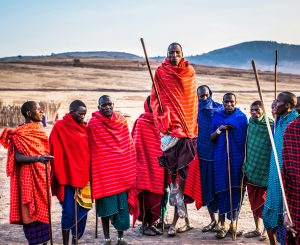
Understanding which tribe dominates Isiolo can offer insights into the region’s demographic shifts, cultural interactions, and economic dynamics.
This article delves into the 20 best tribes in Isiolo County, providing an in-depth analysis of their population, influence, and presence. Through this exploration, we aim to highlight the significance of each tribe in shaping the identity and future of Isiolo County. Let’s embark on a journey to uncover the dominant tribes and their impact on this fascinating region.
Which Tribe Dominates Isiolo? 20 Best
1. Borana
The Borana tribe is one of the most prominent ethnic groups in Isiolo County. With an estimated population of approximately 150,000, the Borana significantly influences the county’s cultural and social fabric.
Historically, the Borana are known for their pastoral lifestyle, which plays a crucial role in Isiolo’s economy.They are recognized for their strong community bonds and traditional governance systems, which help maintain order and social cohesion.
The Borana’s cultural practices, including unique ceremonies and festivals, add to the vibrant cultural mosaic of Isiolo. Their dominance in the region is evident through their substantial population and cultural impact.
Pros:
- Rich cultural heritage
- Strong community ties
- Significant economic role
- Traditional governance
- Vibrant ceremonies
- Active pastoralism
- Social cohesion
Cons:
- Limited agricultural practice
- Conflict over resources
- Marginalized regions
- Climate change impact
2. Meru
The Meru people, with a population of approximately 60,000 in Isiolo County, are another significant ethnic group in the region. Known for their farming and pastoral activities, the Meru contribute to the agricultural productivity of Isiolo.
Their presence in the county is marked by their vibrant cultural practices, including traditional dances and festivals. The Meru’s influence extends to local governance and community development, enhancing the socio-economic landscape of Isiolo. Their integration into the county’s multi-ethnic environment reflects a blend of agricultural and pastoral traditions.
Pros:
- Agricultural expertise
- Cultural richness
- Community development
- Economic contribution
- Traditional dances
- Festivals
- Local governance involvement
Cons:
- Land disputes
- Resource competition
- Economic dependency
- Cultural assimilation
3. Gabra
The Gabra tribe, with a population of approximately 45,000, is an important community in Isiolo County. Traditionally, the Gabra are pastoralists, relying heavily on livestock for their livelihood.
Their presence in Isiolo is marked by their distinct cultural practices and traditional governance structures. The Gabra play a key role in the county’s economic activities, particularly in the pastoral sector. Their integration into the county’s diverse ethnic landscape is reflected in their cultural interactions and economic contributions.
Pros:
- Pastoral expertise
- Traditional governance
- Economic contribution
- Cultural distinctiveness
- Livestock-based livelihood
- Community cohesion
- Resource management
Cons:
- Environmental challenges
- Limited diversification
- Resource conflicts
- Climate vulnerability
4. Sakuye
With a population of approximately 40,000, the Sakuye tribe is a notable ethnic group in Isiolo County. The Sakuye are traditionally pastoralists, with their lifestyle deeply intertwined with livestock herding.
Their cultural practices and social structures contribute to the rich tapestry of Isiolo’s ethnic diversity. The Sakuye’s presence in the county is marked by their unique customs and community-oriented lifestyle. Their influence is seen in their contribution to the pastoral economy and local cultural practices.
Pros:
- Strong pastoral traditions
- Community-oriented lifestyle
- Unique customs
- Economic contribution
- Cultural practices
- Social cohesion
- Traditional knowledge
Cons:
- Resource scarcity
- Climate impacts
- Limited agricultural practices
- Economic dependence
5. Somali
The Somali people, with a population of approximately 35,000 in Isiolo County, are another significant ethnic group. Known for their pastoral and trading activities, the Somali contribute to the region’s economic and cultural diversity.
Their influence in Isiolo is marked by their active role in trade and commerce, enhancing the county’s economic landscape. The Somali community’s cultural practices, including traditional festivals and social gatherings, add to the vibrancy of Isiolo’s multi-ethnic environment.
Pros:
- Economic activity
- Cultural festivals
- Trade contribution
- Pastoral practices
- Community engagement
- Diverse traditions
- Social integration
Cons:
- Resource competition
- Environmental impact
- Economic disparities
- Cultural tensions
6. Pokot
The Pokot tribe, with an estimated population of approximately 25,000 in Isiolo County, is known for their pastoral lifestyle and rich cultural heritage.
The Pokot’s presence in Isiolo is marked by their traditional customs, including unique ceremonies and festivals. Their role in the county’s economy is significant, particularly in livestock rearing and pastoral activities. The Pokot’s cultural practices and social structures contribute to the diversity and vibrancy of Isiolo County.
Pros:
- Pastoral traditions
- Rich cultural heritage
- Livestock economy
- Unique ceremonies
- Social cohesion
- Community values
- Traditional knowledge
Cons:
- Resource conflicts
- Climate vulnerability
- Limited agricultural practices
- Economic challenges
7. Chuka
With a population of approximately 20,000, the Chuka tribe is a notable community in Isiolo County. The Chuka are primarily engaged in agricultural activities, contributing to the county’s economic diversity.
Their presence is characterized by their vibrant cultural practices, including traditional dances and festivals. The Chuka’s role in Isiolo is reflected in their agricultural contributions and active participation in local cultural events.
Pros:
- Agricultural expertise
- Cultural richness
- Economic contribution
- Community involvement
- Traditional practices
- Festivals
- Local development
Cons:
- Land disputes
- Resource competition
- Economic dependency
- Cultural assimilation
8. Embu
The Embu people, with a population of approximately 18,000 in Isiolo County, are another significant ethnic group. Known for their agricultural and pastoral activities, the Embu contribute to the region’s economic and cultural landscape.
Their presence in Isiolo is marked by their unique customs and community-oriented lifestyle. The Embu’s influence is seen in their active role in agriculture and local cultural practices.
Pros:
- Agricultural skills
- Cultural traditions
- Economic contribution
- Community cohesion
- Festivals
- Traditional ceremonies
- Local governance
Cons:
- Resource conflicts
- Environmental challenges
- Economic dependency
- Cultural tensions
9. Kamba
The Kamba tribe, with a population of approximately 15,000 in Isiolo County, is known for their agricultural and artisanal skills.
Their presence in Isiolo is characterized by their vibrant cultural practices and active involvement in local economic activities. The Kamba contribute to the county’s cultural and economic diversity through their unique traditions and community-oriented lifestyle.
Pros:
- Agricultural expertise
- Artisanal skills
- Cultural richness
- Economic contribution
- Community involvement
- Local traditions
- Festivals
Cons:
- Resource competition
- Economic challenges
- Cultural assimilation
- Limited agricultural diversification
10. Boran
The Boran tribe, with a population of approximately 12,000 in Isiolo County, is a smaller but influential ethnic group. Their presence in the county is marked by their traditional pastoral lifestyle and cultural practices. The Boran’s role in Isiolo is reflected in their contributions to the pastoral economy and their unique cultural heritage.
Pros:
- Pastoral traditions
- Cultural practices
- Economic contribution
- Community cohesion
- Livestock economy
- Social integration
- Traditional knowledge
Cons:
- Limited economic diversification
- Resource conflicts
- Climate vulnerability
- Marginalized regions
11. Orma
With an estimated population of approximately 10,000, the Orma tribe is an important community in Isiolo County. Known for their pastoral lifestyle, the Orma contribute to the region’s economic and cultural diversity. Their presence is marked by their unique customs and traditional practices, enhancing Isiolo’s multi-ethnic environment.
Pros:
- Pastoral expertise
- Cultural traditions
- Economic contribution
- Community involvement
- Livestock-based livelihood
- Festivals
- Social cohesion
Cons:
- Resource scarcity
- Climate impacts
- Economic challenges
- Limited diversification
12. Swahili
The Swahili people, with a population of approximately 9,000 in Isiolo County, contribute to the region’s cultural and economic landscape through their trade and social activities. Their presence in Isiolo is characterized by their vibrant cultural practices and active participation in local commerce. The Swahili’s influence is evident in their role in trade and cultural events.
Pros:
- Economic activity
- Cultural richness
- Trade contribution
- Social integration
- Community involvement
- Festivals
- Diverse traditions
Cons:
- Resource competition
- Economic disparities
- Cultural tensions
- Limited pastoral involvement
13. Kalenjin
The Kalenjin tribe, with a population of approximately 8,000 in Isiolo County, is known for their strong cultural traditions and community-oriented lifestyle. Their presence in the county is marked by their unique customs and contributions to the local economy. The Kalenjin’s role in Isiolo is reflected in their cultural practices and social contributions.
Pros:
- Cultural traditions
- Community cohesion
- Economic contribution
- Festivals
- Social integration
- Traditional practices
- Local governance
Cons:
- Resource competition
- Economic challenges
- Limited agricultural diversification
- Cultural tensions
14. Taita
The Taita tribe, with an estimated population of approximately 7,000 in Isiolo County, contributes to the region’s cultural and economic diversity. Their presence is characterized by their unique customs and active involvement in local activities. The Taita’s influence in Isiolo is marked by their cultural practices and contributions to the local economy.
Pros:
- Cultural richness
- Economic contribution
- Community involvement
- Festivals
- Traditional practices
- Social integration
- Local development
Cons:
- Resource conflicts
- Economic challenges
- Limited agricultural involvement
- Cultural tensions
15. Maasai
The Maasai people, with a population of approximately 6,000 in Isiolo County, are known for their distinctive pastoral lifestyle and rich cultural heritage. Their presence in Isiolo is marked by their unique customs, traditional ceremonies, and contributions to the pastoral economy. The Maasai’s role in the county is evident through their cultural practices and social contributions.
Pros:
- Rich cultural heritage
- Pastoral expertise
- Traditional ceremonies
- Economic contribution
- Community cohesion
- Social integration
- Livestock-based livelihood
Cons:
- Resource competition
- Climate vulnerability
- Economic dependency
- Cultural tensions
16. Luhya
The Luhya tribe, with a population of approximately 5,000 in Isiolo County, contributes to the region’s cultural diversity through their unique customs and traditions. Their presence is characterized by their active involvement in local activities and community-oriented lifestyle. The Luhya’s influence in Isiolo is reflected in their cultural practices and social contributions.
Pros:
- Cultural traditions
- Community involvement
- Economic contribution
- Festivals
- Social integration
- Traditional practices
- Local development
Cons:
- Resource conflicts
- Economic challenges
- Limited agricultural practices
- Cultural tensions
17. Luo
The Luo tribe, with an estimated population of approximately 4,000 in Isiolo County, is known for their rich cultural heritage and contributions to the local economy. Their presence in Isiolo is marked by their unique customs and active involvement in local activities. The Luo’s influence is evident in their cultural practices and social contributions.
Pros:
- Cultural richness
- Economic contribution
- Community involvement
- Festivals
- Social integration
- Traditional practices
- Local development
Cons:
- Resource competition
- Economic challenges
- Limited agricultural involvement
- Cultural tensions
18. Kisii
The Kisii tribe, with a population of approximately 3,000 in Isiolo County, contributes to the region’s cultural and economic diversity through their unique customs and traditions. Their presence is characterized by their active participation in local activities and community-oriented lifestyle. The Kisii’s influence in Isiolo is marked by their cultural practices and social contributions.
Pros:
- Cultural traditions
- Economic contribution
- Community involvement
- Festivals
- Social integration
- Traditional practices
- Local development
Cons:
- Resource conflicts
- Economic challenges
- Limited agricultural practices
- Cultural tensions
19. Teso
The Teso tribe, with an estimated population of approximately 2,500 in Isiolo County, is known for their rich cultural heritage and contributions to the local economy. Their presence in Isiolo is marked by their unique customs and active involvement in local activities. The Teso’s influence is reflected in their cultural practices and social contributions.
Pros:
- Cultural richness
- Economic contribution
- Community involvement
- Festivals
- Social integration
- Traditional practices
- Local development
Cons:
- Resource competition
- Economic challenges
- Limited agricultural involvement
- Cultural tensions
20. Samburu
The Samburu tribe, with a population of approximately 2,000 in Isiolo County, is known for their distinctive pastoral lifestyle and cultural heritage. Their presence in Isiolo is characterized by their unique customs, traditional ceremonies, and contributions to the pastoral economy. The Samburu’s role in the county is evident through their cultural practices and social contributions.
Pros:
- Rich cultural heritage
- Pastoral expertise
- Traditional ceremonies
- Economic contribution
- Community cohesion
- Social integration
- Livestock-based livelihood
Cons:
- Resource competition
- Climate vulnerability
- Economic dependency
- Cultural tensions
FAQs
- Which tribe has the largest population in Isiolo County? The Borana tribe has the largest population in Isiolo County, with approximately 150,000 individuals.
- How does the presence of the Meru tribe impact Isiolo County? The Meru tribe contributes significantly to agriculture and local cultural practices, enhancing Isiolo’s economic and social landscape.
- What role do the Gabra people play in Isiolo’s economy? The Gabra people are primarily pastoralists, and their activities contribute to the pastoral economy of Isiolo County.
- What are some of the cultural practices of the Sakuye tribe? The Sakuye tribe is known for their traditional ceremonies and community-oriented lifestyle, which contribute to Isiolo’s cultural diversity.
- How do the Somali people influence Isiolo County? The Somali people are involved in trade and commerce, which significantly impacts Isiolo’s economic activities and cultural events.
- What are the main economic activities of the Pokot tribe in Isiolo? The Pokot tribe engages primarily in pastoralism and livestock rearing, contributing to the local economy.
- What distinguishes the Chuka tribe in Isiolo County? The Chuka tribe is known for their agricultural activities and vibrant cultural practices, including traditional dances and festivals.
- How does the Embu tribe contribute to Isiolo’s cultural diversity? The Embu tribe’s agricultural skills and cultural traditions add to the rich cultural mosaic of Isiolo County.
- What are the main challenges faced by the Kamba tribe in Isiolo? The Kamba tribe faces challenges such as resource competition and economic dependency, impacting their role in Isiolo.
- How does the Boran tribe’s influence compare to other tribes in Isiolo? The Boran tribe’s influence is significant due to their large population and strong cultural and economic contributions.
Conclusion
Isiolo County is a rich tapestry of diverse ethnic groups, each contributing uniquely to the region’s cultural and economic landscape. The dominance of various tribes such as the Borana, Meru, and Gabra highlights the complexity and richness of Isiolo’s demographic profile. Each tribe, from the pastoralists to the agriculturalists, plays a crucial role in shaping the county’s identity and future.
Understanding which tribe dominates Isiolo provides valuable insights into the region’s social dynamics and economic activities.
The interplay between these tribes reflects a vibrant and evolving cultural landscape. As Isiolo continues to grow and develop, the contributions of these tribes will remain integral to its success. For those interested in exploring more about Isiolo’s tribal dynamics, further research and local engagement can offer deeper insights into this fascinating region.
What Are The Proposed Sites For Nyamira University? Find 8 Best
Trying to find out what are the proposed sites for Nyamira university? The proposed sites for Nyamira University are Kiabonyoru, Ekerubo Gietai, Sere, Senator Kebaso Primary School, Riakimai, Kiabonyoru High School, Simbauti, and Sengera Manga, each selected for its strategic location, existing infrastructure, and community support
Nyamira County, a region renowned for its rich cultural heritage and vibrant community, is on the cusp of a transformative educational development.
The proposed sites for Nyamira University have been meticulously chosen to ensure accessibility, growth, and community impact.
This article delves into the proposed locations: Kiabonyoru, Ekerubo Gietai, Sere, Senator Kebaso Primary School, Riakimai, Kiabonyoru High School, Simbauti, and Sengera Manga. Each site offers unique advantages that align with the vision for Nyamira University.
What Are The Proposed Sites For Nyamira University? Find 8 Best
1. Kiabonyoru: A Hub of Educational Advancement
Kiabonyoru stands out as a premier location for the establishment of Nyamira University due to its strategic positioning and existing infrastructure. This site benefits from:
- Accessibility: Located centrally, Kiabonyoru is easily reachable from various parts of Nyamira County, ensuring convenience for students and staff.
- Infrastructure: The area already hosts several educational facilities, which can be leveraged to support the university’s growth.
- Community Engagement: Kiabonyoru is a bustling area with a supportive community, ideal for fostering a thriving academic environment.
Pros:
- Central Location: Easy accessibility from various parts of Nyamira County.
- Existing Infrastructure: Ready access to educational facilities and resources.
- Strong Community Support: Proactive local engagement with educational initiatives.
- Potential for Expansion: Ample space for future growth and development.
- Transport Links: Well-connected by major roads and public transport.
- Economic Benefits: Boosts local economy through job creation and increased spending.
- Educational Ecosystem: Nearby schools and colleges enhance academic environment.
Cons:
- Limited Space: Potential constraints on land availability in the immediate area.
- Traffic Congestion: Central location may experience increased traffic issues.
- Infrastructure Upgrades Needed: Additional investment required to meet university standards.
2. Ekerubo Gietai: Bridging Education and Community
Ekerubo Gietai is another proposed site that offers substantial benefits for Nyamira University:
- Proximity to Urban Centers: Ekerubo Gietai’s location close to major towns provides students with easy access to amenities and services.
- Development Potential: The site is situated in a region poised for development, allowing for future expansion and infrastructural growth.
- Local Support: The community in Ekerubo Gietai is known for its strong support for educational initiatives, which will be advantageous for the university’s integration.
Pros:
- Proximity to Urban Areas: Close to major towns, offering convenience for students.
- Development Potential: Area poised for infrastructural growth.
- Supportive Community: Local population is eager to support educational initiatives.
- Future Expansion: Space available for university growth and additional facilities.
- Accessibility: Good transportation links to and from the site.
- Economic Impact: Potential to boost local businesses and create employment opportunities.
- Educational Environment: Existing educational infrastructure nearby.
Cons:
- Infrastructure Limitations: May require significant upgrades to meet university needs.
- Higher Costs: Potentially higher development costs due to proximity to urban areas.
- Community Disruption: Possible resistance from local residents during construction.
3. Sere: A Strategic Location for Growth
Sere has been proposed as a strategic site due to:
- Expansion Opportunities: The area offers ample land for future expansion, which is crucial for a growing institution.
- Educational Ecosystem: Sere is known for its educational institutions, providing a conducive environment for academic excellence.
- Community Collaboration: The local community’s eagerness to collaborate with educational institutions enhances the site’s viability.
Pros:
- Strategic Location: Positioned to serve both urban and rural populations.
- Expansion Opportunities: Ample land available for future development.
- Existing Educational Institutions: Enhances the educational environment.
- Community Support: Strong local backing for educational projects.
- Development Potential: Area is set for growth and infrastructural improvements.
- Accessibility: Good transport connections to other parts of the county.
- Economic Benefits: Job creation and economic stimulation in the region.
Cons:
- Initial Costs: Higher initial investment needed for site preparation.
- Infrastructure Development: Significant work required to build necessary facilities.
- Local Resistance: Potential opposition from residents during development.
4. Senator Kebaso Primary School: A Foundation for Future Learning
Senator Kebaso Primary School is proposed for its unique characteristics:
- Existing Facilities: Utilizing existing school infrastructure can provide an immediate operational base for the university.
- Community Ties: The site has established ties with the local community, which will facilitate smooth integration and support.
- Accessibility: Its location ensures that the university will be easily accessible to a wide range of students.
Pros:
- Utilizes Existing Facilities: Can leverage current infrastructure for immediate use.
- Strong Community Ties: Established relationships with local residents.
- Accessibility: Convenient location for a wide range of students.
- Cost Efficiency: Reduced setup costs due to existing buildings.
- Local Support: Community support for educational expansion.
- Established Network: Existing educational ecosystem can support university operations.
- Integration: Smooth transition from primary school to university setup.
Cons:
- Space Constraints: Limited land for future expansion.
- School Infrastructure: May require significant modifications to meet university standards.
- Community Adjustment: Potential challenges in transitioning from a primary school to a university.
5. Riakimai: Fostering Educational Growth
Riakimai is an ideal candidate for the university due to:
- Strategic Location: Positioned to serve both rural and urban populations, enhancing educational accessibility across different demographics.
- Future Development: The area has potential for infrastructural development, supporting long-term university growth.
- Community Engagement: Riakimai’s community is known for its proactive support in educational ventures.
Pros:
- Strategic Location: Serves both rural and urban populations effectively.
- Development Potential: Site offers significant opportunities for future growth.
- Community Support: Positive local attitude towards educational development.
- Educational Environment: Existing focus on education enhances university prospects.
- Accessibility: Well-connected by transportation networks.
- Economic Impact: Positive effect on local economy through job creation and increased spending.
- Future Growth: Space available for additional facilities and expansion.
Cons:
- Initial Development Costs: High costs associated with site preparation and infrastructure.
- Infrastructure Needs: Significant upgrades required to accommodate university facilities.
- Community Integration: Potential issues with local community integration during development.
6. Kiabonyoru High School: Leveraging Existing Resources
Kiabonyoru High School is considered for its advantages:
- Established Infrastructure: Existing educational facilities can be adapted for university use, minimizing initial setup costs.
- Local Support: The school’s existing relationships with the community can facilitate university integration.
- Accessibility: The high school’s location ensures ease of access for students from various regions.
Pros:
- Existing Facilities: Leverages current school infrastructure for immediate use.
- Community Support: Established ties with the local community.
- Accessibility: Convenient location for students from various regions.
- Cost Efficiency: Lower setup costs due to existing buildings.
- Local Engagement: Strong local backing for educational expansion.
- Educational Synergy: Continuity of educational focus from high school to university.
- Infrastructure: Already established educational infrastructure supports university needs.
Cons:
- Space Limitations: Limited room for future expansion and additional facilities.
- Modification Needs: School facilities may require significant modifications for university use.
- Community Transition: Potential challenges in transitioning from high school to university setup.
7. Simbauti: A Promising Educational Location
Simbauti offers several benefits for the proposed university:
- Growth Potential: The site has significant potential for development, making it suitable for long-term expansion.
- Educational Environment: Simbauti is known for its educational initiatives, which align with the university’s goals.
- Community Support: The local community is expected to be supportive, aiding in the university’s establishment and growth.
Pros:
- Growth Potential: Ample land available for future development and expansion.
- Educational Environment: Existing educational initiatives support university objectives.
- Community Support: Positive local attitude towards educational projects.
- Accessibility: Well-connected by transport links to surrounding areas.
- Economic Impact: Boosts local economy through job creation and increased spending.
- Future Development: Space available for additional university facilities and services.
- Local Engagement: Strong community involvement in educational activities.
Cons:
- Development Costs: High initial costs for site preparation and infrastructure development.
- Infrastructure Needs: Significant upgrades needed to meet university requirements.
- Community Disruption: Potential resistance from local residents during construction
8. Sengera Manga: Enhancing Educational Access
Sengera Manga is proposed for its strategic advantages:
- Accessibility: The site is well-connected, making it accessible to a broad student base.
- Development Opportunities: Sengera Manga offers ample space for future university expansion and infrastructure development.
- Community Engagement: The area’s strong community ties will support the university’s integration and growth.
Pros:
- Accessibility: Well-connected location provides easy access for students.
- Expansion Opportunities: Ample space for future growth and development.
- Educational Environment: Local community supports educational initiatives.
- Development Potential: Area is primed for infrastructural improvements and expansion.
- Economic Benefits: Positive impact on the local economy through job creation.
- Community Engagement: Established relationships with local residents support the project.
- Transport Links: Good transportation connections enhance accessibility.
Cons:
- Initial Costs: Higher costs associated with site preparation and development.
- Infrastructure Needs: Significant work required to build necessary university facilities.
- Local Resistance: Possible opposition from community members during development.
What Are The Proposed Sites For Nyamira University(FAQs)
1. Why were these sites chosen for Nyamira University?
These sites were selected based on factors like accessibility, existing infrastructure, and community support, ensuring that the university can thrive and expand effectively.
2. How will the university benefit the local communities?
The university will provide educational opportunities, create jobs, and stimulate local economic growth, enhancing the overall well-being of the communities.
3. What are the expected timelines for the university’s establishment?
The establishment timeline depends on several factors, including site preparation and construction progress, but the goal is to begin operations within a few years.
4. Will the university offer programs in various fields?
Yes, the university will offer a diverse range of programs to cater to different academic interests and career paths.
5. How will the university impact local infrastructure?
The university’s presence will likely lead to improvements in local infrastructure, including roads, utilities, and public services.
6. What role will the community play in the university’s development?
The community will play a crucial role by providing support, participating in development initiatives, and benefiting from educational programs.
7. Will there be opportunities for local businesses to engage with the university?
Yes, local businesses will have opportunities to collaborate with the university, including providing services, partnerships, and employment opportunities.
8. How will the university address environmental concerns?
The university will implement sustainable practices and adhere to environmental regulations to minimize its impact on the surrounding environment.
9. What funding sources will support the university’s construction and operation?
Funding will come from a combination of government support, private investments, and possibly international aid.
10. Will there be scholarship opportunities for local students?
Yes, the university will provide scholarships and financial aid to support local students and make education more accessible.
Conclusion
In conclusion, the proposed sites for Nyamira University—Kiabonyoru, Ekerubo Gietai, Sere, Senator Kebaso Primary School, Riakimai, Kiabonyoru High School, Simbauti, and Sengera Manga—represent a strategic selection aimed at maximizing educational impact and community benefit.
Each location was carefully evaluated to ensure it meets the criteria for accessibility, development potential, and community support.
The establishment of Nyamira University at these sites promises to be a transformative step for Nyamira County, offering new educational opportunities, fostering local development, and enhancing the region’s overall prosperity.
The university will not only serve as a hub of academic excellence but also contribute significantly to the local economy and infrastructure. The diverse range of proposed sites ensures that the university will be well-positioned to serve students from various parts of the county. With strong community backing and potential for growth, Nyamira University is set to become a cornerstone of educational advancement in the region.