Equity Bank Manager Steals Sh 1.5 Billion From the Bank’s Salary Processing Unit, In a shocking turn of events that has rocked Kenya’s banking sector, an Equity Bank manager is reported to have orchestrated a grand theft of Sh 1.5 billion from the bank’s Salary Processing Unit.
This audacious heist has raised many questions and left the public in disbelief, as such a massive amount was siphoned off under the noses of one of Kenya’s leading financial institutions.
The stolen funds were quickly moved across multiple accounts and withdrawn in record time, making it difficult for authorities to trace. As the investigation continues, the public is left wondering whether the mastermind behind this crime is still in the country or has fled abroad.
This article delves into the details of the heist, the possible consequences, and the larger implications for the banking sector in Kenya.
Equity Bank Manager Steals Sh 1.5 Billion From The Bank’s Salary Processing Unit
The Heist: How It Happened
The heist is believed to have been meticulously planned over several months. The manager, whose identity has not been disclosed, is said to have had access to sensitive information and systems within the bank’s Salary Processing Unit. Using this access, the manager was able to transfer the funds to multiple bank accounts in a manner that did not immediately raise red flags. This was likely done during a period when the bank’s systems were at their busiest, such as during the end of the month when salaries are processed. By exploiting this window of opportunity, the manager was able to mask the large transfers as legitimate transactions.
Once the funds were in these accounts, they were quickly withdrawn in cash from various ATMs and bank branches across the country. The speed and coordination of the withdrawals suggest that the manager had accomplices who were ready to act as soon as the transfers were completed. Within hours, the Sh 1.5 billion had disappeared from the banking system, leaving the bank with little time to react.
The Aftermath: Reactions and Investigations
The revelation of the theft has led to a flurry of activity within Equity Bank and among Kenya’s financial regulators. The bank has launched an internal investigation to determine how the manager was able to carry out the theft without detection. The Central Bank of Kenya has also been involved, given the scale of the theft and its potential implications for the wider banking sector.
The incident has sparked outrage among the public and raised concerns about the safety of their deposits. Many are questioning how a single individual could steal such a large sum of money without being caught, and what measures the bank had in place to prevent such occurrences. The pressure is now on Equity Bank to reassure its customers and restore confidence in its systems.
Meanwhile, law enforcement agencies have launched a manhunt for the manager, who is believed to have fled the country. There are concerns that the manager may have had help from insiders within the bank or from external parties with access to advanced hacking tools. The police are working closely with international agencies to track the stolen funds and bring those responsible to justice.
The Impact on Equity Bank
The theft has dealt a significant blow to Equity Bank’s reputation, which has been built over decades as a trusted financial institution in Kenya. The bank has always prided itself on its security measures and commitment to customer service, but this incident has exposed vulnerabilities that could have far-reaching consequences. Customers may begin to question the safety of their deposits, and the bank could face legal challenges from those who feel that their money is at risk.
In addition to the potential loss of customer confidence, the bank could face financial penalties from regulators if it is found to have failed in its duty to protect its customers’ funds. The Central Bank of Kenya is likely to scrutinize the incident closely and may impose fines or other sanctions on Equity Bank if it is determined that there were lapses in its security protocols.
The Broader Implications for Kenya’s Banking Sector
The Equity Bank heist has raised alarm bells across the entire banking sector in Kenya. If a bank as large and well-regarded as Equity can fall victim to such a massive theft, it begs the question of how secure other banks are. The incident has highlighted the need for stronger internal controls and more robust cybersecurity measures within financial institutions.
Banks in Kenya may now be forced to review their security protocols and invest in more advanced technologies to protect against similar incidents. The Central Bank of Kenya may also introduce new regulations aimed at preventing insider threats and ensuring that banks are better equipped to detect and respond to suspicious activities.
The heist has also brought to light the issue of insider threats in the banking sector. While banks have traditionally focused on external threats, such as hacking and fraud, this incident underscores the need to pay closer attention to the risks posed by employees with access to sensitive information and systems. Insider threats are often more difficult to detect and can be more damaging than external attacks, as they involve individuals who are familiar with the bank’s operations and know how to exploit its weaknesses.
Where Is the Manager Now?
As of now, the whereabouts of the rogue manager remain unknown. There are speculations that the manager may have fled the country, possibly to a location where extradition would be difficult. The manager’s ability to plan and execute such a sophisticated heist suggests that they may have had help from individuals or groups with experience in international crime. This has made the task of tracking them down more challenging for Kenyan authorities.
Interpol has reportedly been involved in the search for the manager, and efforts are underway to trace the stolen funds. However, with the money having been withdrawn in cash and potentially moved through informal channels, recovering it will be a difficult task. The manager’s flight has raised questions about the effectiveness of Kenya’s border controls and the ability of authorities to prevent criminals from escaping the country.
What Next for Equity Bank?
Equity Bank now faces the daunting task of restoring its reputation and reassuring its customers that their money is safe. The bank has already taken steps to strengthen its security measures and has promised to cooperate fully with the authorities in their investigation. However, the road to recovery will not be easy.
In the short term, the bank may see a decline in customer deposits as individuals move their money to other banks they perceive as more secure. The bank’s share price could also take a hit as investors react to the news of the theft. In the long term, Equity Bank will need to demonstrate that it has learned from this incident and taken the necessary steps to prevent a similar occurrence in the future.
Call to Action: If you are concerned about the security of your bank accounts, now is the time to take action. Regularly monitor your transactions, diversify your deposits, and stay informed about the latest security measures being implemented by your bank. Don’t wait until it’s too late—protect your financial future today.
Summary about Equity Bank Manager Steals Sh 1.5 Billion From The Bank’s Salary Processing Unit
Equity Bank, one of Kenya’s largest and most reputable financial institutions, has found itself at the center of a scandal that has captured the attention of the entire nation. The theft of Sh 1.5 billion from its Salary Processing Unit by one of its own managers has sent shockwaves through the banking industry and beyond.
The sheer audacity of the crime, coupled with the sophisticated methods used to execute it, has left many wondering how such a breach of security could occur in a bank known for its stringent measures.
The stolen funds were swiftly moved across multiple accounts, and within hours, they were withdrawn, leaving a trail that has proven difficult to follow.
As the authorities launch a manhunt for the rogue manager, the incident raises important questions about the security of financial institutions in Kenya and the potential loopholes that could be exploited by insiders.
Equity Bank Manager Steals Sh 1.5 Billion From The Bank’s Salary Processing Unit FAQs
- How did the Equity Bank manager manage to steal Sh 1.5 billion?
- The manager exploited their access to the bank’s Salary Processing Unit to transfer the funds to multiple accounts. These funds were then swiftly withdrawn in cash, making it difficult for the bank to trace them.
- Is the manager still in Kenya?
- It is suspected that the manager has fled the country, although their exact whereabouts are unknown. Interpol is reportedly involved in the search.
- What is Equity Bank doing to address this theft?
- Equity Bank has launched an internal investigation and is working closely with the authorities to track the stolen funds. The bank is also taking steps to strengthen its security measures to prevent similar incidents in the future.
- How safe are customer deposits in Equity Bank?
- While this incident has raised concerns, Equity Bank has assured customers that their deposits are safe and that the bank is taking all necessary measures to protect their funds.
- What impact will this theft have on Equity Bank’s reputation?
- The theft has dealt a significant blow to the bank’s reputation, and it may take time for the bank to restore customer confidence. The bank could also face legal and financial consequences as a result of the theft.
- How will this incident affect Kenya’s banking sector?
- The incident has highlighted the need for stronger security measures within Kenya’s banks. It may lead to increased scrutiny from regulators and could prompt other banks to review their security protocols.
- What role did technology play in this heist?
- The manager likely used their knowledge of the bank’s systems to carry out the theft. This underscores the importance of cybersecurity in protecting against insider threats.
- Can the stolen funds be recovered?
- Recovering the stolen funds will be challenging, especially since they were withdrawn in cash and possibly moved through informal channels. However, efforts are ongoing to trace the money.
- What lessons can other banks learn from this incident?
- Other banks can learn the importance of monitoring insider threats and ensuring that their security measures are robust enough to prevent such incidents. This includes investing in advanced technologies and training staff to detect suspicious activities.
- What should customers do to protect their funds?
- Customers should remain vigilant and regularly monitor their bank accounts for any suspicious activity. They can also consider diversifying their deposits across multiple banks to reduce the risk of loss.
Conclusion
The Sh 1.5 billion theft from Equity Bank’s Salary Processing Unit is a wake-up call for Kenya’s banking sector. It has exposed vulnerabilities in the system and highlighted the need for stronger security measures to protect against insider threats.
As the search for the rogue manager continues, Equity Bank must work tirelessly to restore its reputation and reassure its customers that their funds are safe.
This incident serves as a reminder that even the most trusted institutions can fall victim to fraud, and it underscores the importance of vigilance and robust security protocols in safeguarding financial assets.
In the wake of this scandal, it is crucial for customers to remain informed and proactive in protecting their financial interests.Equity Bank, on its part, must demonstrate transparency and accountability in its handling of this crisis.
As the investigation unfolds, the public will be watching closely to see how the bank addresses the issues raised by this theft and what steps it takes to prevent a recurrence. The lessons learned from this incident could shape the future of banking in Kenya and influence how financial institutions approach security in the digital age.
Do We Have Ferrari In Kenya? Complete Guide
Yet to find out if or Do We Have Ferrari In Kenya? Yes, Ferrari vehicles are available in Kenya, including top-rated models such as the Ferrari 488 GTB (2021) for approximately KSh 35 million, the Ferrari Portofino (2022) at around KSh 40 million, the Ferrari Roma (2023) for about KSh 45 million, the Ferrari F8 Tributo (2021) priced near KSh 50 million, and the Ferrari SF90 Stradale (2022) costing up to KSh 80 million
Kenya, a country known for its rich cultural heritage and natural beauty, is also home to a burgeoning luxury market that caters to the elite.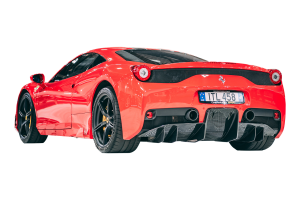
Among the most coveted luxury items are Ferrari vehicles, renowned for their performance, engineering, and sheer elegance. But how accessible are these Italian supercars in Kenya?
This article delves into the presence of Ferrari in Kenya, exploring available models, pricing, purchasing options, and maintenance services to provide a comprehensive guide for potential buyers and enthusiasts.
Do We Have Ferrari In Kenya? Complete Guide
Ferrari Models Available in Kenya
Ferrari’s legacy of innovation and unmatched performance continues to captivate automobile enthusiasts globally. In Kenya, the market for Ferrari vehicles, though niche, is steadily growing, with several models available for purchase. Below is a detailed overview of some Ferrari models available in Kenya, including their types and approximate prices.
1. Ferrari 488 GTB
- Type: Mid-Engine Sports Car
- Price: Approximately KSh 30 million to KSh 40 million
Description: The Ferrari 488 GTB is celebrated for its powerful V8 engine and exceptional handling capabilities. It is designed for those who seek adrenaline and high performance, offering a driving experience that is both thrilling and responsive. The 488 GTB’s aerodynamic design and advanced electronics make it a standout in the mid-engine sports car category.
2. Ferrari Portofino
- Type: Convertible Grand Tourer
- Price: Approximately KSh 35 million to KSh 45 million
Description: The Ferrari Portofino embodies the perfect blend of performance and luxury. With its retractable hardtop, this convertible grand tourer is as stylish as it is powerful. The Portofino is ideal for those who desire a vehicle that can transition seamlessly from a high-performance sports car to a leisurely cruiser, all while enveloping its occupants in luxury.
3. Ferrari Roma
- Type: Grand Tourer
- Price: Approximately KSh 40 million to KSh 50 million
Description: The Ferrari Roma is a modern reinterpretation of the classic grand tourer. It combines sophisticated design with a powerful V8 engine, offering a driving experience that is both smooth and exhilarating. The Roma’s minimalist yet luxurious interior reflects Ferrari’s commitment to craftsmanship and attention to detail, making it a popular choice among the Kenyan elite.
4. Ferrari F8 Tributo
- Type: Mid-Engine Sports Car
- Price: Approximately KSh 45 million to KSh 55 million
Description: The Ferrari F8 Tributo is a tribute to Ferrari’s rich history of mid-engine sports cars. It features advanced aerodynamics and a turbocharged V8 engine, delivering exceptional speed and handling. The F8 Tributo is designed for those who demand the highest levels of performance and precision from their vehicle.
5. Ferrari SF90 Stradale
- Type: Plug-in Hybrid Sports Car
- Price: Approximately KSh 70 million to KSh 90 million
Description: The SF90 Stradale is Ferrari’s flagship hybrid model, showcasing the brand’s commitment to sustainability without compromising on performance. This plug-in hybrid sports car combines a powerful V8 engine with electric motors, delivering extraordinary acceleration and handling. The SF90 Stradale is for those who want to experience the future of supercars today.
6. Ferrari 812 Superfast
- Type: Front-Engine Grand Tourer
- Price: Approximately KSh 60 million to KSh 80 million
Description: The Ferrari 812 Superfast lives up to its name, offering blistering speed thanks to its powerful V12 engine. This front-engine grand tourer is designed for long-distance journeys at high speed, with a luxurious interior that ensures comfort over extended drives. The 812 Superfast is perfect for those who seek a combination of power, luxury, and practicality.
Where to Buy a Ferrari in Kenya
Purchasing a Ferrari in Kenya is an experience that requires careful consideration and planning. Here are some of the best avenues through which one can acquire a Ferrari in the country.
1. Authorized Dealerships
In Kenya, authorized Ferrari dealerships are primarily located in Nairobi. These dealerships are official partners of Ferrari, ensuring that all vehicles sold are genuine and come with a warranty. Purchasing from an authorized dealership also provides access to Ferrari’s global support network, which is crucial for maintaining the vehicle’s performance and value.
2. Importers
Some Ferrari enthusiasts in Kenya prefer to import their vehicles directly from abroad. This option allows for greater flexibility in terms of model selection and customization. However, importing a Ferrari requires navigating complex legal and logistical processes, including customs duties, taxes, and compliance with Kenyan regulations.
Maintenance and Service for Ferrari Vehicles in Kenya
Owning a Ferrari in Kenya is not just about the initial purchase; it also involves ongoing maintenance to ensure the vehicle performs at its best. Fortunately, specialized service centers in Nairobi cater to Ferrari owners, offering maintenance and repair services.
1. Specialized Service Centers
These service centers are equipped with state-of-the-art tools and staffed by technicians trained by Ferrari. They provide a range of services, including routine maintenance, engine diagnostics, and performance tuning. Regular maintenance is essential to preserving the value and performance of a Ferrari, and specialized service centers in Nairobi offer the expertise needed to keep these vehicles in top condition.
2. Parts and Accessories
Genuine Ferrari parts and accessories are available through authorized dealerships and service centers in Kenya. Using authentic parts is crucial for maintaining the integrity and performance of the vehicle. Whether it’s replacing worn-out components or upgrading the car’s features, Ferrari owners in Kenya can access the necessary parts to keep their vehicles in peak condition.
Do We Have Ferrari In Kenya FAQs
1. Are Ferraris legal in Kenya?
Yes, Ferraris are legal in Kenya. However, they must comply with Kenyan road regulations and standards, which include emissions and safety requirements.
2. How much does it cost to import a Ferrari into Kenya?
The cost of importing a Ferrari into Kenya includes the purchase price, customs duties, taxes, and shipping fees. Depending on the model, this can significantly increase the overall cost, sometimes doubling the price of the vehicle.
3. What is the resale value of Ferraris in Kenya?
Ferraris generally hold their value well, especially rare models or those in excellent condition. The resale value in Kenya is influenced by factors such as demand, model rarity, and the car’s condition.
4. Can I finance a Ferrari purchase in Kenya?
Yes, some financial institutions in Kenya offer financing options for luxury vehicles, including Ferraris. However, due to the high value of these cars, the terms of the financing may include substantial down payments and higher interest rates.
5. Are there any Ferrari clubs or communities in Kenya?
Yes, there are luxury car clubs and communities in Kenya where Ferrari owners and enthusiasts gather for events, socializing, and sharing their passion for cars.
6. What insurance options are available for Ferraris in Kenya?
Ferrari owners in Kenya can choose from a range of insurance options, including comprehensive coverage that protects against theft, damage, and third-party liabilities. Due to the high value of these vehicles, insurance premiums can be substantial.
7. How often should a Ferrari be serviced?
Ferraris should be serviced regularly, typically every 5,000 to 10,000 kilometers, depending on the model and usage. Regular servicing is crucial to maintain the car’s performance and value.
8. Can I modify my Ferrari in Kenya?
Yes, modifications are possible, but they must comply with Kenyan regulations. It’s advisable to use authorized service centers for any modifications to ensure they do not void the vehicle’s warranty or affect its performance.
9. What are the challenges of owning a Ferrari in Kenya?
Challenges include the high cost of maintenance, the need for specialized service centers, and navigating the country’s road conditions. However, for many owners, the prestige and performance of owning a Ferrari outweigh these challenges.
10. How do I ensure my Ferrari retains its value in Kenya?
To retain value, it’s important to keep the vehicle in excellent condition through regular maintenance, avoid excessive modifications, and ensure it is stored properly. Keeping detailed records of service and maintenance can also help when reselling the vehicle.
Conclusion
Ferrari vehicles are a symbol of luxury, performance, and engineering excellence, and they have found a place in Kenya’s luxury car market. Although owning a Ferrari in Kenya comes with its challenges, including high costs and the need for specialized maintenance, the experience of driving such an iconic vehicle is unmatched.
For those who have the means, owning a Ferrari in Kenya is not just a status symbol but a testament to a passion for excellence and performance.
Whether you are looking to purchase a Ferrari or simply interested in learning more about these vehicles, understanding the options available in Kenya is the first step towards making an informed decision
Is There A Lamborghini In Kenya? Complete Guide
Is there a Lamborghini in Kenya? Yes, there are Lamborghinis in Kenya, including top-rated models like the Aventador, Huracán, Urus, Gallardo, and Murciélago, which are admired for their performance, luxury, and design
Kenya, known for its diverse landscapes and bustling urban centers, is a country on the rise economically. With increasing affluence, especially in cities like Nairobi and Mombasa, the demand for luxury goods, including high-end automobiles, has grown significantly.
Among the symbols of luxury and performance, Lamborghini stands out as one of the most coveted automotive brands globally. But the question on many people’s minds is: Is there a Lamborghini in Kenya?
In this article, we delve deep into the presence of Lamborghini in Kenya, exploring the availability, ownership, and challenges of owning such a high-performance vehicle in the country. We’ll also address frequently asked questions and provide insights into the future of luxury cars in Kenya.
Is There A Lamborghini In Kenya? Complete Guide
Abu Joho Lamborghini Urus Flaunting On TikTok
Looking for details about Abu Joho Lamborghini ? Well, from a recent video Abu Joho was seen Flaunting Lamborghini Urus on TikTok which In Kenya, this masterpiece comes with a hefty price tag, ranging from KSh 36 million for the base model to KSh 48 million for the top-range variant, before taxes.
In recent months, Abu Joho has captured the attention of car enthusiasts and social media users alike by flaunting his luxurious Lamborghini Urus on TikTok.
This powerful machine, known as the world’s first super SUV, has set a new standard in the automotive industry. Manufactured by the renowned Italian carmaker Lamborghini, the Urus combines the performance of a supercar with the practicality of an SUV, making it one of the most sought-after vehicles in the world.
Abu Joho Flaunts Lamborghini Urus on TikTok
The Lamborghini Urus: A Super SUV Like No Other
The Lamborghini Urus is not just any SUV; it’s a symbol of power, speed, and luxury. With its aggressive stance, aerodynamic design, and advanced technology, the Urus stands out as a leader in its class. The vehicle is equipped with a 4.0-liter twin-turbo V8 engine that delivers a staggering 641 horsepower and 850 Nm of torque. This immense power enables the Urus to accelerate from 0 to 100 km/h in just 3.6 seconds, making it one of the fastest SUVs on the market.
Inside, the Urus offers a blend of luxury and comfort. The cabin is adorned with premium materials, including leather, Alcantara, carbon fiber, and wood trims. The state-of-the-art infotainment system and advanced driver assistance features ensure that the driving experience is both enjoyable and safe.
Abu Joho’s Lamborghini Urus: A Statement of Success
Abu Joho, a prominent figure in Kenya, has recently showcased his Lamborghini Urus on TikTok, drawing widespread admiration and envy. His choice of vehicle reflects not only his taste for luxury but also his success. In a country where owning a high-end car is a symbol of status and wealth, Abu Joho’s Urus is a clear indication of his standing in society.
The Lamborghini Urus is more than just a mode of transportation for Abu Joho; it’s a statement. The sleek design, powerful engine, and luxurious interior of the Urus are a perfect match for his persona. As he drives through the streets of Kenya, the Urus commands attention, turning heads and sparking conversations wherever it goes.
The Cost of Luxury: Lamborghini Urus Pricing in Kenya
Owning a Lamborghini Urus in Kenya is a significant investment. The base model of this super SUV costs around KSh 36 million, while the top-of-the-range version can set you back approximately KSh 48 million before taxes. These prices are reflective of the Urus’s exclusivity and the high import duties and taxes imposed on luxury vehicles in Kenya.
In addition to the purchase price, owners of the Lamborghini Urus must also consider the cost of maintenance, insurance, and fuel. The Urus is not just expensive to buy; it’s also costly to own. However, for those who can afford it, the Urus offers an unparalleled driving experience that justifies the expense.
Why the Lamborghini Urus is a Game-Changer
The Lamborghini Urus has revolutionized the SUV market by combining the speed and performance of a supercar with the practicality and versatility of an SUV. This unique combination has made the Urus a favorite among car enthusiasts and luxury buyers alike. The vehicle’s all-wheel-drive system, advanced suspension, and multiple driving modes allow it to perform exceptionally well on both city streets and off-road terrains.
The Urus’s success has also paved the way for other luxury carmakers to enter the high-performance SUV market. Brands like Bentley, Rolls-Royce, and Aston Martin have followed in Lamborghini’s footsteps by developing their own super SUVs. However, the Urus remains a benchmark in this category, thanks to its unmatched performance, design, and exclusivity.
Abu Joho’s Lamborghini Urus FAQs
1. What makes the Lamborghini Urus unique?
The Lamborghini Urus is unique because it combines the performance of a supercar with the practicality of an SUV. It’s equipped with a powerful engine, advanced technology, and luxurious interior, making it a standout in its class.
2. How much does a Lamborghini Urus cost in Kenya?
In Kenya, the Lamborghini Urus costs between KSh 36 million and KSh 48 million before taxes. The price varies depending on the model and customization options.
3. What is the top speed of the Lamborghini Urus?
The Lamborghini Urus has a top speed of 305 km/h (190 mph), making it one of the fastest SUVs in the world.
4. Who is Abu Joho?
Abu Joho is a prominent figure in Kenya known for his success in business and his luxurious lifestyle. He recently gained attention on TikTok by showcasing his Lamborghini Urus.
5. What are the key features of the Lamborghini Urus?
Key features of the Lamborghini Urus include a 4.0-liter twin-turbo V8 engine, all-wheel drive, multiple driving modes, advanced driver assistance systems, and a luxurious interior with premium materials.
6. How does the Lamborghini Urus compare to other luxury SUVs?
The Lamborghini Urus is considered one of the best luxury SUVs due to its combination of performance, design, and exclusivity. It competes with other high-end SUVs like the Bentley Bentayga, Rolls-Royce Cullinan, and Aston Martin DBX.
7. What is the fuel efficiency of the Lamborghini Urus?
The Lamborghini Urus has a fuel efficiency of approximately 12.7 liters per 100 km (18.6 mpg), which is reasonable for a vehicle of its power and size.
8. Can the Lamborghini Urus be used for off-roading?
Yes, the Lamborghini Urus is designed to handle off-road conditions thanks to its advanced all-wheel-drive system and adjustable suspension. It has specific driving modes for off-road use.
9. What is the maintenance cost of a Lamborghini Urus?
Maintenance costs for the Lamborghini Urus are high, given its status as a luxury vehicle. Owners should expect to pay a premium for routine maintenance, repairs, and parts.
10. Is the Lamborghini Urus worth the investment?
For those who can afford it, the Lamborghini Urus is worth the investment due to its performance, design, and status symbol. It offers a unique driving experience that few other vehicles can match.
Conclusion: Abu Joho’s Lamborghini Urus – A Symbol of Power and Prestige
Abu Joho’s decision to showcase his Lamborghini Urus on TikTok is a reflection of his success and taste for luxury. The Urus is not just a vehicle; it’s a statement of power, prestige, and exclusivity.
Its combination of supercar performance and SUV practicality makes it a standout in the luxury vehicle market.
As Abu Joho continues to flaunt his Urus, it’s clear that this super SUV is more than just a car—it’s a symbol of success.
If you’re considering purchasing a Lamborghini Urus or any other luxury vehicle, it’s essential to weigh the costs and benefits. While the Urus offers an unparalleled driving experience, it also comes with significant expenses. However, for those who can afford it, the Urus is a worthy investment that will turn heads and provide a unique driving experience
Abubakar Joho Net Worth : A Detailed Insight Into His Wealth
Not yet familiar with what Abubakar Joho net worth ? Well, Abubakar Joho’s net worth, estimated between 200-300 million Kenyan shillings, highlights his business success, though it is modest when compared to Hassan Joho’s substantial 2.36 billion Kenyan shillings.

Abubakar Joho is a name that resonates with influence, wealth, and a significant presence in Kenya’s socio-political landscape.
As the brother of the more widely known Hassan Joho, Abubakar has managed to carve out a notable reputation for himself, both in business and public life.
In this article, we delve deep into the sources of his wealth, his business ventures, and how his financial standing compares to that of his brother, Hassan Joho, who boasts an impressive net worth of approximately 2.36 billion Kenyan shillings.
Abubakar Joho Net Worth: A Detailed Insight Into His Wealth
With an estimated net worth ranging between 200-300 million Kenyan shillings, Abubakar Joho’s wealth is a subject of much speculation and interest.
Abubakar Joho Early Life and Background
Abubakar Joho was born into a prominent family in Mombasa, Kenya. The Joho family has long been known for its significant influence in the coastal region, particularly in business and politics.
Abubakar, like his brother Hassan, was exposed to the world of business and leadership from a young age. This early exposure laid the foundation for his later success in various ventures.
Abubakar Joho Business Ventures and Investments
Abubakar Joho’s wealth is primarily attributed to his extensive business ventures. He has invested in several sectors, including real estate, transportation, and hospitality. His real estate investments, in particular, have been highly lucrative, with properties in prime locations across Mombasa and Nairobi. These investments have appreciated significantly over the years, contributing to his growing net worth.
In addition to real estate, Abubakar has interests in the transportation industry. He owns a fleet of trucks that operate across East Africa, facilitating the movement of goods between Kenya, Uganda, and Tanzania. This venture has proven to be a consistent source of income, given the region’s reliance on road transport for trade.
The hospitality sector is another area where Abubakar Joho has made his mark. He owns several high-end hotels and resorts along the Kenyan coast, catering to both local and international tourists. These establishments have not only bolstered his financial portfolio but have also enhanced his influence in the region.
Abubakar Joho Comparison with Hassan Joho’s Net Worth
While Abubakar Joho’s net worth is impressive, it pales in comparison to that of his brother, Hassan Joho. Hassan, the former Governor of Mombasa, is a well-known political figure and businessman with a net worth of approximately 2.36 billion Kenyan shillings. His wealth is derived from a mix of real estate, logistics, and political connections.
Despite the difference in their net worths, Abubakar and Hassan share a close relationship, often collaborating on business ventures. Their combined influence has made the Joho family one of the most powerful in Kenya, particularly in the coastal region.
Abubakar Joho Philanthropic Activities
Abubakar Joho is also known for his philanthropic efforts. He has contributed to various community development projects in Mombasa, including the construction of schools, hospitals, and community centers. His philanthropic work has earned him respect and admiration, further solidifying his position as a key figure in the region.
Abubakar Joho Net Worth FAQs
1. What is Abubakar Joho’s estimated net worth?
Abubakar Joho’s net worth is estimated to be between 200-300 million Kenyan shillings. This wealth comes from his investments in real estate, transportation, and hospitality.
2. How does Abubakar Joho’s net worth compare to Hassan Joho’s?
While Abubakar’s net worth is substantial, it is significantly lower than that of his brother, Hassan Joho, who has an estimated net worth of 2.36 billion Kenyan shillings.
3. What are the main sources of Abubakar Joho’s wealth?
Abubakar Joho’s wealth primarily comes from his investments in real estate, transportation, and hospitality. These sectors have provided him with a steady income and have contributed to his growing net worth.
4. Is Abubakar Joho involved in any political activities?
Unlike his brother Hassan, who has been a prominent political figure, Abubakar Joho is more focused on his business ventures. However, he is known to have political connections, which have helped him in his business endeavors.
5. What philanthropic activities is Abubakar Joho involved in?
Abubakar Joho is actively involved in philanthropy, particularly in the coastal region of Kenya. He has contributed to the construction of schools, hospitals, and community centers, among other projects.
6. Does Abubakar Joho own any properties outside Kenya?
While the majority of Abubakar Joho’s real estate investments are in Kenya, there are rumors that he owns properties in other countries. However, there is no concrete evidence to support these claims.
7. How has Abubakar Joho’s wealth grown over the years?
Abubakar Joho’s wealth has grown steadily over the years, thanks to his strategic investments in high-growth sectors like real estate and transportation. His ability to identify and capitalize on lucrative opportunities has played a key role in his financial success.
8. What role does Abubakar Joho play in the Joho family’s business empire?
Abubakar Joho plays a significant role in the Joho family’s business empire, particularly in managing their real estate and transportation ventures. His business acumen has been instrumental in the growth and success of these ventures.
9. What challenges has Abubakar Joho faced in his business career?
Like any successful businessman, Abubakar Joho has faced his share of challenges. These include navigating the complex regulatory environment in Kenya, dealing with competition, and managing the risks associated with large-scale investments.
10. What are Abubakar Joho’s future business plans?
While Abubakar Joho has not publicly disclosed his future business plans, it is expected that he will continue to expand his investments in real estate and other high-growth sectors. His focus is likely to remain on ventures that offer substantial returns on investment.
Conclusion
Abubakar Joho’s net worth, estimated to be between 200-300 million Kenyan shillings, is a testament to his success as a businessman and investor.

His ventures in real estate, transportation, and hospitality have not only provided him with a steady income but have also solidified his position as a key figure in Kenya’s socio-economic landscape.
While his wealth is not as substantial as that of his brother, Hassan Joho, Abubakar’s influence and reputation are undeniable.
As he continues to grow his business empire, there is no doubt that his net worth will increase in the coming years. We encourage readers to keep an eye on Abubakar Joho as he continues to make waves in the business world.
Who Is The Brother To Hassan Joho? An In-Depth Look At Abubakar Joho
Not sure who is the brother to Hassan Joho? The brother to Hassan Joho is Abubakar Joho, a prominent figure in Mombasa’s business and philanthropic circles.
Hassan Ali Joho is a well-known political figure in Kenya, especially in the coastal region, where he served as the Governor of Mombasa County. However, behind every prominent figure, there is often a family that supports and shapes their journey.

One such influential figure in Hassan Joho’s life is his brother, Abubakar Joho. Abubakar Joho is not as publicly known as his brother, but his role in the family and the impact he has had on the Joho dynasty is significant.
This article delves into who Abubakar Joho is, his relationship with Hassan Joho, his contributions to their family’s success, and his influence in the social and economic spheres in Kenya.
Who is the Brother to Hassan Joho? – An In-Depth Look At Abubakar Joho
Who is Abubakar Joho?
Abubakar Joho, often overshadowed by his more famous brother Hassan Joho, plays a crucial role in the family dynamics and business ventures that have made the Joho family one of the most influential in Kenya. Born and raised in Mombasa, Abubakar has been deeply involved in the family’s businesses, contributing significantly to their growth and expansion.
Early Life and Background
Abubakar Joho was born into a modest family in Mombasa, where he, alongside his siblings, was nurtured in a culture that valued hard work, education, and community service.
The Joho family is of Swahili-Arabic descent, and their cultural heritage plays a significant role in their identity. Abubakar, like his brother Hassan, attended local schools in Mombasa, where they both excelled academically. The Joho family’s emphasis on education provided Abubakar with the foundation he needed to later venture into the business world.
Business Ventures and Economic Influence
Abubakar Joho is a key player in the Joho family business empire, which spans across various sectors including logistics, real estate, and hospitality.
The family’s business acumen has seen them rise from humble beginnings to becoming one of the wealthiest families in the coastal region of Kenya. Abubakar’s role in these ventures has been instrumental, as he has managed to maintain and expand the family’s business interests, ensuring they remain competitive in the ever-evolving Kenyan market.
Relationship with Hassan Joho
The bond between Abubakar Joho and his brother Hassan is strong and has been a driving force behind their collective success. While Hassan Joho has taken the public stage as a politician, Abubakar has remained more reserved, focusing on the operational aspects of their family’s businesses. Their relationship is one of mutual respect and support, with Abubakar providing the financial and business backing that has enabled Hassan Joho to pursue his political ambitions.
Philanthropic Activities
Abubakar Joho, like his brother Hassan, is deeply involved in philanthropy. The Joho family is known for their charitable work in Mombasa and beyond, supporting various causes such as education, healthcare, and poverty alleviation. Abubakar has been instrumental in these efforts, often working behind the scenes to ensure that the family’s charitable initiatives are successful and impactful.
Political Influence
Although Abubakar Joho is not directly involved in politics like his brother Hassan, his influence in the political arena cannot be overlooked. His business success and the financial stability he provides have allowed Hassan Joho to focus on his political career. Additionally, Abubakar’s connections within the business community have provided Hassan with the resources and networks necessary to navigate the complex political landscape in Kenya.
Personal Life and Family
Abubakar Joho is a private individual who prefers to keep his personal life out of the public eye. He is known to be a family man, deeply committed to his wife and children. Despite his reserved nature, Abubakar’s role as a pillar of the Joho family is evident in the way he supports and guides his siblings and relatives.
The Joho Family Legacy
The Joho family is a prominent name in Kenya, especially in the coastal region. Their legacy is built on hard work, resilience, and a commitment to improving the lives of those around them. Abubakar Joho’s contributions to this legacy are significant, as he has helped to build and sustain the family’s businesses and philanthropic endeavors. The Joho family’s influence in Kenya is likely to continue growing, with Abubakar playing a crucial role in shaping their future.
Challenges and Controversies
Like many prominent families, the Joho family has faced its share of challenges and controversies. Abubakar Joho has managed to navigate these challenges with grace, often staying out of the public eye and allowing his brother Hassan to take the lead in addressing any issues that arise. However, his influence behind the scenes is undeniable, and he remains a key figure in resolving any challenges the family faces.
Future Prospects
Looking to the future, Abubakar Joho’s role in the Joho family is likely to continue evolving. As the family’s businesses expand and their influence grows, Abubakar will play a crucial role in ensuring that their legacy is preserved and that they continue to thrive in the ever-changing economic and political landscape of Kenya.
An In-Depth Look At Abubakar Joho FAQs
- Who is Abubakar Joho?
- Abubakar Joho is the brother of Hassan Joho, the former Governor of Mombasa County. He is a key figure in the Joho family’s business empire and is involved in various philanthropic activities in Kenya.
- What is Abubakar Joho known for?
- Abubakar Joho is known for his role in managing the Joho family’s business interests and for his philanthropic efforts. He is a reserved individual who plays a significant role behind the scenes.
- How is Abubakar Joho related to Hassan Joho?
- Abubakar Joho is Hassan Joho’s brother. They share a close relationship and have worked together to build and sustain their family’s business and political influence.
- What businesses does Abubakar Joho manage?
- Abubakar Joho manages various businesses in the logistics, real estate, and hospitality sectors. His role in these ventures has been crucial to the Joho family’s success.
- Is Abubakar Joho involved in politics?
- While Abubakar Joho is not directly involved in politics, his influence in the political arena is significant due to his business success and support for his brother Hassan Joho’s political career.
- What is the Joho family known for?
- The Joho family is known for their business acumen, political influence, and philanthropic efforts in Kenya, particularly in the coastal region.
- How has Abubakar Joho contributed to the Joho family legacy?
- Abubakar Joho has contributed to the Joho family legacy through his management of their business interests and his involvement in charitable activities, ensuring the family’s continued success and influence.
- What challenges has Abubakar Joho faced?
- Abubakar Joho has faced challenges related to the Joho family’s prominence and the controversies that come with it. However, he has managed to navigate these challenges with discretion and effectiveness.
- What is Abubakar Joho’s role in the family?
- Abubakar Joho is a key figure in the Joho family, providing financial stability, business management, and support to his brother Hassan Joho’s political ambitions.
- What is the future of the Joho family’s influence in Kenya?
- The Joho family’s influence in Kenya is expected to grow, with Abubakar Joho playing a crucial role in ensuring their legacy is preserved and their businesses continue to thrive.
Conclusion
Abubakar Joho may not be as publicly known as his brother Hassan Joho, but his impact on the Joho family’s success and influence in Kenya is undeniable. His role in managing the family’s businesses, supporting philanthropic efforts, and backing his brother’s political career has been instrumental in shaping the Joho family legacy.
As the Joho family continues to grow in prominence, Abubakar’s contributions will remain vital. The future looks bright for the Joho family, with Abubakar Joho continuing to play a pivotal role in their journey.
Call to Action: If you want to learn more about influential figures in Kenya and their impact on the country’s economic and political landscape, subscribe to our newsletter for in-depth articles and exclusive content. Stay informed and stay connected with the latest developments in Kenya’s most prominent familie