Wondering what are the facts about Kenya a country? Well, Kenya, a country in East Africa, boasts breathtaking landscapes, and diverse wildlife including the ‘Big Five,’ Mount Kenya, the Great Rift Valley, and the Maasai Mara National Reserve, making it a must-visit destination for nature enthusiasts worldwide.
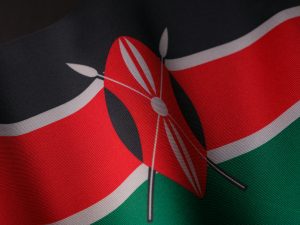
Kenya, a country nestled in East Africa, captivates the imagination with its stunning landscapes, rich cultural heritage, and abundant wildlife.
In this comprehensive guide, we delve deep into the heart of Kenya, uncovering 20 fascinating facts that showcase its allure and diversity.
20 Best Facts About Kenya A Country In East Africa
1. Kenya A Country With Land of Many Borders
Bordered by Tanzania, Uganda, South Sudan, Ethiopia, and Somalia, Kenya occupies a strategic location in the eastern part of Africa. Its proximity to the equator blesses it with a tropical climate, making it a haven for diverse flora and fauna.
2. Kenya A Country With Vibrant Capital: Nairobi
As the capital and largest city of Kenya, Nairobi pulsates with energy and opportunity. It serves as the economic, political, and cultural hub of the country, boasting modern skyscrapers, bustling markets, and a thriving arts scene.
3. Kenya A Country With Linguistic Richness
English and Swahili are the official languages of Kenya, reflecting its colonial past and indigenous heritage. This linguistic diversity contributes to the country’s cosmopolitan identity and facilitates communication among its diverse ethnic groups.
4. Kenya A Country With Liberation and Independence
On December 12, 1963, Kenya broke free from British colonial rule, marking a pivotal moment in its history. The struggle for independence, led by visionary leaders such as Jomo Kenyatta, remains etched in the national consciousness, symbolizing the triumph of resilience and determination.
5. Kenya A Country With Majestic Peaks: Mount Kenya
Rising majestically on the Kenyan horizon, Mount Kenya stands as the second-highest mountain in Africa. Its snow-capped peaks and rugged slopes offer a playground for adventure enthusiasts, from trekking and climbing to wildlife spotting in the surrounding forests.
6. Kenya A Country With Wildlife Wonderland
Kenya is synonymous with wildlife, boasting a dazzling array of species that roam its savannas, forests, and wetlands. The “Big Five” – lion, elephant, buffalo, leopard, and rhinoceros – command attention, while elusive predators and graceful herbivores add to the allure of Kenya’s national parks and reserves.
7. Kenya A Country With Maasai Mara: Nature’s Spectacle
The Maasai Mara National Reserve epitomizes the untamed beauty of Africa, serving as the stage for the Great Wildebeest Migration. Each year, millions of wildebeest, accompanied by zebras and gazelles, traverse the vast plains in search of greener pastures, creating a spectacle that is unrivaled in its grandeur.
8. Kenya A Country With Cultural Mosaic
Kenya’s cultural tapestry is woven from the threads of its diverse ethnic groups, each contributing its unique traditions, languages, and customs. From the warrior ethos of the Maasai to the rhythmic beats of the Luo, Kenya celebrates its heritage with pride and reverence.
9. Kenya A Country With Geological Wonder: The Great Rift Valley
Stretching from the Middle East to Mozambique, the Great Rift Valley slices through Kenya, leaving in its wake a landscape of breathtaking beauty and geological marvels. From ancient lakes to volcanic peaks, this rift is a testament to the earth’s restless dynamism.
10.Kenya A Country With Ecological Diversity
Kenya’s ecological diversity is a testament to its status as a biodiversity hotspot. From the arid expanses of the northern deserts to the lush forests of the central highlands, Kenya harbors a wealth of ecosystems that sustain life in all its forms.
11. Kenya A Country With Lake Victoria: Jewel of the Rift
Lake Victoria, Africa’s largest lake by area, forms a natural boundary between Kenya, Uganda, and Tanzania. Its placid waters teem with fish, supporting a vibrant fishing industry and providing livelihoods to millions of people along its shores.
12. Kenya A Country With Agricultural Powerhouse
Kenya’s fertile soils and favorable climate make it an agricultural powerhouse, producing a bounty of crops that range from tea and coffee to fruits and vegetables. The agricultural sector forms the backbone of the economy, providing employment and sustenance to a large segment of the population.
13. Kenya A Country With Equatorial Crossing
The equator bisects Kenya, bestowing upon it a unique geographical distinction. Visitors can straddle this imaginary line and experience the novelty of being in both the northern and southern hemispheres simultaneously, a feat that never fails to delight.
14. Kenya A Country With Conservation Champions
The Kenya Wildlife Service (KWS) is at the forefront of conservation efforts, safeguarding the country’s precious natural heritage for future generations. Through anti-poaching patrols, habitat restoration, and community outreach programs, KWS plays a vital role in preserving Kenya’s biodiversity.
15. Kenya A Country With Culinary Delights
Kenyan cuisine is a tantalizing fusion of flavors, drawing inspiration from the country’s diverse ethnic groups and colonial influences. Staples such as ugali, nyama choma, and sukuma wiki form the cornerstone of Kenyan meals, tantalizing the taste buds with their hearty simplicity.
16. Kenya A Country Which Is A Gateway to the World
Mombasa Port, situated on the shores of the Indian Ocean, serves as Kenya’s primary gateway to the world. Its strategic location facilitates trade and commerce, connecting Kenya to global markets and driving economic growth and development.
17. Kenya A Country With Kenya A Country With Sporting Legacy
Kenya’s prowess in long-distance running is legendary, with athletes such as Eliud Kipchoge and Catherine Ndereba dominating the world stage. Their remarkable achievements have propelled Kenya to the forefront of international athletics, inspiring future generations of athletes to reach for the stars.
18. Kenya A Country With Economic Dynamism
Kenya’s economy is a dynamic tapestry of agriculture, tourism, manufacturing, and services, each sector contributing its unique strengths to the country’s GDP. With a growing middle class and a burgeoning entrepreneurial spirit, Kenya is poised for continued economic growth and prosperity.
19. Kenya A Country With A Tapestry of Traditions
Kenya’s cultural landscape is a vibrant tapestry of traditions, rituals, and celebrations that reflect the resilience and creativity of its people. Whether it’s the colorful festivals of the coastal Swahili or the elaborate ceremonies of the Turkana, Kenya’s cultural heritage is a source of pride and unity.
20. Kenya A Country Embracing the Future
As Kenya charts a course towards a brighter future, it remains anchored in its rich history and traditions, drawing strength from the wisdom of the past as it embraces the opportunities of tomorrow. With its spirit of innovation and resilience, Kenya continues to inspire and captivate the world.
Kenya A Country FAQs
- What is Kenya famous for? Kenya is renowned for its diverse wildlife, including the Big Five (lion, elephant, buffalo, leopard, and rhinoceros), stunning landscapes like the Maasai Mara and Mount Kenya, and its rich cultural heritage.
- What is the capital city of Kenya? Nairobi serves as the capital and largest city of Kenya. It’s a bustling metropolis known for its vibrant culture, bustling markets, and as a gateway to many of Kenya’s natural attractions.
- What languages are spoken in Kenya? Swahili and English are the official languages of Kenya. However, there are numerous indigenous languages spoken throughout the country, reflecting its diverse ethnic groups.
- What are some popular tourist destinations in Kenya? Kenya offers a wide range of tourist attractions, including safaris in national parks like Maasai Mara and Amboseli, coastal resorts in places like Mombasa and Malindi, and cultural experiences in cities like Nairobi and Lamu.
- What is the climate like in Kenya? Kenya’s climate varies from tropical along the coast to arid in the interior regions. Generally, the country experiences two rainy seasons (March to May and October to December) and two dry seasons.
- Is it safe to travel to Kenya? While Kenya is generally a safe destination for tourists, it’s essential to take precautions, particularly in urban areas. Visitors are advised to stay informed about the current security situation and to avoid certain areas known for instability.
- What is the currency of Kenya? The currency used in Kenya is the Kenyan Shilling (KES). It’s advisable to exchange currency at banks or authorized exchange bureaus, although major credit and debit cards are widely accepted in urban areas.
- What is the traditional food in Kenya? Ugali (a maize meal porridge) is a staple food in Kenya, often served with meat, fish, or vegetables. Other popular dishes include nyama choma (grilled meat), sukuma wiki (collard greens), and pilau (spiced rice).
- What is the wildlife like in Kenya? Kenya is renowned for its diverse wildlife, including iconic species such as lions, elephants, giraffes, zebras, and cheetahs. Visitors can experience incredible wildlife encounters on safaris in national parks and game reserves across the country.
- What are some cultural customs and traditions in Kenya? Kenya’s culture is rich and diverse, influenced by numerous ethnic groups. Common traditions include vibrant music and dance, intricate beadwork and handicrafts, storytelling, and ceremonies such as weddings and rites of passage ceremonies like circumcision rituals among certain communities.
Conclusion
In conclusion, Kenya stands as a testament to the beauty of diversity, both in its landscapes and its people.
From the snow-capped peaks of Mount Kenya to the sun-kissed beaches of the coast, Kenya’s allure is as boundless as its potential.
As we celebrate the 20 best facts of this remarkable country, let us be reminded of its resilience, its richness, and its enduring spirit.
How Do I Get A Business Sponsor In Kenya?
Looking for ways of How do I get a business sponsor in Kenya? Well, Primarily, the best ways of how to get a business sponsor in Kenya include networking at industry events, leveraging social media platforms, crafting a persuasive pitch, researching potential sponsors, and offering customizable sponsorship packages.
Are you seeking sponsorship for your business in Kenya but unsure where to start?
Securing a business sponsorship in Kenya can be a pivotal step towards the growth and success of your venture.
However, navigating the sponsorship landscape requires strategic planning, persistence, and a clear understanding of what potential sponsors are looking for.
In this comprehensive guide, we’ll explore 20 proven strategies to help you attract and secure business sponsorship in Kenya.
20 Effective Strategies to Secure Business Sponsorship in Kenya
1. Networking at Industry Events
Attending industry events, conferences, and seminars provides valuable opportunities to network with potential sponsors. Make meaningful connections by actively engaging in conversations and showcasing the value proposition of your business.
2. Leveraging Social Media Platforms
Utilize platforms like LinkedIn, Twitter, and Facebook to connect with businesses and individuals who may be interested in sponsoring your business. Share compelling content, participate in relevant discussions, and leverage hashtags to expand your reach.
3. Highlighting Sponsorship Benefits
Clearly articulate the benefits sponsors will receive by supporting your business, such as increased brand exposure, networking opportunities, or access to your target audience. Emphasize the value proposition and unique opportunities for sponsors to align with your brand.
4. Crafting a Persuasive Pitch
Develop a compelling presentation or proposal that outlines your business goals, target audience demographics, and specific sponsorship opportunities. Tailor your pitch to each potential sponsor, highlighting how their support can help them achieve their marketing objectives.
5. Researching Potential Sponsors
Conduct thorough research to identify companies or organizations that align with your business values and target market. Customize your outreach efforts to demonstrate your understanding of their brand and how a partnership with your business can be mutually beneficial.
6. Cultivating Personal Connections
Focus on building genuine relationships with potential sponsors through face-to-face meetings, personalized emails, or phone calls. Invest time in getting to know key decision-makers and establishing trust and rapport.
7. Offering Customizable Sponsorship Packages
Develop tailored sponsorship packages that cater to different budget levels and offer varying levels of visibility and benefits. Provide flexibility for sponsors to choose options that align with their marketing objectives and budget constraints.
8. Showcasing Business Achievements
Highlight your business’s accomplishments, such as awards, partnerships, or community involvement, to enhance credibility and demonstrate the value of sponsoring your business. Use case studies or testimonials to illustrate the positive impact of previous sponsorships.
9. Tapping into Existing Networks
Utilize your personal and professional networks to solicit introductions or recommendations to potential sponsors. Leverage existing relationships to secure warm introductions and establish credibility from the outset.
10. Demonstrating Return on Investment (ROI)
Clearly articulate the potential return on investment for sponsors, emphasizing how their support will translate into tangible benefits such as increased brand visibility, customer engagement, or sales. Provide data and metrics to support your claims.
11. Participating in Industry Trade Shows
Attend relevant trade shows and exhibitions within your industry to connect with potential sponsors who are actively seeking partnership opportunities. Use these events as platforms to showcase your business and initiate discussions with prospective sponsors.
12. Offering Exclusive Benefits
Provide sponsors with exclusive rights or benefits, such as sole sponsorship of a particular event or product line, to incentivize their support. Highlight the exclusivity of the opportunity and the enhanced visibility it can offer sponsors.
13. Collaborating on Mutual Initiatives
Explore opportunities for collaboration with potential sponsors on mutually beneficial projects or events. By partnering on initiatives such as workshops, webinars, or community events, you can create added value for both parties and strengthen the relationship.
14. Providing Audience Demographics
Offer detailed insights into your audience demographics, including age, gender, income level, and interests, to help potential sponsors understand the value of reaching your target market. Use data-driven insights to demonstrate the relevance and appeal of your audience.
15. Creating Engaging Content
Develop high-quality content, such as blog posts, videos, or podcasts, that showcases your expertise and attracts sponsors looking to align with authoritative voices in your industry. Focus on providing value to your audience while subtly incorporating sponsorship opportunities.
16. Maximizing Visibility for Sponsors
Offer sponsors prominent placement of their logos, branding, or messaging in your marketing materials, website, social media posts, and events. Ensure that sponsors receive maximum exposure and recognition for their support.
17. Gathering Testimonials
Collect testimonials or case studies from previous sponsors or partners to showcase the positive impact of sponsoring your business. Use real-life examples to illustrate the value proposition and demonstrate the credibility of your sponsorship opportunities.
18. Providing Additional Incentives
Offer sponsors additional perks or incentives, such as VIP access to events, product discounts, or exclusive networking opportunities, to sweeten the deal and differentiate your sponsorship packages. Create added value for sponsors beyond traditional branding opportunities.
19. Persistence and Follow-Up
Don’t be discouraged by initial rejections; instead, persistently follow up with potential sponsors and adapt your approach based on feedback. Maintain open lines of communication and demonstrate your commitment to securing sponsorship opportunities.
20. Fulfilling Commitments
Once you’ve secured sponsorship, ensure that you fulfill your commitments and provide sponsors with regular updates on the progress and impact of their investment in your business. Nurture the relationship and explore opportunities for long-term collaboration and partnership.
Final Thought
In conclusion, securing business sponsorship in Kenya requires a proactive and strategic approach that emphasizes relationship-building,
value proposition, and mutual benefit. By implementing these 20 effective strategies, you can increase your chances of attracting and securing sponsorship for your business.
What Celebrities Have Houses In Lamu?
Not sure what Celebrities Have Houses In Lamu? Well, Primarily featuring residences owned by celebrities like Sting, Princess Caroline of Monaco, Kate Moss, Mick Jagger, and Jerry Hall, Lamu Island stands as an exclusive destination for the elite.
Lamu Island, nestled off the coast of Kenya, exudes an irresistible charm that has captivated not only travelers but also celebrities seeking solace and seclusion.
Over the years, rumors and whispers have circulated about various stars owning property on this idyllic island.
Let’s take a closer look at some of the notable names associated with Lamu’s prestigious real estate.
What Celebrities Have Houses In Lamu?
1. Sting: Melodies Amidst the Shela Village
Renowned musician Sting finds serenity in Lamu, reportedly owning a home in the quaint Shela village. The allure of Lamu’s pristine beaches and cultural richness has drawn Sting to this coastal haven.
2. Princess Caroline of Monaco: Royalty on Lamu’s Shores
Adding a touch of royalty to Lamu’s landscape, Princess Caroline of Monaco is said to possess a residence on the island. Her presence further enhances the island’s allure, blending regal elegance with Lamu’s laid-back ambiance.
3. Kate Moss: Fashion Amidst Nature’s Canvas
Supermodel Kate Moss is rumored to have found her slice of paradise in Lamu. Surrounded by the island’s natural splendor and tranquil atmosphere, Lamu offers Moss a retreat from the hustle and bustle of the fashion world.
4. Mick Jagger: Rock ‘n’ Roll Retreat
The legendary frontman of The Rolling Stones, Mick Jagger, has been a frequent visitor to Lamu for years. Reports suggest that he once owned a house on the island, indulging in its scenic beauty and relaxed vibe.
5. Jerry Hall: Beauty in Lamu’s Bounty
Jerry Hall, former model and ex-wife of Mick Jagger, is also linked to Lamu’s allure, rumored to possess a house on its shores. Embracing the island’s tranquility, Hall finds solace amidst Lamu’s breathtaking vistas.
6. Beyoncé: A Hint of Glamour
While not officially confirmed, whispers abound about Beyoncé’s potential ties to Lamu. Speculation arose when discussions emerged regarding a dhow named after the singer being built in Lamu, hinting at a possible property ownership.
7. Paul Allen: Tech Titan’s Tropical Retreat
The late co-founder of Microsoft, Paul Allen, was drawn to Lamu’s charms, often seen at the luxurious Manda Bay resort. With its lavish banda huts and stunning scenery, Lamu provided Allen with a tropical escape.
8. Madonna: Pop Royalty in Lamu
The Queen of Pop, Madonna, has also been drawn to Lamu’s shores, reportedly considering the purchase of property on the island. Amidst Lamu’s cultural tapestry and serene surroundings, Madonna finds inspiration and relaxation.
9. Princess Beatrice of York: Regal Respite
British royal Princess Beatrice of York has been spotted reveling in Lamu’s New Year celebrations, sparking speculation about her potential residence on the island. Lamu’s tranquil ambiance offers her a regal retreat away from the public eye.
10. Yehudi Menuhin: Harmonious Haven
Legendary violinist Yehudi Menuhin graced Lamu with his presence, enchanting guests at the Peponi Hotel with his melodic performances. His visits underscore Lamu’s rich cultural heritage and its magnetic pull on artistic souls.
What Celebrities Have Houses In Lamu?FAQs
- Is Lamu Island open to the public? Lamu Island welcomes visitors from all walks of life to explore its beauty and cultural heritage. However, some areas may be privately owned or restricted.
- Are there guided tours available on Lamu Island? Yes, visitors can opt for guided tours to discover Lamu’s hidden gems, including its historic sites, pristine beaches, and vibrant markets.
- Is it possible to rent properties on Lamu Island? Yes, there are options for renting accommodations on Lamu Island, ranging from quaint guesthouses to luxurious villas.
- What activities can visitors enjoy on Lamu Island? Visitors to Lamu can indulge in a variety of activities, including dhow sailing, snorkeling, exploring historic sites, and sampling local cuisine.
- How do I get to Lamu Island? Lamu Island is accessible by air and sea. Visitors can fly into Lamu Airport or take a boat from the mainland to reach the island.
- Are there wildlife reserves on Lamu Island? Yes, Lamu Island boasts several wildlife reserves where visitors can observe diverse species of flora and fauna in their natural habitat.
- What is the best time of year to visit Lamu Island? The best time to visit Lamu Island is during the dry season, typically between December and March, when the weather is pleasant and conducive to outdoor activities.
- Are there any cultural festivals held on Lamu Island? Yes, Lamu Island hosts various cultural festivals throughout the year, celebrating its rich heritage and traditions. The Lamu Cultural Festival is a highlight, showcasing music, dance, and local craftsmanship.
- Is Lamu Island suitable for family vacations? Absolutely! Lamu Island offers a range of family-friendly activities and accommodations, making it an ideal destination for a memorable vacation with loved ones.
- Can visitors participate in water sports on Lamu Island? Yes, Lamu Island is perfect for water sports enthusiasts, with opportunities for snorkeling, diving, kayaking, and windsurfing available along its pristine coastline.
Conclusion
In conclusion, Lamu Island’s allure as a haven for celebrities seeking seclusion and luxury is undeniably reinforced by the presence of iconic personalities such as Sting, Princess Caroline of Monaco, Kate Moss, Mick Jagger, and Jerry Hall among its property owners.
Despite the veil of privacy surrounding celebrity ownership, Lamu’s reputation as a prestigious retreat continues to soar, drawing the rich and famous to its shores for respite amidst its stunning natural landscapes and cultural vibrancy.
What Is Lamu Kenya Famous For? 20 Best Things
What is Lamu Kenya famous for? Lamu, Kenya, is primarily famous for its UNESCO-listed Old Town, vibrant Swahili culture, traditional dhow sailing, stunning Shela Beach, and unique donkey transport system.
Nestled along the coastline of Kenya lies Lamu, a gem of East Africa renowned for its rich cultural heritage and stunning natural beauty.
This article explores the 20 best things that make Lamu a unique and captivating destination.
20 Best Things Lamu, Kenya, is Famous For
1. Lamu Old Town: A UNESCO World Heritage Site
Lamu Old Town stands as a testament to centuries of Swahili culture and architecture. Recognized by UNESCO as a World Heritage Site, its winding streets and well-preserved buildings offer visitors a glimpse into Lamu’s storied past.
2. Lamu Fort: Historical Landmark and Museum
Constructed in the 19th century by the Sultan of Oman, Lamu Fort serves as both a historical landmark and a museum. It provides insight into Lamu’s history through exhibits and artifacts.
3. Immersive Swahili Culture
Immerse yourself in Lamu’s vibrant Swahili culture, where traditional music, dance, and cuisine thrive. Experience the rhythms of Taarab music, indulge in mouthwatering pilau, and witness the graceful movements of Swahili dance.
4. Donkey Transport: Unique Mode of Transportation
In Lamu Old Town, the charming sound of donkey hooves echoes through the narrow streets. With no motor vehicles allowed, donkeys serve as the primary mode of transport, adding to the town’s unique atmosphere.
5. Lamu Festival: Celebrating Swahili Heritage
Every year, the Lamu Festival brings together locals and visitors alike to celebrate Swahili heritage. From dhow races to traditional craft exhibitions, the festival is a colorful showcase of Lamu’s cultural richness.
6. Dhow Sailing: Exploring Lamu’s Waters
Embark on a dhow sailing adventure and explore the crystal-clear waters surrounding Lamu. Sail past picturesque islands, soak in breathtaking sunsets, and experience the beauty of the Indian Ocean.
7. Shela Beach: Pristine Relaxation Spot
Seeking relaxation? Look no further than Shela Beach, where pristine white sands and clear turquoise waters await. Whether you’re sunbathing or enjoying water sports, Shela Beach is a slice of paradise.
8. Mnarani Mosque: Oldest Mosque in Lamu
Dating back to the 14th century, Mnarani Mosque is one of the oldest mosques in Lamu. Its stunning Swahili architecture and serene ambiance make it a must-visit destination for history enthusiasts.
9. Matondoni Village: Boat-Building Industry
Visit Matondoni Village and witness skilled craftsmen constructing traditional dhows by hand. The village’s boat-building industry is a testament to Lamu’s maritime heritage and craftsmanship.
10. Siyu Fort: Insight into Lamu’s History
Located on nearby Pate Island, Siyu Fort offers insight into Lamu’s rich history. Explore its well-preserved architecture and learn about the region’s historical significance.
11. Kizingo: Secluded Beach for Romantic Getaways
Escape to Kizingo, a secluded beach known for its breathtaking sunsets and tranquil atmosphere. It’s the perfect destination for romantic getaways or peaceful retreats.
12. Lamu Archipelago: Island Hopping and Diving
Explore the beauty of the Lamu Archipelago through island hopping, snorkeling, and diving. Discover vibrant marine life and pristine coral reefs in this tropical paradise.
13. Lamu Museum: Preserving Lamu’s History
Located in Lamu Old Town, the Lamu Museum offers a comprehensive overview of the region’s history, culture, and maritime heritage. It’s a must-visit for those eager to delve deeper into Lamu’s past.
14. Local Crafts: Artistic Talent of Lamu
Lamu is renowned for its intricately carved wooden doors, furniture, and other handicrafts. Explore local markets and shops to admire the artistic talent of Lamu’s craftsmen.
15. Cultural Festivals: Diverse Traditions
In addition to the Lamu Festival, the region hosts a variety of cultural events throughout the year. From religious celebrations to traditional ceremonies, these festivals showcase the diversity of Lamu’s traditions.
16. Traditional Swahili Houses: Architectural Marvels
Explore the unique architecture of Lamu’s traditional Swahili houses, characterized by inner courtyards, intricately carved doors, and rooftop terraces. Each house tells a story of Lamu’s cultural heritage.
17. Juma Mosque: Historic Place of Worship
Another historic mosque in Lamu Old Town is the Juma Mosque, renowned for its stunning architecture and ornate decorations. It’s a sacred place of worship and a symbol of Lamu’s spiritual significance.
18. Lamu Food: Delicious Swahili Cuisine
Indulge in the flavors of Lamu with its delicious Swahili cuisine. From aromatic pilau to savory samosas and fresh grilled seafood, Lamu offers a culinary experience like no other.
19. Lamu Donkey Sanctuary: Conservation Efforts
Learn about the important role donkeys play in Lamu’s daily life and conservation efforts at the Lamu Donkey Sanctuary. It’s a place dedicated to preserving Lamu’s unique ecosystem and heritage.
20. Hospitality and Warmth
Last but not least, visitors to Lamu often praise the hospitality of its residents. Whether you’re exploring the streets of Lamu Old Town or relaxing on its beaches, you’ll be greeted with warmth and generosity.
What Is Lamu Kenya Famous For? FAQs
- What is Lamu known for? Lamu is famous for its well-preserved Swahili culture, beautiful beaches, and traditional dhows.
- What makes Lamu unique? Lamu stands out for its UNESCO World Heritage Site status, attributed to its historical significance and architectural beauty.
- Is Lamu famous for its festivals? Yes, Lamu hosts the famous Lamu Cultural Festival, an annual event celebrating the Swahili culture through music, dance, and traditional boat races.
- What are the main attractions in Lamu? The main attractions in Lamu include Lamu Old Town, Shela Beach, Lamu Museum, and the Donkey Sanctuary.
- Is Lamu known for its cuisine? Absolutely! Lamu is renowned for its delicious Swahili cuisine, featuring seafood delicacies like grilled fish, coconut rice, and samosas.
- What role does Lamu play in history? Lamu has been a crucial trading port for centuries, serving as a hub for merchants from Arabia, Persia, India, and beyond, which has left a rich cultural legacy.
- Is Lamu popular for water sports? Yes, Lamu offers fantastic opportunities for water sports enthusiasts, including snorkeling, diving, and sailing in its crystal-clear waters.
- Does Lamu have any famous landmarks? Yes, Lamu boasts notable landmarks such as Lamu Fort, the Riyadha Mosque, and the Swahili House Museum, all reflecting its unique heritage.
- Is Lamu a popular destination for relaxation? Absolutely! Lamu’s tranquil atmosphere, stunning beaches, and laid-back vibe make it a perfect destination for relaxation and rejuvenation.
- What makes Lamu special for cultural enthusiasts? Lamu’s rich cultural tapestry, evident in its architecture, language, and traditions, makes it a captivating destination for cultural enthusiasts seeking an authentic experience.
Conclusion
In conclusion, Lamu, Kenya, renowned for its rich cultural heritage and stunning natural beauty, stands as a jewel on the East African coast. Steeped in history, it captivates visitors with its well-preserved Swahili architecture, narrow winding streets, and bustling markets.
The town’s UNESCO World Heritage Site status underscores its significance as a living museum of Swahili culture, drawing scholars, historians, and curious travelers alike.
Lamu’s allure extends beyond its architectural wonders; its pristine beaches, turquoise waters, and vibrant marine life make it a haven for nature enthusiasts and adventure seekers.
From exploring ancient ruins to indulging in authentic Swahili cuisine, Lamu offers an immersive experience like no other.
With its timeless charm and warm hospitality, Lamu embodies the essence of coastal Kenya, leaving an indelible mark on all who have the privilege to visit.
What Are The Benefits Of Living In Mombasa?
What are the benefits of living in Mombasa? Living in Mombasa primarily offers the benefits of a tropical climate, beautiful beaches, rich culture, historical landmarks, and vibrant nightlife.
Are you considering a move to Mombasa, Kenya, but wondering what makes this coastal city so appealing? Look no further!
In this article, we’ll delve into the top 10 benefits of living in Mombasa, from its tropical climate to its vibrant culture and everything in between.
What Are The Benefits Of Living In Mombasa?
1. Embrace the Eternal Sunshine
Experience Year-Round Tropical Weather
One of the foremost perks of calling Mombasa home is its perpetually warm and tropical climate.
Say goodbye to chilly winters as Mombasa enjoys balmy temperatures throughout the year, making it an idyllic haven for sun seekers and outdoor enthusiasts alike.
2. Bask in Beachfront Bliss
Explore Pristine Coastal Retreats
Mombasa’s coastline is adorned with breathtaking beaches that beckon residents to unwind and recharge amidst nature’s splendor.
Whether you’re a fan of leisurely strolls along the shore or crave adrenaline-pumping water sports, Mombasa’s beaches offer something for everyone.
3. Immerse Yourself in a Cultural Melting Pot
Celebrate Diversity and Tradition
As a melting pot of Swahili, Arab, Indian, and European influences, Mombasa boasts a rich tapestry of cultures waiting to be explored.
Indulge your taste buds in a fusion of flavors, immerse yourself in vibrant festivals, and unravel the city’s multicultural heritage at every turn.
4. Uncover Centuries of History
Discover Architectural Gems and Landmarks
Step back in time as you wander through Mombasa’s historical landmarks, each narrating tales of bygone eras.
From the imposing Fort Jesus to the labyrinthine streets of Old Town, history buffs will find themselves captivated by the city’s storied past.
5. Gateway to Safari Adventures
Embark on Wildlife Expeditions
Beyond its urban allure, Mombasa serves as a gateway to Kenya’s iconic safari destinations. Prepare for awe-inspiring encounters with the Big Five and immerse yourself in the untamed beauty of Maasai Mara, Tsavo, and Amboseli National Parks, all within easy reach from the city.
6. Revel in Vibrant Nightlife
Unwind Amidst Bustling Entertainment
When the sun sets, Mombasa comes alive with a pulsating nightlife scene that caters to every taste. Whether you prefer sipping cocktails by the waterfront, dancing the night away at lively clubs, or indulging in delectable cuisine under the stars, Mombasa offers endless nocturnal delights.
7. Pursue Diverse Career Opportunities
Thrive in a Booming Economic Hub
For career-driven individuals, Mombasa presents a myriad of job opportunities across diverse sectors such as tourism, trade, transportation, and hospitality.
Whether you’re a seasoned professional or an ambitious newcomer, Mombasa’s thriving economy promises ample prospects for growth and success.
8. Embrace the Art of Relaxation
Cultivate a Laid-Back Lifestyle
In Mombasa, life unfolds at a leisurely pace, allowing residents to savor each moment amidst serene surroundings.
Bid farewell to the hustle and bustle of urban life as you embrace a more relaxed way of living, where stress melts away against a backdrop of coastal tranquility.
9. Foster Community Bonds
Find Belonging in Tight-Knit Communities
One of the hallmarks of life in Mombasa is its strong sense of community and hospitality.
Whether you’re a newcomer or a longtime resident, you’ll find yourself welcomed with open arms into close-knit social circles that foster a sense of belonging and camaraderie.
10. Engage in Outdoor Adventures
Explore Nature’s Playground
From exhilarating boat tours to scenic nature walks, Mombasa offers a plethora of outdoor activities for adventure enthusiasts.
Embark on wildlife safaris, dive into crystal-clear waters, or simply bask in the splendor of lush landscapes, all within reach of this coastal paradise.
What Are The Benefits Of Living In Mombasa?FAQs
1. Is Mombasa safe for expatriates?
Mombasa is generally considered safe for expatriates, but like any city, it’s essential to exercise caution and stay vigilant, especially in crowded areas and at night.
2. What healthcare facilities are available in Mombasa?
Mombasa boasts a range of healthcare facilities, including hospitals, clinics, and medical centers, offering quality healthcare services to residents and visitors alike.
3. Are there international schools in Mombasa?
Yes, Mombasa is home to several international schools catering to expatriate families, offering globally recognized curricula and extracurricular activities.
4. How easy is it to find accommodation in Mombasa?
Finding accommodation in Mombasa is relatively straightforward, with options ranging from apartments and villas to beachfront resorts, catering to different budgets and preferences.
5. What leisure activities can one enjoy in Mombasa?
Residents of Mombasa can indulge in a plethora of leisure activities, including beach outings, water sports, cultural events, and culinary adventures, ensuring there’s never a dull moment in this vibrant coastal city.
Conclusion
In conclusion, living in Mombasa offers a myriad of benefits that cater to a diverse range of interests and lifestyles.
Whether you’re drawn to its tropical climate, cultural vibrancy, or outdoor adventures, Mombasa promises an unparalleled quality of life amidst the enchanting beauty of coastal Kenya.
Is Mombasa Safe Than Nairobi?
Is Mombasa safe than Nairobi ? Yes, primarily because Mombasa generally experiences lower overall crime rates compared to Nairobi.
Yes, Mombasa is generally considered safer than Nairobi for several reasons.
-
Firstly, Mombasa has a smaller population density compared to Nairobi, which can lead to lower crime rates.
-
Secondly, Mombasa’s economy relies heavily on tourism, leading to a greater emphasis on safety and security measures in tourist areas.
-
Additionally, Mombasa’s coastal location provides a more relaxed atmosphere, contributing to a perception of safety.
-
Lastly, community engagement and policing efforts in Mombasa are often more effective due to the city’s manageable size and close-knit communities.
Mombasa and Nairobi, two of Kenya’s most prominent cities, often find themselves compared in terms of various aspects, including safety.
In this article, we delve into the question: Is Mombasa safer than Nairobi? Safety is a crucial consideration for residents and visitors alike, shaping perceptions and influencing decisions regarding where to live or travel.
Is Mombasa Safe Than Nairobi
Crime Statistics Comparison
When comparing the safety of Mombasa and Nairobi, examining crime statistics is essential. Mombasa, known for its coastal charm, experiences different crime dynamics compared to the bustling capital of Nairobi.
Nairobi tends to have higher overall crime rates, including theft, robbery, and violent crimes, while Mombasa faces challenges such as petty theft and some instances of coastal piracy.
Police Presence and Security Measures
The presence of law enforcement plays a significant role in maintaining safety. Mombasa boasts a visible police presence, particularly in tourist areas and strategic locations. However, Nairobi’s vast urban landscape presents challenges for effective policing, despite efforts to enhance security through initiatives such as community policing and surveillance systems.
Tourist Attractions and Safety
Both cities are popular tourist destinations, each offering unique attractions. Mombasa’s beaches and cultural heritage sites attract visitors from around the world, with safety measures in place to ensure a pleasant experience.
Conversely, Nairobi’s diverse attractions include wildlife reserves and vibrant cultural scenes, but safety concerns, particularly in certain areas, can affect tourists’ experiences.
Local Insights and Perspectives
Gaining insights from residents provides valuable perspectives on safety. Interviews or testimonials from locals reveal nuances in perceptions and experiences regarding safety in Mombasa and Nairobi, offering a deeper understanding of the realities on the ground.
Infrastructure and Urban Planning
Infrastructure and urban planning influence safety outcomes. Mombasa’s layout and development focus on tourism and trade, with efforts to improve infrastructure contributing to safety enhancements. Nairobi’s rapid urbanization poses challenges for infrastructure development, impacting safety in certain areas.
Community Engagement and Crime Prevention
Community involvement is crucial in combating crime. Mombasa’s community engagement initiatives empower residents to play an active role in crime prevention, fostering a sense of ownership and solidarity.
Nairobi also sees community-driven efforts, although systemic challenges require sustained collaboration between authorities and residents.
Transportation Safety
The safety of transportation systems is paramount for residents and visitors. Mombasa’s transportation networks, including ferries and buses, prioritize safety measures to mitigate risks. Nairobi’s congested roads and informal public transport sector present safety challenges, necessitating improvements in infrastructure and regulation.
Economic Factors and Crime Rates
Socio-economic factors intersect with crime rates in complex ways. Mombasa’s economy, driven by tourism and trade, influences crime patterns, with disparities contributing to certain types of crime. Nairobi’s economic disparities exacerbate social tensions, impacting crime rates and safety perceptions.
Government Response to Safety Concerns
Government policies and strategies shape safety outcomes. Mombasa and Nairobi witness varying approaches to addressing safety concerns, including law enforcement measures, community programs, and urban development initiatives. Evaluating the effectiveness of these strategies is essential for ongoing improvements.
Safety Tips for Residents and Visitors
Practical safety tips empower individuals to protect themselves in urban environments. Whether in Mombasa or Nairobi, being aware of surroundings, avoiding risky areas, and securing belongings are essential precautions for residents and visitors alike.
Future Prospects for Safety Improvement
Looking ahead, both cities have opportunities for enhancing safety through collaborative efforts involving government, communities, and other stakeholders. Addressing underlying socio-economic factors, investing in infrastructure, and leveraging technology can contribute to safer urban environments.
Public Perception and Media Influence
Media portrayal shapes public perceptions of safety. While sensationalized reporting may exaggerate risks, understanding the realities of crime and safety requires discernment. Balanced reporting and community engagement initiatives help bridge gaps between perception and reality.
Is Mombasa Safer Than Nairobi? FAQs
1. Is Mombasa safer than Nairobi?
- Generally, Mombasa is perceived as safer than Nairobi due to its smaller size and lower crime rates in certain areas.
2. What are the safety concerns in Nairobi?
- Nairobi faces higher crime rates compared to Mombasa, with concerns including petty theft, muggings, and occasional violent crimes.
3. Are there areas in Nairobi that are safer than others?
- Yes, certain neighborhoods in Nairobi are considered safer than others. Areas like Karen and Gigiri are known for their relative safety compared to downtown Nairobi.
4. What about Mombasa’s safety concerns?
- While Mombasa is generally safer, there are still areas with higher crime rates, particularly in parts of Old Town and some informal settlements.
5. Are there specific safety precautions to take in Mombasa?
- Like any city, it’s advisable to stay vigilant and avoid poorly lit or isolated areas, especially at night. It’s also wise to secure belongings and be cautious of pickpockets in crowded areas.
6. How do the police presence and response compare between Mombasa and Nairobi?
- Nairobi tends to have a more visible police presence, but response times can vary. Mombasa also has police patrols, but they may not be as prominent in all areas.
7. Are there any notable safety initiatives in either city?
- Both Nairobi and Mombasa have ongoing efforts to improve safety, including community policing programs and surveillance measures in certain areas.
8. Can tourists feel safe visiting both cities?
- With proper precautions, tourists can generally feel safe visiting both Nairobi and Mombasa. However, it’s recommended to stay informed about current safety conditions and follow local advice.
9. Are there any recent trends in crime rates between the two cities?
- Crime rates can fluctuate, but recent trends suggest that Nairobi may have seen slight improvements in certain areas, while Mombasa’s safety situation has remained relatively stable.
Conclusion
In conclusion, the question of whether Mombasa is safer than Nairobi is nuanced, with various factors influencing safety outcomes in both cities.
While Mombasa may offer a more relaxed coastal ambiance, Nairobi’s vibrant urban landscape presents its own set of challenges.
Ultimately, safety is a collective responsibility requiring proactive measures and sustained efforts from all stakeholders.