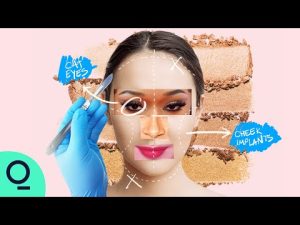
Plastic surgery, often associated with cosmetic enhancements, encompasses a broad spectrum of surgical procedures aimed at altering one’s appearance or reconstructing physical features.
While plastic surgery may involve various body tissues and materials, skin plays a pivotal role in many procedures due to its versatility and regenerative properties.
Does Plastic Surgery Use Skin?
1. The Role of Skin in Plastic Surgery
Skin serves as the body’s primary protective barrier, but it also holds significant importance in plastic surgery. Its ability to stretch, heal, and adapt makes it invaluable for both reconstructive and cosmetic purposes.
2. Types of Skin Used
In plastic surgery, several types of skin may be utilized, depending on the specific needs of the patient and the nature of the procedure. These include:
- Autografts: Skin harvested from the patient’s own body, commonly from areas like the thighs or buttocks.
- Allografts: Skin obtained from a donor, typically used in cases where extensive skin coverage is required.
- Xenografts: Skin derived from animals, such as pigs, used as temporary coverings for severe burns or wounds.
- Synthetic Skin: Artificial skin substitutes made from biocompatible materials, often employed in tissue engineering and wound healing.
3.Skin Grafting Techniques
Skin grafting is a common technique in plastic surgery, involving the transplantation of skin from one area of the body to another. Different types of skin grafts offer various advantages and are chosen based on factors such as size, location, and the condition of the recipient site.
3.1. Autografts
Autografts are considered the gold standard in skin grafting, as they minimize the risk of rejection and provide optimal outcomes. By harvesting skin from the patient’s own body, surgeons can ensure compatibility and promote faster healing.
3.2. Allografts
Allografts involve the transfer of skin from a donor to a recipient, typically used in cases of extensive burns or trauma where there is insufficient donor tissue available. While allografts offer immediate coverage, they carry a higher risk of rejection and require ongoing immunosuppression.
3.3. Xenografts
Xenografts utilize skin from non-human sources, such as pigs, to temporarily cover wounds until more permanent solutions can be implemented. While xenografts provide immediate protection, they are eventually rejected by the body and must be replaced with autologous or allogeneic grafts.
3.4. Synthetic Skin
Synthetic skin substitutes, composed of biocompatible materials like silicone or collagen, offer alternatives to traditional grafting techniques. These artificial constructs mimic the properties of natural skin and promote tissue regeneration, making them valuable in wound care and tissue engineering applications.
4.Reconstructive Surgery and Skin Utilization
In reconstructive surgery, skin plays a crucial role in restoring form and function to damaged or disfigured areas of the body. Whether repairing traumatic injuries or correcting congenital abnormalities, plastic surgeons rely on skin grafts and flaps to reconstruct complex defects and improve patient outcomes.
5. Cosmetic Surgery and Skin Applications
Cosmetic surgery often involves enhancing or rejuvenating the skin to achieve desired aesthetic results. Procedures such as facelifts, breast augmentation, and liposuction utilize skin manipulation techniques to sculpt and contour the body, helping patients achieve their ideal appearance.
6. Risks and Complications
While skin grafting and other skin-related procedures offer numerous benefits, they are not without risks. Complications such as infection, graft failure, and scarring can occur, necessitating careful patient selection, preoperative planning, and postoperative care to minimize adverse outcomes.
7. Ethical Considerations
The use of skin in plastic surgery raises ethical questions regarding donor consent, tissue sourcing, and equitable access to care. Surgeons must adhere to ethical guidelines and ensure that patients are fully informed about the risks and benefits of skin-related procedures.
8. Future Trends in Skin Use in Plastic Surgery
Advancements in tissue engineering, regenerative medicine, and biotechnology hold promise for the future of skin utilization in plastic surgery. Researchers are exploring novel techniques for skin regeneration, 3D bioprinting, and stem cell therapy to improve outcomes and expand treatment options for patients.
Does Plastic Surgery Use Skin? FAQs
- Can anyone donate their skin for grafting procedures?
- While skin donation is possible, donors must meet specific criteria, and consent is required for tissue procurement.
- Are there any alternatives to skin grafting for wound healing?
- Yes, researchers are exploring alternative approaches such as tissue engineering and stem cell therapy to promote wound healing without the need for skin grafts.
- What factors determine the success of a skin graft?
- The success of a skin graft depends on factors such as the size and location of the graft, the condition of the recipient site, and the patient’s overall health.
- Are there any risks associated with synthetic skin substitutes?
- Like any medical intervention, synthetic skin substitutes carry risks such as allergic reactions, infection, and poor integration with surrounding tissue.
- How long does it take for a skin graft to heal completely?
- The healing time for a skin graft varies depending on factors such as the size of the graft, the patient’s health status, and the location of the recipient site.
Conclusion
In conclusion, skin plays a vital role in plastic surgery, serving as a versatile and indispensable resource for both reconstructive and cosmetic procedures. From skin grafting techniques to synthetic substitutes, surgeons leverage various strategies to optimize patient outcomes and enhance quality of life. As technology continues to evolve, the future of skin utilization in plastic surgery holds exciting possibilities for innovation and advancement.
What Is Actually Done In Plastic Surgery?
These procedures, performed by skilled plastic surgeons, cater to a wide range of needs and desires, from enhancing physical appearance to alleviating medical conditions.
In this comprehensive guide, we delve into 10 common plastic surgery procedures, shedding light on what each entails and the benefits they offer.
What Is Actually Done In Plastic Surgery?Exploring 10 Common Procedures
1. Rhinoplasty (Nose Surgery)
Rhinoplasty, commonly known as nose surgery, is a procedure designed to reshape the nose, addressing both aesthetic concerns and functional issues. Whether it’s correcting a deviated septum to improve breathing or refining the nose’s appearance to enhance facial harmony, rhinoplasty can achieve transformative results. By reshaping the nasal structure, surgeons can address nasal asymmetry, humps, or drooping tips, providing patients with a more balanced and aesthetically pleasing profile.
2. Breast Augmentation
Breast augmentation, a popular cosmetic procedure, involves increasing breast size or restoring volume using implants or fat transfer techniques. Whether a woman desires a more proportionate figure or seeks to regain lost breast volume post-pregnancy or weight loss, breast augmentation can fulfill these objectives. With advancements in surgical techniques and implant materials, patients can achieve natural-looking results tailored to their preferences and body type.
3. Liposuction
Liposuction remains one of the most sought-after cosmetic procedures for contouring the body by removing excess fat deposits from specific areas. Through minimally invasive techniques, such as tumescent liposuction or laser-assisted liposuction, surgeons can sculpt a more defined silhouette and improve body proportions. Common target areas for liposuction include the abdomen, thighs, hips, buttocks, and arms, allowing patients to achieve a slimmer, more contoured physique.
4. Facelift (Rhytidectomy)
A facelift, or rhytidectomy, is a surgical procedure aimed at rejuvenating the face by addressing signs of aging, such as sagging skin, deep wrinkles, and jowls. By tightening underlying facial tissues and removing excess skin, a facelift can restore a more youthful appearance and enhance facial contours. With modern techniques, including mini facelifts and non-surgical options like thread lifts, patients can achieve natural-looking results with reduced downtime and scarring.
5. Blepharoplasty (Eyelid Surgery)
Blepharoplasty, commonly referred to as eyelid surgery, focuses on rejuvenating the appearance of the eyes by removing excess skin, muscle, and fat from the upper and/or lower eyelids. Whether it’s addressing droopy eyelids that impair vision or reducing under-eye bags and puffiness, blepharoplasty can refresh the eyes’ appearance and restore a more youthful, alert look. Patients often experience improved vision, enhanced self-confidence, and a more youthful overall appearance following this procedure.
6. Abdominoplasty (Tummy Tuck)
An abdominoplasty, or tummy tuck, is a surgical procedure designed to flatten and tighten the abdomen by removing excess skin and fat while repairing weakened or separated abdominal muscles. Ideal for individuals who have excess skin and laxity following weight loss, pregnancy, or aging, a tummy tuck can restore abdominal contours and create a firmer, more toned midsection. Patients often report improved self-esteem and confidence in their appearance post-surgery.
7. Breast Reduction
Breast reduction, also known as reduction mammoplasty, is a surgical procedure aimed at reducing the size and reshaping the breasts to alleviate physical discomfort, improve proportions, and enhance overall well-being. By removing excess breast tissue, fat, and skin, surgeons can alleviate symptoms such as back, neck, and shoulder pain, as well as posture problems associated with overly large breasts. Breast reduction surgery can enhance both physical comfort and aesthetic appearance, providing patients with relief and satisfaction.
8. Botox and Dermal Fillers
Botox and dermal fillers are non-surgical cosmetic treatments designed to reduce wrinkles, restore facial volume, and enhance facial features without the need for invasive surgery. Botox, derived from botulinum toxin, temporarily relaxes muscles responsible for dynamic wrinkles, such as crow’s feet and frown lines, while dermal fillers, typically made of hyaluronic acid, replenish lost volume and smooth out static wrinkles. These minimally invasive treatments offer natural-looking rejuvenation with little to no downtime, making them popular options for individuals seeking facial enhancement.
9. Hair Transplant
Hair transplant surgery involves transferring hair follicles from areas of abundant growth to areas experiencing hair loss or thinning, typically on the scalp. Whether due to genetics, hormonal changes, or medical conditions, hair loss can significantly impact self-confidence and quality of life for both men and women. Hair transplant procedures, such as follicular unit transplantation (FUT) or follicular unit extraction (FUE), offer a permanent solution to hair loss, restoring a fuller, natural-looking head of hair and improving self-esteem.
10. Labiaplasty
Labiaplasty is a surgical procedure aimed at reshaping the labia minora or majora to improve aesthetics, alleviate discomfort, or address functional concerns. Whether due to genetics, childbirth, or aging, enlarged or asymmetrical labia can cause physical discomfort, self-consciousness, and interference with physical activities. Labiaplasty can reduce the size of the labia, correct asymmetry, and enhance overall genital appearance, leading to increased comfort, confidence, and sexual satisfaction for patients.
FAQs
- Is plastic surgery only for cosmetic purposes?
While many plastic surgery procedures focus on enhancing appearance, some also serve functional purposes, such as correcting breathing difficulties or restoring mobility.
- How long is the recovery period for plastic surgery?
The recovery time varies depending on the type of procedure performed. Some surgeries may require only a few days of downtime, while others may necessitate several weeks for full recovery.
- Are there age restrictions for plastic surgery?
The eligibility for plastic surgery is determined on a case-by-case basis and depends on factors such as overall health, medical history, and specific procedure requirements.
- What should I look for in a plastic surgeon?
It’s essential to choose a board-certified plastic surgeon with extensive experience in the desired procedure. Additionally, consider factors such as patient reviews, before-and-after photos, and the surgeon’s communication style.
- Are there non-surgical alternatives to plastic surgery?
Yes, there are many non-surgical cosmetic treatments available, such as injectables, laser therapy, and skin resurfacing procedures, which can provide rejuvenating effects without the need for surgery.
Conclusion
Plastic surgery offers a range of procedures to enhance both physical appearance and functional aspects of the body. From rhinoplasty to breast augmentation, these treatments can address various concerns and help individuals achieve their aesthetic goals. However, it’s crucial to approach plastic surgery with careful consideration, consulting with a qualified surgeon, discussing individual expectations, and understanding the potential risks involved.
Is Actual Plastic Used In Plastic Surgery?
Is Actual Plastic Used In Plastic Surgery?
Ben Waigwa’s Extraordinary Marriage To Carol Mwangi
In the quaint and picturesque landscapes of Kiharu, Murang’a County, a union transpired that captured the collective imagination of Kenyans nationwide.
The marriage between Ben Waigwa, a distinguished 66-year-old businessman, and his beloved, the vivacious 27-year-old Carol Mwangi, was a spectacle that transcended societal norms and expectations.
A Remarkable Union in Murang’a County: Ben Waigwa’s Extraordinary Marriage to Carol Mwangi
The Enigmatic Ben Waigwa
Ben Waigwa stands as a paragon of success in Kenya’s business landscape. With decades of astute entrepreneurship under his belt, he has carved a niche for himself as a titan of industry. Renowned for his acumen and vision, Waigwa’s enterprises span diverse sectors, ranging from real estate to hospitality, leaving an indelible mark on the Kenyan economy.
Carol Mwangi: A Radiant Presence
In the radiant glow of youth and vitality stands Carol Mwangi, the epitome of grace and charm. Beyond her striking beauty lies a woman of substance, with ambitions and dreams that complement her partner’s illustrious journey. Mwangi’s allure extends far beyond her physical appearance; her intelligence and charisma are evident to all who encounter her.
An Unconventional Love Story
The union between Waigwa and Mwangi defies conventional norms, sparking intrigue and fascination among onlookers. While their age gap may raise eyebrows in some quarters, it serves as a testament to the transcendent power of love, which knows no bounds or limitations.
A Bond Forged in Mutual Respect
At the heart of their relationship lies a deep sense of mutual respect and understanding. Despite the disparities in age and background, Waigwa and Mwangi share a profound connection built on trust, companionship, and unwavering support for each other’s aspirations.
Overcoming Adversity with Resilience
Their journey to marital bliss has not been without its challenges. From societal scrutiny to familial apprehensions, Waigwa and Mwangi have faced adversity with resilience and fortitude, emerging stronger and more united than ever before.
Embracing Diversity and Progression
Redefining Traditional Norms
The union between Waigwa and Mwangi serves as a beacon of hope for those who dare to challenge conventional norms and embrace diversity in all its forms. In a society often bound by rigid expectations, their love story heralds a new era of acceptance and inclusion.
Inspiring Future Generations
Beyond the confines of their personal lives, Waigwa and Mwangi’s union carries profound implications for future generations. Their courage to follow their hearts and defy societal expectations paves the way for others to embrace love in its purest and most authentic form, regardless of age, ethnicity, or social status.
A Testament to Enduring Love
As the world continues to marvel at the extraordinary union between Ben Waigwa and Carol Mwangi, one thing remains abundantly clear: their love knows no bounds. In a society often dictated by superficialities and material pursuits, their relationship stands as a testament to the enduring power of love, transcending age, wealth, and societal norms.
FAQs: Ben Waigwa’s Extraordinary Marriage to Carol Mwangi
- Q: What is the age difference between Ben Waigwa and Carol Mwangi?A: Ben Waigwa, a 66-year-old businessman, married Carol Mwangi, who is 27 years old, creating a significant age difference of 39 years between them.
- Q: How did Ben Waigwa and Carol Mwangi meet?A: The specifics of their meeting remain private, but it’s believed that their paths crossed through mutual connections or social circles, leading to the blossoming of their relationship.
- Q: What is Ben Waigwa’s profession or business background?A: Ben Waigwa is a highly successful businessman with a diversified portfolio that spans various industries, including real estate, hospitality, and possibly others.
- Q: How has the public reacted to Ben Waigwa and Carol Mwangi’s marriage?A: The public reaction has been mixed, with some expressing admiration for their love story while others have raised questions about the age gap between the couple.
- Q: Were there any challenges the couple faced due to their age difference?A: Like any relationship, Ben Waigwa and Carol Mwangi may have encountered challenges due to their age difference, but they have chosen to focus on their love and mutual respect to overcome any obstacles.
- Q: What cultural significance does Ben Waigwa and Carol Mwangi’s marriage hold?A: Their marriage challenges traditional norms regarding age disparities in relationships and serves as an example of love transcending societal expectations.
- Q: Have Ben Waigwa and Carol Mwangi addressed the public’s curiosity about their relationship?A: The couple may have chosen to keep certain aspects of their relationship private, respecting their personal boundaries while sharing glimpses of their love story with the public.
- Q: How has the media coverage of Ben Waigwa and Carol Mwangi’s marriage influenced public opinion?A: Media coverage has varied, with some outlets focusing on the couple’s love and resilience, while others have sensationalized their age difference for clickbait headlines.
- Q: What message do Ben Waigwa and Carol Mwangi’s marriage convey to society?A: Their marriage promotes the idea that love knows no age, demonstrating the importance of mutual respect, understanding, and acceptance in relationships.
- Q: Are there any future plans or aspirations that Ben Waigwa and Carol Mwangi have expressed publicly?A: While specific details may remain undisclosed, the couple may have shared their hopes for a future filled with happiness, growth, and shared experiences, inspiring others to embrace love without limitations.
Looking Towards the Future
As they embark on this new chapter of their lives together, Waigwa and Mwangi serve as beacons of hope and inspiration for all who dare to dream. With boundless optimism and unwavering determination, they stand ready to face whatever challenges may come their way, hand in hand, united in love and purpose.
20 Best Oil And Gas Jobs For Freshers 2024
Trying to select the best Oil And Gas Jobs For Freshers? Well, In the dynamic realm of the oil and gas industry, opportunities abound for freshers seeking to embark on a promising career path.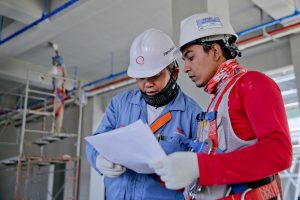
Whether you’re just starting out or looking to switch gears, there are numerous oil and gas jobs tailored to suit your skills and interests.
In this comprehensive guide, we’ll explore 20 of the most promising oil and gas jobs for freshers, each offering unique opportunities for growth and advancement.
Reviews: 20 Best Oil And Gas Jobs For Freshers 2024
1. Field Technician
Field Technicians play a pivotal role in the installation, maintenance, and repair of oil and gas equipment in the field. From troubleshooting issues to ensuring operational efficiency, Field Technicians are essential to the smooth functioning of oil and gas operations.
2. Lab Technician
Lab Technicians are responsible for performing tests on samples collected from oil and gas wells to ensure quality and compliance with industry standards. Their meticulous attention to detail and analytical skills are vital in maintaining the integrity of oil and gas products.
3. Production Operator
As Production Operators, freshers are tasked with monitoring and controlling the equipment used in oil and gas production processes. Their vigilance ensures that operations run smoothly and safely, contributing to overall productivity and efficiency.
4. Safety Technician
Ensuring a safe working environment is paramount in the oil and gas industry, and Safety Technicians play a crucial role in implementing safety protocols and procedures. From conducting inspections to providing training, they are instrumental in promoting a culture of safety.
5. Administrative Assistant
Administrative Assistants provide invaluable clerical support to various departments within oil and gas companies. From managing schedules to handling correspondence, their organizational skills keep operations running smoothly.
6. Data Analyst
In an era driven by data, Data Analysts play a critical role in analyzing data related to oil and gas operations. By identifying trends and opportunities for improvement, they help optimize processes and enhance overall efficiency.
7. Environmental Technician
Environmental Technicians are tasked with monitoring and assessing the environmental impact of oil and gas operations. Their expertise ensures compliance with regulations and promotes sustainable practices within the industry.
8. Quality Control Inspector
Maintaining quality standards is essential in the oil and gas industry, and Quality Control Inspectors play a vital role in ensuring that products and processes meet specifications. Through rigorous inspections and testing, they uphold the highest standards of quality.
9. Logistics Coordinator
Logistics Coordinators play a pivotal role in coordinating the transportation of materials and equipment to and from oil and gas sites. Their logistical expertise ensures timely delivery and efficient operations.
10. Mechanical Technician
Mechanical Technicians assist in the maintenance and repair of mechanical equipment used in oil and gas operations. From troubleshooting issues to performing routine maintenance, their technical skills are indispensable.
11. Electrical Technician
Electrical Technicians are responsible for the installation, maintenance, and repair of electrical systems in oil and gas facilities. Their expertise ensures the safe and efficient operation of critical infrastructure.
12. Instrumentation Technician
Instrumentation Technicians install, calibrate, and maintain instrumentation used in oil and gas processes. Their precision and attention to detail are essential in ensuring accurate measurements and optimal performance.
13. Health and Safety Coordinator
Promoting a culture of safety is paramount in the oil and gas industry, and Health and Safety Coordinators play a key role in coordinating health and safety programs and training for employees. Their proactive approach helps mitigate risks and ensure compliance with regulations.
14. Procurement Assistant
Procurement Assistants assist in the procurement of materials and services needed for oil and gas projects. From sourcing suppliers to negotiating contracts, their expertise helps streamline the procurement process.
15. Drilling Assistant
Drilling Assistants play a vital role in drilling operations, assisting in setting up equipment and monitoring drilling parameters. Their support ensures the smooth execution of drilling projects.
16. Pipeline Technician
Pipeline Technicians are responsible for the maintenance and repair of pipelines used to transport oil and gas. Their expertise in pipeline integrity ensures the safe and efficient transportation of resources.
17. Corrosion Technician
Preventing corrosion is essential in maintaining the integrity of oil and gas equipment, and Corrosion Technicians play a crucial role in monitoring and preventing corrosion. Their proactive approach helps extend the lifespan of critical infrastructure.
18. Field Engineer
Field Engineers provide technical support and assistance to engineers working on oil and gas projects. From troubleshooting issues to providing onsite expertise, their role is indispensable in ensuring project success.
19. Geotechnical Technician
Geotechnical Technicians assist in the collection and analysis of geological data for oil and gas exploration. Their insights help identify potential reserves and optimize exploration efforts.
20. Well Testing Technician
Well Testing Technicians conduct tests on oil and gas wells to evaluate productivity and performance. Their expertise in well testing techniques helps optimize production and maximize output.
The Bottom Line
In conclusion, the oil and gas industry offers a wealth of opportunities for freshers looking to kickstart their careers. Whether you’re interested in hands-on roles in the field or prefer analytical roles in the lab, there’s something for everyone in this dynamic industry. By pursuing one of these promising oil and gas jobs, freshers can embark on a fulfilling career path with ample opportunities for growth and advancement.
Which Is The Biggest Government University In Uganda?
Which is the biggest government university in Uganda? Well, Makerere University stands as the largest government university in Uganda, renowned for its academic excellence and rich heritage.
When it comes to higher education in Uganda, there’s a plethora of options available to aspiring students.
From prestigious private institutions to well-established government universities, the country boasts a diverse educational landscape.
In this article, we delve into the question: Which is the biggest government university in Uganda?
Which Is The Biggest Government University In Uganda?
Understanding the Educational System in Uganda
Before we unveil the largest government university in Uganda, let’s take a moment to understand the country’s educational system. Uganda follows a 7-4-2-3 education system, comprising seven years of primary education, followed by four years of lower secondary, two years of upper secondary, and finally, three years of tertiary education.
Introducing Makerere University: Uganda’s Flagship Institution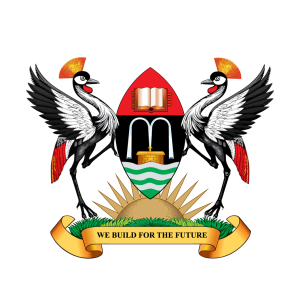
Makerere University stands tall as the largest and most renowned government university in Uganda. Established in 1922, Makerere University has a rich history of academic excellence and innovation.
Situated in Kampala, the capital city of Uganda, Makerere University has been a beacon of learning, research, and development for nearly a century.
Campus and Facilities
Spread across a sprawling campus, Makerere University offers state-of-the-art facilities to its students. From modern lecture halls to well-equipped laboratories, the university provides a conducive environment for learning and research. The campus is adorned with lush greenery, creating a serene atmosphere that inspires academic pursuits.
Academic Programs
Makerere University offers a wide array of academic programs across various disciplines. From engineering and medicine to humanities and social sciences, the university caters to diverse interests and career aspirations.
With esteemed faculty members and rigorous curriculum, Makerere University ensures that students receive a world-class education.
Research and Innovation
As a leading research institution, Makerere University is at the forefront of groundbreaking discoveries and innovations. The university encourages research and scholarly activities across all disciplines, fostering a culture of intellectual curiosity and creativity.
From cutting-edge scientific research to social impact projects, Makerere University contributes significantly to the advancement of knowledge and societal development.
International Collaborations
Makerere University actively collaborates with renowned institutions and organizations worldwide. These collaborations facilitate exchange programs, joint research initiatives, and faculty exchanges, enriching the academic experience for both students and faculty members. Through international partnerships, Makerere University promotes cross-cultural understanding and global engagement.
Alumni Success Stories
The alumni of Makerere University have made indelible marks in various fields, both locally and internationally. From influential political leaders and accomplished academics to successful entrepreneurs and prominent professionals, Makerere alumni continue to excel and contribute to society’s progress. Their success stories serve as inspiration for current and future generations of students.
Conclusion
In conclusion, Makerere University emerges as the largest government university in Uganda, renowned for its academic excellence, research prowess, and rich heritage.
With its commitment to innovation, inclusivity, and societal impact, Makerere University remains a beacon of hope and opportunity for countless individuals seeking to pursue higher education and make a difference in the world.