Not sure How Much Is A Community Health Worker Paid In Kenya? Well, The salary range for Community Health Workers in Kenya varies from approximately Ksh 18,662 to Ksh 56,899 per month.
In Kenya, the role of a Community Health Worker (CHW) is invaluable.These dedicated individuals play a vital role in promoting public health and delivering essential healthcare services to communities.
However, the compensation for their crucial work can vary depending on several factors.
In this article, we will explore the salaries of Community Health Workers in Kenya, shedding light on the remuneration they receive for their dedication and hard work.
How Much Is A Community Health Worker Paid In Kenya?
Understanding the Role of Community Health Workers
Before delving into the salary details, it’s essential to comprehend the role of Community Health Workers in Kenya. These individuals are on the front lines of healthcare, working tirelessly to provide vital services to their communities.
They are responsible for health education, preventive healthcare measures, and even basic medical care. CHWs bridge the gap between formal healthcare institutions and remote or underserved areas.
Factors Influencing CHW Salaries
The compensation of Community Health Workers in Kenya can be influenced by various factors. Some of the key determinants include:
1. Location
The region in which a CHW operates can significantly impact their salary. Urban areas tend to offer higher compensation compared to rural or remote locations.
2. Experience
Experience plays a vital role in salary negotiations. Seasoned CHWs with years of service may receive higher pay than newcomers.
3. Education
Educational qualifications can also influence earnings. CHWs with additional training or certifications may command higher salaries.
4. Employing Organization
The organization that employs a CHW can vary, from government agencies to non-profit organizations. The type of employer can affect compensation packages.
Average CHW Salaries in Kenya
According to data from mywage.org, the majority of Community Health Workers in Kenya can expect to earn a monthly salary ranging from Ksh 18,662 to Ksh 56,899. It’s important to note that these figures are approximate averages and can vary based on the factors mentioned earlier.
Career Progression for CHWs
Community Health Workers in Kenya often have opportunities for career progression. With continued education and experience, they can take on more significant roles in healthcare and potentially increase their earnings. Some CHWs may go on to become nurses, clinical officers, or healthcare administrators.
The Value of Community Health Workers
Community Health Workers are the backbone of healthcare in many Kenyan communities. Their dedication to improving public health and providing essential services is immeasurable. While their salaries may not always reflect the true worth of their work, CHWs continue to make a significant impact on the health and well-being of their fellow citizens.
FAQs About Community Health Worker Salaries in Kenya
1. Are Community Health Workers in Kenya well-compensated?
Community Health Workers in Kenya receive salaries that vary depending on factors like location, experience, and education. While some may find their compensation satisfactory, others may believe it should be higher to reflect the importance of their work.
2. What qualifications are required to become a Community Health Worker in Kenya?
The qualifications for becoming a Community Health Worker in Kenya can vary, but typically, a minimum level of education, such as a high school diploma, is required. Additional training or certifications can also be beneficial.
3. Can Community Health Workers in Kenya pursue career advancement?
Yes, Community Health Workers in Kenya can pursue career advancement. With further education and experience, they may take on more significant roles in healthcare, potentially increasing their earnings.
4. Do CHWs in urban areas earn more than those in rural areas?
Yes, generally, CHWs in urban areas tend to earn higher salaries than their counterparts in rural or remote locations. The cost of living and demand for healthcare services often drive this difference.
5. How can I learn more about the salaries of Community Health Workers in Kenya?
For more detailed and up-to-date information on CHW salaries in Kenya, you can visit mywage.org to explore comprehensive salary data and related resources.
Conclusion
In Kenya, Community Health Workers play a vital role in promoting public health and ensuring that underserved communities receive essential healthcare services.
While their salaries may vary based on location, experience, education, and employing organization, these individuals remain dedicated to their mission. Their work is invaluable, and the impact they make on their communities is immeasurable.
Can I Grow Tobacco In Germany?
Can I Grow Tobacco In Germany?
In the heart of Europe, Germany is known for its picturesque landscapes, rich culture, and a strong focus on agriculture. This leads many curious individuals to wonder: can I grow tobacco in Germany?
In this comprehensive guide, we will delve into the various aspects of cultivating tobacco in this European nation. From the legalities to the practicalities, we’ll explore the ins and outs of tobacco farming in Germany.
Can I Grow Tobacco In Germany?
Understanding Tobacco Cultivation
What is Tobacco?
Before we dive into the specifics of growing tobacco in Germany, let’s first understand what tobacco is. Tobacco is a plant belonging to the Nicotiana genus, primarily Nicotiana tabacum and Nicotiana rustica. It’s cultivated for its leaves, which are dried and used for smoking, chewing, or snuff.
The Appeal of Homegrown Tobacco
Growing your tobacco can be an appealing prospect for several reasons. It allows you to have control over the quality of your tobacco, experiment with different varieties, and potentially reduce costs if you are a frequent tobacco user.
Legal Considerations
Tobacco Cultivation Laws in Germany
Before you start planting tobacco seeds in your backyard, it’s crucial to be aware of the legal framework surrounding tobacco cultivation in Germany. The country has strict regulations in place, primarily due to health concerns related to tobacco consumption.
Permits and Licenses
To legally grow tobacco in Germany, you may need to obtain permits and licenses from local authorities. These permits are typically related to the quantity you intend to cultivate and are meant to ensure that tobacco production remains within legal limits.
Suitable Climate and Soil
Climate Requirements
Tobacco is a sensitive plant that requires specific environmental conditions to thrive. In Germany, the climate varies significantly from region to region, so it’s essential to choose the right location for your tobacco plants.
Soil Composition
Tobacco prefers well-drained soil with good fertility. Conducting a soil test is advisable to determine if your chosen location meets the necessary soil requirements for successful tobacco cultivation.
Choosing Tobacco Varieties
Tobacco Varieties for Germany
There are various tobacco varieties available, each with its unique characteristics. In Germany, it’s essential to select varieties that are suitable for the local climate and soil conditions.
Consideration for Beginners
If you are new to tobacco cultivation, it’s wise to start with a less demanding variety. This will allow you to gain experience and gradually expand your tobacco-growing endeavors.
Planting and Maintenance
Planting Tobacco Seeds
Tobacco is typically grown from seeds, which can be sown directly in the ground or started indoors. Proper planting techniques are crucial to ensure healthy seedlings.
Care and Maintenance
Like any crop, tobacco requires regular care, including watering, fertilizing, and pest control. Being attentive to your plants’ needs is key to a successful harvest.
Harvesting and Curing
Harvesting Tobacco Leaves
Harvesting tobacco leaves at the right time is critical to achieving the desired flavor and quality. We’ll discuss the indicators for the best time to harvest.
Curing and Drying
After harvesting, tobacco leaves must undergo a curing and drying process to develop their flavor and aroma fully. We’ll explore traditional methods used for this purpose.
The Joy of Homegrown Tobacco
Personal Satisfaction
One of the most rewarding aspects of growing your tobacco is the personal satisfaction it brings. Rolling your cigarettes or enjoying a pipe filled with your own tobacco is a unique experience.
Shared Experiences
Growing tobacco can also be a communal activity, allowing you to connect with fellow enthusiasts and share knowledge and experiences.
FAQs
- Is it legal to grow tobacco for personal use in Germany? Yes, it is legal to grow tobacco for personal use in Germany, but you may need permits depending on the quantity you intend to cultivate.
- What are the best tobacco varieties for beginners in Germany? Beginners in tobacco cultivation in Germany can start with less demanding varieties like Virginia or Burley.
- How long does it take for tobacco plants to mature? Tobacco plants typically take about 60 to 90 days to mature after transplanting.
- Can I sell tobacco that I grow at home in Germany? Selling homegrown tobacco in Germany may require additional permits and compliance with tobacco sales regulations.
- Where can I find quality tobacco seeds in Germany? Quality tobacco seeds can be purchased from specialized seed suppliers or online retailers catering to tobacco enthusiasts.
Conclusion
In conclusion, yes, you can grow tobacco in Germany, but it comes with legal obligations and considerations. Understanding the laws and regulations, choosing the right location, and caring for your tobacco plants are all crucial steps in successful cultivation.
Whether you’re looking to experiment with unique tobacco varieties or simply enjoy the satisfaction of homegrown tobacco, this guide has provided valuable insights into the process.
Is Tobacco Farming Profitable In Kenya?
Not sure if or Is Tobacco Farming Profitable In Kenya? Well, Tobacco farming in Kenya can be profitable, with potential earnings ranging from 200,000 to 400,000 Kenyan Shillings (KES) per acre annually, which is equivalent to approximately $2,000 to $4,000 in US dollars (USD).
In a country known for its rich agricultural heritage, Kenya stands as one of the leading agricultural producers in East Africa.
While maize, sugarcane, tea, and coffee have traditionally been the mainstays of Kenyan agriculture, another crop has emerged as a topic of increasing interest and debate: tobacco.
This article explores the profitability of tobacco farming in Kenya, shedding light on the opportunities and challenges faced by those engaged in this controversial industry.
Is Tobacco Farming Profitable In Kenya?
The Tobacco Industry in Kenya
The tobacco industry in Kenya has grown steadily, with both domestic consumption and exports contributing to its expansion. Kenyan tobacco is primarily used in the production of cigarettes, making it a critical player in the global tobacco market. However, the profitability of this industry is contingent on several key factors.
Factors Influencing Profitability
Climate and Soil Conditions
Kenya’s diverse climate and soil conditions make it suitable for tobacco cultivation. Different regions offer varying advantages, allowing farmers to select the most favorable environment for their crops.
Market Demand
Global demand for tobacco products remains robust, ensuring a consistent market for Kenyan tobacco. However, shifts in consumer preferences and increased awareness of health risks pose challenges to the industry.
Government Regulations
Stringent regulations and taxes imposed on tobacco products in Kenya can impact profitability. Farmers must navigate a complex regulatory landscape to remain competitive.
Costs and Investments
Land and Equipment
Investing in the right land and equipment is crucial for tobacco farming. The initial capital outlay can be substantial, affecting the overall profitability of the venture.
Labor
Tobacco farming requires a significant labor force, especially during planting and harvesting seasons. Labor costs are a substantial part of the overall expenses.
Inputs and Chemicals
To ensure a healthy and productive crop, farmers must invest in quality inputs and chemicals. This includes fertilizers, pesticides, and disease control measures.
Yield and Crop Management
Crop Varieties
Selecting the right tobacco varieties is essential for high yields and quality. Farmers need to stay updated on the latest strains and hybrids available.
Pest and Disease Control
Tobacco plants are susceptible to various pests and diseases. Effective management strategies are vital to prevent losses.
Marketing and Sales
Local vs. International Markets
Farmers have the option to sell their tobacco locally or explore international markets. Understanding market dynamics is crucial for maximizing profits.
Pricing Strategies
Determining the right pricing strategy can significantly impact profitability. Factors like quality and market demand play a pivotal role.
Sustainability and Environmental Concerns
The environmental impact of tobacco farming is a growing concern. Sustainable farming practices can help mitigate the negative effects on the environment and promote long-term profitability.
Challenges Faced by Tobacco Farmers
Tobacco farming in Kenya is not without its challenges. Issues such as fluctuating market prices, climate change, and health concerns pose significant obstacles for farmers.
Is Tobacco Farming Profitable?
The profitability of tobacco farming in Kenya is influenced by a complex interplay of factors. While it can be a lucrative venture for some, the risks and ethical considerations should not be ignored.
Case Studies
Exploring real-world examples of tobacco farming in Kenya can provide valuable insights into the industry’s profitability.
Success Stories
Some Kenyan tobacco farmers have achieved remarkable success by implementing innovative strategies and sustainable practices.
The Future of Tobacco Farming in Kenya
As the world evolves, so does the tobacco industry in Kenya. The future of tobacco farming will be shaped by changes in consumer preferences, regulations, and sustainability efforts.
Is Tobacco Farming Profitable In Kenya?FAQs
14.1 Is tobacco farming legal in Kenya?
Yes, tobacco farming is legal in Kenya. However, it is subject to strict regulations and taxes imposed by the government.
14.2 What are the major challenges faced by tobacco farmers in Kenya?
Tobacco farmers in Kenya face challenges such as fluctuating market prices, climate change, and health concerns associated with tobacco production.
14.3 How does Kenya’s tobacco industry compare to other African countries?
Kenya’s tobacco industry is significant in Africa, with both domestic consumption and exports playing a crucial role in the global tobacco market.
14.4 Are there any alternative crops for Kenyan farmers to consider?
Yes, Kenyan farmers have alternatives like maize, sugarcane, tea, and coffee. These crops also have the potential for profitability.
14.5 What steps can be taken to make tobacco farming more sustainable in Kenya?
To make tobacco farming more sustainable in Kenya, farmers can adopt eco-friendly practices, reduce chemical use, and explore crop rotation options.
Conclusion
Tobacco farming in Kenya is a multifaceted industry with both opportunities and challenges. Its profitability depends on a range of factors, from market demand to sustainable practices. Farmers considering tobacco cultivation must weigh the financial rewards against the ethical and environmental implications.
Is Drink Driving A Criminal Offence In The Netherlands?
Wondering if or Is Drink Driving A Criminal Offence In The Netherlands? Yes, drink driving is a criminal offense in the Netherlands, with fines typically ranging from €500 to €9,000 (approximately $590 to $10,600), and a blood alcohol level limit of 0.05%.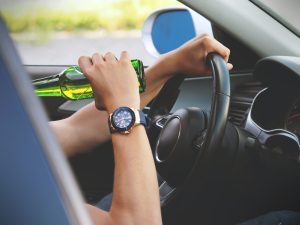
In the charming land of windmills, tulips, and picturesque canals, known as the Netherlands, the rules regarding drink driving are stringent and clear.
But what exactly are the consequences of getting behind the wheel after consuming alcohol in this European country? Is it considered a criminal offence?
In this comprehensive article, we will explore the legal framework, penalties, and the broader implications of drink driving in the Netherlands.
Is Drink Driving A Criminal Offence In The Netherlands?
Understanding Dutch Drink Driving Laws
Blood Alcohol Concentration (BAC) Limits
In the Netherlands, the permissible blood alcohol concentration (BAC) limit is 0.05%. This means that you can legally have up to 0.05 grams of alcohol per 100 milliliters of blood. Exceeding this limit while operating a motor vehicle is against the law.
Criminal Offence or Administrative Offense
Unlike some countries, drink driving in the Netherlands is primarily considered an administrative offense, not a criminal one. This distinction has implications for the severity of penalties imposed.
Penalties for Drink Driving
Administrative Measures
When caught with a BAC between 0.05% and 0.08%, you may face administrative measures. These can include a hefty fine, license suspension, and mandatory participation in an alcohol awareness program.
Criminal Charges
If your BAC exceeds 0.08%, you are likely to face criminal charges. This can result in fines, license revocation, and even imprisonment, depending on the severity of the offense and any prior convictions.
Consequences Beyond Penalties
Impact on Insurance
Drink driving can also have repercussions on your insurance premiums. After a conviction, you may find it challenging to obtain affordable coverage, as insurers often view you as a higher risk.
Permanent Criminal Record
While it may not be initially categorized as a criminal offense, a drink driving conviction can still result in a permanent criminal record. This record can affect future employment prospects and travel plans.
Dutch Approach Towards Prevention
Strict Enforcement
The Netherlands takes road safety seriously and maintains a robust system of checks and enforcement to deter drink driving. Frequent sobriety checkpoints and breathalyzer tests are conducted, especially during weekends and holidays.
Public Awareness Campaigns
To further discourage drink driving, the Dutch government runs public awareness campaigns. These campaigns highlight the dangers of driving under the influence and promote responsible drinking.
Is Drink Driving A Criminal Offence In The Netherlands? FAQs
- Is there a minimum drinking age in the Netherlands?
- Yes, the legal drinking age in the Netherlands is 18 years old.
- Are there any exceptions to the BAC limit?
- There are no exceptions to the BAC limit for regular drivers. However, professional drivers are subject to a lower limit of 0.02%.
- Can I refuse a breathalyzer test in the Netherlands?
- Refusing a breathalyzer test in the Netherlands is not advisable, as it can lead to serious consequences, including license suspension.
- How long does a drink driving conviction stay on your record?
- A drink driving conviction can stay on your record for several years, potentially impacting your life for an extended period.
- Where can I find more information about Dutch drink driving laws?
- For detailed information about Dutch drink driving laws, you can visit the official website of the Netherlands’ government or consult with legal experts.
Conclusion
In conclusion, while drink driving in the Netherlands is not always classified as a criminal offense, it can have serious legal, financial, and personal consequences. The Dutch government’s commitment to road safety, strict enforcement, and public awareness campaigns underscore the importance of responsible drinking and sober driving.
Can I Enter Netherlands With A DUI?
Not sure if or Can I Enter Netherlands With A DUI? Well, individuals with a DUI (Driving Under the Influence) conviction may be restricted from entering the Netherlands, but it’s advised to check the latest immigration and visa requirements with the Dutch authorities for the most current information.”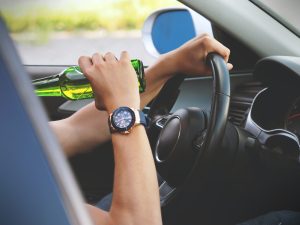
When it comes to traveling abroad, there are many factors to consider, and one question that often arises
Here’s the kicker! whether having a DUI (Driving Under the Influence) on your record will affect your ability to enter a foreign country, such as the Netherlands.
In this article, we will delve into the specifics of traveling to the Netherlands with a DUI and provide you with valuable insights and information to ensure a smooth and hassle-free experience.
Can I Enter The Netherlands With A DUI?
Understanding DUI and Its Implications
What is a DUI?
Before we dive into the topic, let’s clarify what a DUI is. DUI stands for Driving Under the Influence, which refers to operating a motor vehicle while impaired by alcohol or drugs.
It’s a serious offense in many countries, including the United States and Canada.
Legal Implications
In the Netherlands, as in most countries, driving under the influence is a criminal offense. Dutch law prohibits individuals from operating a motor vehicle with a blood alcohol content (BAC) of 0.05% or higher.
Penalties for DUI in the Netherlands can range from fines and license suspension to imprisonment, depending on the severity of the offense.
Traveling to the Netherlands with a DUI
Can You Enter with a DUI Record?
The short answer is yes; you can enter the Netherlands with a DUI record. However, there are several factors to consider:
- Purpose of Your Visit: The reason for your trip to the Netherlands plays a significant role. If you are traveling for tourism or business purposes, having a DUI on your record is generally not a barrier to entry.
- Length of Stay: Short visits for tourism or business meetings are typically less scrutinized than longer stays. If you intend to reside in the Netherlands, you may face more extensive background checks.
- Severity of the DUI Offense: Dutch authorities may take into account the severity of your DUI offense. If it involved accidents, injuries, or fatalities, you may face more scrutiny.
- Time Passed Since Conviction: The longer it has been since your DUI conviction, the less likely it is to affect your entry. Rehabilitation and a clean record since the incident can work in your favor.
- Compliance with Dutch Laws: While in the Netherlands, it is crucial to abide by Dutch laws, including those related to alcohol consumption and driving. Another DUI offense while in the country could lead to serious consequences.
What to Expect at the Border
When you arrive in the Netherlands, you may be subject to a routine inspection at the border. During this process, customs and immigration officials will review your travel documents and may ask about the purpose of your visit. They may also check your criminal record.
It’s essential to be honest when questioned about your DUI conviction. Attempting to hide it can lead to more severe consequences, including deportation.
Also Check The Disadvantages And Consequences Of DUI In The Netherlands
Driving under the influence (DUI) is a serious offense in the Netherlands, and it carries numerous disadvantages and consequences. Here are some of the key disadvantages of DUI in the Netherlands:
- Legal Consequences: Getting caught for DUI in the Netherlands can result in legal consequences such as fines, license suspension, or even imprisonment. The severity of the penalties depends on the blood alcohol content (BAC) level and whether it’s a repeat offense.
- Financial Costs: DUI Netherlands convictions can be expensive. In addition to fines, individuals may need to pay for legal representation, increased insurance premiums, and costs associated with attending alcohol education programs or rehabilitation.
- Criminal Record: A DUI Netherlands conviction can result in a criminal record. This can have long-lasting consequences, affecting employment prospects, travel opportunities, and the ability to obtain certain licenses or permits.
- License Suspension: Convicted individuals in DUI Netherlands cases often face a significant period of license suspension. This can make it challenging to commute, perform daily tasks, or maintain employment, particularly in areas with limited public transportation options.
- Insurance Premiums: Following a DUI Netherlands conviction, insurance premiums can skyrocket. This financial burden can persist for several years, making it more costly to maintain auto insurance coverage.
- Public Perception: A DUI Netherlands conviction can damage an individual’s reputation and social standing. It may result in embarrassment, strained relationships, and social stigma, as drunk driving is widely frowned upon in society.
- Employment Consequences: Some employers in DUI Netherlands cases may terminate or refuse to hire individuals with DUI convictions, especially if the job involves driving or requires a clean criminal record. This can have a long-term impact on one’s career prospects.
- Safety Risks: Driving under the influence in DUI Netherlands cases poses a significant risk to the safety of the driver, passengers, pedestrians, and other road users. Impaired judgment and reaction times can lead to accidents and fatalities.
- Potential Injury or Fatality: DUI Netherlands incidents can result in severe injuries or fatalities. Being responsible for causing harm or loss of life can lead to immense guilt and emotional distress for the driver.
- Repeat Offenses: Some individuals with DUI Netherlands convictions go on to commit repeat offenses, leading to even more severe penalties and consequences. The legal system in the Netherlands treats repeat DUI offenders with greater severity.
- Ignition Interlock Devices: In some DUI Netherlands cases, individuals convicted of DUI may be required to install ignition interlock devices in their vehicles. These devices require drivers to pass a breathalyzer test before starting the car, which can be both inconvenient and costly.
- Difficulty Traveling Abroad: Some countries have strict entry requirements for individuals with DUI Netherlands convictions, potentially complicating international travel plans.
Overall, driving under the influence in the Netherlands has serious and far-reaching consequences, both legally and personally. It is essential to prioritize responsible and sober driving to avoid these disadvantages and, more importantly, to ensure the safety of oneself and others on the road.
Can I Enter Netherlands With A DUI? FAQs
- Can I visit the Netherlands if I have a DUI from another country?
- Yes, you can visit the Netherlands with a DUI from another country. The same factors mentioned in the article apply, and Dutch authorities will consider your specific case.
- Yes, you can visit the Netherlands with a DUI from another country. The same factors mentioned in the article apply, and Dutch authorities will consider your specific case.
- Do I need to disclose my DUI conviction when applying for a Dutch visa?
- Yes, it is crucial to provide accurate information when applying for a Dutch visa. Failure to disclose a DUI conviction can result in visa denial or entry refusal.
- How long should I wait after a DUI conviction before traveling to the Netherlands?
- It is recommended to wait at least several years after a DUI conviction before traveling to the Netherlands to demonstrate rehabilitation and responsible behavior.
- It is recommended to wait at least several years after a DUI conviction before traveling to the Netherlands to demonstrate rehabilitation and responsible behavior.
- Can I rent a car in the Netherlands with a DUI on my record?
- Renting a car with a DUI on your record may be challenging, and it’s advisable to check with rental agencies for their specific policies and requirements.
- What if I am already in the Netherlands and get a DUI?
- If you are in the Netherlands and receive a DUI, you will face legal consequences, including fines, license suspension, and possible deportation. It’s essential to seek legal assistance immediately if this occurs.
Conclusion
In conclusion, having a DUI on your record does not necessarily prohibit you from entering the Netherlands. However, several factors, such as the purpose of your visit, the severity of your offense, and the time that has passed since your conviction, can influence the outcome.
It is advisable to seek legal counsel or contact the Dutch embassy or consulate before your trip to ensure you meet all entry requirements and understand any potential implications.
Is DUI a criminal offense in Netherlands?

Driving under the influence (DUI) is a serious matter in many countries around the world, including the Netherlands.
In this article, we will explore the legal implications of DUI in the Netherlands and what consequences individuals may face if caught driving while intoxicated.
Is DUI A Criminal Offense In Netherlands?
Understanding DUI Laws in the Netherlands
Dutch DUI Legislation
The Netherlands has strict laws in place to combat drunk driving. According to Dutch law, it is illegal to operate a motor vehicle with a blood alcohol concentration (BAC) of 0.05% or higher.
This legal limit is lower than in some other countries, reflecting the Dutch government’s commitment to road safety.
Criminal vs. Administrative Offense
In the Netherlands, DUI is considered primarily an administrative offense rather than a criminal one. This means that the penalties for drunk driving are typically administrative in nature and may not result in a criminal record for the offender.
Penalties for DUI in the Netherlands
Fines
If caught driving under the influence in the Netherlands, you can expect to face significant fines. The exact amount varies depending on the level of intoxication and whether you are a repeat offender.
License Suspension
Another consequence of DUI in the Netherlands is the suspension of your driver’s license. The length of the suspension will depend on factors such as your BAC level and any prior DUI convictions.
Mandatory Alcohol Rehabilitation
In some cases, individuals convicted of DUI may be required to attend mandatory alcohol rehabilitation programs to address their drinking habits.
Ignition Interlock Devices
The Dutch authorities may also require the installation of an ignition interlock device in the offender’s vehicle. This device prevents the vehicle from starting if it detects alcohol on the driver’s breath.
Criminal Offenses Related to DUI
While DUI itself is not typically considered a criminal offense in the Netherlands, certain actions related to drunk driving can result in criminal charges. For example, causing a serious accident while intoxicated may lead to charges of vehicular manslaughter or assault.
International Visitors and DUI
If you are a tourist or a foreign resident in the Netherlands, it’s important to be aware that DUI laws apply to you as well. The Dutch authorities do not make exceptions for visitors, and penalties can be severe.
Is DUI a criminal offense in Netherlands? FAQs
1. Can I avoid penalties for DUI by refusing a breathalyzer test?
No, refusing a breathalyzer test in the Netherlands can lead to severe penalties, including fines and license suspension.
2. What is the legal BAC limit for young drivers in the Netherlands?
For drivers under the age of 24, the legal BAC limit is lower, at 0.02%.
3. Are there any exceptions for medical conditions that may affect a breathalyzer test?
There are no exceptions for medical conditions, but you can consult with legal authorities if you believe your condition may have affected the test results.
4. Can I appeal a DUI conviction in the Netherlands?
Yes, you can appeal a DUI conviction in the Netherlands if you believe there was an error in the legal process.
5. How long does a DUI conviction stay on your record in the Netherlands?
DUI convictions may remain on your record for several years, potentially affecting your insurance rates and future employment opportunities.
Conclusion
In conclusion, while DUI is not classified as a criminal offense in the Netherlands, it is still a serious matter that can result in significant fines, license suspension, mandatory rehabilitation, and the installation of ignition interlock devices.
It’s crucial for everyone, whether a resident or a visitor, to be aware of and abide by Dutch DUI laws to ensure road safety.