Which Is The Best Manure For Coffee?
Coffee, one of the world’s most beloved beverages, owes its rich flavor and bountiful harvests to more than just the coffee bean itself. Behind every cup of coffee lies a crucial element – the soil and nutrients that nourish the coffee plants
In this article, we will delve into the fascinating world of coffee cultivation and explore the question: which is the best manure for coffee?
Understanding Coffee Cultivation
To appreciate the importance of manure in coffee cultivation, it’s essential to understand how coffee plants grow and thrive. Coffee plants belong to the genus Coffea and are primarily grown in tropical regions. These plants require specific conditions to yield high-quality coffee beans, and one of the critical factors is the type of manure used.
The Role of Manure
Manure plays a pivotal role in coffee farming for several reasons:
- Nutrient Enrichment: Manure enriches the soil with essential nutrients like nitrogen, phosphorus, and potassium, vital for healthy coffee plant growth.
- Improved Soil Structure: It enhances soil structure, ensuring adequate aeration and water retention, which is crucial in regions with inconsistent rainfall.
- Microbial Activity: Manure fosters beneficial microbial activity in the soil, facilitating nutrient uptake by the coffee plants.
- Organic Matter: It adds organic matter to the soil, improving its overall fertility and sustainability.
Now, let’s explore various types of manure commonly used in coffee cultivation and their benefits.
Types of Manure
- Cow Manure (Bovine)
- Rich in Nitrogen: Cow manure is high in nitrogen content, which encourages lush foliage growth in coffee plants.
- Organic Matter: It improves soil structure and promotes microbial activity.
- Availability: Cow manure is readily available in many coffee-growing regions.
- Chicken Manure (Poultry)
- High in Phosphorus: Chicken manure is rich in phosphorus, which aids in flower and fruit development.
- Quick Decomposition: It decomposes rapidly, releasing nutrients faster than some other types of manure.
- Caution Needed: It should be composted to prevent burning the coffee plants due to its high ammonia content.
- Horse Manure (Equine)
- Balanced Nutrients: Horse manure offers a balanced nutrient profile and enhances overall soil fertility.
- Less Odor: It tends to have a milder odor compared to other manures.
- Coffee Pulp (Waste from Coffee Processing)
- Recycling Coffee Waste: Coffee pulp, a byproduct of coffee processing, can be used as manure, closing the loop in sustainability.
- Localized Use: It’s particularly beneficial when used in the same region where the coffee is processed.
Choosing the Right Manure
Selecting the best manure for coffee depends on various factors, including soil composition, climate, and the specific needs of your coffee plants. It’s often beneficial to conduct soil tests to determine nutrient deficiencies and tailor your choice accordingly.
FAQs
- Is organic manure better for coffee cultivation?Organic manure is generally preferred for coffee cultivation because it improves soil health and sustains long-term crop growth.
- Can I use synthetic fertilizers instead of manure?While synthetic fertilizers can provide nutrients, they may not enhance soil structure and microbial activity as effectively as organic manure.
- What are the signs of nutrient deficiency in coffee plants?Yellowing leaves, stunted growth, and poor flowering are common signs of nutrient deficiency in coffee plants.
- How often should I apply manure to my coffee plants?The frequency of manure application depends on soil conditions. Generally, it’s done annually, but soil tests can provide more precise recommendations.
- Is composting necessary for all types of manure?Composting is advisable for manures like chicken and coffee pulp to reduce the risk of burning plants due to high ammonia levels and to facilitate better nutrient release.
Conclusion
In the world of coffee cultivation, the right manure can make all the difference. Whether it’s cow, chicken, horse manure, or even coffee pulp, each type has its unique advantages.
The best manure for coffee ultimately depends on the specific conditions of your coffee farm. Proper soil enrichment through well-chosen manure is essential for producing the finest coffee beans.
How Much Does Mushroom Cost In Kenya?
Not sure How Much Does Mushroom Cost In Kenya? Well, The cost of mushrooms in Kenya typically ranges from 150 to 300 Kenyan Shillings per kilogram (approximately $1.50 to $3.00 USD).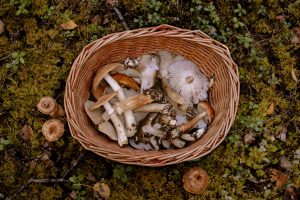
In recent years, the popularity of mushrooms in Kenya has been on the rise, both as a culinary delight and a potential source of income for many.
Whether you’re a mushroom enthusiast, a curious foodie, or someone considering mushroom cultivation as a business venture, one question that often comes to mind is: How much does mushrooms cost in Kenya?
In this article, we will explore the various factors that influence the price of mushrooms in Kenya and provide you with valuable insights into the world of mushroom pricing.
How Much Does Mushroom Cost In Kenya?
Understanding Mushroom Varieties
Before delving into the cost of mushrooms in Kenya, it’s essential to grasp the variety of mushrooms available in the market. Mushrooms come in various species, with some being more popular and sought after than others. The most common mushroom varieties in Kenya include:
1. Button Mushrooms
- A popular choice in salads and stir-fries.
2. Oyster Mushrooms
- Known for their delicate flavor and versatility in cooking.
3. Shiitake Mushrooms
- Highly prized for their rich, earthy taste.
4. Portobello Mushrooms
- Large and meaty, often used as a meat substitute.
5. White Mushrooms
- Mild in flavor and a great addition to various dishes.
Factors Influencing Mushroom Pricing
The cost of mushrooms in Kenya can vary significantly due to several factors:
1. Mushroom Variety
- Different mushroom species have varying market prices. For example, exotic mushrooms like shiitake tend to be more expensive than common button mushrooms.
2. Seasonal Availability
- The price of mushrooms can fluctuate throughout the year, depending on the season. Mushrooms are often more abundant and cheaper during the rainy season when they naturally thrive.
3. Location
- The region where mushrooms are grown and sold can impact their cost. Urban areas may have higher prices due to increased demand and transportation costs.
4. Freshness
- Freshly harvested mushrooms are generally more expensive than those that have been stored for an extended period.
5. Organic vs. Conventional
- Organic mushrooms, grown without synthetic chemicals, tend to be pricier than conventionally grown mushrooms.
Current Market Prices
As of the latest market analysis, here are approximate prices for various mushroom varieties in Kenya:
– Button Mushrooms: Ksh 200 – 300 per kilogram
– Oyster Mushrooms: Ksh 250 – 350 per kilogram
– Shiitake Mushrooms: Ksh 400 – 600 per kilogram
– Portobello Mushrooms: Ksh 350 – 500 per kilogram
– White Mushrooms: Ksh 150 – 250 per kilogram
Please note that these prices are subject to change and may vary depending on your location and the specific market conditions at the time of purchase.
Benefits of Mushroom Farming
Considering the increasing interest in mushrooms, many individuals are venturing into mushroom farming in Kenya. Besides being a potential source of income, mushroom farming offers several benefits:
– Low Capital Investment: Mushroom farming can be started with minimal capital compared to other agricultural ventures.
– Fast Growth: Mushrooms have a relatively short growth cycle, allowing for quicker harvests and returns on investment.
– Health Benefits: Mushrooms are packed with essential nutrients and are known for their health benefits.
– Sustainable Farming: Mushroom farming is eco-friendly and can be done in small spaces.
FAQs (Frequently Asked Questions)
1. Can I grow mushrooms at home?
- Yes, many mushroom varieties can be successfully cultivated at home using simple methods.
2. Are there any health benefits associated with consuming mushrooms?
- Absolutely! Mushrooms are a good source of vitamins, minerals, and antioxidants that can boost your health.
3. Which mushroom variety is the easiest to grow for beginners?
- Button mushrooms are a great choice for beginners due to their ease of cultivation.
4. Is mushroom farming profitable in Kenya?
- Yes, mushroom farming has the potential to be a profitable venture, especially when done on a small scale.
5. Where can I purchase mushroom spawn in Kenya?
- Mushroom spawn can be obtained from agricultural supply stores or online mushroom farming communities.
Now that you’re well-informed about mushroom pricing and farming in Kenya, you can confidently explore the world of mushrooms and perhaps even consider growing your own delicious fungi at home!
Conclusion
In conclusion, the cost of mushrooms in Kenya can vary based on several factors, including the mushroom variety, seasonal availability, location, freshness, and farming methods.
As the demand for mushrooms continues to grow, so does the potential for mushroom cultivation as a profitable venture in Kenya.
For those interested in accessing more information or resources related to mushroom farming and pricing in Kenya, you can visit here.
Where Can I Get Training On Mushroom Farming In Kenya?
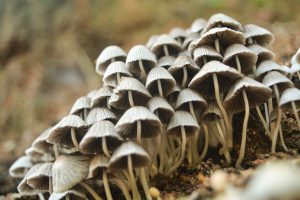
In the lush landscapes of Kenya, mushroom farming has emerged as a promising agricultural venture.
The demand for mushrooms has been steadily rising, both locally and internationally, making it a lucrative opportunity for aspiring farmers.
However, to thrive in this field, acquiring the right knowledge and skills is crucial.
This article aims to guide you on where to access top-notch training on mushroom farming in Kenya, equipping you with the expertise needed to embark on a successful mushroom farming journey.
Where Can I Get Training On Mushroom Farming In Kenya?
Understanding the Mushroom Farming Landscape in Kenya
Before delving into where to get training, let’s briefly explore the mushroom farming landscape in Kenya.
The Potential of Mushroom Farming
Mushroom farming in Kenya has gained popularity due to its low initial capital requirement and high returns. The country’s climate and diverse ecosystems offer favorable conditions for mushroom cultivation.
Types of Mushrooms Grown in Kenya
Kenya primarily cultivates three main types of mushrooms: button mushrooms, oyster mushrooms, and shiitake mushrooms. Each variety has its unique requirements and market demand.
Importance of Proper Training
Why Training is Essential
Proper training in mushroom farming is essential to ensure the highest quality yields, minimize losses, and meet market demands. It equips farmers with the necessary skills, techniques, and knowledge to cultivate mushrooms successfully.
The Impact of Training on Mushroom Farming Success
Farmers who receive comprehensive training are more likely to run profitable mushroom farms. They can effectively manage challenges such as disease control, substrate preparation, and marketing.
Where to Access Training in Kenya
Agricultural Training Institutions
Kenya boasts numerous agricultural training institutions that offer courses in mushroom farming. Institutions like Egerton University and Jomo Kenyatta University of Agriculture and Technology provide comprehensive training programs.
Non-Governmental Organizations (NGOs)
Several NGOs in Kenya are dedicated to promoting agriculture and provide training in mushroom farming. Organizations like Farm Africa and World Agroforestry offer valuable resources and training opportunities.
Online Courses
In the digital age, online courses have become an accessible way to acquire knowledge. Platforms like Udemy and Coursera offer mushroom farming courses suitable for beginners and experienced farmers.
Agricultural Extension Services
The Kenyan government and various agricultural extension services provide farmers with information and training on mushroom farming. Local agricultural offices are valuable resources for accessing training.
Practical Training Sessions
On-Farm Training
Hands-on experience is crucial in mushroom farming. Some trainers and organizations offer on-farm training sessions, allowing participants to gain practical skills directly on mushroom farms.
Workshops and Seminars
Attending workshops and seminars on mushroom farming can provide a platform for networking and learning from experienced farmers and experts in the field.
Where Can I Get Training On Mushroom Farming In Kenya? FAQs
FAQ 1: Is mushroom farming profitable in Kenya?
Yes, mushroom farming is profitable in Kenya, with a growing demand for mushrooms both locally and internationally.
FAQ 2: How long does it take to become proficient in mushroom farming?
The duration varies but generally ranges from a few months to a year, depending on the intensity of the training and practical experience.
FAQ 3: Are there any government subsidies for mushroom farming?
Kenyan government occasionally provides subsidies and support programs for mushroom farming. It’s advisable to check with local agricultural offices for current initiatives.
FAQ 4: Can I start mushroom farming as a part-time venture?
Yes, mushroom farming can be pursued as a part-time venture, allowing you to gradually expand as you gain experience and knowledge.
FAQ 5: What is the typical cost of mushroom farming training in Kenya?
The cost varies depending on the training institution or program. Some offer subsidized or free training, while others may charge a fee. It’s advisable to research and compare options before enrolling.
Conclusion
Embarking on a mushroom farming journey in Kenya requires proper training to ensure success and profitability.
With various options available, including agricultural institutions, NGOs, online courses, and practical training sessions, aspiring mushroom farmers have ample opportunities to acquire the necessary skills and knowledge.
Remember, successful mushroom farming not only benefits you but also contributes to the growing demand for this nutritious delicacy.
Is There Market For Mushroom In Kenya?
Is There Market For Mushroom In Kenya?Yes, the mushroom market in Kenya is growing steadily, with an annual value exceeding $5 million.
In recent years, the agricultural landscape in Kenya has been evolving, with various crops gaining popularity among farmers and consumers.
One such crop that has been generating significant interest is mushrooms.
While mushrooms have long been a part of global cuisine, their cultivation and consumption in Kenya are still relatively new.
In this article, we will explore the potential market for mushrooms in Kenya, examining the factors that make it a promising venture.
Is There Market For Mushroom In Kenya?
Understanding the Mushroom Market
The Rising Demand for Mushrooms
The global demand for mushrooms has been on the rise, driven by their nutritional value, unique flavors, and versatility in cooking. Kenya, with its growing middle-class population and increasing awareness of healthy eating, is no exception to this trend. Consumers in Kenya are becoming more health-conscious, seeking out foods that provide essential nutrients.
Nutritional Benefits of Mushrooms
Mushrooms are not only delicious but also highly nutritious. They are a good source of vitamins, minerals, and antioxidants. Additionally, they are low in calories and fat, making them an attractive option for those looking to maintain a healthy diet. Mushrooms are also known for their potential health benefits, including immune system support and anti-inflammatory properties.
Cultivation of Mushrooms in Kenya
Favorable Climatic Conditions
Kenya’s diverse climate zones provide suitable conditions for mushroom cultivation. Mushrooms thrive in cool, dark, and humid environments, making regions like central Kenya ideal for their growth. This offers a significant advantage to potential mushroom farmers.
Low Initial Investment
Compared to some other crops, mushroom cultivation requires a relatively low initial investment. This affordability makes it accessible to a broader range of farmers, including smallholders. Additionally, mushrooms have a relatively short growth cycle, allowing for quicker returns on investment.
Challenges and Opportunities
Lack of Awareness
One of the primary challenges in the Kenyan mushroom market is the lack of awareness among consumers. Many people are unfamiliar with different mushroom varieties and their culinary uses. Educating consumers about the benefits and uses of mushrooms will be crucial to expanding the market.
Export Potential
Kenya’s strategic location and access to international markets present an opportunity for mushroom exports. High-quality mushrooms could find a place in the global market, contributing to the country’s economy.
Sustainable Farming Practices
Mushroom cultivation is environmentally friendly and sustainable. It can be an essential component of Kenya’s efforts to promote sustainable agriculture and reduce the environmental impact of food production.
Is There Market For Mushroom In Kenya? FAQs
1. Are mushrooms popular in Kenyan cuisine?
While mushrooms are gaining popularity, they are not as commonly used in Kenyan cuisine as other staples. However, their popularity is on the rise.
2. Can mushrooms be grown on a small scale?
Yes, mushrooms can be cultivated on a small scale, making them accessible to smallholder farmers.
3. Are there different varieties of mushrooms grown in Kenya?
Yes, various mushroom varieties are grown in Kenya, including button mushrooms, oyster mushrooms, and shiitake mushrooms.
4. How can I start mushroom farming in Kenya?
Starting a mushroom farm in Kenya requires some basic equipment and knowledge. It’s advisable to seek training or guidance from experts in mushroom cultivation.
5. Is mushroom farming environmentally friendly?
Yes, mushroom farming is considered environmentally friendly as it uses agricultural waste products as substrate and has a low environmental impact.
Conclusion
In conclusion, there is indeed a growing market for mushrooms in Kenya. With rising consumer awareness about their nutritional benefits, favorable climatic conditions for cultivation, and export potential, mushrooms represent a promising agricultural venture.
However, addressing challenges such as lack of awareness and promoting sustainable farming practices will be key to fully unlocking the potential of the mushroom market in Kenya.
In this article, we’ve explored the potential mushroom market in Kenya, highlighting the rising demand, nutritional benefits, and cultivation opportunities. The mushroom industry in Kenya is poised for growth, offering a promising avenue for farmers and consumers.
7 Best Places Where Can I Sell My Mushroom In Kenya?
If you’re a mushroom farmer in Kenya, you’re in luck! Kenya’s mushroom industry is on the rise, and there’s a growing demand for these nutritious fungi.
But with great opportunity comes the question, “Where can I sell my mushrooms in Kenya?”
In this comprehensive guide, we’ll explore various avenues for selling your mushrooms and help you make the most of this booming market.
7 Best Places Where Can I Sell My Mushroom In Kenya?
Understanding the Mushroom Market in Kenya
Mushroom farming in Kenya has gained significant traction in recent years due to its health benefits and versatile culinary uses.
However, to succeed in this venture, you need to know where and how to sell your mushrooms effectively. Let’s dive into the various options available.
Before you start selling, it’s crucial to understand the market. Mushrooms enjoy popularity in Kenya for their nutritional value and unique flavors. The demand is high, especially in urban areas.
1. Mushroom Cooperatives
Joining a mushroom cooperative can provide you with collective marketing power. Cooperatives often have established networks and can help you access a broader customer base.
2. Mushroom Processing Companies
Consider selling your mushrooms to processing companies that produce mushroom-based products like canned mushrooms or mushroom soup. This can be a lucrative option for bulk sales.
3. Local Markets
Local markets are a great place to start. Farmers’ markets and open-air markets provide opportunities to sell fresh mushrooms directly to consumers. Establishing a presence in these markets can help you build a customer base.
4. Restaurants and Hotels
Kenyan restaurants and hotels are always in search of fresh, high-quality ingredients. Reach out to local eateries and offer your mushrooms as a regular supply. Establishing partnerships with chefs can be mutually beneficial.
5. Supermarkets and Groceries
Large supermarket chains and smaller grocery stores are open to sourcing fresh mushrooms. Ensure your mushrooms are well-packaged and labeled, as this appeals to retail buyers.
6. Export Opportunities
Kenya’s mushroom export market is growing steadily. Explore opportunities to export your produce to international markets, especially in Europe and the Middle East. Compliance with export regulations is crucial here.
7. Online Marketplaces
In the digital age, online marketplaces provide a vast customer base. Create an online presence through platforms like Jumia or Kilimall, where customers can order your mushrooms conveniently.
Pricing Strategies
Set competitive and flexible prices for your mushrooms, taking into account production costs and market trends. Offer discounts for bulk purchases to attract larger buyers.
Quality Control and Packaging
Maintain strict quality control to ensure your mushrooms meet industry standards. Invest in proper packaging to enhance the visual appeal of your product.
Legal Regulations
Be aware of and comply with Kenyan regulations regarding mushroom farming and sales. This includes obtaining the necessary permits and adhering to food safety standards.
Challenges Faced by Mushroom Farmers
Acknowledge the challenges you may encounter, such as seasonal variations, pests, and competition. Develop strategies to overcome these obstacles.
Tips for Success
To thrive in the mushroom business, focus on consistency, customer relationships, and continuous learning. Stay updated with industry trends and adapt your strategies accordingly.
Where Can I Sell My Mushroom In Kenya?FAQs
1. Are mushrooms popular in Kenya? Yes, mushrooms are gaining popularity in Kenya due to their nutritional value and versatile uses in local cuisines.
2. How can I start selling mushrooms at local markets? To sell at local markets, contact the market organizers, and ensure your mushrooms are well-presented and labeled.
3. What export opportunities are available for mushroom farmers in Kenya? Kenyan mushroom farmers can explore export opportunities to European and Middle Eastern markets by meeting export regulations.
4. How can I ensure the quality of my mushrooms? Maintain strict quality control measures throughout the cultivation and harvesting process to ensure top-notch mushrooms.
5. What should I consider when pricing my mushrooms? Consider production costs, market demand, and competitors’ prices when determining your mushroom prices.
Conclusion
Selling your mushrooms in Kenya requires careful planning and execution. By diversifying your sales channels and maintaining high quality, you can tap into the growing demand for these nutritious fungi.
Moreover mushroom market in Kenya offers ample opportunities for farmers. Whether you choose local markets, restaurants, or supermarkets or explore export options, success lies in quality, consistency, and adaptability. Take these steps, and you’ll be on your way to a thriving mushroom business.
Is Mushroom Farming In Kenya Profitable?
Wondering if or Is Mushroom Farming In Kenya Profitable? Well, Mushroom farming in Kenya can be profitable, with potential annual returns ranging from $5,000 to $20,000 per acre.
In recent years, the agricultural landscape in Kenya has been undergoing a transformation. Farmers are increasingly exploring alternative crops and farming methods to diversify their income streams.
One such endeavor gaining momentum is mushroom farming.
This article delves into the world of mushroom farming in Kenya, assessing its profitability and potential as a lucrative agricultural venture.
Is Mushroom Farming In Kenya Profitable?
Introduction to Mushroom Farming
Mushroom farming, also known as mycology, involves the cultivation of various mushroom species for consumption and commercial purposes. Unlike traditional crops, mushrooms thrive in controlled environments, making them a versatile option for farmers with limited space.
The Mushroom Varieties in Kenya
Before delving into the profitability aspect, let’s explore the various mushroom varieties cultivated in Kenya:
1. Button Mushrooms (Agaricus bisporus)
2. Oyster Mushrooms (Pleurotus ostreatus)
3. Shiitake Mushrooms (Lentinula edodes)
4. White Button Mushrooms (Agaricus bisporus var. albidus)
The Profitability of Mushroom Farming
Now, let’s get to the heart of the matter: Is mushroom farming in Kenya profitable? To answer this question comprehensively, we’ll consider various factors that contribute to the profitability of mushroom cultivation.
1. Low Initial Investment
One of the key advantages of mushroom farming is its relatively low initial investment compared to traditional crop farming. Mushroom cultivation requires minimal land and equipment, making it accessible to both small-scale and large-scale farmers.
2. High Market Demand
Mushrooms are a popular delicacy in Kenya and are also gaining recognition for their nutritional value. The growing health-conscious population has led to an increased demand for mushrooms in the local market. Additionally, there is a growing export market for Kenyan mushrooms.
3. Short Growth Cycle
Mushrooms have a relatively short growth cycle compared to many other crops. Depending on the variety, you can expect to harvest your first crop within a few weeks. This rapid turnover allows for multiple harvests in a year, increasing your potential earnings.
4. Minimal Space Requirements
Mushroom farming can be done in small spaces, including sheds, unused buildings, or even in the corner of your garden. This flexibility in space utilization is a significant advantage for farmers with limited land.
5. Sustainable Farming
Mushroom farming is an environmentally friendly practice. Unlike some crops, it does not require extensive water resources, and it can even utilize agricultural waste as a substrate, reducing environmental impact.
6. Challenges to Consider
While mushroom farming offers several advantages, it’s essential to be aware of the challenges:
a. Specialized Knowledge
Successful mushroom cultivation requires knowledge of the specific requirements of different mushroom species. Farmers need to invest time in learning the intricacies of mushroom farming.
b. Market Fluctuations
Like any agricultural venture, mushroom farming is not immune to market fluctuations. Prices may vary, and it’s important to stay informed about market trends.
Is Mushroom Farming In Kenya Profitable Frequently Asked Questions (FAQs)
- Is mushroom farming suitable for small-scale farmers in Kenya?
- Yes, mushroom farming is well-suited for small-scale farmers due to its minimal space and equipment requirements.
- What are the common challenges faced by mushroom farmers in Kenya?
- Common challenges include market fluctuations, disease management, and the need for specialized knowledge.
- Can I export Kenyan-grown mushrooms?
- Yes, there is a growing export market for Kenyan mushrooms, especially in Europe and Asia.
- Are there government initiatives to support mushroom farming in Kenya?
- Yes, the Kenyan government has implemented various programs to promote and support mushroom farming as part of its agricultural diversification efforts.
- How long does it take to start harvesting mushrooms after setting up a farm?
- Depending on the variety, you can expect your first harvest within a few weeks to a couple of months after setting up your mushroom farm.
Conclusion
In conclusion, mushroom farming in Kenya has the potential to be a profitable agricultural venture. Its low initial investment, high market demand, short growth cycle, minimal space requirements, and sustainability make it an attractive option for farmers looking to diversify their income sources.
However, acquiring the necessary knowledge and staying vigilant regarding market dynamics is crucial to maximize profitability.
Now that you have a better understanding of the profitability of mushroom farming in Kenya, you can explore this exciting agricultural opportunity.
Don’t miss the chance to diversify your farming endeavors and contribute to the growing mushroom industry in Kenya.