Finding companionship in your golden years should be just as exciting and fulfilling as in your youth. As dating apps have evolved, so too have options tailored specifically for seniors seeking friendship, romance, or casual connections.
From simplicity in design to rich user communities of people over 50, these platforms offer seniors a trusted space to explore romantic opportunities.
Whether you’re newly single, widowed, or just looking for a meaningful connection, each platform listed here is evaluated on real-world usability and success rates. We also highlight the pros and cons of each to help you make an informed decision.
This article dives deep into the best hook-up sites like Tinder that cater to seniors, ensuring accessibility, safety, and genuine connections.
Below are the 10 best Tinder-like hook-up sites designed specifically or inclusively for the senior dating crowd.
10 Best Hook Up Sites Like Tinder For Seniors
1. SilverSingles SilverSingles is a trusted dating site designed specifically for people over 50 seeking companionship, love, or casual dating. It uses a detailed personality test to match members based on compatibility, making it ideal for serious seekers. The platform is user-friendly and offers a clean interface with helpful customer support. It has a dedicated community of senior users who appreciate the emphasis on safety and meaningful connections. Many members report finding long-lasting relationships here, which speaks to its effective matchmaking algorithm. Though it may take time to complete the initial personality assessment, the results often lead to higher-quality matches. You can access the site via desktop or mobile app, and the mobile app mimics a Tinder-style swipe feature with a senior-friendly layout. It’s ideal for seniors looking for thoughtful matches with a shared vision of companionship. SilverSingles is well-regarded for its commitment to user privacy and profile verification. Pros: • For 50+ users
• Smart matches
• Secure platform
• Verified users
• Active community
• Clean interface
• Guided setup
Cons: • Lengthy signup
• Few free features
• Limited casual options
2. OurTime OurTime focuses on singles aged 50 and older who are looking to find love, companionship, or casual dates. The platform is well-structured and easy to navigate, with a layout designed for less tech-savvy users. You can browse matches, send flirts, and read messages with a paid subscription. It offers daily matches and a ‘Who’s Viewed You’ section to help increase interactions. Users appreciate the personalized suggestions and the community feel. You can also attend in-person events hosted by the platform for local connections. While OurTime does attract users seeking long-term relationships, many also use it for casual dating. It has a built-in message system and easy search filters based on your preferences. The app allows for a Tinder-like experience with a senior-specific twist. Pros: • Age-specific base
• Simple layout
• Daily matches
• Flirt option
• View activity
• Event options
• Friendly vibe
Cons: • Requires payment
• Limited free chats
• Auto-renews plan
3. eHarmony eHarmony offers an intelligent, psychology-driven matchmaking process that appeals to seniors who are looking for a deeper connection. While not senior-exclusive, it has a strong senior presence due to its commitment to meaningful dating. The compatibility quiz ensures that users are well-aligned before chatting. Seniors find the platform trustworthy and comprehensive with regard to profile verification and privacy controls. Matches are delivered daily, and the site’s filtering system allows you to fine-tune your search. The mobile app is sleek and has a swipe feature for users who enjoy Tinder-style interactions. Though more suited for serious relationships, many seniors report success in finding casual partners through the platform. eHarmony’s matching algorithm minimizes time wasted on incompatible connections. Its detailed profiles ensure users have a good idea of who they are meeting. Pros: • Great algorithm
• Large database
• Quality matches
• Serious users
• Safe browsing
• Verified members
• Age diversity
Cons: • Higher cost
• Long setup
• Less casual
4. Zoosk Zoosk is a global dating platform that appeals to a wide age range, including seniors looking for flexible dating options. Its smart algorithm learns your behavior and improves matches over time. The platform is accessible via mobile and has swipe-style browsing like Tinder. The interface is sleek but easy enough for seniors to use without frustration. You can send likes, virtual gifts, or messages based on your subscription tier. Profile verification helps cut down on fake users. Seniors who want both casual flings and long-term connections appreciate Zoosk’s diverse user base. You can customize your preferences to narrow down searches to mature singles. Zoosk’s flexibility makes it a favorite among tech-savvy older adults. Pros: • Global user base
• Smart learning
• Swipe-style app
• Easy signup
• Real profiles
• Wide options
• Good design
Cons: • Paid messages
• Ads on free tier
• Auto billing
5. SeniorMatch SeniorMatch exclusively serves people aged 50 and above and has been in operation for over two decades. It’s specifically built for mature dating, including friendships, travel companions, and romantic connections. The site’s community is highly engaged and safety-focused. Unlike some general dating platforms, SeniorMatch ensures that no member is under 45, making it a true senior dating space. It supports blogs and forums to help seniors share stories and advice. The platform’s layout is intuitive, offering search filters and match recommendations. Seniors value the platform’s balance between casual and serious dating. Features like instant chat, profile tagging, and local searches make it practical for real connections. The user base is loyal and tends to be more responsive. Pros: • 50+ users only
• Trusted name
• Active forums
• Safe features
• Real users
• Good filters
• Community feel
Cons: • Limited free use
• Basic design
• No app version
6. EliteSingles EliteSingles caters to educated professionals, including seniors, looking for quality dating. With over 80% of its users holding university degrees, it’s ideal for those who prefer intellectually stimulating matches. Though not exclusive to seniors, it offers a large number of users aged 50 and older. The platform uses a personality assessment similar to eHarmony and recommends matches accordingly. Its sleek interface and robust user base create a premium feel. It also offers a mobile app with modern swipe features. Older adults who are professionals or retired professionals enjoy the exclusivity and serious tone of the platform. It’s perfect for dating with purpose, though not always geared for casual flings. If you’re a senior who values intellect and ambition, this could be your ideal match. Pros: • Educated users
• Personality test
• Quality matches
• Modern app
• Verified profiles
• Global base
• Clean UI
Cons: • Expensive plans
• Not casual
• Time-consuming setup
7. Ashley Madison Ashley Madison is known for its discreet nature and appeal to those seeking casual, non-traditional relationships. It caters to married individuals, seniors, and others seeking excitement outside of monogamy. Though controversial, it has become popular among older users looking for adventure. The site focuses on privacy and uses robust encryption to protect user data. Seniors who are looking for no-strings-attached fun often find matches quickly here. While it may not be for everyone, it offers an alternative path for older adults exploring new experiences. Its Tinder-like design with private photo sharing appeals to tech-savvy seniors. The platform has millions of users worldwide and is constantly evolving. It’s best for adventurous seniors open to casual encounters. Pros: • High privacy
• Discreet design
• Adult focus
• Global users
• Quick sign-up
• Swipe features
• Secure platform
Cons: • Not for all
• Controversial past
• Mostly casual
8. Bumble Bumble gives control to the women, which makes it unique among hook-up apps. While not senior-exclusive, many older adults use it to find dates, especially those valuing mutual respect. Women initiate the conversation, giving it a safer and more empowering feel. The interface is intuitive and supports swipe-based dating like Tinder. You can filter for age, interests, and distance to find mature partners. Bumble also includes options for networking and friendships. Seniors enjoy Bumble’s modern aesthetic and its push for authenticity. The app has verification tools and blocks for inappropriate behavior. It’s ideal for seniors who are newly dating again and want more control over interactions. Pros: • Women-first chats
• Verified accounts
• App-only access
• Swipe features
• Fast signup
• Large network
• Age filters
Cons: • Limited seniors
• Mobile only
• 24hr chat window
9. Tinder Tinder remains one of the world’s most popular dating apps and now includes many older users. Though not senior-specific, its large user base ensures matches across all age brackets. Seniors can filter age preferences to find similarly aged partners. Its interface is swipe-driven and built for fast connections. You can use likes, super likes, and paid boosts to increase visibility. The platform has added safety features and verification options over the years. Tinder is great for seniors looking for casual dating or exciting new relationships. The app is location-based, so you’re likely to meet someone nearby. It’s fast, modern, and ideal for those who are adventurous. Pros: • Huge user base
• Swipe design
• Fast matches
• Safety tools
• Easy to use
• Fun interface
• Nearby matches
Cons: • Age bias
• Mostly casual
• Paid upgrades
10. SeniorSizzle SeniorSizzle is an adults-only hookup platform tailored for seniors over 50 seeking casual encounters. The site is open-minded and supports photos, videos, and live chats. Its user base is bold and welcoming to those looking for fun. The platform is visually stimulating and encourages flirtation and adult content sharing. You can explore profiles based on interests, kinks, and more. It also hosts forums and chat rooms to help break the ice. Seniors who are comfortable with adult content and casual dating will find it appealing. It is one of the few platforms that caters directly to senior hookups without pretense. Privacy features are strong, ensuring discretion. Pros: • Adult only
• Live chats
• Photo sharing
• 50+ members
• Flirty design
• Video profiles
• Good filters
Cons: • Bold content
• Not for shy
• Requires payment
Hook Up Sites Like Tinder For Seniors FAQs
1. Are hookup sites safe for seniors?
Yes, many platforms now include strong privacy features and verification systems tailored for senior users.
2. Do seniors actually use dating apps like Tinder?
Absolutely. Seniors are one of the fastest-growing age groups on Tinder and other dating platforms.
3. Which site is best for casual senior dating?
SeniorSizzle and Zoosk are highly recommended for casual relationships.
4. Are there free senior dating sites?
Most offer free browsing but charge for messaging or advanced features.
5. What’s the most senior-friendly dating app?
SilverSingles and OurTime are the most accessible for less tech-savvy seniors.
6. Can I find serious relationships on these apps?
Yes, platforms like eHarmony and SeniorMatch are designed for meaningful connections.
7. What app works like Tinder but for older users?
Zoosk and Bumble offer swipe-style dating but include a strong base of mature users.
Conclusion
Exploring dating later in life can be exciting, rewarding, and full of new possibilities. With platforms now catering to seniors, there’s never been a better time to jump back into the dating pool.
Whether you’re looking for a meaningful connection or a fun night out, these 10 apps provide varied experiences tailored to your comfort and desires.
Take the leap today, create your profile, and see who’s waiting to meet you. Start your next chapter with confidence and a smile!
Dating Sites For Older Women UK
Dating doesn’t stop at any age—and for older women in the UK, there are powerful platforms that focus on compatibility, confidence, and real connections.
Whether you’re looking for companionship, love, or casual dates, the right dating site can make all the difference.Here are 10 of the best dating sites in the UK specifically ideal for older women.
10 Best Dating Sites For Older Women UK
1. SilverSingles
SilverSingles is a UK-based dating platform designed specifically for singles over 50. It uses a personality-driven matchmaking system, helping mature users find deep compatibility. It offers a clean interface, which makes navigation easy for those who may not be tech-savvy.
This site ensures verified profiles, creating a safe and respectful community. Most users are looking for meaningful connections rather than casual flings. The matchmaking algorithm promotes high-quality matches.
With a UK-focused user base, SilverSingles is ideal for older women who value shared values and stability. It’s one of the most trusted names in senior online dating.
Pros:
• Easy to use
• UK-based focus
• Personality matching
• Verified profiles
• Strong safety
• Mature community
• Focused on commitment
Cons:
• Not free
• Smaller pool
• No video chat
2. OurTime UK
OurTime UK is designed exclusively for singles over 50. The platform emphasizes simplicity and security, providing an experience tailored to older users. It also hosts local events for in-person socialising.
The site’s interface is friendly, with large fonts and easy navigation. Matches are curated based on interests and lifestyle preferences. It’s backed by the same company that owns Match.com, which ensures reliability.
For older women seeking mature partners, OurTime offers an inclusive and relaxed dating space. It’s especially popular in major UK cities like London and Manchester.
Pros:
• Event options
• 50+ only
• User-friendly design
• Safe platform
• Interest-based matches
• Good UK coverage
• Trusted brand
Cons:
• Fewer rural users
• Not all active
• Paid features
3. eHarmony UK
eHarmony UK is known for its deep compatibility assessments and psychological-based matching. While not exclusive to older users, it offers a large database of serious-minded individuals. Many users are aged 40 and above.
The site uses a lengthy questionnaire to build a profile, leading to better-quality matches. It’s ideal for women looking for long-term love or even marriage. The gender ratio is fairly balanced too.
eHarmony has been around for over two decades, earning credibility among older daters. Its algorithm removes much of the guesswork.
Pros:
• Compatibility quiz
• Deep profiles
• Trusted brand
• Long-term focus
• Large user base
• Secure messaging
• Gender balance
Cons:
• Time-consuming setup
• More expensive
• Limited casual options
4. SeniorMatch
SeniorMatch focuses on singles over 50 who are seeking companionship, friendship, or love. It’s tailored for users who appreciate a slower, more deliberate approach. Unlike general dating sites, it only caters to seniors.
SeniorMatch offers a range of tools including blogs, forums, and a “First Date Ideas” section. It fosters community interaction beyond direct messaging. Profiles are detailed and allow for showcasing hobbies and values.
The site’s atmosphere is welcoming and relaxed, making it suitable for women who are returning to dating later in life.
Pros:
• 50+ only
• Community feel
• First-date tips
• Simple UI
• Active blogs
• Friendly tone
• Profile detail
Cons:
• Outdated design
• No app
• Some fake profiles
5. EliteSingles UK
EliteSingles UK is ideal for older women with a professional or academic background. Most users are 30+ and many are well-established in their careers. This site focuses on quality over quantity.
Its matching system uses psychological assessments to pair users with shared values and ambitions. It appeals to users who seek meaningful, intellectual relationships. The user base is primarily educated and career-driven.
EliteSingles is especially suitable for those who prioritize long-term compatibility and respect over casual dates.
Pros:
• Smart matches
• Professional users
• High security
• Great for 40+
• Elite vibe
• Focused dating
• UK members
Cons:
• Pricey plans
• Not many events
• Lengthy signup
6. Lumen (Now Part of Bumble)
Lumen was a UK dating app designed for singles over 50 but later merged with Bumble. It provided age-appropriate features like ID verification and interest tagging. Now under Bumble, older users can still access age-filtered features.
The platform values respectful interactions and allows only women to initiate chats, which empowers older women. Lumen had a sleek interface, modern feel, and a strong UK user base.
Though it’s now under Bumble’s umbrella, the same design principles are being retained.
Pros:
• Modern look
• Women-first chats
• Age filters
• Safe community
• Free basic use
• UK-based users
• Quick setup
Cons:
• Now part of Bumble
• Not exclusive 50+
• Limited features
7. Plenty of Fish (POF)
Plenty of Fish is not age-specific but has a large user base of older singles in the UK. It’s free to use with optional premium upgrades. Many women 40+ have found success due to its open platform.
POF offers customizable searches, voice prompts, and icebreakers. The relaxed and casual nature appeals to those just getting back into dating. It’s especially popular outside major cities.
Older women who want a casual, no-pressure experience often enjoy the simplicity of POF.
Pros:
• Free use
• Huge user base
• Custom filters
• Fun features
• Good for beginners
• Age range diversity
• UK reach
Cons:
• Some fake users
• Too casual
• Ad-heavy
8. Match.com UK
Match.com UK is one of the longest-running platforms in the dating industry. While not exclusive to older adults, it offers excellent filtering to find matches by age. The UK site caters well to the 40+ demographic.
The site regularly hosts UK events, mixers, and singles nights. Its in-depth profiles and search options make it useful for women seeking serious relationships. Safety and support are strong points.
Match.com has decades of trust and experience, making it a reliable option for older women.
Pros:
• Established name
• In-person events
• Good search tools
• Trusted brand
• Helpful support
• Profile depth
• UK network
Cons:
• Paid messages
• Mixed age range
• Complex setup
9. Just Senior Singles
Just Senior Singles is a niche platform dedicated to mature dating. It’s perfect for women over 50 seeking like-minded partners. The interface is clean and intuitive, tailored for non-tech users.
It focuses on building meaningful, age-appropriate connections. While not as big as mainstream sites, it has a loyal UK user base. Users can also browse anonymously.
This platform is quiet, respectful, and perfect for more introverted older women.
Pros:
• 50+ only
• UK niche
• Anonymous browsing
• Simple use
• Polite users
• Clear layout
• Focused dating
Cons:
• Small database
• No app
• Less visibility
10. Christian Mingle UK
Christian Mingle UK offers faith-based dating for Christians seeking real love. It’s ideal for older women who want to meet someone who shares spiritual values. Many users are aged 40+.
The platform allows you to highlight religious views, church involvement, and faith compatibility. Its clean interface appeals to older women looking for more than physical attraction. It’s respectful and family-oriented.
Christian Mingle is a strong choice if faith plays a central role in your relationship goals.
Pros:
• Faith-based focus
• 40+ friendly
• Moral values
• UK Christians
• Respectful tone
• Good profiles
• Serious users
Cons:
• Limited free use
• Small UK base
• No events
Dating Sites for Older Women in the UK FAQs
1. Are dating sites safe for older women?
Yes, especially sites with ID verification and reporting features like SilverSingles and eHarmony.
2. Which site is best for serious relationships?
eHarmony and EliteSingles are ideal for commitment-focused dating.
3. Can I use dating apps if I’m not tech-savvy?
Yes. Platforms like OurTime and SeniorMatch are designed with simplicity in mind.
4. Is it free to join these dating sites?
Most offer free sign-up, but premium features often require payment.
5. What should I put in my dating profile?
Highlight your hobbies, values, and what you’re looking for—honesty is key.
6. Can older women find younger partners on these sites?
Yes, especially on platforms like POF or Match.com with broader age ranges.
7. Is online dating popular among UK seniors?
Absolutely. It’s a growing trend as older users seek new companionship online.
Conclusion
The dating world has evolved, and older women in the UK now have more options than ever for finding meaningful relationships.
Whether you’re looking for love, friendship, or companionship, there’s a platform suited just for you.
From senior-focused platforms like SilverSingles to classic ones like Match.com, each has unique benefits tailored to different needs.
The key is choosing a site that matches your personality, comfort level, and goals. Don’t hesitate—take control of your love life today and try one of these trusted platforms
What Was Operation Secret Squirrel?
Operation Secret Squirrel, officially named Operation Senior Surprise, was one of the most pivotal and classified military missions conducted by the United States Air Force during the Gulf War. Launched on January 16, 1991, this top-secret operation marked the first combat use of GPS-guided cruise missiles by the U.S. military.
The mission involved seven B-52G Stratofortress bombers from the 596th Bomb Squadron flying nonstop from Barksdale Air Force Base in Louisiana to launch air-launched cruise missiles at high-value targets in Iraq. Spanning over 35 hours and covering more than 14,000 miles, it was the longest combat mission in aviation history at the time.
The moniker “Secret Squirrel” was adopted informally by the aircrews, inspired by the undercover cartoon squirrel character and chosen to maintain secrecy in daily conversation.
The success of Operation Secret Squirrel demonstrated the global reach and precision strike capabilities of the U.S. Air Force, laying the foundation for modern air warfare tactics.
The mission remained classified for a year and was publicly acknowledged only in 1992. This operation’s impact reverberates through military strategy, showcasing the blend of technology, precision, and endurance that defines contemporary combat missions.
What Was Operation Secret Squirrel?
1. Historical Background and Strategic Context
The geopolitical tension that led to Operation Secret Squirrel began in August 1990, when Iraq invaded Kuwait. This act of aggression was met with international condemnation and prompted the United States to initiate Operation Desert Shield, aimed at deterring further Iraqi expansion. As diplomatic efforts failed, the U.S. and its coalition partners transitioned to a combat-ready posture under Operation Desert Storm.
To initiate hostilities and weaken Iraqi capabilities, military strategists needed a high-impact, low-risk operation that would disable key infrastructure without requiring immediate ground troop involvement. This is where Operation Secret Squirrel came into play. The goal was to neutralize Iraq’s command and control centers, communication lines, and power grids through precision strikes from afar.
This mission also marked the transition from conventional warfare to precision-guided munitions, emphasizing low collateral damage and surgical accuracy. The introduction of GPS-guided cruise missiles allowed the U.S. to deliver pinpoint strikes deep within enemy territory without the need for conventional air raids or boots on the ground.
2. Planning, Secrecy, and Preparation
Planning for Operation Secret Squirrel began months before the official launch. The operation was strictly need-to-know, and only a small group of aircrew and support personnel were briefed on the mission’s objectives. Even families of the involved airmen were unaware of the operation’s specifics.
The 596th Bomb Squadron at Barksdale Air Force Base became the central hub for preparation. All personnel involved underwent intense training that included long-duration flight simulations, aerial refueling operations, and missile programming. The bombers were retrofitted with new software and hardware systems necessary to launch the then-unproven AGM-86C Conventional Air-Launched Cruise Missiles (CALCMs).
Operational security was paramount. All mission briefings took place behind closed doors, and personnel were instructed to refrain from discussing any mission details. The use of the term “Secret Squirrel” allowed for indirect reference to the mission without breaching security protocols.
3. Aircraft and Weaponry Used
The B-52G Stratofortress was the aircraft of choice for Operation Secret Squirrel. Known for its durability, range, and payload capacity, the B-52G was ideally suited for the long-range precision strike mission. Each bomber was capable of carrying multiple cruise missiles and could be refueled mid-air, a necessity for the 14,000-mile journey.
The AGM-86C CALCMs were the highlight of the operation. Developed as a conventional version of the nuclear-armed AGM-86B, these missiles were equipped with GPS guidance systems and high-explosive warheads. They allowed the U.S. to strike targets with unprecedented accuracy, minimizing collateral damage while maximizing operational effectiveness.
Each of the seven bombers carried up to eight CALCMs. The missiles were pre-programmed with target coordinates and launched in succession over the Arabian Peninsula. Once released, the CALCMs flew autonomously to their designated targets in Iraq, maintaining low altitudes to avoid radar detection.
4. Execution of the Mission
On the night of January 16, 1991, seven B-52Gs took off from Barksdale Air Force Base under radio silence and in total darkness. The bombers ascended into the night sky, beginning their journey across the Atlantic Ocean. Aerial refueling was conducted over the Atlantic and the Mediterranean Sea using KC-135 and KC-10 tanker aircraft.
The mission required a tightly coordinated flight path involving four in-flight refuelings. The bombers passed through airspace over the Azores, Spain, and the Red Sea, eventually reaching launch positions over Saudi Arabia. From there, the cruise missiles were deployed with precision.
Despite mechanical challenges and turbulent weather, all seven aircraft successfully launched their missiles. A total of 35 cruise missiles were fired, 31 of which reached their targets. The B-52s then turned around and retraced their flight path back to Louisiana, completing the mission after approximately 35 hours in the air.
5. Targets and Impact
Operation Secret Squirrel focused on disabling Iraq’s critical infrastructure to disrupt its ability to coordinate and respond to coalition forces. Primary targets included electrical power stations, telephone exchanges, and command and control centers in major Iraqi cities such as Baghdad, Basra, and Mosul.
The mission was a resounding success. The precision of the CALCMs ensured minimal collateral damage while effectively crippling key Iraqi infrastructure. Iraq’s air defense systems were caught off guard, unable to detect the low-flying missiles until it was too late. This initial blow significantly weakened Saddam Hussein’s regime’s ability to communicate and organize military responses.
The psychological impact was equally profound. The surprise and precision of the strikes demonstrated the overwhelming technological superiority of the coalition forces. It set the tone for the rest of Operation Desert Storm and helped expedite the liberation of Kuwait.
6. Aftermath and Declassification
In the months following the mission, the operation remained a closely guarded secret. It wasn’t until January 1992 that the Pentagon officially acknowledged the existence of Operation Secret Squirrel. At a ceremony held at Barksdale AFB, the participating aircrew were awarded medals and commendations for their roles in the historic mission.
The operation became a benchmark for future military planning and highlighted the strategic advantages of long-range bombers and precision-guided munitions. It influenced the development and deployment of similar systems in future conflicts, including operations in Afghanistan, Iraq, and Syria.
Today, the veterans of the mission are fondly referred to as “Secret Squirrels,” and many of them participate in annual reunions to commemorate the operation. The legacy of the mission continues to be honored within the U.S. Air Force and serves as a symbol of innovation and excellence.
7. Legacy and Lessons Learned
Operation Secret Squirrel fundamentally changed the way military planners approached strategic bombing missions. It demonstrated that long-range, precision strikes could achieve significant military objectives without the need for ground invasion or close air support.
The success of the mission validated the use of GPS-guided munitions and encouraged their widespread adoption in modern arsenals. It also highlighted the importance of aerial refueling, mission planning, and crew endurance for extended operations. These lessons continue to shape U.S. Air Force doctrine today.
In an era where drone strikes and cyber warfare dominate headlines, the principles established by Operation Secret Squirrel remain relevant. Precision, surprise, and strategic foresight are still cornerstones of effective military operations, and this mission stands as a testament to what can be achieved with careful planning and advanced technology.
Operation Secret Squirrel FAQs
- Why was the mission called Operation Secret Squirrel? The nickname “Secret Squirrel” was informally adopted by the aircrew to maintain operational secrecy. It comes from the cartoon character of the same name, symbolizing covert operations and undercover missions.
- What aircraft were used in the operation? The mission employed B-52G Stratofortress bombers, known for their long range and heavy payload capabilities. These aircraft were ideal for the extended 35-hour mission and carried the AGM-86C cruise missiles.
- What was the significance of the AGM-86C CALCMs? These missiles marked the first combat use of GPS-guided air-launched cruise missiles. Their accuracy and range allowed the U.S. to strike high-value targets deep inside enemy territory with minimal risk.
- How long did the mission last? The mission lasted approximately 35 hours, covering over 14,000 miles round-trip. It was the longest combat mission in aviation history at the time.
- What were the main targets? Key Iraqi infrastructure, including power plants, communication hubs, and command centers, were targeted. The goal was to cripple Iraq’s ability to coordinate and respond to coalition attacks.
- How was the mission kept secret? Strict operational security protocols were followed. Only a select group of personnel were briefed, and the operation was not publicly acknowledged until a year later in 1992.
- What is the mission’s legacy? Operation Secret Squirrel demonstrated the effectiveness of long-range precision bombing and influenced modern air warfare strategy. It paved the way for the increased use of cruise missiles and stealth technology in future conflicts.
Conclusion
Operation Secret Squirrel stands as a remarkable example of American military innovation, precision, and strategic planning. From its secretive planning stages to its flawless execution and historic success, the mission redefined the capabilities of long-range bombing and the use of GPS-guided munitions.
It demonstrated that complex military objectives could be achieved with minimal casualties and maximum impact.
The mission’s legacy endures through continued advancements in aerial warfare and the reverence held by the Air Force community.
It remains a symbol of what can be accomplished through training, technology, and determination. As the veterans of the mission continue to share their experiences, their story inspires new generations of airmen and military strategists.
If you found this article informative, share it with others, leave your comments, and stay tuned for more in-depth stories about historic military operations and strategies that changed the world
Current Situation In Nigeria Today
Nigeria, a nation brimming with potential and a vibrant spirit, is constantly evolving, presenting a complex yet fascinating tapestry of developments. From its bustling economic hubs to its rich cultural heritage, the country is navigating a dynamic landscape of challenges and opportunities. Understanding the multifaceted “current situation” requires a deep dive into various sectors, moving beyond superficial headlines to grasp the realities on the ground that shape the lives of its diverse population.
This article aims to provide a comprehensive and nuanced perspective on ten key aspects defining Nigeria today, offering insights into both the progress being made and the persistent hurdles that remain. We will explore various facets, including economic reforms, technological advancements, social dynamics, and infrastructure developments, painting a picture of a nation actively shaping its future. By examining these areas in detail, we can gain a clearer understanding of the forces at play and the direction in which this West African giant is heading. Join us as we unpack the intricate layers of Nigeria’s present circumstances, highlighting the resilience and innovation that characterize its people.
Our exploration will be guided by a commitment to providing an informative, helpful, and engaging analysis, drawing on recent trends and expert observations. We aim to equip you with a holistic view of Nigeria’s current standing, shedding light on the complexities and showcasing the untapped opportunities that lie within its borders. This journey into the heart of Nigeria’s present will reveal a nation in constant motion, striving for growth and development amidst its unique challenges.
1. Economic Reforms and Diversification Efforts
Nigeria’s government is actively pursuing ambitious economic reforms, aiming to stabilize the currency and attract foreign investment to boost the nation’s financial health. These initiatives include efforts to remove fuel subsidies and streamline exchange rates, which are critical steps towards creating a more sustainable economic environment. The long-term goal is to reduce reliance on oil revenues and diversify the economy into non-oil sectors, fostering a more resilient and balanced financial future.
Efforts to diversify the economy are gaining momentum, with significant focus on sectors like agriculture, technology, and manufacturing. The aim is to create new job opportunities and enhance productivity across the board, moving away from a singular focus on crude oil exports. These diversification strategies are seen as vital for sustainable growth, offering a pathway to economic stability and reducing vulnerability to global oil price fluctuations. By investing in these emerging sectors, Nigeria hopes to unlock its vast potential and create a more robust economic foundation.
The implementation of these reforms, while often challenging in the short term, is designed to yield long-term benefits for the Nigerian populace. The government is working to improve the ease of doing business, which is crucial for attracting both local and international investors, and thereby stimulating economic activity. This holistic approach to economic transformation seeks to build a more competitive and inclusive economy that can withstand external shocks and provide a better quality of life for all citizens.
Pros:
- Reduced subsidies
- Currency stability
- Attracts investment
- Diversifies economy
- Boosts productivity
- Job creation
- Long-term growth
Cons:
- Short-term pain
- Public resistance
- Implementation challenges
2. Technological Advancement and Digital Economy Growth
Nigeria’s technology sector is experiencing unprecedented growth, transforming various aspects of daily life and commerce across the nation. The expansion of internet penetration and smartphone usage has fueled a vibrant digital economy, creating numerous opportunities for innovation and entrepreneurship. This surge in technological adoption is reshaping how businesses operate and how individuals interact, marking a significant leap forward in Nigeria’s development.
The rise of fintech, e-commerce, and digital content creation platforms is testament to Nigeria’s innovative spirit and its capacity to embrace new technologies. Nigerian startups are increasingly attracting international investment, demonstrating the potential for the country to become a regional hub for technological advancement. These advancements are not only creating wealth but also providing solutions to local challenges, from financial inclusion to educational access. The digital economy is proving to be a powerful engine for economic empowerment.
Government and private sector initiatives are working collaboratively to develop digital infrastructure and foster a supportive ecosystem for tech innovation. Training programs, incubation hubs, and access to funding are all contributing to a conducive environment for tech entrepreneurs to thrive. This commitment to nurturing the digital space is crucial for Nigeria to harness the full potential of its youthful and tech-savvy population, ensuring a future driven by digital solutions.
Pros:
- Increased connectivity
- Startup boom
- Job opportunities
- Financial inclusion
- Problem solving
- Global recognition
- Digital empowerment
Cons:
- Infrastructure gaps
- Skill shortages
- Regulatory hurdles
3. Security Challenges and Counter-Insurgency Efforts
Nigeria continues to grapple with complex security challenges, including insurgency in the Northeast, banditry in the Northwest, and other forms of criminal activity across various regions. These multifaceted threats pose significant humanitarian and economic implications, disrupting livelihoods and displacing communities. The government and security forces are actively engaged in extensive counter-insurgency operations aimed at restoring peace and order throughout the country.
Significant efforts are being made to bolster the capabilities of the armed forces and implement new strategies to combat these threats effectively. International partnerships and intelligence sharing are also playing a crucial role in enhancing Nigeria’s capacity to address its security concerns. The focus remains on protecting civilian populations and dismantling criminal networks that undermine national stability. This sustained commitment is vital for ensuring the safety of all citizens.
Despite the ongoing challenges, there have been notable successes in degrading the capacity of insurgent groups and rescuing abducted individuals. Community-based security initiatives and efforts to address the root causes of conflict, such as poverty and lack of opportunities, are also being explored. The long-term goal is to establish enduring peace and stability, fostering an environment where all Nigerians can thrive without fear.
Pros:
- Increased security
- Counter-insurgency
- International aid
- Civilian protection
- Successes reported
- Community efforts
- Root cause tackling
Cons:
- Persistent threats
- Humanitarian cost
- Displacement issues
4. Infrastructure Development and Modernization
Nigeria is currently undertaking extensive infrastructure development projects across various sectors, including transportation, power, and digital connectivity. These ambitious initiatives are aimed at modernizing the country’s aging infrastructure, which is crucial for facilitating economic growth and improving the quality of life for its citizens. Investments are being made in roads, railways, airports, and seaports to enhance connectivity and trade.
Significant progress is being made in the power sector, with efforts to increase electricity generation and improve transmission and distribution networks. The goal is to provide more reliable and consistent power supply to homes and businesses, which is a fundamental requirement for industrial development and economic prosperity. These improvements are vital for unlocking Nigeria’s full economic potential and attracting further investment. The government’s commitment to energy sector reform is clear.
Beyond physical infrastructure, there’s also a strong focus on developing digital infrastructure to support the burgeoning digital economy. This includes expanding broadband access and improving internet connectivity, particularly in underserved areas. These investments in modern infrastructure are foundational for Nigeria’s long-term development, creating the necessary framework for a prosperous and interconnected future.
Pros:
- Improved transport
- Increased power
- Better connectivity
- Economic boost
- Attracts investment
- Modernization
- Future-proofed
Cons:
- High cost
- Project delays
- Maintenance challenges
5. Agricultural Sector Growth and Food Security Initiatives
Nigeria’s agricultural sector is undergoing a significant transformation, with renewed focus on boosting food production and ensuring national food security. Government policies and private sector investments are channeling resources into farming, aiming to increase yields, improve processing capabilities, and reduce post-harvest losses. This emphasis on agriculture is critical for a nation with a rapidly growing population.
Initiatives such as providing access to improved seeds, fertilizers, and modern farming techniques are empowering farmers and enhancing productivity across various crop types. The aim is not only to feed the nation but also to create export opportunities for Nigerian agricultural produce, diversifying the country’s revenue streams. Value chain development is key to maximizing the sector’s potential and generating more income for rural communities.
Despite challenges like climate change and security concerns in some farming regions, the commitment to agricultural development remains strong, as it is seen as a cornerstone of sustainable economic growth and poverty reduction. Efforts to encourage youth participation in agriculture and leverage technology are also transforming the sector into a more attractive and profitable venture. Food security remains a top priority, driving numerous strategic interventions.
Pros:
- Increased output
- Food self-sufficiency
- Export potential
- Farmer empowerment
- Rural income
- Climate resilience
- Youth engagement
Cons:
- Climate impacts
- Security threats
- Market access
6. Social Development and Human Capital Investment
Nigeria is increasingly prioritizing social development and investing in human capital, recognizing that an educated and healthy populace is fundamental to national progress. Programs aimed at improving access to quality education, healthcare services, and social safety nets are being implemented across the country. These initiatives are designed to uplift communities and empower individuals, fostering a more equitable society.
Efforts to enhance educational outcomes include curriculum reforms, teacher training, and the provision of learning materials to both rural and urban areas. Healthcare initiatives focus on improving primary healthcare facilities, increasing access to essential medicines, and combating prevalent diseases. These investments in human development are crucial for building a skilled workforce and a healthier society.
Furthermore, various social intervention programs are providing direct support to vulnerable populations, aiming to alleviate poverty and improve living standards. These programs often involve cash transfers, vocational training, and entrepreneurship support, enabling individuals to become more self-sufficient. The overall objective is to create a society where every Nigerian has the opportunity to reach their full potential, contributing meaningfully to national growth.
Pros:
- Better education
- Improved health
- Poverty reduction
- Skill development
- Social safety nets
- Empowered citizens
- Equity focus
Cons:
- Funding gaps
- Implementation hurdles
- Inequality persists
7. Youth Engagement and Entrepreneurship Drive
Nigeria’s large and youthful population is a significant demographic asset, and there’s a growing emphasis on empowering young people through entrepreneurship and skill development. Various government agencies, private organizations, and international partners are creating platforms and programs to foster innovation and job creation among the youth. This focus is crucial for harnessing the potential of the next generation.
Initiatives include business incubators, mentorship programs, access to seed funding, and vocational training in high-demand sectors like technology, creative arts, and agribusiness. These efforts aim to equip young Nigerians with the necessary skills and resources to start their own businesses and become job creators rather than just job seekers. The entrepreneurial spirit among Nigerian youth is truly remarkable.
The rise of a vibrant startup ecosystem, particularly in urban centers, is a testament to the success of these youth-focused interventions. Young entrepreneurs are developing innovative solutions to local problems, contributing significantly to economic diversification and growth. This unleashing of entrepreneurial energy is not only transforming individual lives but also driving the nation’s overall progress.
Pros:
- Youth empowerment
- Job creation
- Innovation boost
- Skill enhancement
- Economic diversification
- Startup growth
- Future leaders
Cons:
- Limited funding
- Mentorship gaps
- Infrastructure needs
8. Environmental Sustainability and Climate Action
Nigeria is increasingly recognizing the importance of environmental sustainability and is taking steps towards addressing climate change challenges and promoting ecological preservation. The nation is particularly vulnerable to the impacts of climate change, including desertification, flooding, and rising sea levels, necessitating proactive measures to mitigate these effects. Sustainable practices are becoming more ingrained in national planning.
Efforts include reforestation programs, promotion of renewable energy sources, and waste management initiatives aimed at reducing pollution and conserving natural resources. There is a growing awareness of the need to protect biodiversity and promote responsible resource utilization for future generations. These actions are vital for ensuring long-term ecological balance and mitigating environmental degradation.
Nigeria is also actively participating in international climate forums, demonstrating its commitment to global efforts to combat climate change. The focus is on implementing policies that foster a greener economy and build resilience against climate-related disasters. This dedication to environmental stewardship is crucial for safeguarding the nation’s natural heritage and securing a sustainable future for all its inhabitants.
Pros:
- Climate resilience
- Reforestation efforts
- Renewable energy
- Waste management
- Biodiversity protection
- Global cooperation
- Sustainable future
Cons:
- Funding constraints
- Enforcement issues
- Public awareness
9. Healthcare Sector Reforms and Access Improvement
Nigeria’s healthcare sector is undergoing significant reforms aimed at improving access to quality medical services and enhancing public health outcomes. The government is investing in upgrading healthcare infrastructure, training medical professionals, and strengthening primary healthcare systems across the country. These efforts are crucial for addressing the diverse health needs of the population.
Key initiatives include expanding health insurance coverage, improving maternal and child healthcare, and intensifying efforts to combat infectious diseases like malaria, tuberculosis, and HIV/AIDS. The focus is on making essential healthcare services more affordable and accessible to all citizens, particularly those in rural and underserved areas. Public health campaigns are also playing a vital role in disease prevention.
Despite ongoing challenges such as brain drain and limited resources, there is a sustained commitment to building a more robust and equitable healthcare system. Partnerships with international organizations and the private sector are also contributing to the advancement of healthcare delivery in Nigeria. The goal is to ensure a healthier population that can actively contribute to the nation’s development.
Pros:
- Improved access
- Health insurance
- Maternal care
- Disease control
- Infrastructure upgrade
- Professional training
- Public health
Cons:
- Brain drain
- Resource scarcity
- Quality variation
10. Arts, Culture, and Creative Industry Flourishing
Nigeria’s arts, culture, and creative industry are experiencing a remarkable boom, gaining significant international recognition and contributing substantially to the nation’s economy. From Nollywood, the vibrant film industry, to music, fashion, and visual arts, Nigerian creativity is captivating global audiences. This sector is a powerful testament to the country’s rich cultural heritage and innovative spirit.
Nollywood, in particular, has become a global phenomenon, providing entertainment and storytelling that resonates with diverse audiences worldwide. Nigerian music artists are topping international charts, and the fashion industry is showcasing unique designs on global runways. These creative expressions are not only entertaining but also serving as powerful cultural ambassadors for Nigeria.
Government and private sector support for the creative industry is growing, with initiatives aimed at providing training, funding, and platforms for artists to showcase their talents. This recognition of the creative sector as a key economic driver is fostering further growth and innovation, creating numerous job opportunities and contributing to national pride. The flourishing of these industries truly showcases Nigeria’s soft power.
Pros:
- Global recognition
- Economic contribution
- Cultural export
- Job creation
- Innovation hub
- Artistic expression
- National pride
Cons:
- Funding access
- Piracy issues
- Infrastructure needs
Frequently Asked Questions
What are the main challenges facing Nigeria today?
Nigeria faces several significant challenges, including security issues like insurgency and banditry, which disrupt peace and economic activities. Economic volatility, characterized by inflation and currency fluctuations, also poses substantial hurdles for businesses and individuals. Furthermore, persistent infrastructure deficits, particularly in power and transportation, limit overall development and productivity, necessitating concerted efforts to overcome these obstacles.
Corruption remains a deeply entrenched problem, undermining governance and public trust, while also hindering efficient resource allocation and development projects. Social inequality and poverty also persist, contributing to social unrest and limiting opportunities for many citizens. These multifaceted challenges require comprehensive and sustained efforts from both government and civil society to address effectively and sustainably for long-term progress.
Despite these challenges, Nigeria possesses immense human and natural resources, and there are ongoing efforts to address these issues through various reforms and initiatives. The resilience of the Nigerian people and their innovative spirit often provide a strong foundation for overcoming adversity. Collaborative solutions involving diverse stakeholders are continuously being sought to tackle these complex problems.
How is Nigeria addressing its economic challenges?
Nigeria is actively implementing a range of economic reforms to address its challenges, focusing on diversifying the economy beyond its traditional reliance on oil. These reforms include measures to stabilize the Naira, such as foreign exchange market adjustments, aimed at attracting foreign direct investment and curbing inflation. The government is also working to improve the ease of doing business to encourage both local and international entrepreneurship.
Furthermore, there is a strong emphasis on boosting agricultural output through various intervention programs, which are designed to enhance food security and create more jobs in rural areas. Investments in infrastructure development, including power and transportation, are also crucial for supporting economic growth and improving the overall business environment. These strategic investments are vital for long-term sustainable development.
Fiscal discipline and revenue generation are also key components of the current economic strategy, with efforts to broaden the tax base and ensure efficient utilization of public funds. The aim is to create a more resilient, inclusive, and diversified economy that can withstand external shocks and provide better opportunities for all Nigerians. These comprehensive measures are designed to set Nigeria on a path of sustained prosperity.
What is the state of infrastructure development in Nigeria?
Nigeria is currently engaged in significant infrastructure development projects across key sectors, including transportation, power, and digital connectivity, aiming to modernize its aging systems. In transportation, there are ongoing efforts to build and rehabilitate major road networks, expand railway lines, and upgrade airports and seaports to improve connectivity and facilitate trade. These projects are crucial for reducing logistical bottlenecks and boosting economic activity.
The power sector is also a major focus, with initiatives to increase electricity generation capacity, improve transmission infrastructure, and enhance distribution networks. The goal is to provide more stable and reliable power supply to homes and industries, which is fundamental for industrialization and overall economic growth. Efforts are being made to attract private sector investment in the power value chain.
Additionally, there is a concerted drive to enhance digital infrastructure, expanding broadband internet access and improving connectivity, especially in underserved regions. This is vital for supporting Nigeria’s burgeoning digital economy and ensuring that more citizens can participate in the digital space. While challenges remain in project implementation and funding, the commitment to infrastructure development is evident and aims to lay a strong foundation for the future.
How is the Nigerian government addressing security issues?
The Nigerian government is deploying multifaceted strategies to address complex security issues, including counter-insurgency operations against groups in the Northeast and combating banditry in other regions. These efforts involve increased military deployments, intelligence gathering, and collaborations with international partners to enhance operational effectiveness. The aim is to protect civilian populations and restore stability.
Beyond direct military interventions, the government is also exploring non-kinetic approaches, such as addressing the root causes of conflict, including poverty, unemployment, and lack of education. Community engagement initiatives and peace-building efforts are being implemented to foster reconciliation and prevent radicalization. These holistic approaches are crucial for achieving lasting peace and security in affected areas.
Furthermore, efforts are being made to strengthen law enforcement agencies, improve border security, and enhance intelligence sharing mechanisms. The focus is on building a more robust security apparatus capable of responding to evolving threats and ensuring the safety and well-being of all Nigerians. While challenges persist, the government remains committed to restoring enduring peace across the nation.
What are the main developments in Nigeria’s technology sector?
Nigeria’s technology sector is experiencing a boom, driven by increased internet penetration and widespread smartphone adoption, leading to significant developments across various sub-sectors. Fintech has seen remarkable growth, with numerous startups offering innovative solutions for payments, lending, and financial inclusion, transforming how Nigerians manage their money. E-commerce platforms are also flourishing, expanding access to goods and services across the country.
Beyond fintech, there’s a vibrant ecosystem emerging in areas like edtech, healthtech, and agritech, where technology is being leveraged to address local challenges and improve service delivery. Nigerian tech startups are increasingly attracting venture capital from both local and international investors, signaling confidence in the sector’s potential. This investment is fueling innovation and job creation.
Government support, along with private sector initiatives, is contributing to the development of a conducive environment for tech entrepreneurship through incubation hubs, accelerators, and skill development programs. The youthful and tech-savvy population is a key driver of this growth, positioning Nigeria as a leading hub for technological innovation in Africa. The digital economy is rapidly becoming a cornerstone of national development.
How is Nigeria promoting youth entrepreneurship?
Nigeria is actively promoting youth entrepreneurship through a combination of government initiatives, private sector partnerships, and non-governmental organization programs designed to foster innovation and job creation. These efforts include the establishment of incubation centers and accelerators that provide aspiring young entrepreneurs with mentorship, training, and access to vital resources. The goal is to equip them with the skills needed to launch successful ventures.
Access to finance is also a key focus, with programs offering grants, seed funding, and concessionary loans to young business owners, helping them overcome initial capital challenges. Vocational training in high-demand sectors like technology, agribusiness, and creative industries is also being emphasized to ensure that youth have the practical skills relevant to market needs. These initiatives bridge the gap between education and employment.
Furthermore, platforms for networking and showcasing entrepreneurial talents are being created, connecting young innovators with potential investors and collaborators. The aim is to cultivate a culture of entrepreneurship, encouraging youth to become job creators rather than solely job seekers, thereby contributing significantly to economic diversification and sustainable development. This comprehensive approach is designed to unlock the immense potential of Nigeria’s young population.
What are Nigeria’s efforts towards environmental sustainability?
Nigeria is increasingly focusing on environmental sustainability, implementing various initiatives to address climate change impacts and promote ecological conservation. Reforestation and afforestation programs are underway to combat deforestation and desertification, particularly in the northern regions, aiming to restore degraded land and enhance carbon sequestration. These efforts are crucial for long-term ecological balance.
The country is also exploring and investing in renewable energy sources, such as solar power, to reduce its reliance on fossil fuels and mitigate greenhouse gas emissions. Waste management initiatives, including recycling and proper waste disposal, are being promoted to reduce pollution and conserve natural resources. These measures aim to foster a cleaner and healthier environment.
Nigeria actively participates in international climate agreements and forums, demonstrating its commitment to global climate action and seeking partnerships for sustainable development. Policies are being developed to integrate environmental considerations into economic planning and development projects, ensuring a more sustainable future for its citizens. The focus is on building resilience against climate change impacts and preserving the nation’s rich biodiversity.
Conclusion
Nigeria stands at a pivotal juncture, navigating a complex web of challenges while simultaneously harnessing its immense potential for growth and development across various sectors. The dynamic interplay of economic reforms, technological advancements, and a vibrant entrepreneurial spirit paints a picture of a nation actively shaping its destiny. While security concerns and infrastructural deficits remain significant hurdles, the ongoing commitment to address these issues through strategic interventions and collaborative efforts is undeniable. The resilience, innovation, and unwavering spirit of the Nigerian people are powerful forces driving progress, creating new opportunities and fostering a sense of optimism for the future.
The comprehensive overview presented in this article highlights the multifaceted aspects of Nigeria’s current situation, showcasing a nation in constant evolution, determined to overcome obstacles and build a more prosperous and equitable society. From the burgeoning tech scene to the revitalized agricultural sector and the globally recognized creative industries, Nigeria is demonstrating its capacity for significant positive change. This journey of transformation, though challenging, is marked by a deep-seated desire for advancement and a strong resolve to unlock the nation’s full potential.
As we look ahead, the collective efforts of the government, private sector, civil society, and individual citizens will be crucial in further steering Nigeria towards sustained growth and stability. The ongoing reforms, investments in human capital, and commitment to environmental sustainability are foundational for building a resilient and thriving nation. The narrative of Nigeria is one of dynamic progress, where challenges are met with innovative solutions and the aspiration for a better tomorrow remains a driving force. Let’s continue to explore and support the incredible journey of Nigeria as it shapes its promising future
How Long Does It Take A B 52 To Fly Around The World?
The B-52 Stratofortress is one of the most iconic and longest-serving aircraft in military aviation history. Designed in the 1950s and still in active service today, the B-52 continues to be a cornerstone of the United States Air Force’s long-range strategic bombing capabilities.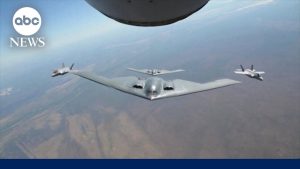
While the aircraft is known for its impressive payload, durability, and endurance, one of the most intriguing questions aviation enthusiasts and military analysts alike ask is: How long does it take a B-52 to fly around the world?
Understanding this requires digging into its technical specs, mission capabilities, fuel range, airspeed, and aerial refueling capacities. Flying around the globe is a monumental task for any aircraft, let alone a bomber carrying strategic payloads and requiring mid-air support.
This article will break down every aspect involved in calculating the B-52’s global flight capability and provide detailed, factual insight into the time it would take to complete such a mission.
We’ll also explore historic global missions by B-52s, aerial refueling procedures, real-time scenarios, and comparisons with other military aircraft.
By the end of this article, you’ll have a comprehensive understanding of just how powerful and far-reaching the B-52 Stratofortress truly is.
How Long Does It Take A B 52 To Fly Around The World?
1. Technical Specifications of the B-52 Stratofortress
The B-52 is a subsonic, jet-powered strategic bomber developed by Boeing and operated by the U.S. Air Force since 1955. Despite its age, it remains a key component of the U.S. strategic nuclear and conventional bomber fleet.
Key specs include:
-
Top Speed: 650 mph (1,046 km/h)
-
Cruising Speed: Approximately 525 mph (845 km/h)
-
Range (without refueling): About 8,800 miles (14,080 km)
-
Maximum Takeoff Weight: 488,000 pounds (221,353 kg)
-
Fuel Capacity: 47,975 gallons
-
Service Ceiling: 50,000 feet
-
Crew: 5 (pilot, co-pilot, radar navigator, navigator, electronic warfare officer)
These specs are critical in estimating how long a B-52 would take to fly around the Earth, which has a circumference of approximately 24,901 miles (40,075 km) at the equator.
2. Fuel Capacity and Aerial Refueling
A B-52 cannot complete a global flight without aerial refueling. While its unrefueled range is 8,800 miles, the use of mid-air refueling by KC-135 Stratotankers or KC-46 Pegasus tankers allows it to dramatically extend its flight time.
How Many Refuelings Would Be Required?
To travel 24,901 miles (circumference of Earth), and assuming maximum efficiency with minimal deviations:
-
Distance covered before refueling: ~8,800 miles
-
Minimum refuelings required: 2–3, depending on weight, route, and altitude
Time for Aerial Refueling
Each aerial refueling adds approximately 30–60 minutes to the flight, including maneuvering, docking, and disengagement.
So, planning for 3 refuelings, the B-52 would require an additional 1.5 to 3 hours of time added to its global flight.
3. Calculating the Flight Time Around the World
Let’s assume a cruise speed of 525 mph, the standard for efficient long-range missions.
Basic Time Calculation Without Refueling:
Adding Refueling Time (2 to 3 hours):
Total Estimated Flight Time = 47.43 + 2.5 ≈ 49.93 hours (~50 hours)
So, under optimal conditions, a B-52 can circle the globe in approximately 50 hours, assuming uninterrupted flight and aerial refueling.
4. Real-World Missions and Endurance Demonstrations
Historically, the B-52 has proven its endurance:
Operation Chrome Dome (1960s)
B-52s flew continuous airborne alert missions with nuclear weapons, staying airborne for up to 24 hours at a time.
Round-the-World Missions
In 1994, a B-52H completed a 35-hour non-stop bombing mission from Louisiana to the Middle East and back, with multiple refuelings. This showed not only long-distance capability but real combat application on a global scale.
5. Challenges of a Global B-52 Flight
Flying a B-52 around the world isn’t just about range and speed. Several logistical and operational challenges include:
1. Crew Fatigue
-
Even with a 5-member crew, operating for nearly 50 hours is exhausting.
-
Crew rotations are not possible mid-flight, making it grueling.
2. Airspace Clearance
-
Overflying foreign territories requires diplomatic clearance.
-
Strategic bombers might raise tensions or violate airspace protocols.
3. Refueling Coordination
-
Tankers must rendezvous precisely at pre-determined global points.
-
Weather or timing miscalculations could disrupt the plan.
6. Strategic Implications of Global Reach
The B-52’s ability to fly around the world is more than an aviation feat—it’s a strategic message. It symbolizes the U.S. military’s global reach and rapid response capability.
Such missions are often used to:
-
Deter adversaries
-
Showcase long-range strike capability
-
Conduct rapid power projection exercises
-
Enhance interoperability with allies
Even though such flights are rare, the B-52’s endurance ensures that it can strike anywhere in the world within a few hours if required.
7. B-52 vs Other Long-Range Bombers
How does the B-52 compare with other global bombers?
| Aircraft | Max Range (Unrefueled) | Top Speed | Crew |
|---|---|---|---|
| B-52 | 8,800 miles | 650 mph | 5 |
| B-2 Spirit | 6,900 miles | 628 mph | 2 |
| B-1B Lancer | 7,455 miles | 900+ mph | 4 |
| Tu-160 (Russia) | 7,643 miles | 1,380 mph | 4 |
Although not the fastest, the B-52 outperforms most in endurance and versatility. Its ability to carry both conventional and nuclear payloads gives it unmatched strategic value.
How Long Does It Take A B 52 To Fly Around The World FAQs
1. How fast can a B-52 fly?
The B-52 has a top speed of 650 mph, but its typical cruising speed is around 525 mph for long-range missions.
2. Can the B-52 fly non-stop around the world?
No. It requires multiple in-flight refuelings, as its maximum unrefueled range is 8,800 miles—far short of the Earth’s 24,901-mile circumference.
3. How many hours can a B-52 fly continuously?
With proper refueling, it can stay airborne for up to 50 hours, although most missions are significantly shorter for crew safety.
4. What is the longest B-52 mission ever flown?
Some B-52 missions have exceeded 35 hours, such as global bombing simulations or long-range deployments during strategic exercises.
5. What is the role of tankers in B-52 global flights?
Tankers like the KC-135 Stratotanker provide aerial refueling to extend B-52 endurance, enabling it to reach targets thousands of miles away without landing.
6. Why is the B-52 still in service after 70 years?
Thanks to its modular upgrades, massive payload capacity, and unmatched endurance, the B-52 remains irreplaceable in strategic missions even today.
7. Is the B-52 faster than the B-2 or B-1?
No. The B-1B Lancer is faster at over 900 mph, while the B-2 Spirit is slightly slower than the B-52. However, the B-52 has greater endurance and payload versatility.
Conclusion
The B-52 Stratofortress remains one of the most enduring and iconic symbols of American air power. With aerial refueling support and optimal conditions, it can circle the globe in approximately 50 hours—a feat that speaks volumes about its design, engineering, and military capability.
This incredible endurance has made the B-52 not just a relic of Cold War strategy but a continued presence in modern warfare planning.
Its ability to project power across the globe, conduct long-range bombing runs, and operate under high-stress conditions has secured its place as one of the most reliable aircraft in the U.S. arsenal.
Ready to learn more about aviation marvels like the B-52? Subscribe to our newsletter, explore our in-depth military aviation archives, and stay updated with the latest in strategic aircraft technology. Knowledge is power—let’s fly through it together!
How Long Does It Take B-2 Bombers To Get To Iran?
The B-2 Spirit bomber is one of the most advanced and stealth-capable aircraft in the world. Known for its flying-wing design and radar-evading capabilities, the B-2 is a key component of the United States’ long-range strategic strike force.
With tensions occasionally rising in the Middle East, especially concerning Iran, one question often arises: How long would it take a B-2 bomber to reach Iran from its base of origin?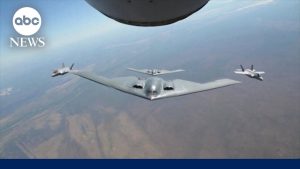
This question isn’t just about raw flight time—it involves complex considerations such as airspeed, refueling, stealth operations, and geopolitical logistics.
This article explores these dimensions, offering readers a comprehensive view of how B-2 bombers operate, the logistics of reaching Iran, and the broader implications of such military capabilities.
How Long Does It Take B-2 Bombers To Get To Iran?
1. Understanding the B-2 Spirit Bomber
The Northrop Grumman B-2 Spirit is a strategic bomber featuring low observable stealth technology designed to penetrate dense anti-aircraft defenses. Developed during the Cold War, it was intended to deliver both conventional and nuclear payloads deep into enemy territory without detection. The B-2 can fly approximately 6,000 nautical miles unrefueled and up to 10,000 nautical miles with aerial refueling. Its top subsonic speed is around 628 mph (1,010 km/h). With these capabilities, it is no surprise that the aircraft is often considered in strategic discussions involving potential long-range strike missions.
The B-2 has a crew of two pilots and is capable of flying at altitudes exceeding 50,000 feet. It can carry up to 40,000 pounds of ordnance, including nuclear weapons, GPS-guided bombs, and bunker busters. These features make it uniquely suited for long-range, high-value target missions, such as striking key installations in hostile territories like Iran.
2. Launch Points: Where B-2 Bombers Take Off From
The primary base for B-2 operations is Whiteman Air Force Base in Missouri, USA. From here, B-2 bombers have been known to fly intercontinental missions lasting over 30 hours, including sorties to Afghanistan and Libya. In a scenario where B-2s are deployed to strike or surveil Iran, Whiteman AFB would likely serve as the starting point unless pre-positioned closer via allied bases or aircraft carriers.
Additionally, the U.S. Air Force often forward-deploys B-2s to strategic locations like Diego Garcia in the Indian Ocean or Andersen Air Force Base in Guam. These deployments drastically reduce flight time to potential targets and improve mission logistics. Each of these bases plays a critical role in enabling the United States to project air power rapidly and discreetly across the globe.
3. Flight Time to Iran from Key Locations
- From Whiteman AFB, Missouri to Tehran, Iran: This is a journey of approximately 6,700 miles. Given a cruising speed of about 600 mph, a non-stop, unrefueled trip would take around 11-12 hours, but real-world missions include refueling and strategic navigation, extending this to 15-20 hours one way.
- From Diego Garcia to Tehran: This distance is approximately 3,400 miles, translating to a flight time of 6-7 hours, allowing for much quicker strike or surveillance missions.
- From Guam to Tehran: This trip spans over 7,500 miles, taking 13-14 hours, but again potentially longer when considering air refueling and tactical routing.
These estimates depend heavily on mission specifics, including stealth routing to avoid radar, altitude variations, airspeed adjustments, and the number of required aerial refuels.
4. The Role of Aerial Refueling
B-2 bombers rely heavily on aerial refueling for long-distance missions. The United States maintains a fleet of KC-135 and KC-46 aerial tankers that allow bombers to remain airborne for extended periods. For a B-2 flying from Whiteman AFB to Iran and back, at least 3-5 in-air refuels may be necessary, depending on payload weight, route, and speed.
Refueling not only extends range but allows B-2s to take circuitous, radar-evading paths. This increases mission duration but significantly improves stealth and survivability. Without these tankers, B-2 bombers would not be able to undertake such deep penetration strikes from distant bases.
5. Stealth Considerations and Routing
One key aspect of B-2 operations is its stealth. Designed to avoid radar detection, the B-2 typically flies at high altitudes and uses unconventional flight paths to avoid radar systems. This means the B-2 doesn’t always take the shortest or fastest route.
A mission to Iran would likely involve a carefully mapped path that circumvents hostile airspace and avoids early-warning radar systems in countries like Russia, China, and Turkey. This adds hours to the journey and demands high-precision navigation, possibly guided by satellite and ground assets.
6. Real-World Mission Examples
Historical B-2 missions provide valuable insight. For example, during the 2003 Iraq invasion, B-2s flew 44-hour missions from Whiteman AFB to Iraq and back, including refueling. Similarly, in 2011, B-2s launched from the continental U.S. to Libya for bombing runs, demonstrating intercontinental strike capabilities.
Given this history, a round-trip to Iran (over 13,000 miles) is operationally feasible. However, such missions require massive planning, tanker coordination, airspace clearances, and stealth operations. These factors combined can stretch a mission timeline from hours to over two full days, including prep, flight, and recovery.
7. Political and Strategic Implications
Deploying B-2s toward Iran is not just a military question—it carries profound diplomatic weight. The presence of stealth bombers signals extreme readiness and escalates tensions. Any mission must be weighed against global political ramifications, regional stability, and strategic alliances.
Flight time is important, but so too is timing in a broader sense—when and why such missions are initiated. The U.S. may conduct such flights to demonstrate capability, deter aggression, or respond to imminent threats. The ability to launch B-2s rapidly and reach Iran within a day is a powerful tool of both warfare and diplomacy.
How Long Does It Take B-2 Bombers To Get To Iran FAQs
1. Can the B-2 bomber fly to Iran and return without landing? Yes, with aerial refueling, the B-2 can complete a round-trip mission to Iran and return to its original base, as has been done in past operations.
2. How many aerial refuels are required for a mission to Iran? Typically, a round-trip from the U.S. to Iran and back would require 3 to 5 in-air refuels depending on payload and routing.
3. How does stealth affect the route and time to Iran? Stealth requires avoiding radar-dense areas, which lengthens the route and increases total flight time. Missions are planned to maximize invisibility rather than speed.
4. Is Diego Garcia a permanent B-2 base? No, but it is a frequent forward-deployment location for B-2 operations and significantly reduces flight time to the Middle East.
5. What is the total mission time for a B-2 strike on Iran? Including outbound flight, refueling, loiter time over target, and return, total mission time can range from 30 to 45 hours.
6. Can the B-2 carry nuclear weapons to Iran? Yes, the B-2 is certified to deliver nuclear ordnance, though such a mission would be subject to the highest level of command and legal considerations.
7. How do weather conditions affect B-2 missions to Iran? Severe weather can alter routes, refueling timing, and operational safety, potentially extending mission time or delaying deployment.
Conclusion
In summary, the B-2 bomber is capable of reaching Iran within 11 to 20 hours depending on its launch point and mission specifics. Stealth, refueling, and routing make a direct path unlikely, but not unfeasible.
Whether launched from Missouri, Diego Garcia, or another strategic base, B-2s remain one of the most flexible and far-reaching military tools available to the U.S.
The ability to strike Iran without detection or warning is a potent strategic option, albeit one requiring immense coordination and political calculation.
If you found this article informative, share it with others to increase awareness about the strategic role of B-2 bombers. For more in-depth military analysis, follow our blog or subscribe for regular updates on defense technology, global security, and air power capabilities.