Modern warfare has evolved dramatically with advancements in technology and military strategy. One of the most awe-inspiring and strategically significant weapons in the U.S. arsenal is the 30,000-pound “bunker buster” bomb, officially known as the Massive Ordnance Penetrator (MOP).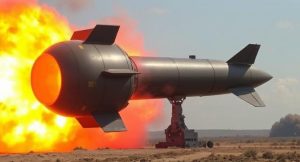
Designed to destroy deeply buried enemy facilities and fortified bunkers, this bomb is a game-changer in tactical airstrikes. Its immense size, destructive power, and precision targeting make it a critical tool for missions that require the neutralization of underground threats.
In this article, we will delve into the science, technology, and tactical application of the 30,000-pound bunker buster bomb. From its inception and development to its deployment capabilities and global impact, we will break down everything you need to know about this formidable weapon.
Whether you’re a military enthusiast or someone seeking to understand the future of warfare, this comprehensive guide will provide you with an in-depth look at how the MOP works and why it’s such a vital asset in modern defense systems.
How The 30,000-Pound “Bunker Buster” Bomb Works
1. The Origins and Development of the Massive Ordnance Penetrator (MOP)
The concept of the MOP began in the early 2000s, following increased concerns over hardened and deeply buried targets (HDBTs) around the globe. Military intelligence suggested that adversaries were developing underground facilities to hide command centers, weapons stockpiles, and nuclear programs.
In response, the Defense Threat Reduction Agency (DTRA) collaborated with military contractors to develop a bomb capable of penetrating deep into the earth before detonating. The development process included rigorous testing, design modifications, and field simulations.
By 2011, the GBU-57A/B Massive Ordnance Penetrator was operational. Designed specifically to be carried by the B-2 Spirit stealth bomber, the MOP was engineered for stealth deployment, maximum penetration, and devastating impact. It represented a leap forward from earlier bunker-busting technology.
2. Technical Specifications of the 30,000-Pound Bomb
The MOP is a beast of a weapon. Weighing approximately 30,000 pounds (13,600 kilograms), it is the heaviest precision-guided bomb in the U.S. military arsenal. It measures over 20 feet (6.2 meters) in length and has a diameter of 31.5 inches (0.8 meters).
The bomb contains over 5,300 pounds (2,400 kilograms) of high explosives. The majority of its weight is due to the dense steel casing, which allows it to penetrate as deep as 200 feet through reinforced concrete before detonating.
Its guidance system is GPS-based, ensuring precise delivery to the target. This level of accuracy is essential to maximize its effectiveness and minimize collateral damage in complex combat scenarios.
3. Delivery System: The Role of the B-2 Spirit Bomber
The B-2 Spirit stealth bomber is currently the only aircraft capable of delivering the MOP. The B-2 was chosen for its stealth capabilities, long range, and high payload capacity. These features are essential when deploying a weapon of this magnitude.
Before deployment, the B-2 undergoes careful mission planning, which includes trajectory calculations, weather analysis, and enemy defense assessments. The goal is to avoid detection and reach the target undisturbed.
Once the MOP is released, it relies on gravity and its massive weight to drive it downward with extraordinary kinetic energy. The GPS guidance then ensures it hits precisely where it’s needed, whether that’s an underground bunker or a fortified nuclear facility.
4. How the MOP Destroys Its Targets
The MOP works primarily through kinetic force and delayed detonation. When dropped from high altitude, the sheer mass and aerodynamic design allow it to reach supersonic speeds as it nears the target.
Upon impact, the steel casing penetrates layers of earth, rock, or reinforced concrete. After burrowing deep into the structure, a delayed fuse triggers the explosion, maximizing damage to underground facilities.
This combination of penetration and internal explosion is what sets the MOP apart from conventional bombs. It is not designed to explode on contact, but rather after it has infiltrated deep within enemy defenses.
5. Strategic Importance in Modern Warfare
In modern military conflicts, adversaries often construct underground facilities to shield weapons development, communication hubs, and leadership centers. These bunkers are usually impervious to traditional airstrikes.
The MOP provides the U.S. military with the ability to neutralize these strategic threats without deploying ground troops or launching a full-scale invasion. It represents a force multiplier in asymmetrical warfare.
With rising geopolitical tensions and rogue states developing underground nuclear capabilities, the importance of weapons like the MOP continues to grow. It is both a deterrent and a direct action tool in military planning.
6. Comparison with Other Bunker Buster Bombs
Before the MOP, the BLU-109 and BLU-118 were among the most powerful bunker busters. These bombs could penetrate several feet of reinforced concrete but had limitations in depth and explosive yield.
The MOP outclasses these earlier models in nearly every metric: penetration depth, explosive power, targeting precision, and delivery mechanisms. Its advanced design makes it the go-to choice for the most fortified and critical targets.
Other countries, such as Russia and China, are believed to be developing their own versions of heavy bunker busters, but the MOP remains unmatched in operational capability and proven effectiveness.
7. Ethical and Legal Considerations
The use of such powerful weapons brings up serious ethical and legal concerns. International laws regarding armed conflict require nations to avoid disproportionate harm to civilians and non-military infrastructure.
The MOP is designed for precision, but its sheer power means there’s always a risk of collateral damage, especially in densely populated areas or near cultural heritage sites. These risks necessitate careful intelligence and strategic planning.
Moreover, the psychological impact of using such a weapon can escalate conflicts, provoke retaliation, or fuel anti-U.S. sentiment in volatile regions. Its deployment is usually considered only when all other options are exhausted.
How The 30,000-Pound Bunker Buster Bomb Works (FAQs)
1. What is the purpose of the 30,000-pound bunker buster bomb?
The MOP is designed to destroy deeply buried and hardened targets like underground bunkers, missile silos, and nuclear facilities.
2. Can any aircraft carry the MOP?
Currently, only the B-2 Spirit stealth bomber is capable of carrying and deploying the MOP due to its size and weight.
3. How deep can the MOP penetrate before exploding?
The MOP can penetrate up to 200 feet of reinforced concrete or rock, depending on the conditions and composition of the target.
4. Is the MOP a nuclear bomb?
No, the MOP is a conventional bomb. It uses high explosives and kinetic force, not nuclear reactions, to destroy targets.
5. Has the MOP been used in combat?
The U.S. military has not publicly confirmed its use in combat, but it is maintained as a ready option for critical missions.
6. What makes the MOP different from other bunker busters?
Its size, explosive payload, penetration depth, and use with the B-2 bomber make it the most advanced and powerful of its kind.
7. Are other countries developing similar weapons?
Yes, countries like Russia and China are believed to be developing similar high-yield bunker buster bombs, but none have matched the MOP’s capabilities so far.
Conclusion
The 30,000-pound “bunker buster” bomb, or Massive Ordnance Penetrator, is a landmark in military technology. It represents the convergence of power, precision, and strategy in dealing with modern threats.
By providing the capability to strike hardened underground targets, it has reshaped the calculus of warfare and deterrence.
While its use carries significant ethical considerations, its role in global security is undeniable.As underground threats continue to evolve, so too will the need for advanced solutions like the MOP.
If you’re fascinated by military innovations and want to stay informed about the latest defense technologies, follow our blog for more in-depth articles and expert insights into the evolving landscape of warfare
Tenda vs TP-Link vs D-Link
When choosing a reliable networking solution for your home or office, Tenda, TP-Link, and D-Link stand out as three major players in the market. Each brand offers a range of products such as routers, range extenders, and switches, which are essential for seamless internet connectivity.
To help you make an informed decision, this detailed comparison explores the 10 best differences of Tenda vs TP-Link vs D-Link.
This article covers performance, pricing, design, features, user experience, customer support, and more.. Our goal is to help you identify which brand suits your specific networking needs.
Tenda vs TP-Link vs D-Link
1. Performance and Speed
Tenda is known for decent performance at a budget-friendly price, offering up to 1200Mbps speeds in dual-band routers. The brand is suitable for average home users who require stable connectivity for streaming and browsing. Tenda routers often use MediaTek chipsets, which perform moderately under heavy load.
TP-Link excels in performance, offering up to 5400Mbps in high-end models and utilizing advanced technologies like OFDMA and MU-MIMO.
Its AX series delivers reliable speed and strong signal strength for gamers and streamers. TP-Link routers are typically powered by Broadcom chipsets, ensuring better multitasking capabilities.
D-Link strikes a balance between price and performance, offering both entry-level and high-performance routers. D-Link’s Wi-Fi 6 models feature enhanced speed and range, making them ideal for medium to large homes. The brand frequently integrates Qualcomm chipsets, optimizing speed and device handling.
Tenda Pros
- Budget-friendly
- Easy setup
- Decent speed
- Dual-band support
- Compact design
- Basic parental control
- Suitable for homes
Tenda Cons
- Lower speeds
- Limited range
- Basic features
TP-Link Pros
- Fast speed
- Broad coverage
- MU-MIMO support
- Wi-Fi 6 ready
- OFDMA support
- High-end models
- Great for gamers
TP-Link Cons
- Costly models
- Complex UI
- Occasional firmware issues
D-Link Pros
- Balanced pricing
- Qualcomm chipset
- Versatile models
- Easy app control
- Reliable signal
- Wi-Fi 6 support
- Mesh options
D-Link Cons
- Average UI
- Limited firmware updates
- Fewer features
2. Design and Build Quality
Tenda routers have a minimalist design, often compact and lightweight, suitable for small spaces. Most models are built with standard plastic casings and include basic LED indicators. Despite being budget-friendly, their designs are simple yet functional.
TP-Link routers showcase a more futuristic and robust design with angular edges and multiple antennas. Higher-end TP-Link models often come with sleek black finishes and RGB lighting. Build quality is sturdy, appealing to users who prioritize aesthetics.
D-Link blends modern and utilitarian design, offering curved or compact models with multiple color choices. Its routers are built with durable materials, giving a premium feel at a mid-tier price. The design is suitable for both home and office setups.
3. Setup and Installation
Tenda routers offer plug-and-play simplicity with intuitive mobile and web setup options. The Tenda WiFi app streamlines the process with easy-to-follow instructions for beginners. Firmware updates can also be performed directly via the app.
TP-Link provides a highly guided setup experience through the Tether app and web interface. It allows step-by-step instructions, QR code scanning, and automatic firmware checks. TP-Link’s setup process is ideal for tech-savvy users seeking full customization.
D-Link makes installation user-friendly with the D-Link Wi-Fi app and browser-based setup. The app walks users through each step and supports remote configuration. Its setup process suits both beginners and experienced users.
4. Firmware and Updates
Tenda firmware updates are basic, offering essential bug fixes and occasional feature additions. Updates can be checked and installed manually via the Tenda app. However, the frequency of firmware releases is lower than competitors. TP-Link regularly rolls out firmware updates that include security patches and feature upgrades.
The brand is committed to long-term product support, particularly for newer models. TP-Link also provides beta firmware for advanced users. D-Link issues firmware updates less frequently, but they often come with security enhancements. Some models offer auto-update features to keep your network secure. Firmware rollout depends on the region and model.
5. Security Features
Tenda includes essential security features such as WPA2 encryption and basic firewall support. Parental controls and guest networks are also available on select models. These features are limited but adequate for small networks.
TP-Link offers a robust security suite with HomeCare, including antivirus, parental controls, and QoS. It supports WPA3 on newer models, ensuring strong encryption. Advanced firewall and access controls are also available.
D-Link integrates security tools such as WPA3, guest zones, and device blocking. Premium models offer additional controls like VPN support and IoT protection. D-Link focuses on practical security for general consumers.
6. Customer Support
Tenda provides email and phone support with limited online documentation. The official website includes basic FAQs and firmware downloads. However, live chat and user forums are lacking. TP-Link offers extensive customer support, including live chat, email, phone, and an active online community.
The knowledge base is regularly updated with troubleshooting guides and tutorials. TP-Link’s customer service is well-regarded for quick responses.
D-Link includes chat, email, and phone support along with a helpful knowledge base. Community forums and social media support provide additional resources. However, support hours can vary by region.
7. Price and Value
Tenda offers the best value for budget-conscious consumers with prices starting below $30. It provides essential features without sacrificing performance for the average user.
This brand is ideal for those who want cost-effective solutions. TP-Link offers a broad pricing spectrum from budget to premium products. The price is justified by cutting-edge technology and high performance. TP-Link is suitable for both casual users and tech enthusiasts.
D-Link maintains a mid-range pricing strategy with competitive features. It offers good value for users seeking reliable performance without overpaying. The brand’s price-performance ratio appeals to average consumers.
8. App Features and Compatibility
Tenda’s app includes basic features like device management, SSID customization, and parental controls. It supports remote access but lacks advanced configurations. The interface is clean and user-friendly.
TP-Link’s Tether app allows advanced customization including QoS, VPN, device prioritization, and guest access. It supports Alexa integration and remote network monitoring.
The app receives regular updates with new features. D-Link’s app offers solid customization options like Wi-Fi scheduling, signal optimization, and firmware updates. It supports remote management and notifications. The app’s interface is intuitive and modern.
9. Mesh System Support
Tenda Nova Mesh series offers budget-friendly mesh networking for seamless coverage. It provides consistent performance across multiple nodes. Setup is simple via the Tenda app. TP-Link Deco series is known for high-end mesh performance with AI-driven optimization.
It supports seamless roaming, auto channel selection, and parental controls. TP-Link leads in mesh innovation and coverage. D-Link Covr series provides decent mesh solutions at mid-tier prices. It supports seamless handoff, signal extension, and Alexa voice commands. D-Link offers good performance for medium-sized homes.
10. Global Availability and Warranty
Tenda has a growing global presence, especially in Asia and Africa. Warranty policies vary, with most models offering one-year coverage. Availability may be limited in some Western markets.
TP-Link is widely available across continents, including North America, Europe, and Asia. Products usually come with two to three-year warranties.
TP-Link also provides easy RMA services for replacements. D-Link has established global distribution in retail and online stores. Warranty coverage is typically one to two years depending on the product. D-Link’s service network is solid in most regions.
Tenda vs TP-Link vs D-Link FAQs
1. Which brand is more budget-friendly? Tenda is the most affordable among the three, making it ideal for basic home use and small offices.
2. Which router brand is better for gamers? TP-Link is best for gamers, thanks to its MU-MIMO, OFDMA, and QoS features in high-end models.
3. Which brand offers better security? TP-Link leads in security features with HomeCare, WPA3, and parental controls.
4. Are all three brands compatible with mesh systems? Yes, each brand offers mesh solutions: Tenda Nova, TP-Link Deco, and D-Link Covr.
5. Which has better customer support? TP-Link provides more comprehensive support through live chat, knowledge base, and forums.
6. Are firmware updates important? Yes, firmware updates enhance security and add features. TP-Link has the best update frequency.
7. What is the best option for medium homes? D-Link offers reliable performance at a moderate price, ideal for medium-sized households.
Conclusion
Choosing between Tenda, TP-Link, and D-Link depends on your specific needs—whether it’s budget, performance, or advanced features. Tenda is ideal for cost-conscious users who need reliable, no-frills networking. TP-Link offers the best performance and features for tech enthusiasts and gamers.
D-Link strikes a balance with dependable mid-range solutions and decent support. Each brand has its strengths, making it crucial to consider usage requirements before purchasing.
If you’re ready to enhance your home or office network, consider your needs and match them to the best brand outlined here. Share this guide with others seeking better connectivity. For more expert comparisons and buying guides, explore our site further. Don’t forget to check for deals on your preferred model. Stay connected, stay informed—upgrade your network today!
Why Was The Boeing 737 Max Banned? Find 10 Reasons
The Boeing 737 Max, once celebrated as a leap forward in aviation technology, became a symbol of corporate oversight failures and regulatory lapses following two tragic crashes that claimed 346 lives.
These incidents led to a global grounding of the aircraft and a reevaluation of safety protocols across the aviation industry.
This article delves into the top ten reasons behind the ban of the Boeing 737 Max, providing a comprehensive understanding of the factors that contributed to this unprecedented decision.
Why Was The Boeing 737 Max Banned? Find 10 Reasons
1. Fatal Crashes: Lion Air Flight 610 and Ethiopian Airlines Flight 302
In October 2018, Lion Air Flight 610 crashed into the Java Sea shortly after takeoff, killing all 189 passengers and crew. Less than five months later, Ethiopian Airlines Flight 302 went down near Addis Ababa, killing 157 people.
The similarities between the two accidents raised immediate red flags across the aviation community. The crashes were traced back to malfunctions in the aircraft’s automated systems, specifically the Maneuvering Characteristics Augmentation System (MCAS), leading to growing concerns about the plane’s safety.
2. Faulty MCAS System
The MCAS was a newly implemented software designed to prevent the aircraft from stalling by automatically adjusting the nose downward. However, in both crashes, erroneous readings from a single angle-of-attack sensor triggered the MCAS system unnecessarily.
This caused the aircraft to pitch down repeatedly, even when pilots attempted to override the system. The MCAS design’s reliance on a single sensor and its ability to override pilot input were significant safety oversights.
3. Lack of Pilot Training and Awareness
Boeing’s desire to market the 737 Max as an aircraft that did not require extensive pilot retraining played a crucial role in the lack of MCAS awareness among flight crews. Many pilots were unaware of the system’s existence and functionality.
Boeing had omitted detailed descriptions of MCAS from flight manuals, assuming the system would operate transparently. This gap in training and information critically compromised the ability of pilots to respond effectively in emergency situations.
4. Certification Process Flaws
The Federal Aviation Administration (FAA), responsible for certifying aircraft in the U.S., was heavily criticized for delegating substantial portions of the 737 Max’s safety assessments to Boeing itself.
This self-certification process, driven by cost and time-saving motives, created a conflict of interest. The FAA later admitted it was unaware of how powerful MCAS could be until after the Lion Air crash, revealing a systemic failure in the certification process.
5. Global Regulatory Backlash
Following the Ethiopian Airlines crash, aviation regulators worldwide lost confidence in the FAA’s oversight. Countries including China, the European Union, and Canada moved swiftly to ground the 737 Max, even before the U.S. did.
This international response highlighted a shift in trust and authority, as global aviation bodies chose to conduct their own assessments rather than relying on the FAA’s judgments.
6. Inadequate Safety Testing
Reports emerged that Boeing conducted insufficient safety testing of the MCAS system and failed to fully simulate how pilots might react to erroneous activations. The company also underestimated the worst-case scenarios.
These oversights stemmed from a rush to bring the aircraft to market and compete with Airbus’ A320neo. Cutting corners during testing led to catastrophic consequences and raised serious concerns about safety protocols in aircraft development.
7. Financial and Market Pressures
The 737 Max was Boeing’s answer to the Airbus A320neo, which had already dominated the market with better fuel efficiency. Facing pressure from shareholders and customers, Boeing expedited the development and approval process.
This urgency led to cost-cutting measures that compromised safety, including the implementation of the MCAS system without thorough vetting and proper pilot training. Financial motivations overshadowed engineering prudence.
8. Poor Communication and Transparency
Boeing’s internal communication failures and lack of transparency with regulators, airlines, and pilots further fueled the crisis. Internal emails revealed that some Boeing employees expressed concerns about the MCAS system long before the crashes occurred.
Despite this, Boeing failed to act on these warnings or disclose them to the FAA and airline customers. The concealment of vital information eroded trust and led to increased scrutiny.
9. Public and Media Pressure
The high-profile nature of the crashes and the ensuing media coverage intensified public scrutiny. Families of the victims, investigative journalists, and aviation experts consistently questioned Boeing’s decisions and the FAA’s role.
The public outcry played a critical role in pressuring regulators to take action, leading to an unprecedented worldwide ban of the 737 Max.
10. Loss of Trust in Boeing and the FAA
Perhaps the most lasting impact was the erosion of trust in Boeing as a company and in the FAA as a regulator. Airlines, passengers, and aviation authorities began to doubt Boeing’s commitment to safety and the FAA’s ability to enforce standards.
Rebuilding this trust required extensive investigations, re-certifications, and corporate restructuring, underscoring the deep ramifications of the initial failures.
Why Was The Boeing 737 Max Banned FAQs
1. What is the MCAS system on the Boeing 737 Max?
MCAS, or Maneuvering Characteristics Augmentation System, is a software designed to automatically push the aircraft’s nose down to prevent stalling. It was implicated in both the Lion Air and Ethiopian Airlines crashes due to erroneous sensor inputs.
2. How many people died in the Boeing 737 Max crashes?
A total of 346 people died: 189 in the Lion Air Flight 610 crash and 157 in the Ethiopian Airlines Flight 302 crash.
3. When was the Boeing 737 Max banned?
Most countries began grounding the aircraft in March 2019, following the Ethiopian Airlines crash. The FAA grounded it on March 13, 2019.
4. Has the Boeing 737 Max returned to service?
Yes, after extensive reviews and software updates, the Boeing 737 Max was cleared to return to service starting in late 2020 in the U.S. and other regions after meeting enhanced safety requirements.
5. Did pilots know about MCAS before the crashes?
Many pilots were not adequately informed about the MCAS system. It was not thoroughly described in flight manuals or training materials.
6. What changes were made to the Boeing 737 Max after the crashes?
Software updates were applied to MCAS to prevent it from activating based on a single sensor. Additional pilot training and more comprehensive safety checks were also implemented.
7. Who was held responsible for the Boeing 737 Max issues?
Boeing faced legal action, regulatory penalties, and executive changes. The FAA also faced criticism and reevaluated its certification processes.
Conclusion
The Boeing 737 Max crisis was a tragic reminder of what can go wrong when profit, speed, and competition overshadow safety, transparency, and responsibility. The series of preventable mistakes led to devastating consequences, both in terms of human lives and corporate reputation.
The ban of the aircraft served as a wake-up call to the aviation industry, prompting reforms in aircraft certification, pilot training, and regulatory oversight. While the 737 Max is now back in service, its history remains a case study in aviation risk management and crisis response.
If you found this article insightful, share it with others to raise awareness about aviation safety. Bookmark our site for more in-depth content on aerospace, technology, and global safety standards. Let’s ensure that tragedies like this never repeat by staying informed and vigilant
Why The Boeing 737 Max Has Been Such A Mess
The Boeing 737 Max was launched to compete with Airbus’s growing dominance in the single-aisle aircraft market. Promising better fuel efficiency, longer range, and advanced avionics, the Max was expected to be a major success.
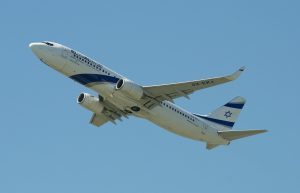
However, soon after entering service in 2017, issues began to surface. Two fatal crashes involving Lion Air Flight 610 in October 2018 and Ethiopian Airlines Flight 302 in March 2019 caused global grounding of the entire fleet.
The tragedy exposed serious flaws in Boeing’s development approach, the design of the Maneuvering Characteristics Augmentation System (MCAS), and regulatory oversight by the Federal Aviation Administration (FAA).
In this article, we will explore the complex factors that contributed to the Boeing 737 Max crisis—from technical design flaws and corporate pressures to regulatory oversights and the aftermath that reshaped aviation safety standards.
Whether you are an aviation enthusiast, industry professional, or simply curious about one of the most talked-about aircraft of the 21st century, this deep dive will provide clarity and insights.
Why The Boeing 737 Max Has Been Such A Mess
1. Boeing’s Market Pressure and the Rush to Compete
The genesis of the 737 Max problems begins with Boeing’s urgent need to respond to the Airbus A320neo’s success. Airbus introduced the A320neo in 2010 with more efficient engines and promised fuel savings that attracted many airlines.
-
Boeing’s Competitive Urgency: To maintain market share, Boeing opted to upgrade the 737 airframe rather than develop a brand-new model. This decision meant adapting newer, larger engines onto an older fuselage design dating back to the 1960s.
-
Legacy Design Constraints: The 737’s low ground clearance limited engine placement, requiring the engines to be mounted further forward and higher than on previous models. This change altered the plane’s aerodynamics.
-
Compressed Timeline: Boeing pushed the 737 Max into production rapidly, cutting corners on testing and design validation to compete quickly.
2. The MCAS System and Its Flaws
The Maneuvering Characteristics Augmentation System (MCAS) is at the heart of the 737 Max controversy. It was designed to automatically push the plane’s nose down if sensors detected a stall risk due to the new engine placement.
-
Limited Redundancy: MCAS relied on data from a single Angle of Attack (AoA) sensor, which made it vulnerable to false readings.
-
Hidden from Pilots: The MCAS system was not fully disclosed in pilot manuals or training, leaving pilots unaware of its behavior and how to override it.
-
Aggressive Control: In both crashes, faulty AoA sensor data caused MCAS to repeatedly push the nose down, despite pilot efforts to regain control.
3. Failures in Pilot Training and Documentation
Boeing’s decision to market the 737 Max as a plane that did not require extensive new pilot training was a significant factor.
-
Minimal Simulator Time: Airlines were encouraged to train pilots on the 737 Max with simple computer-based modules rather than full-motion simulators.
-
Insufficient Pilot Awareness: Many pilots were unaware of MCAS or how to respond in the event of its activation.
-
Inadequate Response Protocols: Boeing underestimated the risk that MCAS could repeatedly activate erroneously, which required specific corrective procedures that were not adequately communicated.
4. Regulatory Oversight and FAA’s Role
The FAA’s certification process for the 737 Max has come under intense scrutiny.
-
Delegated Authority: Boeing was granted increased authority to certify aspects of the aircraft itself, which critics say led to insufficient independent review.
-
Inadequate Evaluation of MCAS: FAA engineers initially misunderstood the full implications of MCAS, especially its ability to override pilot inputs.
-
Political and Economic Pressures: There were pressures to keep the plane certified to maintain U.S. aerospace industry competitiveness, potentially compromising thorough safety assessments.
5. The Crashes and Global Grounding
-
Lion Air Flight 610 (October 29, 2018): The aircraft crashed into the Java Sea shortly after takeoff, killing all 189 on board.
-
Ethiopian Airlines Flight 302 (March 10, 2019): The aircraft crashed near Addis Ababa, killing all 157 on board.
-
Global Reactions: Following the second crash, countries worldwide grounded the Boeing 737 Max pending investigations.
6. Boeing’s Response and Reputation Damage
-
Initial Denials and Defensiveness: Boeing initially defended the safety of the 737 Max and MCAS.
-
Leadership Changes: Boeing CEO Dennis Muilenburg was replaced amid mounting criticism.
-
Compensation and Settlements: Boeing agreed to billions in settlements with families and regulators, but public trust was deeply eroded.
-
Software Fixes: Boeing released MCAS software updates and revised pilot training requirements, working with regulators to recertify the aircraft.
7. Lessons Learned and Industry Impact
-
Improved Transparency: The crisis highlighted the need for full disclosure of critical systems to pilots and regulators.
-
Regulatory Reform: The FAA has revised its certification process to enhance independent oversight.
-
Pilot Training Overhaul: Airlines now require extensive 737 Max simulator training.
-
Corporate Governance: Boeing faces ongoing scrutiny regarding corporate culture prioritizing profits over safety.
Why The Boeing 737 Max Has Been Such A Mess (FAQs)
1. What caused the Boeing 737 Max crashes?
The crashes were primarily caused by the MCAS system, which was triggered by faulty sensor data and repeatedly pushed the plane’s nose down. Pilots were not adequately trained to override this system, leading to loss of control.
2. Why was the MCAS system created?
MCAS was designed to compensate for changes in the 737 Max’s aerodynamics caused by larger engines positioned further forward. It was intended to make the plane handle similarly to previous 737 models.
3. Why didn’t Boeing inform pilots about MCAS?
Boeing aimed to minimize pilot retraining and maintain commonality with previous 737 models. They believed MCAS was a minor system and did not fully disclose it in manuals or training materials.
4. How did the FAA approve the 737 Max?
The FAA delegated much of the certification process to Boeing under a program that allows manufacturers to self-certify certain aspects. This arrangement has been criticized for lacking rigorous independent oversight.
5. What changes have been made to fix the 737 Max?
Boeing updated the MCAS software to use inputs from multiple sensors and limited its authority. Pilot training was enhanced, and the FAA required simulator training before pilots could fly the Max again.
6. Is the Boeing 737 Max safe to fly now?
After extensive testing and recertification, many countries have cleared the 737 Max to return to service. The aircraft has been flying safely for years since the fixes were implemented, but some public skepticism remains.
7. What lessons has the aviation industry learned?
The crisis underscored the importance of transparency, rigorous testing, independent regulatory review, and comprehensive pilot training in ensuring aviation safety.
Conclusion
The Boeing 737 Max crisis was the result of a perfect storm of rushed design decisions, flawed automation, inadequate pilot training, and regulatory shortcomings. While Boeing has made significant efforts to correct these issues, the damage to its reputation and to public trust in aviation safety has been profound.
This episode serves as a critical reminder that technological innovation must always be balanced with rigorous safety standards and ethical corporate governance.
The aviation industry continues to evolve, taking these hard lessons to heart to prevent a similar tragedy in the future. For passengers and industry stakeholders alike, vigilance and transparency remain key to flying safely.
If you found this article insightful, don’t forget to share it with others and stay informed about aviation safety developments. Subscribe to our newsletter for more expert analyses and updates
Wanja Nyarari Job In Kenya
In the dynamic landscape of Kenyan media, certain personalities stand out not only for their professional achievements but also for their personal narratives that resonate with many.
One such individual is Wanja Nyarari, whose journey in the Kenyan media industry has been both inspiring and impactful.
This article delves into Wanja Nyarari’s career, her contributions to media, and the broader context of job opportunities in Kenya’s media sector.
Wanja Nyarari Job In Kenya
Wanja Nyarari: A Glimpse into Her Career
Wanja Nyarari has made significant strides in the Kenyan media industry. Her career is marked by dedication, resilience, and a commitment to storytelling. While specific details about her current roles are limited, her influence is evident through various media appearances and contributions. Notably, she has been involved in discussions highlighting personal stories, such as supporting her adopted son’s educational journey, which garnered attention in local media.
The Media Landscape in Kenya
Kenya’s media industry is one of the most vibrant in Africa, characterized by a diverse range of outlets, including television, radio, print, and digital platforms. The sector has experienced rapid growth over the past decades, driven by technological advancements and a growing appetite for content. This growth has opened up numerous job opportunities for aspiring media professionals.
Job Opportunities in Kenya’s Media Sector
For individuals aspiring to build a career in media, Kenya offers a plethora of opportunities across various domains:
- Journalism: Reporting for newspapers, magazines, television, and online platforms.
- Broadcasting: Roles in radio and television as presenters, producers, and technicians.
- Digital Media: Content creation for social media, blogs, and digital news outlets.
- Public Relations: Managing communication between organizations and the public.
- Advertising: Crafting promotional content for various media channels.
Navigating the Job Market
Securing a job in Kenya’s media industry requires a strategic approach:
- Education and Training: Pursuing relevant courses in journalism, mass communication, or digital media.
- Networking: Building connections with industry professionals through events and workshops.
- Portfolio Development: Creating a robust portfolio showcasing your work, be it articles, videos, or social media campaigns.
- Internships: Gaining practical experience through internships with media houses or PR firms.
Challenges in the Media Job Market
While opportunities abound, aspiring media professionals may face challenges such as:
- Competition: A high number of qualified candidates vying for limited positions.
- Technological Changes: The need to continually adapt to new tools and platforms.
- Job Security: The prevalence of short-term contracts and freelance work.
Wanja Nyarari Job In Kenya FAQs
-
Who is Wanja Nyarari?
- Wanja Nyarari is a notable figure in Kenya’s media industry, recognized for her contributions to journalism and storytelling.
-
What are the primary sectors within Kenya’s media industry?
- The industry encompasses journalism, broadcasting, digital media, public relations, and advertising.
-
How can one start a career in Kenyan media?
- Begin by acquiring relevant education, building a portfolio, networking, and seeking internships.
-
What challenges do media professionals face in Kenya?
- Challenges include intense competition, rapid technological changes, and job insecurity.
-
Are there growth opportunities in Kenya’s media sector?
- Yes, the sector is growing, especially in digital media, offering numerous opportunities.
-
How important is digital literacy in the current media landscape?
- Digital literacy is crucial, as much of the media consumption has shifted online.
-
What role do internships play in media careers?
- Internships provide practical experience, industry exposure, and networking opportunities.
Conclusion
Kenya’s media industry presents a dynamic and evolving landscape filled with opportunities for those passionate about storytelling and communication. Figures like Wanja Nyarari exemplify the impact one can have through dedication and resilience.
Aspiring media professionals should equip themselves with relevant skills, remain adaptable to technological advancements, and actively seek opportunities to grow in this vibrant sector.
Call to Action If you’re passionate about making a mark in Kenya’s media industry, now is the time to act. Pursue relevant education, build your portfolio, and immerse yourself in the ever-evolving world of media. Your journey, much like Wanja Nyarari’s, can inspire and inform future generations.
What Is The Difference Between Social Housing And Affordable Housing In Kenya?
In Kenya, housing policies aim to address the diverse needs of its population, particularly focusing on low to middle-income earners.Two primary strategies employed are social housing and affordable housing.
Although these terms are often used interchangeably, they represent distinct approaches with unique objectives, funding mechanisms, and target demographics.
Understanding the differences between social housing and affordable housing is crucial for policymakers, developers, and citizens alike, as it informs the development and implementation of effective housing solutions.
What Is The Difference Between Social Housing And Affordable Housing In Kenya?
Social Housing in Kenya
Social housing refers to rental accommodations provided by the government or non-profit organizations at below-market rates, primarily targeting low-income individuals and families who cannot afford private rental housing. In Kenya, social housing initiatives focus on offering basic and affordable shelter to the most vulnerable populations, including those living in informal settlements and earning up to Ksh19,999 monthly. These homes provide a secure foundation for individuals and families, enabling them to build a brighter future.
Affordable Housing in Kenya
Affordable housing encompasses a broader spectrum of housing options designed to be financially accessible to a wider range of income levels, particularly low to middle-income earners. In Kenya, the government’s Affordable Housing Programme aims to provide decent and affordable housing options to middle-income earners, with prices ranging from Ksh840,000 to Ksh5.76 million, depending on the unit size and type. This initiative seeks to make homeownership more attainable for a larger segment of the population by offering competitively priced housing units.
Key Differences Between Social Housing and Affordable Housing
-
Target Demographic: Social housing is primarily aimed at low-income earners, including those living in informal settlements and earning up to Ksh19,999 monthly. In contrast, affordable housing targets a broader income bracket, encompassing low to middle-income earners with monthly incomes ranging from Ksh20,000 to Ksh149,000.
-
Ownership vs. Rental: Social housing units are typically offered on a rental basis, providing affordable rental options for those who cannot afford to purchase homes. Affordable housing units, however, are designed to facilitate homeownership, offering various financing options to enable individuals and families to own their homes.
-
Pricing and Unit Sizes: Social housing units are generally smaller and more basic, with prices ranging from Ksh640,000 for a studio unit to Ksh1,280,000 for a two-bedroom unit. Affordable housing units offer a wider range of sizes and amenities, with prices ranging from Ksh1,000,000 for a studio unit to Ksh3,200,000 for a two-bedroom unit.
Financing Options: Affordable housing units are available with various financing options, including mortgage facilities with favorable terms, to ease the burden of homeownership. Social housing units, being rental accommodations, do not typically involve mortgage financing but may offer subsidized rent to ensure affordability.
-
Amenities and Infrastructure: Affordable housing projects often include better amenities and infrastructure compared to social housing projects. This may include improved access to utilities, recreational facilities, and better-quality construction materials.
What Is The Difference Between Social Housing And Affordable Housing In Kenya FAQs
-
What is the main goal of social housing in Kenya?
The main goal of social housing in Kenya is to provide affordable rental accommodations to low-income individuals and families, particularly those living in informal settlements and earning up to Ksh19,999 monthly.
-
Who qualifies for affordable housing in Kenya?
Affordable housing in Kenya targets low to middle-income earners with monthly incomes ranging from Ksh20,000 to Ksh149,000. These individuals and families are eligible to apply for affordable housing units under the government’s Affordable Housing Programme.
-
How does the pricing of social housing units compare to affordable housing units?
Social housing units are generally more affordable, with prices ranging from Ksh640,000 for a studio unit to Ksh1,280,000 for a two-bedroom unit. Affordable housing units are priced higher, ranging from Ksh1,000,000 for a studio unit to Ksh3,200,000 for a two-bedroom unit.
-
Are there financing options available for affordable housing units?
Yes, affordable housing units in Kenya are available with various financing options, including mortgage facilities with favorable terms, to ease the burden of homeownership.
-
What amenities are typically included in affordable housing projects?
Affordable housing projects often include better amenities and infrastructure compared to social housing projects. This may include improved access to utilities, recreational facilities, and better-quality construction materials.
-
Can low-income earners apply for affordable housing units?
Yes, low-income earners can apply for affordable housing units; however, they may also qualify for social housing units, which are specifically designed to cater to their income bracket and offer more affordable options.
-
How does the government support the development of social and affordable housing in Kenya?
The Kenyan government supports the development of social and affordable housing through various initiatives, including public-private partnerships, provision of subsidies and incentives to developers, and implementation of favorable policies to encourage investment in the housing sector.
Conclusion
Understanding the distinctions between social housing and affordable housing in Kenya is essential for developing effective housing policies and programs that cater to the diverse needs of the population.
Social housing focuses on providing affordable rental accommodations to low-income individuals and families, while affordable housing aims to facilitate homeownership for low to middle-income earners through various financing options.
By recognizing these differences, stakeholders can better address the housing challenges in Kenya and work towards ensuring that all citizens have access to safe and affordable housing.
If you are interested in exploring affordable housing options in Kenya, consider reaching out to reputable developers and financial institutions to learn more about available programs and financing options. Taking the first step towards homeownership can lead to a more secure and prosperous future for you and your family.