
Despite their efficiency and effectiveness, boom sprayers also come with notable disadvantages that can impact their performance, cost-efficiency, and environmental footprint.
Below, we explore these drawbacks in detail to provide a comprehensive understanding of the challenges associated with using boom sprayers.
What Are The Disadvantages Of A Boom Sprayer? Complete Guide
1. High Initial Cost
Boom sprayers require a significant initial investment compared to simpler sprayers like backpack or hand-operated models. Their advanced features, large capacity, and precise application systems make them expensive to purchase. For small-scale farmers, this cost can be prohibitive.
2. Maintenance Complexity and Cost
Boom sprayers consist of intricate components such as pumps, nozzles, and control systems. Maintaining these parts requires regular servicing, specialized knowledge, and spare parts, which add to operating expenses. Failures in components like nozzles or spray booms can halt operations and lead to costly repairs.
3. Potential for Drift
One of the most critical disadvantages of boom sprayers is spray drift. High winds, improper calibration, or low-quality nozzles can cause chemicals to disperse beyond target areas, potentially harming non-target crops, wildlife, and nearby water bodies. This not only reduces efficiency but also raises environmental concerns.
4. Uneven Coverage on Uneven Terrain
Boom sprayers are most effective on flat or gently sloping terrain. On uneven or hilly fields, maintaining uniform spray coverage can be challenging. Uneven terrain may cause the spray booms to move erratically, leading to inconsistent chemical application.
5. Size and Maneuverability Limitations
Due to their large size, boom sprayers are less maneuverable in smaller fields or areas with obstacles such as trees and fences. This makes them unsuitable for farms with complex layouts, limiting their utility in such scenarios.
6. Dependence on External Power Sources
Boom sprayers are often powered by tractors or other machinery, which increases fuel consumption and operating costs. This dependence on external power sources also limits their usability in areas without access to compatible machinery.
7. Environmental Impact
The use of boom sprayers can contribute to environmental degradation through chemical overuse or misuse. Drift, runoff into water sources, and over-application can harm ecosystems, contaminate groundwater, and pose risks to human health.
8. Calibration Challenges
Achieving optimal performance requires precise calibration of the spray nozzles, boom height, and operating pressure. Improper calibration can result in over-application or under-application, both of which reduce efficiency and may damage crops or leave them vulnerable to pests and diseases.
9. Sensitivity to Weather Conditions
Boom sprayers are heavily influenced by environmental factors. Wind, temperature, and humidity affect the dispersion and effectiveness of sprays. Operations may need to be postponed during adverse weather conditions, leading to delays.
10. Heavy Weight
The substantial weight of boom sprayers can compact soil, particularly when used repeatedly on the same field. Soil compaction reduces aeration and water infiltration, ultimately impacting crop yields.
11. Skill Requirements
Operating a boom sprayer effectively requires training and experience. Misuse or lack of understanding of its controls and features can lead to inefficiencies, safety risks, and equipment damage.
12. Limited Applicability for Small Farms
For small-scale farms, the large size and capacity of boom sprayers may be excessive. Farmers with smaller fields may find other spraying solutions more practical and cost-effective.
What Are The Disadvantages Of A Boom Sprayer FAQs
- Why are boom sprayers expensive?
- Boom sprayers involve advanced technologies, high-capacity tanks, and precise application systems, making them costlier than simpler sprayers.
- How can spray drift be minimized?
- Use high-quality nozzles, maintain proper boom height, and avoid spraying during windy conditions to reduce drift.
- Are boom sprayers suitable for hilly terrain?
- They are less effective on uneven terrain due to difficulties in maintaining consistent spray coverage.
- What maintenance is required for boom sprayers?
- Regular cleaning, nozzle checks, and pump servicing are essential to ensure proper functioning.
- How does weather impact boom sprayers?
- Wind, humidity, and temperature influence spray dispersion and effectiveness, often delaying application.
- Can boom sprayers be used on small farms?
- While possible, their size and cost may not be justified for small-scale operations.
- What are alternatives to boom sprayers?
- Backpack sprayers, handheld sprayers, and air-assisted sprayers are better suited for smaller fields or specific tasks.
Conclusion
While boom sprayers are undeniably valuable for large-scale agricultural operations, their disadvantages must be carefully considered.
Factors such as cost, environmental impact, and operational limitations highlight the need for proper planning and responsible usage.
Farmers should weigh the pros and cons based on their specific requirements to make informed decisions about whether a boom sprayer is the right choice for their farm.
How To Clean An Electric Unicycle
Maintaining an electric unicycle (EUC) is essential for ensuring its longevity and optimal performance.
Cleaning your EUC not only enhances its appearance but also helps prevent issues caused by dirt and grime.
This comprehensive guide will walk you through the best practices and steps to clean your electric unicycle effectively.
You might also Like :10 Best Electric Unicycle For Beginners
How To Clean An Electric Unicycle A Comprehensive Guide
Why Cleaning Your Electric Unicycle is Important
Electric unicycles encounter various terrains and weather conditions, making them prone to dirt, mud, and moisture buildup. Regular cleaning offers several benefits:
- Improves Performance: Prevents clogging of moving parts.
- Enhances Durability: Reduces wear and tear on critical components.
- Safety Assurance: Keeps tires and brakes functioning properly.
Tools and Supplies Needed
Before you start cleaning your electric unicycle, gather the necessary supplies:
- Soft Cloths or Microfiber Towels: For wiping surfaces.
- Mild Detergent or Cleaner: Non-abrasive solutions to avoid damaging the finish.
- Soft Brush or Toothbrush: To clean hard-to-reach areas.
- Compressed Air Canister: For blowing away debris.
- Bucket of Warm Water: For gentle cleaning.
- Silicone Spray or Lubricant: To protect and lubricate parts.
- Protective Gear: Gloves and safety goggles, if needed.
Step-by-Step Guide to Cleaning an Electric Unicycle
1. Power Off and Remove the Battery
Safety first! Turn off the EUC and, if possible, remove the battery to prevent electrical damage during cleaning.
2. Remove Loose Dirt and Debris
Use a soft brush or compressed air to eliminate dust and dirt from the wheel, vents, and other crevices. Avoid using high-pressure air that could damage sensitive components.
3. Wipe Down the Surface
- Mix mild detergent with warm water.
- Dip a soft cloth into the solution and wring out excess water.
- Gently wipe the exterior, avoiding excessive moisture around electronic components.
4. Clean the Tire and Wheel
- Use a damp cloth or brush to scrub the tire and wheel.
- Check for embedded debris, such as stones or glass, and remove them carefully.
5. Clean the Pedals
- Fold the pedals and wipe them with a cloth dampened with the cleaning solution.
- Pay attention to the grip area, where dirt tends to accumulate.
6. Dry Thoroughly
- Use a dry microfiber towel to remove excess moisture.
- Allow the EUC to air dry completely before reassembling the battery.
7. Inspect and Lubricate Moving Parts
- Check hinges, axles, and other moving parts for dirt or rust.
- Apply a silicone spray or lubricant to ensure smooth operation.
Cleaning Tips for Different Parts
Body and Shell
- Avoid abrasive cleaners to prevent scratches.
- Use a damp cloth followed by a dry one for a polished finish.
LED Lights and Display Panel
- Use a slightly damp cloth to clean the lights and screen gently.
- Avoid using excessive water to prevent damage to the electronics.
Tires
- Inspect tires for wear and tear during cleaning.
- Maintain proper tire pressure for safety and efficiency.
Charging Port
- Ensure the charging port is dry and free of debris.
- Use a dry brush or compressed air for delicate cleaning.
Common Mistakes to Avoid
- Using Excess Water: Too much water can seep into electronic components, causing damage.
- Skipping Drying: Moisture left behind can lead to rust or electrical issues.
- Using Harsh Chemicals: Strong cleaners can degrade the material and finish of your EUC.
- Neglecting Regular Cleaning: Accumulated dirt can impact performance over time.
Maintenance Tips After Cleaning
- Store your EUC in a dry and clean environment.
- Regularly check for loose screws or parts.
- Recharge the battery only after ensuring it’s completely dry.
- Schedule deep cleaning every few months, especially if used in rough or wet conditions.
How To Clean An Electric Unicycle FAQs
1. How often should I clean my electric unicycle? It depends on usage. Clean your EUC after riding in muddy or dusty conditions or every 2-3 weeks for regular use.
2. Can I use a pressure washer to clean my EUC? No, high-pressure water can damage electronic components and seals. Stick to gentle cleaning methods.
3. What should I do if water enters the device? Turn it off immediately, remove the battery, and allow it to dry thoroughly. Consult a professional if issues persist.
4. Are there specific cleaners for electric unicycles? Yes, some brands offer specialized cleaning products. Ensure they are safe for electronic devices.
5. How do I clean the charging port safely? Use compressed air or a dry brush to remove debris. Avoid using water or wet materials.
6. Can I clean my EUC in direct sunlight? It’s best to clean in a shaded area to prevent rapid drying that could leave water spots.
7. Do I need to disassemble my EUC for cleaning? Not usually. Only remove parts like the battery or pedals if necessary for thorough cleaning.
Conclusion
Cleaning your electric unicycle is a straightforward process that ensures better performance, longevity, and safety.
By following these steps and tips, you can keep your EUC in top condition, ready for every ride.
Regular maintenance not only protects your investment but also enhances your overall riding experience
How To Choose An Electric Unicycle?
Electric unicycles (EUCs) are innovative personal transportation devices that combine technology and convenience.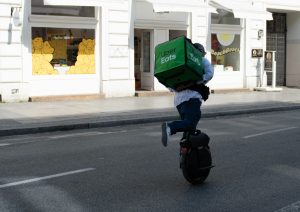
Choosing the right electric unicycle can be daunting, given the variety of models and features available.
This guide will help you understand the essential factors to consider when selecting the perfect EUC to suit your needs.
Also Check: 10 Best Electric Unicycle For Beginners
How To Choose An Electric Unicycle? Complete Guide
What is an Electric Unicycle?
An electric unicycle is a self-balancing, single-wheel vehicle powered by an electric motor and controlled through body movements.
These devices are popular for commuting, recreational activities, and even sports.
Key Features of Electric Unicycles:
- Self-Balancing Technology: Gyroscopes and accelerometers ensure stability.
- Compact Design: Ideal for urban commuting.
- Eco-Friendly: Powered by rechargeable batteries.
Factors to Consider When Choosing an Electric Unicycle
1. Purpose of Use
- Commuting: Look for a lightweight model with decent speed and range.
- Off-Roading: Opt for durable models with powerful motors and larger wheels.
- Recreation: Mid-range models often balance performance and affordability.
2. Wheel Size
- Small Wheels (10-14 inches): Provide agility, suitable for smooth surfaces.
- Medium Wheels (14-18 inches): Offer versatility for both urban and off-road terrains.
- Large Wheels (18-22 inches): Ensure stability and are ideal for rough terrains.
3. Battery Life and Range
The range of an electric unicycle depends on the battery capacity. Consider:
- Short Rides: Models with 15-20 miles range.
- Long Commutes: Models with a 40-60 miles range.
- Extended Adventures: High-capacity batteries offering over 80 miles per charge.
4. Top Speed
Consider your comfort and safety when evaluating speed:
- Beginners: Models with a maximum speed of 10-15 mph.
- Experienced Riders: Devices offering speeds up to 30 mph or more.
5. Motor Power
Motor power affects speed, acceleration, and climbing ability. Common options:
- 500-800W: Suitable for beginners and flat terrains.
- 1000-2000W: Ideal for intermediate users and moderate slopes.
- 2000W+: Designed for advanced riders tackling steep inclines and off-road paths.
6. Weight and Portability
- Lightweight models (20-30 lbs) are easier to carry but may lack advanced features.
- Heavier models (40-60 lbs) offer better stability and power but are less portable.
7. Durability and Build Quality
Choose a model with:
- Sturdy materials like aluminum or reinforced plastics.
- Water-resistance ratings for rainy conditions.
- Durable tires for longevity.
8. Safety Features
Safety is paramount. Look for:
- LED headlights and taillights for visibility.
- Protective gear like knee pads, wrist guards, and helmets.
- Speed alarms and tilt-back mechanisms to prevent accidents.
9. Price and Budget
Electric unicycles vary widely in price:
- Entry-Level: $300-$800.
- Mid-Range: $800-$1500.
- High-End: $1500-$3000+.
Popular Electric Unicycle Models
1. Inmotion V11
- Features: Suspension system, 18-inch wheel, 75-mile range.
- Best For: Off-road enthusiasts.
2. Kingsong KS-S18
- Features: Sleek design, 2200W motor, 62-mile range.
- Best For: Urban commuting and casual riders.
3. Gotway Nikola+
- Features: 100V battery, 2000W motor, 70-mile range.
- Best For: Experienced riders seeking speed and power.
4. Begode MCM5
- Features: Compact design, 1500W motor, 37-mile range.
- Best For: Beginners and city commuters.
How To Choose An Electric Unicycle FAQs
1. Is an electric unicycle hard to learn? Learning to ride an EUC requires practice. Most beginners can learn basic riding within a few hours.
2. Are electric unicycles safe? Yes, they are safe when used responsibly. Always wear protective gear and follow traffic rules.
3. Can electric unicycles be used in the rain? Many models are water-resistant, but it is essential to check the manufacturer’s specifications.
4. How long does it take to charge an electric unicycle? Charging times range from 2 to 8 hours, depending on the battery capacity and charger type.
5. What maintenance does an EUC require? Regularly check the tire pressure, clean the wheel, and inspect for wear and tear on critical components.
6. Can electric unicycles climb hills? Yes, models with higher motor power can handle steep inclines effectively.
7. Are EUCs suitable for long distances? Yes, models with high-capacity batteries are designed for extended journeys.
Conclusion
Choosing an electric unicycle involves balancing factors like purpose, wheel size, battery life, and budget.
Whether you are a beginner or an experienced rider, the right EUC can transform your commute and recreational activities.
Evaluate your needs and compare models to find the perfect electric unicycle that suits your lifestyle
Is a boomless sprayer better?

Each type of sprayer has unique advantages and disadvantages that make it suitable for different applications.
Is a Boomless Sprayer Better?
What is a Boomless Sprayer?
A boomless sprayer is designed with one or two nozzles that spray laterally to cover a wide area.
Unlike traditional boom sprayers that rely on a horizontal beam with multiple nozzles, boomless sprayers offer simplicity and versatility, especially in challenging terrains.
Advantages of Boomless Sprayers
- Compact and Easy to Maneuver: Boomless sprayers are smaller and more agile, making them ideal for tight spaces, such as orchards, pastures with obstacles, and rough terrains. They can easily navigate around trees, fences, and ditches.
- Simple Maintenance: With fewer parts compared to boom sprayers, boomless sprayers require less upkeep. This makes them an attractive option for users seeking low-maintenance equipment.
- Wide Spray Coverage: These sprayers excel in covering irregularly shaped or overgrown areas. The lateral spray pattern allows for effective application in uneven or rough landscapes.
- Versatile Applications: Ideal for spraying tall vegetation, overgrown areas, and controlling pests like mosquitoes due to their ability to spray at greater heights.
Disadvantages of Boomless Sprayers
- Inconsistent Coverage: The spray pattern may result in uneven chemical application, potentially leading to overuse or missed spots.
- Limited Wind Resistance: Spraying from a height increases susceptibility to wind drift, reducing efficiency and accuracy.
What is a Boom Sprayer?
A boom sprayer features multiple nozzles spread along horizontal arms (booms) that ensure uniform chemical application. These sprayers are popular for agricultural use, especially in large, flat fields.
Advantages of Boom Sprayers
- Precise Application: The evenly spaced nozzles provide consistent chemical coverage, ensuring minimal overlap and waste.
- High Efficiency: Ideal for large-scale applications, boom sprayers save time and reduce chemical usage by covering extensive areas uniformly.
- Wind Resistance: Positioned close to the ground, boom sprayers minimize chemical drift, even in breezy conditions.
- Extensive Coverage: Suitable for expansive, flat fields, ensuring thorough application with minimal missed spots.
Disadvantages of Boom Sprayers
- Bulky Design: The wide booms can be challenging to maneuver in confined spaces or areas with obstacles.
- Higher Maintenance Requirements: With multiple components, boom sprayers demand regular upkeep to ensure optimal performance.
Boomless vs. Boom Sprayers: A Comparison
| Feature | Boomless Sprayer | Boom Sprayer |
|---|---|---|
| Terrain Suitability | Best for rough, uneven terrains | Best for flat, expansive fields |
| Coverage | Broad but less uniform coverage | Precise and even coverage |
| Maintenance | Low maintenance due to fewer parts | Higher maintenance with multiple nozzles |
| Wind Resistance | Susceptible to drift | Minimal drift due to ground-level nozzles |
| Applications | Ideal for orchards, pastures, and pest control | Ideal for crop spraying and large-scale farming |
Choosing the Right Sprayer for Your Needs
Your choice should depend on your specific requirements:
- Choose a Boomless Sprayer if:
- You operate in rugged or uneven terrains.
- You need to spray in tight spaces or around obstacles.
- Simplicity and low maintenance are priorities.
- Choose a Boom Sprayer if:
- You work on large, flat fields requiring precise application.
- Efficiency and minimal chemical waste are essential.
- Wind resistance is a concern.
Is a Boomless Sprayer Better FAQs
1. Are boomless sprayers more cost-effective?
Yes, they often cost less upfront and require lower maintenance compared to boom sprayers.
2. Can boom sprayers handle hilly terrains?
While possible, boomless sprayers perform better in such conditions due to their compact design.
3. How do I reduce chemical drift with a boomless sprayer?
Use appropriate nozzles and spray during calm weather conditions to minimize drift.
4. Which sprayer is more durable?
Both can be durable with proper maintenance. Boom sprayers may require more frequent checks due to their complexity.
5. Are there hybrid sprayers available?
Yes, some models combine the benefits of both types for versatile applications.
6. Which sprayer is better for pest control?
Boomless sprayers are better suited for pest control due to their ability to spray at greater heights.
7. How do I maintain my sprayer?
Regular visual inspections, cleaning of nozzles and filters, and proper storage are crucial for both types.
Conclusion
The choice between a boomless and a boom sprayer depends on the nature of your work and the environment in which you operate.
Boomless sprayers are perfect for maneuvering through challenging terrains and obstacles, while boom sprayers offer precision and efficiency for large-scale operations.
Evaluate your requirements carefully to select the sprayer that aligns with your goals and ensures optimal performance for your tasks.
What Is The Highest Wind Speed Ever Recorded In Massachusetts?
Massachusetts, a state known for its rich history and scenic landscapes, has experienced a fair share of dramatic weather events throughout its history.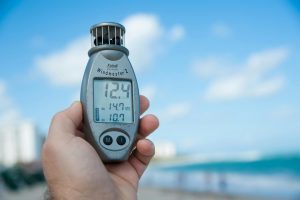
Among these, wind-related phenomena have been particularly noteworthy.
The question of the highest wind speed ever recorded in Massachusetts leads us into the fascinating realm of meteorological extremes and the state’s climatic history.
Reviews :10 Best Helmet For Electric Unicycle
What Is the Highest Wind Speed Ever Recorded in Massachusetts?
Understanding Wind Speed Measurement
Before delving into the specifics of Massachusetts’ highest wind speed, it’s essential to understand how wind speed is measured. Meteorologists use anemometers to gauge wind velocity. These devices are commonly installed at weather stations, and their readings are often supplemented by Doppler radar and satellite data during severe weather events.
Wind speeds are typically categorized using the Beaufort scale, which ranges from calm (0-1 mph) to hurricane-force winds (74+ mph). For extreme weather events, the Saffir-Simpson Hurricane Wind Scale further classifies wind speeds in hurricanes, starting from Category 1 (74-95 mph) to Category 5 (≥ 157 mph).
Massachusetts’ Climate and Wind Patterns
Massachusetts lies in the northeastern United States, within a region influenced by both maritime and continental climates. The state’s proximity to the Atlantic Ocean subjects it to nor’easters, hurricanes, and strong frontal systems, all of which can produce high winds. Additionally, its geography, including coastal areas and elevated regions like the Berkshires, contributes to variability in wind intensity.
The Record-Breaking Wind Speed in Massachusetts
The highest wind speed ever recorded in Massachusetts occurred during Hurricane Carol on August 31, 1954. During this devastating storm, wind gusts reached a staggering 135 miles per hour (mph) at Blue Hill Observatory in Milton, Massachusetts. This observation station, located at 635 feet above sea level, has been a key site for meteorological records since 1885.
Hurricane Carol remains one of the most powerful and destructive hurricanes to strike New England. Along with the record-setting wind speeds, it caused widespread damage, uprooting trees, destroying homes, and leaving millions without power. The hurricane’s overall impact highlighted the vulnerability of the region to such intense weather phenomena.
Comparing Hurricane Carol to Other Wind Events
While Hurricane Carol holds the record, Massachusetts has experienced other notable wind events:
- The Great New England Hurricane of 1938: Known as the Long Island Express, this hurricane brought wind gusts up to 121 mph in some parts of Massachusetts. It caused catastrophic damage across New England, with a death toll exceeding 600.
- Hurricane Bob (1991): With wind gusts reaching 100 mph in parts of Massachusetts, Hurricane Bob was a costly storm that left significant damage, particularly on Cape Cod and the islands.
- Nor’easters: Though not as intense as hurricanes, nor’easters can produce wind gusts exceeding 70 mph. For example, the Blizzard of 1978 brought fierce winds that caused coastal flooding and extensive property damage.
Factors Influencing High Wind Speeds in Massachusetts
Several factors contribute to high wind speeds in Massachusetts:
- Tropical Cyclones: Hurricanes and tropical storms often bring the highest wind speeds to the state. Their intensity depends on sea surface temperatures, atmospheric conditions, and their trajectory.
- Nor’easters: These storms, characterized by strong winds and heavy precipitation, often impact the region during fall and winter months. They derive their strength from differences in air pressure and the contrast between cold and warm air masses.
- Geography: Coastal areas and elevated terrains like Blue Hill Observatory experience higher wind speeds due to reduced friction and enhanced exposure to atmospheric currents.
- Jet Stream Influence: The jet stream, a high-altitude air current, can enhance wind speeds during storm systems, particularly during transitional seasons.
The Impact of High Winds in Massachusetts
The record-breaking wind speeds have had far-reaching effects on the state’s infrastructure, economy, and environment:
- Infrastructure Damage: High winds have caused extensive damage to buildings, power lines, and transportation systems. Hurricane Carol alone resulted in damages exceeding $460 million (equivalent to over $4 billion today).
- Environmental Consequences: Strong winds uproot trees, erode coastal areas, and disrupt ecosystems. The deforestation caused by Hurricane Carol permanently altered some landscapes.
- Economic Losses: Severe storms with high winds lead to significant economic losses from property damage, loss of business, and recovery costs.
- Human Impact: Beyond material damage, high wind events often result in fatalities, injuries, and displacement of communities.
Preparing for Extreme Wind Events
Given the historical precedent of high wind speeds, Massachusetts has developed measures to mitigate the impact of such events:
- Building Codes: Stricter building codes ensure structures can withstand higher wind speeds, particularly in coastal and elevated areas.
- Emergency Preparedness: The state’s emergency management agencies coordinate evacuation plans, resource distribution, and public awareness campaigns.
- Meteorological Advances: Enhanced forecasting techniques allow for more accurate predictions of wind events, giving residents and officials more time to prepare.
- Community Resilience Programs: Local initiatives focus on educating residents about wind hazards and fostering community-based preparedness.
What Is the Highest Wind Speed Ever Recorded in Massachusetts? FAQs
- What is the average wind speed in Massachusetts? The average wind speed in Massachusetts varies by location, with coastal areas experiencing higher averages (around 10-15 mph) compared to inland regions (5-10 mph).
- Has Massachusetts experienced Category 5 hurricane winds? No, Massachusetts has not experienced Category 5 hurricane winds. The strongest recorded winds, 135 mph, correspond to a Category 3 hurricane.
- What tools are used to measure wind speed? Wind speed is measured using anemometers, Doppler radar, and satellite observations.
- How do coastal areas influence wind speeds? Coastal areas experience higher wind speeds due to reduced friction over water and the influence of oceanic weather systems.
- What was the impact of Hurricane Carol’s winds? Hurricane Carol caused widespread damage, including destroyed homes, uprooted trees, and significant power outages, with damages exceeding $4 billion (adjusted for inflation).
- Are high wind speeds becoming more frequent in Massachusetts? Some studies suggest climate change may increase the frequency and intensity of extreme weather events, including high wind speeds.
- What precautions should residents take during high wind events? Residents should secure outdoor objects, stay indoors, avoid windows, and follow official evacuation and safety guidelines during high wind events.
Conclusion
The highest wind speed ever recorded in Massachusetts—135 mph during Hurricane Carol in 1954—stands as a testament to the power of nature and the state’s vulnerability to extreme weather events.
While this record highlights the potential for devastating wind storms, it also underscores the importance of preparedness, resilience, and scientific advancement in mitigating their impacts.
As climate change influences weather patterns, understanding and preparing for high wind events will remain a critical priority for Massachusetts and its residents.
10 Best E Bike For Food Delivery
Yet to figure out which are the Best E Bike For Food Delivery? The best E Bike for food delivery includes the Rad Power RadRunner 2 for its urban maneuverability, Juiced Bikes Scorpion X for affordability, Aventon Level for high load capacity, Tern GSD S10 for efficiency, and Riese & Müller Load 60 for long-range capabilities, ensuring top-rated performance and reliability.
- The food delivery industry has seen a significant rise in demand, leading to the need for efficient and eco-friendly transportation solutions.
- One such solution is the E Bike, a versatile and sustainable option for delivery riders.
- E Bikes for food delivery not only reduce the carbon footprint but also offer a cost-effective and reliable means of transportation.
In this article, we will explore the 10 best E Bikes for food delivery, each carefully selected for their performance, durability, and suitability for the job. Whether you’re an individual rider or a business owner looking to enhance your delivery fleet, these E Bikes are worth considering.
Reviews: 10 Best E Bike For Food Delivery
1. Rad Power RadRunner 2
The Rad Power RadRunner 2 is a top choice for food delivery, offering a perfect blend of power and practicality. Its 750W motor ensures swift deliveries, even on hilly terrains. With a payload capacity of 300 lbs, the RadRunner 2 can carry substantial loads, making it ideal for transporting multiple orders at once. The bike’s step-thru frame design allows for easy mounting and dismounting, which is crucial for quick deliveries.
Moreover, the RadRunner 2 comes with a range of customization options, including a large front basket and rear rack, allowing riders to tailor the bike to their specific delivery needs. The puncture-resistant tires ensure a smooth and safe ride, reducing the chances of downtime due to flats. The RadRunner 2’s battery life is impressive, offering up to 45 miles on a single charge, ensuring that delivery riders can complete their routes without frequent recharging.
Pros:
- High payload capacity
- Customizable accessories
- Powerful motor
- Step-thru frame
- Long battery life
- Puncture-resistant tires
- Smooth ride
Cons:
- Heavy build
- Expensive
- No suspension
2. Juiced Bikes HyperScrambler 2
The Juiced Bikes HyperScrambler 2 stands out with its dual battery system, providing an extraordinary range of up to 100 miles. This feature is particularly beneficial for food delivery riders who need to cover long distances without worrying about battery life. The 1000W motor delivers robust performance, allowing for quick accelerations and maintaining high speeds.
The HyperScrambler 2’s sturdy frame and large tires make it suitable for various terrains, ensuring reliable deliveries regardless of road conditions. Its integrated lighting system enhances visibility, promoting safety during night deliveries. Additionally, the bike offers multiple pedal-assist and throttle modes, giving riders flexibility in how they want to ride. The built-in GPS and anti-theft alarm system add an extra layer of security for the bike.
Pros:
- Dual battery system
- Long range
- Powerful motor
- Sturdy frame
- Large tires
- Integrated lighting
- Multiple riding modes
Cons:
- Heavyweight
- High price
- Bulky design
3. Aventon Pace 500
The Aventon Pace 500 is known for its smooth and comfortable ride, making it an excellent choice for food delivery. Its 500W motor and 8-speed drivetrain provide ample power and versatility for various delivery routes. The Pace 500 features a lightweight aluminum frame, ensuring ease of maneuverability, which is crucial in urban environments.
One of the standout features of the Aventon Pace 500 is its upright seating position, which reduces rider fatigue during long hours of delivery. The bike’s hydraulic disc brakes offer reliable stopping power, enhancing safety during busy delivery hours. With a range of up to 40 miles per charge, the Pace 500 is well-suited for a full day of deliveries without frequent recharging.
Pros:
- Smooth ride
- Lightweight frame
- Upright seating
- Hydraulic brakes
- Versatile drivetrain
- Comfortable
- Reliable stopping power
Cons:
- Moderate range
- No suspension
- Limited cargo options
4. Tern GSD S10
The Tern GSD S10 is designed with cargo capacity in mind, making it ideal for food delivery. Its robust frame can handle up to 440 lbs, allowing for significant load carrying. The bike’s Bosch Performance Line motor ensures powerful assistance, making it easier to transport heavy loads over long distances.
The GSD S10 comes with integrated cargo racks and a variety of accessories, providing flexible storage solutions for delivery riders. Its compact design and low center of gravity enhance stability and maneuverability, even when fully loaded. The dual battery option extends the bike’s range, ensuring that riders can cover extensive routes without worrying about running out of power.
Pros:
- High load capacity
- Powerful motor
- Integrated cargo racks
- Compact design
- Stable ride
- Dual battery option
- Flexible storage
Cons:
- Expensive
- Heavy
- Bulky
5. Riese & Müller Load 75
The Riese & Müller Load 75 is a premium choice for food delivery, known for its exceptional build quality and cargo capacity. Its powerful Bosch Cargo Line motor provides strong assistance, even on steep inclines, making it suitable for various delivery scenarios. The Load 75 features a large cargo area with multiple configuration options, allowing riders to customize the bike for their specific delivery needs.
This E Bike offers full suspension, ensuring a smooth and comfortable ride, which is crucial for maintaining the integrity of food during delivery. The Load 75’s hydraulic disc brakes provide excellent stopping power, enhancing safety. Its dual battery system offers an impressive range, ensuring that delivery riders can complete long routes without frequent recharging.
Pros:
- Premium build quality
- High cargo capacity
- Powerful motor
- Full suspension
- Customizable cargo area
- Excellent stopping power
- Long range
Cons:
- Very expensive
- Heavy
- Complex to maintain
6. Specialized Turbo Vado 4.0
The Specialized Turbo Vado 4.0 is a versatile E Bike that excels in urban environments, making it ideal for food delivery. Its 250W motor provides smooth and efficient assistance, while the lightweight aluminum frame ensures easy maneuverability. The Turbo Vado 4.0 features an integrated battery and motor system, offering a sleek and clean design.
One of the standout features of the Turbo Vado 4.0 is its comfortable geometry, which reduces rider fatigue during long delivery shifts. The bike’s hydraulic disc brakes offer reliable stopping power, enhancing safety during busy delivery hours. With a range of up to 50 miles per charge, the Turbo Vado 4.0 is well-suited for a full day of deliveries without frequent recharging.
Pros:
- Versatile
- Smooth assistance
- Lightweight frame
- Integrated design
- Comfortable geometry
- Hydraulic brakes
- Good range
Cons:
- Moderate power
- No suspension
- Limited cargo options
7. Cannondale Quick Neo SL 2
The Cannondale Quick Neo SL 2 is a lightweight and agile E Bike, perfect for food delivery in congested urban areas. Its 250W motor provides efficient assistance, while the lightweight aluminum frame ensures easy handling and maneuverability. The Quick Neo SL 2 features a clean and minimalist design, making it a stylish option for delivery riders.
One of the standout features of the Quick Neo SL 2 is its integrated lighting system, which enhances visibility and safety during night deliveries. The bike’s hydraulic disc brakes offer reliable stopping power, while the comfortable geometry reduces rider fatigue. With a range of up to 50 miles per charge, the Quick Neo SL 2 is well-suited for a full day of deliveries.
Pros:
- Lightweight
- Agile handling
- Stylish design
- Integrated lighting
- Hydraulic brakes
- Comfortable geometry
- Good range
Cons:
- Moderate power
- No suspension
- Limited cargo options
8. Giant Quick-E+
The Giant Quick-E+ is a robust and powerful E Bike, making it an excellent choice for food delivery. Its 500W motor provides strong assistance, allowing for quick and efficient deliveries. The Quick-E+ features a durable aluminum frame and large tires, ensuring stability and reliability on various terrains.
One of the standout features of the Quick-E+ is its integrated lighting system, which enhances visibility and safety during night deliveries. The bike’s hydraulic disc brakes offer reliable stopping power, while the comfortable geometry reduces rider fatigue. With a range of up to 50 miles per charge, the Quick-E+ is well-suited for a full day of deliveries.
Pros:
- Powerful motor
- Durable frame
- Large tires
- Integrated lighting
- Hydraulic brakes
- Comfortable geometry
- Good range
Cons:
- Heavy
- No suspension
- Limited cargo options
9. Cube Cargo Hybrid
The Cube Cargo Hybrid is specifically designed for carrying large loads, making it ideal for food delivery. Its powerful Bosch Cargo Line motor provides strong assistance, ensuring smooth and efficient deliveries. The Cargo Hybrid features a robust frame and large cargo area, allowing for significant load carrying.
One of the standout features of the Cargo Hybrid is its full suspension system, which ensures a smooth and comfortable ride, crucial for maintaining the integrity of food during delivery. The bike’s hydraulic disc brakes provide excellent stopping power, enhancing safety. With a range of up to 50 miles per charge, the Cargo Hybrid is well-suited for a full day of deliveries.
Pros:
- Powerful motor
- Robust frame
- Large cargo area
- Full suspension
- Excellent stopping power
- Comfortable ride
- Good range
Cons:
- Expensive
- Heavy
- Bulky
10. Pedego Stretch-Best value e bikes for food delivery professionals
The Pedego Stretch is a versatile and customizable E Bike, perfect for food delivery. Its 500W motor provides strong assistance, ensuring quick and efficient deliveries. The Stretch features a durable aluminum frame and large cargo area, allowing for significant load carrying.
One of the standout features of the Pedego Stretch is its adjustable frame, which can be customized to fit various riders and delivery needs. The bike’s hydraulic disc brakes offer reliable stopping power, while the comfortable geometry reduces rider fatigue. With a range of up to 45 miles per charge, the Stretch is well-suited for a full day of deliveries.
Pros:
- Versatile
- Customizable frame
- Powerful motor
- Large cargo area
- Hydraulic brakes
- Comfortable geometry
- Good range
Cons:
- Heavy
- Expensive
- Limited suspension
Best E Bike For Food Delivery FAQs
1. What are the benefits of using an E Bike for food delivery?
- E Bikes for food delivery offer cost savings on fuel, lower maintenance costs, and are eco-friendly. They also provide quicker deliveries in congested areas, reduce rider fatigue with pedal assist, and can carry substantial loads with ease.
2. How do I choose the best E Bike for food delivery?
- Consider factors such as motor power, battery life, load capacity, frame durability, and additional features like lighting and suspension. The best E Bike for food delivery should meet your specific delivery needs and budget.
3. Are E Bikes for food delivery expensive?
- The cost of E Bikes for food delivery varies widely based on features and brand. While some high-end models can be expensive, there are also affordable options that provide excellent performance for delivery purposes.
4. How long do E Bike batteries last?
- Battery life depends on usage and maintenance. Typically, E Bike batteries last between 3 to 5 years with proper care. Regular charging and avoiding complete discharge can extend battery life.
5. Can E Bikes handle heavy loads?
- Yes, many E Bikes are designed with high load capacities, making them suitable for carrying heavy loads during deliveries. Look for models with robust frames and powerful motors to handle substantial cargo.
6. Are E Bikes for food delivery safe to use at night?
- Most E Bikes for food delivery come with integrated lighting systems, enhancing visibility and safety during night deliveries. It is also recommended to use additional reflective gear for added safety.
7. How fast can E Bikes for food delivery go?
- E Bikes typically have a top speed of 20-28 mph, depending on the motor power and regulations. This speed is sufficient for quick and efficient food deliveries.
8. Do I need a special license to ride an E Bike for food delivery?
- In most regions, E Bikes with a maximum speed of 20 mph do not require a special license. However, regulations vary, so it is essential to check local laws regarding E Bike usage.
9. Can I use an E Bike for food delivery in all weather conditions?
- While E Bikes can be used in various weather conditions, it is important to take precautions during extreme weather. Ensure the bike has proper tires for traction, and use waterproof gear to protect yourself and the bike.
10. How do I maintain an E Bike for food delivery?
- Regular maintenance includes checking tire pressure, ensuring the battery is charged, cleaning the bike, and inspecting brakes and gears. Periodic professional servicing can also help keep the E Bike in optimal condition
Conclusion
Choosing the right E Bike for food delivery can significantly impact the efficiency and sustainability of your delivery service. The 10 best E Bikes for food delivery listed in this article offer a range of features to suit various needs and budgets.
- From powerful motors and long battery life to high load capacities and comfortable designs, these E Bikes provide reliable solutions for delivery riders.
- Investing in a quality E Bike not only enhances delivery speed and reliability but also contributes to environmental sustainability.
Whether you are an individual delivery rider or a business owner looking to upgrade your fleet, these E Bikes are excellent choices for optimizing your delivery operations. Consider your specific delivery requirements and select the E Bike that best meets your needs to ensure successful and efficient food deliveries
for food delivery