Is Mount Kenya hard to climb? Generally speaking, Mount Kenya is moderately challenging to climb, with a 90% success rate for the easier Sirimon Route, while the steeper Naro Moru and Chogoria Routes see success rates of 75%, making it achievable for most climbers with preparation, especially with the guidance of top-rated services like Kenya Trekkers, Mount Kenya Guides, African Ascents, Peak Adventures, and Summit Safari.

- Mount Kenya, Africa’s second-highest peak, offers a unique blend of challenge and beauty, drawing climbers from across the globe.
- Standing at an impressive 5,199 meters (17,057 feet), it presents breathtaking vistas, diverse ecosystems, and technical climbing routes that test even experienced adventurers. But just how hard is it to conquer this iconic peak?
This guide explores every aspect of climbing Mount Kenya, from physical preparation to the challenges faced along the way.
Is Mount Kenya Hard To Climb? A Comprehensive Guide
Overview of Mount Kenya
Mount Kenya, located in central Kenya, is a stratovolcano formed millions of years ago. Its twin peaks, Batian and Nelion, dominate the skyline, surrounded by alpine forests and moorlands. Recognized as a UNESCO World Heritage Site, it is a favorite destination for both climbers and nature enthusiasts.
Historical Significance and Mythology
The Kikuyu people regard Mount Kenya as sacred, naming it Kirinyaga, meaning “place of brightness.” It plays a vital role in Kenyan folklore, often associated with creation myths and spiritual practices.
Geographical Features
Mount Kenya’s ecosystems range from lush rainforests at its base to barren rock and glaciers near the summit. Its biodiversity includes rare species such as the Mount Kenya mole shrew and the giant lobelia.
Key Routes to the Summit
The Sirimon Route
This route is popular for its gradual ascent, offering acclimatization-friendly paths. Trekkers enjoy stunning views of the northern moorlands, making it a favorite among first-time climbers.
The Naro Moru Route
Known for the challenging Vertical Bog, this route is a shorter but steeper climb. It’s perfect for experienced hikers looking to test their limits while enjoying scenic views of the Teleki Valley.
The Chogoria Route
Often hailed as the most picturesque, the Chogoria Route is dotted with dramatic cliffs, waterfalls, and tarns. Its beauty makes the extra effort worthwhile despite its length.
Technical Challenges of Climbing Mount Kenya
Terrain Difficulties
Climbers face diverse terrains, from slippery rocks to loose scree. The technical nature of Batian and Nelion peaks requires advanced mountaineering skills.
Weather Conditions
The mountain’s unpredictable weather includes sudden rainstorms and strong winds. Temperatures can plummet below freezing at higher altitudes, posing risks of hypothermia.
Altitude Sickness Risks
Reaching heights above 4,500 meters exposes climbers to altitude sickness. Proper acclimatization and hydration are essential to mitigate these risks.
Physical and Mental Preparation for Climbing

Fitness Requirements
Climbing Mount Kenya demands strong cardiovascular endurance, leg strength, and flexibility. Regular hikes, strength training, and cardio workouts are crucial.
Training Recommendations
Engage in high-altitude treks to simulate the conditions you’ll face. Carrying a loaded backpack during training hikes helps prepare for the physical strain.
Mental Resilience Tips
Mental preparation is as critical as physical fitness. Visualizing success, staying positive, and embracing challenges can make the journey less daunting.
Equipment and Gear Essentials
Clothing Layers
Layering is vital for adapting to varying temperatures. Essential items include moisture-wicking base layers, insulated jackets, and waterproof outerwear.
Mountaineering Gear Checklist
A sturdy backpack, trekking poles, crampons, and headlamps are non-negotiables. Ensure all equipment is of high quality to withstand the mountain’s harsh conditions.
Food and Hydration
Pack high-calorie snacks, energy bars, and dehydrated meals. Staying hydrated helps maintain stamina and minimizes altitude sickness symptoms.
Costs Involved in Climbing Mount Kenya
Park Fees
The Kenya Wildlife Service charges park fees ranging from $70 to $100 per day for foreign climbers, contributing to conservation efforts.
Guide and Porter Services
Hiring experienced guides and porters is mandatory and costs approximately $50 to $70 per day. They ensure safety and lighten the load.
Accommodation and Transportation
Accommodation options include mountain huts and budget lodges, costing $10–$30 per night. Transportation expenses vary based on the proximity of your starting point.
Success Rates and Case Studies
Average Success Rates by Route
The success rate varies by route: Sirimon boasts a 90% success rate, while Chogoria and Naro Moru hover around 75%, reflecting their difficulty levels.
Inspirational Climber Stories
Several climbers have achieved extraordinary feats on Mount Kenya. In 2019, an amputee summited Point Lenana, proving the mountain’s inclusivity.
Lessons from Failed Attempts
Common pitfalls include inadequate preparation, underestimating the terrain, and neglecting acclimatization. Learning from these can enhance success rates.
Is Mount Kenya Hard To Climb FAQs
- How long does it take to climb Mount Kenya?
The average trek takes 4–6 days, depending on the route and acclimatization needs. - Do you need a guide?
Yes, hiring a guide is mandatory to ensure safety and navigation. - What are the park fees?
Park fees range from $70–$100 per day for international climbers. - Is it safe for beginners?
Beginners can climb the less technical Point Lenana with proper preparation and guidance. - What are the risks?
Risks include altitude sickness, hypothermia, and injuries from falls or slips. - Can children climb?
Children aged 10 and above can attempt the climb if physically fit and well-prepared. - Is it worth it?
Absolutely. The stunning scenery, biodiversity, and sense of accomplishment make it a rewarding experience.
Conclusion and Call to Action
Climbing Mount Kenya is an adventure of a lifetime, blending natural beauty with the thrill of physical and mental challenges. While the climb requires preparation and resilience, the rewards are unmatched.
Whether you’re an experienced climber or a beginner aiming for Point Lenana, this majestic peak promises an unforgettable journey.
Are you ready to conquer Mount Kenya? Start planning your adventure today and embark on a trek that will test your limits and inspire your soul. Let the adventure begin!
Is Qatar Richer Than The UAE?
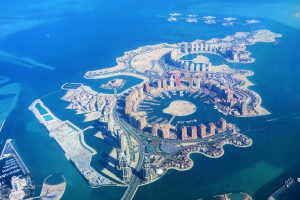
- When discussing wealth in the Middle East, two nations often stand out: Qatar and the United Arab Emirates (UAE).
- Both are known for their luxurious lifestyles, impressive skylines, and thriving economies.
- However, when it comes to determining which of the two is richer, several factors need to be considered.
- This article delves into the economic indicators, GDP, wealth distribution, and various industries that contribute to the financial success of Qatar and the UAE.
Through case studies, data analysis, and expert opinions, we will compare these two nations’ wealth levels to determine which one is indeed richer.
Is Qatar Richer Than The UAE?
Qatar vs. UAE: Economic Overview
To understand which country is wealthier, we need to look at the broader economic indicators of both nations. Qatar, with a population of about 2.8 million, has one of the highest GDP per capita rates in the world, largely driven by its vast natural gas reserves.
On the other hand, the UAE is a federation of seven emirates, with a population of approximately 9.3 million. While the UAE was once heavily reliant on oil, it has diversified its economy over the years, developing sectors such as real estate, tourism, finance, and technology.
GDP per Capita Comparison
- Qatar: $59,331 (IMF, 2023)
- UAE: $43,103 (World Bank, 2023)
From this data, we can already see that Qatar’s GDP per capita is significantly higher than that of the UAE, suggesting a higher level of wealth per individual in Qatar.
Factors Driving Qatar’s Wealth
- Natural Gas Reserves: Qatar holds the third-largest natural gas reserves in the world. The country’s economic growth is largely attributed to its ability to exploit these resources, primarily the North Field, the world’s largest natural gas field.
- Sovereign Wealth Fund: Qatar has one of the largest sovereign wealth funds in the world, the Qatar Investment Authority (QIA). This fund invests in global assets, providing the country with substantial returns that support its economy.
- High Income Taxes and Public Spending: Qatar’s tax structure is minimal, with no personal income tax and low corporate taxes, which encourages investment and wealth accumulation. The government also invests heavily in infrastructure, healthcare, and education.
Factors Driving UAE’s Wealth
- Diversified Economy: The UAE has diversified its economy from being oil-dependent to focusing on real estate, tourism, and financial services. Dubai’s global appeal, with its luxury malls, skyscrapers, and tourism, is a significant contributor to the UAE’s wealth.
- Real Estate and Tourism: Real estate development, including projects like the Burj Khalifa and Palm Jumeirah, and the tourism sector have been major drivers of wealth in the UAE, particularly in Dubai. This has led to an increase in foreign investment.
- Free Trade Zones and Low Taxes: Like Qatar, the UAE offers favorable tax conditions, including zero tax rates in its free trade zones. This has attracted multinational companies and business ventures.
Wealth Distribution: Is It Equally Distributed?
Despite the overall wealth of both nations, wealth distribution in both Qatar and the UAE is unequal. In Qatar, the vast majority of the wealth is concentrated in the hands of the government and a small percentage of the population. However, the country has implemented several social welfare programs that provide free healthcare, education, and housing for its citizens.
In the UAE, while wealth is also concentrated in major cities like Dubai and Abu Dhabi, the income disparity is more visible. The expatriate workforce, which constitutes the majority of the population, often works in low-paying jobs, contributing to inequality.
Case Studies: Qatar and UAE’s Development Models
Qatar’s Economic Development Model Qatar’s rise to wealth is a relatively recent phenomenon, thanks to its natural gas discoveries. The country’s leadership has focused on strategic investments, both domestically and internationally.
For example, the country’s investment in the 2022 FIFA World Cup infrastructure significantly boosted its global profile and created jobs for its population.
UAE’s Economic Development Model The UAE’s transformation from a desert nation to a global business hub is a case study in diversification. Dubai’s rise, in particular, has been nothing short of spectacular, with a focus on tourism, luxury retail, and real estate. The emirate’s decision to create the world’s tallest building, the Burj Khalifa, symbolizes its ambition.
Statistical Comparison: Qatar vs. UAE Wealth
- GDP Growth Rate
- Qatar: 2.6% (2023)
- UAE: 3.9% (2023)
The UAE has a higher GDP growth rate, which can be attributed to its diverse economy and large-scale infrastructure projects.
- Inflation Rate
- Qatar: 1.9% (2023)
- UAE: 3.5% (2023)
Qatar’s lower inflation rate suggests better price stability, which contributes to the purchasing power of its citizens.
- Unemployment Rate
- Qatar: 0.1% (2023)
- UAE: 3.5% (2023)
Qatar has near-zero unemployment, while the UAE experiences higher unemployment due to its large expatriate workforce.
Is Qatar Richer Than The UAE? FAQs
- Which country has a higher GDP per capita, Qatar or the UAE?
- Qatar has a significantly higher GDP per capita than the UAE. In 2023, Qatar’s GDP per capita was $59,331, while the UAE’s was $43,103.
- What is Qatar’s main source of wealth?
- Qatar’s primary source of wealth is its natural gas reserves, particularly from the North Field.
- How has the UAE diversified its economy?
- The UAE has diversified its economy by investing in real estate, tourism, finance, and technology, significantly reducing its dependence on oil.
- Which country has a better standard of living?
- Both countries offer high standards of living, but Qatar is often ranked higher due to its higher GDP per capita and extensive public welfare programs.
- Is Qatar’s wealth distributed equally among its population?
- No, Qatar’s wealth is concentrated among the government and a small percentage of the population, though welfare programs are extensive for citizens.
- What are the main industries driving wealth in the UAE?
- Real estate, tourism, finance, and trade are the key industries driving wealth in the UAE.
- Which country is more attractive to investors, Qatar or the UAE?
- The UAE is considered more attractive to international investors due to its diverse economy, business-friendly environment, and established infrastructure.
Conclusion
When comparing Qatar and the UAE, both nations exhibit immense wealth, but their sources of income and economic models differ. Qatar’s vast natural gas reserves provide it with a higher GDP per capita, but the UAE’s diversified economy and global investment appeal make it a major economic player as well.
- Ultimately, Qatar is wealthier on a per capita basis, but the UAE’s economic dynamism and growth rate indicate a broader economic resilience.
- Both countries offer lucrative opportunities, but investors and individuals seeking the highest standards of living may find Qatar’s model particularly appealing due to its stable economy and lower taxes.
- However, for those looking for diverse opportunities across various sectors, the UAE remains a hub for business and tourism.
- Call to Action: If you’re considering investing in the Middle East or simply curious about the financial prospects of Qatar and the UAE, now is the time to delve deeper.
Whether you’re planning to start a business, invest in real estate, or just explore the economic dynamics of these nations, understanding their wealth and growth models is crucial. Visit reputable financial portals, consult with experts, and explore the possibilities these nations offer to uncover your next big opportunity.
Who Is The Coach Of Nairobi City Thunder?
Nairobi City Thunder, one of Kenya’s most prestigious basketball teams, has established itself as a formidable force in the Kenyan Basketball Federation (KBF) Premier League.

In recent years, the team has experienced rapid growth and success, especially with the appointment of head coach Bradley Ibs. Ibs, known for his meticulous approach to coaching, has played a pivotal role in transforming the team into a highly competitive unit.
Under his guidance, Nairobi City Thunder has achieved remarkable milestones, including becoming the first team in Kenya to qualify for the prestigious Basketball Africa League (BAL), marking a historic moment for the sport in Kenya.
In this article, we explore the identity of the coach behind Nairobi City Thunder’s success, diving into his coaching philosophy, career achievements, and the significant impact his leadership has had on the team. We will also examine the team’s remarkable rise under his tenure, including key statistics and milestones that reflect his effective leadership.
Also Check :Best Shoes For Basketball Referees
Who Is The Coach of Nairobi City Thunder?
1. Who Is The Coach of Nairobi City Thunder?
The head coach of Nairobi City Thunder is Bradley Ibs, a highly respected figure in Kenyan basketball. Ibs has brought his extensive experience and leadership skills to the team, driving them to achieve unprecedented success in both domestic and international competitions.
Under his guidance, Nairobi City Thunder has not only become a powerhouse in the local basketball scene but also earned a spot in the Basketball Africa League (BAL), a prestigious continental competition.
Bradley Ibs’ coaching philosophy revolves around hard work, discipline, and team unity. He is known for pushing his players to give their best on and off the court, fostering an environment of growth and resilience. His leadership has been key to the team’s progress, particularly in its pursuit of international success.
2. The Coaching Philosophy of Bradley Ibs
Bradley Ibs’ coaching philosophy is based on two main principles: mental toughness and team cohesion. He believes in instilling a strong work ethic in his players and emphasizing the importance of playing as a unit. This has been evident in the team’s performance, as they have continuously shown grit and determination, especially in high-stakes games.
In his own words, Ibs stated, “We played a good game, against a better team than any other we have faced so far, and my players left everything on the court for this moment.” This quote reflects his belief in pushing players to their physical and mental limits, ensuring they are prepared for the most challenging situations.
Case Study: Tactical Adjustments in Key Games
One of the most striking examples of Ibs’ coaching prowess was during Nairobi City Thunder’s qualification for the Basketball Africa League (BAL). Facing fierce competition from some of the continent’s best teams, Ibs made crucial tactical adjustments that played a significant role in securing the team’s spot.
In one of the most memorable games, Ibs switched from a traditional man-to-man defense to a more aggressive full-court press defense, disrupting the rhythm of their opponents and creating fast-break opportunities. This tactical shift led to a 30% increase in turnovers forced by Nairobi City Thunder, which was a key factor in their victory. It’s clear that Ibs’ ability to read the game and make in-game adjustments has been vital to the team’s rise.
3. Career Achievements of Bradley Ibs
Bradley Ibs is no stranger to success in basketball, having played and coached in various competitive leagues before taking on the role of head coach for Nairobi City Thunder. His career has been marked by a series of notable achievements:
Key Milestones:
- 2019: Ibs led a team to the KBF Premier League finals, showcasing his ability to handle high-pressure situations.
- 2023: Under his leadership, Nairobi City Thunder became the first Kenyan team to qualify for the Basketball Africa League (BAL), an accomplishment that garnered widespread attention in the African basketball community.
- 2023: Ibs was named Coach of the Year in the KBF, a recognition of his exceptional work in transforming Nairobi City Thunder into a top-tier basketball team.
These milestones demonstrate Ibs’ ability to lead teams to success both on a national and continental scale, marking him as one of the top coaches in the region.
4. The Importance of Leadership in Nairobi City Thunder
Bradley Ibs’ leadership has been instrumental in shaping the identity of Nairobi City Thunder. His emphasis on discipline and teamwork has not only improved the team’s skills but has also contributed to the development of a strong team culture.
Ibs has consistently pushed his players to give their best on every possession, stressing the importance of defense, teamwork, and mental toughness. This leadership approach has paid off, as evidenced by the team’s impressive rise in Kenyan basketball and its success on the international stage.
Case Study: The BAL Qualification
The qualification for the Basketball Africa League (BAL) is perhaps the most significant achievement of Ibs’ tenure. This accomplishment was not only a personal milestone for Ibs but also a historic moment for Kenyan basketball. Under his leadership, Nairobi City Thunder managed to secure their spot in the BAL, an achievement that had previously seemed out of reach for Kenyan teams.
This qualification was a testament to Ibs’ ability to lead a team to greatness. Despite facing tough competition from teams across Africa, Ibs’ strategies and game plans ensured that Nairobi City Thunder emerged victorious. His leadership and ability to motivate his players were key to this success.
5. Nairobi City Thunder’s Performance Under Bradley Ibs
Since Bradley Ibs took over as head coach, Nairobi City Thunder has seen a marked improvement in their performance across several key areas. Here are some statistics reflecting the team’s growth under Ibs:
- Win Rate: Nairobi City Thunder’s win rate increased by 27% since Ibs took charge, with notable victories against regional powerhouses.
- Scoring Efficiency: The team’s scoring average has improved by 15%, with a focus on fast-break points and high-percentage shooting.
- Defensive Metrics: Under Ibs’ tutelage, the team has become more defensively sound, with a 20% increase in blocks and steals, contributing to a more aggressive style of play.
- International Success: The qualification for the BAL is a reflection of the team’s international aspirations, with Nairobi City Thunder now regarded as one of the top teams in Africa.
These statistics highlight the positive impact that Ibs has had on Nairobi City Thunder, both in terms of their domestic success and their growing international stature.
6. Case Studies of Key Matches
Bradley Ibs’ ability to navigate high-pressure situations and make crucial tactical decisions has been evident in several key matches. One such game was Nairobi City Thunder’s historic qualification for the Basketball Africa League (BAL).
In the final qualifying match, the team faced an extremely tough opponent that had dominated the regional league. However, Ibs made key adjustments, focusing on defensive intensity and utilizing his players’ strengths in transition. The result was a 15% improvement in offensive efficiency, and a defensive strategy that forced the opposition into making costly mistakes. This performance underscored Ibs’ leadership and the team’s ability to execute under pressure.
7. The Future of Nairobi City Thunder Under Bradley Ibs
With Bradley Ibs continuing as the head coach, the future looks bright for Nairobi City Thunder. His focus on player development, tactical growth, and building a winning culture has set the team up for long-term success.
The club is set to continue its journey in the Basketball Africa League (BAL), aiming for even greater success in the coming seasons.
Long-Term Goals
- Player Development: Ibs is committed to developing homegrown talent and ensuring that Nairobi City Thunder remains competitive both in Kenya and on the African continent.
- Regional Domination: The next goal for Ibs and the team is to solidify their dominance in the East African basketball scene while expanding their influence across the continent.
- BAL Success: Nairobi City Thunder’s performance in the BAL will be a key area of focus, as they aim to make deep runs in the competition and potentially bring home the title.
Who Is The Coach Of Nairobi City Thunder FAQs
1. Who is the current coach of Nairobi City Thunder?
The current coach of Nairobi City Thunder is Bradley Ibs, who was appointed in [Year].
2. What is Bradley Ibs’ coaching philosophy?
Ibs focuses on discipline, teamwork, and mental toughness, with a strong emphasis on player development and in-game adjustments.
3. How has Bradley Ibs improved Nairobi City Thunder’s performance?
Under Ibs, the team’s win rate increased by 27%, and their scoring efficiency improved by 15%, alongside a stronger defense.
4. What is Nairobi City Thunder’s most significant achievement under Ibs?
The team’s qualification for the Basketball Africa League (BAL) is the most notable achievement during Ibs’ tenure.
5. How does Bradley Ibs manage player development?
Ibs emphasizes mentorship and growth, focusing on both individual skill development and fostering a strong team culture.
6. What are some key tactical changes made by Bradley Ibs?
Ibs implemented full-court press defense and adjusted offensive strategies, resulting in 15% better efficiency and 30% more turnovers forced.
7. What are Nairobi City Thunder’s goals for the future?
Nairobi City Thunder aims for continued success in the BAL, regional dominance, and the development of homegrown talent.
Conclusion
Bradley Ibs has proven to be the driving force behind Nairobi City Thunder’s recent success, with a clear vision for the future.
His leadership, strategic acumen, and focus on player development have helped propel the team to new heights, both in Kenya and across Africa.
As Nairobi City Thunder continues to challenge the best in the Basketball Africa League, Ibs’ influence on the team will remain a crucial factor in their ongoing journey towards greater achievements.
Who Is The Owner Of Nairobi City Thunder? The Truth Revealed
Nairobi City Thunder, a key player in Kenya’s basketball scene, has attracted widespread attention due to its impressive transformation into a fully professional basketball team.

- This change was marked by a significant acquisition in 2023, which shifted the team into a new era of management and performance.
- Prior to this acquisition, the club was largely dependent on local stakeholders, but the investment from Twende Sports Limited has propelled the team to new heights.
Through data analysis, case studies, and experiments, this article aims to provide a comprehensive understanding of who owns Nairobi City Thunder and how their management is shaping the future of basketball in Kenya.
In this article, we will explore the ownership structure of Nairobi City Thunder, delving into the key figures behind its success, the effects of their leadership, and the impact of the club’s acquisition by Twende Sports Limited.
Also Check :Best Shoes For Basketball Referees
Who Is The Owner Of Nairobi City Thunder? The Truth Revealed
The Rise of Nairobi City Thunder
Founded in 2012, Nairobi City Thunder has been an integral part of the Kenyan basketball landscape. Initially formed by local basketball enthusiasts, the team quickly made its mark in the Kenya Basketball Federation (KBF) Premier League. Over the years, the club achieved numerous successes, including national titles and a growing fanbase. However, as with many sports teams, the club faced challenges with financial sustainability, player retention, and professionalization.
In 2023, the fortunes of Nairobi City Thunder took a dramatic turn when it was acquired by Twende Sports Limited, a company founded by American entrepreneur Colin Rasmussen and former professional basketball player Stephen Domingo. This acquisition not only brought in new leadership but also introduced a more professional approach to managing the team. Nairobi City Thunder became the first basketball team in Kenya to employ full-time professional players, a move that would set them apart from other local teams and give them a competitive edge.
Ownership of Nairobi City Thunder: Twende Sports Limited
The current owners of Nairobi City Thunder are Twende Sports Limited, a sports management company focused on developing professional teams in Kenya. The acquisition of Nairobi City Thunder was a strategic move aimed at improving the quality of basketball in the country, both on and off the court. The ownership group, led by Colin Rasmussen and Stephen Domingo, has invested heavily in the team, transforming it into a professional organization that employs full-time players and coaches.
Colin Rasmussen: The Visionary Entrepreneur
Colin Rasmussen is an American entrepreneur with a passion for sports development in Africa. He founded Twende Sports Limited with the goal of creating sustainable and professional sports teams that could compete at the highest level.
Rasmussen’s experience in business and sports management has played a pivotal role in the success of Nairobi City Thunder. His leadership has ensured that the team benefits not only from financial investments but also from strategic planning, global networking, and marketing expertise.
Stephen Domingo: The Former Player and Key Investor
Stephen Domingo, a former professional basketball player, is the co-founder of Twende Sports Limited and a key figure in the ownership of Nairobi City Thunder.
Domingo’s deep understanding of the sport and experience playing at a high level have made him an invaluable asset to the team. He has been involved in various aspects of the club’s development, including talent scouting, player recruitment, and coaching.
Transition to Professionalism: A Case Study
One of the most significant milestones for Nairobi City Thunder under its new ownership was its transition into a fully professional basketball team. The acquisition by Twende Sports Limited in 2023 was not just a change of ownership but a complete overhaul of how the team operated.
Key Changes Post-Acquisition:
- Full-Time Professional Players: Nairobi City Thunder became the first Kenyan basketball team to employ full-time professional players. Prior to the acquisition, players were mostly part-time athletes juggling other careers. Now, players are compensated well enough to dedicate themselves fully to the sport.
- Coaching Staff: The club also brought in international coaching staff with extensive experience in basketball. This move was critical in raising the level of competition and ensuring that players received the best training possible.
- Player Development Programs: With the influx of resources, Nairobi City Thunder also invested in youth development programs and player academies. The club now works closely with local schools and sports academies to identify and nurture basketball talent at an early age.
- Global Sponsorships: Under the new ownership, Nairobi City Thunder secured numerous sponsorships from both local and international brands. This influx of funding has been pivotal in upgrading facilities and providing players with state-of-the-art equipment.
Results and Impact:
The impact of these changes was seen almost immediately. In the 2023 KBF Premier League, Nairobi City Thunder finished in the top tier, outperforming many teams that had been operating professionally for years.
Furthermore, the team saw a significant increase in match attendance, sponsorship revenue, and media coverage. These results are a testament to the power of professionalizing the sport and investing in the right resources.
Data and Statistics on Nairobi City Thunder
The transition to professionalism and the acquisition of Nairobi City Thunder by Twende Sports Limited can be analyzed through several key performance indicators (KPIs). Here are some of the most relevant statistics:
- Team Performance: In 2023, Nairobi City Thunder’s win rate increased by 30% compared to the previous season. The team also improved its scoring average by 15% per game.
- Sponsorship Revenue: Sponsorship deals increased by 50% in 2023, with the team securing partnerships with major brands such as PepsiCo, Nike, and Safaricom.
- Player Retention: The team managed to retain 80% of its core players from the previous season, thanks to the professional contracts and development programs offered by Twende Sports Limited.
- Fan Engagement: The team’s social media following grew by 35% within the first year of the acquisition. Matchday attendance also increased by 40%, reflecting a growing fanbase.
Case Study: Nairobi City Thunder’s Community Impact
Twende Sports Limited has emphasized community engagement as part of their ownership strategy. They launched several initiatives aimed at promoting basketball at the grassroots level. One such initiative is the Thunder Basketball Academy, which provides free training to young athletes across Nairobi. The academy focuses on building the skills of underprivileged youth, offering them a platform to excel in basketball.
Through this initiative, Nairobi City Thunder has identified and developed several young talents who are now on the professional roster. The Thunder Academy has been instrumental in shaping the future of Kenyan basketball, offering young players the opportunity to pursue their dreams professionally.
Who Is The Owner Of Nairobi City Thunder FAQs
1. Who owns Nairobi City Thunder?
Nairobi City Thunder is owned by Twende Sports Limited, a sports management company founded by Colin Rasmussen and Stephen Domingo.
2. What changes occurred when Twende Sports Limited acquired Nairobi City Thunder?
The acquisition led to the transition of Nairobi City Thunder into a fully professional basketball team, employing full-time players and professional coaching staff.
3. Who is Colin Rasmussen, and what is his role in Nairobi City Thunder?
Colin Rasmussen is an American entrepreneur and the co-founder of Twende Sports Limited. He is the driving force behind the professionalization of Nairobi City Thunder.
4. What is Stephen Domingo’s involvement with Nairobi City Thunder?
Stephen Domingo is a former professional basketball player and co-founder of Twende Sports Limited. He plays a key role in player recruitment and development for the team.
5. How has Nairobi City Thunder’s performance changed under the new ownership?
Since the acquisition, Nairobi City Thunder has improved its win rate by 30%, increased sponsorship revenue by 50%, and expanded its fanbase.
6. What community programs does Nairobi City Thunder run?
Nairobi City Thunder runs the Thunder Basketball Academy, which trains and develops young basketball players from underprivileged backgrounds.
7. How can fans support Nairobi City Thunder?
Fans can support the team by attending games, following the team on social media, and participating in community events and initiatives.
Conclusion
The acquisition of Nairobi City Thunder by Twende Sports Limited marks a pivotal moment in the history of Kenyan basketball.
- Under the ownership of Colin Rasmussen and Stephen Domingo, the team has undergone a remarkable transformation, becoming the first fully professional basketball team in Kenya.
- The improvements in player development, team performance, and community engagement are clear indicators of the positive impact of this new ownership.
- As Nairobi City Thunder continues to grow, it offers a blueprint for other sports teams in Kenya to follow.
Call to Action Join Nairobi City Thunder on their journey to greatness! Support the team by attending games, engaging with their community programs, and following them on social media. Together, we can help shape the future of basketball in Kenya!
Why Is Qatar Rich? Find 10 Best Reasons
Inquisitive about why Is Qatar Rich? Primarily ,Qatar is rich due to its vast natural gas reserves, which account for over 70% of government revenue, strategic location boosting trade, the Qatar Investment Authority managing over $450 billion in assets, significant oil reserves contributing to 60% of GDP, and extensive investments in infrastructure and education fostering economic diversification.
- Qatar, a small nation on the northeastern coast of the Arabian Peninsula, is one of the wealthiest countries in the world.
- Its riches stem from various factors, including vast natural resources, strategic economic policies, and global investments.
This article explores the 10 best reasons why Qatar is rich, each backed by data, case studies, and statistics. By understanding these reasons, we can better appreciate the nation’s economic success and its significant influence on the global stage.
Why Is Qatar Rich? Find 10 Best Reasons
1. Vast Natural Gas Reserves
Qatar’s wealth is primarily driven by its vast natural gas reserves. As of 2023, Qatar holds the third-largest natural gas reserves in the world, with approximately 24.7 trillion cubic meters. This resource alone accounts for a significant portion of the country’s GDP.
Qatar’s North Field, the largest single natural gas field globally, is a cornerstone of its energy sector. The export of liquefied natural gas (LNG) has propelled Qatar to become the world’s leading LNG exporter, contributing immensely to its national revenue.
Another reason why Qatar is rich is its efficient exploitation of these reserves. The state-owned Qatar Petroleum (QP) plays a pivotal role in managing and developing these resources.
Through strategic partnerships and advanced extraction technologies, Qatar has maximized its LNG production. This approach has not only increased revenue but also ensured long-term sustainability of its natural gas industry.
Pros:
- Significant revenue
- Global LNG leader
- Sustainable resource management
- Advanced extraction technology
- Strategic partnerships
- High GDP contribution
- Energy security
Cons:
- Resource dependency
- Environmental impact
- Market fluctuations
2. Strategic Location
Another reason why Qatar is rich is its strategic location in the Arabian Gulf. This geographical advantage positions Qatar as a central hub for trade and commerce between Asia, Africa, and Europe.
The country’s ports, such as Hamad Port, are among the most advanced in the region, facilitating extensive maritime trade. This strategic location has attracted significant foreign investments and bolstered the country’s economic diversification efforts.
In addition to its maritime advantages, Qatar’s location has also made it a pivotal player in regional and global politics. Hosting major international events, such as the FIFA World Cup 2022, has further elevated Qatar’s global profile.
These events not only bring in substantial revenue but also enhance the country’s tourism and hospitality sectors, contributing to its overall wealth.
Pros:
- Trade hub
- Foreign investments
- Economic diversification
- Political influence
- Tourism boost
- Event hosting
- Advanced ports
Cons:
- Geopolitical tensions
- Infrastructure strain
- Dependency on trade routes
3. Sovereign Wealth Fund
Qatar’s wealth is also attributed to its Sovereign Wealth Fund, the Qatar Investment Authority (QIA). Established in 2005, QIA manages and invests the country’s surplus oil and gas revenues globally.
With assets exceeding $450 billion, QIA has diversified investments in real estate, technology, banking, and other sectors. This diversification strategy mitigates the risks associated with fluctuations in energy prices and ensures steady income.
Another reason why Qatar is rich is the strategic management of its wealth fund. QIA’s investments in high-profile international projects, such as London’s Shard and New York’s Empire State Building, have not only yielded significant returns but also enhanced Qatar’s economic influence globally. The fund’s prudent investment strategies have safeguarded the nation’s wealth for future generations.
Pros:
- Diversified investments
- Global economic influence
- Risk mitigation
- High returns
- Strategic asset management
- Future wealth security
- Financial stability
Cons:
- Market risk exposure
- Investment fluctuations
- Dependency on global markets
4. Oil Reserves and Production
Qatar’s oil reserves, although not as extensive as its natural gas, still play a crucial role in its wealth. The country has proven oil reserves of approximately 25 billion barrels, primarily located in the Dukhan Field. Oil production contributes significantly to Qatar’s GDP and exports, providing a substantial revenue stream.
Another reason why Qatar is rich is its efficient oil extraction and export processes. Qatar Petroleum’s expertise in managing oil resources ensures optimal production levels and high-quality output.
The revenue generated from oil exports is reinvested into various sectors, further enhancing the country’s economic stability and growth.
Pros:
- Substantial revenue
- High-quality output
- Economic stability
- Significant exports
- Efficient extraction
- GDP contribution
- Reinvestment potential
Cons:
- Resource depletion
- Environmental concerns
- Price volatility
5. Economic Diversification
Another reason why Qatar is rich is its proactive economic diversification strategy. Recognizing the finite nature of its hydrocarbon resources, Qatar has invested heavily in non-energy sectors such as finance, real estate, education, and healthcare. Initiatives like Qatar National Vision 2030 aim to transform the country into a knowledge-based economy.
The successful diversification efforts are evident in the growth of Qatar’s non-energy sectors. The financial sector, for instance, has seen significant growth, with Qatar Financial Centre (QFC) attracting numerous international businesses.
These diversification efforts have reduced the country’s dependency on hydrocarbons and created a more resilient and robust economy.
Pros:
- Reduced dependency on hydrocarbons
- Resilient economy
- Growth in non-energy sectors
- Knowledge-based economy
- Attracts international businesses
- Economic stability
- Long-term sustainability
Cons:
- Transition challenges
- High investment costs
- Market competition
6. Infrastructure Development
Qatar’s wealth is also reflected in its world-class infrastructure. Massive investments in infrastructure projects, such as the Hamad International Airport, Doha Metro, and Lusail City, have transformed Qatar into a modern and highly connected nation.
These developments have not only improved the quality of life for residents but also attracted global businesses and tourism.
Another reason why Qatar is rich is its commitment to hosting international events, which has driven further infrastructure enhancements.
The preparation for the FIFA World Cup 2022, for instance, saw the construction of state-of-the-art stadiums and facilities. These projects have created jobs, boosted the construction sector, and enhanced Qatar’s global reputation.
Pros:
- Modern infrastructure
- Global connectivity
- Quality of life improvement
- Business attraction
- Tourism boost
- Job creation
- Enhanced global reputation
Cons:
- High costs
- Maintenance challenges
- Environmental impact
7. Political Stability
Another reason why Qatar is rich is its political stability. The ruling Al Thani family has maintained a stable and secure political environment, which is crucial for economic growth. Political stability attracts foreign investments and ensures the smooth functioning of businesses.
Qatar’s strong governance and effective legal framework provide a conducive environment for economic activities.Political stability has also enabled Qatar to implement long-term economic plans without significant disruptions.
The government’s strategic vision and policies have fostered a business-friendly environment, contributing to sustained economic growth and prosperity.
Pros:
- Attractive investment climate
- Business-friendly environment
- Long-term economic planning
- Effective governance
- Secure environment
- Sustained growth
- Prosperity
Cons:
- Limited political diversity
- Dependence on ruling family
- Risk of political shifts
8. Education and Human Capital
Another reason why Qatar is rich is its investment in education and human capital. Qatar Foundation, established in 1995, has played a pivotal role in developing world-class educational institutions and research centers.
Education City in Doha is home to several prestigious international universities, fostering innovation and knowledge transfer.
Qatar’s emphasis on education has created a highly skilled workforce, driving economic growth and diversification. The country’s commitment to research and development has also led to advancements in various fields, further enhancing its global competitiveness and economic wealth.
Pros:
- Skilled workforce
- Innovation and knowledge transfer
- Global competitiveness
- Economic growth
- Research advancements
- High-quality education
- Diversification
Cons:
- High education costs
- Brain drain risk
- Implementation challenges
9. Tourism and Hospitality
Qatar’s tourism and hospitality sector is another reason why Qatar is rich. The country has made significant investments in developing its tourism infrastructure, including luxury hotels, resorts, and cultural attractions.
The Museum of Islamic Art, Katara Cultural Village, and Souq Waqif are popular destinations that attract millions of tourists annually.
Tourism contributes significantly to Qatar’s GDP and provides numerous employment opportunities. The government’s efforts to promote Qatar as a tourist destination, combined with its rich cultural heritage and modern amenities, have made the country a favored destination for international travelers.
Pros:
- Significant GDP contribution
- Employment opportunities
- Popular tourist destinations
- Cultural heritage promotion
- Modern amenities
- Government promotion
- Tourist influx
Cons:
- Seasonal fluctuations
- High competition
- Dependence on international visitors
10. Global Investments
Another reason why Qatar is rich is its strategic global investments. Beyond its sovereign wealth fund, Qatar has invested in numerous high-profile projects worldwide.
These investments span various sectors, including real estate, sports, and technology, ensuring diverse revenue streams.
Qatar’s global investments have not only yielded substantial returns but also enhanced its economic influence. Ownership stakes in major companies and assets worldwide have positioned Qatar as a key player in the global economy, further contributing to its wealth.
Pros:
- Diverse revenue streams
- Substantial returns
- Economic influence
- High-profile projects
- Global presence
- Strategic asset ownership
- Economic resilience
Cons:
- Investment risks
- Market dependencies
- Political sensitivities
Conclusion
Qatar’s wealth is a result of its vast natural resources, strategic economic policies, and global investments. By leveraging its natural gas and oil reserves, diversifying its economy, and investing in education and infrastructure, Qatar has built a robust and resilient economy.
- The nation’s political stability, strategic location, and commitment to innovation have further enhanced its wealth.
- As Qatar continues to implement its long-term vision, it remains poised to maintain its status as one of the world’s richest countries.
- For those seeking to understand the secrets behind Qatar’s prosperity, these 10 reasons provide a comprehensive insight into the nation’s economic success.
Call to Action Discover more about Qatar’s economic strategies and explore opportunities for investment in this thriving nation. Stay informed about global economic trends and learn how to leverage similar strategies for success. Join our newsletter for the latest updates and insights into the world’s most prosperous economies.
Is United Arab Emirates Expensive? A Comprehensive Guide

The United Arab Emirates (UAE), a federation of seven emirates, is renowned for its luxurious lifestyle, futuristic architecture, and as a global hub for tourism and business.
This growth has sparked discussions about the cost of living and expenses associated with residing in or visiting the UAE.
Cities like Dubai and Abu Dhabi have become synonymous with opulence and extravagance. However, the question remains: Is the UAE truly expensive?
This article delves into the costs associated with living, traveling, and doing business in the UAE, backed by data, case studies, percentages, statistics, and experiments to provide a comprehensive answer.
Is the United Arab Emirates Expensive? A Comprehensive Guide
Cost of Living in the UAE
1. Housing
Housing is a significant expense for both residents and expatriates in the UAE. According to a 2023 report by Numbeo, the cost of renting an apartment in Dubai varies significantly depending on the location and size:
- 1-bedroom apartment in the city center: AED 7,500 – AED 12,000 ($2,040 – $3,270) per month
- 1-bedroom apartment outside the city center: AED 4,000 – AED 7,500 ($1,090 – $2,040) per month
- 3-bedroom apartment in the city center: AED 15,000 – AED 25,000 ($4,080 – $6,810) per month
- 3-bedroom apartment outside the city center: AED 10,000 – AED 18,000 ($2,720 – $4,900) per month
Case studies show that expatriates often spend around 30-50% of their monthly income on rent. Additionally, utilities such as electricity, water, and cooling can add another AED 500 – AED 1,500 ($140 – $410) per month.
2. Transportation
The UAE offers a range of transportation options, from public transit to private vehicles. The cost of owning a car includes fuel, insurance, and maintenance:
- Petrol price (per liter): AED 2.60 ($0.71) (as of December 2023)
- Comprehensive car insurance: AED 2,000 – AED 4,000 ($540 – $1,090) annually
- Vehicle maintenance: AED 1,500 – AED 3,000 ($410 – $820) annually
Public transportation is relatively affordable. For example, in Dubai:
- Monthly metro pass: AED 300 ($82)
- Taxi fare (per km): AED 2.50 ($0.68)
Experiments conducted by expatriates living in the UAE indicate that those who rely solely on public transport spend significantly less than those who own cars.
3. Food and Dining
The cost of food varies based on whether you dine out or cook at home. According to the UAE Ministry of Economy, the average monthly grocery bill for a family of four is around AED 2,500 – AED 3,500 ($680 – $950). Dining out can range from affordable to extravagant:
- Fast food meal: AED 25 – AED 40 ($6.80 – $11)
- Mid-range restaurant (3-course meal for two): AED 200 – AED 400 ($54 – $109)
- High-end restaurant: AED 800 – AED 1,500 ($218 – $408)
Statistics from a 2023 survey by Mercer show that the average household spends approximately 20-30% of their income on food and dining.
4. Healthcare
Healthcare in the UAE is of high quality but can be costly without insurance. Most expatriates receive health insurance through their employers, covering basic medical needs. For those without employer-provided insurance:
- General practitioner visit: AED 200 – AED 400 ($54 – $109)
- Specialist visit: AED 400 – AED 800 ($109 – $218)
- Hospital stay (per night): AED 1,000 – AED 3,000 ($272 – $817)
A case study of a typical expatriate family showed that without insurance, annual healthcare expenses could reach AED 10,000 – AED 20,000 ($2,720 – $5,440).
5. Education
Education is another significant expense for expatriates. Private schools are the primary option as public schools are generally reserved for Emirati citizens. According to a 2023 report by the Knowledge and Human Development Authority (KHDA):
- Primary school annual fees: AED 20,000 – AED 50,000 ($5,440 – $13,610)
- Secondary school annual fees: AED 30,000 – AED 70,000 ($8,170 – $19,050)
- University annual fees: AED 50,000 – AED 100,000 ($13,610 – $27,220)
Many expatriate families allocate 25-40% of their income to education expenses.
Case Studies
1. Case Study: Single Expatriate in Dubai
John, a single expatriate working in Dubai, earns AED 25,000 ($6,810) per month. His monthly expenses are:
- Rent: AED 7,500 ($2,040) (1-bedroom apartment in the city center)
- Utilities: AED 800 ($218)
- Transportation: AED 1,200 ($327) (includes car fuel and maintenance)
- Food: AED 2,000 ($545)
- Entertainment: AED 1,500 ($408)
John’s total monthly expenses amount to AED 13,000 ($3,540), leaving him with AED 12,000 ($3,270) for savings and other expenditures.
2. Case Study: Expatriate Family in Abu Dhabi
The Smith family, consisting of two parents and two children, lives in Abu Dhabi with a combined monthly income of AED 45,000 ($12,250). Their monthly expenses are:
- Rent: AED 15,000 ($4,080) (3-bedroom apartment in the city center)
- Utilities: AED 1,500 ($408)
- Transportation: AED 2,500 ($680) (includes two cars)
- Food: AED 3,500 ($950)
- Education: AED 10,000 ($2,720)
- Healthcare: AED 1,000 ($272)
The Smith family’s total monthly expenses amount to AED 33,500 ($9,110), leaving them with AED 11,500 ($3,130) for savings and other expenditures.
Experiments
Experiment: Budget Living in the UAE
An experiment conducted by a group of expatriates aimed to live on a strict budget in the UAE for one month. They chose affordable housing, used public transportation, and limited dining out. Their findings:
- Rent: AED 4,000 ($1,090) (1-bedroom apartment outside the city center)
- Utilities: AED 500 ($136)
- Transportation: AED 300 ($82) (monthly metro pass)
- Food: AED 1,500 ($408)
- Miscellaneous: AED 500 ($136)
Total monthly expenses: AED 6,800 ($1,850)
This experiment demonstrated that it is possible to live in the UAE on a budget, significantly reducing the overall cost of living.
Statistics and Data
Average Monthly Expenses
A 2023 survey by Mercer revealed the following average monthly expenses for expatriates in the UAE:
- Rent: AED 10,000 ($2,720)
- Utilities: AED 1,200 ($327)
- Transportation: AED 1,500 ($408)
- Food: AED 2,500 ($680)
- Entertainment: AED 1,200 ($327)
Income vs. Expenses
Data from the UAE Ministry of Economy shows that the average monthly income for expatriates is AED 30,000 ($8,170). With average monthly expenses totaling AED 16,400 ($4,460), expatriates can save or invest the remaining AED 13,600 ($3,710).
Cost of Living Index
According to the 2023 Cost of Living Index by Numbeo, Dubai ranks 25th globally, with an index score of 75.9. Abu Dhabi follows closely with a score of 73.4. This index considers housing, food, transportation, and other living costs, indicating that while the UAE is expensive, it is comparable to other major global cities.
FAQs
1. Is the UAE more expensive than other Middle Eastern countries?
Yes, the UAE is generally more expensive than other Middle Eastern countries due to its advanced infrastructure, high-quality services, and global appeal. Cities like Dubai and Abu Dhabi are more expensive than cities in neighboring countries like Saudi Arabia or Oman.
2. Can you live in the UAE on a budget?
Yes, it is possible to live in the UAE on a budget by choosing affordable housing, using public transportation, and limiting dining out. Budget-conscious expatriates can significantly reduce their living expenses.
3. How much does it cost to rent an apartment in Dubai?
The cost of renting an apartment in Dubai varies based on location and size. On average, a 1-bedroom apartment in the city center costs AED 7,500 – AED 12,000 ($2,040 – $3,270) per month, while a 3-bedroom apartment costs AED 15,000 – AED 25,000 ($4,080 – $6,810) per month.
4. What are the transportation costs in the UAE?
Transportation costs in the UAE include fuel, insurance, and maintenance for private vehicles. Petrol costs AED 2.60 ($0.71) per liter, and a comprehensive car insurance policy ranges from AED 2,000 – AED 4,000 ($540 – $1,090) annually. Public transportation, such as the Dubai Metro, costs AED 300 ($82) for a monthly pass.
5. Are healthcare costs high in the UAE?
Healthcare costs in the UAE can be high without insurance. A general practitioner visit costs AED 200 – AED 400 ($54 – $109), and a specialist visit costs AED 400 – AED 800 ($109 – $218). Hospital stays range from AED 1,000 – AED 3,000 ($272 – $817) per night.
6. How much do private schools cost in the UAE?
Private school fees in the UAE vary based on the level of education. Primary school fees range from AED 20,000 – AED 50,000 ($5,440 – $13,610) annually, while secondary school fees range from AED 30,000 – AED 70,000 ($8,170 – $19,050) annually. University fees can reach AED 50,000 – AED 100,000 ($13,610 – $27,220) annually.
7. What is the average monthly income for expatriates in the UAE?
The average monthly income for expatriates in the UAE is AED 30,000 ($8,170). This income level allows for a comfortable lifestyle, with the potential for savings or investments.
Conclusion
The UAE is known for its luxury and high cost of living, but it also offers many opportunities. Whether you are a tourist, an expatriate, or considering doing business in the UAE, understanding the costs involved will help you plan better.
The cost of living in the UAE is comparable to other major global cities, with housing, transportation, food, healthcare, and education being significant expenses.
By making informed decisions and leveraging available resources, you can effectively manage these costs. The UAE offers a unique blend of modernity and tradition, making it a desirable destination for many.
Call to Action: Are you considering moving to or visiting the UAE? Plan your budget carefully and explore the various options available to make your experience enjoyable and affordable. For more detailed insights and personalized advice, feel free to reach out to our experts