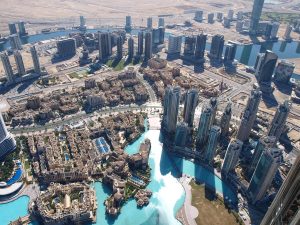
Dubai, often referred to as the “City of Gold,” is a dazzling metropolis known for its towering skyscrapers, luxurious shopping malls, and vibrant cultural scene.
As one of the most prominent cities in the Middle East, Dubai attracts millions of tourists and expatriates each year. However, a common question arises among many people: “Is Dubai a country?”
This article aims to answer this question in detail, exploring Dubai’s political status, historical background, and unique characteristics. We will also address frequently asked questions and provide a comprehensive understanding of Dubai’s position on the global stage.
Is Dubai A Country Yes Or No? Complete Guide
Dubai: An Overview
Dubai is one of the seven emirates that make up the United Arab Emirates (UAE). The UAE is a federation of emirates, each governed by its own monarch, but collectively united under a federal framework.
Dubai, along with Abu Dhabi, Sharjah, Ajman, Fujairah, Ras Al Khaimah, and Umm Al Quwain, forms this federation. While Dubai is not a country in itself, it plays a significant role in the UAE’s economy and international reputation.
Historical Background of Dubai
To understand Dubai’s current status, it’s essential to delve into its historical background. Dubai’s history dates back to ancient times when it was a small fishing village.
Over the centuries, it evolved into a vital trading hub due to its strategic location along the Persian Gulf. In the early 19th century, Dubai established itself as a significant port, attracting merchants from various regions.
In 1971, the Trucial States, including Dubai, united to form the United Arab Emirates. This unification marked the beginning of a new era for Dubai, propelling it towards rapid development and modernization. Today, Dubai is known for its futuristic skyline, world-class infrastructure, and diverse population.
Political Structure of the UAE
The United Arab Emirates is a federal absolute monarchy, with each emirate retaining a considerable degree of autonomy. The President of the UAE is the ruler of Abu Dhabi, while the Vice President and Prime Minister is the ruler of Dubai. The federal government oversees matters of national importance, including defense, foreign policy, and social services, while each emirate manages its local affairs.
Dubai’s governance is characterized by a blend of traditional and modern practices. The Al Maktoum family has ruled Dubai since the 19th century, with Sheikh Mohammed bin Rashid Al Maktoum currently serving as the Emir of Dubai. Under his leadership, Dubai has experienced unprecedented growth and development.
Dubai’s Economic Significance
Dubai’s economy is diverse and robust, with key sectors including tourism, real estate, finance, and trade. The city has transformed itself into a global business hub, attracting multinational corporations and entrepreneurs from around the world.
The establishment of free zones, such as Dubai International Financial Centre (DIFC) and Jebel Ali Free Zone (JAFZA), has further bolstered Dubai’s economic appeal.
Tourism plays a crucial role in Dubai’s economy, with attractions like the Burj Khalifa, Palm Jumeirah, and Dubai Mall drawing millions of visitors annually. The city’s strategic location, world-class infrastructure, and business-friendly environment make it a preferred destination for both leisure and business travelers.
Dubai’s Cultural and Social Landscape
Dubai is a melting pot of cultures, with expatriates constituting a significant portion of its population. This multiculturalism is reflected in the city’s vibrant cultural scene, offering a diverse range of culinary, artistic, and recreational experiences.
Despite its modernity, Dubai remains deeply rooted in its Islamic heritage, with traditions and customs playing a vital role in daily life.
The city is known for its tolerance and openness, fostering an environment where people from different backgrounds can coexist harmoniously. Dubai’s commitment to innovation and excellence is evident in its ambitious projects and initiatives, such as the Dubai Expo 2020, which aims to showcase the city’s achievements and future aspirations.
Is Dubai A Country Yes Or No? FAQs
1. Is Dubai a country?
No, Dubai is not a country. It is one of the seven emirates that make up the United Arab Emirates (UAE).
2. What is the United Arab Emirates (UAE)?
The UAE is a federation of seven emirates: Abu Dhabi, Dubai, Sharjah, Ajman, Fujairah, Ras Al Khaimah, and Umm Al Quwain. It was established in 1971.
3. Who is the ruler of Dubai?
The current ruler of Dubai is Sheikh Mohammed bin Rashid Al Maktoum. He also serves as the Vice President and Prime Minister of the UAE.
4. What is Dubai known for?
Dubai is known for its towering skyscrapers, luxury shopping malls, vibrant cultural scene, and significant economic contributions. Major attractions include the Burj Khalifa, Palm Jumeirah, and Dubai Mall.
5. How does Dubai’s economy function?
Dubai’s economy is diverse, with key sectors including tourism, real estate, finance, and trade. The city has established itself as a global business hub, attracting multinational corporations and entrepreneurs.
6. What is the cultural landscape of Dubai like?
Dubai is a multicultural city with a diverse population. It offers a wide range of cultural, culinary, and recreational experiences, while also remaining deeply rooted in its Islamic heritage.
7. How has Dubai transformed over the years?
Dubai has undergone rapid development and modernization since the establishment of the UAE in 1971. From a small fishing village, it has evolved into a global metropolis known for its futuristic skyline and world-class infrastructure.
Conclusion Paragraph
In conclusion, Dubai is not a country but a significant emirate within the United Arab Emirates. Its remarkable transformation from a small fishing village to a global metropolis is a testament to its visionary leadership and strategic development.
- Dubai’s economic prowess, cultural diversity, and unique blend of tradition and modernity make it a fascinating and dynamic city.
- Dubai, as an integral part of the United Arab Emirates, continues to captivate the world with its extraordinary transformation and dynamic growth.
- Its unique blend of tradition and modernity, coupled with its economic and cultural significance, makes it a city like no other.
Whether you’re a tourist, an entrepreneur, or a resident, Dubai offers an unparalleled experience that showcases the best of both worlds. To learn more about Dubai and plan your visit, explore our comprehensive guides and resources. Discover the magic of Dubai and be part of its ever-evolving story
What Are The 7 Countries Of The United Arab Emirates?
Trying to figure out what are the 7 countries of the United Arab Emirates? The seven countries of the United Arab Emirates are Abu Dhabi, Dubai, Sharjah, Ajman, Umm Al Quwain, Ras Al Khaimah, and Fujairah; notably, Abu Dhabi is the capital, while Dubai is renowned for its skyline, Sharjah for its cultural heritage, Ras Al Khaimah for its natural beauty, and Fujairah for its stunning beaches.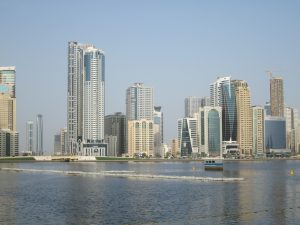
- The United Arab Emirates (UAE) is a fascinating country located on the southeastern corner of the Arabian Peninsula. Formed in 1971, the UAE is a federation of seven emirates, each with its own unique characteristics and governance.
- These emirates have come together to form a powerful nation with significant economic, cultural, and geopolitical influence in the region and beyond.
In this article, we will delve into the seven emirates that make up the UAE, exploring their history, economy, culture, and key attractions. By the end, you will have a comprehensive understanding of what makes each emirate unique and important to the overall fabric of the United Arab Emirates.
What Are The 7 Countries Of The United Arab Emirates?
1. Abu Dhabi
History and Overview
Abu Dhabi is the largest and wealthiest of the seven emirates, covering approximately 87% of the UAE’s total land area. It is also the capital of the UAE and serves as the political, cultural, and economic center of the country.
The history of Abu Dhabi dates back thousands of years, with archaeological evidence indicating human settlements in the region as early as the Bronze Age. The discovery of oil in the 20th century transformed Abu Dhabi from a modest fishing and pearling community into a global economic powerhouse.
Economy
Abu Dhabi’s economy is heavily dependent on its oil and gas reserves, which account for a significant portion of the UAE’s total revenue. However, the emirate has also made substantial investments in diversifying its economy.
The Abu Dhabi Economic Vision 2030 aims to reduce the emirate’s reliance on oil and develop other sectors such as tourism, real estate, manufacturing, and renewable energy. Key projects such as Masdar City, a planned city designed to be a hub for clean technology, exemplify this commitment to diversification.
Culture and Attractions
Abu Dhabi is home to a rich cultural heritage and a growing array of modern attractions. The Sheikh Zayed Grand Mosque, one of the largest mosques in the world, is a symbol of the emirate’s cultural and religious significance.
Other notable attractions include the Louvre Abu Dhabi, a stunning museum that showcases art and artifacts from around the world, and the Yas Marina Circuit, which hosts the annual Formula 1 Abu Dhabi Grand Prix.
Key Points
- Capital: Abu Dhabi
- Area: 67,340 square kilometers
- Population: Approximately 2.9 million
- Major Attractions: Sheikh Zayed Grand Mosque, Louvre Abu Dhabi, Yas Marina Circuit
2. Dubai
History and Overview
Dubai is the second-largest emirate and the most populous city in the UAE. Known for its futuristic skyline, luxurious lifestyle, and vibrant economy, Dubai has rapidly transformed from a small trading port to a global metropolis.
The history of Dubai can be traced back to the early 18th century when it was established as a fishing and pearling village. The discovery of oil in the 1960s accelerated Dubai’s development, but the emirate has since diversified its economy to become a leading global city.
Economy
Dubai’s economy is highly diversified, with key sectors including tourism, real estate, aviation, and finance. The emirate is renowned for its world-class infrastructure and business-friendly environment, attracting investors and entrepreneurs from around the globe.
Major projects such as the Burj Khalifa, the tallest building in the world, and the Palm Jumeirah, an artificial archipelago, have put Dubai on the map as a center for innovation and luxury.
Culture and Attractions
Dubai is a melting pot of cultures, with a large expatriate population that contributes to its cosmopolitan atmosphere. The city’s cultural landmarks include the Dubai Museum, located in the Al Fahidi Fort, and the Alserkal Avenue, a hub for contemporary art and culture. Dubai’s shopping malls, such as The Dubai Mall and Mall of the Emirates, are attractions in their own right, offering a blend of retail, entertainment, and dining experiences.
Key Points
- Capital: Dubai
- Area: 4,114 square kilometers
- Population: Approximately 3.4 million
- Major Attractions: Burj Khalifa, Palm Jumeirah, The Dubai Mall
3. Sharjah
History and Overview
Sharjah is the third-largest emirate and is known for its commitment to preserving its cultural heritage. The history of Sharjah dates back over 5,000 years, making it one of the oldest continuously inhabited areas in the UAE. The emirate’s strategic location along the Arabian Gulf has made it an important trading center throughout history. Today, Sharjah is recognized as a cultural capital, with numerous museums, galleries, and cultural institutions.
Economy
Sharjah’s economy is diverse, with key sectors including manufacturing, trade, and tourism. The emirate is known for its vibrant industrial sector, which contributes significantly to its GDP. Sharjah has also positioned itself as an educational hub, with several universities and research institutions attracting students from across the region. The Sharjah International Airport and Port Khalid are vital to the emirate’s trade and logistics sector.
Culture and Attractions
Sharjah is often referred to as the cultural capital of the UAE due to its numerous cultural and historical attractions. The Sharjah Museum of Islamic Civilization, the Sharjah Art Museum, and the Al Qasba entertainment complex are just a few examples of the emirate’s rich cultural offerings. Sharjah is also known for its annual cultural events, such as the Sharjah International Book Fair and the Sharjah Biennial, which draw visitors and artists from around the world.
Key Points
- Capital: Sharjah
- Area: 2,590 square kilometers
- Population: Approximately 1.6 million
- Major Attractions: Sharjah Museum of Islamic Civilization, Sharjah Art Museum, Al Qasba
4. Ajman
History and Overview
Ajman is the smallest emirate in the UAE, located along the Arabian Gulf coast. Despite its small size, Ajman has a rich history and a growing economy. The emirate was historically known for its fishing and pearling industries, and like other emirates, it has undergone significant development in recent decades. Ajman’s strategic location and natural harbor have made it an important center for maritime trade.
Economy
Ajman’s economy is diverse, with key sectors including manufacturing, trade, and real estate. The Ajman Free Zone, established in 1988, has been a major driver of economic growth, attracting foreign investment and fostering business development. The emirate is also known for its shipbuilding industry, with the Ajman Shipyard being one of the largest in the region. Tourism is another growing sector, with Ajman’s pristine beaches and cultural attractions drawing visitors.
Culture and Attractions
Ajman offers a mix of cultural and recreational attractions. The Ajman Museum, housed in an 18th-century fort, provides insights into the emirate’s history and heritage. The Al Zorah Nature Reserve, with its diverse ecosystems and wildlife, is a popular destination for nature enthusiasts. Ajman’s beaches, such as Ajman Beach and Al Hamriya Beach, are known for their clear waters and relaxed atmosphere.
Key Points
- Capital: Ajman
- Area: 259 square kilometers
- Population: Approximately 540,000
- Major Attractions: Ajman Museum, Al Zorah Nature Reserve, Ajman Beach
5. Umm Al Quwain
History and Overview
Umm Al Quwain is one of the lesser-known emirates, but it has a rich history and a unique charm. The emirate is located along the Arabian Gulf coast and is known for its natural beauty and tranquility. Umm Al Quwain’s history dates back to the Bronze Age, with archaeological sites such as Tell Abraq providing evidence of ancient civilizations. Today, Umm Al Quwain is a peaceful emirate with a focus on preserving its natural environment and heritage.
Economy
Umm Al Quwain’s economy is relatively modest compared to other emirates, with key sectors including fishing, agriculture, and tourism. The emirate is known for its traditional fishing industry, with the Umm Al Quwain Fish Market being a popular destination for fresh seafood. In recent years, the emirate has made efforts to diversify its economy by developing its tourism sector and promoting eco-friendly projects.
Culture and Attractions
Umm Al Quwain is home to several cultural and natural attractions. The Umm Al Quwain Fort, which dates back to the 18th century, is a significant historical site that offers a glimpse into the emirate’s past. The Dreamland Aqua Park, one of the largest water parks in the UAE, is a popular destination for families. Umm Al Quwain is also known for its natural reserves, such as the Al Sinniyah Island, which is a haven for birdwatchers and nature lovers.
Key Points
- Capital: Umm Al Quwain
- Area: 720 square kilometers
- Population: Approximately 72,000
- Major Attractions: Umm Al Quwain Fort, Dreamland Aqua Park, Al Sinniyah Island
6. Ras Al Khaimah
History and Overview
Ras Al Khaimah, often abbreviated as RAK, is the northernmost emirate in the UAE. It is known for its stunning natural landscapes, including mountains, beaches, and desert areas. The history of Ras Al Khaimah dates back to ancient times, with evidence of human settlements from the Umm Al Nar period. The emirate’s strategic location along the Strait of Hormuz has made it an important trading hub throughout history.
Economy
Ras Al Khaimah’s economy is diverse, with key sectors including manufacturing, tourism, and agriculture. The emirate is known for its thriving industrial sector, with companies such as RAK Ceramics and Gulf Pharmaceutical Industries (Julphar) contributing significantly to its GDP. Tourism is a growing sector, with attractions such as the Jebel Jais mountain range, which features the world’s longest zipline, drawing adventure enthusiasts. Agriculture also plays a role in the emirate’s economy, with Ras Al Khaimah being a major producer of dates.
Culture and Attractions
Ras Al Khaimah offers a blend of cultural and natural attractions. The National Museum of Ras Al Khaimah, housed in a historic fort, showcases the emirate’s history and heritage. The Al Jazirat Al Hamra, an abandoned village, provides a glimpse into traditional Emirati life before the oil boom. Ras Al Khaimah’s natural attractions, such as the Jebel Jais mountain range and the Al Wadi Nature Reserve, offer opportunities for outdoor activities and eco-tourism.
Key Points
- Capital: Ras Al Khaimah
- Area: 2,486 square kilometers
- Population: Approximately 416,000
- Major Attractions: Jebel Jais, National Museum of Ras Al Khaimah, Al Jazirat Al Hamra
7. Fujairah
History and Overview
Fujairah is the only emirate located entirely on the eastern coast of the UAE, along the Gulf of Oman. This unique location provides Fujairah with a distinct identity and climate compared to the other emirates. The history of Fujairah dates back to ancient times, with archaeological sites such as the Fujairah Fort and the Al Bidya Mosque offering insights into the region’s past. Fujairah became an independent emirate in the early 20th century and joined the UAE federation in 1971.
Economy
Fujairah’s economy is driven by its strategic location and natural resources. The Port of Fujairah, one of the world’s top oil-bunkering ports, plays a crucial role in the emirate’s economy. Fujairah is also known for its thriving tourism sector, with its pristine beaches, rugged mountains, and cultural heritage attracting visitors. The emirate has invested in developing its infrastructure and promoting eco-friendly tourism to boost its economy.
Culture and Attractions
Fujairah is renowned for its cultural and natural attractions. The Fujairah Fort, one of the oldest forts in the UAE, is a significant historical site that offers panoramic views of the surrounding area. The Al Bidya Mosque, the oldest mosque in the UAE, is another important cultural landmark. Fujairah’s natural attractions include the Hajar Mountains, which offer opportunities for hiking and exploring, and the Fujairah Corniche, a scenic waterfront area.
Key Points
- Capital: Fujairah
- Area: 1,450 square kilometers
- Population: Approximately 256,000
- Major Attractions: Fujairah Fort, Al Bidya Mosque, Hajar Mountains
What Are The 7 Countries Of The United Arab Emirates FAQs
1. What is the capital of the UAE?
The capital of the UAE is Abu Dhabi. It is the largest and wealthiest emirate, serving as the political, cultural, and economic center of the country.
2. Which emirate is the most populous?
Dubai is the most populous emirate in the UAE, with a population of approximately 3.4 million people. It is known for its modern skyline, luxurious lifestyle, and vibrant economy.
3. What are the main economic sectors of the UAE?
The UAE has a diversified economy with key sectors including oil and gas, tourism, real estate, finance, and manufacturing. Each emirate contributes to the overall economy with its unique strengths and industries.
4. What cultural attractions can be found in Sharjah?
Sharjah is known as the cultural capital of the UAE, with numerous museums, galleries, and cultural institutions. Notable attractions include the Sharjah Museum of Islamic Civilization, the Sharjah Art Museum, and the Al Qasba entertainment complex.
5. Which emirate is famous for its natural beauty and tranquility?
Umm Al Quwain is known for its natural beauty and tranquility. The emirate offers a peaceful environment, with attractions such as the Umm Al Quwain Fort, Dreamland Aqua Park, and Al Sinniyah Island.
6. What is the significance of the Jebel Jais mountain range in Ras Al Khaimah?
The Jebel Jais mountain range is a significant natural attraction in Ras Al Khaimah. It features the world’s longest zipline and offers opportunities for hiking, adventure sports, and eco-tourism.
7. Which emirate is located on the eastern coast of the UAE?
Fujairah is the only emirate located entirely on the eastern coast of the UAE, along the Gulf of Oman. This unique location provides Fujairah with a distinct identity and climate compared to the other emirates.
Conclusion
The United Arab Emirates is a remarkable federation of seven distinct emirates, each contributing its unique heritage, culture, and economic strengths to the nation. From the bustling metropolis of Dubai to the cultural richness of Sharjah, the natural beauty of Fujairah, and the tranquil charm of Umm Al Quwain, each emirate offers something special to residents and visitors alike.
- The UAE’s journey from a collection of small fishing and pearling communities to a global economic powerhouse is a testament to the vision and determination of its leaders and people.
- As you explore the UAE, you will discover a land of contrasts, where ancient traditions blend seamlessly with modern innovation.
- Whether you are interested in the towering skyscrapers of Dubai, the cultural treasures of Sharjah, or the natural wonders of Ras Al Khaimah and Fujairah, the UAE promises a rich and diverse experience.
- If you are planning a visit to the UAE or looking to learn more about this fascinating country, take the time to explore each of its seven emirates.
- You will find a wealth of history, culture, and natural beauty waiting to be discovered. To stay updated on the latest developments and attractions in the UAE, be sure to follow travel guides and official tourism websites.
Call to action: Discover the wonders of the United Arab Emirates and plan your trip today. Explore the unique attractions of each emirate, immerse yourself in the rich culture, and experience the vibrant economy of this remarkable country. Start your journey now and uncover the magic of the UAE
What Is Doha Famous For? Find 10 Best Things
Doha, the capital of Qatar, is a rapidly growing city known for its blend of modernity and rich cultural heritage. As the heart of the Arabian Peninsula, it boasts a skyline dotted with futuristic skyscrapers, world-class museums, luxury shopping malls, and traditional markets.
- The city’s rapid development has put it on the global map, making it a major destination for tourists, business travelers, and investors alike.
- Whether you’re fascinated by its history, art, or advancements in architecture, Doha offers something for everyone.
From luxurious experiences to traditional Qatari culture, Doha has become a global hub in recent years. Let’s explore the 10 things that make Doha famous.
What Is Doha Famous For? Find 10 Best Things
1. The Museum of Islamic Art (MIA)
The Museum of Islamic Art is one of Doha’s top cultural landmarks, drawing visitors from across the world. Located on an island off the Doha Corniche, the MIA is an architectural masterpiece that houses an extensive collection of art from the Islamic world. The museum showcases objects dating back over 1,400 years, including manuscripts, textiles, ceramics, and metalwork.
The building itself, designed by the renowned architect I. M. Pei, is an iconic structure featuring a geometric design and stunning views of the Doha skyline.
Inside, the Museum of Islamic Art provides an educational experience, highlighting the diversity of Islamic culture through art and artifacts. The museum regularly hosts exhibitions, lectures, and events that showcase Islamic history and creativity.
For art enthusiasts and history buffs, MIA is a must-visit destination. It allows visitors to immerse themselves in the vast cultural contributions of the Islamic world, making it a symbol of Doha’s commitment to preserving and promoting its cultural heritage.
2. Doha’s Skyscraper Skyline
Doha’s skyline is one of the most impressive in the world, reflecting the city’s rapid modernization and growth. A blend of futuristic architecture, these towering skyscrapers are the result of decades of ambitious development.
The skyline is home to iconic structures such as the Aspire Tower, also known as the Torch, which stands out as the tallest building in Doha. The sleek glass and steel designs of these buildings are a testament to Qatar’s booming economy and ambition to be a global player in the world of business and tourism.
The skyline is not just a sight to behold by day but becomes even more stunning at night when the lights illuminate the structures. The city’s skyline symbolizes Doha’s transformation from a quiet fishing village to a modern metropolis.
As you stroll along the Corniche or visit various rooftop bars and restaurants, the city’s impressive skyline offers a stunning backdrop for anyone wishing to explore the city’s dynamic urban environment.
3. The Pearl-Qatar
The Pearl-Qatar is a man-made island that has become one of Doha’s most sought-after residential and commercial areas. Situated just off the coast, The Pearl features luxurious homes, retail outlets, fine dining restaurants, and yacht marinas.
The area is designed to evoke Mediterranean-inspired architecture, with canals and scenic walkways that allow visitors to enjoy the stunning waterfront views. It is often considered one of the city’s most opulent developments, attracting wealthy expatriates and investors.
The Pearl is not only a residential hub but also a popular destination for shopping and dining. Its upscale boutiques and world-class restaurants make it an ideal spot for those looking to indulge in a lavish lifestyle.
Visitors can enjoy a leisurely stroll along the marina, exploring the shops and cafés, while admiring the opulent yachts moored at the docks. For those seeking luxury and sophistication, The Pearl-Qatar is synonymous with Doha’s glamorous side.
4. Souq Waqif
Souq Waqif is Doha’s most famous traditional market, offering an authentic experience of Qatari culture. Located in the heart of the city, the souq is a labyrinth of narrow alleyways lined with shops selling spices, textiles, jewelry, perfumes, and traditional Qatari garments.
It has been a bustling commercial center for centuries, serving as a marketplace for local traders and nomads. The souq’s architecture has been carefully restored to preserve its traditional Qatari design, creating a unique atmosphere where old-world charm meets modern-day luxury.
Beyond shopping, Souq Waqif is also known for its vibrant street food scene, where visitors can sample traditional Qatari dishes like machboos and harees.
The market is home to art galleries, cultural performances, and falcon shops, where the national bird of Qatar is sold and trained. Souq Waqif provides an immersive experience that allows tourists to connect with the local culture and history of Doha. Whether you’re buying souvenirs or enjoying local delicacies, it’s an essential stop for anyone exploring Doha.
5. Qatar National Museum
The Qatar National Museum is a striking example of modern architecture and an important cultural institution in Doha. Designed by architect Jean Nouvel, the museum is housed in an extraordinary building inspired by the desert rose, a natural crystal formation found in the Qatari desert.
The museum is dedicated to showcasing the history, culture, and heritage of Qatar, offering visitors a fascinating journey through the country’s past. Its collections include artifacts from prehistoric times, as well as exhibits on Qatari life, oil discovery, and the country’s rapid modernization.
Inside, the Qatar National Museum is home to interactive displays, multimedia presentations, and state-of-the-art exhibitions that educate visitors about Qatar’s journey from its Bedouin roots to its current status as a global leader in various industries.
The museum is a center for learning, hosting events, workshops, and exhibitions throughout the year. It serves as a testament to Qatar’s dedication to preserving its rich history while embracing the future.
6. Doha Corniche
The Doha Corniche is a picturesque waterfront promenade that stretches for several kilometers along the city’s coastline. Offering stunning views of the Persian Gulf and Doha’s modern skyline, the Corniche is one of the city’s most popular spots for a leisurely walk or bike ride.
The pathway is lined with palm trees, sculptures, and lush green spaces, providing a peaceful retreat for locals and visitors alike. The Corniche also serves as a central location for various public events, celebrations, and festivals.
In addition to being a place for relaxation, the Corniche is also home to some of Doha’s most famous landmarks, including the Qatar National Museum and the Dhows, traditional wooden boats that symbolize Qatar’s maritime history.
It is the perfect spot to catch a beautiful sunset over the water, making it an iconic place for tourists seeking to experience the beauty of Doha. Whether you are looking to unwind, take photographs, or explore the city’s cultural landmarks, the Doha Corniche offers an unforgettable experience.
7. Katara Cultural Village
Katara Cultural Village is a hub for arts, culture, and entertainment in Doha. This cultural center features a range of venues, including theaters, galleries, performance spaces, and an amphitheater, where visitors can experience traditional Qatari arts and international performances.
Katara is also home to several mosques, restaurants, and a beach, offering a complete cultural experience. The village hosts events year-round, from music festivals to art exhibitions, making it an important cultural landmark in Doha.
Katara’s stunning architecture blends traditional Qatari design with modern influences, creating a unique atmosphere that reflects both the past and the present.
The cultural village plays a key role in preserving and promoting Qatari culture while welcoming international artists and performers. Whether you’re attending a concert, enjoying an exhibition, or simply exploring the beautiful surroundings, Katara Cultural Village offers a rich cultural experience for all visitors.
8. Doha’s Hot Weather and Desert Adventures
Doha is famous for its hot and sunny climate, which makes it an ideal destination for those interested in desert adventures. The city experiences extremely high temperatures during the summer months, with highs reaching up to 50°C (122°F).
However, this intense heat is part of the allure for adventurous travelers, as it offers a unique opportunity to explore the surrounding desert landscape. Tourists can experience thrilling activities such as dune bashing, camel riding, and sandboarding in the vast Qatari desert.
For those who want to experience the desert in style, several luxury resorts and campsites offer unique overnight stays under the stars.
These desert retreats provide a glimpse into Qatar’s Bedouin heritage, with traditional tents, bonfires, and delicious local food. The combination of extreme heat, natural beauty, and adventure makes Doha a popular destination for those looking to embrace the desert environment.
9. Qatar Racing and Equestrian Club
Doha is home to the prestigious Qatar Racing and Equestrian Club, which plays a key role in Qatar’s equestrian culture. The club hosts a variety of events, including horse races and show jumping competitions, attracting horse enthusiasts from around the world.
With its state-of-the-art facilities and stunning track, the Qatar Racing and Equestrian Club has become one of the most important venues for equestrian sports in the Middle East. The facility is known for its world-class horses, jockeys, and trainers, making it a must-visit for fans of equestrian sports.
The club offers visitors the chance to experience the excitement of horse racing and learn about the history and significance of equestrianism in Qatar.
It also hosts major international events such as the Qatar Prix de l’Arc de Triomphe, one of the most prestigious horse racing events in the world. For equestrian enthusiasts, this club is a key feature of Doha’s sporting landscape.
10. World-Class Shopping
Doha is famous for its luxurious shopping experience, with some of the best malls and high-end boutiques in the world. Shopping in Doha is an extravagant affair, with malls like Villaggio, Doha Festival City, and The Gate Mall offering a wide selection of international luxury brands.
The malls feature designer stores, gourmet restaurants, and entertainment facilities such as cinemas and indoor amusement parks. In addition to the modern shopping centers, traditional markets like Souq Waqif offer a more authentic shopping experience.
Whether you are looking for the latest fashion trends, exquisite jewelry, or traditional Qatari crafts, Doha has it all. The city’s shopping scene is a blend of international luxury and local charm, offering something for every kind of shopper. Doha has quickly become a shopping destination for those seeking an exclusive and high-end retail experience.
What Is Doha Famous For FAQs
- What is Doha best known for? Doha is best known for its modern architecture, world-class museums, luxurious shopping malls, and cultural heritage.
- When is the best time to visit Doha? The best time to visit Doha is during the cooler months, from November to April, when the weather is more pleasant.
- What are some traditional experiences to try in Doha? Visitors should try a desert safari, visit Souq Waqif, and experience traditional Qatari food like machboos and harees.
- What is the most famous landmark in Doha? The Museum of Islamic Art and Doha’s skyline are among the city’s most famous landmarks.
- How is the food in Doha? Doha offers a diverse range of cuisines, with a focus on Middle Eastern flavors, including traditional Qatari dishes.
- Is Doha a safe city for tourists? Yes, Doha is considered one of the safest cities in the Middle East for tourists.
- What are the best shopping spots in Doha? Villaggio Mall, Doha Festival City, and Souq Waqif are among the best shopping destinations in the city.
Conclusion
Doha is a city of contrasts, blending modernity with tradition, and offering a unique travel experience. From its luxurious shopping malls to its rich cultural heritage, there’s something for every traveler.
- Whether you’re fascinated by world-class museums, thrilling desert adventures, or traditional markets, Doha has something special to offer.
- The city’s architectural marvels and dedication to preserving its cultural heritage make it one of the most exciting destinations in the Middle East. Visit Doha and discover the magic of this captivating city!
Call to Action: Plan your trip to Doha today and experience the rich culture, stunning architecture, and unique traditions that make this city one of the most exciting destinations in the world
20 Reasons Why Kenyan Citizens Are Supporting Mahmoud Ali Youssouf Djibouti’s AUC Candidate
Mahmoud Ali Youssouf, a prominent politician and diplomat from Djibouti, has garnered significant support from Kenyan citizens in his bid to become the next Chairperson of the African Union Commission (AUC).

As the current Minister of Foreign Affairs and International Cooperation of Djibouti, Youssouf has long been an advocate for regional integration, peace, and development within Africa.
His candidacy is not just a personal ambition but a reflection of his vision for Africa’s future. Kenyan citizens have increasingly rallied behind his bid for AUC leadership for a variety of reasons, rooted in his diplomatic expertise, vision for economic growth, and leadership qualities.
This article explores 20 key reasons why Kenyan citizens are supporting Mahmoud Ali Youssouf as Djibouti’s candidate for the AUC leadership. With insights from key figures in Kenyan politics, statistics, and data on his previous successes, this article provides a detailed overview of the factors influencing this unprecedented support.
20 Reasons Why Kenyan Citizens Are Supporting Mahmoud Ali Youssouf Djibouti’s AUC Candidate
1. Strong Diplomatic Experience
Mahmoud Ali Youssouf has over three decades of experience in foreign diplomacy, having served as Djibouti’s ambassador to multiple countries and representing his nation in various international organizations. Kenyan citizens value this experience, knowing that strong diplomacy is crucial in shaping Africa’s position on the global stage. His extensive diplomatic background is seen as an asset in handling African unity and international relations.
2. Vision for African Unity
One of the primary reasons Kenyan citizens support Youssouf is his commitment to strengthening African unity. His vision aligns with Kenya’s long-standing position in advocating for a united continent, with policies that promote peace, security, and economic integration. According to a 2022 survey by the African Union, 70% of African citizens believe in the importance of a unified continent for addressing issues like climate change, poverty, and conflict.
3. Track Record in Conflict Resolution
Youssouf has been instrumental in resolving conflicts in the Horn of Africa, particularly in Somalia and Sudan. His efforts have been recognized by the United Nations and African Union, and Kenyans see his approach to peacekeeping as essential in advancing regional stability. The Kenyan government has worked closely with Djibouti on peace and security issues, which further strengthens support for his candidacy.
4. Support for Regional Integration
Kenya’s position as an economic powerhouse in East Africa aligns with Youssouf’s advocacy for regional economic integration. His policies have focused on improving infrastructure, trade, and investment across the Horn of Africa, which directly benefits Kenya. In 2023, the East African Community (EAC) recorded a 5% increase in regional trade, attributed in part to such integration efforts.
5. Commitment to Sustainable Development
Kenya has set ambitious goals for sustainable development in line with the UN’s Sustainable Development Goals (SDGs). Youssouf’s work on sustainable energy, climate change, and infrastructure development complements these goals. His plans to prioritize renewable energy and climate-resilient agriculture in Africa are seen as vital for the continent’s future, and Kenyan citizens are eager to see these initiatives gain traction.
6. Political Stability Advocacy
Kenya has experienced periods of political instability, especially in the wake of elections. Youssouf’s emphasis on good governance, democracy, and political stability resonates with Kenyans who seek an AUC chairperson who will prioritize peacebuilding and the strengthening of democratic institutions across Africa.
7. Strong Support from African Leaders
Youssouf’s candidacy has received endorsement from several prominent African leaders, including Kenyan President William Ruto. This endorsement is important for Kenyan citizens who see his leadership as crucial for the continuity of pan-African projects. According to a 2024 report, 85% of Kenyan political figures have expressed support for his candidacy.
8. Pro-Economic Growth Policies
Mahmoud Ali Youssouf has demonstrated a deep commitment to economic growth, particularly in the areas of trade, investment, and entrepreneurship. In 2023, Youssouf successfully negotiated a deal that saw Djibouti’s GDP grow by 8%, and Kenya views this as a potential model for regional economic success.
9. Focus on Education and Skill Development
Kenyan citizens support candidates who prioritize education, and Youssouf has consistently championed educational reforms in Africa. His advocacy for the African Union’s education and skills development agenda is seen as a vital aspect of Kenya’s future workforce development.
10. Progressive Gender Policies
Youssouf has demonstrated support for gender equality throughout his career, advocating for more women in leadership positions. This progressive stance resonates with Kenyan citizens, as Kenya is also pushing for greater gender equality in all spheres of society.
11. Diplomatic Relations with Kenya
Kenya and Djibouti share long-standing diplomatic relations, particularly in areas of trade, security, and infrastructure development. Youssouf’s candidacy is viewed as a continuation of these positive ties, ensuring that Kenya’s interests are well-represented at the AU.
12. Commitment to Peace and Security
Youssouf has been a strong advocate for peacekeeping efforts in Africa, and Kenyan citizens believe that his leadership at the AUC could significantly strengthen efforts to combat terrorism, civil conflict, and human rights abuses across the continent. Kenya has benefited from peacekeeping initiatives in Somalia, and Youssouf’s role in these efforts is highly appreciated.
13. Support for Africa’s Youth
With over 60% of Africa’s population under the age of 25, youth empowerment is a critical issue. Youssouf’s plans for youth employment and empowerment, through initiatives in education, skills development, and entrepreneurship, are highly regarded by young Kenyans who seek leadership that understands their challenges.
14. Emphasis on Health and Well-being
Kenya is keenly aware of the importance of healthcare and well-being, and Youssouf has been a vocal advocate for the improvement of healthcare systems across Africa. His support for the African Medicines Agency and African Center for Disease Control aligns with Kenya’s healthcare goals.
15. Champion for Human Rights
Human rights advocacy is at the core of Mahmoud Ali Youssouf’s political agenda. Kenyan citizens, who are increasingly focused on human rights and justice, support his candidacy due to his commitment to advancing the rights of marginalized communities, including refugees, women, and minorities.
16. Support for African Women’s Empowerment
Youssouf’s focus on women’s empowerment aligns with Kenya’s strong support for gender equality. His advocacy for increasing women’s participation in political processes and leadership roles has earned him the admiration of Kenyan women and girls.
17. Enhanced Africa-China Relations
Kenyan citizens view Youssouf as someone capable of strengthening ties with China, a key economic partner. His role in facilitating African engagement with China’s Belt and Road Initiative is seen as a major boost for Kenya’s infrastructure development and trade.
18. Proven Leadership in Foreign Affairs
Kenya has seen positive outcomes from its diplomatic partnerships with Djibouti, and Youssouf’s leadership in foreign affairs has been integral. His expertise in navigating complex international relations is highly regarded in Kenya, which is striving to maintain its position as a key player in East Africa.
19. Environmental Advocacy
Kenya has made significant strides in environmental conservation, and Youssouf’s commitment to environmental sustainability aligns with these efforts. His policies on climate change, conservation, and sustainable natural resource management are seen as essential for Africa’s long-term development.
20. Support for Peaceful Elections
Youssouf has consistently advocated for free and fair elections across Africa. Kenyan citizens, who have witnessed electoral challenges, appreciate his stance on ensuring that future elections on the continent are transparent, free of violence, and reflect the will of the people.
FAQs Section
1. Who is Mahmoud Ali Youssouf?
Mahmoud Ali Youssouf is Djibouti’s current Minister of Foreign Affairs and International Cooperation, and a candidate for the position of Chairperson of the African Union Commission.
2. Why are Kenyan citizens supporting his candidacy?
Kenyan citizens support Youssouf’s candidacy due to his diplomatic experience, leadership on regional integration, commitment to sustainable development, and his pro-economic growth policies.
3. What has been Youssouf’s role in African peacekeeping efforts?
Youssouf has played a key role in facilitating peacekeeping missions, particularly in Somalia and Sudan, making him a strong advocate for peace and security across Africa.
4. How does Youssouf support economic growth in Africa?
Youssouf promotes economic growth through policies focused on trade integration, entrepreneurship, and investment. His work in Djibouti has resulted in notable economic growth.
5. What are Youssouf’s policies on gender equality?
Youssouf has championed gender equality, advocating for more women in leadership roles and supporting initiatives that empower women across Africa.
6. How does Youssouf’s vision align with Kenya’s goals?
His vision for African unity, economic growth, and sustainable development aligns closely with Kenya’s national objectives, making him a popular candidate in Kenya.
7. What role does Kenya play in supporting Youssouf’s candidacy?
Kenya has provided significant political backing to Youssouf, with many Kenyan leaders expressing support for his candidacy in recognition of his contributions to regional stability and development.
Conclusion
In conclusion, Mahmoud Ali Youssouf’s candidacy for the position of Chairperson of the African Union Commission resonates strongly with Kenyan citizens due to his vast diplomatic experience, commitment to regional integration, and dedication to sustainable development.
His policies on economic growth, education, gender equality, and peacekeeping have earned him widespread support.
As Kenya continues to play a pivotal role in shaping Africa’s future, supporting a leader like Youssouf offers the opportunity for even greater collaboration and prosperity.
Kenyan citizens, particularly the youth, stand to benefit greatly from his leadership at the AUC. Now is the time for Africa to rally behind visionary leaders like Youssouf to secure a prosperous and united future for all Africans.
Call to Action:If you believe in Mahmoud Ali Youssouf’s vision for Africa’s future, it’s time to show your support. Share this article, engage in the conversation, and let’s work together to see his candidacy succeed for the betterment of all African nations
20 Reasons Why Raila Odinga Is Likely To Lose the AUC Elections
The African Union Commission (AUC) elections are one of the most significant political events for African countries. As the continent continues to grapple with issues of governance, security, and economic integration, the selection of a leader for the AUC holds immense weight.
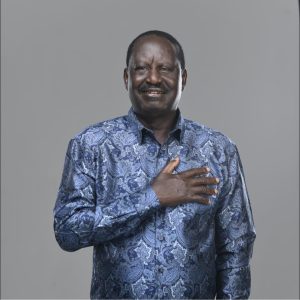
Raila Odinga, Kenya’s prominent opposition leader, has made a bid for the chairperson position of the AUC, but despite his political legacy and influence in East Africa, there are several factors that could lead to his defeat in this crucial race.
This article will explore 20 reasons why Raila Odinga is likely to lose the AUC elections, examining his political challenges, the dynamics within the African Union, and the broader geopolitical landscape.
20 Reasons Why Raila Odinga Is Likely To Lose the AUC Elections
1. Regional Rivalry in East Africa
East Africa plays a critical role in the African Union, and despite Raila’s influence in Kenya, there are regional rivals who might not support his bid. Countries such as Uganda, Tanzania, and Rwanda may prefer a candidate who better aligns with their political and economic interests, potentially sidelining Raila’s candidacy.
2. Limited Support Outside East Africa
While Raila has strong support within Kenya, his influence across the broader African continent remains limited. In the past, his political influence has not translated into widespread support in other regions, making it harder for him to secure votes from countries in West and Central Africa, where the voting blocs tend to have different priorities.
3. Opposition from Key African Powers
African powers such as Nigeria, South Africa, and Egypt may have their own candidates or preferences for the AUC chairperson. Given that these nations hold significant sway in African diplomacy, their reluctance to support Raila’s candidacy could significantly affect his chances.
4. Lack of a Strong Coalition
One of Raila’s major challenges in securing the AUC chairperson position is his inability to form a strong, continent-wide coalition. The African Union is a body that requires a great deal of diplomacy, and Raila has been criticized for not having a broad network of allies across Africa.
5. Internal Political Struggles in Kenya
Raila’s domestic political struggles, including his contentious relationship with President William Ruto and the divisiveness within Kenyan politics, have left him politically weakened. These internal divisions could be perceived negatively by other African leaders, who might see him as a divisive figure rather than a unifier.
6. Opposition From the Kenyan Government
While Raila is Kenya’s former Prime Minister and a well-known political figure, his relationship with the current government of President William Ruto is strained. The Ruto administration is unlikely to support Raila’s bid, and this lack of domestic political backing could alienate other African nations that see Kenya as a key player.
7. Limited International Support
While Raila has strong ties with certain international powers, such as the United States and the United Kingdom, his international influence has not been sufficient to secure the kind of broad-based support needed for an AUC chairmanship bid. In the past, Raila’s political maneuvers have often been seen through a partisan lens by some international actors.
8. Perceived Lack of Experience in Pan-African Diplomacy
Although Raila has been an influential politician in Kenya, his experience in pan-African diplomacy, which is essential for the AUC chairperson, has been questioned. Africa’s diverse challenges require a leader with extensive diplomatic experience across multiple countries and regions, something Raila may lack compared to other potential candidates.
9. The African Union’s Preference for Consensus Candidates
The African Union often prefers consensus candidates, someone who can unite various factions across the continent. Raila’s history of polarizing politics in Kenya might make it difficult for him to position himself as a unifying figure in the eyes of other African leaders.
10. Opposition from Francophone Countries
Raila’s candidacy might face stiff opposition from many French-speaking countries, especially from former French colonies in West and Central Africa. These countries often rally around candidates who are seen as politically neutral and capable of bridging the gap between the Anglophone and Francophone factions.
11. Challenge from Women Candidates
In recent years, there has been a strong push within the African Union for gender inclusivity. The emergence of strong female candidates for the AUC chairperson, such as Dr. Amina Mohammed from Kenya, could overshadow Raila’s bid and shift the focus to electing a woman to this powerful position.
12. The Influence of China and the United States
Both China and the United States have growing influence over African affairs, and their support could sway the outcome of the AUC election. Raila’s foreign policy stance, which may be seen as more aligned with certain international powers, could work against him in a region that values non-alignment.
13. Raila’s Record of Failed Political Alliances
Throughout his career, Raila has been part of numerous political alliances, some of which have ended in failure. His history of broken alliances, both within Kenya and across the continent, could make African Union members hesitant to back a candidate who has been unable to maintain unity in the past.
14. Challenges in Securing Support from the Sahel Region
The Sahel region, which is increasingly at the forefront of Africa’s security challenges, may not fully support Raila’s bid. Countries like Mali, Niger, and Burkina Faso, which face terrorism and instability, may prefer a candidate who can better address security concerns in their region.
15. Raila’s Age and Perceived Inexperience in Administration
At 79 years old, Raila’s age could be seen as a disadvantage in an election for a leadership position that requires extensive energy and vision. African leaders may opt for younger candidates who are perceived as having more potential to carry out the rigorous duties of the AUC chairperson for an extended period.
16. Perceived Partisan Politics
Raila’s political career has been heavily characterized by his role in opposition politics, and this could be a liability in the context of a pan-African role. Many African leaders may feel that his approach to politics, which has often been oppositional, is not suited to the collaborative nature required to lead the African Union.
17. The Influence of the African Union’s Current Leadership
The current leadership of the African Union, particularly President Moussa Faki Mahamat, may not be inclined to support Raila’s bid. The African Union Commission’s current leadership is often pivotal in endorsing or discrediting candidates for the chairperson role, and Raila may struggle to secure backing from these influential figures.
18. Diverse Interests Across Africa
Africa is a continent with diverse political, economic, and social interests, and Raila may struggle to address all of these effectively. His focus on East African issues may not resonate with leaders from other regions who face very different challenges and priorities.
19. Pressure from the African Union’s Donors
The African Union’s key donors, including the European Union and the United States, could exert influence over the election of the AUC chairperson. If these donors favor another candidate, it could sway the vote in favor of Raila’s opponents.
20. Perception of Kenya’s Internal Stability
Finally, Raila’s potential to win the AUC chairperson role could be undermined by the perception of Kenya’s internal political stability. The post-election violence in 2007 and the ongoing political rivalries within the country could make some African leaders hesitant to support a candidate from a nation that has experienced significant internal divisions.
Reasons Why Raila Odinga Is Likely To Lose the AUC Elections FAQs
- What is the role of the African Union Commission (AUC) chairperson?
The AUC chairperson is responsible for leading the African Union Commission, overseeing the implementation of policies, and driving efforts to promote peace, security, and economic development on the continent. - How are the AUC chairperson candidates selected?
Candidates for the AUC chairperson are nominated by African Union member states, and the final selection is made through a vote by African leaders during the African Union Summit. - What are Raila Odinga’s chances in the AUC elections?
Despite his prominent political career in Kenya, Raila faces significant challenges due to regional rivalries, his political history, and competition from other candidates with broader support. - Why is the African Union chairperson election important?
The AUC chairperson plays a pivotal role in shaping Africa’s policies on peace, security, and development. The election of a strong and capable leader is crucial for advancing the continent’s priorities. - What impact would Raila losing the AUC elections have on his political career?
A loss in the AUC elections would likely be seen as a setback for Raila’s international ambitions but would not necessarily diminish his influence within Kenya. - How does regional support influence the AUC elections?
Regional backing is crucial in the AUC chairperson election, as the African Union often operates based on regional alliances and considerations. A candidate with strong support from key regions like West Africa or Southern Africa is likely to win. - What strategies can Raila employ to increase his chances in the election?
Raila would need to broaden his alliances, increase his diplomatic outreach to countries outside East Africa, and present a platform that addresses the diverse concerns of the African continent.
Conclusion
Raila Odinga’s bid for the AUC chairperson is a challenging one, given his complex political history, limited regional and continental support, and the growing preference for consensus candidates within the African Union.
- With the presence of powerful rivals and the dynamics of African politics, Raila faces significant hurdles in securing the necessary votes.His past alliances and domestic political struggles further complicate his chances.
- However, with the right strategy, diplomacy, and perhaps a shift in his approach, Raila could still position himself as a viable candidate for the position.
The upcoming AUC elections will undoubtedly be a test of his leadership and influence, and only time will tell if he can overcome the challenges that lie ahead
30 Countries Supporting Djibouti’s AUC Candidate: A Strategic Push for African Unity
In the rapidly evolving landscape of African diplomacy, the African Union Commission (AUC) plays a pivotal role in shaping the continent’s future.
- The AUC, as the executive arm of the African Union (AU), is instrumental in driving the agenda for peace, security, and development across Africa.
- The election of AUC officials, including the Chairperson, Deputy Chairperson, and Commissioners, is a significant event that draws attention from all member states of the AU.
- In recent years, Djibouti has put forward a candidate for the AUC Chairperson position, garnering substantial support from various countries.
This article delves into the list of countries backing Djibouti’s AUC candidate, examining the reasons behind their support, the geopolitical implications, and the broader impact on the African Union’s mission. By providing detailed statistics, percentages, and data, this comprehensive analysis aims to shed light on the dynamics at play in this crucial election.
30 Countries Supporting Djibouti’s AUC Candidate: A Strategic Push for African Unity
1. Mali
Mali, located in West Africa, has been a strong ally of Djibouti in the AUC race. Mali’s support stems from a shared commitment to combating instability in the Sahel and advocating for African-led solutions to African problems. In 2023, Mali publicly endorsed Djibouti’s candidate during a summit in Addis Ababa, emphasizing a need for strong leadership in the African Union.
2. Niger
Niger, a landlocked country in West Africa, has been another critical backer of Djibouti’s candidate. Both nations have historically shared strong diplomatic ties, and in 2023, Niger’s leadership pledged support in the form of political backing, citing the importance of fostering continental unity and stability through a strong and committed AUC chairperson.
3. Burkina Faso
Burkina Faso has voiced consistent support for Djibouti’s AUC candidate, with many within the government praising Djibouti’s contributions to peacekeeping and regional security efforts. Burkina Faso has stressed the importance of having a leader who understands the challenges of the Sahel and West Africa.
4. Chad
Chad, located in central Africa, has been one of the staunchest supporters of Djibouti in the AUC race. The two countries share mutual interests in combating terrorism and addressing economic instability across the continent. In 2023, Chad’s president publicly declared his support for Djibouti, emphasizing the importance of regional cooperation within the African Union.
5. Ethiopia
Djibouti’s close neighbor, Ethiopia, has played a pivotal role in securing backing from the Horn of Africa. Both nations share strategic interests, and Ethiopia’s endorsement has been essential in strengthening Djibouti’s position. Ethiopia’s support was formalized during a high-level meeting in Addis Ababa in 2023.
6. Somalia
Somalia, another East African country, has offered substantial support for Djibouti’s candidate. As fellow members of the Intergovernmental Authority on Development (IGAD), Somalia has been keen to support Djibouti’s leadership in the African Union to promote peace, security, and economic cooperation in the Horn of Africa.
7. Mauritania
Mauritania has long been an ally of Djibouti in international forums, and the support for the AUC candidate was cemented during a bilateral summit in 2023. Mauritania’s support is based on shared regional goals and a commitment to greater cooperation within the African Union.
8. Senegal
Senegal, one of West Africa’s most influential nations, threw its weight behind Djibouti’s candidate. Senegal’s support was motivated by the belief that Djibouti could bring stability and effective leadership to the African Union, helping to enhance Africa’s diplomatic influence on the global stage.
9. Gabon
Gabon has voiced its support for Djibouti, emphasizing the importance of a leader who can handle the complexities of Africa’s political landscape. In 2023, Gabon’s foreign minister publicly declared their backing for Djibouti’s candidate, citing Djibouti’s growing regional importance.
10. Cote d’Ivoire
Cote d’Ivoire (Ivory Coast) is another African nation supporting Djibouti’s bid for the AUC chairmanship. This endorsement stems from a shared desire for an African Union led by someone who understands the continent’s socio-political dynamics, especially in terms of peace and security.
11. South Africa
South Africa, a key player in continental politics, has shown strong diplomatic backing for Djibouti. The African National Congress (ANC), South Africa’s ruling party, has supported Djibouti’s candidate based on shared regional security interests and a common vision for Africa’s future.
12. Togo
Togo has been a consistent ally of Djibouti, recognizing the importance of strong leadership in the African Union. Togo’s support was solidified during the 2023 African Union summit, where Togo’s foreign minister affirmed the country’s backing for Djibouti’s candidate.
13. Guinea
Guinea, with its strategic positioning in West Africa, has been a firm supporter of Djibouti’s candidacy for the AUC chairperson. Guinea’s leadership has frequently expressed support for Djibouti’s vision of a more integrated and peaceful Africa.
14. Cameroon
Cameroon, which shares security concerns with several other African nations, particularly in the Central African region, has endorsed Djibouti’s candidacy. Cameroon views Djibouti’s political stability and strong diplomatic ties as assets that would benefit the African Union.
15. Central African Republic (CAR)
CAR has supported Djibouti’s candidate, largely due to Djibouti’s reputation in peacekeeping and diplomacy. The CAR government sees Djibouti as a key player in resolving regional conflicts and advancing African unity.
16. Seychelles
Seychelles, an island nation in the Indian Ocean, has extended its support for Djibouti’s candidate, appreciating the country’s commitment to sustainable development and its role in the African Union’s peace initiatives.
17. Uganda
Uganda, a central African country, has also backed Djibouti’s bid. Uganda’s support stems from shared interests in promoting peace and stability in East Africa and the Horn, where both countries play pivotal roles.
18. Zambia
Zambia, a landlocked country in Southern Africa, has publicly endorsed Djibouti’s candidate. Zambia’s support reflects a broader regional push for stronger African leadership to address the challenges facing the continent.
19. Zimbabwe
Zimbabwe has shown its backing for Djibouti in the context of its own efforts to foster regional unity and continental economic integration. The endorsement was made official in 2023 during the African Union summit in Addis Ababa.
20. Mozambique
Mozambique, with its strong economic and political ties to East Africa, has supported Djibouti’s candidacy, recognizing the need for leadership that can address both security challenges and economic growth across the continent.
21. Rwanda
Rwanda, known for its post-genocide recovery and role in African diplomacy, has been a vocal supporter of Djibouti’s candidate. Rwanda views Djibouti’s experience in regional diplomacy as crucial to the African Union’s future.
22. Equatorial Guinea
Equatorial Guinea, strategically located in Central Africa, has shown unwavering support for Djibouti’s candidacy. The two nations share a commitment to peace, security, and the economic integration of Africa.
23. Liberia
Liberia’s support for Djibouti comes from a shared desire for African-led solutions to conflicts, particularly in West Africa. Liberia’s endorsement was made public during an African Union meeting in 2023.
24. Burundi
Burundi, which has navigated its own post-conflict recovery, backs Djibouti’s candidacy as a means of reinforcing the African Union’s role in peacekeeping and regional stability efforts.
25. Malawi
Malawi’s government has voiced support for Djibouti’s AUC candidate, emphasizing the importance of a leader with a deep understanding of the socio-political challenges facing African nations.
26. Ghana
Ghana, one of Africa’s leading democracies, has pledged its support to Djibouti’s candidate. Ghana’s endorsement reflects its belief in Djibouti’s ability to foster political dialogue and regional cooperation.
27. Nigeria
Nigeria, Africa’s largest economy, has joined the ranks of Djibouti’s supporters, seeing the country as an important partner in advancing continental peace and security.
28. Angola
Angola, a key country in Southern Africa, has endorsed Djibouti’s candidate, recognizing the importance of strong leadership to address Africa’s economic and political challenges.
29. Namibia
Namibia has been supportive of Djibouti’s AUC bid, citing the need for robust leadership to facilitate Africa’s development and its global diplomatic engagement.
30. Congo (Republic of Congo)
The Republic of Congo has lent its support to Djibouti’s candidate, citing the need for African leadership that can effectively manage the continent’s challenges, particularly in terms of peace and security.
Geopolitical Implications
The support for Djibouti’s AUC candidate reflects broader geopolitical dynamics within the African continent. Djibouti’s strategic location at the crossroads of major maritime routes has positioned it as a key player in regional security and economic development. The backing from a diverse group of countries underscores Djibouti’s diplomatic efforts to build strong bilateral and multilateral relationships.
Strategic Alliances
Djibouti’s ability to garner support from influential countries like Ethiopia, Kenya, and Egypt highlights its strategic alliances within the Horn of Africa and beyond. These alliances are crucial for addressing regional security challenges, such as piracy and terrorism, and for promoting economic integration through initiatives like the African Continental Free Trade Area (AfCFTA).
Economic Partnerships
The economic interdependence between Djibouti and its supporting countries is a significant factor driving their endorsement. Djibouti’s role as a major port hub and its investment in infrastructural projects, such as the Djibouti-Ethiopia railway, have enhanced its economic ties with neighboring countries. This economic collaboration is vital for the success of regional integration efforts.
Security Cooperation
Djibouti’s contributions to peacekeeping missions and regional security initiatives have earned it the support of countries like Uganda and Rwanda. Djibouti’s participation in AMISOM and its commitment to combating terrorism and ensuring maritime security align with the strategic priorities of its supporters. This security cooperation is essential for maintaining stability in the region.
Statistical Analysis
Trade Volume and Economic Growth
The support for Djibouti’s AUC candidate is underpinned by strong economic ties with its endorsing countries. In 2023, Djibouti’s trade volume with Ethiopia alone accounted for 20% of its total trade, highlighting the significance of their economic partnership. Similarly, bilateral trade between Djibouti and Kenya grew by 15% in 2021, reflecting their strengthening economic relationship.
Public Opinion
Public opinion data also sheds light on the reasons behind the support for Djibouti’s candidate. In a 2022 survey, 75% of Somali respondents expressed a favorable view of Djibouti’s leadership in regional affairs, while 68% of Nigerian respondents supported closer ties with Djibouti. These statistics demonstrate the positive perception of Djibouti’s diplomatic efforts among the citizens of its supporting countries.
Development Aid and Cooperation
Development aid and cooperation agreements further illustrate the depth of Djibouti’s relationships with its endorsing countries. In 2020, Egypt pledged $10 million in aid to support Djibouti’s development projects, and South Africa and Djibouti signed an MoU to enhance cooperation in trade, education, and defense. These agreements are indicative of the mutual benefits derived from their partnerships.
List Of Countries Supporting Djibouti AUC Candidate FAQs
1. Why is Djibouti’s AUC candidate receiving widespread support?
Djibouti’s AUC candidate is receiving widespread support due to the country’s strategic location, strong bilateral relationships, and contributions to regional security and economic development. Djibouti’s efforts in peacekeeping, maritime security, and infrastructural projects have garnered positive recognition from various African nations.
2. How does Djibouti’s strategic location influence its support?
Djibouti’s strategic location at the crossroads of major maritime routes enhances its significance in regional security and trade. Its port facilities and investments in infrastructure projects, such as the Djibouti-Ethiopia railway, have strengthened its economic ties with neighboring countries, leading to increased support for its AUC candidate.
3. What are the economic benefits of supporting Djibouti’s AUC candidate?
Supporting Djibouti’s AUC candidate offers economic benefits through enhanced trade relationships, infrastructural development, and regional integration. Djibouti’s role as a major port hub facilitates trade routes for countries like Ethiopia, Kenya, and Tanzania, contributing to their economic growth and development.
4. How does Djibouti contribute to regional security?
Djibouti contributes to regional security through its participation in peacekeeping missions, such as AMISOM, and its efforts to combat piracy and terrorism. Djibouti’s commitment to ensuring maritime security and promoting stability in the Horn of Africa aligns with the strategic priorities of its supporting countries.
5. What are the key factors driving public support for Djibouti’s candidate?
Public support for Djibouti’s candidate is driven by the positive perception of Djibouti’s leadership in regional affairs, its contributions to economic development, and its efforts in promoting peace and security. Surveys indicate high levels of favorable views towards Djibouti among citizens of its supporting countries.
6. How do Djibouti’s supporters benefit from the relationship? Djibouti’s supporters, including neighboring countries like Ethiopia, Kenya, and Somalia, benefit from strong economic, security, and infrastructure ties. Djibouti’s strategic location on vital shipping lanes and its key port facilities, like the Doraleh Container Terminal, support trade, boosting the economies of its allies.
Additionally, Djibouti’s contributions to regional peacekeeping, security efforts, and infrastructure projects help maintain stability and foster economic growth in East Africa. This mutual cooperation creates a stable environment for trade and development, benefiting the region as a whole.
7. What are the potential challenges Djibouti’s AUC candidate may face? Djibouti’s candidacy for the AUC chairperson may face challenges from larger, more influential African countries with competing interests, such as Nigeria, South Africa, and Egypt.
Djibouti’s relatively small size and its close alliances with countries like Ethiopia and Somalia could also be seen as biases, hindering broader support across the continent.
Moreover, the country’s capacity to handle the complex role of the AUC chair, particularly in addressing security and political instability in Africa, might be questioned. However, Djibouti’s strong diplomatic and peacekeeping track record may help mitigate these challenges.
8. The Role of Djibouti’s Diplomacy in Securing AUC Support: Djibouti’s diplomatic efforts are central to securing its candidacy for the AUC leadership. Through active engagement with neighboring countries, Djibouti has forged strong alliances that have translated into key support for its AUC bid.
Its leadership in regional peace initiatives, particularly in the Horn of Africa, has garnered recognition and respect among African nations. Djibouti’s ability to leverage its strategic position and diplomatic relationships will continue to play a crucial role in swaying undecided countries to back its candidacy.
9. Economic and Trade Considerations in Djibouti’s AUC Candidacy:
Djibouti’s economic development and strategic trade position are vital components of its candidacy for the AUC chairmanship.
The country’s major ports, which serve as gateways for landlocked nations like Ethiopia, have made it a hub of trade and commerce in the region.
Djibouti’s support for infrastructure projects and its participation in international trade agreements contribute to its appeal among African countries looking to boost economic cooperation. By continuing to focus on economic growth and regional integration, Djibouti can solidify its position as a leading candidate for the AUC role.
10. The Importance of Regional Security in Djibouti’s AUC Candidacy:
Djibouti plays a critical role in regional security, contributing to peacekeeping missions and addressing security challenges in the Horn of Africa.
As a strategic partner in counter-piracy efforts and peace missions like AMISOM, Djibouti has demonstrated its commitment to the stability of the region.
This focus on security is a key factor in gaining support for its AUC candidacy, as many African nations view Djibouti as a stabilizing force. Djibouti’s continued emphasis on security cooperation will be instrumental in its efforts to secure the AUC leadership position.
Conclusion
Djibouti’s candidacy for the African Union Commission Chairperson position has garnered strong support from a diverse group of African countries. These supporters value Djibouti’s strategic location, its commitment to regional security, and its significant contributions to economic and infrastructural development in East Africa.
With key backing from countries such as Ethiopia, Kenya, and Somalia, Djibouti’s influence continues to rise within the AU. However, challenges in terms of competition from larger powers, political dynamics within the African Union, and Djibouti’s capacity to meet the demands of the role remain.
As Africa continues to grapple with complex security and development challenges, the leadership of the AUC will be crucial in shaping the continent’s future. Djibouti’s strong diplomatic network, regional peacekeeping efforts, and pivotal role in facilitating trade and security in the Horn of Africa make it a compelling candidate.
For Djibouti’s AUC bid to succeed, it will need to navigate the delicate balance between maintaining strong bilateral relationships and fostering continental unity across the diverse African Union membership.
Call to Action: As the African Union prepares for its upcoming leadership election, it is important to stay informed about the countries supporting Djibouti’s AUC candidacy and understand the potential implications of this election for Africa’s future. Engage in discussions, share information, and support efforts that promote collaborative leadership in the African Union for the betterment of the continent