Are you curious if you or can i open a bank account with a passport in Uganda? Yes, you can open a bank account with a passport in Uganda, and top-rated banks like Stanbic Bank, Centenary Bank, Standard Chartered, dfcu Bank, and Bank of Africa Uganda facilitate this process smoothly.
In Uganda, the banking sector is regulated by the Bank of Uganda, which ensures that banks adhere to specific standards and regulations.
- Opening a bank account is essential for various reasons, including secure storage of funds, ease of transactions, and access to financial services such as loans and savings accounts.
- For expatriates and foreigners living in Uganda, having a bank account is crucial for managing finances efficiently.
- Using a passport as a primary identification document is common practice in many countries, and Uganda is no exception.
This article will delve into the specifics of using a passport to open a bank account in Uganda, the types of accounts available, and the steps involved in the process. We will also address frequently asked questions and provide a conclusion with a call to action.
Can I Open A Bank Account With A Passport In Uganda?
Requirements for Opening a Bank Account in Uganda
To open a bank account in Uganda, you need to meet certain requirements. While these requirements may vary slightly between banks, the general criteria include:
- Valid Identification Document: A valid passport is accepted as a primary identification document for opening a bank account. Other acceptable forms of identification include a national ID card or a driver’s license for Ugandan citizens.
- Passport Photo: Most banks require a recent passport-sized photograph. This photo is used for identification purposes and is usually attached to your bank account application form.
- Signature: A sample of your signature is required. This can be provided in person at the bank or through a photo of your signature, depending on the bank’s policies.
- Proof of Address: Some banks may require proof of address, such as a utility bill, rental agreement, or any official document that confirms your residence.
- Minimum Deposit: Some banks require an initial deposit to open an account. The amount varies depending on the type of account and the bank’s policies.
- Completed Application Form: You will need to fill out an application form provided by the bank. This form collects your personal details, contact information, and account preferences.
Types of Bank Accounts in Uganda
When opening a bank account in Uganda, you can choose from various types of accounts based on your needs and preferences. The main types of accounts include:
- Savings Account: Ideal for individuals looking to save money and earn interest. Savings accounts usually have lower minimum balance requirements and offer interest on the deposited amount.
- Current Account: Suitable for businesses and individuals who perform frequent transactions. Current accounts provide easy access to funds and often come with checkbooks and debit cards.
- Fixed Deposit Account: Designed for individuals who want to invest a lump sum of money for a fixed period. Fixed deposit accounts offer higher interest rates compared to savings accounts.
- Foreign Currency Account: Ideal for expatriates and businesses dealing in foreign currencies. These accounts allow you to hold and transact in multiple currencies.
- Student Account: Tailored for students, these accounts often have lower fees and provide financial literacy resources to help students manage their finances.
- Joint Account: A joint account can be opened by two or more individuals, making it suitable for couples, business partners, or family members.
- Business Account: Specifically designed for businesses, these accounts offer features like payroll services, business loans, and merchant services.
Steps to Open a Bank Account with a Passport in Uganda
Opening a bank account with a passport in Uganda involves several steps. Here’s a step-by-step guide to help you through the process:
1. Choose a Bank
Research and select a bank that meets your needs. Consider factors such as the bank’s reputation, fees, interest rates, and the types of accounts offered. Some of the major banks in Uganda include:
- Stanbic Bank Uganda
- Standard Chartered Bank Uganda
- Centenary Bank
- Bank of Africa Uganda
- dfcu Bank
2. Gather Required Documents
Ensure you have all the necessary documents, including:
- A valid passport
- Passport-sized photo
- Proof of address (if required)
- Initial deposit (if required)
3. Visit the Bank
Visit the nearest branch of your chosen bank. It’s advisable to go during banking hours and, if possible, make an appointment to avoid long wait times.
4. Fill Out the Application Form
At the bank, request an account opening form. Fill out the form with accurate information, including your personal details, contact information, and account preferences. Attach your passport photo and provide a sample of your signature.
5. Submit Your Documents
Submit your completed application form along with the required documents to the bank representative. The bank will verify your documents and process your application.
6. Initial Deposit
If the bank requires an initial deposit, you will need to deposit the specified amount to activate your account. This amount varies depending on the type of account you are opening.
7. Account Activation
Once your application is approved and the initial deposit is made (if required), your account will be activated. The bank will provide you with your account details, including your account number and any associated banking materials, such as a debit card or checkbook.
8. Set Up Online Banking
Many banks in Uganda offer online banking services. Register for online banking to manage your account, perform transactions, and access other banking services conveniently.
Benefits of Opening a Bank Account with a Passport in Uganda
Opening a bank account with a passport in Uganda offers several benefits:
- Ease of Access: Using a passport simplifies the identification process, especially for expatriates and foreigners.
- Security: Bank accounts provide a secure place to store your money, reducing the risk of loss or theft associated with keeping cash.
- Convenience: Having a bank account makes it easier to perform financial transactions, such as paying bills, transferring money, and receiving payments.
- Financial Services: Access to various financial services, including loans, savings accounts, and investment opportunities.
- Record Keeping: Bank statements provide a record of your transactions, which can be useful for budgeting and financial planning.
- Interest Earnings: Savings and fixed deposit accounts offer interest on your deposited funds, helping your money grow over time.
- Building Credit: Maintaining a bank account can help you build a credit history, which is important for obtaining loans and other credit facilities.
Can I Open A Bank Account With A Passport In Uganda (FAQs)
1. Can a Foreigner Open a Bank Account in Uganda?
Yes, foreigners can open bank accounts in Uganda. They need to provide a valid passport and other required documents, such as proof of address and an initial deposit.
2. What Types of Accounts Can Be Opened with a Passport?
A passport can be used to open various types of accounts, including savings accounts, current accounts, fixed deposit accounts, foreign currency accounts, and more.
3. Is Proof of Address Mandatory for Opening a Bank Account?
Proof of address may be required by some banks. Acceptable documents include utility bills, rental agreements, or any official document that confirms your residence.
4. Can I Open a Bank Account Online in Uganda?
Some banks in Uganda offer online account opening services. However, you may still need to visit the bank branch for document verification and initial deposit.
5. What Are the Minimum Balance Requirements for Bank Accounts in Uganda?
The minimum balance requirements vary depending on the bank and the type of account. It’s best to check with your chosen bank for specific details.
6. Are There Fees Associated with Opening a Bank Account?
There may be fees associated with opening and maintaining a bank account, such as account opening fees, monthly maintenance fees, and transaction fees. Check with your bank for a detailed fee schedule.
7. Can I Access International Banking Services with a Ugandan Bank Account?
Yes, many banks in Uganda offer international banking services, including international money transfers, foreign currency accounts, and access to global financial markets.
Conclusion
Opening a bank account in Uganda using a passport is a convenient and straightforward process. With the right documents and by following the steps outlined in this guide, you can easily open an account and enjoy the numerous benefits that come with it.
- Whether you are a local resident or an expatriate, having a bank account in Uganda can help you manage your finances more effectively and securely.
- In summary, using a passport to open a bank account in Uganda is possible and offers a range of benefits. It simplifies the identification process, provides security for your funds, and grants access to various financial services.
- If you are considering opening a bank account in Uganda, gather the required documents, choose a reputable bank, and follow the outlined steps to get started.
Call to Action: If you are ready to open a bank account in Uganda, visit your nearest bank branch with your passport and required documents today. Experience the convenience and security of having a bank account and take advantage of the financial services available to you. Don’t wait—open your bank account now and start managing your finances with ease
What Are The Blocks Of The Mau Forest? Find 7 Best
Inquisitive about What are the blocks of the Mau Forest? Primarily, the Mau Forest is divided into seven blocks, including South-West Mau (Tinet) (18%), East Mau (14%), Transmara (16%), Maasai Mau (21%), and Western Mau (10%), covering over 400,000 hectares and serving as a vital water catchment for Lake Victoria and the White Nile.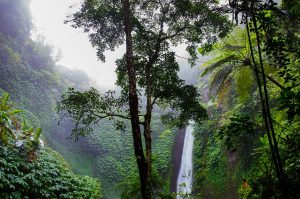
- The Mau Forest Complex, located in Kenya, is the largest indigenous montane forest in East Africa.
- It comprises seven distinct blocks, each with unique characteristics and ecological importance.
- The forest is a critical water catchment area, serving major rivers such as the Mara, Sondu, Ewaso Ng’iro, and Njoro.
- The degradation of the Mau Forest has raised concerns about water scarcity, loss of biodiversity, and climate change.
In this article, we will explore the main blocks of the Mau Forest, their significance, and the challenges they face. We will also answer some frequently asked questions about the Mau Forest Complex.
What Are The Blocks Of The Mau Forest? Find 7 Best
1. Eastern Mau Block
The Eastern Mau Block is the largest of the Mau Forest Complex, covering approximately 66,000 hectares. This block is crucial for water catchment and supports numerous rivers that flow into Lake Victoria and Lake Nakuru. It is home to a variety of wildlife, including elephants, leopards, and numerous bird species.
The Eastern Mau Block faces significant threats from deforestation, illegal logging, and encroachment for agricultural purposes. Conservation efforts are underway to restore this vital ecosystem. Community involvement and government initiatives are essential to ensure the sustainability of the Eastern Mau Block.
Pros:
- Vital water catchment
- Biodiverse wildlife
- Supports major rivers
- Conservation efforts
- Government initiatives
- Community involvement
- Largest block
Cons:
- Deforestation
- Illegal logging
- Encroachment
2. Western Mau Block
The Western Mau Block spans about 22,700 hectares and is known for its rich biodiversity. This block is home to indigenous trees, diverse bird species, and various mammals. It plays a significant role in water regulation and soil conservation, contributing to agricultural productivity in the region.
Like other blocks, the Western Mau faces challenges from human activities such as illegal logging and agricultural encroachment. Efforts to rehabilitate this block focus on reforestation and sustainable land management practices. The involvement of local communities is crucial for the success of these initiatives.
Pros:
- Rich biodiversity
- Indigenous trees
- Diverse bird species
- Water regulation
- Soil conservation
- Agricultural productivity
- Reforestation efforts
Cons:
- Illegal logging
- Agricultural encroachment
- Human activities
3. Southern Mau Block
The Southern Mau Block covers approximately 42,000 hectares and is vital for the survival of several rivers that flow into Lake Nakuru and Lake Baringo. This block supports a variety of wildlife and plant species, making it a key area for biodiversity conservation.
Deforestation and human encroachment are significant threats to the Southern Mau Block. Conservation efforts are focused on protecting the remaining forest cover and promoting sustainable land use practices. These efforts are crucial to maintain the ecological balance and support the communities that depend on the forest.
Pros:
- Supports key rivers
- Biodiverse wildlife
- Plant species
- Biodiversity conservation
- Ecological balance
- Sustainable land use
- Community support
Cons:
- Deforestation
- Human encroachment
- Significant threats
4. Trans Mara Block
The Trans Mara Block, covering about 35,000 hectares, is essential for the Mara River Basin. This block supports diverse flora and fauna, including the iconic African elephants and various bird species. It is also significant for the indigenous Maasai community who depend on the forest for their livelihoods.
The Trans Mara Block faces pressures from illegal settlements and deforestation. Conservation strategies include involving the Maasai community in forest management and promoting eco-tourism. These measures aim to protect the forest while providing sustainable income for the local population.
Pros:
- Supports Mara River
- Diverse flora and fauna
- African elephants
- Indigenous Maasai community
- Livelihood support
- Eco-tourism potential
- Forest management
Cons:
- Illegal settlements
- Deforestation
- Pressures on forest
5. Ol Pusimoru Block
The Ol Pusimoru Block, spanning approximately 17,000 hectares, is a crucial water catchment area for the Sondu River. This block is characterized by its dense forest cover and rich biodiversity, providing habitat for numerous wildlife species.
Illegal logging and agricultural expansion threaten the Ol Pusimoru Block. Efforts to conserve this block focus on enhancing forest cover through reforestation and promoting sustainable agricultural practices. Community engagement is vital to ensure the success of these conservation initiatives.
Pros:
- Crucial water catchment
- Dense forest cover
- Rich biodiversity
- Wildlife habitat
- Reforestation efforts
- Sustainable agriculture
- Community engagement
Cons:
- Illegal logging
- Agricultural expansion
- Conservation challenges
6. Maasai Mau Block
The Maasai Mau Block, covering around 46,000 hectares, is an important ecological area within the Mau Forest Complex. This block supports several rivers and is home to various wildlife species, including elephants and buffaloes. It is also significant for the Maasai community, who rely on the forest for grazing and other resources.
Encroachment and illegal logging are major threats to the Maasai Mau Block. Conservation efforts include demarcating forest boundaries and involving the Maasai community in sustainable forest management practices. These measures aim to protect the forest while ensuring the well-being of the local community.
Pros:
- Important ecological area
- Supports key rivers
- Wildlife habitat
- Elephants and buffaloes
- Maasai community
- Grazing resources
- Sustainable management
Cons:
- Encroachment
- Illegal logging
- Major threats
7. South West Mau Block
The South West Mau Block, covering approximately 26,000 hectares, is essential for the Mara River and Ewaso Ng’iro Basin. This block is characterized by its high biodiversity, supporting various plant and animal species. It is also a significant water catchment area, contributing to regional water security.
Human activities such as logging and agriculture pose significant threats to the South West Mau Block. Conservation strategies focus on reforestation, sustainable land use, and community involvement. These efforts aim to restore the forest and maintain its ecological functions.
Pros:
- Supports Mara River
- High biodiversity
- Plant and animal species
- Water catchment area
- Regional water security
- Reforestation efforts
- Sustainable land use
Cons:
- Logging
- Agriculture
- Significant threats
What Are The Blocks Of The Mau Forest FAQs
1. What is the importance of the Mau Forest Complex?
The Mau Forest Complex is crucial for water catchment, biodiversity conservation, and climate regulation. It supports major rivers, diverse wildlife, and provides resources for local communities.
2. What are the main threats to the Mau Forest Complex?
The main threats include deforestation, illegal logging, human encroachment, and agricultural expansion. These activities degrade the forest and disrupt its ecological functions.
3. How are conservation efforts being implemented in the Mau Forest Complex?
Conservation efforts include reforestation, sustainable land use practices, community involvement, and government initiatives. These measures aim to restore and protect the forest ecosystem.
4. What role do local communities play in the conservation of the Mau Forest?
Local communities are involved in forest management, sustainable agriculture, and conservation activities. Their participation is essential for the success of conservation initiatives.
5. How does the Mau Forest Complex contribute to Kenya’s economy?
The Mau Forest supports agriculture, tourism, and water supply, contributing to Kenya’s economy. It provides resources for local communities and supports various industries.
6. What are the ecological benefits of the Mau Forest Complex?
The Mau Forest provides habitat for diverse wildlife, regulates climate, conserves soil, and supports water catchment. It maintains ecological balance and biodiversity.
7. What can individuals do to support the conservation of the Mau Forest?
Individuals can support conservation efforts by participating in reforestation projects, advocating for sustainable land use, and raising awareness about the importance of the Mau Forest.
Conclusion
The Mau Forest Complex is a vital ecological and economic asset for Kenya. Its various blocks, including the Eastern Mau, Western Mau, Southern Mau, Trans Mara, Ol Pusimoru, Maasai Mau, and South West Mau, play crucial roles in water catchment, biodiversity conservation, and climate regulation.
However, these blocks face significant threats from deforestation, illegal logging, and human encroachment.Conservation efforts involving reforestation, sustainable land use, and community involvement are essential to protect and restore this critical ecosystem.
By working together, we can ensure the long-term sustainability of the Mau Forest Complex for future generations.Call to Action: Support the conservation of the Mau Forest by participating in reforestation initiatives, promoting sustainable land use practices, and raising awareness about the importance of this vital ecosystem. Together, we can make a difference in preserving Kenya’s natural heritage
What Kind Of Trees Are In The Mau Forest?
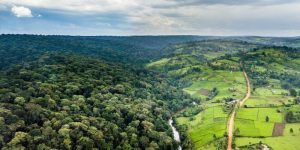
- The Mau Forest, located in Kenya, is one of the country’s most significant forest complexes. Covering over 400,000 hectares, it serves as a crucial water catchment area, supporting rivers that feed into major lakes and providing water for millions of people.
- The forest is also home to a rich biodiversity, including various species of flora and fauna. Among its most remarkable features are the diverse kinds of trees that flourish within its expanse.
- These trees not only contribute to the ecological balance but also offer numerous benefits to the local communities and wildlife.
What Kind Of Trees Are In The Mau Forest? Find 10 Best
1. African Olive (Olea europaea subsp. africana)
The African Olive, known scientifically as Olea europaea subsp. africana, is a significant kind of tree in the Mau Forest. This tree species is known for its dense foliage and hard, durable wood. African Olive trees can reach up to 15 meters in height, providing excellent canopy cover that is essential for maintaining the forest’s microclimate. These trees have small, dark green leaves that are glossy and oval-shaped, contributing to their attractive appearance.
The African Olive tree is not only vital for the forest’s ecosystem but also holds cultural significance for the local communities. Its wood is used for making traditional tools and furniture due to its strength and resistance to pests. Additionally, the tree produces small, black olives that are a food source for various bird species. The African Olive is a resilient kind of tree, capable of withstanding harsh climatic conditions, making it an invaluable component of the Mau Forest’s biodiversity.
Pros:
- Durable wood
- Dense foliage
- Pest-resistant
- Cultural significance
- Attractive appearance
- Food source for birds
- Resilient
Cons:
- Slow-growing
- Limited distribution
- Requires maintenance
2. East African Cedar (Juniperus procera)
Juniperus procera, commonly known as the East African Cedar, is another prominent kind of tree in the Mau Forest. This evergreen tree can grow up to 40 meters tall, with a straight trunk and a conical shape. The East African Cedar is renowned for its aromatic wood, which is highly resistant to decay and insect damage, making it a valuable resource for timber and construction.
The foliage of the East African Cedar consists of needle-like leaves that are dark green and densely packed, providing excellent cover for various wildlife species. The tree’s wood is used in the production of high-quality furniture, flooring, and paneling. Furthermore, the East African Cedar plays a crucial role in soil conservation and water regulation within the forest. Its deep root system helps in preventing soil erosion and maintaining the water table, which is essential for the health of the Mau Forest ecosystem.
Pros:
- Tall growth
- Aromatic wood
- Pest-resistant
- Soil conservation
- Water regulation
- Wildlife cover
- High-quality timber
Cons:
- Overexploitation
- Long maturity period
- Specific habitat needs
3. Podocarpus (Podocarpus latifolius)
Podocarpus latifolius, commonly referred to as Podocarpus, is a notable kind of tree found in the Mau Forest. This evergreen tree can grow up to 20 meters in height and is characterized by its straight trunk and dense, dark green foliage. The leaves of the Podocarpus are lance-shaped and leathery, providing a lush green canopy throughout the year.
Podocarpus trees are highly valued for their timber, which is used in construction and carpentry due to its durability and fine grain. The tree also produces small, fleshy cones that are a food source for birds and other wildlife. Additionally, Podocarpus trees play a significant role in maintaining the ecological balance of the Mau Forest by providing habitat and food for various species. Their presence contributes to the overall biodiversity and health of the forest ecosystem.
Pros:
- Durable timber
- Dense foliage
- Evergreen
- Wildlife habitat
- Biodiversity support
- Fine-grained wood
- Aesthetic value
Cons:
- Slow growth
- Timber exploitation
- Specific soil needs
4. Bamboo (Yushania alpina)
Yushania alpina, commonly known as African Alpine Bamboo, is a unique kind of tree-like grass found in the Mau Forest. Although not a tree in the traditional sense, bamboo plays a crucial role in the forest’s ecosystem. It grows in dense clusters, reaching heights of up to 20 meters, and is known for its rapid growth rate and resilience.
Bamboo is an important resource for local communities, providing materials for construction, crafts, and fuel. Its extensive root system helps prevent soil erosion and stabilize riverbanks, contributing to water conservation efforts within the forest. Additionally, bamboo serves as a habitat and food source for various wildlife species, including the endangered Mountain Bongo antelope. The presence of bamboo in the Mau Forest highlights the diversity of plant life and its importance in supporting the forest’s ecological functions.
Pros:
- Rapid growth
- Soil erosion control
- Water conservation
- Renewable resource
- Habitat provision
- Versatile use
- High resilience
Cons:
- Invasive potential
- Maintenance needs
- Non-native species issues
5. African Cherry (Prunus africana)
Prunus africana, commonly known as the African Cherry, is a significant kind of tree in the Mau Forest. This evergreen tree can grow up to 30 meters tall and is recognized for its distinctive rough, dark bark and glossy green leaves. The African Cherry is particularly valued for its medicinal properties, as its bark is used in traditional medicine to treat various ailments.
The wood of the African Cherry is also highly prized for its durability and is used in furniture making and construction. The tree produces small, white flowers that develop into dark red cherries, providing food for birds and other wildlife. The African Cherry plays a crucial role in the Mau Forest ecosystem by supporting biodiversity and offering economic benefits to local communities through sustainable harvesting practices.
Pros:
- Medicinal bark
- Durable wood
- Evergreen
- Biodiversity support
- Wildlife food source
- Economic value
- Attractive flowers
Cons:
- Overharvesting risk
- Slow regeneration
- Specific growing conditions
6. Elgon Teak (Olea capensis)
Olea capensis, commonly known as Elgon Teak, is a prominent kind of tree in the Mau Forest. This tree species can reach heights of up to 35 meters and is known for its tall, straight trunk and dense, dark green foliage. Elgon Teak is highly valued for its hard, durable wood, which is resistant to pests and decay, making it an excellent material for construction and furniture.
The leaves of the Elgon Teak are small, leathery, and glossy, contributing to the tree’s attractive appearance. This kind of tree plays a vital role in maintaining the ecological balance of the Mau Forest by providing habitat and food for various wildlife species. Additionally, Elgon Teak trees are important for soil conservation and water regulation, helping to prevent soil erosion and maintain the forest’s water table.
Pros:
- Hard wood
- Pest-resistant
- Tall growth
- Attractive foliage
- Habitat provision
- Soil conservation
- Water regulation
Cons:
- Slow growth
- Overexploitation
- Specific habitat needs
7. African Redwood (Hagenia abyssinica)
Hagenia abyssinica, commonly known as the African Redwood, is a notable kind of tree in the Mau Forest. This deciduous tree can grow up to 20 meters tall and is characterized by its broad, spreading crown and distinctive, fern-like leaves. The African Redwood is particularly valued for its medicinal properties, as its bark and leaves are used in traditional medicine to treat various ailments.
The wood of the African Redwood is also highly prized for its durability and is used in construction and furniture making. The tree produces small, white flowers that develop into winged seeds, which are dispersed by the wind. The African Redwood plays a crucial role in the Mau Forest ecosystem by supporting biodiversity and offering economic benefits to local communities through sustainable harvesting practices.
Pros:
- Medicinal properties
- Durable wood
- Attractive foliage
- Biodiversity support
- Economic value
- Wind-dispersed seeds
- Ornamental
Cons:
- Overharvesting risk
- Specific habitat needs
- Slow growth
8. African Pencil Cedar (Juniperus procera)
Juniperus procera, commonly known as the African Pencil Cedar, is another prominent kind of tree in the Mau Forest. This evergreen tree can grow up to 40 meters tall, with a straight trunk and a conical shape. The African Pencil Cedar is renowned for its aromatic wood, which is highly resistant to decay and insect damage, making it a valuable resource for timber and construction.
The foliage of the African Pencil Cedar consists of needle-like leaves that are dark green and densely packed, providing excellent cover for various wildlife species. The tree’s wood is used in the production of high-quality furniture, flooring, and paneling. Furthermore, the African Pencil Cedar plays a crucial role in soil conservation and water regulation within the forest. Its deep root system helps in preventing soil erosion and maintaining the water table, which is essential for the health of the Mau Forest ecosystem.
Pros:
- Aromatic wood
- Pest-resistant
- Tall growth
- Conical shape
- Wildlife cover
- Soil conservation
- Water regulation
Cons:
- Overexploitation
- Long maturity period
- Specific habitat needs
9. African Yellowwood (Podocarpus falcatus)
Podocarpus falcatus, commonly known as the African Yellowwood, is a significant kind of tree in the Mau Forest. This evergreen tree can grow up to 30 meters in height and is characterized by its straight trunk and dense, dark green foliage. The leaves of the African Yellowwood are lance-shaped and leathery, providing a lush green canopy throughout the year.
African Yellowwood trees are highly valued for their timber, which is used in construction and carpentry due to its durability and fine grain. The tree also produces small, fleshy cones that are a food source for birds and other wildlife. Additionally, African Yellowwood trees play a significant role in maintaining the ecological balance of the Mau Forest by providing habitat and food for various species. Their presence contributes to the overall biodiversity and health of the forest ecosystem.
Pros:
- Durable timber
- Dense foliage
- Evergreen
- Wildlife habitat
- Biodiversity support
- Fine-grained wood
- Aesthetic value
Cons:
- Slow growth
- Timber exploitation
- Specific soil needs
10. Croton (Croton megalocarpus)
Croton megalocarpus, commonly referred to as Croton, is a notable kind of tree found in the Mau Forest. This deciduous tree can grow up to 25 meters in height and is characterized by its broad, spreading crown and distinctive, large leaves. Croton trees are highly valued for their seeds, which are used to produce biofuel, providing a sustainable energy source for local communities.
The wood of the Croton tree is also used for fuel and construction purposes. The tree produces small, yellowish-green flowers that attract various pollinators, contributing to the forest’s biodiversity. Additionally, Croton trees play a significant role in maintaining the ecological balance of the Mau Forest by providing habitat and food for various wildlife species. Their presence contributes to the overall health and sustainability of the forest ecosystem.
Pros:
- Biofuel source
- Fuelwood
- Broad crown
- Pollinator attraction
- Wildlife habitat
- Ecological balance
- Sustainable energy
Cons:
- Specific habitat needs
- Limited distribution
- Maintenance needs
What Kind Of Trees Are In The Mau Forest FAQs
1. Why is the Mau Forest important?
The Mau Forest is important because it serves as a crucial water catchment area, supports biodiversity, and provides resources for local communities. It plays a key role in regulating the climate, preventing soil erosion, and maintaining the water table.
2. What kind of trees are found in the Mau Forest?
The Mau Forest is home to various kinds of trees, including African Olive, East African Cedar, Podocarpus, Bamboo, African Cherry, Elgon Teak, African Redwood, African Pencil Cedar, African Yellowwood, and Croton.
3. How do these trees benefit the local communities?
These trees provide numerous benefits to local communities, such as timber for construction, fuelwood, medicinal properties, food sources, and materials for crafts and tools. They also support sustainable livelihoods through biofuel production and eco-tourism.
4. What role do trees play in maintaining the forest ecosystem?
Trees play a vital role in maintaining the forest ecosystem by providing habitat and food for wildlife, preventing soil erosion, regulating the water cycle, and supporting biodiversity. They also help in carbon sequestration, contributing to climate change mitigation.
5. Are there any threats to the trees in the Mau Forest?
Yes, the trees in the Mau Forest face threats such as deforestation, illegal logging, overharvesting, and habitat destruction. These activities can lead to the loss of biodiversity and degradation of the forest ecosystem.
6. How can the conservation of the Mau Forest be promoted?
Conservation of the Mau Forest can be promoted through sustainable forest management practices, reforestation and afforestation projects, community involvement, enforcement of environmental laws, and raising awareness about the importance of the forest.
7. What are the economic benefits of the Mau Forest?
The Mau Forest provides economic benefits through timber and non-timber forest products, eco-tourism, biofuel production, and ecosystem services such as water regulation and soil conservation. These benefits support local livelihoods and contribute to the national economy.
Conclusion
The Mau Forest is a vital natural resource that supports a diverse range of tree species, each playing a crucial role in maintaining the ecological balance and providing numerous benefits to local communities and wildlife.
The African Olive, East African Cedar, Podocarpus, Bamboo, African Cherry, Elgon Teak, African Redwood, African Pencil Cedar, African Yellowwood, and Croton are among the best kinds of trees in the Mau Forest, each contributing uniquely to the forest’s health and sustainability.
Protecting and conserving these trees is essential for ensuring the long-term viability of the Mau Forest and the countless benefits it provides.
To support the conservation efforts, it is imperative to promote sustainable forest management practices, involve local communities in conservation initiatives, and enforce environmental protection laws. By working together, we can ensure that the Mau Forest continues to thrive and support future generations.
Call to Action: Join us in protecting the Mau Forest by supporting reforestation projects, advocating for sustainable forest management, and spreading awareness about the importance of conserving this invaluable natural resource. Together, we can make a difference and ensure a sustainable future for the Mau Forest and its diverse tree species
Mau Forest Deforestation Satellite Images
The Mau Forest Complex, located in Kenya, is one of the country’s most significant forested areas. It serves as a crucial water catchment area, supporting numerous rivers and lakes that are vital to the country’s ecology and economy.
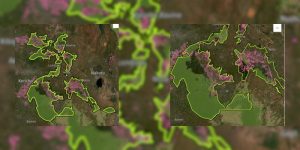
However, in recent years, this vital forest has faced severe deforestation, leading to a myriad of environmental challenges. Satellite images have played a crucial role in uncovering the extent of this deforestation, revealing a hidden crisis that demands urgent attention.
This article delves into the causes, impacts, and potential solutions to the deforestation of the Mau Forest, with a focus on the insights provided by satellite imagery.
Mau Forest Deforestation: Satellite Images Reveal Hidden Crisis
The Importance of Mau Forest
The Mau Forest Complex is Kenya’s largest indigenous montane forest, covering an area of approximately 273,300 hectares. It is divided into seven blocks: Eastern Mau, Western Mau, Southwestern Mau, Transmara, Maasai Mau, Southern Mau, and Northern Mau. This forest is a vital water tower for Kenya, feeding significant rivers such as the Mara, Sondu, Ewaso Ng’iro, and Njoro, which in turn support critical ecosystems, including the Maasai Mara National Reserve and Lake Nakuru.
Ecological Significance
The Mau Forest plays a crucial role in maintaining regional climate stability, water regulation, and biodiversity conservation. It acts as a carbon sink, sequestering significant amounts of carbon dioxide, thereby mitigating climate change. The forest is home to diverse flora and fauna, including several endangered species, making it a biodiversity hotspot.
Economic Importance
Beyond its ecological value, the Mau Forest supports local communities through agriculture, tourism, and water supply. The rivers originating from the forest provide water for domestic use, irrigation, and hydropower generation. Tourism in the Maasai Mara, which relies on the Mara River, generates substantial revenue for the country, underscoring the forest’s economic significance.
Causes of Deforestation
Illegal Logging and Charcoal Production
One of the primary drivers of deforestation in the Mau Forest is illegal logging. Timber from indigenous trees is highly valued for its quality, leading to extensive logging activities. Additionally, charcoal production has contributed to forest degradation, as trees are felled to produce charcoal for cooking and heating.
Agricultural Encroachment
Agricultural expansion is another significant cause of deforestation. As the population grows, the demand for arable land increases, leading to the clearing of forest areas for farming. Subsistence farming and large-scale agricultural activities, such as tea and maize plantations, have encroached upon forest land, exacerbating deforestation.
Settlement and Infrastructure Development
Human settlement and infrastructure development have also contributed to the deforestation of the Mau Forest. Unauthorized settlements within the forest boundaries, along with road construction and other infrastructure projects, have led to the clearing of vast forest areas. These activities not only reduce forest cover but also fragment habitats, posing a threat to wildlife.
The Role of Satellite Imagery in Monitoring Deforestation
Technological Advancements
Satellite imagery has become an indispensable tool in monitoring deforestation. Advances in remote sensing technology have enabled the acquisition of high-resolution images that provide detailed information about forest cover changes. These images are captured by satellites equipped with sensors that detect different wavelengths of light, allowing for the identification of various land cover types.
Detection and Analysis
Satellite images can detect changes in forest cover over time, revealing patterns and trends in deforestation. By comparing images taken at different times, researchers can assess the extent and rate of deforestation. This information is crucial for understanding the dynamics of forest loss and identifying areas at risk.
Case Studies: Satellite Images Exposing the Crisis
Recent satellite images of the Mau Forest have exposed alarming rates of deforestation. According to a report by Mongabay, the Western Mau block has experienced significant forest cover loss, with images showing extensive clearing for agriculture and settlements. Similarly, a report by Kenyans.co.ke highlights the degradation in the Maasai Mau block, where illegal logging and charcoal production have taken a toll on the forest.
Impacts of Deforestation
Environmental Impacts
Loss of Biodiversity
Deforestation in the Mau Forest leads to habitat destruction, resulting in the loss of biodiversity. Many plant and animal species that depend on the forest for survival are threatened by the destruction of their habitats. Endangered species, such as the African elephant and the Eastern black rhinoceros, are particularly vulnerable to habitat loss.
Climate Change
The Mau Forest plays a critical role in regulating the regional climate. Deforestation disrupts this balance, leading to changes in temperature and precipitation patterns. The loss of trees reduces the forest’s capacity to sequester carbon dioxide, contributing to increased greenhouse gas emissions and global warming.
Water Cycle Disruption
The Mau Forest is a vital water catchment area, and deforestation disrupts the water cycle. Forests play a key role in regulating the flow of water, maintaining groundwater levels, and preventing soil erosion. The loss of forest cover leads to reduced water availability, affecting rivers and lakes downstream. This has severe consequences for communities and ecosystems that rely on these water sources.
Socioeconomic Impacts
Impact on Local Communities
Local communities that depend on the Mau Forest for their livelihoods are directly affected by deforestation. The loss of forest resources, such as timber, fuelwood, and non-timber forest products, undermines their livelihoods and food security. Moreover, deforestation leads to water scarcity, affecting agriculture and domestic water supply.
Impact on Tourism
The Mau Forest supports tourism in the Maasai Mara National Reserve, which relies on the Mara River. Deforestation and subsequent disruption of water flow threaten the survival of the wildlife in the reserve, which in turn affects tourism. A decline in tourism revenue has economic implications for the country, particularly for communities that depend on tourism-related activities.
Health Implications
Deforestation has health implications for local communities. The loss of forest cover increases the risk of vector-borne diseases, such as malaria, as the destruction of natural habitats forces wildlife to move closer to human settlements. Additionally, water scarcity resulting from deforestation affects hygiene and sanitation, leading to waterborne diseases.
Solutions and Mitigation Measures
Reforestation and Afforestation
Reforestation and afforestation initiatives are essential to restore the Mau Forest. Reforestation involves planting trees in deforested areas, while afforestation involves establishing new forests in areas that were not previously forested. These initiatives help restore biodiversity, sequester carbon, and improve water regulation.
Community-Based Forest Management
Community-based forest management (CBFM) empowers local communities to take an active role in forest conservation. By involving communities in decision-making processes and providing them with the necessary resources and training, CBFM fosters a sense of ownership and responsibility towards the forest. This approach has proven effective in reducing deforestation and promoting sustainable forest management.
Legal and Policy Interventions
Strengthening legal and policy frameworks is crucial for effective forest conservation. This includes enforcing existing forest laws, addressing land tenure issues, and promoting sustainable land use practices. The government should also establish and implement policies that incentivize conservation and discourage activities that lead to deforestation.
Sustainable Agriculture Practices
Promoting sustainable agriculture practices can help reduce the pressure on forest land. This includes agroforestry, which integrates trees into agricultural systems, and conservation agriculture, which minimizes soil disturbance and promotes soil health. These practices enhance agricultural productivity while conserving forest resources.
Monitoring and Surveillance
Continuous monitoring and surveillance are essential to detect and prevent illegal activities in the forest. Satellite imagery, combined with ground-based monitoring, can provide real-time data on forest cover changes. This information is vital for law enforcement agencies to take timely action against illegal logging and other destructive activities.
Mau Forest Deforestation Satellite Images FAQs
1. What is the Mau Forest Complex?
The Mau Forest Complex is the largest indigenous montane forest in Kenya, covering approximately 273,300 hectares. It is divided into seven blocks: Eastern Mau, Western Mau, Southwestern Mau, Transmara, Maasai Mau, Southern Mau, and Northern Mau. The forest is a crucial water catchment area and supports numerous rivers and lakes.
2. Why is the Mau Forest important?
The Mau Forest is important for its ecological, economic, and social value. It regulates the regional climate, supports biodiversity, and provides water for domestic use, irrigation, and hydropower generation. The forest also supports local communities and tourism, contributing significantly to the country’s economy.
3. What are the main causes of deforestation in the Mau Forest?
The main causes of deforestation in the Mau Forest include illegal logging, charcoal production, agricultural encroachment, and settlement and infrastructure development. These activities have led to extensive forest cover loss, affecting the forest’s ecological and economic functions.
4. How do satellite images help in monitoring deforestation?
Satellite images provide detailed information about changes in forest cover over time. By comparing images taken at different times, researchers can assess the extent and rate of deforestation. This information is crucial for understanding the dynamics of forest loss and identifying areas at risk.
5. What are the environmental impacts of deforestation in the Mau Forest?
Deforestation in the Mau Forest leads to loss of biodiversity, climate change, and disruption of the water cycle. Habitat destruction threatens plant and animal species, while the loss of trees reduces carbon sequestration, contributing to global warming. Disruption of the water cycle affects water availability, impacting rivers and lakes downstream.
6. How does deforestation affect local communities?
Local communities that depend on the Mau Forest for their livelihoods are directly affected by deforestation. The loss of forest resources undermines their livelihoods and food security. Deforestation also leads to water scarcity, affecting agriculture and domestic water supply, and increases the risk of vector-borne and waterborne diseases.
7. What can be done to mitigate deforestation in the Mau Forest?
Mitigation measures include reforestation and afforestation, community-based forest management, strengthening legal and policy frameworks, promoting sustainable agriculture practices, and continuous monitoring and surveillance. These measures help restore forest cover, empower communities, and reduce the pressure on forest land.
Conclusion
The deforestation of the Mau Forest is a hidden crisis that demands urgent attention. Satellite images have revealed the alarming extent of forest cover loss, underscoring the need for immediate action. Protecting the Mau Forest is crucial for maintaining regional climate stability, supporting biodiversity, and sustaining local communities and economies.
To address this crisis, it is essential to implement reforestation and afforestation initiatives, empower local communities through community-based forest management, strengthen legal and policy frameworks, promote sustainable agriculture practices, and enhance monitoring and surveillance. By taking these steps, we can restore the Mau Forest and ensure its continued benefits for future generations.
Call to Action
Join the fight to save the Mau Forest. Support reforestation efforts, advocate for stronger conservation policies, and raise awareness about the importance of this vital ecosystem. Together, we can make a difference and protect the Mau Forest for the benefit of all
What Is The Symbol Of The Bank Of Uganda?
Yet to figure out what is the symbol of the Bank of Uganda? Primarily, the symbol of the Bank of Uganda features a vertical yellow stripe with three light bulbs, red and black horizontal stripes, a set of white weighing scales, and a honey bee crest, representing enlightenment, strength, fairness, and industry.
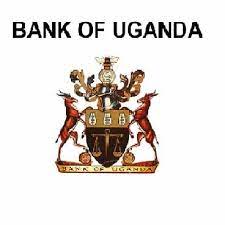
Symbols are powerful tools of communication, encapsulating complex ideas and values in a single image. For financial institutions like the Bank of Uganda, a symbol is not merely a logo but a representation of trust, stability, and national pride.
The symbol of the Bank of Uganda, featuring a vertical yellow stripe with three light bulbs, red and black horizontal stripes, a set of weighing scales, and a honey bee crest, is rich in meaning and historical significance.
This article delves into the intricate details of this emblem, exploring its elements, their significance, and the values they represent. Understanding the symbol of the Bank of Uganda offers insight into the institution’s identity and its role in the nation’s economic landscape.
What Is The Symbol Of The Bank Of Uganda? Complete Guide
The Bank of Uganda, established in 1966, is the central bank of Uganda, responsible for the regulation of the financial sector, issuance of currency, and implementation of monetary policies. Over the years, the Bank of Uganda has played a crucial role in stabilizing the country’s economy and fostering financial inclusion.
A significant aspect of the bank’s identity is its emblem, which embodies the institution’s core values and mission. The symbol of the Bank of Uganda is more than just an emblem; it represents the bank’s commitment to economic stability, growth, and prosperity.
The Symbol of the Bank of Uganda: Detailed Breakdown
1. The Vertical Yellow Stripe with Three Light Bulbs
At the hoist of the Bank of Uganda’s symbol is a vertical yellow stripe containing three light bulbs. This element represents enlightenment, innovation, and guidance. The light bulbs signify the bank’s role in illuminating the financial path for the nation, providing clarity and insight into monetary policies and economic strategies. The yellow color symbolizes optimism and energy, reflecting the bank’s positive outlook towards economic growth and development.
2. Red and Black Horizontal Stripes
The fly of the emblem is divided horizontally into equal red and black stripes. These stripes represent strength, resilience, and balance. The red stripe signifies the energy and dynamism of the Ugandan economy, while the black stripe symbolizes the nation’s rich cultural heritage and the depth of its natural resources. Together, these colors convey the message of a balanced and robust economy, grounded in tradition yet vibrant and forward-looking.
3. Weighing Scales in White
Superimposed over the red and black stripes is a set of weighing scales in white. The scales are a universal symbol of justice, fairness, and equilibrium. In the context of the Bank of Uganda, they represent the institution’s commitment to maintaining economic stability and ensuring fair financial practices. The white color of the scales symbolizes purity and integrity, underscoring the bank’s dedication to transparency and accountability in its operations.
4. The Honey Bee Crest
Central to the emblem is the honey bee crest. The honey bee is a symbol of industry, productivity, and the accumulation of wealth. It reflects the bank’s role in fostering economic activity and supporting the industrious spirit of the Ugandan people. The honey bee’s association with wealth accumulation ties in with the bank’s mission to promote savings, investment, and economic prosperity for all citizens.
Significance of the Bank of Uganda’s Symbol
Historical Context
The elements of the Bank of Uganda’s symbol are deeply rooted in the country’s history and cultural heritage. The bank’s establishment in 1966 marked a significant milestone in Uganda’s post-independence economic development. The symbol, therefore, not only represents the bank’s functions but also embodies the aspirations of a young nation striving for economic self-sufficiency and growth.
Representation of Core Values
Each element of the symbol conveys the core values of the Bank of Uganda:
- Enlightenment and Innovation: The light bulbs signify the bank’s role in guiding the nation’s economic policies and fostering innovation in the financial sector.
- Strength and Resilience: The red and black stripes represent the bank’s commitment to maintaining a strong and resilient economy.
- Fairness and Integrity: The weighing scales highlight the bank’s dedication to justice and transparency in its operations.
- Industry and Wealth: The honey bee crest symbolizes the bank’s support for economic activity and wealth accumulation.
Public Perception and Trust
The symbol of the Bank of Uganda plays a crucial role in shaping public perception and building trust. As a central bank, its emblem must convey reliability and authority. The elements of the symbol are carefully chosen to reflect these qualities, reassuring the public of the bank’s stability and integrity.
Frequently Asked Questions (FAQs)
1. What do the light bulbs in the Bank of Uganda’s symbol represent?
The light bulbs in the Bank of Uganda’s symbol represent enlightenment, innovation, and guidance. They signify the bank’s role in providing clarity and insight into monetary policies and economic strategies, illuminating the financial path for the nation.
2. Why are red and black stripes used in the emblem?
The red and black stripes in the emblem represent strength, resilience, and balance. The red stripe signifies the energy and dynamism of the Ugandan economy, while the black stripe symbolizes the nation’s rich cultural heritage and natural resources.
3. What is the significance of the weighing scales in the symbol?
The weighing scales in the symbol represent justice, fairness, and equilibrium. They highlight the Bank of Uganda’s commitment to maintaining economic stability and ensuring fair financial practices, symbolizing purity and integrity in its operations.
4. What does the honey bee crest symbolize?
The honey bee crest symbolizes industry, productivity, and the accumulation of wealth. It reflects the bank’s role in fostering economic activity and supporting the industrious spirit of the Ugandan people, promoting savings, investment, and economic prosperity.
5. How does the symbol reflect the Bank of Uganda’s core values?
The symbol of the Bank of Uganda reflects its core values through its elements: enlightenment and innovation (light bulbs), strength and resilience (red and black stripes), fairness and integrity (weighing scales), and industry and wealth (honey bee crest). These elements collectively convey the bank’s commitment to guiding the nation’s economic policies, maintaining stability, ensuring transparency, and supporting economic growth.
6. What is the historical context of the Bank of Uganda’s symbol?
The symbol of the Bank of Uganda is rooted in the country’s post-independence history. Established in 1966, the bank’s emblem embodies the aspirations of a young nation striving for economic self-sufficiency and growth. The elements of the symbol reflect the bank’s functions and the nation’s journey towards economic development.
7. How does the symbol build public trust in the Bank of Uganda?
The symbol of the Bank of Uganda builds public trust by conveying reliability, authority, and integrity. The carefully chosen elements—light bulbs, stripes, scales, and honey bee crest—reflect the bank’s stability and dedication to fair and transparent financial practices, reassuring the public of its commitment to economic stability and growth.
Conclusion
The symbol of the Bank of Uganda is a powerful representation of the institution’s identity, values, and mission. Each element of the emblem—the light bulbs, red and black stripes, weighing scales, and honey bee crest—carries significant meaning, reflecting the bank’s commitment to enlightenment, strength, fairness, and industry.
Understanding this symbol provides insight into the bank’s role in guiding the nation’s economic policies, maintaining stability, and fostering prosperity.
As the central bank of Uganda, the Bank of Uganda’s emblem serves as a beacon of trust and authority, reassuring the public of its dedication to economic growth and stability.
Call to Action To learn more about the Bank of Uganda and its pivotal role in the nation’s economy, visit the official Bank of Uganda website or contact their offices for detailed information and updates on their initiatives and services.
Stay informed about Uganda’s economic developments and how the Bank of Uganda is working towards a stable and prosperous future for all citizens
Who Is Mathe Wa Ngara? Complete Guide
Mathe Wa Ngara has recently become a household name in Kenya, dominating news headlines and social media discussions.

The government’s move to seize her properties, including apartments, plots, and cars, has only intensified public curiosity and speculation. But who is Mathe Wa Ngara?
This article delves into her background, the reasons behind the government’s actions, and the broader implications for Kenyan society. We aim to provide a comprehensive understanding of Mathe Wa Ngara’s life, her alleged activities, and what this case signifies in the fight against crime and corruption in Kenya.
Who Is Mathe Wa Ngara? Complete Guide
Mathe Wa Ngara: The Early Years
Mathe Wa Ngara, whose real name is not widely known, has led a life shrouded in mystery. She hails from Ngara, a bustling neighborhood in Nairobi, Kenya.
Her journey from obscurity to notoriety is a tale that many find both fascinating and cautionary. While details about her early life remain scant, it is evident that Mathe Wa Ngara’s rise to prominence did not follow a conventional path.
The Rise to Notoriety
Mathe Wa Ngara’s name first began to circulate in connection with various illegal activities. She allegedly operated within the shadows of Nairobi, involved in the narcotics trade and other illicit businesses.
Her ability to evade law enforcement for years earned her a reputation as a formidable figure in the criminal underworld. Despite numerous attempts by the authorities to apprehend her, she remained elusive, further fueling the public’s intrigue.
Government Seizure of Properties
In a dramatic turn of events, the government recently announced the seizure of Mathe Wa Ngara’s properties. According to reports from reputable news outlets such as Nation Africa and Tuko, these assets include luxurious apartments, prime plots of land, and several high-end vehicles.
This move is part of a broader crackdown on individuals suspected of amassing wealth through illegal means. The government’s action has sparked a heated debate on social media, with many praising the authorities for their efforts while others question the timing and motivations behind the seizure.
Legal Battles and Public Reactions
Mathe Wa Ngara’s legal battles are far from over. As the government continues to build its case against her, she has enlisted a team of high-profile lawyers to defend her interests. The public’s reaction has been mixed, with some viewing her as a victim of a political witch hunt, while others see her as a symbol of the deep-rooted corruption plaguing Kenya. This case has also highlighted the pervasive issue of drug trafficking in the country, prompting calls for more stringent measures to combat this menace.
Who Is Mathe Wa Ngara? FAQs
- What are the main charges against Mathe Wa Ngara?Mathe Wa Ngara faces multiple charges, primarily related to drug trafficking and money laundering. The government alleges that she has been a key player in the narcotics trade, amassing significant wealth through these illegal activities.
- How did the government trace her assets?The government utilized a combination of financial intelligence and surveillance to trace Mathe Wa Ngara’s assets. They followed the money trail, scrutinizing her financial transactions and property acquisitions to build a case against her.
- What is the public’s opinion on the government’s actions?Public opinion is divided. While some applaud the government for taking decisive action against a notorious figure, others are skeptical, viewing the seizure as politically motivated or questioning why it took so long for the authorities to act.
- What happens to the seized properties?The seized properties will likely be auctioned or repurposed by the government. The proceeds from any auctions are expected to be used to fund public projects or support initiatives aimed at combating drug trafficking and other criminal activities.
- Has Mathe Wa Ngara responded to the allegations?Yes, Mathe Wa Ngara has denied all allegations against her. Through her legal team, she maintains that the government’s actions are unjust and that she is being targeted unfairly.
- What impact does this case have on the fight against drug trafficking in Kenya?This case has brought significant attention to the issue of drug trafficking in Kenya. It has highlighted the need for more robust enforcement mechanisms and greater accountability among law enforcement agencies.
- What are the broader implications of this case for Kenyan society?The Mathe Wa Ngara case underscores the pervasive issues of corruption and criminality in Kenya. It serves as a reminder of the challenges the country faces in its efforts to promote transparency, uphold the rule of law, and ensure justice for all citizens.
Conclusion
The saga of Mathe Wa Ngara is far from over. As legal proceedings continue, the public will be watching closely, eager to see how this high-profile case unfolds. Whether Mathe Wa Ngara is ultimately convicted or acquitted, her story has already left an indelible mark on Kenyan society.
It highlights the complex interplay between crime, corruption, and justice, and serves as a stark reminder of the ongoing battle against these societal ills.
Call to Action As we follow this case, it is crucial for citizens to remain vigilant and demand transparency from their leaders. The fight against corruption and crime requires collective effort and unwavering commitment. Let us all play our part in building a just and fair society for future generations. Stay informed, stay engaged, and continue to hold those in power accountable.