Kenya, renowned for its vibrant economy and progressive financial sector, is a popular destination for many East Africans, including Ugandans, seeking to expand their personal and business banking options.
The Kenyan banking sector is characterized by a blend of local and international banks offering a wide array of financial services.
As a Ugandan, opening a bank account in Kenya can offer numerous advantages, including access to a more extensive banking network, enhanced financial services, and better opportunities for savings and investments.
This article will delve into the specific requirements for Ugandans to open a bank account in Kenya, the necessary documentation, the types of accounts available, and the overall process involved.
Can A Ugandan Open A Bank Account In Kenya?Comprehensive Analysis
Can A Ugandan Open A Bank Account In Kenya?
Yes, a Ugandan can open a bank account in Kenya. Kenyan banks welcome foreign nationals, including Ugandans, to establish bank accounts, provided they meet the necessary requirements. The process, while straightforward, involves specific documentation and sometimes necessitates in-person visits to the bank. Here’s a detailed look at the process:
- Proof of Identity: Ugandans must provide valid identification, such as a passport or Ugandan national ID card.
- Proof of Address: A utility bill, lease agreement, or any official document indicating your residential address.
- Visa and Work/Residence Permit: A valid Kenyan visa and work or residence permit are typically required.
- Kenya Revenue Authority (KRA) PIN: This tax identification number is essential for all financial transactions in Kenya.
- Photographs: Passport-sized photographs, usually two or more.
- Completed Application Form: Each bank has its application form that must be duly filled.
What Documents Does Opening a Kenyan Bank Account Require?
Opening a bank account in Kenya involves several critical documents. Different banks might have slight variations in their requirements, but generally, the following are needed:
- Completed Application Form: Provided by the bank and must be accurately filled out.
- Valid Identification: Passport or Ugandan national ID card.
- Proof of Address: Utility bill, lease agreement, or other official documentation showing your residential address.
- Visa and Work/Residence Permit: Necessary for legal stay in Kenya.
- Kenya Revenue Authority (KRA) PIN: Essential for tax purposes.
- Photographs: Passport-sized photographs, typically two.
- Character Reference: A recommendation letter from a reputable source, such as an employer or business associate.
- Proof of Income: Recent payslips, bank statements, or business documentation.
Can I Open a Business Bank Account Online in Kenya as a Non-Resident?
Opening a business bank account online in Kenya as a non-resident can be challenging due to the stringent requirements and verification processes involved. While some banks offer online account opening services, they often require an initial in-person visit to verify documents and identity. However, mobile banking solutions like KCB M-Benki and certain apps from banks like Standard Chartered may provide more flexibility.
Steps to Open a Business Bank Account Online:
- Research Banks: Identify banks that offer online account opening services for non-residents.
- Prepare Documents: Ensure you have all the required documents ready for submission.
- Online Application: Fill out the online application form provided on the bank’s website.
- Upload Documents: Submit scanned copies of your documents through the bank’s online portal.
- Verification: The bank will review and verify your documents. They may require a video call or additional verification steps.
- Account Activation: Once verified, your account will be activated, and you can start using it.
How to Open a Kenyan Business Account from Outside Kenya
If you are outside Kenya and wish to open a business bank account, the process may involve a combination of online and in-person steps:
- Contact the Bank: Reach out to the bank to inquire about the possibility of opening an account from abroad.
- Submit Initial Documents Online: Send scanned copies of required documents via email or the bank’s online portal.
- Schedule an Appointment: Plan to visit Kenya for a face-to-face meeting with bank officials, if required.
- Complete Verification: Present original documents for verification during your visit.
- Account Setup: Once verified, your account will be set up, and you can start transactions.
Can A Ugandan Open A Bank Account In Kenya FAQs
1. Can a Ugandan Open a Savings Account in Kenya?
Yes, a Ugandan can open a savings account in Kenya. The requirements are similar to those for opening other types of accounts and include proof of identity, proof of address, and a Kenya Revenue Authority (KRA) PIN.
2. What Are the Benefits of Opening a Bank Account in Kenya for Ugandans?
Opening a bank account in Kenya offers several benefits, including:
- Access to a larger network of ATMs and banking services.
- Opportunity to invest in Kenya’s growing economy.
- Availability of mobile banking services.
- Enhanced security for your funds.
- Access to loans and credit facilities.
3. Are There Any Specific Banks Recommended for Ugandans in Kenya?
Several banks in Kenya are well-regarded for their services to foreign nationals, including Ugandans. Some of the top recommendations include:
- KCB Bank Kenya
- Equity Bank Kenya
- Standard Chartered Bank Kenya
- Barclays Bank Kenya (now Absa Bank Kenya)
- Co-operative Bank of Kenya
4. What Is the Process for Obtaining a Kenya Revenue Authority (KRA) PIN?
Obtaining a KRA PIN is a straightforward process:
- Visit the KRA Website: Go to the official KRA website.
- Register: Complete the online registration form with your details.
- Submit: Submit the form and wait for verification.
- Receive PIN: Once verified, you will receive your KRA PIN, which you can use for all tax-related transactions.
5. Can I Open a Joint Bank Account in Kenya as a Ugandan?
Yes, Ugandans can open joint bank accounts in Kenya. The process involves both account holders providing the necessary documents, including identification, proof of address, and KRA PINs. Both parties must be present for the account opening.
6. Are There Any Fees Associated with Opening a Bank Account in Kenya?
Most banks in Kenya charge a nominal fee for opening an account. This fee varies depending on the bank and the type of account. It’s advisable to inquire about any fees during the application process to avoid surprises.
7. Can Ugandans Access Mobile Banking Services in Kenya?
Yes, once you have a bank account in Kenya, you can access mobile banking services. Kenyan banks offer robust mobile banking platforms that allow you to check balances, transfer funds, pay bills, and more, all from your mobile device.
Conclusion
Opening a bank account in Kenya as a Ugandan is not only possible but also beneficial, offering a gateway to various financial services and opportunities in one of East Africa’s most dynamic economies. By following the outlined procedures and ensuring you have all the necessary documentation, you can successfully open and operate a bank account in Kenya.
Whether you are looking to save, invest, or manage your business finances, the Kenyan banking system is well-equipped to meet your needs.
If you are considering opening a bank account in Kenya, don’t hesitate to contact the bank of your choice to get started. The opportunities are vast, and with the right steps, you can efficiently manage your finances and take full advantage of what Kenya has to offer.
Call to Action: Ready to open a bank account in Kenya? Contact your preferred bank today and start the process to enjoy seamless banking services and unlock new financial opportunities
Who Is The Owner Of Bank Of Uganda? Comprehensive Analysis
Who Is The Owner Of Bank Of Uganda? Primarily, the Bank of Uganda is 100% owned by the Government of Uganda, though it operates autonomously and in close coordination with the Ministry of Finance, Planning, and Economic Development (MoFPED), ensuring effective monetary and fiscal policy alignment.
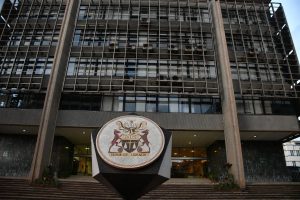
The Bank of Uganda (BoU) holds a significant position in Uganda’s financial landscape, functioning as the central bank of the country. Established in 1966, the BoU has a pivotal role in formulating monetary policy, regulating the financial sector, and maintaining financial stability.
However, a common question arises: Who owns the Bank of Uganda? This question is not just about the legal ownership but also about understanding the relationship between the BoU, the government, and other stakeholders.
This comprehensive article delves into the ownership structure of the Bank of Uganda, its functions, and its interaction with the Ministry of Finance, Planning, and Economic Development (MoFPED).
Who Is The Owner Of Bank Of Uganda? Comprehensive Analysis
Ownership Structure of the Bank of Uganda
The Bank of Uganda is 100% owned by the Government of Uganda. Despite this ownership, the BoU operates as an autonomous entity and is not a government department. This distinction is crucial as it underscores the bank’s operational independence, which is essential for maintaining credibility and trust in the financial system.
The BoU’s activities are closely coordinated with the Ministry of Finance, Planning, and Economic Development (MoFPED), ensuring that monetary and fiscal policies are aligned to achieve the country’s economic objectives.
Historical Context
The establishment of the Bank of Uganda in 1966 marked a significant milestone in the country’s financial history. Prior to its establishment, Uganda relied on the East African Currency Board for its monetary needs.
The creation of the BoU was part of a broader strategy to gain monetary independence and develop a robust financial system that could support the country’s economic aspirations.
Legal Framework
The Bank of Uganda is governed by the Bank of Uganda Act, which provides the legal basis for its operations. The Act stipulates that the BoU is wholly owned by the Government of Uganda. This ownership structure ensures that the central bank can operate in the public interest, focusing on the country’s economic stability and growth.
Operational Independence
Despite being owned by the government, the BoU enjoys a high degree of operational independence. This independence is critical for effective monetary policy implementation, as it allows the central bank to make decisions based on economic conditions rather than political considerations. The BoU’s independence is protected by law, ensuring that it can perform its functions without undue interference.
Functions of the Bank of Uganda
The Bank of Uganda performs several key functions that are essential for the country’s economic stability and development. These functions include:
- Monetary Policy Formulation and Implementation: The BoU is responsible for formulating and implementing monetary policy to achieve price stability. This involves managing interest rates, controlling inflation, and ensuring a stable financial environment.
- Financial Regulation and Supervision: The BoU regulates and supervises financial institutions in Uganda, ensuring their soundness and stability. This includes licensing banks, conducting inspections, and enforcing compliance with banking regulations.
- Issuance of Currency: The BoU has the exclusive right to issue currency in Uganda. It ensures that there is an adequate supply of clean and secure banknotes and coins to meet the needs of the economy.
- Management of Foreign Exchange Reserves: The BoU manages Uganda’s foreign exchange reserves, which are used to stabilize the national currency and support international trade.
- Banker to the Government: The BoU acts as the banker to the government, managing government accounts, and facilitating payments. It also provides advice on financial and economic matters.
- Promotion of Financial Inclusion: The BoU promotes financial inclusion by supporting the development of financial products and services that are accessible to all segments of the population.
- Consumer Protection and Financial Literacy: The BoU works to protect consumers of financial services and enhance financial literacy through education and outreach programs.
Relationship with the Ministry of Finance, Planning, and Economic Development
The relationship between the Bank of Uganda and the Ministry of Finance, Planning, and Economic Development (MoFPED) is characterized by close collaboration and coordination. While the BoU operates independently, it works in concert with MoFPED to ensure that monetary and fiscal policies are harmonized.
Policy Coordination
Effective policy coordination between the BoU and MoFPED is essential for achieving macroeconomic stability. The two institutions regularly engage in dialogue to align their policies and address emerging economic challenges. This collaboration helps to ensure that monetary policy supports fiscal policy objectives and vice versa.
Advisory Role
The BoU provides expert advice to MoFPED on a range of financial and economic issues. This advisory role is critical for informed decision-making and the formulation of sound economic policies. The BoU’s expertise in monetary matters complements MoFPED’s role in fiscal policy, creating a comprehensive approach to economic management.
Reporting and Accountability
The BoU is accountable to the government and the public. It regularly reports on its activities and performance to ensure transparency and accountability. This reporting includes publishing monetary policy statements, financial stability reports, and annual reports that provide insights into the BoU’s operations and the state of the economy.
Who Is The Owner Of Bank Of Uganda FAQs
1. Who owns the Bank of Uganda?
The Bank of Uganda is 100% owned by the Government of Uganda. However, it operates as an autonomous entity and is not a government department.
2. What is the main role of the Bank of Uganda?
The main role of the Bank of Uganda is to formulate and implement monetary policy to achieve price stability, regulate and supervise financial institutions, issue currency, manage foreign exchange reserves, act as the banker to the government, promote financial inclusion, and protect consumers of financial services.
3. How does the Bank of Uganda maintain its operational independence?
The Bank of Uganda’s operational independence is enshrined in law. This legal framework ensures that the BoU can make decisions based on economic conditions rather than political considerations, allowing it to effectively implement monetary policy and maintain financial stability.
4. What is the relationship between the Bank of Uganda and the Ministry of Finance, Planning, and Economic Development?
The Bank of Uganda and the Ministry of Finance, Planning, and Economic Development (MoFPED) have a collaborative relationship. While the BoU operates independently, it works closely with MoFPED to ensure that monetary and fiscal policies are aligned. This collaboration includes policy coordination, advisory roles, and regular reporting.
5. How does the Bank of Uganda contribute to financial inclusion?
The Bank of Uganda promotes financial inclusion by supporting the development of financial products and services that are accessible to all segments of the population. This includes initiatives to expand access to banking services, enhance financial literacy, and protect consumers of financial services.
6. What measures does the Bank of Uganda take to ensure financial stability?
The Bank of Uganda ensures financial stability by regulating and supervising financial institutions, managing foreign exchange reserves, and implementing sound monetary policy. It also conducts regular inspections and enforces compliance with banking regulations to maintain the soundness of the financial sector.
7. How does the Bank of Uganda issue currency?
The Bank of Uganda has the exclusive right to issue currency in Uganda. It ensures that there is an adequate supply of clean and secure banknotes and coins to meet the needs of the economy. The BoU also works to prevent counterfeiting and maintain public confidence in the currency.
Conclusion
The Bank of Uganda, wholly owned by the Government of Uganda, plays a crucial role in the country’s financial system. Its operational independence, enshrined in law, allows it to effectively implement monetary policy, regulate the financial sector, and maintain financial stability.
The collaborative relationship between the BoU and the Ministry of Finance, Planning, and Economic Development ensures that monetary and fiscal policies are aligned to achieve Uganda’s economic objectives.
Understanding the ownership and functions of the Bank of Uganda is essential for appreciating its pivotal role in the country’s economic development.
If you found this article informative and would like to learn more about the Bank of Uganda and its operations, we encourage you to stay updated by visiting the official BoU website and subscribing to their updates. Your engagement helps promote financial literacy and awareness in Uganda
Do We Have More Muslims Than Christians In Nigeria? Comprehensive Analysis

Nigeria, the most populous country in Africa, is renowned for its cultural diversity, which includes a wide array of religious beliefs.
The two dominant religions in Nigeria are Islam and Christianity. Understanding the religious composition of Nigeria is crucial for various reasons, including sociopolitical dynamics, policy formulation, and fostering religious harmony.
This article delves into the question of whether there are more Muslims than Christians in Nigeria, providing a comprehensive analysis based on demographic data, historical context, and contemporary trends.
Do We Have More Muslims Than Christians In Nigeria?Comprehensive Analysis
Historical Background
The Arrival of Islam
Islam was introduced to Nigeria through trade routes from North Africa and the Middle East. By the 11th century, the religion had firmly established itself in the northern regions, particularly among the Hausa-Fulani ethnic group. The spread of Islam was facilitated by the trans-Saharan trade and the influence of the Mali and Songhai empires.
The Spread of Christianity
Christianity arrived in Nigeria much later, primarily through European missionaries in the 19th century. The religion quickly gained followers in the southern and central regions, particularly among the Yoruba and Igbo ethnic groups. Colonial influence and missionary education played significant roles in the expansion of Christianity.
Current Demographic Data
Population Statistics
According to various sources, including the Pew Research Center and the World Factbook, Nigeria’s population is almost evenly split between Muslims and Christians. However, estimates vary, with some suggesting that Muslims constitute a slight majority, while others claim Christians hold the majority. It is generally accepted that Muslims predominantly reside in the northern regions, while Christians are mainly in the southern and central parts.
Regional Distribution
- Northern Nigeria: Predominantly Muslim, with states like Kano, Kaduna, and Borno having significant Muslim populations.
- Southern Nigeria: Predominantly Christian, with states such as Lagos, Enugu, and Anambra being major Christian centers.
- Central Nigeria: Known as the Middle Belt, this region has a mix of both religions, often leading to religious and ethnic conflicts.
Factors Influencing Religious Demographics
Birth Rates
Higher birth rates among Muslim communities in northern Nigeria have contributed to the growth of the Muslim population. This demographic trend is influenced by cultural and religious practices that encourage larger families.
Conversion Rates
Both Islam and Christianity have active missionary movements in Nigeria. However, conversion rates from traditional African religions to Christianity have historically been higher in the southern regions, while Islam has seen significant conversions in the north.
Migration
Internal migration patterns also affect religious demographics. Economic opportunities in urban centers like Lagos and Abuja attract people from various parts of the country, leading to more religiously diverse urban populations.
Religious Tolerance and Conflict
Interfaith Relations
Nigeria has a history of both peaceful coexistence and conflict between its Muslim and Christian populations. Interfaith dialogue initiatives aim to foster understanding and cooperation, but tensions sometimes escalate into violence.
Religious Violence
Religious conflicts, often intertwined with ethnic and political issues, have led to violence in regions like Jos and Kaduna. These conflicts underscore the importance of addressing underlying socio-economic issues to promote lasting peace.
Impact on Politics and Governance
Political Representation
Religion plays a significant role in Nigerian politics. Political parties often consider religious representation to balance interests and maintain national unity. The unwritten rule of “zoning” ensures that presidential candidates alternate between Christians and Muslims.
Government Policies
Religious demographics influence government policies, particularly in areas like education, family law, and public holidays. Sharia law is implemented in some northern states, affecting the legal and social framework of these regions.
Socio-Economic Implications
Education
Religious affiliation impacts access to education. Christian missionary schools have historically provided quality education in the south, while Islamic schools (madrasas) are more prevalent in the north. Efforts to integrate secular education in Islamic schools are ongoing.
Employment and Income
Economic disparities exist between the predominantly Muslim north and the Christian south. The south is generally more economically developed, with better infrastructure and job opportunities, leading to migration and demographic shifts.
Future Trends
Urbanization
Urbanization is likely to continue influencing religious demographics. As more Nigerians move to cities for better opportunities, urban areas will become more religiously diverse, potentially reducing regional religious divides.
Youth Population
Nigeria’s youthful population, with over 60% under the age of 25, will shape future religious demographics. The attitudes and preferences of this young population, influenced by globalization and technology, may lead to shifts in religious affiliation and practice.
International Influence
Global religious movements and international relations will also impact Nigeria’s religious landscape. Organizations from the Middle East and the West continue to play roles in religious propagation and support.
FAQs
1. What is the current religious composition of Nigeria?
Nigeria’s population is almost evenly split between Muslims and Christians, with Muslims predominantly in the north and Christians in the south and central regions. Exact percentages vary, but both religions have significant followings.
2. How did Islam and Christianity spread in Nigeria?
Islam spread through trade routes from North Africa and the Middle East, starting around the 11th century. Christianity was introduced by European missionaries in the 19th century and spread through colonial influence and missionary education.
3. Are there any significant religious conflicts in Nigeria?
Yes, Nigeria has experienced religious conflicts, often intertwined with ethnic and political issues. Notable conflicts have occurred in regions like Jos and Kaduna. Efforts are ongoing to promote interfaith dialogue and peace.
4. How does religion influence Nigerian politics?
Religion significantly influences Nigerian politics. Political representation and government policies often consider religious demographics to balance interests and maintain national unity. The “zoning” system ensures alternating presidential candidates between Christians and Muslims.
5. What role does religion play in Nigeria’s education system?
Religion impacts access to education in Nigeria. Christian missionary schools are prominent in the south, while Islamic schools (madrasas) are prevalent in the north. Efforts are being made to integrate secular education in Islamic schools.
6. How does the youthful population affect Nigeria’s religious demographics?
Nigeria’s youthful population, with over 60% under 25, will shape future religious demographics. Influenced by globalization and technology, this young population may lead to shifts in religious affiliation and practices.
7. What are the socio-economic implications of Nigeria’s religious demographics?
Economic disparities exist between the predominantly Muslim north and the Christian south. The south is more economically developed, leading to migration and demographic shifts. Religion also influences employment opportunities and income distribution.
Conclusion
In conclusion, determining whether there are more Muslims than Christians in Nigeria is complex due to varying estimates and the dynamic nature of religious demographics. Both religions play significant roles in shaping Nigeria’s social, political, and economic landscape.
As Nigeria continues to evolve, fostering mutual understanding and respect between different religious groups will be crucial for national unity and development. To stay informed about Nigeria’s religious dynamics and contribute to positive interfaith relations, consider supporting initiatives that promote dialogue and cooperation
What Are The Reasons For The Fast Spread Of Islam In Nigeria? 10 Best
Nigeria, Africa’s most populous country, is known for its diverse cultures, languages, and religions. Among the religious demographics, Islam holds a significant position, particularly in the northern regions of the country.
The spread of Islam in Nigeria is a multifaceted phenomenon influenced by historical, social, economic, and cultural factors. Understanding these reasons provides insight into the dynamics of religious expansion and the fabric of Nigerian society.
This article explores the ten best reasons for the fast spread of Islam in Nigeria, delving into historical conquests, trade, education, cultural integration, and more.
What Are The Reasons For The Fast Spread Of Islam In Nigeria? 10 Best
1. Historical Conquests and Empires
The spread of Islam in Nigeria can be traced back to the historical conquests and the establishment of powerful empires such as the Kanem-Bornu Empire and the Sokoto Caliphate. These empires played a crucial role in spreading Islam through their military conquests and political influence.
Kanem-Bornu Empire
The Kanem-Bornu Empire, which existed from the 9th to the 19th century, was one of the earliest African empires to embrace Islam. The rulers of this empire adopted Islam, which facilitated its spread among the people. The Islamic religion was promoted through royal patronage, Islamic scholarship, and trade relations.
Sokoto Caliphate
The Sokoto Caliphate, established in the early 19th century by Usman dan Fodio, was another significant force in spreading Islam. The caliphate expanded rapidly through jihad (holy wars) and established a theocratic state based on Islamic principles. The influence of the Sokoto Caliphate extended beyond Nigeria, impacting neighboring regions and promoting Islamic practices.
2. Trade and Commerce
Trade and commerce have historically been major conduits for the spread of Islam in Nigeria. The trans-Saharan trade routes facilitated the movement of goods, people, and ideas, including Islamic teachings.
Trans-Saharan Trade
The trans-Saharan trade routes connected North Africa with sub-Saharan Africa, allowing Muslim traders to interact with local populations. These traders brought not only goods but also their religious beliefs, which they shared with the people they encountered. The economic benefits of trade with Muslim merchants made Islam an attractive option for many local leaders and communities.
Economic Influence
Muslim traders established settlements and trade centers in various parts of Nigeria, particularly in the north. Cities like Kano, Katsina, and Zaria became important commercial hubs where Islamic practices and education flourished. The economic prosperity associated with these trade centers further encouraged the adoption of Islam.
3. Education and Scholarship
Islamic education and scholarship have played a vital role in the spread of Islam in Nigeria. The establishment of Islamic schools and centers of learning contributed to the dissemination of Islamic knowledge and practices.
Quranic Schools
Quranic schools, known as madrasas, were established across northern Nigeria, providing religious education to children and adults. These schools taught the Quran, Islamic law, and other religious subjects, fostering a deep understanding of Islam among the population.
Islamic Scholars
Prominent Islamic scholars and clerics, such as Sheikh Usman dan Fodio, his brother Abdullahi, and his son Muhammad Bello, played pivotal roles in spreading Islamic teachings. Their writings, sermons, and leadership inspired many to embrace Islam. The legacy of these scholars continues to influence Islamic education in Nigeria.
4. Cultural Integration
Islam’s ability to integrate with local cultures and traditions has been a significant factor in its spread. The religion adapted to the existing social structures and customs, making it more acceptable to the local population.
Syncretism
In many parts of Nigeria, Islam blended with indigenous beliefs and practices, creating a unique form of religious expression. This syncretism allowed for the coexistence of Islamic and traditional practices, easing the transition for those converting to Islam.
Festivals and Celebrations
Islamic festivals and celebrations, such as Eid al-Fitr and Eid al-Adha, became integrated into the cultural fabric of Nigerian society. These events provided opportunities for communal gathering and religious expression, strengthening the bonds of Islamic faith within the community.
5. Political Alliances
Political alliances and the patronage of influential leaders have also contributed to the spread of Islam in Nigeria. Many rulers and local chiefs embraced Islam and promoted it within their domains.
Conversion of Leaders
The conversion of influential leaders to Islam had a ripple effect on their subjects. When a ruler or chief adopted Islam, it often led to the conversion of the entire community. This was particularly evident in the northern regions, where many traditional rulers embraced Islam.
Political Stability
Islamic governance and the principles of justice, equality, and community welfare provided a framework for political stability. This attracted many leaders who saw Islam as a means to unify and strengthen their territories. The establishment of Sharia law in some northern states is an example of how Islamic principles were integrated into governance.
6. Social Welfare and Charity
The emphasis on social welfare and charity in Islam has been a compelling factor for many Nigerians. The religion’s focus on helping the less fortunate and building a sense of community has resonated with many people.
Zakat and Sadaqah
Zakat (obligatory charity) and Sadaqah (voluntary charity) are integral aspects of Islamic practice. These acts of giving help to alleviate poverty and support community development. The distribution of wealth through these charitable practices has endeared Islam to many people, particularly the poor and marginalized.
Community Support
Islamic organizations and communities often provide support in times of need, such as during natural disasters or conflicts. This sense of solidarity and mutual aid has strengthened the appeal of Islam and encouraged its spread.
7. Family and Marriage
Family and marriage play significant roles in the spread of Islam. Intermarriage between Muslims and non-Muslims often leads to the conversion of non-Muslim spouses and their families.
Intermarriage
Intermarriage between Muslim traders or settlers and local women was a common occurrence. These marriages created family ties that facilitated the spread of Islam. The children from these unions were often raised as Muslims, further expanding the Muslim population.
Family Influence
The family unit is central to Islamic teachings, and parents play a crucial role in imparting religious values to their children. The transmission of Islamic beliefs and practices from one generation to the next has been a key factor in the sustained spread of Islam in Nigeria.
8. Islamic Brotherhood and Solidarity
The sense of brotherhood and solidarity among Muslims has contributed to the appeal and spread of Islam. The concept of the Ummah (global Muslim community) fosters a sense of belonging and unity.
Ummah
The idea of belonging to a global Muslim community, the Ummah, provides a sense of identity and solidarity. This has been particularly appealing in a country with diverse ethnic and religious groups. The feeling of being part of a larger community has strengthened the commitment to Islam.
Support Networks
Muslim communities often have strong support networks that provide assistance in various aspects of life, from education to business opportunities. These networks have attracted many people to Islam, as they offer a sense of security and mutual support.
9. Religious Tolerance and Coexistence
Islam’s emphasis on religious tolerance and coexistence has facilitated its spread in Nigeria. The religion’s teachings on respect for other faiths have allowed for peaceful interactions and conversions.
Religious Pluralism
Islam teaches respect for People of the Book (Christians and Jews), which has promoted peaceful coexistence with other religious groups. This tolerance has allowed Islam to spread without significant conflict, making it more acceptable to diverse populations.
Dialogue and Understanding
Interfaith dialogue and efforts to promote understanding between different religious groups have contributed to the spread of Islam. These initiatives have reduced misconceptions and fostered a more positive perception of Islam among non-Muslims.
10. Media and Technology
The advent of modern media and technology has played a role in the contemporary spread of Islam. Television, radio, the internet, and social media have become powerful tools for disseminating Islamic teachings and information.
Islamic Media
Islamic television channels, radio stations, and online platforms provide religious programming, educational content, and sermons. These media outlets reach a wide audience, including those who may not have access to traditional forms of religious education.
Social Media
Social media platforms have become crucial in spreading Islamic teachings and connecting Muslims globally. Influential Islamic scholars and preachers use these platforms to share religious knowledge, answer questions, and engage with followers, making Islam more accessible to the younger generation.
What Are The Reasons For The Fast Spread Of Islam In Nigeria? FAQs
1. When did Islam first arrive in Nigeria?
Islam first arrived in Nigeria in the 9th century through the trans-Saharan trade routes. It was further propagated by the establishment of the Kanem-Bornu Empire and later the Sokoto Caliphate.
2. What role did the Sokoto Caliphate play in spreading Islam?
The Sokoto Caliphate, established by Usman dan Fodio in the early 19th century, played a significant role in spreading Islam through military conquests, political influence, and the establishment of Islamic governance.
3. How did trade contribute to the spread of Islam in Nigeria?
Trade, particularly along the trans-Saharan routes, facilitated the movement of Muslim traders who brought Islamic teachings with them. Economic interactions with these traders encouraged local communities to embrace Islam.
4. What is the significance of Islamic education in Nigeria?
Islamic education, provided through madrasas and Quranic schools, has been crucial in spreading Islamic knowledge and practices. Prominent Islamic scholars have also contributed to the dissemination of religious teachings.
5. How has cultural integration influenced the spread of Islam?
Islam’s ability to integrate with local cultures and traditions has made it more acceptable to the Nigerian population. Syncretism and the incorporation of Islamic festivals into local customs have facilitated its spread.
6. What impact have political alliances had on the spread of Islam?
Political alliances and the conversion of influential leaders to Islam have significantly impacted its spread. These leaders promoted Islam within their territories, leading to the conversion of their subjects.
7. How has modern media and technology affected the spread of Islam?
Modern media and technology, including television, radio, the internet, and social media, have made Islamic teachings more accessible. These platforms reach a wide audience and facilitate the dissemination of religious knowledge.
Conclusion
The fast spread of Islam in Nigeria is shaped by a variety of historical, social, economic, and cultural factors. From the conquests of powerful empires and the influence of trade to education and modern media, Islam has become an integral part of Nigerian society. Its emphasis on social welfare, family values, and community support has made it appealing to many Nigerians.
Understanding these factors helps us appreciate Nigeria’s religious landscape and fosters religious tolerance and coexistence.
The spread of Islam in Nigeria shows how a religion can adapt and thrive within a diverse cultural context. Promoting dialogue and understanding between different religious groups is essential for building a harmonious society.
In conclusion, the growth of Islam in Nigeria reflects its resilience and adaptability. By acknowledging the key factors behind its spread, we can better appreciate Nigeria’s rich religious heritage. For a deeper understanding, engaging with local communities and religious leaders is beneficial. Let’s continue to celebrate our diversity and work towards peaceful coexistence
Why Does Nigeria Have So Many Muslims?
Why Does Nigeria Have So Many Muslims? Nigeria has so many Muslims, constituting approximately 50% of its population or 110 million people, primarily due to the early arrival of Islam through 11th-century trade routes, the influence of the Kanem-Bornu Empire, higher fertility rates among Muslim communities, and the significant cultural and educational role of Islamic institutions in northern regions.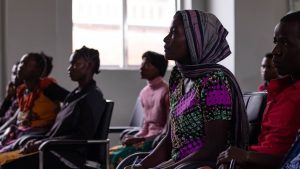
Nigeria, the most populous country in Africa, is a nation of diverse cultures, languages, and religions. Among its approximately 220 million people, Islam is one of the two major religions, the other being Christianity.
With roughly half of the Nigerian population identifying as Muslim, it raises the question: why does Nigeria have so many Muslims?
This article delves into the historical, cultural, social, and political factors that contribute to the significant Muslim population in Nigeria. We will explore the early arrival of Islam in Nigeria, the influence of trade and empires, demographic trends, and contemporary issues related to religious distribution.
Why Does Nigeria Have So Many Muslims?
The Early Arrival of Islam in Nigeria
The Spread of Islam through Trade
Islam’s presence in Nigeria dates back to the 11th century. The religion spread primarily through the trans-Saharan trade routes, where Muslim traders from North Africa interacted with the indigenous peoples of West Africa. These traders, who were predominantly Berbers and Tuaregs, played a crucial role in introducing Islam to the region. The trade routes facilitated not only the exchange of goods but also ideas and beliefs, leading to the gradual acceptance of Islam.
The Role of the Kanem-Bornu Empire
One of the earliest regions in Nigeria to embrace Islam was the Kanem-Bornu Empire, located in the northeastern part of modern Nigeria. By the 11th century, the rulers of Kanem-Bornu had converted to Islam, which significantly influenced the spread of the religion among their subjects. The empire’s adoption of Islam helped establish it as a dominant force in the region, and its leaders promoted Islamic education and culture.
The Influence of the Mali and Songhai Empires
Further west, the powerful Mali and Songhai empires also played a significant role in spreading Islam. The rulers of these empires were Muslims, and their influence extended into parts of northern Nigeria. The famous pilgrimage to Mecca by Mansa Musa, the ruler of Mali, in the 14th century, highlighted the importance of Islam in West Africa. These empires’ support for Islamic scholarship and trade networks further solidified the religion’s presence in Nigeria.
Demographic Trends and Population Distribution
Population Growth and Demographics
Nigeria’s population has been growing rapidly, and the Muslim population has kept pace with this trend. According to the Pew Research Center, Muslims constitute about 50% of Nigeria’s population, which translates to approximately 110 million people. This demographic growth is partly due to higher fertility rates among Muslim communities compared to other religious groups.
Geographical Distribution
The geographical distribution of Nigeria’s Muslim population is another factor contributing to its large size. The northern region of Nigeria, comprising states like Kano, Kaduna, Sokoto, and Borno, has a predominantly Muslim population. Historically, these regions have been centers of Islamic culture and learning. In contrast, the southern regions, including Lagos and the Niger Delta, are more religiously diverse, with a significant Christian population.
Urbanization and Migration
Urbanization and migration patterns also influence the distribution of Muslims in Nigeria. Cities like Kano, the largest city in northern Nigeria, are predominantly Muslim and serve as cultural and economic hubs. Migration from rural areas to these urban centers has contributed to the growth of the Muslim population in cities. Additionally, internal migration within Nigeria has led to the spread of Islam to areas that were previously less influenced by the religion.
The Role of Education and Religious Institutions
Islamic Education
Islamic education has played a pivotal role in maintaining and spreading Islam in Nigeria. Traditional Islamic schools, known as “madrasas,” have been integral in teaching the Quran and Islamic principles to generations of Nigerians. These schools are especially prevalent in the northern regions, where they often operate alongside the formal education system.
Influence of Religious Leaders
Religious leaders, known as “Imams” and “Ulamas,” hold significant influence in Nigerian Muslim communities. These leaders provide spiritual guidance, lead prayers, and often play a role in resolving community disputes. Their leadership helps reinforce Islamic values and practices among the population.
Modern Islamic Organizations
In recent decades, various Islamic organizations have emerged, further strengthening the presence of Islam in Nigeria. These organizations, such as the Nigerian Supreme Council for Islamic Affairs (NSCIA) and the Federation of Muslim Women’s Associations in Nigeria (FOMWAN), work to promote Islamic education, social welfare, and political participation among Nigerian Muslims.
Cultural and Social Factors
The Role of Family and Community
Family and community play a crucial role in the transmission of religious beliefs in Nigeria. In many Muslim households, children are introduced to Islamic practices from a young age. The close-knit nature of Nigerian communities ensures that religious traditions are maintained and passed down through generations.
Festivals and Celebrations
Islamic festivals and celebrations, such as Eid al-Fitr and Eid al-Adha, are significant cultural events in Nigeria. These festivals bring communities together, reinforcing the social bonds among Muslims. The public nature of these celebrations also raises awareness of Islamic practices among non-Muslims.
Interfaith Relationships
While Nigeria has experienced religious tensions, interfaith relationships and marriages are not uncommon. In regions with mixed religious populations, such as the Middle Belt, there are instances of Muslims and Christians living together harmoniously. These interactions can lead to a better understanding and acceptance of Islam among non-Muslims.
Political and Historical Factors
Colonial Legacy
The colonial history of Nigeria has had a lasting impact on its religious landscape. During British colonial rule, the administration utilized existing Islamic structures in the north to govern more effectively. This policy of indirect rule reinforced the power and influence of Muslim leaders and institutions in northern Nigeria.
Post-Independence Politics
Since gaining independence in 1960, Nigeria’s political landscape has been shaped by its religious diversity. Political leaders often appeal to religious groups to garner support, and this has sometimes led to the politicization of religion. In northern Nigeria, where Islam is predominant, political leaders frequently align themselves with Islamic values to gain legitimacy and support.
Sharia Law Implementation
In some northern states, the implementation of Sharia law has reinforced the presence of Islam. Sharia courts operate alongside the secular legal system, adjudicating matters related to personal status, family law, and criminal justice for Muslims. The adoption of Sharia law in these states underscores the deep-rooted influence of Islam in the region.
Contemporary Issues and Challenges
Religious Tensions and Conflict
Despite the strong presence of Islam, Nigeria has experienced religious tensions and conflicts, particularly between Muslim and Christian communities. These conflicts are often fueled by a combination of religious, ethnic, and political factors. The most notable example is the Boko Haram insurgency, which has caused significant disruption in northern Nigeria.
Socio-Economic Factors
Socio-economic factors also play a role in the religious dynamics of Nigeria. Poverty, unemployment, and lack of access to education are more prevalent in the northern regions, where the majority of the Muslim population resides. These challenges can exacerbate religious tensions and hinder development efforts.
Government and Civil Society Efforts
The Nigerian government and civil society organizations are working to address these challenges. Efforts to promote interfaith dialogue, improve education, and provide economic opportunities are essential for fostering peace and development. Programs that encourage mutual understanding and respect among different religious groups are crucial for Nigeria’s stability and growth.
The Future of Islam in Nigeria
Demographic Projections
Demographic projections indicate that Nigeria’s Muslim population will continue to grow in the coming decades. By 2050, Nigeria is expected to have one of the largest Muslim populations in the world. This growth will be driven by high fertility rates and continued urbanization.
Impact of Globalization
Globalization and technological advancements are likely to influence the future of Islam in Nigeria. Increased access to information and communication technologies can facilitate the spread of Islamic knowledge and foster connections with the global Muslim community. However, it also presents challenges, such as the potential spread of radical ideologies.
Promoting Peaceful Coexistence
Promoting peaceful coexistence among Nigeria’s diverse religious communities will be essential for the country’s future. Efforts to address socio-economic disparities, enhance education, and strengthen democratic institutions can contribute to a more stable and harmonious society. Religious leaders and organizations have a vital role to play in fostering tolerance and understanding.
Why Does Nigeria Have So Many Muslims? FAQs
1. What is the percentage of Muslims in Nigeria?
Approximately 50% of Nigeria’s population, or about 110 million people, identify as Muslim. This makes Islam one of the two major religions in the country, alongside Christianity.
2. How did Islam first arrive in Nigeria?
Islam arrived in Nigeria through trans-Saharan trade routes in the 11th century. Muslim traders from North Africa introduced the religion to the region, and it spread through the influence of empires like Kanem-Bornu, Mali, and Songhai.
3. What regions of Nigeria have the highest Muslim population?
The northern regions of Nigeria, including states like Kano, Kaduna, Sokoto, and Borno, have the highest concentration of Muslims. These areas have historically been centers of Islamic culture and learning.
4. How does Islamic education contribute to the spread of Islam in Nigeria?
Islamic education, provided through traditional madrasas and modern Islamic organizations, plays a crucial role in teaching the Quran and Islamic principles. These institutions help maintain and spread Islamic beliefs among Nigerian Muslims.
5. What role do political factors play in the prevalence of Islam in Nigeria?
Political factors, including the colonial legacy and post-independence politics, have reinforced the presence of Islam in Nigeria. The implementation of Sharia law in some northern states and the alignment of political leaders with Islamic values have also contributed to the religion’s prominence.
6. What are the challenges faced by Muslims in Nigeria?
Muslims in Nigeria face challenges such as religious tensions, socio-economic disparities, and the impact of conflicts like the Boko Haram insurgency. Addressing these issues requires efforts from the government, civil society, and religious leaders.
7. What is the future outlook for Islam in Nigeria?
The Muslim population in Nigeria is expected to continue growing, driven by high fertility rates and urbanization. Promoting peaceful coexistence, addressing socio-economic challenges, and leveraging globalization’s benefits will be essential for the future of Islam in Nigeria.
Conclusion
In conclusion, the significant Muslim population in Nigeria is the result of a complex interplay of historical, cultural, social, and political factors. The early arrival of Islam through trade, the influence of powerful empires, demographic trends, and the role of education and religious institutions have all contributed to the prevalence of Islam in the country.
While Nigeria faces challenges related to religious tensions and socio-economic disparities, efforts to promote interfaith dialogue and understanding are crucial for fostering peace and development.
As Nigeria continues to grow and evolve, the future of Islam in the country will depend on the ability of its people and leaders to navigate these challenges and build a harmonious society.Call to Action
To support efforts in promoting interfaith dialogue and understanding in Nigeria, consider getting involved with local organizations dedicated to fostering peace and development. By working together, we can help build a more inclusive and harmonious society for all Nigerians
What Language Do They Speak In Nigeria? A Comprehensive Analysis
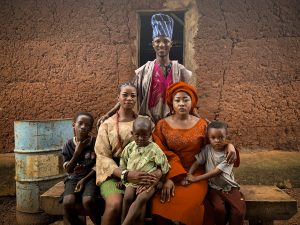
Nigeria, Africa’s most populous country, is a remarkable mosaic of ethnicities and languages. With a population of over 200 million people, Nigeria is home to more than 500 distinct languages, making it one of the most linguistically diverse countries in the world.
This rich linguistic diversity reflects the country’s complex history, culture, and social dynamics. While English serves as the official language, many Nigerians use indigenous languages in their daily lives.
This article explores the ten most widely spoken languages in Nigeria, highlighting their cultural significance, linguistic features, and the communities that speak them.
What Language Do They Speak In Nigeria? A Comprehensive Analysis
1. Hausa
Prevalence and Distribution
Hausa is spoken by approximately 35 million people in Nigeria, accounting for about 17% of the population. It is predominantly spoken in the northern states such as Kano, Katsina, and Sokoto, and serves as a lingua franca in many parts of West Africa.
Cultural Significance
The Hausa people have a rich cultural heritage, including traditional music, festivals, and crafts. The language plays a crucial role in preserving and transmitting these cultural practices. Hausa is also significant in Islamic scholarship and trade, given the historical connections between the Hausa states and other parts of the Muslim world.
Linguistic Features
Hausa belongs to the Chadic branch of the Afro-Asiatic language family. It features a tonal system that distinguishes meaning and uses both Latin and Arabic scripts. The language’s structure and extensive vocabulary reflect its historical and cultural interactions.
2. Yoruba
Prevalence and Distribution
Yoruba is spoken by about 20 million people, making up roughly 10% of Nigeria’s population. It is predominantly spoken in the southwestern states, including Lagos, Oyo, and Ogun.
Cultural Significance
Yoruba culture is renowned for its rich traditions in music, dance, and religion. The language is integral to the practice of Yoruba traditional religion, Ifá, and is also prevalent in modern Nigerian media and literature. Festivals like the Osun-Osogbo festival highlight the cultural importance of the Yoruba language.
Linguistic Features
Yoruba is part of the Niger-Congo language family and uses a tonal system with three primary tones: high, mid, and low. The language is written using the Latin alphabet, with diacritical marks indicating tone.
3. Igbo
Prevalence and Distribution
Igbo is spoken by approximately 18 million people, accounting for about 9% of Nigeria’s population. It is mainly spoken in the southeastern states, such as Anambra, Imo, and Enugu.
Cultural Significance
The Igbo people are known for their entrepreneurial spirit and rich cultural traditions, including masquerades, music, and festivals. The Igbo language is essential for expressing these cultural elements and for traditional religious practices.
Linguistic Features
Igbo belongs to the Niger-Congo family and features a complex tonal system. It uses the Latin script with diacritical marks to indicate tone. The language is known for its rich array of proverbs and idiomatic expressions.
4. Fulfulde
Prevalence and Distribution
Fulfulde, also known as Fula, is spoken by approximately 15 million people in Nigeria, making up around 7.5% of the population. It is prevalent among the Fulani people, who are found in the northern and central regions of the country.
Cultural Significance
The Fulani people are known for their pastoral lifestyle and rich traditions, including music, dance, and storytelling. Fulfulde is central to preserving these cultural practices and facilitating communication across the Fulani diaspora in West Africa.
Linguistic Features
Fulfulde is an Atlantic-Congo language with a complex verb system and noun classes. It uses both Latin and Arabic scripts, reflecting its historical connections with Islam.
5. Kanuri
Prevalence and Distribution
Kanuri is spoken by about 4 million people, accounting for 2% of Nigeria’s population. It is primarily spoken in the northeastern states, particularly Borno.
Cultural Significance
The Kanuri people have a rich history as the founders of the Kanem-Bornu Empire. The language is vital for maintaining the cultural heritage and Islamic traditions of the Kanuri people.
Linguistic Features
Kanuri belongs to the Nilo-Saharan language family. It has a rich oral tradition and uses the Latin alphabet for writing, though Arabic script is also historically significant.
6. Tiv
Prevalence and Distribution
Tiv is spoken by around 3 million people, making up 1.5% of the population. It is primarily spoken in the central states, particularly Benue.
Cultural Significance
The Tiv people are known for their agricultural lifestyle and vibrant cultural traditions, including music and festivals like the Kwagh-hir. The Tiv language is essential for preserving these cultural practices.
Linguistic Features
Tiv is part of the Benue-Congo branch of the Niger-Congo language family. It features a tonal system and uses the Latin script for writing.
7. Ibibio
Prevalence and Distribution
Ibibio is spoken by about 2 million people, or roughly 1% of Nigeria’s population. It is predominantly spoken in the southeastern state of Akwa Ibom.
Cultural Significance
The Ibibio people have a rich cultural heritage, including traditional music, dance, and festivals. The language is crucial for preserving these cultural practices and for communication within the community.
Linguistic Features
Ibibio is a member of the Benue-Congo branch of the Niger-Congo language family. It has a tonal system and uses the Latin script for writing.
8. Edo
Prevalence and Distribution
Edo, also known as Bini, is spoken by approximately 1.5 million people, making up 0.75% of the population. It is primarily spoken in the southern state of Edo.
Cultural Significance
The Edo people are known for their historical kingdom, art, and cultural festivals. The language is essential for maintaining the cultural heritage and traditions of the Edo people.
Linguistic Features
Edo is part of the Benue-Congo branch of the Niger-Congo language family. It features a tonal system and uses the Latin script for writing.
9. Ijaw
Prevalence and Distribution
Ijaw is spoken by around 1 million people, accounting for 0.5% of Nigeria’s population. It is primarily spoken in the Niger Delta region.
Cultural Significance
The Ijaw people have a rich cultural heritage, including traditional music, dance, and festivals. The language is crucial for preserving these cultural practices and for communication within the community.
Linguistic Features
Ijaw belongs to the Ijoid branch of the Niger-Congo language family. It has a tonal system and uses the Latin script for writing.
10. Urhobo
Prevalence and Distribution
Urhobo is spoken by about 1 million people, making up 0.5% of the population. It is primarily spoken in the southern state of Delta.
Cultural Significance
The Urhobo people have a rich cultural heritage, including traditional music, dance, and festivals. The language is essential for preserving these cultural practices and for communication within the community.
Linguistic Features
Urhobo is a member of the Benue-Congo branch of the Niger-Congo language family. It has a tonal system and uses the Latin script for writing.
What Language Do They Speak In Nigeria FAQs
1. What is the official language of Nigeria?
The official language of Nigeria is English. It was adopted due to Nigeria’s colonial history under British rule and serves as the primary language for government, education, and formal communication across the country.
2. How many languages are spoken in Nigeria?
Nigeria is home to over 500 languages, making it one of the most linguistically diverse countries in the world. This diversity reflects the country’s rich cultural and ethnic mosaic.
3. Why is English the official language of Nigeria?
English was chosen as the official language to unify the diverse linguistic landscape of Nigeria. It allows for effective communication across different ethnic groups and is used in official settings such as government, education, and business.
4. Are Nigerian languages taught in schools?
Yes, many Nigerian languages are taught in schools, particularly at the primary and secondary levels. Some universities also offer courses in Nigerian languages and literature, promoting the study and preservation of indigenous languages.
5. What role do Nigerian languages play in daily life?
Nigerian languages are used extensively in daily communication, cultural practices, and local media. They are crucial for maintaining cultural identity, fostering community ties, and preserving traditions and customs.
6. Can you learn Nigerian languages online?
Yes, there are numerous online resources, courses, and mobile apps available for learning Nigerian languages. These tools offer language learners the opportunity to achieve proficiency and engage with the cultural richness of Nigeria.
7. What is the most widely spoken language in Nigeria?
Hausa is one of the most widely spoken languages in Nigeria, particularly in the northern regions. It serves as a lingua franca in many parts of West Africa and is spoken by approximately 35 million people in Nigeria.
Conclusion
Nigeria’s linguistic diversity is a testament to its rich cultural heritage and complex history. From Hausa in the north to Yoruba in the southwest and Igbo in the southeast, each language carries its unique cultural significance and historical background.
Understanding these languages provides a deeper insight into the lives and traditions of the Nigerian people. As globalization continues to influence language dynamics, it is essential to preserve and promote these indigenous languages. They are not just means of communication but are integral to the identity and cultural fabric of Nigeria.
Call to Action : To delve deeper into Nigeria’s linguistic diversity, consider exploring language learning resources, participating in cultural festivals, or engaging with local communities. Preserving these languages is crucial for maintaining Nigeria’s rich cultural heritage. Share this article to raise awareness and encourage others to appreciate and support the linguistic diversity of Nigeria