The Yup’ik language is an ancient and deeply significant language spoken by the Yup’ik people, indigenous to Alaska and parts of Siberia. This language, deeply rooted in culture and tradition, plays a vital role in preserving the identity and heritage of the Yup’ik community.
- In recent years, efforts have increased to preserve and revitalize Yup’ik, making it more accessible to younger generations and non-speakers alike.
- As we delve into the intricacies of the Yup’ik language, we explore its history, significance, structure, and the ongoing efforts to keep it alive in the modern world.

- The goal of this article is to provide a comprehensive overview of the Yup’ik language, covering its origins, dialects, grammar, vocabulary, cultural importance, and more.
By understanding the language, we gain insight into the people who speak it and the traditions they cherish. Through the following detailed sections, we will explore all aspects of Yup’ik, ensuring this article serves as a rich resource for language enthusiasts, cultural scholars, and anyone interested in indigenous languages.
Yup’ik Language Complete Guide
1. History of the Yup’ik Language
The Yup’ik language belongs to the Eskimo-Aleut family of languages and has been spoken for thousands of years. Its roots can be traced back to the ancient cultures that settled in the coastal regions of Alaska and parts of Siberia.
The Yup’ik people have historically relied on oral traditions to pass down their language and customs, making the language a fundamental part of their survival and identity.
As the Yup’ik people migrated across the region, the language spread, evolving into various dialects. Today, the Yup’ik language is divided into several major dialects spoken across different regions, each with its unique linguistic features.
However, despite its widespread use in the past, the Yup’ik language, like many indigenous languages, has faced challenges due to modernization, colonization, and the influence of the English language.
2. Significance in Yup’ik Culture
The Yup’ik language is not just a means of communication; it is a cultural treasure that carries the traditions, values, and wisdom of the Yup’ik people.
Language plays a pivotal role in cultural rituals, storytelling, and the transmission of oral history. For the Yup’ik people, the language is intertwined with their way of life, their relationship with the environment, and their spiritual beliefs.
In traditional ceremonies, the Yup’ik language is used to invoke the spirits of ancestors, guide hunting expeditions, and mark important life events such as birth, marriage, and death.
The language holds the key to understanding the worldview of the Yup’ik people, offering a unique glimpse into how they perceive the natural world and their place within it.
3. Dialects of the Yup’ik Language
The Yup’ik language is known for its rich diversity of dialects, each reflecting the unique geographical and cultural characteristics of the region in which it is spoken.
The main dialects include Central Yup’ik, Alutiiq (or Sugpiaq), and Siberian Yupik. Central Yup’ik, spoken in southwestern Alaska, is the most widely used and has several sub-dialects.
Alutiiq, spoken by the indigenous people of the Kodiak Archipelago and the southern coast of Alaska, has some linguistic differences but shares many similarities with Central Yup’ik. Siberian Yupik, as the name suggests, is spoken by the Yupik people residing on the Siberian coast and St. Lawrence Island in Alaska. Understanding these dialects helps us appreciate the linguistic richness of the Yup’ik language.
4. Grammar Structure of Yup’ik
Yup’ik grammar is intricate, with a structure that differs significantly from English and other Indo-European languages. At its core, Yup’ik is an agglutinative language, meaning that it uses a series of suffixes attached to root words to modify meaning. This results in long, complex words that can convey detailed information within a single term.
The basic sentence structure follows a subject-object-verb (SOV) order. Nouns and verbs are central to Yup’ik grammar, with verbs playing a particularly crucial role.
Verb endings indicate not only tense but also the relationship between the subject and object, which can make translation into English quite complex. Understanding these grammar rules is essential for anyone studying the Yup’ik language.
5. Yup’ik Vocabulary
The Yup’ik vocabulary is deeply influenced by the natural environment, reflecting the community’s close relationship with the land and sea.
Words for snow, ice, fish, and hunting tools are abundant, with nuanced meanings that describe various forms and uses. For example, there are multiple words for “seal,” depending on the type, size, and context in which it is being referenced.
Additionally, the language has adopted some modern terms due to increased contact with English-speaking communities.
However, efforts are being made to keep traditional Yup’ik vocabulary alive and relevant, especially among the younger generation, through cultural programs and educational initiatives.
6. Oral Traditions and Storytelling
Oral tradition is the cornerstone of Yup’ik culture, and the Yup’ik language serves as the vessel through which these stories are passed down from generation to generation.
Elders in the community are often the keepers of these stories, which encompass a wide range of themes, from creation myths to survival stories.
Storytelling in Yup’ik is not just for entertainment; it is a means of teaching younger generations about the values, history, and customs of their people.
Each story is carefully crafted, with specific linguistic devices used to emphasize certain morals or lessons. The language, with its fluid and descriptive nature, is perfect for painting vivid images in the listener’s mind.
7. Yup’ik Language in Education
In recent decades, there has been a growing movement to incorporate the Yup’ik language into the education system. This effort aims to revitalize the language and ensure that it is passed on to future generations.
Schools in Yup’ik-speaking regions have introduced bilingual programs, where students learn both Yup’ik and English, fostering a deeper connection with their heritage.
These educational initiatives have proven to be successful in not only preserving the language but also boosting students’ confidence in their cultural identity. Language camps, online courses, and mobile apps have also become valuable resources for both Yup’ik and non-Yup’ik speakers interested in learning the language.
Yup’ik Language FAQs
- What is the Yup’ik language?
The Yup’ik language is an indigenous language spoken by the Yup’ik people of Alaska and parts of Siberia. - How many dialects does the Yup’ik language have?
The Yup’ik language has several dialects, including Central Yup’ik, Alutiiq, and Siberian Yupik. - Why is the Yup’ik language important?
The Yup’ik language is vital for preserving the culture, history, and identity of the Yup’ik people. - Is the Yup’ik language endangered?
Yes, the Yup’ik language faces challenges due to declining numbers of fluent speakers, but revitalization efforts are underway. - How can I learn the Yup’ik language?
You can learn Yup’ik through online courses, language camps, and educational resources available in Yup’ik-speaking regions. - What role does the Yup’ik language play in storytelling?
The Yup’ik language is crucial for oral traditions, serving as the medium for passing down stories and cultural knowledge. - What efforts are being made to preserve the Yup’ik language?
Community-driven initiatives, bilingual education programs, and technological resources are all being used to preserve and revitalize Yup’ik.
Conclusion
The Yup’ik language is more than just words; it is a living connection to the past, present, and future of the Yup’ik people. As efforts to preserve and teach this language continue, we are reminded of the importance of linguistic diversity and the role it plays in shaping our understanding of different cultures.
Through education, storytelling, and community engagement, the Yup’ik language will continue to thrive, ensuring that future generations remain connected to their heritage.
Preserving indigenous languages like Yup’ik is a shared responsibility. Whether through formal education, community involvement, or personal learning efforts, everyone can contribute to keeping this beautiful language alive
Yahya Sinwar Wife
Trying to figure out who is Yahya Sinwar’s Wife? Yahya Sinwar’s wife, Samar, is a 44-year-old native of Gaza with a master’s degree in religion, who married Sinwar in 2011 after his release from Israeli prison.

Yahya Sinwar, the leader of Hamas in the Gaza Strip, is a prominent and controversial figure in the Middle East. His leadership has been marked by conflict, political maneuvering, and significant influence over the region.
However, beyond his political life, there lies a personal story intertwined with the complexities of Gaza’s socio-political landscape.
This article delves into the life of Samar, Yahya Sinwar’s wife, providing a comprehensive look into her background, marriage, and role in the context of Gaza’s ongoing conflict.
Also,Check :Yahya Sinwar Net Worth
Yahya Sinwar Wife
Background of Samar
Samar, 44, is a native of the Gaza Strip, raised in an affluent neighborhood of Gaza City that has since been destroyed by the Israel Defense Forces (IDF).
Coming from a well-known and respected Palestinian clan, her family is noted for their support of the “resistance,” a term locally used to describe the organizations opposing Israel. Many members of her clan are reported to have joined Hamas, with some being part of the Nukhba force, which has carried out operations against Israelis.
Education and Early Life
Samar’s educational journey is marked by her pursuit of a master’s degree in the foundations of religion from Gaza City’s Islamic University.
She was not only a student but also a teacher at the university, indicating her deep involvement in the academic and religious spheres of Gaza. Her life took a significant turn when she married Yahya Sinwar in 2011, a month after his release from Israeli prison as part of a prisoner exchange deal for IDF soldier Gilad Shalit.
Marriage to Yahya Sinwar
At the time of their marriage, Samar was 31 years old, considered relatively old for a bride in Gaza, where the average age for women to marry is around 20.
Yahya Sinwar was 49, creating an 18-year age gap between them. Despite this, the marriage was reportedly satisfactory to Samar, who was pleased to be married to a powerful man with significant influence over the Gaza Strip.
Sinwar has mentioned in interviews that he was not involved in choosing his bride, with his sisters selecting Samar while he was on a pilgrimage to the Muslim holy sites in Saudi Arabia.
Samar’s Role and Influence
While much of the public focus remains on Yahya Sinwar, Samar’s position as his wife places her in a unique and potentially influential role within Gaza’s socio-political environment.
Her educational background and family connections may play a part in shaping her influence within the community, particularly among women and academic circles.
Pros Of Samar As Yahya Sinwar Wife
- Influential Position: As the wife of a prominent political leader, Samar has potential access to influential networks and resources.
- Community Respect: Samar comes from a respected family, which likely grants her a level of esteem within her community.
- Educational Background: Samar’s master’s degree in religion may allow her to contribute to educational and social initiatives in Gaza.
- Support for Women’s Issues: Samar may advocate for women’s rights and education within a challenging socio-political context.
- Cultural Impact: Her role as Yahya Sinwar’s wife places Samar in a position to influence cultural and social norms within Gaza.
Cons Of Samar As Yahya Sinwar Wife
- Public Scrutiny: Being married to a controversial figure means that Samar’s personal life is under constant public scrutiny.
- Security Risks: As the spouse of a Hamas leader, Samar may face security threats and personal danger.
- Limited Autonomy: Samar’s position may come with societal expectations that limit her personal freedom and choices.
- Political Pressure: Samar may have to navigate complex political dynamics that affect her family life.
- Emotional Strain: The ongoing conflict in the region could lead to emotional stress and challenges in Samar’s family life.
Yahya Sinwar Wife FAQs
1. Who is Yahya Sinwar’s wife?
Yahya Sinwar’s wife is Samar, a 44-year-old native of the Gaza Strip. She has a master’s degree in the foundations of religion from Gaza City’s Islamic University, where she also taught before her marriage.
2. What is Samar’s educational background?
Samar holds a master’s degree in the foundations of religion from Gaza City’s Islamic University. Her academic involvement highlights her deep connection to the educational and religious sectors in Gaza.
3. How did Samar and Yahya Sinwar get married?
Samar and Yahya Sinwar married one month after Sinwar’s release from Israeli prison in a prisoner exchange deal for IDF soldier Gilad Shalit. The marriage was arranged by Sinwar’s sisters while he was on a pilgrimage in Saudi Arabia.
4. What is the age difference between Yahya Sinwar and his wife?
There is an 18-year age difference between Yahya Sinwar and his wife, Samar. Samar was 31 at the time of their marriage, while Sinwar was 49.
5. What is the significance of Samar’s family?
Samar comes from a pious, well-known, and respected Palestinian clan known for its support of the “resistance,” referring to the organizations opposing Israel. Many members of her clan have joined Hamas, with some being part of the Nukhba force.
6. How does Samar’s background influence her role?
Samar’s educational background and family connections potentially place her in an influential position within Gaza’s socio-political landscape. Her role may extend beyond the household into community and academic circles.
7. What is known about Samar’s personal life?
While public information about Samar’s personal life is limited, her marriage to Yahya Sinwar and her educational background suggest she plays a significant role within her community. Her life is intertwined with the complexities of Gaza’s ongoing conflict and political environment.
Conclusion
Samar, the wife of Yahya Sinwar, represents a complex figure within the Gaza Strip’s socio-political context. Her educational achievements, family background, and marriage to a powerful leader like Yahya Sinwar place her in a unique position.
Understanding her life provides a deeper insight into the personal dimensions of Gaza’s ongoing conflict. As the situation in the region evolves, so too may the roles and influences of figures like Samar.
Call to Action: To stay informed about the latest developments in Gaza and the Middle East, subscribe to our newsletter and receive in-depth analysis and updates directly to your inbox. Your engagement helps us bring you comprehensive and accurate reporting on crucial global issues.
Mwengi Mutuse Biography Complete Guide
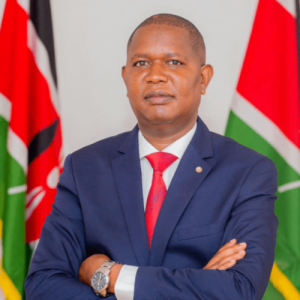
Mwengi Mutuse Biography Complete Guide
Mwengi Mutuse Early Life and Education
Mwengi Mutuse was born and raised in Kenya, where he pursued his early education with dedication. He attended Kanyangu Primary School from 1986 to 1993, where he obtained his Kenya Certificate of Primary Education. He then proceeded to Makueni Boys High School from 1994 to 1997, earning his Kenya Certificate of Secondary Education.
His academic journey continued at the University of Nairobi, where he completed a Bachelor of Laws (LL.B) with 2nd Class Honors, Upper Division, from 2003 to 2014. Mutuse furthered his legal studies at the same institution, obtaining a Master of Laws (LL.M) from 2015 to 2016.
To complement his legal education, he attended the Kenya School of Law from 2016 to 2018, successfully passing the Bar Examination and earning a Professional Diploma. This extensive educational background provided Mutuse with a robust foundation for his career in law and politics.
Mwengi Mutuse Educational Background
Mwengi Mutuse Primary Education
- Primary School: Kanyangu Primary School
- Years Attended: 1986-1993
- Qualification: Kenya Certificate of Primary Education
Mwengi Mutuse Secondary Education
- High School: Makueni Boys High School
- Years Attended: 1994-1997
- Qualification: Kenya Certificate of Secondary Education
Mwengi Mutuse University Education
- Undergraduate: University of Nairobi
- Years Attended: 2003-2014
- Qualification: Bachelor of Laws (LL.B) with 2nd Class Honors, Upper Division
- Postgraduate: University of Nairobi
- Years Attended: 2015-2016
- Qualification: Master of Laws (LL.M)
Mwengi Mutuse Professional Training
- Law School: Kenya School of Law
- Years Attended: 2016-2018
- Qualification: Bar Examination and Professional Diploma, Council of Legal Education
Mwengi Mutuse’s comprehensive educational background has provided him with a strong foundation for his career in law and politics.
Sstarting from his early education at Kanyangu Primary School, through his secondary education at Makueni Boys High School, and culminating in his advanced legal studies at the University of Nairobi and the Kenya School of Law
Mwengi Mutuse Political Career
Mutuse’s political career began at the grassroots level, where he was actively involved in community development projects. His dedication to public service and leadership qualities soon saw him rise through the ranks. He was elected as the Member of Parliament for Kibwezi West, a position he has held with distinction.
Mwengi Mutuse Key Contributions and Legislative Work
As an MP, Mutuse has been a vocal advocate for various issues affecting his constituents and the nation at large. He has been particularly active in matters of governance, law, and constitutional affairs.
One of his notable contributions was his motion for the impeachment of Deputy President Rigathi Gachagua, which he anchored on allegations of gross constitutional violations, abuse of office, and misconduct.
Mwengi Mutuse Impeachment Motion Against Deputy President Rigathi Gachagua
In 2024, Mwengi Mutuse initiated a motion for the impeachment of Deputy President Rigathi Gachagua. This motion was based on several grounds, including alleged violations of Articles 150 and 145 of the Kenyan Constitution.
Mutuse accused Gachagua of using emotional appeals to manipulate public sentiment and failing to disclose his acquisition of properties through coercion during his tenure.
Mwengi Mutuse Personal Life
Outside his political career, Mwengi Mutuse is a family man who values his time with his loved ones. He is also known for his philanthropic efforts, particularly in the areas of education and healthcare within his constituency.
Mwengi Mutuse Biography FAQs
- Who is Mwengi Mutuse?
- Mwengi Mutuse is the Member of Parliament for Kibwezi West in Kenya, known for his active role in the National Assembly and his advocacy on various national issues.
- What is Mwengi Mutuse’s educational background?
- He holds a degree in Law from the University of Nairobi.
- What significant motion did Mwengi Mutuse initiate in 2024?
- He initiated a motion for the impeachment of Deputy President Rigathi Gachagua, citing constitutional violations and abuse of office.
- What are some key areas Mwengi Mutuse focuses on?
- He focuses on governance, law, constitutional affairs, and community development.
- What grounds did Mutuse cite for the impeachment motion against Deputy President Gachagua?
- The grounds included violations of Articles 150 and 145 of the Constitution, abuse of office, and misconduct.
- How has Mutuse contributed to his constituency?
- He has been involved in various community development projects, particularly in education and healthcare.
- What is Mwengi Mutuse’s approach to politics?
- Mutuse is known for his principled stance on governance and law, advocating for transparency and accountability.
- What personal values does Mwengi Mutuse uphold?
- He values family, education, and community service.
- Has Mutuse faced any controversies in his political career?
- His motion to impeach Deputy President Gachagua was a significant and controversial move in his career.
- What philanthropic efforts is Mutuse known for?
- He is known for his efforts in improving education and healthcare in his constituency.
Conclusion
Mwengi Mutuse’s career is marked by his dedication to public service, his principled approach to governance, and his active role in legislative affairs.
His contributions to his constituency and his stance on national issues continue to shape his political journey. For more information and updates on Mwengi Mutuse, visit the Parliament of Kenya website.
Call to Action: Stay informed about Mwengi Mutuse’s work and initiatives by following his updates on the Parliament of Kenya website. Engage with your local representatives to support transparency and accountability in governance.
Yahya Sinwar Net Worth Complete Analysis
Yahya Sinwar, a central figure in Hamas and the leader of the organization in Gaza, has attracted significant attention due to his role and the wealth he has accumulated over the years. Born in a Khan Younis refugee camp, Sinwar has risen through the ranks to become a powerful leader, with an estimated net worth of between $1 million and $3 million.
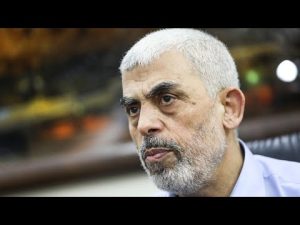
This estimate has generated controversy, particularly given the stark contrast between his financial standing and the living conditions of the Palestinian people in Gaza. Sinwar’s wealth has become a focal point for both critics and analysts trying to understand how a man from such humble beginnings could amass significant riches.
Understanding Sinwar’s financial journey requires delving into his rise in Hamas, his connections, and the socio-political climate that allowed for such wealth accumulation.
With ongoing conflict, international scrutiny, and limited economic opportunities in Gaza, the wealth of leaders like Sinwar raises important questions about leadership, resource allocation, and accountability within Hamas.
Yahya Sinwar Net Worth: The Leader of Hamas and His Wealth
Early Life and Rise to Power
Born in 1962 in Khan Younis, one of the most densely populated refugee camps in Gaza, Yahya Sinwar’s early life was marked by the hardships common to many Palestinians. His family, like thousands of others, had been displaced during the Arab-Israeli conflict. Sinwar quickly became involved in the Palestinian resistance, which eventually led to his joining Hamas in its early years.
Sinwar’s rise within Hamas was driven by his militant activities and his commitment to the organization’s ideological goals. Over time, he became one of the founders of the Izz ad-Din al-Qassam Brigades, the military wing of Hamas. His influence within the organization grew steadily, especially after serving time in an Israeli prison for his role in orchestrating attacks.
Upon his release in a prisoner exchange deal in 2011, Sinwar returned to Gaza and quickly ascended to a leadership role, becoming the head of Hamas in Gaza by 2017. His leadership has been marked by strategic decisions that have influenced both the political and military direction of Hamas.
Hamas Leadership and Financial Power
As a high-ranking official within Hamas, Sinwar has access to the organization’s vast network of resources. While exact figures regarding his personal wealth remain elusive, estimates suggest that Sinwar’s net worth ranges from $1 million to $3 million.
These figures are significant, especially when considering the overall economic conditions in Gaza, where many people live below the poverty line and face severe hardships due to blockades and limited access to basic resources.
Sinwar’s wealth likely stems from several sources:
- International Funding: Hamas, as an organization, receives substantial funding from various international donors, including private individuals and countries like Iran. While this money is primarily meant for political and military activities, there are often concerns about how these funds are distributed among the leadership.
- Business Interests: It is rumored that Sinwar, like other Hamas officials, has investments in various businesses, both legal and illicit, that operate within Gaza and abroad. These ventures could include construction, trade, and even the black market.
- Control Over Resources: As the leader of Hamas in Gaza, Sinwar has significant control over the region’s resources, including materials brought in through the smuggling tunnels along the Egyptian border. These tunnels, while often used for essential supplies, are also a source of revenue for the Hamas leadership.
- Influence and Power: Wealth accumulation for Sinwar may not only come in the form of direct financial assets but also through the consolidation of power. His control over Gaza allows him to direct resources, establish allegiances, and maintain his position at the top of Hamas’ hierarchy.
The Disparity Between Gaza’s Population and Leadership Wealth
The wealth of Yahya Sinwar and other senior Hamas officials stands in stark contrast to the conditions faced by most Gazans.
Gaza is often described as one of the most challenging places to live due to ongoing blockades, limited access to clean water, healthcare, and employment opportunities. Unemployment rates in Gaza are among the highest in the world, and the population frequently faces power cuts, food shortages, and inadequate infrastructure.
Given these dire circumstances, the financial status of Hamas leaders like Sinwar has sparked outrage among critics. Many question how these leaders have managed to secure personal wealth while the people they claim to represent live in such harsh conditions.
International aid often flows into Gaza with the intent of providing relief to the civilian population, yet there are accusations that much of this aid is misused or diverted. Sinwar’s wealth, in particular, has raised questions about the accountability and transparency of Hamas’ leadership.
Yahya Sinwar Net Worth FAQ
1. How did Yahya Sinwar accumulate his wealth?
Yahya Sinwar’s wealth is believed to come from multiple sources, including international funding for Hamas, business investments, and control over resources in Gaza.
His role as the leader of Hamas in Gaza gives him significant control over various financial streams, including those from foreign donors and smuggling operations.
2. What is Yahya Sinwar’s estimated net worth?
Sinwar’s estimated net worth is believed to be between $1 million and $3 million. This figure is speculative, as Hamas officials’ financial dealings are often kept private. However, the wealth of Sinwar and other Hamas leaders has been a point of contention, especially given the economic hardships faced by many in Gaza.
3. Why is Yahya Sinwar’s wealth controversial?
Sinwar’s wealth is controversial because it stands in stark contrast to the living conditions in Gaza. While Sinwar enjoys a comfortable financial position, many Gazans live in poverty, with limited access to essential resources. Critics argue that the leadership of Hamas, including Sinwar, has not done enough to improve the lives of the people they govern.
4. Does Hamas control significant financial resources?
Yes, Hamas controls substantial financial resources, much of which comes from international donations and investments. These funds are often used for political, military, and social projects within Gaza. However, there are concerns that a portion of this money is diverted for personal gain by the organization’s leadership.
5. What role do smuggling tunnels play in Hamas’ finances?
The smuggling tunnels along the Egypt-Gaza border are a significant source of income for Hamas. These tunnels are used to bring goods into Gaza, often circumventing Israeli blockades. While some of these goods are essential for the local population, others are sold on the black market, generating revenue for the Hamas leadership.
6. How does Yahya Sinwar’s wealth compare to other Hamas leaders?
Sinwar’s wealth is comparable to other senior Hamas officials, many of whom have also accumulated significant fortunes. Hamas leaders are often criticized for living in relative luxury while the general population of Gaza suffers from poverty and deprivation.
7. Is there transparency in Hamas’ financial dealings?
No, there is little transparency in Hamas’ financial dealings. The organization operates in secrecy, and its leaders’ financial activities are rarely disclosed. This lack of transparency fuels speculation about how much wealth leaders like Sinwar have accumulated and how funds are distributed within the organization.
Conclusion
Yahya Sinwar’s rise from a refugee camp to the leader of Hamas in Gaza is a testament to his political and military acumen. However, his significant wealth, estimated at between $1 million and $3 million, remains a subject of controversy.
The disparity between the financial status of Hamas’ leadership and the people of Gaza has led to widespread criticism and questions about resource allocation and transparency.
As Sinwar continues to play a pivotal role in the region’s political landscape, his financial standing will remain a focal point for both supporters and critics. His wealth is a reminder of the complexities and contradictions within the leadership of Hamas and the ongoing struggles faced by the people of Gaza.
What Next After Gachagua Impeachment? Find 10 Things
What Next After Gachagua Impeachment? Following Gachagua’s impeachment, the next steps include appointing a new Deputy President, potential legal challenges, shifts in political alliances, public reactions, and addressing economic implications.
The impeachment of Deputy President Rigathi Gachagua marks a pivotal moment in Kenya’s political landscape. While the repercussions of such an event are vast and complex.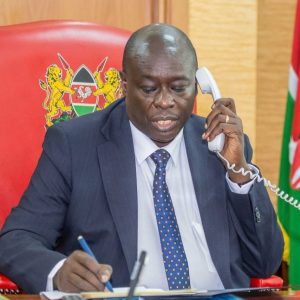
The immediate question on everyone’s mind is, what will happen next? The answers lie in understanding the potential pathways Kenya’s political structure could follow, the key players involved, and the constitutional guidelines that will shape the next phase of governance.
In this article, we will explore the top 10 scenarios that could unfold following Gachagua’s impeachment.
What Next After Gachagua Impeachment? Find 10 Things
1. Presidential Succession Plans: Who Fills the Gap?
One of the most immediate concerns after an impeachment is the line of succession. The Kenyan Constitution outlines a clear process for replacing the Deputy President.
If a Deputy President is impeached, the President must nominate a new candidate to fill the position, subject to approval by the National Assembly.
This process can cause delays, leading to a temporary gap in the country’s executive leadership. During this time, there will be increased pressure on President William Ruto to choose a candidate who can bridge political divides and maintain the stability of the ruling coalition.
2. Political Realignments: Shifting Allegiances in Parliament
The impeachment of Gachagua is likely to trigger significant shifts in political alliances. Kenya’s political system thrives on coalitions and alliances, and the removal of such a high-ranking official can cause members of Parliament to reconsider their positions.
Opposition parties may attempt to capitalize on the moment, while pro-Gachagua factions within the ruling party may realign with others. This situation could lead to both short-term political uncertainty and long-term reshuffling within Kenya’s political landscape.
3. Public Reactions: Protests and Political Rallies
In any major political event, public sentiment plays a critical role. Gachagua’s impeachment could spark protests from his supporters, particularly in regions where he has a strong following.
Large political rallies and demonstrations may emerge, demanding his reinstatement or showing dissatisfaction with the current administration. The government must address these concerns diplomatically, as public unrest can quickly escalate into nationwide instability.
4. Legal Challenges: Court Battles and Constitutional Interpretations
The impeachment process often doesn’t end with the vote. Legal challenges can follow, as the ousted official may seek to overturn the decision through the courts.
Gachagua could potentially mount a legal battle, challenging the grounds for his impeachment. Such a case would not only put the judiciary in the spotlight but also set important precedents for future impeachments in Kenya.
Constitutional experts will likely weigh in, analyzing the validity of the process and its implications for the nation’s legal framework.
5. Impact on William Ruto’s Presidency
Gachagua has been a close ally of President William Ruto, and his impeachment could strain the leadership dynamic. Ruto’s administration may face increased scrutiny in the wake of this event, and critics will be watching closely to see how he handles the aftermath.
If the impeachment is viewed as a failure of Ruto’s leadership or a breakdown in his ability to manage key figures in his government, it could erode public trust in his presidency.
6. The Role of the Judiciary in the Aftermath
Kenya’s judiciary plays a central role in the balance of power, and it will likely be involved in any legal disputes following Gachagua’s impeachment. The courts may have to interpret constitutional provisions regarding the impeachment process, especially if there are claims that due process was not followed. Additionally, any legal action Gachagua takes to contest his removal will bring the judiciary further into the spotlight, potentially shaping the way future political cases are handled.
7. International Relations: How Will Foreign Governments React?
Gachagua’s impeachment could have repercussions beyond Kenya’s borders. Foreign governments, particularly those in Africa and the West, will be watching closely to see how the situation develops. Depending on the nature of the impeachment and its aftermath, Kenya’s diplomatic relations with key allies could be affected. Stability in Kenya is critical for regional security, and any prolonged political unrest could raise concerns in neighboring countries and international organizations.
8. Economic Implications: Impact on Markets and Investments
Political stability is a key factor in maintaining investor confidence. The impeachment of a high-ranking government official can send shockwaves through the economy, leading to uncertainty in the markets. Investors may be wary of committing to projects until they have a clearer understanding of the country’s political future. Additionally, the government’s focus on political issues could divert attention away from economic reforms, slowing progress on crucial development projects.
9. Media Coverage and Public Opinion: The Role of Information
In the digital age, media coverage has a powerful impact on shaping public opinion. The impeachment of Gachagua is likely to dominate headlines for weeks, with various news outlets offering differing perspectives on the event.
Social media platforms will also be abuzz with reactions, as Kenyans voice their support or opposition to the decision. The government’s ability to manage the narrative in both traditional and digital media will play a crucial role in maintaining public confidence.
10. Long-Term Political Repercussions: The Future of Governance in Kenya
The removal of a Deputy President is not an everyday occurrence, and the long-term political implications of Gachagua’s impeachment will shape Kenya’s future governance.
Political parties will reevaluate their strategies, and future leaders will take note of the events leading to his downfall. This could lead to changes in how future Deputy Presidents are selected, the role they play in government, and how impeachments are handled going forward.
What Next After Gachagua Impeachment?(FAQs)
1. What are the constitutional grounds for impeaching a Deputy President in Kenya?
A Deputy President in Kenya can be impeached if they are found to have violated the Constitution, committed a serious crime, or engaged in gross misconduct. The impeachment process is initiated by the National Assembly and must be approved by a two-thirds majority in both houses of Parliament.
2. How long does the impeachment process take in Kenya?
The impeachment process can vary in length depending on the complexity of the case. Typically, it can take several weeks or even months, as it involves investigations, parliamentary debates, and voting in both the National Assembly and Senate.
3. Can Rigathi Gachagua appeal his impeachment?
Yes, Gachagua has the right to challenge his impeachment in court. If he believes that the process was flawed or that his constitutional rights were violated, he can file a legal suit to contest the decision.
4. Who will replace Gachagua as Deputy President?
Following the impeachment, President William Ruto will nominate a candidate to replace Gachagua as Deputy President. This candidate must be approved by the National Assembly before assuming office.
5. Will Gachagua remain involved in politics after his impeachment?
While Gachagua may lose his position as Deputy President, he could still remain active in politics. Depending on the outcome of any legal challenges and the support he retains from his political base, Gachagua may continue to be an influential figure in Kenyan politics.
6. How will this impeachment affect Kenya’s political future?
The impeachment of a Deputy President can cause significant political shifts, leading to realignments within parties and coalitions. It may also set a precedent for future impeachments and influence how leaders are held accountable in Kenya.
7. What impact will Gachagua’s impeachment have on Kenya’s economy?
Political instability often leads to economic uncertainty. Gachagua’s impeachment could cause investors to hesitate, affecting key sectors such as infrastructure development and foreign investments. Additionally, the government may need to focus more on political issues, slowing economic reforms.
Conclusion
The impeachment of Deputy President Rigathi Gachagua is a significant event that will shape Kenya’s political, legal, and economic future.
As the country moves forward, the next steps will involve not only the appointment of a new Deputy President but also the resolution of any legal challenges and the restoration of political stability.
This moment calls for strong leadership, careful diplomacy, and a clear vision for Kenya’s future.
Who Is CS Kithure Kindiki’s Wife?
Who Is CS Kithure Kindiki’s Wife?