What is the THAAD anti-missile system? The THAAD Anti-Missile System, developed by the United States, is a defense system designed to intercept and destroy short, medium, and intermediate-range ballistic missiles during their terminal phase using hit-to-kill technology, with a range of up to 200 kilometers and an interception altitude of up to 150 kilometers.
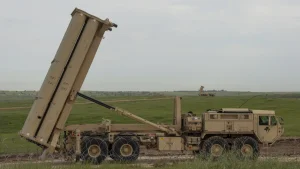
- The Terminal Well, High Altitude Area Defense (THAAD) is a sophisticated missile defense system developed by the United States to protect against a range of ballistic missile threats.
- It plays a critical role in modern military defense strategies, offering protection to nations and regions vulnerable to missile attacks.
- Designed with cutting-edge technology, THAAD has become a cornerstone in global defense systems, providing both deterrence and direct defense against potential missile strikes.
But what exactly is THAAD, how does it work, and why is it important?
In this article, we will explore the THAAD anti-missile system in detail, covering its components, operational capabilities, deployment, and the controversies that surround this vital defense technology.
What Is The THAAD Anti-Missile System? Complete Analysis
Overview of THAAD
Purpose and Development
THAAD, short for Terminal High Altitude Area Defense, was created with a clear mission: to intercept and destroy ballistic missiles during the terminal phase of their trajectory. This is the final stage when the missile is descending toward its target. Unlike other missile defense systems, THAAD is specialized in handling short, medium, and intermediate-range ballistic missiles, making it a versatile tool in military defense.
The development of THAAD began in the late 1980s, spearheaded by the U.S. Missile Defense Agency (MDA). After years of testing and refinements, the system became operational in 2008. Since then, it has been deployed in various parts of the world to bolster defenses against missile threats.
Key Objectives of THAAD
- Intercept and destroy ballistic missiles during their terminal phase.
- Protect high-value targets, including civilian populations and critical infrastructure.
- Support allied nations with advanced missile defense technology.
- Complement other missile defense systems like Patriot and Aegis for layered defense.
Components of the THAAD System
To understand how THAAD works, it’s essential to break down its core components. Each part of the system plays a crucial role in ensuring successful missile interception.
1. Interceptors
At the heart of THAAD are the interceptor missiles. These missiles are unique because they do not carry explosive warheads. Instead, they utilize hit-to-kill technology, meaning they destroy their target through direct impact. This kinetic energy impact obliterates incoming ballistic missiles before they can reach their intended target.
- Kinetic Projectiles: Designed for precision, these interceptors use speed and force to neutralize threats.
- Multiple Interceptors: Each launcher can fire multiple interceptors, increasing the chances of success during missile defense operations.
2. Launcher
The launcher is a highly mobile, truck-mounted system that can be quickly deployed to different locations. This mobility ensures that THAAD can be placed in strategic positions depending on the threat level.
- Truck-Mounted: The launcher is portable, allowing it to move rapidly between locations.
- Interceptor Capacity: Each launcher can carry multiple interceptors, ready to be launched at incoming threats.
3. Radar (AN/TPY-2)
The AN/TPY-2 Radar is a powerful ground-based radar system that detects and tracks enemy missiles. This radar is essential for guiding the interceptor missiles to their targets.
- Detection and Tracking: The radar continuously scans the skies for potential threats, identifying and tracking ballistic missiles from long distances.
- Guidance: Once a missile threat is identified, the radar provides real-time data to guide the interceptors toward their target.
4. Fire Control and Communications
This component integrates all of the data from the radar and ensures seamless coordination between the interceptors and the launchers.
- Control System: Tracks incoming missile threats and coordinates the launch of interceptors.
- Communications: Ensures effective communication between all parts of the THAAD system and connects with other missile defense networks to ensure comprehensive protection.
Operational Capabilities of THAAD
The THAAD system is designed to be highly effective against a range of ballistic missile threats. Let’s break down its key operational capabilities:
1. Range
THAAD interceptors have a range of up to 200 kilometers (about 124 miles), giving them the ability to engage targets at long distances before they can threaten protected areas.
2. Altitude
One of the standout features of THAAD is its ability to intercept missiles at altitudes of up to 150 kilometers (about 93 miles). This high-altitude interception capability allows it to destroy warheads before they re-enter the Earth’s atmosphere, providing an additional layer of defense.
3. Speed
The interceptors can engage missiles traveling at speeds of up to Mach 8 (about 6,174 miles per hour). This incredible speed is crucial in dealing with high-velocity ballistic missile threats.
Deployment and Usage of THAAD
Global Deployment
The U.S. has deployed THAAD systems in several key locations worldwide, often in regions of strategic military importance. Some of the most notable deployment locations include:
- South Korea: Positioned to defend against potential missile threats from North Korea.
- Guam: Defending U.S. military assets and civilian populations from regional missile threats.
- United Arab Emirates: Enhancing the missile defense capabilities of key U.S. allies in the Middle East.
Allied Protection
THAAD is not just for the U.S. military. It has been provided to allied nations as well, helping to strengthen their defensive capabilities against missile threats. These deployments are often done as part of broader security agreements to ensure global stability.
Strategic Importance of THAAD
1. Layered Defense
One of the biggest advantages of THAAD is its role in a multi-layered missile defense strategy. By working alongside systems like the Patriot missile defense system and Aegis Ballistic Missile Defense, THAAD adds another layer of protection, ensuring that multiple defenses are in place to intercept potential missile threats.
2. Deterrence
In addition to its defensive capabilities, the presence of THAAD can serve as a strong deterrent against adversaries considering the use of ballistic missiles. Knowing that a region is protected by THAAD could discourage potential attacks.
Controversies and Challenges
Geopolitical Tensions
While THAAD is a highly effective defense system, its deployment has sparked geopolitical tensions, especially in regions like South Korea. Neighboring countries like China and Russia have expressed concerns about THAAD, viewing its deployment as a threat to their national security. These tensions stem from the system’s radar capabilities, which can track missile launches deep into their territories.
Technical Challenges
As missile technology continues to evolve, THAAD must keep pace. Ensuring that the system remains effective against newer and more advanced missile threats is an ongoing challenge. Additionally, integrating THAAD with other defense systems presents technical hurdles that defense agencies must continually address.
What Is The THAAD Anti-Missile System? FAQs
1. What is the THAAD Anti-Missile System?
The Terminal High Altitude Area Defense (THAAD) is a missile defense system developed by the United States to intercept and destroy short, medium, and intermediate-range ballistic missiles during their terminal phase of flight.
2. How does THAAD intercept missiles?
THAAD uses kinetic interceptors, which are hit-to-kill missiles that destroy incoming ballistic missiles by colliding with them at high speeds, rather than using an explosive warhead.
3. What components make up the THAAD system?
THAAD consists of several key components: interceptors, a mobile launcher, the AN/TPY-2 radar, and a fire control and communications unit that integrates radar data and coordinates the interceptors.
4. What is the range and altitude capability of THAAD?
THAAD can intercept missiles at ranges up to 200 kilometers (about 124 miles) and at altitudes of up to 150 kilometers (about 93 miles), making it effective at destroying missiles before they re-enter the Earth’s atmosphere.
5. Where has THAAD been deployed?
THAAD systems have been deployed in various strategic locations, including South Korea, Guam, and the United Arab Emirates, to protect against potential missile threats in these regions.
6. How does THAAD contribute to a multi-layered missile defense strategy?
THAAD complements other missile defense systems such as the Patriot missile system and Aegis Ballistic Missile Defense, providing a layered defense that can intercept missiles at different phases of their flight.
7. Why is THAAD deployment controversial?
Deployments, particularly in regions like South Korea, have led to geopolitical tensions with countries such as China and Russia, who perceive THAAD as a threat to their security and strategic interests.
8. What are the technical challenges faced by THAAD?
Ensuring the system’s effectiveness against evolving missile threats, maintaining integration with other defense systems, and enhancing its capabilities to counter advanced missile technologies are ongoing technical challenges for THAAD.
9. How does the THAAD radar system work?
The AN/TPY-2 radar detects and tracks incoming missiles, providing real-time data to guide the interceptors. It is a crucial element of the THAAD system, enabling accurate target identification and interception.
10. What is the strategic importance of THAAD?
THAAD plays a vital role in national and allied defense strategies by providing a reliable defense against ballistic missile attacks, thus serving as a deterrent and enhancing the security of deployed regions
Conclusion
The THAAD anti-missile system is a vital component of modern military defense strategies. Its ability to intercept and destroy ballistic missiles during their terminal phase makes it a powerful tool for protecting both military assets and civilian populations.
Despite the controversies surrounding its deployment, THAAD continues to play a crucial role in safeguarding strategic regions around the world. As missile threats evolve, THAAD’s role in missile defense architectures will likely grow even more significant.
How Many Hours Is It From Kenya To Dubai?
Trying to figure out How Many Hours Is It From Kenya To Dubai? The flight duration from Kenya to Dubai is approximately 5 hours and 15 minutes to 6 hours for direct flights, covering 100% of the journey time, while connecting flights can take 8 to 24 hours, depending on layovers.
Kenya and Dubai are two vibrant destinations with rich cultures and economic significance. Nairobi, the capital city of Kenya, serves as a major hub for travelers heading to Dubai, one of the most popular cities in the United Arab Emirates.
Whether you’re flying from Nairobi or another city in Kenya, knowing the travel time to Dubai helps in better planning and managing expectations.
This article provides comprehensive information about the duration of the trip, including different modes of transportation, flight durations, and tips for a smooth journey.
How Many Hours Is It From Kenya To Dubai?
Flight Duration from Kenya to Dubai
Direct Flights
The most efficient way to travel from Kenya to Dubai is by taking a direct flight. The duration of a direct flight from Jomo Kenyatta International Airport (NBO) in Nairobi to Dubai International Airport (DXB) is approximately 5 to 6 hours. This time frame can vary slightly depending on the airline and weather conditions.
Airlines Offering Direct Flights
- Emirates: Emirates is one of the most popular choices for direct flights between Nairobi and Dubai, offering multiple flights daily with a travel time of around 5 hours and 30 minutes.
- Kenya Airways: Kenya Airways also provides direct flights with a similar duration.
- Flydubai: Flydubai offers budget-friendly direct flights, typically taking about 5 hours and 45 minutes.
Connecting Flights
If you opt for a connecting flight, the travel time increases significantly. Connecting flights can take anywhere from 8 to 24 hours, depending on the layover duration and the connecting city.
Common Layover Cities
- Addis Ababa: Ethiopian Airlines offers flights with layovers in Addis Ababa. The total travel time, including layover, is usually around 9 to 12 hours.
- Doha: Qatar Airways flights with a layover in Doha have a total travel time of approximately 10 to 14 hours.
- Istanbul: Turkish Airlines offers flights with a layover in Istanbul, with total travel times ranging from 14 to 18 hours.
Factors Affecting Flight Duration
Weather Conditions
Weather conditions can affect the flight duration. While most flights adhere to the scheduled time, unexpected weather changes can lead to delays.
Air Traffic
Air traffic congestion, especially at busy airports like Dubai International, can also impact the flight duration. Delays in takeoff or landing due to heavy air traffic are not uncommon.
Flight Route
The specific flight route chosen by the airline can slightly alter the travel time. While direct flights have a fixed route, connecting flights might take longer routes due to the layover city.
Ground Transportation to and from Airports
From Nairobi to Jomo Kenyatta International Airport
Jomo Kenyatta International Airport is located about 15 kilometers southeast of Nairobi’s city center. Depending on traffic, it can take anywhere from 30 minutes to over an hour to reach the airport.
From Dubai International Airport to City Center
Dubai International Airport is conveniently located about 15 kilometers from the city center. Travelers can choose from various transportation options:
- Taxi: Taxis are available 24/7 and take around 20 to 30 minutes to reach the city center.
- Metro: The Dubai Metro Red Line connects the airport to key areas in the city, offering a cost-effective and efficient travel option.
- Airport Shuttles: Many hotels provide shuttle services for their guests.
Preparing for Your Trip
Visa Requirements
Kenyan citizens require a visa to enter Dubai. It is advisable to apply for a visa in advance to avoid any complications upon arrival. Ensure you have all necessary documents, including your passport, visa, and return ticket.
Travel Insurance
Travel insurance is highly recommended for international trips. It provides coverage for medical emergencies, trip cancellations, and lost luggage, ensuring peace of mind during your travel.
Packing Essentials
Pack according to Dubai’s hot desert climate. Lightweight clothing, sunscreen, sunglasses, and a hat are essential. Also, ensure you have all necessary travel documents, including your passport, visa, flight tickets, and travel insurance.
How Many Hours Is It From Kenya To Dubai? FAQs
1. How long is the direct flight from Nairobi to Dubai?
The direct flight from Nairobi to Dubai typically takes around 5 to 6 hours.
2. Are there direct flights from Kenya to Dubai?
Yes, several airlines offer direct flights from Nairobi to Dubai, including Emirates, Kenya Airways, and Flydubai.
3. Do I need a visa to travel from Kenya to Dubai?
Yes, Kenyan citizens require a visa to enter Dubai. It is advisable to apply for a visa in advance.
4. What factors can affect the flight duration from Kenya to Dubai?
Weather conditions, air traffic congestion, and the specific flight route can affect the flight duration.
5. How do I get from Dubai International Airport to the city center?
You can take a taxi, the Dubai Metro, or an airport shuttle to reach the city center from Dubai International Airport.
6. How long does a connecting flight from Nairobi to Dubai take?
Connecting flights can take anywhere from 8 to 24 hours, depending on the layover duration and the connecting city.
7. What are common layover cities for flights from Nairobi to Dubai?
Common layover cities include Addis Ababa, Doha, and Istanbul.
8. What is the best time to travel to Dubai?
The best time to visit Dubai is during the cooler months, from November to April.
9. What should I pack for a trip to Dubai?
Pack lightweight clothing, sunscreen, sunglasses, a hat, and all necessary travel documents.
10. Is it safe to travel to Dubai?
Dubai is considered a safe destination for travelers. The city has a low crime rate, and local authorities take security seriously.
Conclusion
Traveling from Kenya to Dubai is a relatively straightforward journey, especially with the availability of direct flights. The flight duration is approximately 5 to 6 hours, making it a convenient option for travelers.
By understanding the various factors that can affect travel time, including direct and connecting flights, weather conditions, and air traffic, you can better plan your trip.
With proper preparation, including obtaining the necessary visa, packing appropriately, and understanding ground transportation options, you can ensure a smooth and enjoyable trip from Kenya to Dubai. Safe travels!
What Is Botswana’s National Flower?
What is Botswana’s national flower? Well, Botswana, a land of stunning landscapes and rich cultural heritage, is home to a unique and fascinating national flower: the Kalahari Devil’s Claw (Harpagophytum procumbens).

The Kalahari Devil’s Claw, scientifically known as Harpagophytum procumbens, holds a special place in the heart of Botswana. Its striking appearance and valuable medicinal properties have made it a symbol of the country’s natural beauty and traditional healing practices.
As Botswana’s national flower, the Kalahari Devil’s Claw not only represents the unique flora of the region but also embodies the resilience and resourcefulness of its people.
In this comprehensive article, we will explore the origins, characteristics, and uses of the Kalahari Devil’s Claw, shedding light on why it has earned the honor of being Botswana’s national flower.
The Origins of the Kalahari Devil’s Claw
Native Habitat
The Kalahari Devil’s Claw is native to the Kalahari Desert, a vast expanse of arid land that stretches across several African countries, including Botswana, Namibia, and South Africa. This hardy plant thrives in the sandy soils and harsh climatic conditions of the desert, making it well-adapted to the region’s challenging environment. The Kalahari Desert’s unique ecosystem provides the perfect habitat for the Devil’s Claw, where it can flourish and contribute to the biodiversity of the area.
Discovery and Naming
The scientific name Harpagophytum procumbens is derived from the Greek words “harpago,” meaning hook, and “phyton,” meaning plant. This name aptly describes the plant’s distinctive fruit, which is covered in sharp, hook-like projections. The common name “Devil’s Claw” also refers to these hooks, which can easily catch onto the feet of animals, aiding in the plant’s seed dispersal.
Characteristics of the Kalahari Devil’s Claw
Appearance
The Kalahari Devil’s Claw is a perennial plant that grows low to the ground, with long, trailing stems that can extend up to 1.5 meters. Its leaves are greyish-green, deeply lobed, and covered in fine hairs, which help reduce water loss in the arid environment. The plant produces large, trumpet-shaped flowers that range in color from pale pink to deep purple, adding a splash of color to the desert landscape. The most distinctive feature of the Devil’s Claw, however, is its fruit. The woody capsule is covered in curved spines or hooks, giving it the appearance of a claw.
Growth and Reproduction
The Kalahari Devil’s Claw has a unique growth and reproduction cycle that allows it to thrive in the harsh desert conditions. The plant’s extensive root system can reach deep into the soil to access water, enabling it to survive prolonged periods of drought. The Devil’s Claw reproduces both sexually, through the production of seeds, and vegetatively, through its tuberous roots. The hooked fruit aids in seed dispersal by attaching to the fur of passing animals, which transport the seeds to new locations.
Medicinal Properties of the Kalahari Devil’s Claw
Traditional Uses
For centuries, the indigenous people of the Kalahari Desert have used the Devil’s Claw for its medicinal properties. The plant’s tuberous roots are rich in iridoid glycosides, particularly harpagoside, which have potent anti-inflammatory and analgesic effects. Traditional healers in Botswana and neighboring countries have long utilized Devil’s Claw to treat a variety of ailments, including arthritis, rheumatism, digestive disorders, and skin conditions.
Modern Applications
In recent years, the medicinal properties of the Kalahari Devil’s Claw have gained recognition in the global health community. Numerous studies have confirmed its efficacy in reducing inflammation and pain, making it a popular natural remedy for conditions such as osteoarthritis and back pain. Devil’s Claw is commonly available in the form of capsules, tablets, tinctures, and topical creams, offering a natural alternative to conventional anti-inflammatory drugs.
Cultural Significance of the Kalahari Devil’s Claw
Symbol of Resilience
The Kalahari Devil’s Claw is more than just a medicinal plant; it is a symbol of resilience and adaptability. Its ability to thrive in the harsh conditions of the Kalahari Desert mirrors the endurance and strength of the people of Botswana. The plant’s tenacity and survival skills resonate with the country’s cultural values, making it a fitting emblem of national pride.
Role in Traditional Practices
In addition to its medicinal uses, the Kalahari Devil’s Claw holds cultural significance in traditional ceremonies and rituals. The plant is often used in purification rituals and as a protective charm against evil spirits. Its symbolic value extends beyond its physical properties, representing the deep connection between the people of Botswana and their natural environment.
Conservation Efforts
Threats to the Devil’s Claw
Despite its resilience, the Kalahari Devil’s Claw faces several threats that could impact its survival. Overharvesting of the plant for its medicinal roots has led to a decline in wild populations. Additionally, habitat loss due to agricultural expansion and climate change poses a significant risk to the species. These challenges highlight the need for sustainable harvesting practices and conservation efforts to ensure the long-term survival of the Devil’s Claw.
Conservation Initiatives
Various organizations and communities in Botswana are actively working to conserve the Kalahari Devil’s Claw. Efforts include promoting sustainable harvesting techniques, establishing protected areas, and raising awareness about the plant’s ecological and cultural importance. By involving local communities in conservation initiatives, these programs aim to balance the demand for Devil’s Claw with the need to preserve this valuable resource for future generations.
The Future of Botswana’s National Flower
Sustainable Use
The sustainable use of the Kalahari Devil’s Claw is crucial for its continued existence and the well-being of the communities that rely on it. Developing sustainable harvesting guidelines and promoting the cultivation of Devil’s Claw in controlled environments can help reduce pressure on wild populations. Encouraging responsible use and trade of the plant’s medicinal products will also contribute to its long-term conservation.
Global Recognition
As the world becomes more aware of the benefits and significance of the Kalahari Devil’s Claw, there is potential for increased global recognition and appreciation of Botswana’s national flower. This recognition can help promote conservation efforts and support local communities by creating economic opportunities through the sustainable trade of Devil’s Claw products.
What Is Botswana’s National Flower? FAQs
1. What makes the Kalahari Devil’s Claw unique?
The Kalahari Devil’s Claw is unique due to its distinctive hook-like fruit and its remarkable medicinal properties. Its ability to thrive in the harsh conditions of the Kalahari Desert and its significant role in traditional medicine make it a fascinating and valuable plant.
2. How is the Kalahari Devil’s Claw used in traditional medicine?
In traditional medicine, the tuberous roots of the Kalahari Devil’s Claw are used to treat a variety of ailments, including arthritis, rheumatism, digestive disorders, and skin conditions. The plant’s anti-inflammatory and analgesic properties make it an effective natural remedy.
3. What are the main threats to the Kalahari Devil’s Claw?
The main threats to the Kalahari Devil’s Claw include overharvesting for its medicinal roots, habitat loss due to agricultural expansion, and climate change. These factors contribute to the decline of wild populations and highlight the need for conservation efforts.
4. How can the Kalahari Devil’s Claw be conserved?
Conservation efforts for the Kalahari Devil’s Claw include promoting sustainable harvesting techniques, establishing protected areas, and raising awareness about the plant’s ecological and cultural importance. Involving local communities in these initiatives is crucial for their success.
5. What role does the Kalahari Devil’s Claw play in Botswana’s culture?
The Kalahari Devil’s Claw holds cultural significance in Botswana as a symbol of resilience and adaptability. It is used in traditional ceremonies and rituals, representing the deep connection between the people and their natural environment.
6. What are the medicinal benefits of the Kalahari Devil’s Claw?
The medicinal benefits of the Kalahari Devil’s Claw include its potent anti-inflammatory and analgesic effects. It is commonly used to treat conditions such as arthritis, osteoarthritis, and back pain, offering a natural alternative to conventional anti-inflammatory drugs.
7. Can the Kalahari Devil’s Claw be cultivated?
Yes, the Kalahari Devil’s Claw can be cultivated in controlled environments. Cultivation efforts can help reduce pressure on wild populations and ensure a sustainable supply of the plant for medicinal use.
Conclusion
The Kalahari Devil’s Claw, Botswana’s national flower, is a symbol of the country’s natural beauty, cultural heritage, and traditional healing practices. This remarkable plant, native to the Kalahari Desert, is known for its distinctive appearance and valuable medicinal properties.
As we continue to explore and appreciate the significance of the Kalahari Devil’s Claw, it is crucial to promote sustainable practices and conservation efforts to ensure its survival for future generations.
By doing so, we can preserve not only a unique and valuable plant but also the cultural and ecological heritage it represents.
Call to Action Discover more about the fascinating world of Botswana’s national flower and join the efforts to conserve the Kalahari Devil’s Claw.
Support sustainable harvesting practices, raise awareness about its importance, and contribute to the preservation of this remarkable plant. Together, we can ensure that the Kalahari Devil’s Claw continues to thrive and symbolize the resilience and beauty of Botswana for generations to come.
What Is The Best Online Loan App In Uganda? 20 Best

These apps have become popular for their convenience, allowing users to borrow money anytime and anywhere using their smartphones.
In this article, we will explore the 20 best online loan apps in Uganda, diving into their features, costs, services, availability, and user experience. By the end, you’ll have a comprehensive understanding of which loan app might suit your needs.
What Is The Best Online Loan App In Uganda? 20 Best
1. Mangu Cash
Mangu Cash is a leading online loan app in Uganda that provides loans ranging from UGX 60,000 to UGX 400,000. The app is designed for individuals who need quick access to money for emergencies. One of the key features of Mangu Cash is its flexible repayment terms, which range from 90 to 365 days. With an Annual Percentage Rate (APR) ranging from 15% to 52%, Mangu Cash remains a viable option for those in need of short-term financial assistance. Users have praised the app for its user-friendly interface and the simplicity of the loan application process.
Apart from its favorable terms, Mangu Cash offers its services across major Ugandan cities like Kampala, Entebbe, and Jinja. The app has a strong reputation for transparency, as users are aware of the loan terms before applying. Moreover, it offers excellent customer service and can be accessed 24/7. With its relatively low interest rates, Mangu Cash is ideal for both individuals and small businesses looking for an affordable loan solution.
- Pros:
- Quick approval
- Low APR
- Flexible repayment
- User-friendly interface
- Available 24/7
- Transparent loan terms
- Wide service availability
- Cons:
- Limited loan amount
- Limited business support
- Only for registered users
2. QuickSente
QuickSente is another well-known online loan app in Uganda that provides loans ranging from UGX 60,000 to UGX 500,000. The app is designed to meet the financial needs of individuals looking for quick cash. The repayment terms are flexible, allowing borrowers to repay within a period of up to 365 days. QuickSente also offers competitive interest rates ranging from 12% to 52%, making it one of the most affordable online loan apps in Uganda. It is popular among young professionals and small business owners for its fast disbursement.
QuickSente is available in major cities like Kampala and Mbarara and offers a seamless loan application process. The app has a strong focus on customer satisfaction, providing 24/7 customer support. The experience of using QuickSente is often praised for its simplicity, with many users reporting that they received their loan within minutes of applying. It is available on both Android and iOS platforms.
- Pros:
- Quick disbursement
- Low interest rates
- Flexible repayment
- Available 24/7
- User-friendly interface
- Multiple repayment options
- High approval rate
- Cons:
- Limited loan amount
- High penalties for late repayment
- Requires smartphone access
3. Ok Loan
Ok Loan is known for offering loan amounts between UGX 60,000 and UGX 800,000, making it suitable for individuals who require a higher loan amount. The app has an interest rate that ranges from 16% to 45%, depending on the loan amount and the repayment term. Ok Loan has become a favorite among Ugandan borrowers due to its quick loan disbursement and flexible repayment options. The app provides up to 12 months for loan repayment, which is longer compared to many other loan apps in Uganda.
The app is available in multiple regions, including Kampala, Gulu, and Mbarara, and it’s highly recommended for those who need larger amounts of cash to fund personal projects or small businesses. Ok Loan offers 24/7 customer support and a transparent loan process, ensuring that borrowers fully understand the terms before committing.
- Pros:
- High loan amounts
- Flexible repayment terms
- Quick approval
- Transparent process
- Available 24/7
- Multiple payment methods
- Strong customer support
- Cons:
- Higher interest rates
- Requires high credit score
- No installment flexibility
4. Numida Business Loans
Numida is a popular loan app designed for small businesses in Uganda. The app offers loan amounts that range from UGX 100,000 to UGX 10,000,000, making it one of the highest loan providers in the country. With monthly interest rates ranging between 10% and 16%, Numida is an ideal choice for businesses looking to expand or overcome short-term financial challenges. What sets Numida apart is its focus on business growth and support, offering financial advice to help businesses grow.
Numida operates primarily in urban areas like Kampala, but it is expanding its services across Uganda. Users can access loans within 24 hours, and the app’s focus on business makes it a reliable financial partner for small and medium enterprises (SMEs). Numida is known for its excellent customer support and user-friendly platform, making it easy for business owners to apply for loans and track their repayment schedules.
- Pros:
- High loan limits
- Focus on businesses
- Fast approval
- Low monthly interest
- Excellent customer support
- Provides financial advice
- Flexible repayment terms
- Cons:
- Higher interest for long-term loans
- Limited availability in rural areas
- No personal loans
5. Azima Instant Loans
Azima Instant Loans offers fast and easy access to loans up to UGX 200,000. With an APR of up to 240%, Azima is designed for individuals who need quick cash for emergencies. The app provides repayment terms ranging from 61 to 180 days, making it a short-term solution for borrowers who need immediate financial assistance. Azima is ideal for young professionals or individuals in urgent need of money.
Azima operates mainly in urban areas, including Kampala, and is available 24/7. The app’s high approval rate makes it attractive for users who might have been rejected by other financial institutions. Azima’s fast loan processing and minimal paperwork requirements are a plus for many borrowers, especially those who do not have access to traditional banking services.
- Pros:
- Fast loan processing
- Minimal documentation
- High approval rate
- 24/7 availability
- User-friendly interface
- Ideal for emergencies
- Short-term repayment
- Cons:
- High interest rates
- Low loan amount
- Short repayment period
6. Tala Uganda
Tala is one of the most popular online loan apps in Uganda, offering loans that range from UGX 50,000 to UGX 500,000. Tala is known for its fast loan disbursement, typically within minutes after approval, and flexible repayment terms, ranging from 1 to 30 days. The interest rates range between 11% and 15%, depending on the loan size and repayment period. Tala stands out due to its transparent terms and easy application process, making it a popular choice for individuals needing short-term loans.
Tala operates in major urban centers, and users appreciate the app’s customer support and easy-to-navigate interface. It also helps users build their credit history with consistent repayment. Tala is a great option for first-time borrowers as well as those looking to handle small financial emergencies.
- Pros:
- Fast approval and disbursement
- User-friendly interface
- Flexible loan terms
- Low interest rates
- Available across Uganda
- Build credit history
- Easy to apply
- Cons:
- Limited loan amounts
- Short repayment period
- Not suited for large loans
7. Branch
Branch is another top online loan app in Uganda, offering loans of up to UGX 800,000 with repayment terms ranging from 1 to 6 months. It has low-interest rates that start at 12% and can go up to 18%. One of the key benefits of Branch is that it does not require any paperwork, collateral, or guarantors to access loans, which simplifies the process for users.
Branch has built a reputation for transparency and reliability, and its app is available in both Android and iOS stores. The app is available 24/7 and works even in areas where internet connectivity might be limited. It is ideal for users who need quick cash without the hassle of traditional loan processes.
- Pros:
- No paperwork required
- No collateral needed
- Flexible repayment options
- Transparent loan terms
- Available 24/7
- Competitive interest rates
- Large loan amounts
- Cons:
- Limited to Android and iOS users
- Short repayment term
- Interest can increase with longer loans
8. Wewole Loan App
Wewole offers small loan amounts between UGX 50,000 and UGX 1,000,000 with an APR of 12-25%. This app is tailored to both individuals and small businesses, making it versatile for a variety of borrowers. Wewole’s loan approval process is fast, often taking less than 10 minutes, and the disbursement follows shortly after. The repayment period can extend up to 6 months, providing borrowers with flexible repayment options.
Wewole operates across Uganda, with a focus on urban centers, and is available to both Android and iOS users. The app is simple to use, and customer feedback highlights its fast processing time and reasonable interest rates as its primary benefits.
- Pros:
- Fast approval process
- Reasonable interest rates
- Flexible repayment periods
- Available on Android and iOS
- Supports small businesses
- Easy to use
- 24/7 customer support
- Cons:
- Relatively small loan amounts
- Only available in urban areas
- High penalties for late payments
9. Kashway Uganda
Kashway is an emerging online loan app offering loans between UGX 20,000 and UGX 100,000, with repayment terms of 15 to 30 days. Kashway is ideal for individuals seeking small emergency loans with quick repayment periods. The app is praised for its minimal documentation requirements and fast loan disbursement, which usually takes only a few minutes. Kashway charges an interest rate between 20% and 28%, making it one of the more expensive loan apps, but it compensates for this with its fast service and ease of access.
Kashway serves a wide area, including both urban and rural regions in Uganda, and is accessible 24/7 through its mobile app. This app is suitable for those looking for quick, short-term loans, though it may not be the best choice for those needing larger amounts.
- Pros:
- Quick disbursement
- Minimal paperwork
- Available 24/7
- Simple application process
- Serves rural areas
- Ideal for emergency loans
- Fast approval
- Cons:
- High-interest rates
- Low loan limits
- Short repayment period
10. MoneyMe
MoneyMe offers personal loans between UGX 100,000 and UGX 500,000, with interest rates starting from 10% to 20%. The app is known for its efficient loan processing, which typically takes less than an hour from application to disbursement. MoneyMe has a strong reputation in the Ugandan financial tech space for transparency, allowing borrowers to see the full terms and conditions before agreeing to the loan.
This app is popular among both individuals and small businesses. With flexible repayment periods of up to 6 months, MoneyMe is a viable option for borrowers looking for short- to medium-term financing solutions. It is available across Uganda, making it accessible to a wide audience.
- Pros:
- Transparent loan terms
- Fast loan approval
- Flexible repayment
- Suitable for small businesses
- Competitive interest rates
- Wide availability
- User-friendly app
- Cons:
- Limited loan amount
- Requires smartphone access
- May charge late fees
11. Zidisha Loans
Zidisha is a unique loan app that operates as a peer-to-peer lending platform. It connects individual lenders with borrowers looking for loans between UGX 100,000 and UGX 2,000,000. Zidisha is ideal for small businesses and individuals needing medium-sized loans to fund projects. With an interest rate between 5% and 10%, Zidisha is one of the most affordable loan options in Uganda.
Zidisha’s loans are crowd-funded, which can make the approval process longer compared to other apps, but the benefits include lower interest rates and more flexible repayment terms. It is available across Uganda, and users appreciate the personalized support they receive from their lenders.
- Pros:
- Low-interest rates
- Flexible repayment terms
- No collateral needed
- Supports small businesses
- Peer-to-peer model
- Transparent process
- Available nationwide
- Cons:
- Longer approval time
- Requires online interaction
- Limited to medium loans
12. Bayport Financial Services
Bayport is a well-established financial institution that offers loans up to UGX 20,000,000. Though it is not exclusively an online loan app, Bayport has an online platform that allows individuals to apply for loans digitally. The loan processing time is longer than that of other online loan apps, typically taking 2 to 3 days, but the app offers larger loan amounts and longer repayment periods of up to 3 years. Interest rates vary depending on the loan size and duration but usually range between 12% and 18%.
Bayport’s services are available across Uganda, and it is ideal for individuals and businesses looking for larger, more structured loans. The app is trusted by many for its reliability and comprehensive loan offerings.
- Pros:
- Large loan amounts
- Long repayment periods
- Transparent loan terms
- Competitive interest rates
- Available nationwide
- Trusted financial institution
- Supports businesses
- Cons:
- Longer approval process
- Requires more documentation
- Not ideal for small loans
13. M-Pesa Uganda
M-Pesa is a widely recognized mobile financial service platform, initially popularized in Kenya but now available in Uganda. Through the M-Pesa app, users can access short-term loans starting from UGX 50,000 up to UGX 500,000. The loans are disbursed instantly once approved, with flexible repayment periods ranging from 15 days to 3 months. Interest rates are relatively competitive, ranging from 5% to 12%, depending on the loan amount and repayment period.
M-Pesa’s popularity stems from its seamless integration with mobile money services, making it easy for users to both apply for loans and make repayments directly through their mobile devices. The app is suitable for individuals needing fast cash and operates 24/7.
- Pros:
- Instant loan disbursement
- Integrated with mobile money services
- Flexible repayment options
- Available 24/7
- Transparent interest rates
- Widely trusted brand
- Simple application process
- Cons:
- Limited to small loan amounts
- Short repayment period
- May require a solid transaction history with M-Pesa
14. OKash Uganda
OKash is a fast-growing mobile loan app in Uganda, offering loans between UGX 10,000 and UGX 500,000. The loan approval process is quick, typically taking only minutes, and disbursement follows shortly after. OKash has gained popularity due to its simplicity, requiring only basic identification and mobile phone number to apply for a loan.
With interest rates ranging from 10% to 16%, OKash is known for offering affordable short-term loans. The repayment terms vary from 15 days to 90 days, and users can make repayments directly through mobile money services. OKash is ideal for individuals who need urgent cash for unexpected expenses.
- Pros:
- Fast loan approval
- Low-interest rates
- Easy to apply
- Repayment via mobile money
- No collateral needed
- User-friendly app
- Instant disbursement
- Cons:
- Short repayment periods
- Relatively small loan amounts
- High penalties for late payments
15. QuickLoan Uganda
QuickLoan is designed for individuals looking for small, short-term loans with immediate disbursement. Loans range from UGX 30,000 to UGX 300,000, with a repayment period of up to 30 days. The interest rates vary between 15% and 20%, making it a bit higher than other apps, but the convenience of its service offsets the cost for many users.
QuickLoan is especially useful for emergencies and unexpected financial situations. The app requires no collateral, and the approval process is simple, making it an appealing option for users in need of quick funds. It is accessible to Android users across Uganda and is integrated with mobile money for smooth repayments.
- Pros:
- Immediate loan disbursement
- Simple application process
- No collateral required
- Ideal for emergencies
- Available to Android users
- Repayment via mobile money
- 24/7 service
- Cons:
- High-interest rates
- Short repayment period
- Limited to small loan amounts
16. Credy Uganda
Credy is an online loan app offering small loans from UGX 20,000 to UGX 200,000. The platform is known for its fast approval and flexible repayment terms, ranging from 15 to 60 days. Credy does not require a credit score or collateral, which makes it accessible to first-time borrowers or those with limited credit history.
The interest rates are competitive, ranging from 12% to 18%, depending on the loan size and repayment term. Credy operates nationwide and is popular among users seeking short-term financial solutions with transparent loan conditions.
- Pros:
- No credit score required
- Fast approval process
- Flexible repayment terms
- Competitive interest rates
- Nationwide availability
- Ideal for first-time borrowers
- Simple app interface
- Cons:
- Small loan amounts
- Short repayment periods
- Penalties for late payments
17. Fenix Loans
Fenix is a unique loan service that primarily focuses on financing solar power systems for rural homes in Uganda. However, it has recently expanded into offering cash loans through its mobile platform, allowing users to borrow between UGX 50,000 and UGX 1,000,000. The loan approval process is based on a user’s history with Fenix, particularly their record of making payments for solar products.
Fenix Loans are geared toward rural communities and aim to help individuals manage energy and other household expenses. The loans are disbursed through mobile money, and the repayment terms are flexible, often tied to the borrower’s ability to pay over a few months.
- Pros:
- Tailored to rural communities
- Supports energy and household financing
- Flexible repayment terms
- Accessible via mobile money
- Competitive interest rates
- Builds credit history
- Cons:
- Limited to Fenix users
- Requires a solid payment history
- Small loan amounts
18. Miwawa Loan App
Miwawa is a newer player in the Ugandan mobile loan market, offering quick loans ranging from UGX 20,000 to UGX 200,000. The app targets individuals who need fast access to cash for personal or business use. Miwawa has a fast loan approval process, often disbursing funds within 10 minutes of approval. The repayment period is between 15 to 30 days, with an interest rate of 12% to 18%.
Miwawa is available to both Android and iOS users and integrates with mobile money for smooth repayment. It is ideal for users seeking small loans with minimal documentation requirements.
- Pros:
- Quick loan approval
- Fast disbursement
- Easy to use
- Available on Android and iOS
- Repayment through mobile money
- Flexible loan terms
- Minimal documentation required
- Cons:
- Short repayment period
- Small loan amounts
- High-interest rates
19. Timiza Loans Uganda
Timiza is a well-established online loan app in Uganda, offering loans between UGX 10,000 and UGX 500,000. The app is known for its straightforward application process, fast approval times, and integration with mobile money services. Timiza loans come with interest rates of 10% to 14%, and repayment terms range from 15 to 60 days, providing flexibility to borrowers.
Timiza is available 24/7 and is ideal for individuals needing emergency funds or quick cash for personal and business expenses. It requires no collateral and has built a reputation for transparency and reliability in Uganda’s financial tech space.
- Pros:
- No collateral required
- Fast loan approval
- Transparent loan terms
- Available 24/7
- Flexible repayment terms
- Ideal for small businesses
- Repayment via mobile money
- Cons:
- Small loan amounts
- Short repayment period
- High penalties for late payments
20. JumiaPay Loans
JumiaPay is a digital platform offering small loans ranging from UGX 50,000 to UGX 300,000 for its users. This loan service is integrated into the Jumia app, making it convenient for Jumia customers to apply for loans while shopping online. The loans are typically approved within a few minutes, and the funds are disbursed directly into the borrower’s mobile money account.
With an interest rate ranging from 10% to 15% and repayment periods up to 30 days, JumiaPay Loans are an ideal option for frequent online shoppers and individuals needing quick, short-term financing. The app is available across Uganda and offers a seamless user experience.
- Pros:
- Easy to apply while shopping online
- Fast approval and disbursement
- Available nationwide
- Integrated with mobile money
- Competitive interest rates
- No paperwork required
- Transparent loan terms
- Cons:
- Small loan amounts
- Short repayment periods
- Limited to Jumia customers
What Is The Best Online Loan App In Uganda? FAQs
- What are the top features to look for in the best online loan app in Uganda?
- The best online loan app in Uganda should offer quick approval, low interest rates, flexible repayment terms, and user-friendly interfaces. Availability of customer support and easy mobile integration are also important.
- Which online loan app in Uganda offers the lowest interest rates?
- In Uganda, loan apps like Numida and FlyPesa are known for offering competitive interest rates, but it’s important to compare options based on your needs and loan amount.
- Can I access instant loans through online loan apps in Uganda without collateral?
- Yes, many online loan apps in Uganda provide unsecured loans, meaning you can receive funds without collateral. Examples include Mangu Cash and QuickSente.
- How can I repay loans from an online loan app in Uganda?
- Most online loan apps in Uganda allow repayments through mobile money services such as MTN Mobile Money or Airtel Money, making it easy to manage your loan repayments digitally.
- Are there online loan apps in Uganda that cater specifically to small businesses?
- Yes, some loan apps in Uganda, such as Numida, focus on providing loans tailored to small businesses, offering business-friendly terms and larger loan amounts compared to personal loan apps.
- Is it safe to borrow from online loan apps in Uganda?
- Most reputable loan apps in Uganda, like QuickLoan or Yo Cash, ensure secure transactions by partnering with trusted financial institutions. However, it’s always important to read reviews and verify the legitimacy of the app before borrowing.
- How quickly can I receive a loan from an online loan app in Uganda?
- Online loan apps in Uganda like Azima and Smart Loans Uganda often provide loans within minutes of approval, making them ideal for urgent financial needs.
- Can I apply for multiple loans from different online loan apps in Uganda?
- While it is possible to apply for multiple loans from different apps in Uganda, be cautious. Taking on too many loans at once can affect your credit score and repayment capacity.
- What is the maximum loan amount I can get from an online loan app in Uganda?
- Different loan apps in Uganda have varying maximum loan limits. Apps like Grizzly Loan offer up to UGX 3,000,000, while others may have lower caps, depending on your credit history and repayment capacity.
- Are there any fees involved when using online loan apps in Uganda?
- Most loan apps in Uganda charge processing fees or include service fees as part of the interest rate. It’s important to check the app’s terms and conditions to understand any hidden charges or fees before accepting a loan.
Conclusion
Online loan apps have revolutionized access to quick and convenient financing in Uganda. Whether you’re facing an emergency, managing personal expenses, or looking for business funding, these apps offer a range of loan amounts, competitive interest rates, and flexible repayment terms.
While each app has its pros and cons, selecting the right one depends on your financial needs, repayment capabilities, and personal preferences.
Always read the terms and conditions, and choose an app that best suits your situation to avoid unnecessary fees and complications.
If you’re in need of a fast, hassle-free loan, one of these 20 apps is likely to meet your requirements. Don’t forget to compare interest rates, loan amounts, and repayment terms before making a final decision.
10 Best Gaming Keyboards In Uganda
Gaming has become an incredibly popular activity worldwide, and Uganda is no exception. Whether you’re a casual gamer or someone who takes gaming seriously, having the right gear can make a big difference.
If you’re a gamer in Uganda, finding the right tools to enhance your gaming experience is essential. A good gaming keyboard is much more than just a typing tool; it can be the difference between winning or losing an intense game.
In this guide, we’ll look at the Best Gaming Keyboards in Uganda, covering a wide range of options for different preferences and budgets. From mechanical switches to RGB lighting and compact designs, there’s something for every type of gamer here.
10 Best Gaming Keyboards In Uganda
Conclusion
Choosing the best gaming keyboard in Uganda can be challenging due to the wide range of available options.Whether you’re looking for a compact, budget-friendly keyboard or a full-sized mechanical beast with customizable features, there’s a perfect choice for every gamer.
The Razer Huntsman Mini and Logitech G Pro X are excellent for pro gamers, while budget-conscious gamers will appreciate the Cooler Master CK552 and Redragon K552 Kumara.
Consider your personal preferences, such as the type of switches, RGB lighting, and the size of the keyboard, when making your decision.
Where Is Botswana In Africa?
Where Is Botswana In Africa? Well, Botswana, a landlocked country located in the southern part of Africa, is renowned for its rich wildlife, stunning landscapes, and stable political climate.
Although it may not be as famous as some other African destinations, Botswana is a hidden gem with a thriving economy and impressive conservation efforts.

For those unfamiliar with the region, understanding Botswana’s geographical position and its role in Africa can provide valuable insights into the country’s global significance.
In this article, we will explore Botswana’s location in Africa, its geographical features, neighboring countries, and its importance on the continent. Additionally, we will dive into key aspects that make Botswana stand out—ranging from its economic stability to its environmental conservation efforts. .
Where Is Botswana In Africa? Complete Guide
Where Is Botswana Located in Africa?
Botswana is located in the southern region of Africa, bordering four countries: South Africa to the south and southeast, Namibia to the west and north, Zimbabwe to the northeast, and Zambia to the north.
Its position places it at the heart of southern Africa, with a total land area of approximately 581,730 square kilometers (224,610 square miles). The country’s capital, Gaborone, is situated near the southeastern border, close to South Africa.
Being landlocked, Botswana does not have direct access to the ocean, but its proximity to important African nations such as South Africa and Zimbabwe positions it as a key player in regional trade and politics.
Botswana’s Geographical Features
Botswana’s landscape is characterized by vast plains, deserts, and savannas. The Kalahari Desert, one of the most prominent geographical features, covers about 70% of the country. Despite its name, the Kalahari is not a true desert in the traditional sense.
Instead, it is a semi-arid region that supports various wildlife and flora, especially during the rainy season. The desert stretches into Namibia and South Africa, making it an integral part of the regional ecosystem.
In the northern part of Botswana lies the Okavango Delta, a UNESCO World Heritage site and one of the world’s largest inland river deltas.
This delta transforms into a lush, green paradise during the annual flood season, attracting wildlife such as elephants, lions, and hippos. The Okavango is a vital water source in an otherwise dry region, making it a central feature of Botswana’s environment and tourism industry.
Botswana also features the Makgadikgadi Salt Pans, remnants of ancient lakes that once covered a large part of the country. These pans are some of the largest salt flats in the world and offer stunning, otherworldly landscapes that attract visitors from around the globe.
Political and Economic Stability
One of Botswana’s most remarkable features is its political stability. Since gaining independence from Britain in 1966, Botswana has maintained a stable democratic government. This has allowed the country to flourish economically, particularly through its diamond industry. Botswana is one of the world’s largest producers of diamonds, and the revenue from this industry has helped the country develop its infrastructure, healthcare, and education systems.
Unlike many other African countries that have faced political turmoil and instability, Botswana’s peaceful transition of power and commitment to democratic principles have made it a model for governance on the continent. The country’s leadership has also focused on sustainable development, ensuring that its natural resources are managed responsibly to benefit both current and future generations.
Botswana’s Role in Conservation
Botswana is a global leader in environmental conservation, particularly in wildlife protection. With approximately 38% of its land designated as national parks, reserves, and wildlife management areas, the country has made significant efforts to preserve its biodiversity. The government has worked with local and international organizations to combat poaching and protect endangered species, particularly elephants.
The country is home to one of the largest elephant populations in Africa, and its national parks, such as Chobe National Park, have become popular destinations for tourists seeking to experience wildlife in its natural habitat. Botswana’s commitment to conservation has earned it recognition as a responsible steward of Africa’s natural heritage.
Botswana’s Neighbors and Regional Importance
Botswana shares borders with Namibia, South Africa, Zimbabwe, and Zambia. These neighboring countries play an important role in Botswana’s economy and political relations. For example, South Africa is one of Botswana’s largest trading partners, and many goods are transported between the two countries. Similarly, Zimbabwe and Namibia are key allies in regional trade and tourism.
Botswana’s location also makes it a gateway to some of Africa’s most renowned tourist destinations. For instance, visitors to Botswana can easily access Victoria Falls, one of the world’s largest waterfalls, located on the border between Zambia and Zimbabwe.
Botswana is part of the Southern African Development Community (SADC), a regional organization aimed at promoting economic integration and cooperation among southern African countries. Through its membership in SADC, Botswana plays a vital role in fostering stability and economic growth across the region.
Cultural and Linguistic Identity
Botswana is a culturally rich country with a diverse population. The majority of its citizens belong to the Tswana ethnic group, and Setswana is the national language, although English is widely spoken and used in government and business. Botswana’s cultural traditions are deeply rooted in its history, with music, dance, and storytelling playing important roles in the daily lives of its people.
The country is known for its welcoming and hospitable nature, often referred to as “botho” in Setswana, which means humility and respect for others. Visitors to Botswana are often struck by the warmth and friendliness of the local people, making it a rewarding destination for cultural exploration.
Where Is Botswana In Africa?FAQs
1. Where exactly is Botswana located on the African map?
Botswana is located in the southern region of Africa, bordered by South Africa to the south and southeast, Namibia to the west, Zimbabwe to the northeast, and Zambia to the north. It is a landlocked country with a total area of 581,730 square kilometers.
2. How is Botswana different from its neighboring countries?
Botswana differs from its neighbors in terms of its political stability, strong economy, and focus on conservation. While countries like Zimbabwe and South Africa have faced economic or political challenges, Botswana has remained a model of stability and good governance.
3. What is the capital of Botswana, and where is it located?
The capital of Botswana is Gaborone, located in the southeastern part of the country near the border with South Africa. It is the largest city in Botswana and serves as the political and economic hub of the country.
4. What is the significance of the Okavango Delta in Botswana?
The Okavango Delta is one of Botswana’s most important natural features. It is a UNESCO World Heritage site and a vital ecosystem that supports a diverse range of wildlife, including elephants, lions, and hippos. The delta is also a major tourist attraction, drawing visitors from around the world.
5. How does Botswana’s economy compare to other African nations?
Botswana’s economy is one of the strongest in Africa, largely due to its diamond industry. The country has experienced steady economic growth since gaining independence, and its stable government has implemented policies that promote sustainable development and responsible resource management.
6. Is Botswana a good place for tourists?
Yes, Botswana is an excellent destination for tourists, especially those interested in wildlife and nature. The country’s national parks, such as Chobe National Park and the Okavango Delta, offer some of the best safari experiences in Africa. Botswana is also known for its commitment to conservation, ensuring that visitors can enjoy its natural beauty responsibly.
7. What is Botswana’s role in regional politics?
Botswana is an influential member of the Southern African Development Community (SADC), where it plays a key role in promoting economic cooperation and stability in the region. The country’s political stability and good governance have made it a model for other African nations.
Conclusion: Why Botswana Should Be on Your Radar
Botswana’s unique geographical location in southern Africa, coupled with its commitment to conservation, political stability, and thriving economy, makes it a standout destination on the African continent.
Whether you’re a tourist seeking an unforgettable safari experience, an investor looking for opportunities in a stable market, or someone interested in learning more about Africa’s most successful countries, Botswana has much to offer.
If you’re ready to explore the wonders of Botswana, start planning your journey now! With its breathtaking landscapes, rich cultural heritage, and friendly people, Botswana is a destination that promises adventure and discovery at every turn