Wondering what Does Boxing Day Mean In Kenya? Boxing Day, celebrated on December 26th, is a holiday with origins in the United Kingdom, traditionally marked by giving gifts to the less fortunate and recognizing the efforts of service workers.
In Kenya, this day has evolved to have its own unique significance, blending cultural traditions with modern practices.
This article explores the meaning and celebration of Boxing Day in Kenya, delving into its historical context, current customs, and the cultural importance it holds.
What Does Boxing Day Mean In Kenya?
Boxing Day in Kenya, traditionally rooted in colonial history as a day for giving gifts to the less fortunate, has evolved into a celebration focused on family gatherings, relaxation, and recreational activities.
The Historical Context of Boxing Day
Boxing Day has its roots in British history, originating from the practice of wealthy families boxing up gifts to distribute to their servants and the poor. This tradition was brought to Kenya during the colonial period and has since been adapted to fit the local context.
Initially, it was a day for employers to show appreciation to their workers by giving them boxes of gifts, money, or food. Over time, the holiday has shifted from its original charitable focus to a day of relaxation, family gatherings, and recreational activities.
Modern Celebrations of Boxing Day in Kenya
In contemporary Kenya, Boxing Day is less about giving to the needy and more about spending time with family and friends. It is a public holiday, and most businesses and institutions are closed, allowing people to enjoy a day off. Activities on this day vary widely, reflecting Kenya’s rich cultural diversity.
Family Gatherings and Feasts
A significant part of Boxing Day in Kenya involves family gatherings and feasts. Many Kenyans travel to their rural homes to spend time with extended family. Traditional dishes are prepared, and the day is spent enjoying good food, music, and dance. These gatherings strengthen family bonds and provide an opportunity to celebrate the year that has passed.
Recreational Activities
Boxing Day is also a day for recreational activities. Many people take advantage of the holiday to engage in sports, go for picnics, or visit national parks and recreational centers. The coastal regions of Kenya, such as Mombasa, are particularly popular destinations during this period, with beaches filled with both local and international tourists.
Shopping and Sales
While not as commercialized as in some Western countries, Boxing Day in Kenya has also become associated with shopping and sales. Many retailers offer significant discounts, attracting shoppers looking for post-Christmas bargains. This trend is more prominent in urban areas where the influence of Western culture is stronger.
The Cultural Significance of Boxing Day in Kenya
Boxing Day in Kenya is a testament to the country’s ability to blend its colonial past with indigenous traditions, creating a unique cultural mosaic. The holiday reflects Kenya’s communal spirit, with a focus on family and togetherness. It also highlights the nation’s adaptability, as traditional practices are modified to fit modern lifestyles.
A Day of Rest and Reflection
For many Kenyans, Boxing Day is a time to rest and reflect on the past year. It offers a break from the hectic pace of daily life and provides an opportunity to recharge before the new year begins. This aspect of the holiday is particularly important in a fast-paced society where leisure time is often limited.
Preserving Traditions
Boxing Day also plays a role in preserving cultural traditions. The family gatherings and feasts are not just about enjoying food but also about passing down customs and stories from one generation to the next. These traditions help maintain a sense of identity and continuity within communities.
Boxing Day in the Context of Kenyan Public Holidays
Boxing Day is one of several public holidays in Kenya that reflect the country’s diverse cultural heritage. Other significant holidays include Jamhuri Day, Madaraka Day, and Mashujaa Day. Each of these holidays has its own unique history and significance, contributing to Kenya’s rich tapestry of national celebrations.
Comparisons with Other Holidays
Comparing Boxing Day with other Kenyan public holidays, it stands out for its emphasis on family and relaxation rather than nationalistic or political themes. While holidays like Jamhuri Day celebrate Kenya’s independence, Boxing Day is more about personal connections and leisure. This distinction makes it a cherished time for many Kenyans.
What Does Boxing Day Mean In Kenya? FAQs
1. What is the origin of Boxing Day in Kenya?
Boxing Day in Kenya originated from the British colonial period, where it was a day for employers to give gifts to their workers. Over time, it has evolved to become a day for family gatherings and relaxation.
2. How do Kenyans typically celebrate Boxing Day?
Kenyans celebrate Boxing Day with family gatherings, feasts, recreational activities, and sometimes shopping. The day is spent enjoying good food, music, and quality time with loved ones.
3. Is Boxing Day a public holiday in Kenya?
Yes, Boxing Day is a public holiday in Kenya, and most businesses and institutions are closed to allow people to enjoy the day.
4. What traditional foods are prepared on Boxing Day in Kenya?
Traditional foods prepared on Boxing Day in Kenya vary by region but often include dishes like nyama choma (grilled meat), pilau (spiced rice), chapati, and various vegetable stews.
5. Are there any special events or activities on Boxing Day in Kenya?
Special events on Boxing Day in Kenya can include family reunions, picnics, sports activities, and trips to national parks or recreational centers. Coastal areas like Mombasa are popular destinations.
6. How has the celebration of Boxing Day in Kenya changed over time?
The celebration of Boxing Day in Kenya has shifted from its original focus on charity and gifts from employers to a day centered around family, relaxation, and recreational activities.
7. Why is Boxing Day important in Kenya?
Boxing Day is important in Kenya because it provides an opportunity for rest, family bonding, and the preservation of cultural traditions. It reflects the country’s communal spirit and ability to adapt traditions to modern lifestyles.
Conclusion
Boxing Day in Kenya is a unique blend of historical traditions and contemporary practices. It is a day for family, rest, and recreation, reflecting the country’s rich cultural diversity and communal values.
As Kenyans gather to celebrate this holiday, they not only enjoy a break from their busy lives but also strengthen their family bonds and preserve their cultural heritage.
Call to Action As we embrace the spirit of Boxing Day, let us remember the importance of family and togetherness.
Whether you are celebrating with loved ones or taking time for yourself, cherish the moments and create lasting memories.
Share your Boxing Day experiences on social media with the hashtag #BoxingDayInKenya and join the conversation. Let’s celebrate our unique traditions and the joy of being together
Is George Baldock Related To Sam Baldock?
Football fans often wonder about the familial connections between players, especially when they share a surname and similar career paths.
One such case is George Baldock and Sam Baldock. Are these two professional footballers related? The answer is yes. George Baldock and Sam Baldock are indeed brothers.
In this comprehensive article, we will explore their family background, career journeys, and the impact they’ve had on the football world. We’ll also answer some frequently asked questions to provide a clear picture of their relationship.
Is George Baldock Related To Sam Baldock?
George Baldock and Sam Baldock have made significant strides in their football careers, captivating fans with their skills and dedication.
George, known for his role as a defender at Sheffield United, and Sam, who had an illustrious career as a forward, have both contributed immensely to their teams.
Early Life and Family Background
Childhood and Family Environment
George Baldock, born on March 9, 1993, and Sam Baldock, born on March 15, 1989, grew up in Buckinghamshire, England. Their passion for football was ignited at a young age, influenced by a supportive family environment that valued sports. Their father, a keen football enthusiast, played a crucial role in nurturing their interest in the game.
Early Football Influences
Both brothers were exposed to football early on, playing for local youth teams. Their talent was evident from a young age, and their parents ensured they had the necessary support to pursue their dreams. This strong foundation played a pivotal role in shaping their football careers.
Sam Baldock’s Career Journey
Early Career and Rise to Prominence
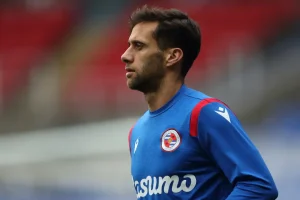
Sam Baldock began his professional career at Wimbledon before the club’s relocation and rebranding to Milton Keynes Dons (MK Dons). As a youth player, he showcased immense potential, quickly rising through the ranks. His agility, speed, and goal-scoring ability made him a standout player.
Time at MK Dons
At MK Dons, Sam became a fan favorite. His performances were consistently impressive, earning him the captain’s armband at a young age. He scored numerous goals, helping the team achieve notable victories. His time at MK Dons solidified his reputation as a prolific striker.
Transfer to West Ham United
Sam’s impressive performances caught the attention of West Ham United, who signed him in 2011. Although his time at West Ham was brief, he made significant contributions, particularly in the Championship. His tenure at the club showcased his adaptability and skill at a higher level of competition.
Subsequent Career Moves
After West Ham, Sam Baldock played for various clubs, including Bristol City, Brighton & Hove Albion, and Reading. Each move demonstrated his versatility and ability to adapt to different playing styles. His career has been marked by consistent goal-scoring and leadership on the field.
George Baldock’s Career Journey
Early Development and Breakthrough
George Baldock’s journey began similarly to his brother’s, with a youth career at MK Dons. His dedication and hard work paid off when he made his professional debut for the club. Unlike his brother, George established himself as a reliable defender, known for his tenacity and defensive prowess.
Loan Spells and Growth
To gain more experience, George went on several loan spells, including stints at Northampton Town and Oxford United. These opportunities allowed him to develop his skills further and gain valuable playing time. His performances during these loans were instrumental in his growth as a player.
Permanent Move to Sheffield United
In 2017, George Baldock made a significant move to Sheffield United. This transfer marked a turning point in his career. At Sheffield United, George became an integral part of the team’s defense, contributing to their promotion to the Premier League. His performances in the top flight have been commendable, earning him praise from fans and pundits alike.
Comparing Their Playing Styles and Achievements
Playing Styles
Despite sharing the same passion for football, George and Sam Baldock have distinct playing styles. George, a defender, is known for his robust tackling, defensive awareness, and ability to support attacking plays from the back. Sam, on the other hand, is a forward celebrated for his speed, agility, and goal-scoring capabilities.
Key Achievements
Both brothers have achieved significant milestones in their careers. Sam’s goal-scoring records at various clubs and his leadership roles highlight his impact on the field. George’s contributions to Sheffield United’s promotion to the Premier League and his consistent performances at the highest level underscore his defensive prowess.
The Bond Between George and Sam Baldock
Support and Mentorship
The bond between George and Sam extends beyond their professional careers. As brothers, they have supported each other through various challenges and successes. Sam, being the older brother, has often provided guidance and mentorship to George, helping him navigate the pressures of professional football.
Shared Experiences
Their shared experiences, from playing in their backyard to professional stadiums, have strengthened their bond. Despite the competitive nature of football, they have always rooted for each other’s success, celebrating achievements together and offering support during tough times.
Is George Baldock Related To Sam Baldock (FAQs)
1. Are George Baldock and Sam Baldock related? Yes, George Baldock and Sam Baldock are brothers. George is the younger brother, born on March 9, 1993, while Sam was born on March 15, 1989.
2. Did George and Sam Baldock play for the same team? While both started their careers at MK Dons, they did not play together in the senior team. George primarily played as a defender, and Sam as a forward, each forging their path in different clubs.
3. What positions do George and Sam Baldock play? George Baldock is known for his role as a right-back or wing-back, while Sam Baldock is a forward, renowned for his goal-scoring abilities.
4. Which clubs have Sam Baldock played for? Sam Baldock has played for several clubs, including MK Dons, West Ham United, Bristol City, Brighton & Hove Albion, and Reading, among others.
5. Which clubs have George Baldock played for? George Baldock has played for MK Dons, Northampton Town (on loan), Oxford United (on loan), and Sheffield United.
6. What are some key achievements of Sam Baldock? Sam Baldock’s key achievements include his goal-scoring records at MK Dons, his contributions to West Ham United in the Championship, and his leadership roles at various clubs.
7. What are some key achievements of George Baldock? George Baldock’s key achievements include helping Sheffield United gain promotion to the Premier League and his consistent performances in the top flight.
Conclusion
In the world of professional football, the Baldock brothers have carved out their unique paths, each leaving a significant mark on the sport.
George Baldock, with his defensive skills, and Sam Baldock, with his goal-scoring prowess, have both contributed immensely to their respective teams.
Their bond as brothers, coupled with their professional achievements, makes their story an inspiring one for football fans.
Call to Action: As football enthusiasts, it’s always fascinating to delve into the backgrounds of our favorite players.
If you enjoyed learning about the Baldock brothers and their journeys, share this article with fellow fans.
Stay tuned for more insights into the lives of professional footballers and their incredible stories. Don’t forget to follow your favorite teams and players to keep up with the latest in the world of football.
Who Is Team Captain Uganda Cranes?
Who is team Captain Uganda Cranes?
Who Is The Manager Of Uganda Crane?
The Uganda Cranes, the national football team of Uganda, has a rich history and a passionate following, making its management an essential topic of interest for fans and analysts alike. Currently, the team is led by Paul Joseph Put, a seasoned coach with a wealth of experience in African football.
His appointment marks a pivotal moment for the Cranes, especially with the upcoming TotalEnergies double-header against South Sudan as part of the 2025 TotalEnergies Africa Cup of Nations qualifiers.
In this article, we will delve into the background of Paul Joseph Put, his coaching philosophy, previous achievements, and what his leadership means for the future of Ugandan football.
Who Is The Manager Of Uganda Crane?
Paul Joseph Put: A Brief Biography
Early Life and Career
Paul Joseph Put was born on June 4, 1966, in Belgium. He developed an early interest in football, which led him to pursue a career in coaching after his playing days. His extensive knowledge of the game and tactical awareness quickly earned him a reputation as a promising coach.
Coaching Journey
Put’s coaching career began in Belgium, where he worked with various clubs, including Lierse SK and K.A.A. Gent. His journey soon took him to Africa, where he made a significant impact in various leagues. Notably, he served as the head coach of the Guinea national team, where he showcased his ability to develop young talent and implement effective strategies.
Return to Africa
After his stint with Guinea, Put returned to Africa, taking on coaching roles in countries such as Burkina Faso and Liberia. His time in these nations helped him build a robust understanding of African football dynamics, making him a suitable candidate for the Uganda Cranes’ managerial position.
Coaching Philosophy and Style
Paul Joseph Put is known for his pragmatic approach to football. He emphasizes teamwork, discipline, and tactical organization, which aligns with the strengths of the Uganda Cranes. His ability to adapt his strategies based on the opponent has proven effective in previous campaigns.
Focus on Youth Development
A notable aspect of Put’s coaching philosophy is his focus on youth development. He believes in nurturing young talent and integrating them into the senior team, a strategy that can significantly enhance the team’s performance in the long run. This focus is crucial for the future of Ugandan football, as it helps build a sustainable talent pipeline.
Tactical Flexibility
Put is recognized for his tactical flexibility. He often adjusts his formations and strategies based on the specific strengths and weaknesses of his opponents, which is vital in international competitions. This adaptability is expected to benefit the Uganda Cranes significantly during the Africa Cup of Nations qualifiers.
Achievements and Milestones
Successful Tenure with Guinea
During his time with the Guinea national team, Put led the squad to notable achievements, including advancing to the Africa Cup of Nations. His ability to galvanize players and instill confidence was instrumental in this success.
Impact in Club Football
Put has also made a mark in club football across various African leagues. His coaching stints with clubs in Burkina Faso and Liberia have resulted in significant improvements in team performance, showcasing his ability to elevate clubs to new heights.
Appointment as Uganda Cranes Manager
In 2022, Paul Joseph Put was appointed as the head coach of the Uganda Cranes. His appointment was met with optimism, as fans and football analysts recognized his potential to lead the team to greater heights in African football.
Current Challenges and Upcoming Matches
TotalEnergies Africa Cup of Nations Qualifiers
The upcoming double-header against South Sudan poses a significant challenge for Put and the Uganda Cranes. With crucial points at stake in the qualifiers, the manager’s tactical acumen and ability to motivate players will be put to the test.
Building Team Chemistry
As he prepares the squad, building chemistry among players is a top priority for Put. The Uganda Cranes have a mix of experienced players and young talents, and finding the right balance will be crucial for success in the qualifiers.
Fan Expectations
With a passionate fan base, the expectations for the Uganda Cranes are high. Fans hope that Put can deliver results and lead the team to the Africa Cup of Nations, enhancing Uganda’s reputation in African football.
Who Is The Manager Of Uganda Crane? FAQs
1. Who is the current manager of the Uganda Cranes?
The current manager of the Uganda Cranes is Paul Joseph Put.
2. What is Paul Joseph Put’s coaching background?
Paul Joseph Put has coached various teams, including the Guinea national team and clubs in Africa, gaining a wealth of experience in football.
3. What is the coaching philosophy of Paul Joseph Put?
Put emphasizes teamwork, discipline, and tactical organization, focusing on youth development and tactical flexibility.
4. What are some of Paul Joseph Put’s achievements?
Put has led Guinea to notable successes in the Africa Cup of Nations and has improved club performances across various African leagues.
5. What upcoming matches do the Uganda Cranes have?
The Uganda Cranes will face South Sudan in a double-header as part of the 2025 TotalEnergies Africa Cup of Nations qualifiers.
6. How is Paul Joseph Put preparing the team for the qualifiers?
Put is focusing on building team chemistry and developing a tactical approach tailored to the strengths of his players and the weaknesses of their opponents.
7. What are the expectations for the Uganda Cranes under Paul Joseph Put?
Fans expect Put to lead the team to success in the Africa Cup of Nations qualifiers and to build a competitive squad for future tournaments.
Conclusion
Paul Joseph Put stands as a pivotal figure in the future of Ugandan football, bringing experience and a strategic approach to the Uganda Cranes.
His leadership is expected to inspire the team as they embark on their journey in the 2025 TotalEnergies Africa Cup of Nations qualifiers. As fans rally behind their team, it is essential to support the efforts of the coaching staff and players alike.
Let us unite in our passion for the Uganda Cranes and cheer them on in their quest for glory on the African stage. Follow the journey of the Uganda Cranes under Paul Joseph Put and stay updated on their progress!
What Happened To George Baldock?
Wondering what happened to George Baldock? Well, George Baldock, the former Sheffield United and Greece defender, tragically passed away at the age of 31, as his body was discovered in a swimming pool at his home in Glyfada, Athens, with investigations ongoing to determine the cause of his untimely death.
George Baldock, a name that resonated with football fans, especially those who followed Sheffield United and the Greek national team, has tragically passed away at the young age of 31. His untimely death has left a void in the hearts of his supporters, friends, and family.
Found in his swimming pool at his home in Glyfada, Athens, the circumstances surrounding his death have raised numerous questions, and as details emerge, the football community mourns the loss of a talented athlete.
In this article, we will explore George Baldock’s life, career, the circumstances of his death, and the impact it has had on his community.
What Happened To George Baldock?
George Baldock: A Brief Biography
Early Life and Career
George Baldock was born on 23 February 1993 in England. He began his football journey in the youth ranks, displaying exceptional talent from a young age. His determination and skill saw him rise through the ranks, eventually earning a place at Sheffield United, where he showcased his capabilities as a defender.
Professional Career
Baldock made his professional debut with Sheffield United, quickly establishing himself as a key player. His versatility and defensive prowess made him a fan favorite, and his contributions helped the team in various competitions. In addition to his club success, Baldock earned caps for the Greek national team, representing his heritage and showcasing his talents on an international stage.
Legacy and Impact
Beyond his on-field accomplishments, George Baldock was known for his sportsmanship and dedication to the game. He inspired many young players, demonstrating that hard work and perseverance could lead to success. His commitment to the sport and his team left a lasting legacy that will not be forgotten.
What Happened on the Day of His Death?
On the fateful day of George Baldock’s death, police sources reported that his body was discovered in a swimming pool at his home in Glyfada, a coastal suburb of Athens. Authorities were alerted, and the circumstances surrounding his death are currently under investigation.
Initial Reports and Reactions
The news of Baldock’s death broke early Wednesday, prompting an outpouring of grief from fans, teammates, and the football community. Social media platforms were flooded with tributes, with many reflecting on his contributions to football and the impact he had on their lives.
Investigation and Cause of Death
As investigations continue, the cause of Baldock’s death remains unknown. Authorities are conducting a thorough examination, and autopsy results will play a critical role in understanding the circumstances that led to this tragedy. The football community anxiously awaits answers, hoping for clarity amid the sorrow.
FAQs Section
1. What was George Baldock’s position in football?
George Baldock played primarily as a defender, known for his versatility on the field.
2. Which teams did George Baldock play for?
Baldock played for Sheffield United and represented the Greek national team during his career.
3. What caused George Baldock’s death?
The cause of Baldock’s death remains unknown, and investigations are ongoing.
4. How did the football community react to his death?
The football community expressed shock and grief, with many fans and teammates sharing tributes on social media.
5. What were George Baldock’s notable achievements in football?
Baldock was known for his skill as a defender and his contributions to Sheffield United, as well as his representation of the Greek national team.
6. What legacy did George Baldock leave behind?
Baldock left behind a legacy of dedication, sportsmanship, and inspiration for young players in the football community.
7. Will there be a memorial for George Baldock?
Details regarding memorial services or tributes are still forthcoming as the community comes to terms with the loss.
Conclusion
George Baldock’s untimely death at the age of 31 has shocked the football community and left a lasting impact on his fans and peers.
As we await further details about the circumstances surrounding his passing, it’s crucial to remember the legacy he left behind.
Baldock’s contributions to football and his inspiring journey will continue to resonate with those who admired him.
In this difficult time, we extend our condolences to his family and friends, encouraging everyone to honor his memory by supporting the sport he loved. Let’s celebrate the life of George Baldock and the joy he brought to the world of football
What Happened On 12th December 1964 In Kenya?
What happened on 12th December 1964 in Kenya? On December 12th, 1964, known as Jamhuri Day, Kenya was officially admitted into the Commonwealth as a republic, marking a significant transition with Jomo Kenyatta as its first President, and symbolizing full sovereignty, political autonomy, and national pride a year after gaining independence from Great Britain in 1963.

December 12th is a significant date in Kenya’s history, celebrated annually as Jamhuri Day. The term “Jamhuri” is derived from Swahili, meaning “republic,” and the day marks Kenya’s transformation into a republic on December 12th, 1964.
This day is also intertwined with Kenya’s independence from British colonial rule, achieved a year earlier on December 12th, 1963.
The journey to becoming a republic was a pivotal moment for Kenya, symbolizing full sovereignty and the establishment of a self-governed nation.
This article delves into the historical events that unfolded on December 12th, 1964, the significance of this transformation, and the impact it has had on Kenya’s development and identity.
Historical Background
The Road to Independence
Before we explore the events of December 12th, 1964, it’s essential to understand the context of Kenya’s fight for independence. The struggle against British colonial rule was long and arduous, marked by significant events such as the Mau Mau Uprising (1952-1960), a militant African nationalist movement that sought to overthrow British rule. The uprising led to widespread repression but ultimately galvanized the independence movement.
Independence Achieved
On December 12th, 1963, Kenya gained independence from Britain. The Union Jack was lowered, and the Kenyan flag was raised, symbolizing the end of colonial rule. Jomo Kenyatta, a leading figure in the independence movement, became the first Prime Minister of Kenya. This day marked the birth of a new nation, full of hope and aspirations for the future.
December 12th, 1964: The Birth of the Republic of Kenya
Transition to a Republic
A year after gaining independence, Kenya transitioned from a dominion within the British Commonwealth to a republic. This change was formalized on December 12th, 1964. The newly formed Republic of Kenya saw Jomo Kenyatta become the first President of Kenya, transitioning from his role as Prime Minister. The establishment of the republic was a significant step in Kenya’s political evolution, symbolizing complete autonomy from British influence.
Significance of the Republic Status
Becoming a republic meant that Kenya had full control over its internal and external affairs. The British monarchy no longer held any ceremonial role in Kenya’s governance, and all executive powers were vested in the President. This shift was not just political but also cultural, as it represented the assertion of Kenyan identity and sovereignty.
Celebrations and National Sentiment
The declaration of the republic was met with widespread celebrations across the country. Public gatherings, parades, and cultural events marked the day. The sense of national pride and unity was palpable as Kenyans from all walks of life came together to commemorate this historic event. The celebrations were a testament to the resilience and determination of the Kenyan people in their quest for self-governance.
Impact on Kenya’s Development
Political Stability and Governance
The transition to a republic laid the foundation for Kenya’s political stability and governance structures. It allowed for the establishment of a presidential system of government, with a clear separation of powers. Over the years, this system has evolved, but the foundational principles established in 1964 continue to guide Kenya’s political landscape.
Economic Development
The newfound political stability and autonomy provided a conducive environment for economic development. The government embarked on various development projects aimed at improving infrastructure, education, healthcare, and agriculture. The focus was on building a self-reliant economy that could support the needs of its citizens.
Social and Cultural Transformation
The declaration of the republic also had a significant impact on Kenya’s social and cultural landscape. There was a renewed emphasis on promoting Kenyan culture, languages, and traditions. The sense of national identity and pride that emerged post-1964 has continued to shape Kenya’s cultural narrative.
The Legacy of December 12th, 1964
National Unity
December 12th, 1964, remains a symbol of national unity and pride. It is a day that reminds Kenyans of their collective struggle for freedom and the importance of maintaining unity and peace. The legacy of this day is celebrated annually as Jamhuri Day, with various activities that reflect on Kenya’s journey and achievements.
Educational Importance
The events of December 12th, 1964, are an integral part of Kenya’s educational curriculum. They are taught in schools to instill a sense of history and patriotism among the younger generation. Understanding this historical milestone is crucial for fostering informed and engaged citizens.
Continued Progress
The spirit of December 12th, 1964, continues to inspire Kenya’s progress. It serves as a reminder of the importance of self-determination, resilience, and unity in overcoming challenges. As Kenya navigates the complexities of the 21st century, the values and lessons from this historic day remain relevant.
What Happened On 12th December 1964 In Kenya? FAQs
1. Why is December 12th, 1964, significant in Kenya’s history?
December 12th, 1964, is significant because it marks the day Kenya became a republic, transitioning from a dominion within the British Commonwealth to an independent republic with Jomo Kenyatta as its first President. This day also commemorates the first anniversary of Kenya’s independence from British colonial rule, achieved on December 12th, 1963.
2. What does the term “Jamhuri” mean, and why is it important?
“Jamhuri” is a Swahili word meaning “republic.” It is important because it signifies Kenya’s status as a fully autonomous republic, free from British colonial influence. Jamhuri Day, celebrated on December 12th, honors this transformation and is a national holiday in Kenya.
3. Who was the first President of the Republic of Kenya?
Jomo Kenyatta, who was a leading figure in Kenya’s independence movement, became the first President of the Republic of Kenya on December 12th, 1964. He had previously served as the Prime Minister following Kenya’s independence in 1963.
4. How did Kenya celebrate the transition to a republic in 1964?
The transition to a republic was celebrated with nationwide festivities, including public gatherings, parades, and cultural events. The celebrations were marked by a strong sense of national pride and unity, reflecting the significance of the occasion in Kenya’s history.
5. What impact did becoming a republic have on Kenya’s political system?
Becoming a republic meant that Kenya had full control over its internal and external affairs, with the executive powers vested in the President. It established a presidential system of government with a clear separation of powers, laying the foundation for Kenya’s political stability and governance structures.
6. How is Jamhuri Day celebrated in Kenya today?
Today, Jamhuri Day is celebrated as a national holiday with various activities, including parades, speeches by political leaders, cultural performances, and community events. It is a day of reflection on Kenya’s journey, achievements, and the values of unity and resilience.
7. What lessons can be learned from Kenya’s transition to a republic?
Kenya’s transition to a republic teaches the importance of resilience, unity, and self-determination in achieving and maintaining sovereignty. It also highlights the significance of political stability, governance, and national identity in a country’s development.
Conclusion
December 12th, 1964, marks a pivotal moment in Kenya’s history, signifying the country’s transition to a republic and the culmination of its struggle for full sovereignty. This day is celebrated annually as Jamhuri Day, a reminder of Kenya’s journey, achievements, and the values of unity and resilience that continue to shape its future.
Understanding the significance of this historic day is crucial for fostering a sense of national pride and identity among Kenyans.
As we reflect on the events of December 12th, 1964, let us draw inspiration from the resilience and determination of those who fought for Kenya’s independence and work towards a prosperous and united future.
Call to Action: As we celebrate Jamhuri Day, let us honor the legacy of our forefathers by actively participating in building a better Kenya. Embrace the values of unity, resilience, and self-determination in your daily lives. Share this article to spread awareness of our rich history and inspire others to contribute to Kenya’s progress. Happy Jamhuri Day!