Trying to figure out What DNA was found on the Shroud of Turin? The Shroud of Turin, a linen cloth bearing the faint image of a man, has fascinated people for centuries. Many believe it to be the burial shroud of Jesus Christ, while others consider it a medieval forgery.

The controversy surrounding the Shroud has sparked numerous scientific studies, including those focused on the DNA found on the cloth.
In recent years, DNA analysis has provided intriguing insights into the potential origins and history of the Shroud, revealing a complex tapestry of genetic material from various species and regions.
This article delves into the findings from DNA analyses of the Shroud of Turin, examining the types of DNA discovered, their potential significance, and how they contribute to the ongoing debate about the Shroud’s authenticity.
By exploring the DNA evidence, we aim to shed light on the Shroud’s mysterious past and offer a balanced perspective on the scientific and historical implications of these discoveries.
What DNA Was Found On The Shroud Of Turin? Complete Guide
1. Human DNA on the Shroud of Turin
The DNA analysis conducted on the Shroud of Turin revealed the presence of human mitochondrial DNA (mtDNA) from multiple haplogroups. These haplogroups represent distinct lineages of human populations, each with specific geographical distributions. The discovery of diverse human mtDNA on the Shroud suggests that individuals from various regions have come into contact with the cloth.
The identified haplogroups included those commonly found in the Middle East, Europe, North Africa, and even the Indian subcontinent. This diversity aligns with the historical journey of the Shroud, which is believed to have traveled through the Middle East, Europe, and possibly beyond. However, the presence of such a wide range of mtDNA haplogroups also raises questions about contamination from individuals who handled the Shroud over the centuries.
2. Plant DNA on the Shroud of Turin
In addition to human DNA, the analysis also identified DNA sequences corresponding to various plant species. The presence of plant DNA is consistent with the fact that the Shroud was likely exposed to a variety of environmental conditions throughout its history. The identified plant species included those native to regions such as the Middle East, Europe, and North Africa.
These findings suggest that the Shroud was in contact with plant material from different parts of the world, further supporting the theory that it traveled extensively. However, like the human DNA, the plant DNA could also result from contamination over time, making it difficult to draw definitive conclusions about the Shroud’s origin based on this evidence alone.
3. Microbial DNA on the Shroud of Turin
Researchers also detected microbial DNA on the Shroud, including sequences from bacteria and fungi. The presence of microbial DNA is not surprising, given that the Shroud has been stored in various environments that could have facilitated microbial growth. The microbial communities found on the Shroud could provide insights into the conditions under which it was stored and the locations it may have visited.
However, the microbial DNA analysis is still in its early stages, and more research is needed to fully understand its significance. Like the other types of DNA found on the Shroud, microbial DNA can be influenced by contamination, making it difficult to determine its true origins.
The Significance of DNA Analysis on the Shroud of Turin
The study of DNA on the Shroud of Turin represents a modern approach to understanding the relic’s history. By examining the genetic material embedded within the fibers of the cloth, researchers hope to trace the origins and journey of the Shroud across different cultures and regions.
The DNA evidence can potentially reveal the geographical locations where the Shroud has been and the various individuals who may have come into contact with it over the centuries.
However, interpreting this DNA evidence is challenging. The Shroud has been handled by countless people, exposed to the elements, and transported across continents, all of which could lead to contamination.
Therefore, while the DNA analysis provides valuable clues, it does not offer definitive answers regarding the Shroud’s origin or authenticity. Instead, it adds another layer of complexity to the ongoing debate.
The Historical Journey of the Shroud of Turin
The DNA findings on the Shroud of Turin suggest that the cloth has traveled through multiple regions, coming into contact with a diverse range of people and environments. Historical records indicate that the Shroud may have originated in the Middle East, possibly in Jerusalem, before being transported to various locations in Europe, including Constantinople (modern-day Istanbul), France, and Italy.
The presence of DNA from the Middle East, Europe, North Africa, and the Indian subcontinent is consistent with this historical narrative. The Shroud’s journey across different regions could explain the wide variety of DNA found on the cloth, as it would have been exposed to people, plants, and microbes from each of these areas.
The Debate Over the Shroud’s Authenticity
Despite the intriguing DNA evidence, the debate over the Shroud of Turin’s authenticity remains unresolved. Critics argue that the DNA findings could be the result of contamination from individuals who handled the Shroud over the centuries, rather than proof of its ancient origins. Supporters, however, believe that the DNA analysis provides valuable clues that align with the Shroud’s historical journey and support its authenticity.
The scientific community is divided on the issue, with some researchers calling for more advanced and rigorous studies to determine the Shroud’s true origins. Until more conclusive evidence is obtained, the Shroud of Turin will likely remain one of history’s most enduring mysteries.
What DNA Was Found On The Shroud Of Turin FAQs
1. What types of DNA were found on the Shroud of Turin?
The DNA analysis of the Shroud of Turin revealed the presence of human mitochondrial DNA (mtDNA), plant DNA, and microbial DNA. These findings suggest that the Shroud came into contact with various species and individuals from different regions over the centuries.
2. What do the human mtDNA haplogroups found on the Shroud indicate?
The identified human mtDNA haplogroups correspond to distinct human populations from regions such as the Middle East, Europe, North Africa, and the Indian subcontinent. This diversity suggests that the Shroud was in contact with individuals from various geographical areas.
3. How does plant DNA contribute to our understanding of the Shroud’s history?
The plant DNA found on the Shroud corresponds to species native to regions like the Middle East, Europe, and North Africa. This finding supports the theory that the Shroud traveled through different environments, coming into contact with various plant materials along the way.
4. What is the significance of microbial DNA on the Shroud?
Microbial DNA, including sequences from bacteria and fungi, was also detected on the Shroud. This DNA could provide insights into the conditions under which the Shroud was stored and the locations it may have visited. However, more research is needed to fully understand its significance.
5. Can the DNA findings prove the Shroud’s authenticity?
While the DNA findings offer valuable insights, they do not provide definitive proof of the Shroud’s authenticity. The possibility of contamination over centuries complicates the interpretation of the DNA evidence, making it difficult to draw conclusive conclusions about the Shroud’s origins.
6. How might the DNA on the Shroud have been contaminated?
The Shroud has been handled by numerous individuals, exposed to various environments, and transported across continents. These factors could have introduced contamination from different sources, making it challenging to determine the original DNA present on the Shroud.
7. What role does the Shroud’s historical journey play in the DNA findings?
The diverse DNA found on the Shroud aligns with its believed historical journey across different regions, including the Middle East, Europe, and possibly North Africa and the Indian subcontinent. This suggests that the Shroud was exposed to a wide range of people and environments throughout its history.
8. What do critics say about the DNA findings on the Shroud?
Critics argue that the DNA findings could be the result of contamination rather than evidence of the Shroud’s ancient origins. They caution against drawing definitive conclusions based on the DNA analysis alone, calling for more rigorous studies to resolve the debate.
9. How do supporters interpret the DNA evidence on the Shroud?
Supporters believe that the DNA evidence supports the Shroud’s historical journey and, by extension, its authenticity. They argue that the presence of DNA from multiple regions is consistent with the Shroud’s documented travels and adds credibility to its connection to ancient times.
10. What are the next steps in studying the Shroud’s DNA?
Further research is needed to refine the analysis of the DNA found on the Shroud. This includes more advanced techniques to minimize contamination and better understand the origins and significance of the various DNA sequences detected on the cloth.
Conclusion
The DNA analysis of the Shroud of Turin has opened a new chapter in the ongoing debate about its authenticity. The diverse range of DNA found on the Shroud, including human, plant, and microbial DNA, suggests that the cloth has traveled through different regions and been exposed to a variety of environments.
However, the possibility of contamination over the centuries complicates the interpretation of these findings, leaving the question of the Shroud’s origins unresolved.
As scientific techniques continue to advance, further studies may provide more clarity on the DNA evidence and offer new insights into the Shroud’s history. Until then, the Shroud of Turin will remain a fascinating and enigmatic relic, inspiring both faith and skepticism.
If you’re intrigued by the mysteries of the Shroud of Turin and want to stay updated on the latest research, consider subscribing to our newsletter for regular updates. Stay informed and join the conversation about one of history’s most captivating relics!
Who Is The PS Ministry Of Interior And Coordination Of National Government?
Not sure who is the PS ministry of interior and coordination of national government? Dr. Raymond V. O. Omollo, PhD, is the current Principal Secretary (PS) of the Ministry of Interior and Coordination of National Government in Kenya, responsible for overseeing the State Department for Internal Security and National Administration.
The Principal Secretary (PS) of the Ministry of Interior and Coordination of National Government in Kenya plays a crucial role in maintaining the country’s internal security and administrative cohesion.
The current PS, Dr. Raymond V. O. Omollo, PhD, is an eminent figure in Kenya’s public administration. He oversees the State Department for Internal Security and National Administration, which is integral to ensuring the safety, stability, and governance of the nation.
Dr. Omollo is a distinguished public servant with a deep understanding of Kenya’s administrative frameworks. He is charged with overseeing a vast array of responsibilities that span from security operations to the coordination of government functions at various levels.
His leadership is pivotal in implementing policies that ensure peace, security, and effective governance, making him a key figure in Kenya’s national administration.
Who Is The PS Ministry Of Interior And Coordination Of National Government?
In the landscape of Kenyan governance, the Ministry of Interior and Coordination of National Government is a cornerstone institution. It holds the mandate for internal security, coordination of national government functions, and administration at both the central and regional levels.
At the helm of this ministry is the Principal Secretary, Dr. Raymond V. O. Omollo. His role is vital, as he works closely with the Cabinet Secretary, Prof. Kithure Kindiki, E.G.H., to drive the ministry’s strategic objectives and ensure that the government’s vision is actualized across the nation.
Dr. Raymond V. O. Omollo: A Profile
Educational Background and Professional Expertise
Dr. Raymond V. O. Omollo is not just a seasoned administrator; he is also a scholar with a rich academic background. Holding a PhD in Public Administration, Dr. Omollo has combined his academic insights with practical experience in public service. His educational background provides him with the analytical skills and strategic vision required to handle the complex challenges associated with his role as Principal Secretary.
Before his appointment, Dr. Omollo held various positions within the public sector, where he demonstrated exceptional leadership and management capabilities. His career trajectory is marked by a commitment to public service, where he has consistently prioritized the enhancement of internal security and the efficient coordination of government activities.
Roles and Responsibilities
As the Principal Secretary of the Ministry of Interior and Coordination of National Government, Dr. Omollo’s responsibilities are extensive and multifaceted. He is responsible for the overall administration of the ministry, ensuring that all departments function seamlessly to deliver on the government’s mandate. His key roles include:
- Overseeing Internal Security: Dr. Omollo plays a central role in coordinating internal security operations across the country. This involves working closely with law enforcement agencies, intelligence services, and other security apparatus to ensure that Kenya remains safe and secure.
- Coordinating National Government Functions: The coordination of national government activities across various levels of administration is a critical aspect of Dr. Omollo’s duties. He ensures that government policies are effectively implemented from the national level down to the grassroots.
- Policy Formulation and Implementation: Dr. Omollo is instrumental in the formulation of policies related to internal security and national administration. His role involves not just policy creation but also ensuring that these policies are effectively implemented to achieve the desired outcomes.
- Liaison with Other Government Bodies: As PS, Dr. Omollo works closely with other government ministries, departments, and agencies to ensure a cohesive approach to governance. This inter-ministerial coordination is vital for the smooth functioning of the national government.
- Public Administration and Governance: Dr. Omollo oversees the administration of national government functions, ensuring that public services are delivered efficiently and that governance structures operate effectively.
Significance of the Ministry of Interior and Coordination of National Government
The Ministry of Interior and Coordination of National Government is one of the most critical arms of the Kenyan government. Its mandate covers a broad spectrum of activities that are essential for the nation’s stability and progress. The ministry is responsible for ensuring that the country’s internal security is maintained, that public administration is efficient, and that the coordination of national government functions is effective.
Under Dr. Omollo’s leadership, the ministry has made significant strides in enhancing security, improving public administration, and ensuring that government services are delivered efficiently across the country. His strategic approach to governance has seen the ministry adopt innovative measures to address emerging challenges, particularly in areas related to security and administration.
Challenges and Achievements
Challenges
The role of Principal Secretary in the Ministry of Interior and Coordination of National Government is not without its challenges. Dr. Omollo faces a range of issues that require careful navigation, including:
- Security Threats: Kenya, like many other nations, faces various security threats, including terrorism, organized crime, and internal conflicts. Managing these threats requires a proactive and coordinated approach, which Dr. Omollo is tasked with leading.
- Resource Allocation: Ensuring that all regions of the country receive adequate resources for security and administration can be challenging, especially in areas that are remote or have significant infrastructural deficits.
- Policy Implementation: While policy formulation is crucial, ensuring that these policies are implemented effectively across all levels of government is a significant challenge. Dr. Omollo must work to ensure that there is consistency in the application of government policies nationwide.
- Interagency Coordination: The ministry works with multiple agencies, and ensuring that these bodies work in harmony towards common goals can be complex. Dr. Omollo’s role involves ensuring that there is synergy between different agencies to avoid duplication of efforts and ensure efficiency.
Achievements
Despite these challenges, Dr. Omollo has achieved considerable success in his role as Principal Secretary. Some of his notable achievements include:
- Enhanced Security Measures: Under his leadership, the ministry has implemented enhanced security measures that have significantly reduced crime rates and improved public safety across the country.
- Efficient Administration: Dr. Omollo has overseen the streamlining of administrative processes within the ministry, leading to more efficient service delivery and better coordination of government functions.
- Policy Innovation: Dr. Omollo has been instrumental in driving policy innovation, particularly in areas related to security and public administration. His forward-thinking approach has seen the introduction of new policies that address contemporary challenges facing the country.
- Improved Public Trust: Through transparent and accountable leadership, Dr. Omollo has worked to build public trust in the ministry, ensuring that citizens have confidence in the government’s ability to maintain security and deliver essential services.
PS Ministry Of Interior And Coordination Of National Government (FAQs)
1. Who is the current Principal Secretary of the Ministry of Interior and Coordination of National Government?
The current Principal Secretary is Dr. Raymond V. O. Omollo, PhD, who oversees the State Department for Internal Security and National Administration.
2. What are the responsibilities of the Principal Secretary in the Ministry of Interior?
The Principal Secretary is responsible for overseeing internal security, coordinating national government functions, policy formulation and implementation, and liaising with other government bodies.
3. What qualifications does Dr. Raymond V. O. Omollo hold?
Dr. Omollo holds a PhD in Public Administration and has extensive experience in public service and administration.
4. How does the Ministry of Interior contribute to national security?
The Ministry of Interior is responsible for coordinating security operations across the country, working with law enforcement and intelligence agencies to ensure national security.
5. What challenges does Dr. Omollo face as Principal Secretary?
Some of the challenges include managing security threats, resource allocation, policy implementation, and interagency coordination.
6. What has Dr. Omollo achieved during his tenure as Principal Secretary?
Dr. Omollo has enhanced security measures, improved administrative efficiency, driven policy innovation, and built public trust in the ministry.
7. How does the Ministry of Interior ensure effective public administration?
The ministry ensures effective public administration by streamlining processes, coordinating government functions, and implementing policies that enhance service delivery.
8. What role does the Principal Secretary play in policy formulation?
The Principal Secretary is instrumental in the formulation of policies related to internal security and national administration, ensuring they are aligned with the government’s strategic objectives.
9. How does the Ministry of Interior collaborate with other government agencies?
The ministry collaborates with other agencies through inter-ministerial coordination, ensuring a cohesive approach to governance and avoiding duplication of efforts.
10. What impact has Dr. Omollo had on public trust in the ministry?
Dr. Omollo’s transparent and accountable leadership has significantly improved public trust in the Ministry of Interior, with citizens having greater confidence in the government’s ability to maintain security and deliver services.
Conclusion
In conclusion, Dr. Raymond V. O. Omollo, PhD, as the Principal Secretary of the Ministry of Interior and Coordination of National Government, plays an indispensable role in shaping Kenya’s internal security and governance landscape.
His leadership has been marked by strategic innovations, enhanced security measures, and improved public administration.
Dr. Omollo’s efforts have not only strengthened the ministry’s operations but have also fostered greater public trust in the government.
As Kenya continues to navigate complex challenges, Dr. Omollo’s role remains critical in ensuring that the country’s internal security and national administration are robust, efficient, and responsive to the needs of its citizens.
State House Claps Back at Lawyer Morara Kebaso Over Claims on Ruto’s Dead Projects: ‘Stop Misleading Kenyans
State House claps back at Lawyer Morara Kebaso over claims on Ruto’s dead projects: ‘Stop misleading Kenyans,’ asserting that key initiatives such as road construction, new hospitals, economic reforms, infrastructure upgrades, and job creation are progressing well and not stalled as claimed

The recent allegations made by Lawyer Morara Kebaso regarding President William Ruto’s purported “dead projects” have sparked significant controversy.
As the debate intensifies, State House has firmly rebutted Kebaso’s claims, labeling them as misleading and unfounded.
This article delves into the details of the ongoing discourse, providing a comprehensive analysis of both sides of the argument and exploring the broader implications for Kenya’s political landscape ABOUT .Lawyer Morara Kebaso Over Claims on Ruto’s Dead Projects.
State House Claps Back at Lawyer Morara Kebaso Over Claims on Ruto’s Dead Projects: ‘Stop Misleading Kenyans
The Allegations: A Closer Look at Morara Kebaso’s Claims
Lawyer Morara Kebaso has gained attention for his outspoken criticism of the Ruto administration, particularly concerning what he describes as “dead projects.” According to Kebaso, these projects, which were initiated with much fanfare, have either stalled or failed to deliver the promised benefits.  He has pointed to infrastructure projects, healthcare initiatives, and economic reforms as key examples of the administration’s alleged failures.
Kebaso’s critique has resonated with a segment of the Kenyan population, particularly those frustrated with the pace of development and economic growth. His arguments are grounded in the belief that the Ruto administration has not only failed to deliver on its promises but has also misled the public about the progress of these projects.
Key Allegations by Lawyer Morara Kebaso
- Stalled Infrastructure Projects: Kebaso claims that several high-profile infrastructure projects have come to a standstill, with little to no progress being made since their inception.
- Unfulfilled Healthcare Promises: He argues that the administration’s healthcare initiatives, including the construction of new hospitals and the provision of affordable healthcare, have not materialized as promised.
- Economic Reforms Falling Short: Kebaso contends that the economic reforms touted by the administration have not yielded the expected results, leaving many Kenyans struggling with high costs of living and unemployment.
State House’s Rebuttal: Addressing the Allegations
In response to Morara Kebaso’s claims, State House has issued a strong rebuttal, dismissing the allegations as baseless and misleading. The administration has emphasized its commitment to delivering on its promises and outlined the progress made on various fronts, including infrastructure, healthcare, and economic reforms.
Infrastructure Development: A Pillar of the Ruto Administration
State House has highlighted the numerous infrastructure projects that are currently underway, arguing that these initiatives are far from being “dead.”
According to official statements, significant progress has been made in areas such as road construction, bridge building, and urban development. The administration has provided data and timelines to support its claims, showcasing ongoing work and future plans to complete these projects.
Healthcare Initiatives: Progress and Challenges
Regarding healthcare, State House has acknowledged the challenges faced in implementing some of the administration’s ambitious plans but has also pointed to tangible progress. New hospitals have been constructed, and efforts to improve access to healthcare services are ongoing. The administration has cited budget allocations, partnerships with international organizations, and community outreach programs as evidence of its commitment to improving healthcare in Kenya.
Economic Reforms: Balancing Growth and Stability
On the economic front, State House has defended its policies, arguing that the reforms introduced by the Ruto administration are designed to promote long-term growth and stability. While acknowledging the difficulties faced by many Kenyans, the administration has pointed to positive indicators such as increased foreign investment, job creation, and efforts to reduce inflation as signs of progress.
The Political Implications: What Does This Mean for Kenya?
The exchange between Lawyer Morara Kebaso and State House is not just a debate over facts and figures; it is also a reflection of the broader political dynamics in Kenya.
As the country prepares for future elections, the narrative around development, governance, and accountability will play a crucial role in shaping public opinion.
Public Perception: Trust and Credibility
Public trust in government institutions is a critical factor in any democracy, and the current debate has the potential to influence perceptions of the Ruto administration. If the public perceives that the administration is not delivering on its promises, it could erode confidence in the government. Conversely, if State House’s rebuttal is seen as credible and convincing, it could reinforce support for the administration.
Opposition Strategy: Capitalizing on Discontent
For the opposition, the allegations made by Kebaso present an opportunity to galvanize support by tapping into public discontent. By framing the administration’s projects as failures, opposition leaders can position themselves as champions of accountability and transparency. This strategy could resonate with voters who feel left behind by the current government’s policies.
The Role of Media: Shaping the Narrative
The media plays a pivotal role in shaping public discourse, and the coverage of this debate will influence how it is perceived by the public. Balanced reporting that presents both sides of the argument is essential for ensuring that the public is well-informed. However, sensationalist or biased coverage could skew perceptions and contribute to further polarization.
Lawyer Morara Kebaso Over Claims on Ruto’s Dead Projects FAQs
1. What are the main projects that Lawyer Morara Kebaso claims have failed?
Lawyer Morara Kebaso has pointed to several infrastructure projects, healthcare initiatives, and economic reforms that he believes have stalled or failed to deliver the expected benefits. These include road construction projects, new hospitals, and economic policies aimed at reducing the cost of living.
2. How has State House responded to these claims?
State House has issued a strong rebuttal, dismissing Kebaso’s allegations as baseless and misleading. The administration has provided data and timelines to demonstrate the progress made on various projects, emphasizing its commitment to delivering on its promises.
3. What is the significance of this debate for Kenya’s political landscape?
The debate between Kebaso and State House is significant because it reflects broader political dynamics in Kenya. It has the potential to influence public perception of the Ruto administration and could play a role in shaping the narrative leading up to future elections.
4. Are there any ongoing investigations into the claims made by Kebaso?
As of now, there are no official investigations into Kebaso’s claims. However, the public debate has generated significant attention, and it is possible that further scrutiny could arise in the future.
5. How do these allegations affect public trust in the Ruto administration?
Public trust in the Ruto administration could be affected if Kebaso’s allegations gain traction and are perceived as credible. Conversely, if State House’s rebuttal is seen as convincing, it could reinforce public confidence in the government.
6. What are the potential economic implications of these claims?
If the allegations lead to increased public discontent, it could affect investor confidence and economic stability. On the other hand, if the administration’s progress on economic reforms is recognized, it could bolster economic growth and stability.
7. How has the media covered this debate?
Media coverage of the debate has been extensive, with different outlets presenting varying perspectives. The way the media frames the issue will likely influence public perception and the broader political discourse.
8. What role does the opposition play in this debate?
The opposition has capitalized on Kebaso’s allegations to criticize the Ruto administration, framing it as a failure to deliver on its promises. This strategy could resonate with voters who are dissatisfied with the current government’s performance.
9. What are the key factors that will determine the outcome of this debate?
The outcome of this debate will depend on several factors, including public perception, media coverage, and the ability of both sides to present compelling evidence to support their claims.
10. How can the Ruto administration address these allegations moving forward?
The Ruto administration can address these allegations by continuing to provide transparent updates on the progress of its projects, engaging with the public to address concerns, and focusing on delivering tangible results that improve the lives of Kenyans.
Conclusion
The debate between Lawyer Morara Kebaso and State House over the status of President William Ruto’s projects is a critical moment in Kenya’s political discourse. As both sides present their arguments, the public will be watching closely to see how this issue unfolds.
For the Ruto administration, the challenge lies in proving that its projects are not only alive but also delivering meaningful benefits to the Kenyan people.
As citizens, we must stay informed and critically engage with the information presented to us. It’s essential to hold our leaders accountable while also recognizing the complexities of governance and development. By doing so, we can contribute to a more informed and constructive national dialogue.
Call to Action: If you believe in the importance of transparency and accountability in government, take a moment to share this article and join the conversation. Your voice matters in shaping the future of Kenya. Let’s work together to ensure that our leaders deliver on their promises and build a better Kenya for all
Morara Kebaso Biography A Comprehensive Overview of a Pioneering Leader
Morara Kebaso Biography highlights his distinguished roles as a top student leader, acclaimed lawyer, innovative entrepreneur, influential activist, and devoted Christian, each contributing significantly to his multifaceted career and societal impact

Morara Kebaso stands out as a dynamic and influential figure in Kenya, embodying the spirit of courageous leadership and unyielding commitment to social accountability.
Known for his transformative work in student leadership, legal advocacy, and entrepreneurship, Kebaso has made significant strides in challenging the status quo and driving meaningful change.
This article provides an in-depth look into Morara Kebaso’s Biography, his life, achievements, and ongoing contributions to both local and international forums.
Morara Kebaso Biography: A Comprehensive Overview of a Pioneering Leader
Early Life and Education
Morara Kebaso’s journey began in Kisii County, where he grew up with a strong sense of community and ambition. From a young age, Kebaso exhibited a keen interest in leadership and social justice.

His formative years were marked by a dedication to academic excellence and community involvement, which laid the foundation for his future endeavors.
Academic Achievements
Kebaso’s academic path led him to Kenyatta University, where he pursued a degree in law. His time at the university was distinguished by his active participation in student governance and his role as the Opposition Leader for the Kenyatta University Students Association. His academic journey did not end there; he furthered his studies with a focus on corporate, tax, and investment law, underscoring his commitment to legal excellence.
Career and Achievements
Student Leadership
Morara Kebaso’s impact as a student leader at Kenyatta University was profound. His tenure was marked by a vigorous advocacy for student rights and a relentless pursuit of reforms aimed at improving student welfare. His leadership style, characterized by charisma and a deep understanding of student issues, earned him widespread admiration among his peers and made him a formidable force in university politics.
Legal Career
After completing his education, Kebaso embarked on a legal career, specializing in corporate, tax, and investment law. His professional journey has been marked by a commitment to integrity and excellence. As a Certified Investment and Financial Analyst, Kebaso has provided invaluable insights into financial and investment matters, further cementing his reputation as a legal expert.
Entrepreneurship
In addition to his legal career, Kebaso is a successful entrepreneur. His business ventures include investments in online academic writing, poultry farming, and animal production. His entrepreneurial spirit reflects his belief in diversifying income streams and contributing to economic growth.
Advocacy and Activism
Accountability Movement
Recently, Morara Kebaso has gained prominence as an advocate for accountability in governance. His nationwide tour to inspect the progress of development projects launched by President William Ruto has brought significant attention to issues of transparency and project management. Kebaso’s findings, which exposed discrepancies in project execution, have sparked widespread public debate and drawn attention from high-level officials.
Christian Faith and Community Service
Kebaso’s strong Christian faith plays a central role in his life. He is an active member of the Men of Integrity ministry at CITAM Valley Road Church and the Kenyatta University Seventh Day Adventist (KUSDA). His faith informs his approach to leadership and community service, reinforcing his commitment to ethical conduct and social responsibility.
Recent Developments
Response to State House
Following his exposure of alleged dead projects, Morara Kebaso received a response from State House. The spokesperson, Hussein Mohammed, challenged Kebaso’s claims, providing a detailed timeline and clarification regarding the Metembe-Marani road project. The official response highlighted the complexities of project management and emphasized the ceremonial nature of project launches.
Ongoing Projects and Initiatives
Morara continues to be actively involved in various projects and initiatives. His focus remains on advocating for transparency, improving project oversight, and fostering community engagement. His efforts contribute to a broader movement for accountability and reform in Kenya.
bCall to Action: Stay informed and engaged with Morara Kebaso’s advocacy by following his updates and participating in discussions about governance and accountability. Your involvement can contribute to a more transparent and effective governance system.
Morara Kebaso Biography FAQs
1. Who is Morara Kebaso?
Morara Kebaso is a Kenyan student leader, lawyer, and entrepreneur known for his advocacy in governance and transparency. He is also involved in various business ventures and community service initiatives.
2. What are Kebaso’s notable achievements?
Kebaso is recognized for his leadership at Kenyatta University, his contributions to corporate and investment law, and his entrepreneurial success. He is also known for his activism in exposing discrepancies in government projects.
3. What is Kebaso’s educational background?
Kebaso studied law at Kenyatta University and further specialized in corporate, tax, and investment law. He is also a Certified Investment and Financial Analyst.
4. How has Kebaso contributed to student leadership?
As the Opposition Leader for the Kenyatta University Students Association, Kebaso championed student rights and advocated for reforms to improve student welfare.
5. What is Morara Kebaso’s role in the accountability movement?
Kebaso is actively involved in promoting transparency and accountability in government projects. His recent investigations have highlighted issues with the execution of development projects.
6. How has State House responded to Kebaso’s findings?
State House spokesperson Hussein Mohammed has challenged Kebaso’s claims, providing detailed explanations and clarifications regarding the progress and management of development projects.
7. What is Kebaso’s involvement in community service?
Kebaso is actively involved in Christian ministry through the Men of Integrity at CITAM Valley Road Church and the Kenyatta University Seventh Day Adventist (KUSDA).
8. What are some of Kebaso’s business ventures?
Kebaso’s entrepreneurial ventures include online academic writing, poultry farming, and animal production. He is also involved in breeding and training dogs.
9. How does Kebaso’s faith influence his work?
Kebaso’s Christian faith guides his approach to leadership, community service, and ethical conduct, reinforcing his commitment to integrity and social responsibility.
10. What are Morara Kebaso’s future plans?
Kebaso continues to focus on advocating for transparency in governance, improving project oversight, and engaging in community service and entrepreneurial activities.
Conclusion
Morara Kebaso’s journey from a passionate student leader to a respected lawyer and entrepreneur is a testament to his dedication and resilience. His work in advocating for transparency and accountability has not only impacted Kenyan governance but also inspired many to pursue integrity and excellence in their own fields.
As he continues to make significant contributions through his various roles, Kebaso remains a pivotal figure in both local and international spheres.
His recent challenges to government projects have highlighted critical issues in project management and accountability, sparking important conversations about the effectiveness of development initiatives.
While State House has provided its counter-narrative, Kebaso’s unwavering commitment to exposing discrepancies underscores the need for ongoing scrutiny and reform.
We encourage readers to follow Morara Kebaso’s work, support transparency initiatives, and engage in discussions about the future of governance and accountability in Kenya. As we move forward, let us remain vigilant and proactive in advocating for a fair and transparent system that serves the interests of all citizens.
Piaggio Tuk Tuk Price In Mombasa A Comprehensive Guide
Piaggio Tuk Tuk Price in Mombasa ranges from Ksh 350,000 to Ksh 500,000, with top-rated models like the Ape Xtra LD, Ape City, Ape Auto Plus, Ape E-City, and Ape CNG offering excellent durability and fuel efficiency.
Mombasa, a bustling coastal city in Kenya, is a hub for commerce and tourism, where efficient transportation is vital. Among the most popular means of transport are the Piaggio Tuk Tuks, known for their reliability, cost-effectiveness, and adaptability to the city’s narrow streets.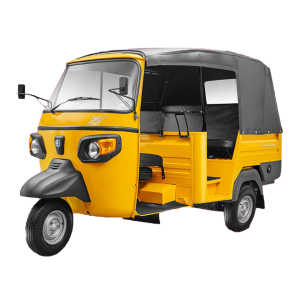
Whether you are an entrepreneur looking to invest in a fleet of Tuk Tuks or an individual seeking an affordable and efficient mode of transportation, understanding the Piaggio Tuk Tuk price in Mombasa is crucial.
In this guide, we’ll explore the various Piaggio Tuk Tuk models available in Mombasa, their prices, and factors that influence these prices.
Piaggio Tuk Tuk Price in Mombasa: A Comprehensive Guide
What To Know About Piaggio Tuk Tuks
Piaggio, an Italian brand synonymous with innovation and durability, has made significant inroads in the African market, particularly in Kenya. The Piaggio Tuk Tuk is a three-wheeled vehicle that has gained immense popularity in Mombasa due to its affordability, ease of maintenance, and fuel efficiency. These Tuk Tuks are not only used for passenger transport but also for small-scale goods transportation, making them a versatile asset for businesses.
Why Choose Piaggio Tuk Tuks?
When it comes to selecting a Tuk Tuk, Piaggio stands out for several reasons:
- Durability: Built to withstand the rigors of daily use on both paved and unpaved roads.
- Fuel Efficiency: Piaggio Tuk Tuks are designed to be fuel-efficient, making them cost-effective in the long run.
- Affordability: Competitive pricing makes Piaggio Tuk Tuks accessible to a wide range of customers.
- Low Maintenance Costs: With readily available spare parts and minimal maintenance requirements, Piaggio Tuk Tuks offer a hassle-free ownership experience.
Top 10 Piaggio Tuk Tuk Models and Their Prices in Mombasa
When purchasing a Piaggio Tuk Tuk in Mombasa, it’s essential to consider the various models available, as each comes with unique features and price points. Below are the top 10 Piaggio Tuk Tuk models available in Mombasa, along with their estimated prices:
1. Piaggio Ape Xtra LD
The Piaggio Ape Xtra LD is one of the most popular models in Mombasa, known for its robustness and reliability. It is powered by a 435cc engine, which provides ample power for both passenger and cargo transportation.
- Price: Ksh 370,000 – Ksh 400,000
- Features:
- 435cc engine capacity
- Fuel efficiency of 36 km/l
- Payload capacity of 560 kg
- Comfortable seating for three passengers
2. Piaggio Ape City
The Piaggio Ape City is a compact and efficient model designed primarily for urban transportation. Its smaller size makes it ideal for navigating the narrow streets of Mombasa.
- Price: Ksh 350,000 – Ksh 380,000
- Features:
- 198cc engine capacity
- Fuel efficiency of 40 km/l
- Seating capacity for three passengers
- Ergonomic design for driver comfort
3. Piaggio Ape Auto DX
The Piaggio Ape Auto DX is a versatile model that offers a balance between performance and affordability. It is well-suited for both passenger transport and light cargo duties.
- Price: Ksh 360,000 – Ksh 390,000
- Features:
- 435cc engine capacity
- Fuel efficiency of 35 km/l
- Spacious seating for three passengers
- Enhanced suspension for a smoother ride
4. Piaggio Ape Auto Plus
For those seeking a premium Tuk Tuk, the Piaggio Ape Auto Plus is an excellent choice. This model is equipped with advanced features that ensure superior comfort and performance.
- Price: Ksh 400,000 – Ksh 430,000
- Features:
- 435cc engine capacity
- Fuel efficiency of 34 km/l
- High-quality interior finishes
- Increased payload capacity of 580 kg
5. Piaggio Ape E-City
The Piaggio Ape E-City is an eco-friendly option, designed to reduce carbon emissions while maintaining efficiency. It is ideal for those who are environmentally conscious and looking to reduce their carbon footprint.
- Price: Ksh 450,000 – Ksh 480,000
- Features:
- Electric motor with zero emissions
- Range of 80 km per charge
- Low maintenance and operating costs
- Comfortable seating for three passengers
6. Piaggio Ape CNG
The Piaggio Ape CNG model is designed to operate on compressed natural gas (CNG), offering a cleaner and more economical alternative to traditional fuel-powered Tuk Tuks.
- Price: Ksh 430,000 – Ksh 460,000
- Features:
- 395cc CNG engine
- Fuel efficiency of 35 km/kg
- Environmentally friendly with reduced emissions
- Spacious and comfortable interior
7. Piaggio Ape Mini Truck
The Piaggio Ape Mini Truck is a versatile vehicle that can be used for both cargo transport and passenger services. Its larger cargo area makes it ideal for businesses that require transportation of goods.
- Price: Ksh 450,000 – Ksh 480,000
- Features:
- 435cc engine capacity
- High payload capacity of 600 kg
- Fuel efficiency of 33 km/l
- Durable and robust build
8. Piaggio Ape E-Xtra
The Piaggio Ape E-Xtra is another electric model that offers extended range and enhanced performance. It is perfect for those who need a reliable vehicle for long-distance travel within the city.
- Price: Ksh 470,000 – Ksh 500,000
- Features:
- Extended range of 100 km per charge
- High torque electric motor
- Low noise operation
- Advanced safety features
9. Piaggio Ape 50
The Piaggio Ape 50 is a smaller and more economical option, ideal for individuals or small businesses that require a cost-effective mode of transport.
- Price: Ksh 340,000 – Ksh 370,000
- Features:
- 50cc engine capacity
- Fuel efficiency of 45 km/l
- Compact and easy to maneuver
- Low operating costs
10. Piaggio Ape Auto HT
The Piaggio Ape Auto HT is designed for heavy-duty use, making it suitable for businesses that require a reliable vehicle for daily operations.
- Price: Ksh 460,000 – Ksh 490,000
- Features:
- 435cc engine capacity
- High payload capacity of 580 kg
- Reinforced chassis for durability
- Ergonomic design for driver comfort
Factors Influencing Piaggio Tuk Tuk Prices in Mombasa
When purchasing a Piaggio Tuk Tuk in Mombasa, several factors can influence the price. Understanding these factors can help you make an informed decision:
1. Model and Specifications
Different Piaggio Tuk Tuk models come with varying specifications, which directly impact the price. Models with higher engine capacities, enhanced features, and better fuel efficiency tend to cost more.
2. Market Demand
The demand for Piaggio Tuk Tuks in Mombasa can fluctuate, affecting prices. During peak seasons, prices may increase due to higher demand, while off-peak seasons may offer more competitive pricing.
3. Importation Costs
Since Piaggio Tuk Tuks are imported, fluctuations in importation costs, including shipping fees and import duties, can impact the final price in Mombasa.
4. Dealer Pricing
Different dealers in Mombasa may offer varying prices for the same Piaggio Tuk Tuk model. It’s advisable to compare prices from multiple dealers to get the best deal.
5. Currency Exchange Rates
The exchange rate between the Kenyan Shilling and other currencies can affect the price of imported Piaggio Tuk Tuks. A stronger Shilling may lead to lower prices, while a weaker Shilling can increase costs.
FAQs About Piaggio Tuk Tuk Prices in Mombasa
1. What is the average price of a Piaggio Tuk Tuk in Mombasa?
The average price of a Piaggio Tuk Tuk in Mombasa ranges from Ksh 350,000 to Ksh 500,000, depending on the model and specifications.
2. Are there financing options available for purchasing a Piaggio Tuk Tuk in Mombasa?
Yes, several financial institutions and dealers offer financing options, including installment payments, for purchasing Piaggio Tuk Tuks in Mombasa.
3. How fuel-efficient are Piaggio Tuk Tuks?
Piaggio Tuk Tuks are known for their fuel efficiency, with most models offering between 33 km/l to 45 km/l, depending on the engine capacity and type of fuel used.
4. Can I use a Piaggio Tuk Tuk for cargo transportation in Mombasa?
Yes, many Piaggio Tuk Tuk models, such as the Ape Xtra LD and Ape Mini Truck, are designed for cargo transportation and offer high payload capacities.
5. Where can I buy a Piaggio Tuk Tuk in Mombasa?
Piaggio Tuk Tuks are available from various authorized dealers in Mombasa. It’s recommended to visit multiple dealers to compare prices and offers.
6. Is it possible to convert a Piaggio Tuk Tuk to run on CNG or electric power?
Yes, certain models of Piaggio Tuk Tuks can be converted to run on CNG or electric power, although it’s essential to consult with a professional before making such modifications.
7. What is the warranty period for a Piaggio Tuk Tuk?
Most Piaggio Tuk Tuks come with a standard warranty period of 12 to 24 months, depending on the model and dealer.
8. Are spare parts for Piaggio Tuk Tuks readily available in Mombasa?
Yes, spare parts for Piaggio Tuk Tuks are widely available in Mombasa, making maintenance and repairs convenient and affordable.
9. How long does it take to deliver a Piaggio Tuk Tuk after purchase?
Delivery times can vary depending on the dealer, but typically, it takes 1 to 2 weeks for a Piaggio Tuk Tuk to be delivered in Mombasa.
10. Can I customize my Piaggio Tuk Tuk?
Yes, Piaggio Tuk Tuks can be customized to meet specific needs, including branding for businesses, installation of additional features, and modifications for enhanced comfort.
Conclusion
Investing in a Piaggio Tuk Tuk in Mombasa is a smart choice for both individuals and businesses. With a wide range of models to choose from, you can find a Tuk Tuk that meets your needs and budget.
Whether you’re looking for a reliable mode of transportation or a versatile vehicle for your business, Piaggio offers durable, fuel-efficient, and affordable options.
To make the most informed decision, consider the factors that influence pricing, explore financing options, and consult with authorized dealers in Mombasa.
If you’re ready to purchase a Piaggio Tuk Tuk or want more detailed information, now is the time to take action. Visit your nearest dealer, explore the available models, and make a choice that will benefit you for years to come. Remember, a Piaggio Tuk Tuk is not just a vehicle; it’s an investment in reliability, efficiency, and success
Brand New Tuk Tuk Price In Kenya Top 10 Models You Should Consider
Brand New Tuk Tuk Price In Kenya ranges from Ksh 350,000 for the Bajaj RE, to Ksh 420,000 for the Piaggio Ape City Plus, Ksh 380,000 for the TVS King Deluxe, Ksh 450,000 for the Bajaj Maxima, and up to Ksh 500,000 for the Piaggio Ape City Diesel, making them among the best and top-rated options available.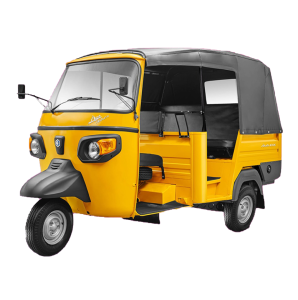
When it comes to affordable and efficient transportation in Kenya, tuk tuks are a popular choice among small business owners, commuters, and those looking for a reliable vehicle for short distances.
As urbanization continues to grow, the demand for tuk tuks in cities and towns across Kenya has risen sharply.
If you’re considering investing in a brand new tuk tuk, this comprehensive guide will provide you with detailed information on the best models available in Kenya, including their prices, specifications, and pros and cons.
Brand New Tuk Tuk Price in Kenya: Top 10 Models You Should Consider
This article will focus on the Brand New Tuk Tuk Price in Kenya, with a detailed breakdown of the top 10 models in the market today.
1. Ape City Diesel – Ksh 534,000
The Ape City Diesel is a top contender for anyone looking for a fuel-efficient and durable tuk tuk. This model is powered by a robust diesel engine, which not only ensures better mileage but also reduces running costs.
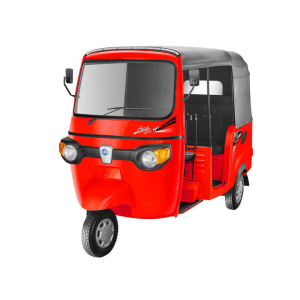
With a spacious cabin, the Ape City Diesel is ideal for small businesses, providing enough room for passengers or cargo. This model has become particularly popular in Kenya due to its low maintenance costs and high resale value.
The Brand New Tuk Tuk Price in Kenya for the Ape City Diesel is Ksh 534,000. Although it’s on the higher end of the price range, the investment is worth it for those seeking a reliable and long-lasting vehicle.
- Pros:
- High fuel efficiency
- Spacious interior
- Durable build quality
- Low maintenance costs
- Strong resale value
- Suitable for cargo
- Reliable performance
- Cons:
- Higher initial cost
- Limited availability
- Slower acceleration
2. Ape City Petrol – Ksh 454,999
The Ape City Petrol is another popular model in Kenya, known for its affordability and reliable performance. This tuk tuk is powered by a petrol engine, making it easier to maintain and repair compared to diesel variants.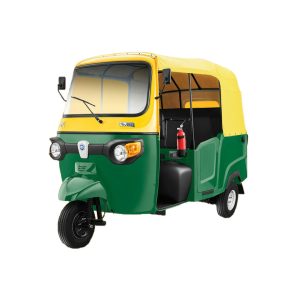
The Ape City Petrol is ideal for urban transport, offering a smooth ride and decent fuel economy.
At Ksh 454,999, the Brand New Tuk Tuk Price in Kenya for the Ape City Petrol is quite competitive. This makes it an attractive option for those looking to enter the tuk tuk business without breaking the bank.
- Pros:
- Affordable price
- Easy to maintain
- Smooth ride
- Good fuel economy
- Lightweight design
- Quick acceleration
- Ideal for urban areas
- Cons:
- Lower mileage than diesel
- Smaller cabin space
- Slightly higher fuel costs
3. Ape City Petrol NXT Plus – Ksh 519,000
The Ape City Petrol NXT Plus is an upgraded version of the standard Ape City Petrol, offering enhanced features and better performance.
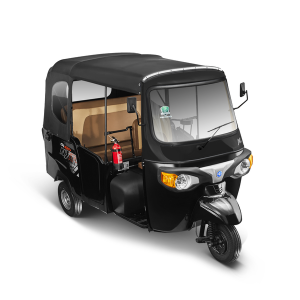
This model is equipped with a more powerful engine, improved suspension, and a more comfortable interior, making it an excellent choice for those looking for a bit more luxury in their tuk tuk.
Priced at Ksh 519,000, the Brand New Tuk Tuk Price in Kenya for the Ape City Petrol NXT Plus is higher, but the added features and superior performance justify the cost.
- Pros:
- Powerful engine
- Improved suspension
- Comfortable interior
- Enhanced safety features
- Stylish design
- Good fuel efficiency
- Suitable for long distances
- Cons:
- Higher price
- Limited availability
- More complex maintenance
4. Ape City Petrol Plus – Ksh 459,900
The Ape City Petrol Plus is a slightly more expensive variant of the standard Ape City Petrol, offering better performance and additional features. This model is ideal for those who want a balance between affordability and enhanced features. The Brand New Tuk Tuk Price in Kenya for this model is Ksh 459,900, making it a great option for those who want a little extra without spending too much.
This tuk tuk is particularly popular among small business owners who need a reliable vehicle for both passenger and cargo transport.
- Pros:
- Balanced price
- Reliable performance
- Good fuel economy
- Spacious interior
- Low maintenance
- Easy to drive
- Stylish design
- Cons:
- Slightly higher price
- Limited features
- Not ideal for rough terrain
5. Ape Super Diesel – Ksh 604,900
The Ape Super Diesel is a premium tuk tuk model that offers top-notch performance and durability. This model is designed for those who require a powerful vehicle for heavy-duty tasks. With a larger engine and reinforced chassis, the Ape Super Diesel can handle more weight and tougher conditions, making it ideal for rural areas and commercial use.
The Brand New Tuk Tuk Price in Kenya for the Ape Super Diesel is Ksh 604,900, reflecting its high-end features and superior build quality.
- Pros:
- Powerful engine
- Reinforced chassis
- High load capacity
- Durable construction
- Suitable for rough terrain
- Long-lasting performance
- High resale value
- Cons:
- Expensive
- Higher fuel consumption
- More complex maintenance
6. TVS King Deluxe Diesel – Ksh 550,000
The TVS King Deluxe Diesel is a popular alternative to the Ape models, offering a similar level of performance and reliability. This model is known for its comfortable seating, robust engine, and excellent fuel efficiency, making it a favorite among tuk tuk operators in Kenya. The TVS King Deluxe Diesel is priced at Ksh 550,000, which is a fair deal considering its features and performance.
- Pros:
- Comfortable seating
- Efficient diesel engine
- Good build quality
- Reliable performance
- Low maintenance costs
- High fuel efficiency
- Ideal for long distances
- Cons:
- Slightly higher price
- Limited availability
- Not ideal for heavy cargo
7. Bajaj RE Diesel – Ksh 530,000
The Bajaj RE Diesel is another top competitor in the Kenyan market, known for its reliability and fuel efficiency. This model is powered by a diesel engine, which provides excellent mileage and lower running costs. The Bajaj RE Diesel is priced at Ksh 530,000, making it a great option for those looking for a balance between performance and cost.
- Pros:
- Excellent mileage
- Durable build
- Reliable engine
- Low running costs
- Good resale value
- Easy to maintain
- Suitable for urban areas
- Cons:
- Limited features
- Basic interior
- Higher initial cost
8. Piaggio Ape City Plus CNG – Ksh 480,000
The Piaggio Ape City Plus CNG is an eco-friendly option for those who are conscious about the environment. This model is powered by a CNG engine, which reduces emissions and offers better fuel efficiency. The Piaggio Ape City Plus CNG is priced at Ksh 480,000, making it an affordable option for those looking for a green alternative.
- Pros:
- Eco-friendly
- Good fuel efficiency
- Low emissions
- Affordable price
- Easy to maintain
- Quiet operation
- Suitable for urban areas
- Cons:
- Limited availability
- Higher fuel costs
- Lower power output
9. Bajaj Maxima Diesel – Ksh 590,000
The Bajaj Maxima Diesel is a powerful and durable tuk tuk model that is well-suited for heavy-duty tasks. This model features a strong diesel engine, reinforced chassis, and spacious cabin, making it ideal for commercial use. The Brand New Tuk Tuk Price in Kenya for the Bajaj Maxima Diesel is Ksh 590,000, reflecting its high-quality construction and superior performance.
- Pros:
- Powerful engine
- Durable construction
- High load capacity
- Spacious cabin
- Reliable performance
- Good resale value
- Suitable for rough terrain
- Cons:
- Higher price
- More complex maintenance
- Higher fuel consumption
10. TVS King Petrol – Ksh 475,000
The TVS King Petrol is a reliable and affordable tuk tuk model that offers great value for money. This model is powered by a petrol engine, which provides good fuel efficiency and easy maintenance. The Brand New Tuk Tuk Price in Kenya for the TVS King Petrol is Ksh 475,000, making it an excellent choice for those looking for a balance between cost and performance.
- Pros:
- Affordable price
- Easy to maintain
- Good fuel efficiency
- Reliable performance
- Comfortable seating
- Lightweight design
- Ideal for urban areas
- Cons:
- Lower mileage than diesel
- Basic features
- Smaller cabin space
Brand New Tuk Tuk Price In Kenya FAQs
1. What factors should I consider when buying a brand new tuk tuk in Kenya?
When buying a brand new tuk tuk in Kenya, consider factors such as fuel efficiency, engine type, maintenance costs, resale value, load capacity, and the specific needs of your business or personal use.
2. Are diesel tuk tuks better than petrol tuk tuks?
Diesel tuk tuks generally offer better mileage and lower running costs, making them more suitable for heavy-duty use. However, petrol tuk tuks are easier to maintain and have quicker acceleration, making them ideal for urban transport.
3. What is the average lifespan of a tuk tuk in Kenya?
The average lifespan of a tuk tuk in Kenya is around 5 to 10 years, depending on maintenance, usage, and the quality of the vehicle.
4. Is it worth investing in a CNG tuk tuk in Kenya?
Investing in a CNG tuk tuk can be worth it if you prioritize eco-friendliness and lower emissions. However, availability and fuel costs may be factors to consider.
5. How much can I expect to earn from a tuk tuk business in Kenya?
Earnings from a tuk tuk business in Kenya can vary widely based on factors like location, demand, and competition. On average, a tuk tuk operator can earn between Ksh 1,000 to Ksh 3,000 per day.
6. What are the financing options available for buying a tuk tuk in Kenya?
Financing options for buying a tuk tuk in Kenya include bank loans, microfinance institutions, and hire purchase agreements. It’s important to compare interest rates and terms before choosing a financing option.
7. How often should I service my tuk tuk?
It’s recommended to service your tuk tuk every 3,000 to 5,000 kilometers or every 3 months, whichever comes first. Regular maintenance ensures longevity and reliable performance.
8. Are tuk tuks suitable for rural areas in Kenya?
Tuk tuks can be suitable for rural areas in Kenya, especially diesel models with reinforced chassis and high load capacity. However, they may struggle on very rough terrain compared to larger vehicles.
9. What is the resale value of tuk tuks in Kenya?
The resale value of tuk tuks in Kenya varies depending on the brand, model, condition, and market demand. Generally, well-maintained tuk tuks from reputable brands have a higher resale value.
10. Can I use a tuk tuk for cargo transport in Kenya?
Yes, many tuk tuks are designed to carry cargo, making them a versatile option for small businesses. Models with larger cabins and higher load capacities are particularly suitable for cargo transport.
Conclusion
Investing in a brand new tuk tuk in Kenya is a smart choice for anyone looking to start a small business, provide reliable transport services, or simply own an efficient and affordable vehicle. With various models available in the market, from the fuel-efficient Ape City Diesel to the eco-friendly Piaggio Ape City Plus CNG, there’s a tuk tuk to suit every need and budget.
When making your decision, consider factors like engine type, fuel efficiency, load capacity, and maintenance costs. Remember, a well-maintained tuk tuk can serve you for many years and provide excellent returns on your investment.
If you’re ready to purchase a tuk tuk or need more information on financing options and maintenance tips, don’t hesitate to reach out to local dealers and experts in the industry. They can provide you with valuable insights and help you make an informed decision