On a bright and momentous day in Juja Constituency, a wedding took place that not only united two individuals in marriage but also brought together some of the most prominent figures in Kenya’s political and social landscape.

The marriage of Paul Wetosi and Shiru Koimburi was a grand event, attended by Deputy President Rigathi Gachagua and his wife, Pastor Dorcas Rigathi. This union was not just a personal celebration but a significant social event, marking a moment of unity and celebration within the community.
The bride, Shiru Koimburi, is the daughter of Juja Member of Parliament Hon. George Koimburi, a respected leader with deep ties to the constituency.
The wedding was graced by numerous other influential leaders, including Githunguri MP Hon. Gathoni Wamuchomba, Naivasha MP Jayne Kihara, and Embakasi North MP James Gakuya, among others.
This article delves into the details of this high-profile wedding, the notable attendees, and its broader implications for Juja Constituency and Kenya as a whole.
Deputy President Rigathi Gachagua And Pastor Dorcas Rigathi Attended The Wedding Of Paul Wetosi And Shiru Koimburi In Juja Constituency
The Wedding Ceremony: A High-Profile Event
The wedding of Paul Wetosi and Shiru Koimburi was more than just a private affair; it was a celebration that captured the attention of both the local community and the nation at large. Held in Juja Constituency, the ceremony was a testament to the strong ties between the Koimburi family and the people of Juja. The event was meticulously planned, with every detail reflecting the couple’s values, traditions, and the significance of the day.
The ceremony took place at a well-decorated venue in Juja, adorned with flowers, drapes, and elegant seating arrangements. The atmosphere was vibrant, with guests dressed in colorful attire that added to the festive mood. The bride, Shiru Koimburi, was a vision of grace and beauty, dressed in a stunning white gown that symbolized purity and new beginnings. Paul Wetosi, the groom, looked dashing in his well-tailored suit, standing tall as he awaited his bride.
The event was attended by a large number of guests, including family members, friends, and well-wishers from all over the country. The presence of high-profile leaders such as Deputy President Rigathi Gachagua and Pastor Dorcas Rigathi added to the significance of the occasion. Their attendance was not only a sign of their close relationship with the Koimburi family but also a reflection of the respect and admiration they hold within the community.
The wedding ceremony was conducted with a perfect blend of tradition and modernity. Traditional practices were observed, honoring the cultural heritage of the families involved, while modern elements were incorporated to make the day memorable and unique. The couple exchanged vows in the presence of a clergyman, committing to a life of love, respect, and partnership. The ceremony was followed by a reception that was equally grand, with a sumptuous feast, music, and dancing that continued late into the night.
Profiles of Key Attendees Of The Wedding Of Paul Wetosi And Shiru Koimburi In Juja Constituency
Deputy President Rigathi Gachagua
Deputy President Rigathi Gachagua is one of the most influential figures in Kenya’s political landscape. As the Deputy President, he plays a crucial role in shaping the country’s policies and governance. His presence at the wedding was a clear indication of the close relationship he shares with the Koimburi family. Rigathi Gachagua is known for his strong leadership skills, his dedication to public service, and his commitment to improving the lives of Kenyans.
Born and raised in Nyeri County, Rigathi Gachagua’s political career has been marked by a steady rise through the ranks. He has served in various capacities within the government, including as a District Officer, before venturing into elective politics. His journey to becoming Deputy President was not without challenges, but his resilience, strategic thinking, and strong connection with the people have earned him a place among Kenya’s top leaders.
Gachagua’s presence at the wedding was a reflection of his deep ties to the community and his role as a unifying figure. He has been known to attend important social events, using such occasions to connect with the people and understand their needs and concerns. His attendance at the wedding of Paul Wetosi and Shiru Koimburi was not just a ceremonial gesture but a statement of his support and goodwill towards the Koimburi family.
Pastor Dorcas Rigathi
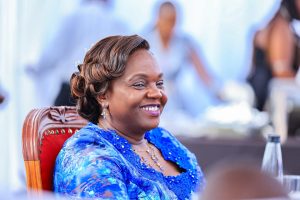
Pastor Dorcas Rigathi, the wife of Deputy President Rigathi Gachagua, is a respected spiritual leader and philanthropist. Her presence at the wedding added a spiritual dimension to the event, as she is known for her deep faith and commitment to serving others. Pastor Dorcas Rigathi has been involved in numerous charitable activities, particularly focusing on empowering women and supporting vulnerable communities.
She has been a pillar of support for her husband throughout his political career, providing not just emotional support but also spiritual guidance. Her involvement in community service has endeared her to many, and she is often seen as a mother figure by those who look up to her for inspiration and guidance.
At the wedding, Pastor Dorcas Rigathi played a significant role, offering her blessings to the newlyweds and sharing words of wisdom with the couple. Her presence was a reminder of the importance of faith and spirituality in marriage, and her words resonated with many who attended the ceremony.
Hon. George Koimburi
Hon. George Koimburi, the father of the bride, is the Member of Parliament for Juja Constituency. He is a well-known figure in the region, having served the people of Juja with dedication and integrity. His political career has been marked by a focus on development and improving the lives of his constituents. Koimburi has been instrumental in initiating various projects in Juja, ranging from infrastructure development to education and healthcare.
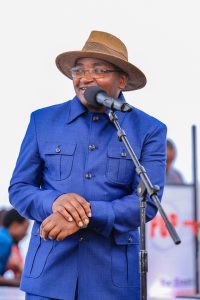
As a leader, Koimburi is respected for his commitment to transparency and accountability. He has always prioritized the needs of his constituents, working tirelessly to ensure that Juja continues to develop and thrive. His leadership has earned him the trust and support of the people, and his re-election as MP is a testament to his popularity and effectiveness as a leader.
The wedding of his daughter, Shiru Koimburi, was a proud moment for Hon. George Koimburi. It was an opportunity for him to celebrate not just the union of his daughter and her husband but also the strong bonds of family and community that he has always championed. The presence of high-profile leaders at the wedding was a reflection of the respect and admiration that Koimburi commands in political and social circles.
Githunguri MP Hon. Gathoni Wamuchomba,
The wedding was attended by several other notable leaders, each bringing their unique influence and stature to the event. Among them was Githunguri MP Hon.
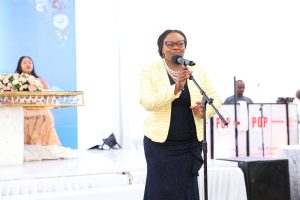
Gathoni Wamuchomba, a vocal and dynamic leader known for her advocacy on issues affecting women and children. Her presence at the wedding was a show of solidarity with the Koimburi family and a testament to the strong bonds of friendship that exist between the leaders.
Other Notable Leaders
Naivasha MP Jayne Kihara, another prominent figure, was also in attendance. Kihara is known for her strong stance on various national issues and her commitment to the people of Naivasha. Her attendance at the wedding was a reflection of the unity among leaders and their shared commitment to supporting each other in both personal and public matters.
Embakasi North MP James Gakuya was another key figure who graced the occasion. Gakuya is respected for his work in Embakasi North, particularly in improving infrastructure and education in the area. His presence at the wedding was a sign of the close ties between him and the Koimburi family, as well as his support for the union of Paul Wetosi and Shiru Koimburi.
The Role of the Wedding Of Paul Wetosi And Shiru Koimburi In Juja Constituency in Strengthening Community Ties
Weddings are often seen as events that bring people together, not just to celebrate the union of two individuals but also to strengthen the bonds within a community. The wedding of Paul Wetosi and Shiru Koimburi was no exception. It was an event that united people from different walks of life, from political leaders to community members, in a celebration of love, unity, and shared values.
Community Impact
The impact of the wedding on the Juja community cannot be overstated. It was an event that brought together people from different backgrounds, creating a sense of unity and togetherness. The presence of high-profile leaders at the wedding added to its significance, as it provided an opportunity for the community to interact with their leaders in a relaxed and celebratory environment.
The wedding also served as a platform for community leaders to discuss important issues affecting the region. While the focus was on celebrating the union of the couple, there were also moments where leaders engaged in discussions about the future of Juja Constituency, the challenges facing the community, and the opportunities for development. Such interactions are crucial for building trust and fostering collaboration between leaders and the people they serve.
Political Implications
In addition to its social significance, the wedding also had political implications. The presence of leaders from different constituencies and political affiliations was a reflection of the unity and collaboration that exists among Kenya’s political class. It was an opportunity for leaders to connect, build alliances, and discuss issues of mutual interest.
The wedding also highlighted the role of personal relationships in politics. The close ties between the Koimburi family and Deputy President Rigathi Gachagua, as well as other leaders, are indicative of the importance of personal relationships in shaping political alliances and influencing decision-making processes.
For Deputy President Rigathi Gachagua, the wedding was an opportunity to strengthen his ties with the people of Juja and the larger Kiambu County. As a leader, Gachagua has always emphasized the importance of community engagement and grassroots connections. His attendance at the wedding was a demonstration of his commitment to these values and his desire to maintain strong ties with the people he serves.
The Significance of Weddings in Kenyan Culture
Weddings hold a special place in Kenyan culture. They are not just a celebration of love and marriage but also a reflection of the values, traditions, and social structures that define the community. The wedding of Paul Wetosi and Shiru Koimburi was a reflection of these cultural values, blending tradition with modernity to create a memorable and meaningful event.
Traditional Practices
In many Kenyan communities, weddings are steeped in tradition. These traditions vary from one community to another but often include practices that have been passed down through generations. These practices are not just rituals but are also symbolic of the values and beliefs that are central to the community.
For instance, in many Kenyan weddings, the bride and groom are often accompanied by their families in a procession to the wedding venue. This procession is a symbol of the union of two families, not just two individuals. It reflects the belief that marriage is not just a personal affair but a communal one, where families and communities come together to support and bless the union.
The wedding of Paul Wetosi and Shiru Koimburi incorporated several traditional elements, reflecting the cultural heritage of the couple and their families. These traditional practices added a layer of meaning to the ceremony, reminding those in attendance of the deep roots that marriage has in Kenyan culture.
Modern Influences
While tradition plays a significant role in Kenyan weddings, modern influences are also evident. These influences are often seen in the style of the wedding, the attire of the couple, and the overall organization of the event. Modern Kenyan weddings often blend traditional practices with contemporary elements, creating a unique and personalized celebration.
The wedding of Paul Wetosi and Shiru Koimburi was no exception. While traditional practices were observed, the event also featured modern elements that made it stand out. The couple’s attire, the decor, and the organization of the event were all reflective of contemporary trends, creating a perfect balance between tradition and modernity.
The Koimburi Family: A Legacy of Leadership
The Koimburi family is well-known in Juja Constituency and beyond for their leadership and contributions to the community. Hon. George Koimburi, the father of the bride, has been a prominent figure in Juja, serving as the Member of Parliament and playing a key role in the development of the constituency.
Hon. George Koimburi’s Leadership
Hon. George Koimburi’s leadership has been marked by a focus on development, transparency, and accountability. Since his election as MP for Juja, Koimburi has worked tirelessly to address the needs of his constituents. His efforts have been particularly focused on improving infrastructure, education, and healthcare in the region.
Koimburi’s leadership style is characterized by his accessibility and responsiveness to the needs of the people. He is known for his hands-on approach, often visiting different parts of the constituency to assess the challenges faced by the community and to find solutions. His dedication to his work has earned him the respect and support of the people of Juja, making him one of the most trusted leaders in the region.
The wedding of his daughter, Shiru Koimburi, was a proud moment for Hon. George Koimburi, not just as a father but also as a leader. It was an opportunity for him to celebrate the strong bonds of family and community that he has always championed. The presence of high-profile leaders at the wedding was a reflection of the respect and admiration that Koimburi commands in political and social circles.
The Koimburi Family’s Contribution to Juja
The Koimburi family’s contributions to Juja extend beyond Hon. George Koimburi’s political career. The family has been involved in various community initiatives, focusing on improving the lives of the people in the constituency. Their efforts have ranged from supporting education and healthcare initiatives to providing assistance to vulnerable members of the community.
The wedding of Paul Wetosi and Shiru Koimburi was a reflection of the values that the Koimburi family holds dear – family, community, and service. The event was not just a celebration of a personal union but also a demonstration of the strong ties that the family has with the community.
The Broader Implications of the Wedding
While the wedding of Paul Wetosi and Shiru Koimburi was primarily a personal and family affair, it also had broader implications for the community and the country as a whole. The event was a reflection of the strong ties that exist between Kenya’s political and social elites and the communities they serve.
Strengthening Political Alliances
The presence of high-profile political leaders at the wedding was a clear indication of the strong alliances that exist within Kenya’s political landscape. These alliances are often built on personal relationships, shared values, and mutual respect. The wedding provided an opportunity for leaders to strengthen these alliances, fostering unity and collaboration.
For Deputy President Rigathi Gachagua, the wedding was an opportunity to reinforce his ties with the people of Juja and the larger Kiambu County. It was also an opportunity to connect with other leaders and discuss issues of mutual interest. Such interactions are crucial for building trust and fostering collaboration within the political class.
Promoting Social Cohesion
The wedding also played a role in promoting social cohesion within the community. Weddings are events that bring people together, regardless of their social or political affiliations. The wedding of Paul Wetosi and Shiru Koimburi was a celebration that united people from different backgrounds, creating a sense of unity and togetherness.
The event was a reminder of the importance of social cohesion in building strong and resilient communities. By bringing together people from different walks of life, the wedding helped to foster a sense of belonging and shared purpose within the community.
Wedding Of Paul Wetosi And Shiru Koimburi FAQs
1. Who attended the wedding of Paul Wetosi and Shiru Koimburi?
The wedding was attended by Deputy President Rigathi Gachagua, Pastor Dorcas Rigathi, Juja MP Hon. George Koimburi, Githunguri MP Hon. Gathoni Wamuchomba, Naivasha MP Jayne Kihara, Embakasi North MP James Gakuya, and several other notable leaders.
2. What was the significance of the wedding in Juja Constituency?
The wedding was significant as it brought together the local community and high-profile leaders, strengthening community ties and promoting social cohesion. It also reinforced the strong political alliances that exist within Kenya’s political landscape.
3. How did the wedding blend tradition and modernity?
The wedding incorporated traditional practices, reflecting the cultural heritage of the couple, while also featuring modern elements such as contemporary attire, decor, and organization, creating a unique and personalized celebration.
4. What role did Deputy President Rigathi Gachagua play at the wedding?
Deputy President Rigathi Gachagua attended the wedding as a guest, reflecting his close relationship with the Koimburi family and his commitment to community engagement. His presence added to the significance of the event.
5. How did the wedding impact the local community in Juja?
The wedding had a positive impact on the local community, bringing people together and creating a sense of unity and togetherness. It also provided an opportunity for community leaders to discuss important issues affecting the region.
6. What was the role of Pastor Dorcas Rigathi at the wedding?
Pastor Dorcas Rigathi attended the wedding and offered her blessings to the newlyweds. She is known for her spiritual leadership and philanthropic work, and her presence added a spiritual dimension to the event.
7. What is the legacy of the Koimburi family in Juja Constituency?
The Koimburi family is well-known in Juja for their leadership and contributions to the community. Hon. George Koimburi, the father of the bride, has been a prominent figure in Juja, serving as MP and playing a key role in the development of the constituency.
8. How did the wedding highlight the importance of social cohesion?
The wedding brought together people from different backgrounds, promoting social cohesion by creating a sense of belonging and shared purpose within the community.
9. What were the political implications of the wedding?
The wedding reinforced the strong alliances within Kenya’s political landscape, providing an opportunity for leaders to connect, build relationships, and discuss issues of mutual interest.
10. How does the wedding of Paul Wetosi and Shiru Koimburi reflect Kenyan culture?
The wedding reflected Kenyan culture by blending traditional practices with modern influences, creating a celebration that honored the couple’s cultural heritage while embracing contemporary trends.
Conclusion
The wedding of Paul Wetosi and Shiru Koimburi was a momentous event that brought together some of Kenya’s most prominent leaders and the local community in Juja Constituency.
The presence of Deputy President Rigathi Gachagua, Pastor Dorcas Rigathi, and other notable leaders highlighted the significance of the event, not just as a personal celebration but as a reflection of the strong ties that exist between the Koimburi family and the community.

The wedding was a perfect blend of tradition and modernity, reflecting the cultural values and contemporary influences that define Kenyan weddings today. It was an event that strengthened community ties, promoted social cohesion, and reinforced political alliances.
As the couple embarks on their journey together, their wedding will be remembered as a celebration of love, unity, and the enduring bonds of family and community. The event was a testament to the importance of these values in building a strong and vibrant society, and it will undoubtedly leave a lasting legacy in Juja and beyond.
Wycliffe Oparanya Net Worth : A Deep Dive into His Wealth And Legacy
Looking for accurate information about Wycliffe Oparanya Net Worth? Well, As a nominee for the position of Cabinet Secretary for Cooperatives and MSMEs, Oparanya disclosed to a Parliamentary Committee that his wealth is estimated at Ksh 600 million.

Wycliffe Oparanya, a well-known Kenyan politician and former Governor of Kakamega County, has recently made headlines for revealing his net worth.
This revelation has sparked significant interest among Kenyans, who are eager to understand the sources of his wealth and the factors that have contributed to his financial success.
In this article, we will delve into the details of Wycliffe Oparanya’s net worth, exploring the assets that make up his fortune, his career achievements, and the impact of his financial status on his political career.
Wycliffe Oparanya Net Worth: A Deep Dive into His Wealth And Legacy
Wycliffe Ambetsa Oparanya is a name that resonates deeply within Kenyan politics. With a career spanning over two decades, Oparanya has served in various capacities, including as the Governor of Kakamega County and the Minister of Planning, National Development, and Vision 2030.
His leadership and contributions to the development of Kakamega County have earned him respect and admiration from many Kenyans.owever, beyond his political achievements, Oparanya’s financial standing has also been a topic of interest.
The recent disclosure of his net worth, estimated at Ksh 600 million, has raised questions about the sources of his wealth and how he has managed to accumulate such a significant fortune.
Wycliffe Oparanya’s Net Worth Breakdown
Wycliffe Oparanya’s estimated net worth of Ksh 600 million is primarily composed of real estate holdings, including residential and commercial properties. His investments in buildings and homes have significantly contributed to his financial portfolio, showcasing his strategic approach to wealth accumulation. Below, we explore the key components of Oparanya’s net worth:
1. Real Estate Holdings
Oparanya’s wealth is heavily tied to his real estate investments. He owns several properties across Kenya, including residential homes in Nairobi and Kakamega, as well as commercial buildings that generate rental income. His strategic investments in real estate have provided him with a steady stream of income, allowing him to diversify his wealth over the years.
2. Business Ventures
In addition to his real estate investments, Oparanya has also ventured into various business enterprises. He has stakes in several companies, ranging from agriculture to hospitality, which have further contributed to his wealth. His business acumen has enabled him to identify lucrative opportunities and grow his financial portfolio.
3. Political Career Earnings
As a seasoned politician, Oparanya has held several high-ranking positions in government, including his tenure as the Governor of Kakamega County. These roles have come with significant remuneration packages, which have contributed to his overall net worth. His earnings from his political career, combined with his prudent financial management, have played a crucial role in his wealth accumulation.
4. Investments in Agriculture
Oparanya has also invested in agriculture, particularly in large-scale farming. His agricultural ventures have not only contributed to his wealth but have also played a role in supporting local communities by providing employment opportunities and boosting food security in the region.
5. Savings and Investment Portfolios
Over the years, Oparanya has strategically saved and invested his earnings in various financial instruments, including stocks, bonds, and mutual funds. His diversified investment portfolio has helped him grow his wealth while mitigating financial risks.
Factors Contributing to Wycliffe Oparanya’s Wealth
Several factors have contributed to Wycliffe Oparanya’s impressive net worth of Ksh 600 million. These include his strategic investments in real estate and business ventures, his successful political career, and his prudent financial management. Additionally, Oparanya’s ability to identify and capitalize on lucrative opportunities has played a significant role in his wealth accumulation.
1. Strategic Real Estate Investments
Oparanya’s decision to invest heavily in real estate has been a key factor in his wealth accumulation. By acquiring properties in prime locations and developing commercial buildings, he has been able to generate substantial rental income and capital appreciation over time.
2. Successful Political Career
Oparanya’s political career has provided him with significant earnings, which he has wisely invested in various ventures. His roles in government have also given him access to opportunities that have contributed to his financial success.
3. Diversified Business Ventures
In addition to his real estate investments, Oparanya has diversified his wealth by venturing into various business enterprises. His investments in agriculture, hospitality, and other sectors have provided him with additional income streams, further boosting his net worth.
4. Prudent Financial Management
Oparanya’s prudent financial management has also played a crucial role in his wealth accumulation. By carefully managing his earnings and investing in growth-oriented assets, he has been able to build and maintain his impressive net worth.
Wycliffe Oparanya Net Worth FAQs
1. What is Wycliffe Oparanya’s net worth?
Wycliffe Oparanya’s net worth is estimated at Ksh 600 million. His wealth is primarily composed of real estate holdings, business ventures, and earnings from his political career.
2. What are the main sources of Wycliffe Oparanya’s wealth?
The main sources of Oparanya’s wealth include his real estate investments, business ventures, earnings from his political career, and investments in agriculture.
3. How did Wycliffe Oparanya accumulate his wealth?
Oparanya accumulated his wealth through strategic investments in real estate, successful business ventures, and prudent financial management. His political career also provided him with significant earnings, which he invested wisely.
4. What role does real estate play in Oparanya’s net worth?
Real estate plays a significant role in Oparanya’s net worth. He owns several residential and commercial properties, which generate rental income and have appreciated in value over time.
5. Has Wycliffe Oparanya invested in any businesses?
Yes, Oparanya has invested in various business ventures, including agriculture and hospitality. These businesses have contributed to his wealth and diversified his income streams.
6. How does Wycliffe Oparanya’s net worth compare to other Kenyan politicians?
While Oparanya’s net worth of Ksh 600 million is significant, it is relatively modest compared to some other Kenyan politicians who have accumulated wealth in the billions. However, his wealth is still substantial and reflects his successful career and investment strategies.
7. What impact has Oparanya’s wealth had on his political career?
Oparanya’s wealth has provided him with financial stability and the ability to fund his political campaigns. It has also enabled him to support various development initiatives in Kakamega County, enhancing his reputation as a leader.
8. Is Wycliffe Oparanya’s wealth solely from his political career?
No, Oparanya’s wealth is not solely from his political career. While his roles in government have contributed to his earnings, he has also accumulated wealth through real estate investments, business ventures, and other financial activities.
9. What is Oparanya’s approach to wealth management?
Oparanya’s approach to wealth management involves strategic investments, diversification of income streams, and prudent financial planning. He has focused on growth-oriented assets and carefully managed his finances to build and maintain his net worth.
10. What is the future outlook for Wycliffe Oparanya’s wealth?
The future outlook for Oparanya’s wealth is positive, given his strategic investments and diversified portfolio. As he continues to engage in business ventures and real estate development, his net worth is likely to grow further.
Conclusion
Wycliffe Oparanya’s net worth of Ksh 600 million is a testament to his strategic investments, successful political career, and prudent financial management. His wealth is primarily derived from real estate holdings, business ventures, and earnings from his political roles. Oparanya’s ability to identify and capitalize on lucrative opportunities has enabled him to build a substantial financial portfolio, positioning him as one of Kenya’s influential political figures.
As Wycliffe Oparanya continues to contribute to the development of Kenya, his financial legacy is likely to grow, leaving a lasting impact on future generations. His story serves as an inspiration to many, showcasing the importance of strategic investments and financial discipline in achieving long-term wealth.
If you want to learn more about Wycliffe Oparanya’s financial journey or explore other influential Kenyan leaders, feel free to browse our other articles. Stay informed and inspired by the stories of those shaping Kenya’s future.
Call to Action: If you found this article insightful, please share it with your network to help others learn about Wycliffe Oparanya’s financial journey. For more in-depth articles on Kenya’s leaders and their wealth, subscribe to our newsletter and stay updated on the latest developments in Kenyan politics and finance
Is Bradley Marongo Being Too Tall A Disability? Complete Guide
Are you just like me, wondering if or Is Bradley Marongo Being Too Tall A Disability? Although Bradley Marongo’s height presents significant challenges in his daily life, it is not officially classified as a disability, yet it raises important questions about the need for greater societal accommodations.

- Bradley Marongo, widely known as Kenya’s tallest Gen Z, stands at an extraordinary height of 8 feet, making him an unforgettable figure in every setting.
- His towering stature, coupled with a weight of 120 kilograms, has garnered significant attention, not only in Kenya but across the globe.
- While many admire Bradley’s unique physical characteristics, his height is more than just a conversation starter—it profoundly affects his daily life.
From simple tasks like finding clothes that fit to more complex issues such as navigating public spaces, Bradley’s height presents unique challenges that most people do not encounter.This brings forth a crucial question: Is being exceptionally tall, like Bradley Marongo, a form of disability?
This article explores the implications of Bradley’s height on his life, examining the physical, social, and psychological challenges he faces and whether these challenges qualify as a disability under various definitions and frameworks.
Is Bradley Marongo Being Too Tall A Disability? Complete Guide
Understanding Disability: A Broad Perspective
Before diving into Bradley Marongo’s specific case, it’s essential to understand what constitutes a disability. The World Health Organization (WHO) defines disability as an umbrella term that encompasses impairments, activity limitations, and participation restrictions.
Disabilities can be physical, sensory, cognitive, or emotional, and they affect an individual’s ability to perform everyday activities and participate fully in society. Importantly, the concept of disability is not just about the medical condition but also about the interaction between an individual’s health condition and the environment they live in.
In this context, being extremely tall could potentially be viewed as a disability if it significantly hinders one’s ability to function and participate in society.
Bradley Marongo’s Height: A Blessing or a Burden?
Bradley’s height is undoubtedly a remarkable feature, but it comes with its own set of challenges. For instance, finding clothes and shoes that fit him is a constant struggle, as most stores do not cater to individuals of his size.
Moreover, everyday activities such as using public transportation, entering buildings, or even finding a suitable bed can be daunting tasks. His height also subjects him to constant public attention, which can be both mentally and emotionally draining.
Despite these challenges, Bradley remains positive and has turned his height into a unique aspect of his identity, garnering fame and admiration. However, the question remains: Does the burden of these challenges tip the scales toward considering his height a disability?
Physical Challenges Associated with Extreme Height
One of the most apparent challenges that Bradley faces due to his height is the physical strain on his body. Being 8 feet tall puts immense pressure on his joints, particularly his knees, hips, and spine. This can lead to chronic pain, mobility issues, and an increased risk of developing conditions like arthritis.
Additionally, his weight, which is proportionate to his height, can exacerbate these issues, making it difficult for him to engage in physical activities that others might take for granted.
The limited availability of medical equipment and care tailored to individuals of his size further complicates his situation, raising the question of whether these physical limitations should be considered a form of disability.
Social and Psychological Impacts of Being Extremely Tall
Beyond the physical challenges, Bradley’s height also has significant social and psychological implications. Standing out in a crowd is not always a positive experience; Bradley is often subject to unwanted attention, stares, and intrusive questions. This constant scrutiny can lead to feelings of isolation and self-consciousness.
Social interactions can be awkward, as people often focus more on his height than on who he is as a person. Additionally, the limited availability of spaces and facilities designed to accommodate someone of his size can make social participation difficult, further contributing to feelings of exclusion and isolation.
These social and psychological challenges highlight the complex nature of Bradley’s experience, where his height, though remarkable, may also be a source of disability.
Navigating the World: Accessibility Challenges for Bradley Marongo
Accessibility is a significant concern for individuals with physical disabilities, and in Bradley’s case, his height presents unique challenges.
Public spaces, transportation, and even housing are often not designed with someone of his stature in mind. For instance, Bradley has to pay for two seats when using public transportation, as he cannot fit comfortably in a single seat. Doorways, ceilings, and furniture often do not accommodate his height, leading to discomfort and potential injury.
These accessibility challenges limit his ability to navigate the world independently and comfortably, raising the question of whether society’s lack of accommodation for extreme height constitutes a form of discrimination or a disability.
Legal and Societal Perspectives on Height as a Disability
From a legal standpoint, the classification of extreme height as a disability is complex. Most disability laws focus on conditions that impair an individual’s ability to perform daily activities, and while extreme height can certainly create challenges, it is not typically recognized as a disability in legal frameworks.
However, the Americans with Disabilities Act (ADA) and similar legislation in other countries emphasize the need for reasonable accommodation for individuals with disabilities.
In Bradley’s case, reasonable accommodation could mean modifying public spaces, transportation, and services to better meet his needs. Whether or not his height is legally recognized as a disability, the lack of accommodation highlights the broader societal issue of inclusivity and accessibility for people with unique physical characteristics.
Comparing Bradley’s Experience with Other Forms of Disability
To better understand whether Bradley’s height qualifies as a disability, it’s useful to compare his experience with that of individuals with more traditionally recognized disabilities. For instance, like someone who uses a wheelchair, Bradley faces physical barriers in his environment that limit his mobility and access to public spaces.
Both situations require adaptations and accommodations to ensure equal participation in society. However, unlike most disabilities, extreme height is not widely recognized or understood, leading to a lack of awareness and support.
This comparison underscores the need for a broader understanding of disability, one that includes the diverse challenges faced by individuals like Bradley.
Public Perception and the Role of Media
The media plays a significant role in shaping public perception of disability and difference. Bradley Marongo’s height has made him a media sensation, with his story being covered by various news outlets and social media platforms.
While this exposure has brought attention to his unique challenges, it has also led to a degree of sensationalism that can overshadow the real issues he faces.
Public perception of Bradley as a “giant” or “freak of nature” can dehumanize him and detract from the conversation about his needs and rights. The role of the media, therefore, is crucial in framing Bradley’s story not just as a curiosity but as a case study in the broader discourse on disability and accessibility.
Personal Resilience: Bradley’s Approach to Life
Despite the numerous challenges he faces, Bradley Marongo approaches life with resilience and optimism. He has embraced his height as a defining aspect of his identity and uses it to his advantage, whether in gaining media attention or pursuing opportunities that come his way.
Bradley’s positive attitude and determination to succeed are inspiring, but they also highlight the need for society to support individuals like him, not just through admiration, but through tangible changes that improve their quality of life. Bradley’s story is a powerful reminder that while personal resilience is important, societal change is essential in addressing the challenges faced by individuals with unique physical characteristics.
Call to Action: If Bradley Marongo’s story has inspired you, take a moment to consider how you can contribute to creating a more inclusive society. Whether it’s advocating for better accessibility, supporting organizations that work with individuals facing unique challenges, or simply educating yourself about the diverse experiences of others, your actions can make a difference. Let’s work together to ensure that everyone, regardless of their physical characteristics, has the opportunity to thrive
Is Bradley Marongo Being Too Tall A Disability FAQs
- Is Bradley Marongo’s height considered a disability? Bradley Marongo’s height is not legally classified as a disability, but it presents significant challenges that can be considered disabling in certain contexts.
- What are the physical challenges Bradley faces due to his height? Bradley faces chronic pain, mobility issues, and difficulty finding suitable clothing and footwear due to his extraordinary height.
- How does Bradley’s height affect his daily life? Bradley’s height affects his ability to use public transportation, find accessible housing, and navigate public spaces designed for average-sized individuals.
- Does Bradley receive any accommodations for his height? Currently, there are few accommodations made for Bradley’s height, which often forces him to adapt to environments not designed for someone of his stature.
- How does society view Bradley’s height? Society often views Bradley’s height as a remarkable physical trait, but this can lead to sensationalism and a lack of understanding of the challenges he faces.
- What legal protections are available for someone with Bradley’s challenges? Legal protections under disability laws are limited for individuals like Bradley, as extreme height is not typically recognized as a disability.
- How does Bradley cope with the social attention he receives? Bradley copes with social attention through resilience and by embracing his height as a unique aspect of his identity.
- Can Bradley’s height be medically managed or treated? There is no medical treatment for Bradley’s height, but managing related conditions like joint pain and mobility issues is crucial for his well-being.
- What impact does Bradley’s height have on his mental health? The constant public attention and social isolation associated with his height can have significant mental health impacts, which Bradley manages with a positive outlook.
- What can be done to better accommodate people like Bradley? Society can better accommodate individuals like Bradley by creating more inclusive public spaces, transportation options, and services tailored to their unique needs.
Conclusion
Bradley Marongo’s height, while a remarkable physical characteristic, comes with a host of challenges that significantly impact his daily life. From physical strain and accessibility issues to social isolation and constant public scrutiny, Bradley’s experience raises important questions about how society defines and accommodates disability.
While his height is not legally recognized as a disability, the challenges he faces are real and deserve attention. Bradley’s story is not just about a man who stands 8 feet tall; it’s about the need for a more inclusive society that recognizes and supports the diverse needs of all its members.
As we continue to celebrate Bradley’s uniqueness, we must also advocate for the changes needed to ensure that he and others like him can live their lives to the fullest.
Bradley Marongo Wife Unveiling the Life of Kenya’s Tallest Gen Z
Trying to figure out who Bradley Marongo Wife is ?Bradley Marongo, Kenya’s tallest Gen Z, is happily married to his wife, whom he met in Majengo, Vihiga County, and together they have two daughters, though they live upcountry while he pursues opportunities in Nairobi.

Bradley Marongo, popularly known as the tallest Gen Z in Kenya, has captured the attention of many with his extraordinary height and captivating presence.
Standing tall above most people, Bradley has become a sensation in Kenya, especially after his appearance during anti-government protests, where his height made him stand out even more.
While much of the public is fascinated by his towering stature, Bradley’s personal life has also drawn significant interest. Many are curious about the woman behind the man—Bradley Marongo’s wife.
In this article, we delve into the life of Bradley Marongo, exploring his background, his relationship with his wife, and the unique dynamics of their family.
Bradley Marongo Wife: Unveiling the Life of Kenya’s Tallest Gen Z
Bradley Marongo’s Early Life and Background
Born and raised in Vihiga County, Kenya, Bradley Marongo’s childhood was anything but ordinary. His towering height made him a unique figure from a young age. Growing up in Majengo, a small town in Vihiga, Bradley was always the center of attention due to his height.
Despite the challenges that came with being extraordinarily tall, Bradley navigated his way through childhood and adolescence with resilience and a positive outlook on life. His height, which some might consider a challenge, became his defining feature, shaping his experiences and interactions with others.
Meeting His Wife in Majengo
Bradley Marongo’s love story is as unique as his height. He met his wife in Majengo, the town where he grew up. Their love blossomed in this small town, far from the bustling city of Nairobi, where Bradley currently resides.
Despite the differences in their heights, Bradley and his wife share a deep connection that transcends physical attributes. Their relationship is a testament to the fact that love knows no bounds and can thrive in the most unexpected places.
Life in Nairobi and the Challenges of Fame
Two years ago, Bradley made the move from Vihiga to Nairobi, seeking better opportunities and a chance to make a name for himself. His height, once a mere physical attribute, became a source of fame during the anti-government protests, where his towering presence caught the attention of the media and the public.
While his height has opened doors for him, it has also brought about challenges, particularly in terms of mobility and finding suitable clothing and footwear. However, Bradley remains optimistic, using his fame to advocate for his needs and aspirations.
Bradley Marongo’s Family Life
Bradley is a family man at heart. He is married and blessed with two daughters, who live upcountry in Vihiga. Despite the distance, Bradley maintains a close bond with his family, often speaking about them with pride and affection.
His wife, who is shorter than him, is his rock, providing support and understanding in a world that often views Bradley as an anomaly. Together, they navigate the unique challenges that come with Bradley’s height, finding strength in their love for each other and their children.
The Public’s Reaction to Bradley’s Family
When Bradley revealed that he was married with two children, the public’s reaction was mixed. Many were surprised, given his fame and the attention he receives from admirers. Some expressed admiration for his wife, recognizing the strength it takes to be married to someone as unique as Bradley.
Others were simply curious, wanting to know more about the woman who captured the heart of Kenya’s tallest Gen Z. The revelation added a new dimension to Bradley’s public persona, showing that behind the towering figure is a man deeply committed to his family.
Bradley’s Aspirations and Future Plans
Despite the challenges he faces due to his height, Bradley is determined to make a name for himself beyond being known as the tallest Gen Z.
He has expressed a desire to transition out of the transport sector and into a field where he can fully utilize his talents and personality.
Bradley’s aspirations include becoming a public figure who can inspire others and advocate for issues close to his heart. He is open to any opportunity that will allow him to grow and provide a better future for his family.
Bradley Marongo Wife Unveiling the Life of Kenya’s Tallest Gen Z FAQs
- Who is Bradley Marongo’s wife? Bradley Marongo’s wife is a private individual who has managed to stay out of the limelight despite her husband’s fame. She is a supportive partner who has stood by Bradley through the ups and downs of his life.
- How did Bradley Marongo meet his wife? Bradley met his wife in Majengo, Vihiga County, where they both grew up. Their relationship blossomed in this small town, leading to a strong bond that has endured despite the challenges.
- Is Bradley Marongo’s wife as tall as he is? No, Bradley’s wife is not as tall as he is. In fact, she is significantly shorter, but this height difference has never been an issue for the couple. They share a deep connection that goes beyond physical attributes.
- How many children do Bradley and his wife have? Bradley and his wife have two adorable daughters. The family lives upcountry in Vihiga, while Bradley pursues opportunities in Nairobi.
- What challenges do Bradley and his wife face due to his height? One of the main challenges they face is finding suitable clothing and footwear for Bradley, as his size is far from average. Additionally, Bradley’s height can make everyday tasks, like traveling in public transport, more difficult.
- How does Bradley’s wife support him in his career? Bradley’s wife is a pillar of support, providing him with the emotional strength he needs to navigate the challenges of fame. She also manages the household and takes care of their children, allowing Bradley to focus on his aspirations.
- Where does Bradley Marongo’s family live? Bradley’s family lives in Vihiga County, where they enjoy a quieter life away from the hustle and bustle of Nairobi. This arrangement allows Bradley to pursue opportunities in the city while ensuring his family is well taken care of.
- How does Bradley balance his life between Nairobi and Vihiga? Bradley travels between Nairobi and Vihiga, making sure to spend quality time with his family whenever possible. Despite the distance, he maintains a close relationship with his wife and children.
- What are the public’s views on Bradley’s marriage? The public has had mixed reactions to Bradley’s marriage. While some admire the couple for their strong bond, others have expressed surprise, given Bradley’s fame and the attention he receives from admirers.
- What are Bradley Marongo’s future plans for his family? Bradley plans to continue working towards a better future for his family. He is open to opportunities that will allow him to provide for his wife and children, and he hopes to become a well-known figure who can inspire others.
Conclusion
Bradley Marongo’s life is a story of resilience, love, and the pursuit of happiness against the odds. His towering height, which initially set him apart, has now become a symbol of his unique journey. While his fame continues to grow, Bradley remains grounded in his love for his family, particularly his wife and two daughters.
Their relationship, built on mutual respect and understanding, is a testament to the strength of love in the face of adversity.
As Bradley continues to navigate the challenges of fame and his unique physical attributes, one thing remains clear: his family will always be his top priority. For those inspired by Bradley’s story, it serves as a reminder that no matter how different we may seem on the outside, it is our connections with others that truly define us.
Call to Action If you’ve been inspired by Bradley Marongo’s story, consider sharing this article with others who might benefit from his journey. Whether it’s overcoming challenges, building strong family bonds, or pursuing your dreams despite the odds, Bradley’s life offers valuable lessons for us all.
Stay connected with Bradley’s journey by following his updates on social media, and continue to support him as he works towards a brighter future for himself and his family. Let his story be a beacon of hope and inspiration in your own life
10 Common Coat Colors For The Mutina Dog Breed In Kenya
The Mutina Dog Breed, native to Kenya, is known for its unique and diverse coat colors. These colors not only add to the breed’s charm but also play a vital role in helping the dogs adapt to the various climates across the country.
From the scorching savannas to the cooler highlands, each coat color has evolved to offer the Mutina Dog protection and comfort in its environment.
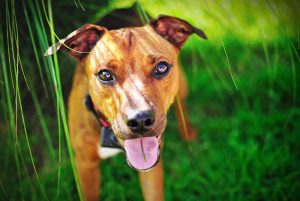
In this article, we will explore the ten most common coat colors for the Mutina Dog Breed in Kenya and explain how each one benefits the breed. Additionally, we will provide an in-depth look at the pros and cons of each coat color to give a comprehensive understanding of what makes the Mutina Dog Breed so special.
10 Common Coat Colors for the Mutina Dog Breed in Kenya
1. Sandy Brown
Sandy brown is one of the most common coat colors for the Mutina Dog Breed in Kenya. This color allows the dog to blend in perfectly with the arid, sandy landscapes found in many parts of the country. The sandy brown coat provides excellent camouflage, making the dog less visible to potential predators and allowing it to move around undetected.
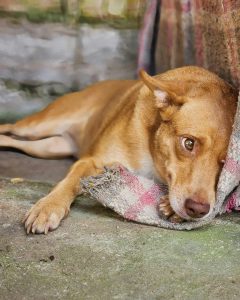
Additionally, the sandy brown color reflects sunlight, which helps the dog stay cool during the hot and dry days typical of Kenya’s savannas. The coat also minimizes the absorption of heat, which is crucial for the dog’s comfort and survival in these harsh environments.
The sandy brown coat is particularly advantageous for dogs living in regions with little vegetation, where the ground is mostly dry and barren. The color offers a natural blend with the surroundings, making it easier for the dog to hide from threats. The coat also plays a significant role in regulating the dog’s body temperature, helping it adapt to the extreme temperatures of the Kenyan climate. This makes the sandy brown coat one of the most effective coat colors for the Mutina Dog Breed in Kenya, especially in areas where the sun is intense, and the ground is dry.
Pros:
- Natural camouflage
- Reflects sunlight
- Reduces heat absorption
- Blends with dry landscapes
- Ideal for hot climates
- Prevents overheating
- Suits arid regions
Cons:
- Less visible at night
- Stains easily
- Limited shade benefit
2. Light Tan
Light tan is another prevalent coat color for the Mutina Dog Breed in Kenya, particularly in regions characterized by hot climates. This coat color is highly effective in reflecting sunlight, which helps the dog stay cooler during the intense heat of the day.
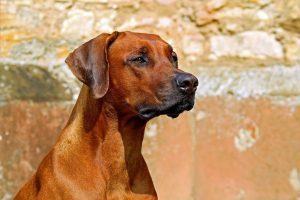
The light tan coat acts as a natural barrier against the sun’s rays, preventing the dog from overheating and ensuring it remains comfortable in the sweltering temperatures of Kenya’s savannas. Additionally, the light tan color allows the dog to blend in with the dry grasses and light-colored earth, providing excellent camouflage in open landscapes.
In addition to its practical benefits, the light tan coat color also contributes to the overall aesthetics of the Mutina Dog Breed in Kenya. The color gives the dog a sleek and elegant appearance, which is highly admired by dog enthusiasts. Moreover, the light tan coat requires minimal grooming, as it does not show dirt or stains as easily as darker coats. This makes it a low-maintenance option for owners who live in rural areas where frequent baths may not be possible. Overall, the light tan coat color is a perfect choice for the Mutina Dog Breed, providing both functional and aesthetic advantages.
Pros:
- Reflects sunlight
- Prevents overheating
- Blends with dry grasses
- Sleek appearance
- Low maintenance
- Camouflages well
- Ideal for hot climates
Cons:
- Less warmth at night
- Less visible in shade
- Stains with red soil
3. Reddish-Brown
Reddish-brown is a distinctive and beautiful coat color for the Mutina Dog Breed in Kenya. This color closely resembles the rich, red soils found in various regions of the country, especially during the dry season. The reddish-brown coat offers excellent camouflage, allowing the dog to blend in seamlessly with its surroundings.
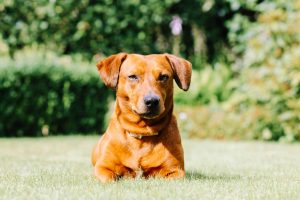
This natural disguise is particularly useful in areas where the landscape is dominated by red soil and sparse vegetation, helping the dog avoid detection by predators or other threats. The reddish-brown coat also absorbs a moderate amount of heat, making it suitable for cooler mornings and evenings, while still providing some protection from the midday sun.
The reddish-brown coat color is also highly regarded for its aesthetic appeal. The deep, earthy tones give the Mutina Dog Breed a striking and majestic appearance, making it stand out among other breeds. Additionally, the reddish-brown coat is relatively easy to maintain, as it does not show dirt or stains as easily as lighter colors. This makes it a practical choice for dogs that spend a lot of time outdoors. Overall, the reddish-brown coat color is an excellent option for the Mutina Dog Breed in Kenya, offering both practical and visual benefits.
Pros:
- Camouflages with red soil
- Suitable for cooler weather
- Majestic appearance
- Easy maintenance
- Blends with dry landscapes
- Absorbs moderate heat
- Ideal for dry season
Cons:
- Absorbs some heat
- Less visible at night
- Limited in grassy areas
4. Cream
Cream is a common coat color for the Mutina Dog Breed in Kenya, particularly in regions with intense sunlight. The cream-colored coat is highly reflective, making it an excellent choice for dogs living in areas where the sun is particularly strong.
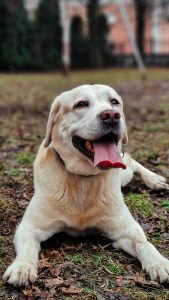
This color helps to regulate the dog’s body temperature by reflecting the sun’s rays, preventing overheating and ensuring the dog remains comfortable even during the hottest parts of the day. The cream coat also blends well with the sun-drenched landscapes of Kenya, offering a level of camouflage that protects the dog from potential predators.
The cream coat color is also appreciated for its aesthetic qualities, giving the Mutina Dog Breed a soft and gentle appearance. This color is often associated with elegance and grace, making the dog a popular choice among those who appreciate its beauty. Additionally, the cream coat is relatively low maintenance, as it does not show dirt or stains as easily as darker colors. However, it may require more frequent grooming to keep it looking clean and bright. Overall, the cream coat color is an excellent choice for the Mutina Dog Breed in Kenya, offering both practical and visual benefits.
Pros:
- Reflects sunlight
- Prevents overheating
- Soft appearance
- Low maintenance
- Blends with sun-drenched areas
- Regulates body temperature
- Elegant and graceful
Cons:
- Requires frequent grooming
- Less warmth at night
- Shows dirt easily
5. Dark Brown
Dark brown is a versatile and common coat color for the Mutina Dog Breed in Kenya, especially in regions with cooler climates. The dark brown coat absorbs more heat than lighter colors, making it ideal for dogs living in higher altitudes or areas where temperatures drop at night.
This color helps the dog stay warm during cooler nights, ensuring its comfort and well-being. During the day, the dark brown coat provides a balance between heat absorption and reflection, allowing the dog to maintain a stable body temperature in varying weather conditions.
The dark brown coat color also offers a level of camouflage that is particularly useful in forested or bushy areas. The deep, rich color blends well with the natural surroundings, helping the dog stay hidden from predators or other threats. Additionally, the dark brown coat is relatively easy to maintain, as it does not show dirt or stains as easily as lighter colors. This makes it a practical choice for dogs that spend a lot of time outdoors. Overall, the dark brown coat color is an excellent option for the Mutina Dog Breed in Kenya, providing both functional and aesthetic advantages.
Pros:
- Absorbs heat
- Suitable for cool climates
- Blends with forests
- Easy maintenance
- Camouflages well
- Stable body temperature
- Provides warmth
Cons:
- Absorbs more heat
- Less visible in dark
- Requires cooling shade
6. Golden Yellow
Golden yellow is a vibrant and common coat color for the Mutina Dog Breed in Kenya, particularly in regions characterized by savanna landscapes. This color closely resembles the dry grasses and golden hues of the savanna, providing the dog with excellent camouflage.
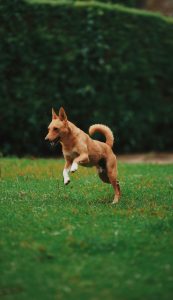
The golden yellow coat helps the dog blend in with its surroundings, making it less visible to predators and allowing it to move around undetected. Additionally, the golden yellow color reflects sunlight, helping the dog avoid overheating during the long hours spent outdoors in the sun-drenched savannas.
The golden yellow coat color is also highly admired for its striking appearance. The bright, warm tones give the Mutina Dog Breed a radiant and energetic look, making it stand out in a crowd. The color also has a symbolic significance, representing the vitality and resilience of the breed. Moreover, the golden yellow coat is relatively easy to maintain, as it does not show dirt or stains as easily as darker colors. This makes it a practical choice for dogs that spend a lot of time in the wild. Overall, the golden yellow coat color is an excellent choice for the Mutina Dog Breed in Kenya, offering both practical and aesthetic benefits.
Pros:
- Natural camouflage
- Reflects sunlight
- Energetic appearance
- Easy maintenance
- Symbolic significance
- Avoids overheating
- Blends with savannas
Cons:
- Less warmth at night
- Less visible in shade
- Requires frequent grooming
7. Black
Black is a powerful and common coat color for the Mutina Dog Breed in Kenya, particularly in regions with cooler climates. The black coat absorbs a significant amount of heat, making it ideal for dogs living in higher altitudes or areas where temperatures drop at night.
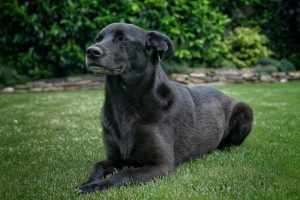
This color helps the dog stay warm during cooler nights, ensuring its comfort and well-being. During the day, the black coat provides a balance between heat absorption and reflection, allowing the dog to maintain a stable body temperature in varying weather conditions.
The black coat color also offers a level of elegance and sophistication that is highly admired. The deep, rich color gives the Mutina Dog Breed a striking and majestic appearance, making it stand out among other breeds. Additionally, the black coat is relatively easy to maintain, as it does not show dirt or stains as easily as lighter colors. However, it may require more frequent grooming to keep it looking clean and glossy. Overall, the black coat color is an excellent option for the Mutina Dog Breed in Kenya, providing both functional and aesthetic advantages.
Pros:
- Absorbs heat
- Suitable for cool climates
- Elegant appearance
- Easy maintenance
- Camouflages well
- Stable body temperature
- Provides warmth
Cons:
- Absorbs more heat
- Less visible at night
- Requires cooling shade
8. Brindle
Brindle is a unique and common coat color for the Mutina Dog Breed in Kenya, characterized by a mix of dark and light stripes or patches. This coat color offers excellent camouflage in various environments, particularly in forested or bushy areas.
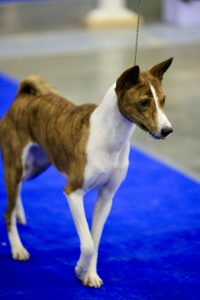
The brindle coat allows the dog to blend in with the natural surroundings, making it less visible to predators and providing a level of protection. The brindle color also provides a balance between heat absorption and reflection, helping the dog maintain a stable body temperature in different weather conditions.
The brindle coat color is also highly valued for its striking appearance. The mix of dark and light tones gives the Mutina Dog Breed a distinctive and eye-catching look, making it a favorite among dog enthusiasts. Additionally, the brindle coat is relatively easy to maintain, as it does not show dirt or stains as easily as solid colors. This makes it a practical choice for dogs that spend a lot of time outdoors. Overall, the brindle coat color is an excellent option for the Mutina Dog Breed in Kenya, offering both practical and aesthetic benefits.
Pros:
- Excellent camouflage
- Stable body temperature
- Striking appearance
- Easy maintenance
- Blends with forests
- Protects from predators
- Suitable for varying climates
Cons:
- Requires frequent grooming
- Less warmth at night
- Less visible in dark
9. White
White is a common coat color for the Mutina Dog Breed in Kenya, particularly in regions characterized by cooler climates. The white coat is highly reflective, making it an excellent choice for dogs living in areas where the sun is not as intense.
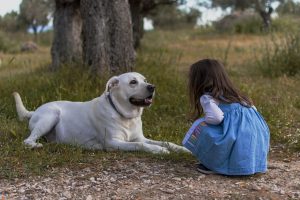
This color helps to regulate the dog’s body temperature by reflecting sunlight, preventing overheating and ensuring the dog remains comfortable in varying weather conditions. The white coat also offers a level of elegance and purity that is highly admired, giving the Mutina Dog Breed a regal and sophisticated appearance.
The white coat color is also associated with certain symbolic meanings, such as purity and grace, making the dog a popular choice among those who appreciate its beauty. Additionally, the white coat is relatively easy to maintain, as it does not show dirt or stains as easily as darker colors.
However, it may require more frequent grooming to keep it looking clean and bright. Overall, the white coat color is an excellent choice for the Mutina Dog Breed in Kenya, offering both practical and visual benefits.
Pros:
- Reflects sunlight
- Prevents overheating
- Elegant appearance
- Symbolic significance
- Easy maintenance
- Regulates body temperature
- Suits cooler climates
Cons:
- Requires frequent grooming
- Less warmth at night
- Shows dirt easily
10. Gray
Gray is a versatile and common coat color for the Mutina Dog Breed in Kenya, particularly in regions with diverse climates. The gray coat offers a balance between heat absorption and reflection, making it suitable for dogs living in areas with varying temperatures.
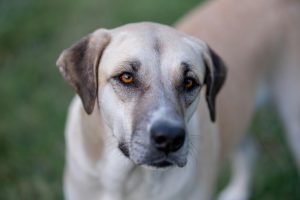
This color helps the dog stay warm during cooler mornings and evenings, while still providing some protection from the midday sun. The gray coat also blends well with a variety of landscapes, from rocky terrains to open fields, providing the dog with a level of camouflage that helps it avoid detection by predators.
The gray coat color is also highly regarded for its aesthetic appeal. The neutral tones give the Mutina Dog Breed a sleek and modern appearance, making it a favorite among dog enthusiasts.
Additionally, the gray coat is relatively easy to maintain, as it does not show dirt or stains as easily as lighter colors. This makes it a practical choice for dogs that spend a lot of time outdoors. Overall, the gray coat color is an excellent option for the Mutina Dog Breed in Kenya, providing both functional and visual advantages.
Pros:
- Balances heat absorption
- Suitable for varying climates
- Sleek appearance
- Easy maintenance
- Camouflages with landscapes
- Stable body temperature
- Provides warmth
Cons:
- Requires cooling shade
- Less visible in dark
- Absorbs some heat
Common Coat Colors For The Mutina Dog Breed In Kenya FAQs
1. What is the most common coat color for the Mutina Dog Breed in Kenya?
The most common coat color for the Mutina Dog Breed in Kenya is sandy brown. This color provides excellent camouflage in the arid, sandy landscapes and reflects sunlight to keep the dog cool in hot climates.
2. Which coat color is best for dogs living in cooler climates in Kenya?
For dogs living in cooler climates in Kenya, dark brown and black coat colors are ideal. These colors absorb more heat, helping the dog stay warm during cooler mornings and nights.
3. How does the coat color of the Mutina Dog Breed affect its ability to blend with the environment?
The coat color of the Mutina Dog Breed plays a crucial role in its ability to blend with the environment. For example, sandy brown and reddish-brown coats offer excellent camouflage in dry, arid regions, while brindle and gray coats provide good camouflage in forested or rocky areas.
4. Are lighter coat colors like cream and white suitable for the Kenyan climate?
Yes, lighter coat colors like cream and white are suitable for the Kenyan climate, especially in regions with intense sunlight. These colors reflect sunlight, preventing overheating and keeping the dog comfortable in hot weather.
5. Which coat color requires the least maintenance?
Gray and brindle coat colors require the least maintenance. These colors do not show dirt or stains as easily as lighter colors, making them practical choices for dogs that spend a lot of time outdoors.
6. Do all coat colors of the Mutina Dog Breed provide some level of camouflage?
Yes, all coat colors of the Mutina Dog Breed provide some level of camouflage, depending on the environment. For example, sandy brown and reddish-brown coats blend well with arid landscapes, while brindle and gray coats offer better camouflage in forested or rocky areas.
7. How does the coat color of the Mutina Dog Breed impact its health and comfort?
The coat color of the Mutina Dog Breed impacts its health and comfort by influencing its ability to regulate body temperature and blend with the environment. Lighter colors reflect sunlight, preventing overheating, while darker colors absorb heat, providing warmth in cooler climates.
Conclusion
The coat colors of the Mutina Dog Breed in Kenya are not just visually appealing but also play a vital role in the dog’s ability to adapt to its environment.
Each color offers unique benefits, from camouflage to temperature regulation, making the Mutina Dog Breed well-suited to the diverse climates of Kenya.
Whether you are looking for a dog that can blend in with the arid landscapes or one that can stay warm during cool nights, the Mutina Dog Breed offers a variety of coat colors to choose from.
Understanding the pros and cons of each coat color will help you make an informed decision when selecting a Mutina Dog, ensuring that it thrives in its environment and remains a loyal and comfortable companion.
Mutina Dog Breed Comprehensive Guide
The Mutina Dog Breed is a fascinating and unique canine native to Kenya. Unlike many other dog breeds, the Mutina is known for its close ties to the local culture and environment, particularly its diet, which includes avocados, a fruit commonly referred to as manoria gui in Kenya.
Mutina Dog Breed has been a part of Kenyan history for centuries, and its name reflects its origins: “ngui” is a general term for dogs in the local language, while “mutina” refers to the breed’s characteristic brown color.
The Mutina Dog Breed is more than just a pet; it is a symbol of tradition, resilience, and the deep bond between humans and animals in Kenya.
This article will explore everything you need to know about the Mutina Dog Breed, from its history and characteristics to its care and cultural significance. Whether you are a dog enthusiast, a potential pet owner, or simply curious about this unique Mutina Dog Breed, this guide will provide you with all the information you need.
Also check: 50 Best Electric Nail Cutters in Kenya
Mutina Dog Breed Comprehensive Guide
History and Origin of the Mutina Dog Breed
The Mutina Dog Breed has its roots deeply embedded in the history and culture of Kenya. It is believed to have been domesticated by local communities centuries ago, serving as both a companion and a protector.
The Mutina Dog Breed ability to thrive in Kenya’s diverse environments, from the savannas to the highlands, is a testament to its adaptability and resilience.
Traditionally, the Mutina Dog was not just a pet but an integral part of the community. These dogs were often used for hunting small game, guarding homes, and even as companions for children.
Mutina Dog Breed diet, which includes avocados, is not just a quirk but a reflection of their close relationship with the local environment. The avocado, or manoria gui, is a common fruit in Kenya, and the Mutina’s fondness for it has become a defining characteristic of the breed.
Over the years, the Mutina Dog Breed has remained relatively unknown outside of Kenya, but within the country, it is a beloved and respected breed. Its name, “mutina,” meaning brown, is a nod to its most common coloration, though the breed can also be found in other shades.
Physical Characteristics of the Mutina Dog Breed
The Mutina Dog Breed is medium-sized, with a muscular and agile build that reflects its active lifestyle. Its coat is typically short and dense, providing protection from the elements while requiring minimal grooming such as using electric nail cutters in Kenya which are available on the market . While brown is the most common color, Mutina dogs can also be found in various shades of tan, black, and even mixed colors.
One of the most striking features of the Mutina Dog is its expressive eyes, which are often a deep brown or amber color. These eyes are not only beautiful but also highly intelligent, reflecting the breed’s keen awareness and alertness. The ears are medium-sized and stand erect, adding to the breed’s attentive and vigilant appearance.
The Mutina Dog’s tail is usually curled over its back, a trait that is common among many African dog breeds. This tail, combined with the breed’s agile and swift movements, makes it a graceful and elegant dog. Despite its relatively small size, the Mutina Dog is known for its strength and endurance, making it an excellent companion for outdoor activities.
Temperament and Behavior of the Mutina Dog Breed
The Mutina Dog Breed is known for its friendly and loyal nature. It is a breed that thrives on human interaction and is particularly fond of children, making it an excellent family pet. Mutina dogs are highly intelligent and quick to learn, which makes them easy to train. However, they are also independent thinkers, a trait that can sometimes be mistaken for stubbornness.
Mutina dogs are naturally protective of their families and homes. They have a strong guarding instinct and will not hesitate to defend their territory if they sense a threat. Despite this, they are not aggressive by nature and will usually warm up to strangers once they see that there is no danger.
Socialization is important for the Mutina Dog Breed, especially if it will be living in an urban environment or around other animals. Early exposure to different people, animals, and environments will help ensure that the dog grows up to be well-rounded and confident. The breed is also known for its playful and energetic nature, requiring plenty of exercise and mental stimulation to keep it happy and healthy.
Diet and Nutrition of the Mutina Dog Breed
One of the most unique aspects of the Mutina Dog Breed is its diet, which includes avocados, locally known as manoria gui. This diet is not just a reflection of the dog’s environment but also an important part of its nutritional needs. Avocados provide essential fatty acids, vitamins, and minerals that contribute to the dog’s overall health, including a shiny coat and strong immune system.
In addition to avocados, the Mutina Dog Breed should be fed a balanced diet that includes high-quality dog food, either commercial or homemade. The diet should be rich in protein, which is essential for maintaining the dog’s muscle mass and energy levels. Fresh fruits and vegetables, such as carrots, sweet potatoes, and green beans, can also be included to provide additional vitamins and fiber.
It’s important to monitor the dog’s weight and adjust its diet accordingly to prevent obesity, which can lead to health problems such as joint issues and diabetes. Fresh water should always be available, and treats should be given in moderation.
Health and Lifespan of the Mutina Dog Breed
The Mutina Dog Breed is generally healthy and robust, with a lifespan of 12 to 15 years. However, like all dog breeds, it is prone to certain health issues that potential owners should be aware of. Regular veterinary check-ups, a balanced diet, and plenty of exercises are key to ensuring that the dog lives a long and healthy life.
One of the most common health issues in the Mutina Dog Breed is hip dysplasia, a condition that affects the hip joints and can lead to arthritis and pain. Regular exercise and maintaining a healthy weight can help reduce the risk of this condition. Another potential issue is dental problems, which can be prevented with regular teeth cleaning and dental check-ups.
The breed is also prone to certain skin conditions, particularly if its coat is not properly cared for. Regular grooming, including brushing and bathing, can help prevent skin irritations and infections. It’s also important to check the dog’s ears regularly for signs of infection, as the breed’s erect ears can sometimes trap dirt and moisture.
Training and Exercise Needs of the Mutina Dog Breed
The Mutina Dog Breed is highly intelligent and eager to please, making it relatively easy to train. However, it is also an independent breed that can be somewhat stubborn at times. Positive reinforcement methods, such as treats, praise, and play, work best when training this breed. Harsh methods or punishment should be avoided, as they can lead to fear and mistrust.
Socialization is also an important part of training for the Mutina Dog Breed. Early exposure to different people, animals, and environments will help the dog develop into a well-rounded and confident adult. Obedience training should begin at an early age, with a focus on basic commands such as sit, stay, and come. Advanced training, such as agility or scent work, can also be introduced as the dog matures.
Exercise is essential for the Mutina Dog Breed, as it is an active and energetic breed that requires plenty of physical and mental stimulation. Daily walks, playtime, and interactive toys are important for keeping the dog happy and healthy. The breed also enjoys outdoor activities such as hiking, running, and even swimming, making it an excellent companion for active individuals or families.
Cultural Significance of the Mutina Dog Breed in Kenya
The Mutina Dog Breed holds a special place in Kenyan culture and history. It is more than just a pet; it is a symbol of tradition, resilience, and the deep bond between humans and animals. The breed’s diet, which includes avocados, is not just a reflection of its environment but also a part of its cultural significance. In many Kenyan communities, the Mutina Dog is considered a member of the family, and its care is taken very seriously.
The breed’s name, “mutina,” meaning brown, reflects its close ties to the local environment and culture. The breed’s protective nature and loyalty have made it a trusted companion for generations, and it continues to be a beloved part of many Kenyan households. The Mutina Dog Breed is also celebrated in local folklore and stories, where it is often depicted as a wise and brave animal.
In recent years, there has been growing interest in preserving and promoting the Mutina Dog Breed, both within Kenya and internationally. Efforts are being made to raise awareness about the breed’s unique characteristics and cultural significance, with the goal of ensuring that it remains a part of Kenya’s heritage for generations to come.
Mutina Dog Breed in the Modern World
While the Mutina Dog Breed remains relatively unknown outside of Kenya, it is slowly gaining recognition in the international dog community. This is partly due to the efforts of breeders and enthusiasts who are working to promote the breed and educate people about its unique qualities.
In Kenya, the Mutina Dog Breed is still primarily found in rural areas, where it continues to serve as a loyal companion and protector. However, it is also becoming more common in urban areas, where its friendly and adaptable nature makes it a popular choice for families and individuals.
The breed’s diet, which includes avocados, has also sparked interest among dog nutritionists and veterinarians. While avocados are not typically included in the diet of most dog breeds, they provide essential nutrients that can benefit the Mutina Dog. This has led to discussions about the potential benefits of including avocados in the diets of other dog breeds as well.
How to Care for a Mutina Dog Breed
Caring for a Mutina Dog Breed requires attention to its specific needs, particularly its diet, exercise, and grooming requirements. As a breed that is native to Kenya, the Mutina Dog is well-suited to warm climates and outdoor living. However, it can also adapt to indoor living as long as it receives enough exercise and mental stimulation.
The breed’s diet should include high-quality dog food, as well as fresh fruits and vegetables, including avocados. Regular exercise is essential for maintaining the dog’s physical and mental health, with daily walks and playtime being a must. Grooming should be kept simple, with regular brushing to keep the coat clean and free of tangles, as well as regular baths to prevent skin irritations.
It’s also important to provide the dog with a comfortable and safe living environment, whether it is indoors or outdoors. The Mutina Dog Breed is highly social and thrives on human interaction, so it should not be left alone for long periods. Regular veterinary check-ups are also essential to ensure the dog’s overall health and well-being.
The Future of the Mutina Dog Breed
The future of the Mutina Dog Breed looks promising, thanks to the efforts of breeders, enthusiasts, and organizations that are working to preserve and promote the breed. As awareness of the breed’s unique characteristics and cultural significance grows, it is likely that the Mutina Dog will become more widely recognized and appreciated both in Kenya and internationally.
One of the key challenges facing the breed is maintaining its genetic diversity and health. Efforts are being made to establish breeding programs that prioritize the health and well-being of the dogs, as well as to educate potential owners about the breed’s specific needs.
The Mutina Dog Breed is not just a part of Kenya’s past; it is also a part of its future. As the breed continues to adapt and thrive in a changing world, it will undoubtedly continue to hold a special place in the hearts of those who know and love it.
FAQs About the Mutina Dog Breed
1. What is the origin of the Mutina Dog Breed?
The Mutina Dog Breed originates from Kenya, where it has been a part of local communities for centuries. It is believed to have been domesticated by indigenous tribes and has played a significant role in Kenyan culture and history.
2. What makes the Mutina Dog Breed unique?
The Mutina Dog Breed is unique for several reasons, including its diet, which includes avocados, its brown coloration, and its strong ties to Kenyan culture. It is also known for its friendly and loyal temperament, making it an excellent family pet.
3. What is the typical diet of a Mutina Dog?
The typical diet of a Mutina Dog includes high-quality dog food, fresh fruits and vegetables, and avocados, which are locally known as manoria gui in Kenya. This diet provides the dog with essential nutrients that contribute to its overall health and well-being.
4. How long does a Mutina Dog typically live?
The Mutina Dog Breed has a lifespan of 12 to 15 years, depending on factors such as diet, exercise, and overall health care. Regular veterinary check-ups and a balanced diet can help ensure that the dog lives a long and healthy life.
5. Is the Mutina Dog Breed easy to train?
Yes, the Mutina Dog Breed is relatively easy to train due to its intelligence and eagerness to please. However, it can be somewhat independent, so positive reinforcement methods are recommended for training.
6. What are the common health issues in the Mutina Dog Breed?
Common health issues in the Mutina Dog Breed include hip dysplasia, dental problems, and skin conditions. Regular exercise, a balanced diet, and proper grooming can help prevent these issues and ensure the dog’s overall health.
7. How much exercise does a Mutina Dog need?
The Mutina Dog Breed is an active and energetic breed that requires plenty of exercise. Daily walks, playtime, and interactive toys are essential for keeping the dog happy and healthy. The breed also enjoys outdoor activities such as hiking and running.
8. Is the Mutina Dog Breed good with children?
Yes, the Mutina Dog Breed is known for its friendly and loyal nature, making it an excellent companion for children. The breed is gentle and patient, and it thrives on human interaction.
9. What is the cultural significance of the Mutina Dog Breed in Kenya?
The Mutina Dog Breed holds a special place in Kenyan culture and history. It is considered a symbol of tradition, resilience, and the deep bond between humans and animals. The breed is celebrated in local folklore and is an integral part of many Kenyan households.
10. How can I adopt a Mutina Dog?
Adopting a Mutina Dog may require contacting breeders or rescue organizations in Kenya. It is important to do thorough research and ensure that you are adopting from a reputable source that prioritizes the health and well-being of the dogs.
Conclusion
The Mutina Dog Breed is a unique and fascinating canine that is deeply rooted in the culture and history of Kenya. From its distinctive diet that includes avocados to its loyal and friendly nature, the Mutina Dog is a breed that deserves recognition and appreciation.
As awareness of this breed grows, it is likely that more people will come to appreciate its special qualities and the important role it plays in Kenyan culture.
If you are interested in learning more about the Mutina Dog Breed or considering adopting one, now is the perfect time to take action.
Whether you are a dog enthusiast, a potential pet owner, or simply curious about this unique breed, the Mutina Dog offers a rewarding and fulfilling companionship that is unlike any other.
Embrace the opportunity to be part of this breed’s future and contribute to its preservation and promotion. The Mutina Dog Breed is more than just a pet; it is a symbol of Kenya’s rich heritage and a testament to the enduring bond between humans and animals.