Food security and agricultural competitiveness are vital to the economic stability and well-being of any nation. In many developing countries, including Kenya, the agricultural sector plays a pivotal role in sustaining livelihoods, alleviating poverty, and enhancing food and nutrition security.
As the global population continues to grow, the demand for food increases, making it essential for countries to adopt innovative strategies to enhance agricultural productivity and food security.
One such initiative is the project on enhancing food and nutrition security for improved farmer income and agricultural competitiveness. This project, which recently launched its final report at the Prisons Staff Training College in Ruiru, has made significant strides in transforming food value chains and empowering farmers.
The project’s focus on Lead Farmers (LFs) has been instrumental in driving change at the grassroots level, equipping them with the skills and knowledge to improve food security in their communities.
This article delves into the key achievements of this project, its impact on farmers and communities, and the broader implications for food security and agricultural competitiveness in Kenya. It also answers frequently asked questions about the project, offering insights into its objectives, outcomes, and future prospects.
Enhancing Food and Nutrition Security for Improved Farmer Income and Agricultural Competitiveness: A Milestone Project
Achievements of the Food and Nutrition Security Project
- Empowering Lead Farmers (LFs): The project has successfully trained and empowered Lead Farmers in various regions. These LFs serve as change agents, imparting knowledge and skills to other farmers in their communities. Through the project, LFs have learned modern farming techniques, post-harvest management, and market access strategies, enabling them to increase their productivity and income.
- Improving Food Value Chains: One of the project’s primary objectives was to enhance food value chains by improving the quality and quantity of agricultural produce. This has been achieved through the adoption of best practices in farming, processing, and marketing. The project has also facilitated access to markets for farmers, ensuring that they receive fair prices for their produce.
- Enhancing Nutrition Security: In addition to increasing food production, the project has focused on improving the nutritional quality of the food produced. This has involved promoting the cultivation of nutrient-rich crops and educating farmers and communities about the importance of a balanced diet. As a result, there has been a noticeable improvement in the nutritional status of households in the project areas.
- Strengthening Farmer Income: By improving agricultural productivity and market access, the project has contributed to increasing the income of farmers. The adoption of modern farming techniques has led to higher yields, while better market access has ensured that farmers can sell their produce at competitive prices. This increase in income has had a positive ripple effect on the local economy.
- Building Community Resilience: The project has also focused on building the resilience of communities to climate change and other shocks. Through training on climate-smart agriculture and sustainable farming practices, farmers are better equipped to cope with adverse weather conditions and other challenges. This has helped to ensure food security even in times of crisis.
- Promoting Gender Equality: The project has taken a gender-sensitive approach, ensuring that women farmers are equally involved and benefit from the initiative. By empowering women, the project has not only improved food security but also contributed to gender equality and women’s empowerment in rural areas.
- Establishing Partnerships: The success of the project has been largely due to the strong partnerships established with various stakeholders, including government agencies, NGOs, and the private sector. These partnerships have provided the necessary resources, expertise, and support to achieve the project’s objectives.
- Sustainability and Scaling Up: The project’s sustainability has been a key focus, with efforts made to ensure that the benefits continue beyond the project’s lifespan. This includes the establishment of farmer groups, cooperatives, and networks that will continue to support farmers in the long term. The project has also laid the groundwork for scaling up the initiative to other regions.
- Technology Adoption: The project has promoted the use of technology in agriculture, such as mobile-based platforms for accessing market information, weather forecasts, and agricultural advice. This has helped farmers make informed decisions and improve their productivity.
- Knowledge Sharing and Capacity Building: Knowledge sharing has been a central component of the project, with regular workshops, training sessions, and field days organized for farmers. This has helped to build the capacity of farmers and ensure that the knowledge gained is passed on to future generations.
Food And Nutrition Security For Improved Farmer Income And Agricultural Competitiveness FAQs
- What is the main objective of the project? The primary objective of the project is to enhance food and nutrition security while improving farmer income and agricultural competitiveness. This is achieved through training, capacity building, and the adoption of best practices in farming and market access.
- Who are the Lead Farmers (LFs), and what role do they play? Lead Farmers are selected farmers who receive specialized training and serve as role models in their communities. They are responsible for passing on the knowledge and skills gained from the project to other farmers, thereby improving the overall agricultural practices in their regions.
- How has the project improved food value chains? The project has enhanced food value chains by improving the quality and quantity of agricultural produce, facilitating market access, and promoting value addition. This has resulted in better prices for farmers and improved food security.
- What impact has the project had on nutrition security? The project has promoted the cultivation of nutrient-rich crops and educated communities about balanced diets. This has led to an improvement in the nutritional status of households in the project areas.
- How has the project contributed to gender equality? The project has ensured that women farmers are actively involved and benefit from the initiative. By empowering women, the project has contributed to gender equality and the overall well-being of rural communities.
- What measures have been taken to ensure the sustainability of the project? Sustainability has been a key focus, with efforts made to establish farmer groups, cooperatives, and networks that will continue to support farmers after the project ends. The project has also promoted the adoption of climate-smart agriculture practices.
- How has technology been integrated into the project? Technology has played a significant role, with the use of mobile-based platforms for market information, weather forecasts, and agricultural advice. This has helped farmers make informed decisions and improve their productivity.
- What are the key achievements of the project? Key achievements include empowering Lead Farmers, improving food value chains, enhancing nutrition security, increasing farmer income, and building community resilience. The project has also promoted gender equality and established strong partnerships.
- How can other regions benefit from the project? The project serves as a model that can be replicated in other regions. By adopting similar strategies and forming partnerships, other areas can achieve similar improvements in food security and agricultural competitiveness.
- What are the future prospects of the project? The future prospects are promising, with plans to scale up the project to other regions. The establishment of farmer groups and networks will ensure that the benefits continue to be realized in the long term.
Conclusion
The project on enhancing food and nutrition security for improved farmer income and agricultural competitiveness has been a resounding success. Through the empowerment of Lead Farmers, the improvement of food value chains, and the promotion of gender equality, the project has made a significant impact on the lives of farmers and their communities.
The project’s focus on sustainability and technology adoption ensures that these benefits will continue to be realized in the future.
As the project concludes, it is essential to recognize the importance of continuing these efforts and expanding them to other regions.
The lessons learned and the partnerships formed during the project provide a strong foundation for future initiatives. By building on these successes, Kenya can continue to improve food security, increase farmer income, and enhance agricultural competitiveness.
Call to Action: If you are passionate about food security and agricultural development, now is the time to get involved. Whether you are a farmer, a policymaker, or a concerned citizen, there are numerous ways to contribute to this cause. Join forces with like-minded individuals and organizations to ensure that the gains made by this project are sustained and expanded. Together, we can create a brighter future for farmers and communities across Kenya
Kiambu Road Accident Subaru Tragedy Strikes as Subaru Forester Crashes Near Thindigua
Looking for the actual story about the recent Kiambu road accident Subaru? Well, On the fateful morning of Saturday, August 17, a tragic accident occurred near Thindigua, along Kiambu Road, leaving a trail of devastation and heartbreak.
The accident involved a Subaru Forester, which veered off the road and rolled multiple times before coming to a halt in a nearby thicket.
The horrific scene left onlookers and emergency responders in shock, as the vehicle was reduced to a mangled wreckage, and all passengers were feared dead.
This article delves into the details of the accident, the potential causes, and the reactions of Kenyans to this tragic event.
Kiambu Road Accident: Tragedy Strikes as Subaru Forester Crashes Near Thindigua
How Did the Kiambu Road Accident Happen?
The accident that occurred on Kiambu Road involved a Subaru Forester, a popular vehicle among car enthusiasts for its speed and handling capabilities. According to unconfirmed reports, the vehicle was carrying several revelers who had spent the previous night partying at a well-known entertainment spot along Kiambu Road.

The driver, likely fatigued and possibly under the influence, lost control of the vehicle as they were heading home in the early hours of the morning.
Preliminary investigations indicate that the driver was overspeeding, a common but dangerous practice among Subaru drivers. As the vehicle sped down Kiambu Road, the driver lost control, causing the car to veer off the road. The Subaru Forester rolled several times before landing in a thicket, leaving no chance for survival for those inside.
The Aftermath of the Thindigua Accident
The aftermath of the accident was nothing short of catastrophic. The Subaru Forester was completely destroyed, with the wreckage barely recognizable. The impact was so severe that the car’s structure was twisted and crumpled, a testament to the high speed at which it was traveling.

Emergency responders arrived at the scene only to find that there was no sign of life. The scene was grim, with debris scattered across the road and in the surrounding area.
The accident quickly attracted a large crowd of onlookers, many of whom were horrified by the extent of the damage. The tragic scene served as a stark reminder of the dangers of overspeeding and driving under the influence. Despite the numerous warnings and campaigns about road safety, accidents like this continue to claim lives on Kenyan roads.
Kenyans React to the Thindigua Accident
The tragic accident at Thindigua sparked an outpouring of grief and concern on social media. Many Kenyans took to various platforms to express their condolences and to call for greater caution on the roads. The horrific nature of the accident, coupled with the fact that all the passengers were feared dead, left many people in shock.
Kalim Hassan, a Kenyan citizen, shared his thoughts on the accident, stating, “This is a wreckage of a Subaru Forester. The horrific accident took place along Kiambu Road, Thindigua, near Runda Palm Gardens. Speed thrills BUT also kills.”
Another Kenyan, MWangi Wangui, emphasized the importance of using alternative transportation after a night out: “The accident on Kiambu Road (Thindigua) was so ugly. You don’t want to see the images—it’s that bad. Please, folks, after a night out, consider taking an Uber. It’s far cheaper than a coffin, and much less painful than the tears of your loved ones.”
The accident also triggered memories of past tragedies involving Subaru vehicles. Fathella, a social media user, mentioned how such accidents bring back traumatic memories: “Subaru accidents kama hiyo ya Kiambu Road give me PTSD because of Danco .”
Kiambu Road Accident Subaru Tragedy FAQs
1. What caused the Kiambu Road accident?
The accident was primarily caused by the driver losing control of the vehicle due to overspeeding. The car, a Subaru Forester, veered off the road and rolled several times before landing in a thicket. Fatigue and possible intoxication may have also played a role.
2. How many people were in the Subaru Forester during the accident?
While the exact number of passengers has not been confirmed, reports indicate that several people were in the vehicle at the time of the accident. Tragically, all passengers are feared dead.
3. Were there any survivors in the Kiambu Road accident?
Unfortunately, there were no survivors. The impact of the accident was so severe that the vehicle was completely destroyed, leaving no chance for survival.
4. Where exactly did the Kiambu Road accident happen?
The accident occurred near Thindigua, along Kiambu Road, close to Runda Palm Gardens. The vehicle rolled off the road and landed in a nearby thicket.
5. Was the driver of the Subaru Forester intoxicated?
While it has not been officially confirmed, there are suspicions that the driver may have been under the influence of alcohol, given that the passengers had spent the previous night partying.
6. What was the reaction of the public to the Kiambu Road accident?
The accident shocked many Kenyans, who took to social media to express their grief and concern. The horrific nature of the crash and the loss of lives left many people devastated.
7. What can be done to prevent such accidents in the future?
To prevent such accidents, it is crucial to promote road safety awareness, encourage responsible drinking, and emphasize the dangers of overspeeding. Additionally, using alternative transportation options like taxis after a night out can save lives.
8. How can authorities improve road safety on Kiambu Road?
Authorities can improve road safety by increasing patrols, installing speed cameras, and enforcing strict penalties for overspeeding and driving under the influence. Public awareness campaigns are also essential in promoting safe driving habits.
9. Are Subaru vehicles more prone to accidents?
While Subaru vehicles are known for their speed and handling, they are not inherently more prone to accidents. However, the behavior of drivers, particularly those who engage in overspeeding, can increase the risk of accidents involving these vehicles.
10. How can families cope with the loss of loved ones in such accidents?
Coping with the loss of loved ones in accidents is incredibly difficult. It is important for families to seek support from counselors, join support groups, and lean on their communities for emotional support during such tragic times.
Conclusion
The Kiambu Road accident is a stark reminder of the devastating consequences of reckless driving. The loss of lives, the grief of families, and the shock of the community underscore the importance of road safety. We must all take responsibility for our actions on the road, prioritize safety over speed, and make conscious decisions to protect ourselves and others. As we mourn the lives lost in this tragic accident, let it serve as a wake-up call to drive responsibly and consider the consequences of our actions.
Morara Kebaso 28-Year Old Businessman And Lawyer President Ruto Impersonator Fusing Comedy With Civic Education
In the vast landscape of Kenya’s vibrant social media and civic engagement, one name has recently captured the public’s imagination: Morara Kebaso. This 28-year-old businessman and lawyer has emerged as a viral sensation, not only for his impressive business acumen but also for his uncanny impersonations of President William Ruto.

Through his blend of comedy and civic education, Morara has created a unique niche, making complex political and social issues accessible to a broader audience.
In an era where misinformation is rampant, and political discourse often turns toxic, Morara’s approach is refreshing. He uses humor as a gateway to educate his audience about their rights, the workings of government, and the importance of active participation in democracy.
His performances have not only entertained millions but have also sparked conversations on social media, in households, and even within the corridors of power.
Morara Kebaso: The 28-Year-Old Businessman and Lawyer Using President Ruto Impersonations to Educate and Entertain
The Man Behind the Impersonation
Morara Kebaso is not your average comedian. With a background in law, he possesses a deep understanding of the legal and political landscapes of Kenya.
This knowledge enables him to craft impersonations that are not only accurate but also insightful. His legal expertise provides him with the tools to dissect and comment on complex political issues, making his performances both entertaining and educational.
At just 28 years old, Morara has already made significant strides in the business world. His ventures span various industries, including technology, real estate, and legal consultancy. Despite his young age, he has earned the respect of his peers and established himself as a forward-thinking entrepreneur with a keen eye for opportunities.
This combination of legal prowess and business acumen has given him a unique perspective, which he shares with his audience through his impersonations.
The Art of Impersonation
Impersonating a sitting president is no small feat, and Morara Kebaso has mastered this art to near perfection. His ability to mimic President William Ruto’s voice, gestures, and speech patterns is nothing short of remarkable.
But what sets him apart from other impersonators is his focus on substance over style. Morara does not simply imitate for the sake of comedy; he uses his impersonations to convey important messages about governance, leadership, and civic responsibility.
Morara’s impersonations often delve into the policies and decisions made by President Ruto, offering a satirical yet informative critique.
Through humor, he breaks down complex issues, making them more accessible to the average Kenyan. Whether he is discussing economic policies, social issues, or international relations, Morara ensures that his audience walks away with a better understanding of the topic at hand.
Morara’s Impact on Civic Education
In a country where many citizens feel disconnected from the political process, Morara Kebaso’s work is making a difference.
His impersonations serve as a form of civic education, engaging Kenyans in discussions about their government and their role in shaping the nation’s future. By using comedy as a tool, Morara has managed to reach a wide audience, including those who might otherwise be uninterested in political discourse.
One of the key aspects of Morara’s work is his emphasis on the importance of active citizenship. He encourages his audience to be informed, to ask questions, and to hold their leaders accountable.
Through his performances, he reminds Kenyans that democracy is not a spectator sport; it requires participation and vigilance from every citizen. His message resonates particularly with young people, who see in him a role model for how they can use their talents and voices to make a difference.
Building a Business Empire
While his impersonations have brought him fame, Morara Kebaso is also a savvy businessman. His ventures are as diverse as they are successful, ranging from technology startups to real estate developments.
Morara’s approach to business is characterized by innovation, strategic thinking, and a commitment to excellence. He has built a reputation for delivering results, and his companies have become synonymous with quality and reliability.
In addition to his business pursuits, Morara is also a dedicated lawyer. He runs a successful legal consultancy firm that provides services to a wide range of clients, from small businesses to large corporations.
His legal expertise is not just confined to the courtroom; he also uses it to inform his impersonations, adding depth and authenticity to his performances. This dual career as a businessman and lawyer has equipped Morara with the skills and knowledge to navigate Kenya’s complex business and political environments.
Aspirations for a Better Kenya
Morara Kebaso is not content with simply entertaining his audience; he has bigger aspirations for the future. He envisions a Kenya where every citizen is informed, engaged, and empowered to make a difference. Through his work, both as an impersonator and a businessman, Morara is contributing to the development of a more informed and active citizenry.
His activism is driven by a deep love for his country and a desire to see it thrive. Morara believes that by educating Kenyans about their rights and responsibilities, he can help build a more just and equitable society. He is particularly passionate about youth empowerment, and he uses his platform to inspire young people to take an active role in shaping Kenya’s future.
Challenges and Controversies
Like any public figure, Morara Kebaso has faced his share of challenges and controversies. His impersonations, while popular, have also attracted criticism from some quarters. There are those who believe that his satire goes too far or that it undermines the dignity of the office of the president. Morara, however, remains unfazed by the criticism. He views it as part of the territory and is committed to using his platform for good.
In addition to the criticism, Morara has also had to navigate the complexities of balancing his various roles. As a businessman, lawyer, and public figure, he wears many hats, and this can sometimes lead to conflicts of interest. However, Morara has managed to maintain his integrity by staying true to his values and by being transparent in his dealings.
The Future of Morara Kebaso
Looking ahead, Morara Kebaso shows no signs of slowing down. He has ambitious plans for the future, both in his business ventures and in his work as an impersonator and activist. He is currently working on expanding his business empire, with new projects in the pipeline that promise to make a significant impact on Kenya’s economy.
In addition to his business pursuits, Morara is also exploring new ways to use his impersonations for civic education. He is planning to launch a series of educational videos that will cover a range of topics, from the workings of government to the importance of voting. These videos will be aimed at a younger audience, with the goal of fostering a new generation of informed and engaged citizens.
Morara Kebaso’s rise to fame is a story that intertwines humor with the serious business of nation-building. As a businessman, Kebaso has built a reputation for himself within Kenya’s competitive corporate environment. Yet, it is his ability to mirror the speech patterns, mannerisms, and rhetoric of President William Ruto that has set him apart.
His impersonations are more than just entertaining; they are tools for civic education, designed to engage Kenyans in meaningful discussions about governance, leadership, and the future of the nation.
Morara Kebaso President Ruto Impersonator Fusing Comedy With Civic Education FAQs
- Who is Morara Kebaso?
Morara Kebaso is a 28-year-old Kenyan businessman, lawyer, and social media sensation known for his impersonations of President William Ruto. He uses his platform to educate and entertain, blending comedy with civic education. - What makes Morara Kebaso’s impersonations unique?
Morara’s impersonations are not just about mimicking President Ruto; they are insightful commentaries on political and social issues. He uses humor to make complex topics accessible to a wider audience. - How has Morara Kebaso impacted civic education in Kenya?
Through his impersonations, Morara has engaged Kenyans in discussions about governance, leadership, and civic responsibility. His work has helped to educate citizens about their rights and the importance of active participation in democracy. - What are Morara Kebaso’s business ventures?
Morara is involved in various industries, including technology, real estate, and legal consultancy. His business ventures are known for their innovation, quality, and reliability. - What are Morara Kebaso’s aspirations for Kenya?
Morara envisions a Kenya where every citizen is informed, engaged, and empowered to make a difference. He is particularly passionate about youth empowerment and is working to inspire young people to take an active role in shaping the country’s future. - What challenges has Morara Kebaso faced?
Morara has faced criticism for his impersonations and has had to balance his various roles as a businessman, lawyer, and public figure. Despite these challenges, he remains committed to using his platform for good. - What is the future of Morara Kebaso’s impersonations?
Morara plans to continue using his impersonations for civic education. He is working on a series of educational videos aimed at young people, covering topics such as the workings of government and the importance of voting. - How does Morara Kebaso balance his business and public roles?
Morara maintains his integrity by staying true to his values and being transparent in his dealings. He carefully manages his time to ensure that he can fulfill his responsibilities in both his business and public roles. - What legal expertise does Morara Kebaso bring to his work?
As a lawyer, Morara has a deep understanding of Kenya’s legal and political landscapes. This expertise informs his impersonations, making them both accurate and insightful. - How can Morara Kebaso inspire young people?
Morara serves as a role model for young people, showing them that they can use their talents and voices to make a difference. He encourages youth to be informed, engaged, and active participants in democracy.
Conclusion
Morara Kebaso is a multifaceted individual who has successfully combined his talents in business, law, and impersonation to make a significant impact on Kenyan society.
His work as a President Ruto impersonator is more than just entertainment; it is a powerful tool for civic education, inspiring Kenyans to engage in meaningful discussions about their country’s future.
As Morara continues to grow his business empire and expand his civic education efforts, there is no doubt that he will remain a key figure in Kenya’s social and political landscape
How Much Is A Koko Fuel Full Canister? Complete Analysis
Trying to figure out how much is a Koko fuel full canister? Well, A full KOKO Fuel canister, holding 2.3 liters, costs approximately Ksh 161 at Ksh 70 per liter; however, you can buy smaller amounts starting at just Ksh 30
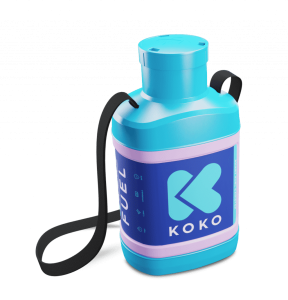
- KOKO Fuel has revolutionized cooking for many households by providing an affordable and eco-friendly alternative to traditional fuels like charcoal and kerosene.
- This bioethanol-based fuel, distributed through a network of smart canisters, has gained popularity in urban areas due to its convenience, safety, and cost-effectiveness.
- As more people switch to KOKO Fuel, a common question arises: How much does it cost to fill a KOKO Fuel canister? Understanding the cost implications is crucial for budgeting and making informed decisions.
In this article, we’ll delve into the pricing structure of KOKO Fuel, how it compares to other fuels, and what factors influence its cost. We will also answer frequently asked questions to provide you with a comprehensive understanding of KOKO Fuel.
How Much Is A Koko Fuel Full Canister? Complete Analysis
What Is KOKO Fuel and How Does It Work?
KOKO Fuel is a bioethanol fuel designed for cooking, distributed through a network of smart canisters and refill stations located in various neighborhoods.
The bioethanol is produced from renewable sources, making it a sustainable and environmentally friendly option. Users purchase or rent a KOKO Cooker, which is a specially designed stove that works exclusively with KOKO Fuel.
The fuel is dispensed into KOKO canisters at designated KOKO Points, where customers can refill their canisters according to their needs. The fuel is sold per liter, and the price varies depending on the quantity purchased. KOKO Fuel is praised for its clean-burning properties, reducing indoor air pollution and contributing to better health outcomes for users.
How Much Does It Cost to Fill a KOKO Fuel Canister?
The cost of filling a KOKO Fuel canister depends on the size of the canister and the current price per liter of KOKO Fuel. As of the latest update, KOKO Fuel costs Ksh 70 per liter.
A standard KOKO Fuel canister typically holds 2.3 liters, meaning a full canister would cost approximately Ksh 161. However, customers have the flexibility to purchase smaller amounts of fuel depending on their budget, with the minimum purchase being as low as Ksh 30.
This pricing model allows users to buy fuel incrementally, making it accessible to a wider range of households. The cost of KOKO Fuel is competitive when compared to other cooking fuels, especially considering its environmental and health benefits.
Factors Influencing the Cost of KOKO Fuel
Several factors can influence the cost of KOKO Fuel:
- Production Costs: The cost of producing bioethanol from raw materials like sugarcane or maize affects the price of KOKO Fuel. Fluctuations in the prices of these raw materials can lead to changes in fuel prices.
- Distribution and Infrastructure: KOKO Networks invests in distribution and infrastructure, including KOKO Points and canister technology. These operational costs can impact the final price of the fuel.
- Government Policies: Taxation, subsidies, and regulations related to renewable energy can influence the pricing of KOKO Fuel. Favorable policies could help lower costs for consumers.
- Market Demand: As more households adopt KOKO Fuel, economies of scale may lead to lower prices. Conversely, high demand in certain areas could result in temporary price increases.
- Environmental Factors: Weather conditions and environmental challenges affecting the production of bioethanol raw materials could also impact fuel prices.
- Exchange Rates: If any components of the production process are imported, fluctuations in exchange rates could affect the cost of these imports, and by extension, the price of KOKO Fuel.
- Technological Advancements: Innovations in bioethanol production and distribution could lower costs over time, making KOKO Fuel even more affordable.
Advantages of Using KOKO Fuel
Switching to KOKO Fuel offers several benefits:
- Cost-Effective: KOKO Fuel is affordable and allows users to purchase in small increments, making it accessible to all income levels.
- Eco-Friendly: The fuel is made from renewable sources, reducing the carbon footprint associated with cooking.
- Healthier: KOKO Fuel burns cleanly, reducing indoor air pollution and respiratory issues associated with traditional fuels.
- Convenient: Refilling canisters is quick and easy at KOKO Points, which are conveniently located in various neighborhoods.
- Safe: The canisters and cookers are designed with safety features to prevent accidents, making KOKO Fuel a safer option than kerosene or charcoal.
- Reliable Supply: KOKO Networks ensures a consistent supply of fuel, reducing the risk of running out of cooking fuel.
- Supports Local Economy: The production and distribution of KOKO Fuel support local industries and create jobs.
How Much Is A Koko Fuel Full Canister FAQs
1. How much is a full KOKO Fuel canister?
A full KOKO Fuel canister, which holds 2.3 liters, costs approximately Ksh 161 based on the current price of Ksh 70 per liter. The cost may vary slightly depending on factors such as production costs and market demand.
2. Can I buy less than a full canister of KOKO Fuel?
Yes, you can purchase smaller amounts of KOKO Fuel based on your budget. The minimum purchase is as low as Ksh 30, allowing you to refill your canister with as much fuel as you need.
3. How long does a full KOKO Fuel canister last?
The duration a full KOKO Fuel canister lasts depends on your cooking habits and the number of people in your household. On average, a 2.3-liter canister can last for several days to a week for a small to medium-sized family.
4. Where can I refill my KOKO Fuel canister?
KOKO Fuel canisters can be refilled at KOKO Points, which are conveniently located in various neighborhoods. These points are easily accessible, making it simple to top up your fuel whenever needed.
5. Is KOKO Fuel cheaper than other cooking fuels?
KOKO Fuel is competitively priced compared to other cooking fuels like charcoal, kerosene, and LPG. Its cost-effectiveness is further enhanced by the ability to purchase small amounts, making it more accessible to households with varying income levels.
6. How do I check the remaining fuel in my KOKO canister?
The KOKO Cooker is equipped with an indicator that shows the remaining fuel in the canister. This feature allows you to monitor your fuel levels and plan for refills accordingly.
7. What should I do if I run out of KOKO Fuel unexpectedly?
If you run out of KOKO Fuel, you can quickly and easily refill your canister at the nearest KOKO Point. The network of KOKO Points ensures that you are never far from a refill station.
8. Can I use KOKO Fuel with other types of cookers?
No, KOKO Fuel is designed to be used exclusively with KOKO Cookers. These cookers are specifically engineered to work with the bioethanol fuel, ensuring safety and efficiency.
9. Is KOKO Fuel safe for indoor cooking?
Yes, KOKO Fuel is safe for indoor cooking. It burns cleanly, producing minimal smoke and reducing the risk of indoor air pollution, which is a common issue with traditional cooking fuels like charcoal and kerosene.
10. How do I clean my KOKO Cooker and canister?
Cleaning your KOKO Cooker and canister is simple. The cooker can be wiped down with a damp cloth after it has cooled, while the canister should be rinsed with warm water to remove any residual fuel. Regular cleaning ensures optimal performance and longevity of your cooking equipment.
Conclusion
KOKO Fuel offers a modern, eco-friendly, and cost-effective solution for cooking in urban households. With its affordable pricing, clean-burning properties, and convenience, it’s no wonder that more people are making the switch.
By understanding the costs associated with a full KOKO Fuel canister and the factors influencing those costs, you can make informed decisions about your household energy needs.
The ability to purchase small quantities of fuel at a time also makes KOKO Fuel accessible to a wide range of consumers, ensuring that everyone can benefit from this innovative cooking solution.If you’re looking to save money, improve your health, and reduce your environmental impact, KOKO Fuel is a smart choice.
Call to Action: Ready to switch to KOKO Fuel? Visit your nearest KOKO Point today and experience the benefits of clean, affordable cooking fuel. Whether you’re refilling your canister or learning more about KOKO Cookers, our network of KOKO Points is here to support you. Join the growing community of KOKO Fuel users and enjoy a healthier, more sustainable way to cook. Don’t wait—make the change today and start cooking with confidence
How Many Litres Is A Koko Canister? Complete Guide
Are you yet to figure out how many Litres is a Koko canister? A KOKO Canister holds 2.3 litres of KOKO Fuel, providing an optimal balance between portability and fuel supply.
In today’s world, where energy efficiency and environmental sustainability are becoming increasingly important, the KOKO Canister has emerged as a vital solution for many households. The KOKO Canister is specifically designed to store KOKO Fuel, a clean and efficient cooking fuel that is both affordable and environmentally friendly.
One of the key aspects that consumers often inquire about is the capacity of the KOKO Canister. Understanding the volume of fuel it can hold is crucial for both budgeting and planning purposes. So, how many litres is a KOKO Canister?
In this article, we delve deep into the specifics of KOKO Canisters, providing you with all the information you need to make informed decisions regarding its use.
How Many Litres Is A KOKO Canister? Complete Guide
Understanding the KOKO Canister
The KOKO Canister is an essential component of the KOKO Fuel system. It is prefilled with KOKO Fuel by KOKO Agents or other designated locations, ensuring that customers receive a full canister ready for use.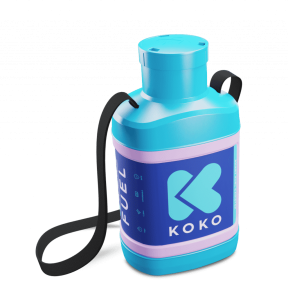 The canisters are designed to be easy to swap, so when a customer’s canister is empty, they can simply exchange it for a full one at their nearest KOKO Agent.
Capacity of the KOKO Canister
So, how many litres does a KOKO Canister hold? The standard KOKO Canister is prefilled with 2.3 litres of KOKO Fuel. This capacity has been carefully selected to balance ease of use with the need for adequate fuel storage. The 2.3-litre capacity allows the canister to be portable while providing enough fuel for multiple cooking sessions.
Efficiency of KOKO Fuel
KOKO Fuel is known for its high efficiency, meaning that even the 2.3-litre capacity can last for a significant amount of time depending on the household’s cooking habits. This efficiency makes the KOKO Canister not only an environmentally friendly choice but also a cost-effective one. The specific efficiency and duration of fuel usage will vary depending on the type of meals prepared and the frequency of cooking.
Swapping and Refilling Process
One of the conveniences of the KOKO Canister system is its ease of swapping. When the fuel in a canister is depleted, customers can quickly exchange it for a new one at any KOKO Agent location or other designated spots. This system eliminates the need for customers to wait for refills, ensuring that they always have access to fuel when needed.
Why 2.3 Litres?
The 2.3-litre capacity was chosen after extensive research and user testing. It represents a sweet spot between portability and sufficient fuel supply. A smaller canister would require more frequent swaps, potentially inconveniencing users. On the other hand, a larger canister would be heavier and less portable, making it difficult for users to handle and transport. The 2.3-litre size strikes a perfect balance, providing enough fuel for daily use while remaining easy to carry and swap.
Material and Design of KOKO Canisters
The KOKO Canister is made from high-quality, durable materials that are designed to withstand regular use and transportation. The canisters are robust and can handle the rigors of daily handling without compromising their integrity. Additionally, they are designed to be leak-proof, ensuring that the fuel inside is safely contained at all times.
Safety Features
Safety is a paramount concern in the design of KOKO Canisters. The canisters are equipped with secure locking mechanisms that prevent accidental spills and leaks. This design ensures that the fuel remains safely contained, reducing the risk of fire hazards. Moreover, the canisters are designed to be resistant to punctures and other forms of damage, further enhancing their safety.
Environmental Impact
Using KOKO Canisters and KOKO Fuel contributes to reducing the carbon footprint associated with traditional cooking methods. KOKO Fuel burns cleaner than conventional fuels, producing fewer emissions and contributing to better air quality. The canisters themselves are also designed to be reusable, reducing waste and promoting a more sustainable lifestyle.
How Many Litres Is A Koko Canister FAQs
1. How often do I need to replace my KOKO Canister?
The frequency of replacement depends on your cooking habits. On average, a 2.3-litre KOKO Canister can last several days to a week for a typical household.
2. Where can I swap my empty KOKO Canister?
You can swap your empty KOKO Canister at any KOKO Agent location or designated swap points. These locations are conveniently placed to ensure easy access for all customers.
3. Is it safe to transport a KOKO Canister?
Yes, KOKO Canisters are designed with safety in mind. They are leak-proof and durable, making them safe to transport without the risk of spills or accidents.
4. Can I refill my KOKO Canister at home?
No, KOKO Canisters are designed to be swapped, not refilled at home. This ensures that you always receive a canister that is safely filled and ready to use.
5. How long does KOKO Fuel last in a canister?
KOKO Fuel is highly efficient, and the duration it lasts depends on usage. For a typical household, a full canister can last several cooking sessions.
6. What happens if my KOKO Canister gets damaged?
If your KOKO Canister gets damaged, you should return it to a KOKO Agent. They will provide you with a replacement canister.
7. Can I recycle my old KOKO Canister?
KOKO Canisters are designed to be reused multiple times. When they reach the end of their life cycle, they can be returned to KOKO Agents for proper recycling.
8. How much does it cost to swap a KOKO Canister?
The cost of swapping a KOKO Canister varies depending on your location. However, the pricing is designed to be affordable, making it accessible for all customers.
9. Are there different sizes of KOKO Canisters available?
Currently, the standard KOKO Canister is 2.3 litres. This size has been optimized for convenience and efficiency.
10. How can I check the fuel level in my KOKO Canister?
Some KOKO Canisters come with a built-in fuel gauge, allowing you to monitor the fuel level. If your canister does not have this feature, it is advisable to keep track of your usage and swap it when necessary.
Conclusion
The KOKO Canister is a well-designed, efficient, and environmentally friendly solution for households that use KOKO Fuel. With a capacity of 2.3 litres, it offers the perfect balance between portability and fuel supply, ensuring that users have access to clean energy whenever they need it. The canisters are safe, durable, and easy to swap, making them an ideal choice for modern homes.
As we continue to prioritize sustainable living, choosing KOKO Fuel and KOKO Canisters represents a significant step towards reducing our carbon footprint and promoting a healthier environment. For those seeking an efficient and convenient fuel solution, the KOKO Canister is the way to go.
Call to Action If you’re ready to make the switch to KOKO Fuel and experience the benefits of the KOKO Canister, visit your nearest KOKO Agent today. Start enjoying clean, efficient energy that fits seamlessly into your lifestyle. Don’t wait—take the first step towards a more sustainable future with KOKO Fuel.
How To Pay For Koko Fuel Using Mpesa? Comprehensive Guide
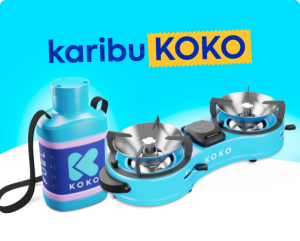
The introduction of KOKO fuel has revolutionized cooking in Kenya by offering an affordable, sustainable, and efficient alternative to traditional fuels like charcoal and kerosene.
As more households transition to using KOKO fuel, understanding the payment process becomes crucial to ensure a seamless experience. One of the most popular methods of paying for KOKO fuel is through M-Pesa, Kenya’s leading mobile money service.
In this detailed guide, we will walk you through the steps to pay for KOKO fuel using M-Pesa, highlighting the ease and convenience this method offers. Additionally, we will address frequently asked questions (FAQs) and provide practical tips to ensure you make the most of your KOKO fuel purchase experience.
How To Pay For KOKO Fuel Using M-Pesa: A Comprehensive Guide
The M-Pesa Payment Process for KOKO Fuel
Paying for KOKO fuel using M-Pesa is a straightforward process that can be completed in a few simple steps. M-Pesa’s widespread availability and ease of use make it an ideal option for KOKO customers across Kenya. Here’s a step-by-step guide to ensure a seamless transaction:
Detailed Step-by-Step Guide for Paying for KOKO Fuel Using M-Pesa
Step 1: Access the M-Pesa Menu
- *Dial 334# on your mobile phone or open the M-Pesa app if you have it installed.
- This will bring up the M-Pesa menu, which is the starting point for your payment process.
Step 2: Select ‘Lipa na M-Pesa’
- From the M-Pesa menu, choose the option labeled ‘Lipa na M-Pesa.’
- This option allows you to make payments directly to businesses using their till or paybill numbers.
Step 3: Choose ‘Pay Bill’ or ‘Buy Goods and Services’
- Depending on your preference, you can either select ‘Pay Bill’ or ‘Buy Goods and Services’:
- Pay Bill: If you prefer this method, enter the KOKO fuel paybill number 556688.
- Buy Goods and Services: If this option is more convenient, enter the KOKO till number 556688.
Step 4: Enter the KOKO Till Number
- Regardless of the option you chose in the previous step, input the KOKO fuel till number: 556688.
- This number is dedicated to KOKO fuel transactions and ensures your payment is processed correctly.
Step 5: Input the Amount
- Enter the amount you wish to pay for your KOKO fuel top-up.
- You can refuel your canister starting from as low as KSh30, making it accessible for various budget levels.
Step 6: Enter Your M-Pesa PIN
- To authorize the transaction, input your M-Pesa PIN.
- This step ensures that your payment is secure and that only you can confirm the transaction.
Step 7: Confirm the Payment
- After entering your PIN, you will receive a summary of the transaction details.
- Review the details carefully to ensure everything is correct, then confirm the payment.
Step 8: Receive Confirmation
- Once the payment is confirmed, you will receive an SMS notification from M-Pesa confirming the successful transaction.
- Additionally, KOKO will send a confirmation message indicating that your fuel canister has been successfully topped up.
Step 9: Refuel Your Canister at Any KOKO Point
- Visit any nearby KOKO point to refuel your canister.
- The payment you made via M-Pesa will be recognized, allowing you to collect your fuel without any additional charges.
Additional Tips:
- Keep Track of Your Payments: Regularly check your M-Pesa balance and transaction history to monitor your KOKO fuel expenses.
- Save the KOKO Till Number: For quicker transactions in the future, save the KOKO till number 556688 in your phone contacts.
- Contact Support: If you encounter any issues during the payment process, contact KOKO customer support for assistance.
By following these detailed steps, you can effortlessly pay for KOKO fuel using M-Pesa, ensuring that your cooking needs are met without any hassle..
Benefits of Using M-Pesa for KOKO Fuel Payments
M-Pesa offers several advantages when it comes to paying for KOKO fuel. Understanding these benefits can help you make an informed decision about using this payment method:
- Convenience
M-Pesa is accessible from anywhere in Kenya, making it incredibly convenient for KOKO fuel users. You can make payments from the comfort of your home without needing to visit a physical store. - Speed
The payment process via M-Pesa is swift, often taking just a few minutes to complete. This ensures that you can quickly top up your KOKO fuel tank without any delays. - Security
M-Pesa transactions are secured with a PIN, providing an added layer of protection for your payments. This security feature helps prevent unauthorized transactions. - Wide Acceptance
As Kenya’s leading mobile money service, M-Pesa is widely accepted, making it a reliable option for millions of users across the country. - Real-Time Updates
M-Pesa provides real-time transaction updates, allowing you to receive instant confirmation once your payment is processed. - No Physical Cash Required
With M-Pesa, there’s no need to handle physical cash, reducing the risk of loss or theft. - Record Keeping
M-Pesa maintains a transaction history that you can access at any time, making it easy to track your payments and manage your budget.
Responsible Spending and Budgeting Tips
While paying for KOKO fuel using M-Pesa is convenient, it’s essential to manage your spending responsibly. Here are some tips to help you budget effectively:
- Track Your Usage
Keep a record of your KOKO fuel usage to estimate how much you’ll need to top up each month. This helps you budget more accurately. - Set a Monthly Fuel Budget
Allocate a specific amount for KOKO fuel in your monthly budget. This ensures that you have enough funds to maintain your fuel supply without overspending. - Avoid Over-Purchasing
Purchase fuel based on your needs rather than stocking up excessively. This prevents unnecessary expenditure and helps you manage your resources better. - Monitor Your M-Pesa Balance
Regularly check your M-Pesa balance to ensure you have sufficient funds before making a KOKO fuel payment. This prevents transaction failures due to insufficient funds. - Plan for Emergencies
Set aside a small emergency fund in your M-Pesa account for unexpected expenses, such as a sudden increase in fuel prices or higher-than-expected usage.
How To Pay For Koko Fuel Using Mpesa Frequently Asked Questions (FAQs)
1. What is the KOKO Fuel Till Number for M-Pesa Payments?
- The dedicated KOKO fuel till number for M-Pesa payments is 556688, exclusively used for refueling your KOKO canister.
2. Is There a Minimum Amount Required for KOKO Fuel Top-Up Using M-Pesa?
- Yes, you can top up your KOKO fuel canister starting from as low as KSh30 without any additional charges at any KOKO point.
3. Can I Use the M-Pesa Pay Bill Option to Pay for KOKO Fuel?
- Both the ‘Pay Bill’ and ‘Buy Goods and Services’ options on M-Pesa can be used to pay for KOKO fuel, with the till number being 556688.
4. How Do I Confirm That My KOKO Fuel Payment Was Successful?
- After completing the payment, an SMS confirmation from M-Pesa will be received, followed by a message from KOKO confirming the successful fuel top-up.
5. What Should I Do If My Payment Does Not Reflect at the KOKO Point?
- Double-check the transaction details if your payment does not reflect, and if the issue persists, contact KOKO customer support with your M-Pesa transaction ID.
6. Can I Pay for KOKO Fuel Using Someone Else’s M-Pesa Account?
- Payments for KOKO fuel can be made using another person’s M-Pesa account as long as the correct till number (556688) and amount are entered during the transaction
7. Is It Safe to Pay for KOKO Fuel Using M-Pesa?
- Paying for KOKO fuel via M-Pesa is secure, with the process protected by your M-Pesa PIN and all transactions confirmed via SMS notifications.
8. Can I Pay for KOKO Fuel Using the M-Pesa App?
- The M-Pesa app can be used to pay for KOKO fuel, following a similar process to using the USSD code, with the till number 556688.
9. How Long Does It Take for My KOKO Fuel Payment to Reflect?
- Payments made via M-Pesa typically reflect immediately, allowing you to refuel at any KOKO point without delay.
10. Are There Any Additional Charges for Paying for KOKO Fuel Using M-Pesa?
- No additional charges are incurred when paying for KOKO fuel using M-Pesa; the exact amount entered will be deducted and used for your fuel top-up.
Conclusion
Paying for KOKO fuel using M-Pesa is a simple, convenient, and secure method that has made it easier for Kenyans to access this eco-friendly fuel alternative. By following the step-by-step guide outlined in this article, you can ensure that your payments are processed smoothly, allowing you to continue enjoying the benefits of KOKO fuel without any interruptions.
Whether you are new to the KOKO system or a regular user, understanding how to navigate the M-Pesa payment process is essential for a hassle-free experience.
KOKO fuel is not just about convenience; it’s also about making a positive impact on the environment and saving money in the long run.
As you continue to use KOKO fuel, remember to manage your spending wisely, take advantage of the budgeting tips provided, and keep your M-Pesa payments up to date. If you have any questions or encounter any issues, the FAQs section offers helpful insights, and KOKO customer support is always available to assist you.
Call to Action:Make your next KOKO fuel purchase using M-Pesa today and experience the convenience for yourself! By choosing M-Pesa, you are opting for a secure and efficient way to keep your KOKO fuel tank full and your kitchen running smoothly. Don’t wait – top up your KOKO fuel now and enjoy the peace of mind that comes with easy, reliable payments